Year: 2023

Tryptophan-rich Foods might Ease Colitis… and Braai Smoke may Help too

…although braai smoke still isn’t great for your lungs

Irritable bowel syndrome. Credit: Scientific Animations CC4.0

Ulcerative colitis is an inflammatory bowel disease that is prone to flareups, especially around feasts. New research in mice suggests that certain foods – especially those high in tryptophan, like turkey, pork, nuts and seeds – could reduce the risk of a colitis flare. It also helps explain why cigarette smokers are less likely to have colitis. The findings, published in Nature Communications, point to a noninvasive method of improving long-term colitis management, if the results are validated in people.

“Although there are some treatments for ulcerative colitis, not everyone responds to them,” says senior author Sangwon Kim, PhD, an assistant professor of immunology at Thomas Jefferson University.

“This disease has a huge impact on quality of life, and can lead to surgery to remove the colon or cancer.”

Since ulcerative colitis is caused by inflammation of the inner lining of the colon and rectum, Dr Kim and his colleagues looked for ways to calm the inflamed tissue.

They focused on a group of immune cells called T-regulatory (T-reg) cells, which can help break the cycle of inflammation. They reasoned that getting more T-reg cells to the colon might reduce the inflammation that causes colitis.

Dr Kim’s team thought about how to attract the T-reg cells, and found a specific receptor, CPR15, on the surface of T-reg cells that acts like a magnet for the colon. The more CPR15 the T-reg cells have, the more strongly they are attracted to the colon.

So they searched for molecules that could make T-reg cells produce more GPR15 to turn up the power of the magnet. They found tryptophan – specifically, one of the molecules that tryptophan breaks down into in the body – could increase these receptors called GPR15.

To test whether these molecules could control colitis, the researchers supplemented tryptophan in the diet of mice over a period of two weeks.

They saw a doubling in the amount of inflammation-suppressing T-reg cells in the colon tissue compared to mice that weren’t fed extra tryptophan.

Dr. Kim’s team also saw a reduction in colitis symptoms, which seemed to last for at least a week after tryptophan was removed from the diet.

“In human time that might translate to about a month of benefit,” explained Dr Kim.

However, when tryptophan was given to mice during a colitis flare, it provided little benefit, suggesting this dietary change might only be effective at preventing future flares rather than treating them.

In a chance finding, while looking for molecules that could increase GPR15, the researchers also stumbled across a molecule that helps explain why smoking seems to be protective against colitis. Researchers have long observed that people who smoke cigarettes have a lower incidence of ulcerative colitis than the general public.

Dr. Kim’s team found a molecule that is prevalent in smoke – from cigarettes and barbeque alike – that can also increase GPR15 levels on T-reg cells “Although both might help protect against colitis, tryptophan is obviously the much safer and healthier option,” says Dr Kim.

In the future, the researchers plan to test whether these results can be translated to people with colitis. Tryptophan supplement is considered safe, as long as the dose doesn’t exceed 100mg per day. Using the mouse data as a guide, Dr Kim expects that 100mg could be enough to see an effect in humans, and is planning further testing in clinical trials.

Source: Thomas Jefferson University
Copper and Ozone are the Secret Ingredients for Cheaper Cancer Drug Production

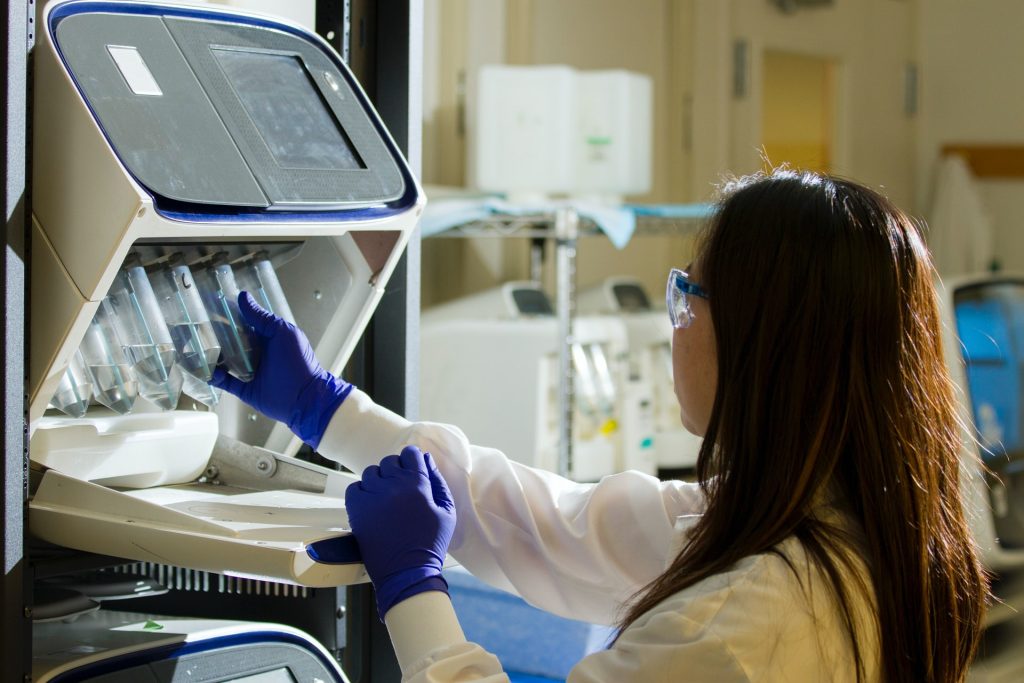
Photo by National Cancer Institute on Unsplash

Part of the reason cancer is such a devastatingly costly disease to treat is because cancer drugs are often require very expensive, specialised ingredients to produce. But thanks to pathbreaking research by UCLA chemists, led by organic chemistry professor Ohyun Kwon, the price of drug treatments for cancer and other serious illnesses may soon plummet.  

For example, one chemical used in making some anti-cancer drugs costs US$3200 per gram – 50 times more than a gram of gold. The UCLA researchers devised an inexpensive way to produce this drug molecule from a chemical costing just US$3 per gram. They were also able to apply the process to produce many other chemicals used in medicine and agriculture for a fraction of the usual cost.

Their breakthrough, published in the journal Science, involves a process known as “aminodealkenylation.” Using oxygen as a reagent and copper as a catalyst to break the carbon-carbon bonds of many different organic molecules, the researchers replaced these bonds with carbon-nitrogen bonds, converting the molecules into derivatives of ammonia called amines.

Amines interact strongly with molecules in living plants and animals, so they are widely used in pharmaceuticals, as well as in agricultural chemicals. Familiar amines include nicotine, cocaine, morphine and amphetamine, and neurotransmitters like dopamine. Fertilisers, herbicides and pesticides also contain amines.

Industrial production of amines is therefore of great interest, but the raw materials and reagents are often expensive, and the processes can require many complicated steps to complete. Using fewer steps and no expensive ingredients, the process developed at UCLA can produce valuable chemicals at a much lower cost than current methods.

“This has never been done before,” Kwon said. “Traditional metal catalysis uses expensive metals such as platinum, silver, gold and palladium, and other precious metals such as rhodium, ruthenium and iridium. But we are using oxygen and copper, one of the world’s most abundant base metals.”

The new method uses ozone to break the carbon-carbon bond in alkenes (a form of hydrocarbon with double carbon-carbon bonds) and a copper catalyst to couple the broken bond with nitrogen, turning the molecule into an amine. In one example, the researchers produced a c-Jun N-terminal kinase inhibitor – an anti-cancer drug – in just three chemical steps, instead of the 12 or 13 steps previously needed. The cost per gram can thus be reduced from thousands of dollars to just a few dollars.

In another example, the protocol took just one step to convert adenosine – a neurotransmitter and DNA building block that costs less than 10 US cents per gram – into the amine N6-methyladenosine. The amine plays crucial roles in controlling gene expression in cellular, developmental and disease processes, and its production cost has previously been US$103 per gram.

Kwon’s research group was able to modify hormones, pharmaceutical reagents, peptides and nucleosides into other useful amines, showing the new method’s potential to become a standard production technique in drug manufacturing and many other industries.

Source: University of California – Los Angeles

When it Comes to Personalised Cancer Treatments, AI is no Match for Human Doctors

Cancer treatment is growing more complex, but so too are the possibilities. After all, the better a tumour’s biology and genetic features are understood, the more treatment approaches there are. To be able to offer patients personalised therapies tailored to their disease, laborious and time-consuming analysis and interpretation of various data is required. In one of many artificial intelligence (AI)projects at Charité – Universitätsmedizin Berlin and Humboldt-Universität zu Berlin, researchers studied whether generative AI tools such as ChatGPT can help with this step.

The crucial factor in the phenomenon of tumour growth is an imbalance of growth-inducing and growth-inhibiting factors, which can result, for example, from changes in oncogenes.

Precision oncology, a specialised field of personalised medicine, leverages this knowledge by using specific treatments such as low-molecular weight inhibitors and antibodies to target and disable hyperactive oncogenes.

The first step in identifying which genetic mutations are potential targets for treatment is to analyse the genetic makeup of the tumour tissue. The molecular variants of the tumour DNA that are necessary for precision diagnosis and treatment are determined. Then the doctors use this information to craft individual treatment recommendations. In especially complex cases, this requires knowledge from various fields of medicine.

At Charité, this is when the “molecular tumour board” (MTB) meets: Experts from the fields of pathology, molecular pathology, oncology, human genetics, and bioinformatics work together to analyse which treatments seem most promising based on the latest studies.

It is a very involved process, ultimately culminating in a personalised treatment recommendation.

Can artificial intelligence help with treatment decisions?

Dr Damian Rieke, a doctor at Charité, and his colleagues wondered whether AI might be able to help at this juncture.

In a study just recently published in the journal JAMA Network Open, they worked with other researchers to examine the possibilities and limitations of large language models such as ChatGPT in automatically scanning scientific literature with an eye to selecting personalised treatments.

AI ‘not even close’

“We prompted the models to identify personalised treatment options for fictitious cancer patients and then compared the results with the recommendations made by experts,” Rieke explains.

His conclusion: “AI models were able to identify personalised treatment options in principle – but they weren’t even close to the abilities of human experts.”

The team created ten molecular tumour profiles of fictitious patients for the experiment.

A human physician specialist and four large language models were then tasked with identifying a personalised treatment option.

These results were presented to the members of the MTB for assessment, without them knowing where which recommendation came from.

Improved AI models hold promise for future uses

Dr. Manuela Benary, a bioinformatics specialist reported: “There were some surprisingly good treatment options identified by AI in isolated cases. “But large language models perform much worse than human experts.”

Beyond that, data protection, privacy, and reproducibility pose particular challenges in relation to the use of artificial intelligence with real-world patients, she notes.

Still, Rieke is fundamentally optimistic about the potential uses of AI in medicine: “In the study, we also showed that the performance of AI models is continuing to improve as the models advance. This could mean that AI can provide more support for even complex diagnostic and treatment processes in the future – as long as humans are the ones to check the results generated by AI and have the final say about treatment.”

Source: Charité – Universitätsmedizin Berlin

Immunomodulatory Rheumatoid Arthritis Drugs might Prevent Autoimmune Thyroid Disease

Source: Pixabay

Anti-rheumatic drugs used for rheumatoid arthritis (RA) might prevent the development of autoimmune thyroid disease, according to a new observational study by researchers from Karolinska Institutet which is published in the Journal of Internal Medicine.   

Patients with RA at increased risk of autoimmune thyroid diseases such as Hashimoto’s disease and Graves’ disease. While patients with RA are usually treated with immunomodulatory drugs that affect the immune system, such drugs are rarely used in autoimmune thyroid diseases. Instead, such patients are treated with thyroid hormones such as levothyroxine to compensate for the changes in normal thyroid function that accompany autoimmune thyroid disease.  

In this study, the researchers wanted to investigate whether immunomodulatory drugs that reduce inflammation in the joints of patients with RA might also reduce the risk of these patients developing autoimmune thyroid disease. Previous studies in mice suggest that so-called DMARDs, a type of immune-modulatory drugs used to treat rheumatoid arthritis, can reduce inflammation in the thyroid gland. Still, knowledge of whether this effect also applies to humans is limited, according to the research team.   

The researchers used data between 2006 and 2018 on over 13 000 patients with rheumatoid arthritis and their treatment, as well as data from over 63 000 individuals in a matched control group without rheumatoid arthritis.  

The researchers found that the risk of developing an autoimmune thyroid disease among RA patients was lower after their onset of the rheumatic disease than before diagnosis.  

The most greatest risk reduction was seen in RA patients treated with immunomodulatory drugs or ‘biological DMARDs’. In these patients, the risk of autoimmune thyroid disease was 46% lower than in the control group without rheumatoid arthritis.   

“These results support the hypothesis that certain types of immunomodulatory drugs could have a preventive effect on autoimmune thyroid disease,” says Kristin Waldenlind, researcher at the Department of Medicine, Solna, Division of Clinical Epidemiology, Karolinska Institutet, specialist in rheumatology at Karolinska University Hospital and first author of the study. She continues:  

“Our results do not prove that it is the treatment with immunomodulatory drugs that led to the reduced risk of autoimmune thyroid disease, but provide support for this hypothesis. The results, if they can be replicated in further studies, open up the possibility of studying more directly in clinical trials whether the immunomodulatory drugs currently used for rheumatoid arthritis could also be used for the early treatment of autoimmune thyroid disease, ie for new areas of use of these drugs, known as drug repurposing.”

Source: Karolinksa Institutet

Cape Town’s Newest Hospital Recognised for Exemplary Water Conservation  

Netcare Christiaan Barnard Memorial Hospital has earned a prestigious five-star rating from the City of Cape Town’s Water and Sanitation Directorate, joining the esteemed ranks of organisations dedicated to water sustainability. The accolade underscores NCBMH’s commitment to responsible water management and aligns with the hospital’s ongoing efforts to champion prudent and sustainable management of natural resources, supporting water-sensitive urban living.

Netcare Christiaan Barnard Memorial Hospital (NCBMH) has earned a prestigious five-star rating from the City of Cape Town’s Water and Sanitation Directorate, joining the esteemed ranks of organisations dedicated to water sustainability. The accolade underscores NCBMH’s commitment to responsible water management.

The City of Cape Town’s Water Star Rating Certification Awards acknowledged NCBMH’s dedication to best water use, supply, conservation and discharge practices. This recognition aligns with the hospital’s ongoing efforts to champion prudent and sustainable management of natural resources, supporting water-sensitive urban living.

“We are proud to be part of a community leading the charge in climate-smart healthcare transformation and are committed to playing a proactive role in averting a potential water crisis in Cape Town and across South Africa,” said André Nortje, Netcare’s environmental sustainability manager.

Nortje emphasised Netcare’s dedication to minimising environmental impact: “Our commitment extends beyond accolades. Efforts to conserve water, reduce waste and save electricity should be high on every South African’s agenda, and we are committed to doing our part to drive sustainability.”

NCBMH’s water conservation initiatives include a sophisticated greywater harvesting system, as well as a desalination plant capable of providing the entire facility’s water needs. These initiatives, as well as the installation of low-flow showerheads and aerator-equipped taps throughout the hospital, can achieve water savings of approximately 60 000 kilolitres for the facility per annum. The hospital’s desalination plant, installed in 2019, also has the filtration capacity to support all Netcare facilities in the City of Cape Town in a disaster situation.

Netcare achieved a 23% reduction in water consumption at Group level between 2014 and 2020. Nortje outlined the 2030 aim to further reduce the company’s impact on the natural potable water sources by implementing grey- and black-water recycling projects within selected facilities.

The company’s sustainability strategy, initiated in 2013, addresses electricity use, waste reduction, and water management. The Group aims to further reduce its impact on water sources by an additional 20% from the 2020 baseline. The strategy includes efficient equipment deployment, the evaluation of greywater and blackwater treatment for potable water and an operational efficiency drive.

“We believe every business should be a good corporate citizen contributing to our country’s future. At Netcare, we want to show South Africa and the world that sustainability is possible and that YOU can make a difference. The certification allows us to showcase our efforts to inspire businesses around us to join in the fight against wastage,” concluded Nortje.

In Sweden, Drone-delivered Defibrillators Fly to the Rescue

Photo by David Bartus on Pexels

Researchers at Karolinska Institutet have evaluated dispatching drones equipped with automated external defibrillators (AED) to patients with suspected cardiac arrest. In more than half of the cases, the drones were ahead of the ambulance by an average of three minutes. The drone-delivered defibrillator was used in a majority of the cases which proved to be cardiac arrests. The results have been published in The Lancet Digital Health.   

“The use of an AED is the single most important factor in saving lives. We have been deploying drones equipped with AED since the summer of 2020 and show in this follow-up study that drones can arrive at the scene before an ambulance by several minutes. This lead time has meant that the AED could be used by people at the scene in several cases,” says Andreas Claesson, Associate Professor at the Center for Cardiac Arrest Research at the Department of Clinical Research and Education, Södersjukhuset, Karolinska Institutet, and principal investigator of the study.   

Every year, around 6000 people in Sweden suffer a sudden cardiac arrest, but only a tenth of those affected survive. Although an early shock with a AED can dramatically increase the chance of survival and there are tens of thousands of AED in the community, they are not available in people’s homes where most cardiac arrests occur.   

Since 2020, in an effort to cut the time to defibrillation with an AED, Karolinska Institutet, together with Region Västra Götaland, SOS Alarm and the drone operator Everdrone, have tested the possibility of dispatched an AED-carrying drone at the same time as an ambulance is alerted. The project covered an area of approximately 200 000 people in western Sweden. An initial study conducted in the summer of 2020 in Gothenburg and Kungälv showed that the idea was feasible and safe.    

“This more comprehensive and follow-up study now shows in a larger material that the methodology works throughout the year, summer and winter, in daylight and darkness. Drones can be alerted, arrive, deliver AED, and people on site have time to use the AED before the ambulance arrives,” says Sofia Schierbeck, PhD student at the same department and first author of the study.   

In the study, drones delivered a AED in 55 cases of suspected cardiac arrest. In 37 of these cases, the delivery took place before an ambulance, corresponding to 67%, with a median lead of 3 minutes and 14 seconds. In the 18 cases of actual cardiac arrest, the caller managed to use the AED in six cases, representing 33%. A shock was recommended by the device in two cases and in one case the patient survived.   

“Our study now shows once and for all that it is possible to deliver AED with drones and that this can be done several minutes before the arrival of the ambulance in connection with acute cardiac arrest,” says Andreas Claesson. “This time saving meant that the healthcare emergency centre could instruct the person who called the ambulance to retrieve and use the AED in several cases before the ambulance arrived.”  

The research was mainly funded by the Swedish Heart-Lung Foundation.

Source: Karolinska Institutet

Skin Bacteria may Hold New Weapons against Antibiotic-resistant Bacteria

Methicillin resistant Staphylococcus aureus (MRSA) – Credit: CDC

Antibiotic-resistant bacteria are a growing global problem, but of the solution may lie in copying the bacteria’s own weapons. Researchers in the Norwegian city of Tromsø has found a new bacteriocin, in a very common skin bacterium, which they describe in Microbiology Spectrum. Bacteriocin inhibits the growth of antibiotic-resistant bacteria that are often the cause of disease and can be difficult to treat.

One million deaths each year

The fact that we have medicines against bacterial infections is something many people take for granted. But increasing resistance among bacteria means that more and more antibiotics do not work. When the bacteria become resistant to the antibiotics we have available, we are left without a treatment option for very common diseases. Over one million people die each year as a result of antibiotic resistance.

The first step in developing new antibiotics is to look for substances that inhibit bacterial growth.

Sami name for an exciting discovery

The research group for child and youth health at UiT The Arctic University of Norway has studied substances that the bacteria themselves produce to inhibit the growth of competitors. These substances are called bacteriocins. Through the work, they have discovered a new bacteriocin, in a very common skin bacterium. Bacteriocin inhibits the growth of antibiotic-resistant bacteria that can be difficult to treat with common antibiotics.

The researchers have called the new bacteriocin Romsacin, after the Sami name for Tromsø, Romsa. The hope is that Romsacin can be developed into a new medicine for infections for which there is currently no effective treatment.

Long way to go

At the same time, researcher Runa Wolden at the Department of Clinical Medicine at UiT emphasizes that there is a long way to go before it is known whether Romsacin will be developed and taken into use as a new medicine. Because that’s how it is with basic research; you cannot say in advance when someone will make use of the results you produce.

“This discovery is the result of something we have been researching for several years. Developing Romsacin – or other promising substances – into new antibiotics is very expensive and can take 10-20 years,” says Wolden, who is part of the research group for child and youth health.

Effective against bacterial types

Before new antibiotics can be used as medicines, one needs to make sure that they are safe to use. Currently, researchers do not know how the bacteriocin works in humans. A further process will involve comprehensive testing, bureaucracy and marketing.

“This naturally means that there is a long way to go before we can say anything for sure. What we already know, however, is that this is a new bacteriocin, and that it works against some types of bacteria that are resistant to antibiotics. It’s exciting,” says Wolden.

The new bacteriocin is produced by a bacterium called Staphylococcus haemolyticus. The bacteriocin is not produced by all S. haemolyticus, but by one of the 174 isolates that the researchers have available in the freezer.

“We couldn’t know that before we started the project, and that’s one of the things that makes research fun,” says Wolden.

She says that ten years ago the researchers collected bacterial samples from healthy people when they wanted to compare S. haemolyticus in healthy people with those found in patients in hospital.

“Subsequently, we have done many experiments with these bacteria, and this is the result from one of our projects,” says Wolden.

Source: UiT The Arctic University of Norway

Chlorine Disinfectant no Better than Water at Eliminating C. Diff

Clostridioides difficile. Credit: CDC

One of the primary chlorine disinfectants currently used for hospital infection control does not kill off spores of the notorious cause of hospital-acquired infection Clostridioides difficile, according to a new study published in the journal Microbiology.

Research by the University of Plymouth has shown that C. Diff spores are completely unaffected despite being treated with high concentrations of bleach used in many hospitals.

In fact, the chlorine chemicals are no more effective at damaging the spores when used as a surface disinfectant – than using water with no additives.

The study’s authors say susceptible people working and being treated in clinical settings might be unknowingly placed at risk of contracting the superbug.

As a result, and with incidence of biocide overuse only serving to fuel rises in antimicrobial resistance (AMR) worldwide, they have called for urgent research to find alternative strategies to disinfect C. diff spores in order to break the chain of transmission in clinical environments.

Dr Tina Joshi, Associate Professor in Molecular Microbiology at the University of Plymouth, carried out the study with Humaira Ahmed, a fourth year Medicine student from the University’s Peninsula Medical School.

Dr Joshi, said: “With incidence of anti-microbial resistance on the rise, the threat posed by superbugs to human health is increasing. But far from demonstrating that our clinical environments are clean and safe for staff and patients, this study highlights the ability of C. diff spores to tolerate disinfection at in-use and recommended active chlorine concentrations. It shows we need disinfectants, and guidelines, that are fit for purpose and work in line with bacterial evolution, and the research should have significant impact on current disinfection protocols in the medical field globally.”

C. diff causes diarrhoea, colitis and other bowel complications, causing around 29 000 deaths per year in the USA, and almost 8500 in Europe, with the most recent data showing that, in the UK, incidence of C. diff infection was increasing prior to the start of the COVID pandemic.

Previously, Dr Joshi and colleagues had demonstrated the ability of C. diff spores to survive exposure to recommended concentrations of sodium dichloroisocyanurate in liquid form and within personal protective fabrics such as surgical gowns.

The new study examined spore response of three different strains of C. diff to three clinical in-use concentrations of sodium hypochlorite. The spores were then spiked onto surgical scrubs and patient gowns, examined using scanning electron microscopes to establish if there were any morphological changes to the outer spore coat.

Dr Joshi, who is on the Microbiology Society Council and Co-Chairs their Impact & Influence Committee, added: “Understanding how these spores and disinfectants interact is integral to practical management of C. diff infection and reducing the burden of infection in healthcare settings. However, there are still unanswered questions regarding the extent of biocide tolerance within C. diff and whether it is affected by antibiotic co-tolerance. With AMR increasing globally, the need to find those answers – both for C. diff and other superbugs – has never been more pressing.”

Source: University of Plymouth

Autofluorescent Compound Paints a Bright Future for Antimalarial Research

Red Blood Cell Infected with Malaria Parasites Colourised scanning electron micrograph of red blood cell infected with malaria parasites (teal). The small bumps on the infected cell show how the parasite remodels its host cell by forming protrusions called ‘knobs’ on the surface, enabling it to avoid destruction and cause inflammation. Uninfected cells (red) have smoother surfaces. Credit: NIAID

New compounds are continuously required due to the risk of malaria parasites becoming resistant to the medicines currently used. A team of researchers at Friedrich-Alexander-Universität Erlangen-Nürnberg (FAU) combined the anti-malaria drug artemisinin with coumarin, and developed a compound from both bioactive plant-derived substances. This compound is also autofluorescent, making it particularly useful as it can be used for imaging in live cells.

The working group, led by Prof Dr Svetlana B. Tsogoeva, also discovered that the autofluorescent artemisinin-coumarin hybrids are able to destroy a certain drug-resistant malaria pathogen called Plasmodium palcifarum. They published their findings in the journal Chemical Science.

Artemisinin is a highly-effective and common ingredient for the manufacture of malaria medication gained from a plant called sweet wormwood (Artemisia annua L.). Coumarin is a secondary plant compound found in various plants.

In the development of drugs against malaria, active substances such as artemisinin are labelled with fluorescent substances in order to identify how they act against malaria pathogens in precise chronological order using imaging techniques.

Combining substances to achieve autofluorescence

A significant disadvantage of labeling with fluorescent substances is the fact that they alter how the medication works.

For example, this means that in certain circumstances cells infected with malaria absorb a drug like artemisinin differently after fluorescent marking than previously.

The solubility of the drug can also change. This was avoided by the development of autofluorescent hybrids, which are compounds made of two or more basic compounds that are inherently fluorescent and whose mode of action can be precisely observed using imaging techniques.

Active agent with special skills

The team decided to combine artemisinin with bioactive coumarins because coumarin derivatives also possess anti-malaria properties. They can also be easily chemically altered so that they become extremely fluorescent.

The researchers discovered that it was not only possible to observe the mode of action of this first autofluorescent artemisinin-coumarin hybrid in living red blood cells infected with P. falciparum.

In conjunction with Prof. Barbara Kappes (Department of Chemical and Biological Engineering, FAU) and Dr. Diogo R. M. Moreira (Instituto Gonçalo Moniz, Fiocruz Bahia, Brazil), they also discovered that the active agent was highly effective against P. falciparum strains in vitro that are resistant to chloroquin and other malaria drugs.

Above all, however, the new compound also proved highly effective against the malaria pathogens in vivo in mouse models.

With the creation of the first autofluorescent artemisinin-coumarin hybrid, the FAU researchers hope that they have laid the foundation for the development of further autofluorescent agents for treating malaria and have made significant process in overcoming multi-drug resistance in the treatment of malaria.

Source: Friedrich-Alexander-Universität Erlangen-Nürnberg

Brains do Not Actually ‘Rewire’ Themselves, Scientists Argue

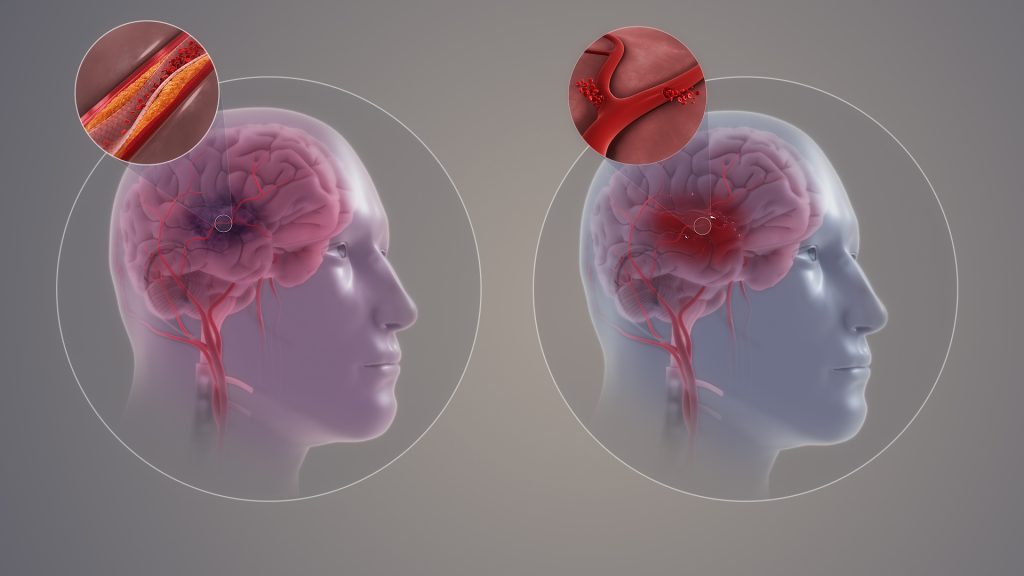
Ischaemic and haemorrhagic stroke. Credit: Scientific Animations CC4.0

Contrary to the commonly-held view, the brain does not have the ability to rewire itself to compensate for conditions such as stroke, loss of sight or an amputation, say scientists in the journal eLife.

Professors Tamar Makin of Cambridge University and John Krakauer of Johns Hopkins University argue that the notion that the brain, in response to injury or deficit, can reorganise itself and repurpose particular regions for new functions, is fundamentally flawed – despite being commonly cited in scientific textbooks. Instead, they argue that what is occurring is merely the brain being trained to utilise already existing, but latent, abilities.

One of the most common examples given is where a person loses their sight – or is born blind – and the visual cortex, previously specialised in processing vision, is rewired to process sounds, allowing the individual to use a form of ‘echolocation’ to navigate a cluttered room. Another common example is of people who have had a stroke and are initially unable to move their limbs repurposing other areas of the brain to allow them to regain control.

Krakauer, Director of the Center for the Study of Motor Learning and Brain Repair at Johns Hopkins University, said: “The idea that our brain has an amazing ability to rewire and reorganise itself is an appealing one. It gives us hope and fascination, especially when we hear extraordinary stories of blind individuals developing almost superhuman echolocation abilities, for example, or stroke survivors miraculously regaining motor abilities they thought they’d lost.

“This idea goes beyond simple adaptation, or plasticity – it implies a wholesale repurposing of brain regions. But while these stories may well be true, the explanation of what is happening is, in fact, wrong.”

In their article, Makin and Krakauer look at a ten seminal studies that purport to show the brain’s ability to reorganise. They argue, however, that while the studies do indeed show the brain’s ability to adapt to change, it is not creating new functions in previously unrelated areas – instead it’s utilising latent capacities that have been present since birth.

For example, a 1980s study by Professor Michael Merzenich at University of California, San Francisco looked at what happens when a hand loses a finger. The hand has a particular representation in the brain, with each finger appearing to map onto a specific brain region. Remove the forefinger, and the area of the brain previously allocated to this finger is reallocated to processing signals from neighbouring fingers, argued Merzenich – in other words, the brain has rewired itself in response to changes in sensory input.

Not so, says Makin, whose own research provides an alternative explanation.

In a study published in 2022, Makin used a nerve blocker to temporarily mimic the effect of amputation of the forefinger in her subjects. She showed that even before amputation, signals from neighbouring fingers mapped onto the brain region ‘responsible’ for the forefinger — in other words, while this brain region may have been primarily responsible for process signals from the forefinger, it was not exclusively so. All that happens following amputation is that existing signals from the other fingers are ‘dialled up’ in this brain region.

Makin, from the Medical Research Council (MRC) Cognition and Brain Sciences Unit at the University of Cambridge, said: “The brain’s ability to adapt to injury isn’t about commandeering new brain regions for entirely different purposes. These regions don’t start processing entirely new types of information. Information about the other fingers was available in the examined brain area even before the amputation, it’s just that in the original studies, the researchers didn’t pay much notice to it because it was weaker than for the finger about to be amputated.”

Another compelling counterexample to the reorganisation argument is seen in a study of congenitally deaf cats, whose auditory cortex appears to be repurposed to process vision. But when they are fitted with a cochlear implant, this brain region immediately begins processing sound once again, suggesting that the brain had not, in fact, rewired.

Examining other studies, Makin and Krakauer found no compelling evidence that the visual cortex of individuals that were born blind or the uninjured cortex of stroke survivors ever developed a novel functional ability that did not otherwise exist.

Makin and Krakauer do not dismiss stories such as blind people navigating using hearing, or individuals who have experienced a stroke regain their motor functions. They argue instead that rather than completely repurposing regions for new tasks, the brain is enhancing or modifying its pre-existing architecture — and it is doing this through repetition and learning.

Understanding the true nature and limits of brain plasticity is crucial, both for setting realistic expectations for patients and for guiding clinical practitioners in their rehabilitative approaches, they argue.

Makin added: “This learning process is a testament to the brain’s remarkable – but constrained – capacity for plasticity. There are no shortcuts or fast tracks in this journey. The idea of quickly unlocking hidden brain potentials or tapping into vast unused reserves is more wishful thinking than reality. It’s a slow, incremental journey, demanding persistent effort and practice. Recognising this helps us appreciate the hard work behind every story of recovery and adapt our strategies accordingly.

“So many times, the brain’s ability to rewire has been described as ‘miraculous’ – but we’re scientists, we don’t believe in magic. These amazing behaviours that we see are rooted in hard work, repetition and training, not the magical reassignment of the brain’s resources.”

The original text of this story is licensed under a Creative Commons Licence.

Source: University of Cambridge