Year: 2023

‘Berry’ Good for You? Adding a Banana Reduces Flavanol Levels in Smoothies

Photo by Denis Tuksar on Unsplash

Smoothies can be a tasty and convenient way to get the important fruits and vegetables needed for a healthy diet. But is a banana and blueberry smoothie the best combo? Researchers at the University of California, Davis, suggest that blending certain ingredients in smoothies can influence whether your body is getting a nutritional boost.

The study, published today in the journal Food and Function, used smoothies to test how various levels of polyphenol oxidase (PPO), an enzyme in many fruits and vegetables, affects the levels of flavanols in food to be absorbed by the body. Flavanols are a group of bioactive compounds that are good for your heart and cognitive health and are naturally found in apples, pears, blueberries, blackberries, grapes and cocoa – common smoothie ingredients.

“We sought to understand, on a very practical level, how a common food and food preparation like a banana-based smoothie could affect the availability of flavanols to be absorbed after intake,” said lead author Javier Ottaviani, director of the Core Laboratory of Mars Edge, which is part of Mars, Inc., and an adjunct researcher with the UC Davis Department of Nutrition. Mars Inc. provided the grant for this study as part of its research into flavonols in cocoa.

When peeled or sliced, PPO causes banana or apple to turn brown, The browning occurs when food with PPO is exposed to air, cut or bruised. The researchers wanted to know whether consuming freshly prepared smoothies made with different PPO-containing fruits impacted the amount of flavanols available to the body.

Bananas versus berries

The researchers had participants drink a smoothie made with banana, which has naturally high PPO activity, and a smoothie made with mixed berries, which have naturally low PPO activity. Participants also took a flavanol capsule as a control. Blood and urine samples were analysed to measure how much flavanols were present in the body after ingesting the smoothie samples and capsule. The researchers found that those who drank the banana smoothie had 84% lower levels of flavanols in their body compared to the control.

“We were really surprised to see how quickly adding a single banana decreased the level of flavanols in the smoothie and the levels of flavanol absorbed in the body,” Ottaviani said. “This highlights how food preparation and combinations can affect the absorption of dietary compounds in foods.”

Last year, the Academy of Nutrition and Dietetics issued a dietary recommendation, advising people to consume 400 to 600 milligrams of flavanols daily for cardiometabolic health. Ottaviani said for people who are trying to consume those flavanols, they should consider preparing smoothies by combining flavanol-rich fruits like berries with other ingredients that also have a low PPO activity like pineapple, oranges, mango or yogurt.

He also said bananas remain a great fruit to be eaten or consumed in smoothies. For those who want to consume smoothies with bananas, or other high PPO activity fruits and vegetables such as beet greens, the suggestion is to not combine them with flavanol-rich fruits such as berries, grapes and cocoa.

The findings of this study could spur future research into how other foods are prepared and the effects on flavanols, for example, Ottaviani said tea is a major dietary source of flavanols and depending on how it is prepared, a different amount of flavanols would be available for absorption.

“This is certainly an area that deserves more attention in the field of polyphenols and bioactive compounds in general,” said Ottaviani.

Jodi Ensunsa, Reedmond Fong, Jennifer Kimball and Alan Crozier, all affiliated with the UC Davis Department of Nutrition and researchers affiliated with the UC Davis Department of Internal Medicine, University of Reading, King Saud University and Mars, Inc. contributed to the research.

The study was funded by a research grant from Mars, Inc., which collaborates with researchers to study potential benefits of cocoa flavanols for human health.

Source: University of California – Davis

Women Who Reach Their 90s Tend to Have Maintained Stable Weight

Photo by Loren Joseph on Unsplash

Reaching the age of 90, 95 or 100, known as exceptional longevity, was more likely for women who maintained their body weight after age 60, according to a multi-institutional study led by University of California San Diego. Older women who sustained a stable weight were 1.2 to 2 times more likely to achieve longevity compared to those who lost 5% of their weight or more.

In this study published in the Journal of Gerontology: Medical Sciences, researchers investigated the link between weight changes later in life with exceptional longevity among 54 437 women who enrolled in the Women’s Health Initiative, a prospective study investigating causes of chronic diseases among postmenopausal women. Throughout the follow up period, 30 647 (56%) of the participants survived to the age of 90 or beyond.

Women who lost at least 5% weight were less likely to achieve longevity compared to those who achieved stable weight. For example, women who unintentionally lost weight were 51% less likely to survive to the age of 90. However, gaining 5% or more weight, compared to stable weight, was not associated with exceptional longevity.

“It is very common for older women in the United States to experience overweight or obesity with a body mass index range of 25 to 35. Our findings support stable weight as a goal for longevity in older women,” said first author Aladdin H. Shadyab, PhD, MPH, associate professor at UC San Diego.

“If aging women find themselves losing weight when they are not trying to lose weight, this could be a warning sign of ill health and a predictor of decreased longevity.”

The findings suggest that general recommendations for weight loss in older women may not help them live longer. Nevertheless, the authors caution that women should heed medical advice if moderate weight loss is recommended to improve their health or quality of life.

The data adds to research connecting weight change and mortality and is notably the first large study to examine weight change later in life and its relation to exceptional longevity.

Source: University of California – San Diego

Python Roundworm Removed from Australian Woman’s Brain

Detection of Ophidascaris robertsi nematode infection in a 64-year-old woman from southeastern New South Wales, Australia. A) Magnetic resonance image of patient’s brain by fluid-attenuated inversion recovery demonstrating an enhancing right frontal lobe lesion, 13 × 10 mm. B) Live third-stage larval form of Ophidascaris robertsi (80 mm long, 1 mm diameter) removed from the patient’s right frontal lobe. C) Live third-stage larval form of O. robertsi (80 mm long, 1 mm diameter) under stereomicroscope (original magnification ×10). Source: Hossain et al. 2023

Australian researchers have discovered the world’s first case of a new parasitic infection in humans after they detected a live eight-centimetre roundworm from a carpet python in the brain of a 64- year-old Australian woman. The researchers at the Australian National University (ANU) and the Canberra Hospital described the novel case in the journal Emerging Infectious Diseases.

The Ophidascaris robertsi roundworm was pulled from the patient after brain surgery – still alive and squirming. It is suspected that larvae, or juveniles, were also present in other organs in the woman’s body, including the lungs and liver.

“This is the first-ever human case of Ophidascaris to be described in the world,” leading ANU and Canberra Hospital said Associate Professor Sanjaya Senanayake, infectious disease expert and co-author of the study.

“To our knowledge, this is also the first case to involve the brain of any mammalian species, human or otherwise.

“Normally the larvae from the roundworm are found in small mammals and marsupials, which are eaten by the python, allowing the life cycle to complete itself in the snake.”

Ophidascaris robertsi roundworms are common to carpet pythons. It typically lives in a python’s oesophagus and stomach, and sheds its eggs in the host’s faeces. Humans infected with Ophidascaris robertsi larvae would be considered accidental hosts.

Roundworms are incredibly resilient and able to thrive in a wide range of environments. In humans, they can cause stomach pain, vomiting, diarrhoea, appetite and weight loss, fever and tiredness.

The researchers say the woman, from southeastern New South Wales in Australia, likely caught the roundworm after collecting a type of native grass, Warrigal greens, beside a lake near where she lived in which the python had shed the parasite via its faeces.

The patient used the Warrigal greens for cooking and was probably infected with the parasite directly from touching the native grass or after eating the greens.

Canberra Hospital’s Director of Clinical Microbiology and Associate Professor at the ANU Medical School, Karina Kennedy, said her symptoms first started in January 2021.

“She initially developed abdominal pain and diarrhoea, followed by fever, cough and shortness of breath. In retrospect, these symptoms were likely due to migration of roundworm larvae from the bowel and into other organs, such as the liver and the lungs. Respiratory samples and a lung biopsy were performed; however, no parasites were identified in these specimens,” she said.

“At that time, trying to identify the microscopic larvae, which had never previously been identified as causing human infection, was a bit like trying to find a needle in a haystack.”

The patient was first admitted to a local hospital in late January 2021 after suffering three weeks of abdominal pain and diarrhoea, followed by a constant dry cough, fever and night sweats. By 2022, the patient was experiencing forgetfulness and depression, prompting an MRI scan. It revealed an atypical lesion within the right frontal lobe of the brain, Associate Professor Kennedy said.

A neurosurgeon at Canberra Hospital explored the abnormality and it was then that the unexpected eight-centimetre roundworm was found. Its identity was later confirmed through parasitology experts, initially through its appearance and then through molecular studies.

Associate Professor Senanayake said the world-first case highlighted the danger of diseases and infections passing from animals to humans, especially as we start to live more closely together and our habitats overlap more and more.

“There have been about 30 new infections in the world in the last 30 years. Of the emerging infections globally, about 75 per cent are zoonotic, meaning there has been transmission from the animal world to the human world. This includes coronaviruses,” he said.

He added that “the snake and parasite are found in other parts of the world, so it is likely that other cases will be recognised in coming years in other countries.”

The patient continues to be monitored by the team of infectious diseases and brain specialists.

“It is never easy or desirable to be the first patient in the world for anything. I can’t state enough our admiration for this woman who has shown patience and courage through this process,” Associate Professor Senanayake said.

Source: Australian National University

Common Gut Microbiota Link to the Development of Childhood Allergies

Photo by Andrea Piacquadio on Unsplash

Several major childhood allergies may all stem from the gut microbiome gut, according to a new study published in Nature Communications. The research identifies gut microbiome features and early life influences that are associated with children developing any of four common allergies. The study, led by researchers at the University of British Columbia and BC Children’s Hospital, could lead to methods of predicting whether a child will develop allergies, and methods to prevent their development.

“We’re seeing more and more children and families seeking help at the emergency department due to allergies,” said Dr Stuart Turvey, paediatrics professor at UBC and co-senior author on the study, noting that as many as one in three children in Canada have allergies.

The study is one of the first to examine four distinct school-aged paediatric allergies at once: atopic dermatitis, asthma, food allergy and allergic rhinitis. While these allergic diseases each have unique symptoms, the Turvey lab was curious whether they might have a common origin linked to the infant gut microbiota composition.

“These are technically different diagnoses, each with their own list of symptoms, so most researchers tend to study them individually,” says Dr Charisse Petersen, co-senior author on the paper and postdoctoral fellow in the Turvey lab. “But when you look at what is going wrong at a cellular level, they actually have a lot in common.”

For the study, researchers examined clinical assessments from 1115 children who were tracked from birth to age five. Roughly half of the children (523) had no evidence of allergies at any time, while more than half (592) were diagnosed with one or more allergic disorders by an expert physician. The researchers evaluated the children’s microbiomes from stool samples collected at clinical visits at three months and one year of age.

The stool samples revealed a bacterial signature that was associated with the children developing any of the four allergies by five years of age. The bacterial signature is a hallmark of dysbiosis, or an imbalanced gut microbiota, that likely resulted in a compromised intestinal lining and an elevated inflammatory response within the gut.

“Typically, our bodies tolerate the millions of bacteria living in our guts because they do so many good things for our health. Some of the ways we tolerate them are by keeping a strong barrier between them and our immune cells and by limiting inflammatory signals that would call those immune cells into action,” says Courtney Hoskinson, a PhD candidate at UBC and first author on the paper. “We found a common breakdown in these mechanisms in babies prior to the development of allergies.”

Many factors can shape the infant gut microbiota, including diet, place and delivery method of birth and antibiotics exposure. The researchers examined how these types of influences affected the balance of gut microbiota and the development of allergies.

“There are a lot of potential insights from this robust analysis,” says Dr Turvey. “From these data we can see that factors such as antibiotic usage in the first year of life are more likely to result in later allergic disorders, while breastfeeding for the first six months is protective. This was universal to all the allergic disorders we studied.”

Now the researchers hope to leverage the findings to inform treatments that correct an imbalanced gut microbiota and could potentially prevent allergies from developing.

“Developing therapies that change these interactions during infancy may therefore prevent the development of all sorts of allergic diseases in childhood, which often last a lifetime,” says Dr Turvey.

Source: University of British Columbia

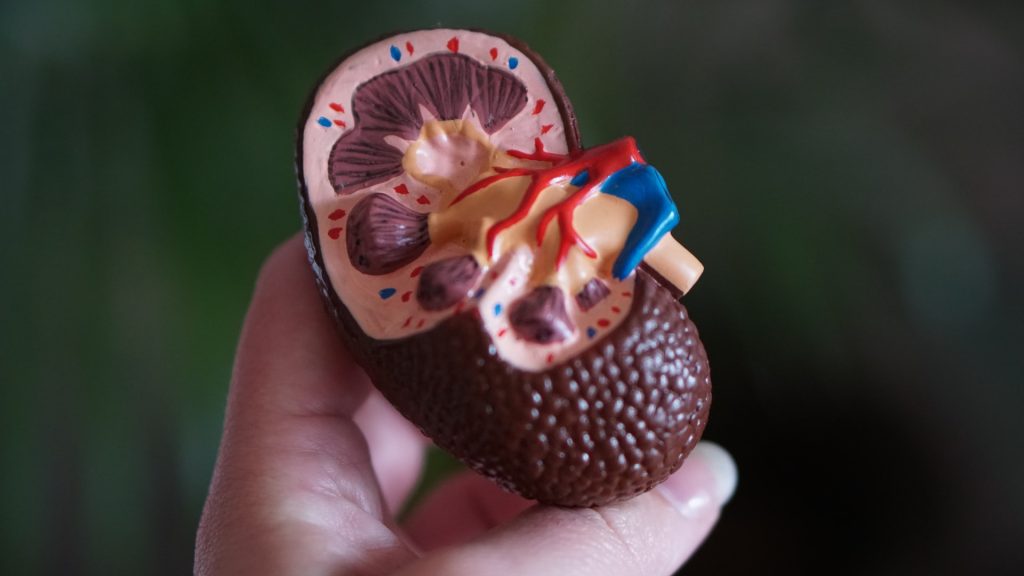
Implanted Bioreactors Functioning as Artificial Kidneys Could One Day Replace Dialysis

Photo by Robina Weermeijer on Unsplash

Scientists at UC San Francisco are working on a new approach to treating kidney failure that could one day free people from needing dialysis or a transplant and the associated immunosuppressive drugs.

The technology, described in Nature Communications, shows for the first time that kidney cells, housed in an implantable device called a bioreactor, can survive inside the body of a pig and mimic several important kidney functions. The device can work quietly in the background, like a pacemaker, and does not trigger the recipient’s immune system to go on the attack.

Eventually, scientists plan to fill the bioreactor with different kidney cells that perform vital functions like balancing the body’s fluids and releasing hormones to regulate blood pressure, then pair it with a device that filters waste from the blood.

The aim is to produce a human-scale device to improve on dialysis, which keeps people alive after their kidneys fail but is a poor substitute for having a real working organ. In the US, more than 500 000 require dialysis several times a week. Many seek kidney transplants, but there are not enough donors, and only about 20 000 people receive them each year. An implantable kidney would be a boon.

This is a key step forward is for The Kidney Project, which is jointly headed by UCSF’s Shuvo Roy, PhD (technical director) and Vanderbilt University Medical Center’s William H. Fissell, MD (medical director).

“We are focused on safely replicating the key functions of a kidney,” said Roy, a bioengineering professor in the UCSF School of Pharmacy. “The bioartificial kidney will make treatment for kidney disease more effective and also much more tolerable and comfortable.”

Inspired by nature, honed by science

Roy and his colleagues engineered the bioreactor to connect directly to blood vessels and veins, allowing the passage of nutrients and oxygen, much like a transplanted kidney would. Silicon membranes keep the kidney cells inside the bioreactor safe from attack by the recipient’s immune cells.

The team used a proximal tubule cell, which regulates water, as a test case. Co-author H. David Humes, MD, from the University of Michigan, had previously used these cells to help dialysis patients in the intensive care unit with life-saving results.

No immunosuppression needed

The team tracked the renal cells and the recipient animals for seven days after transplantation and both did well. The next step will be month-long trials, as required for by the U.S. Food and Drug Administration (FDA), first in animals and eventually in humans.

“We needed to prove that a functional bioreactor will not require immunosuppressant drugs, and we did,” Roy said. “We had no complications and can now iterate up, reaching for the whole panel of kidney functions at the human scale.”

Source: University of California – San Francisco

Stressful Life Events Contribute to Atrial Fibrillation Risk in Postmenopausal Women

Photo by Karolina Grabowska on Pexels

An estimated 1 in 4 postmenopausal women may develop atrial fibrillation in their lifetime, with stressful life events and insomnia being major contributing factors, according to new research published in the Journal of the American Heart Association.

Atrial fibrillation may lead to blood clots, stroke, heart failure or other cardiovascular complications. It primarily affects older adults.

“In my general cardiology practice, I see many postmenopausal women with picture perfect physical health who struggle with poor sleep and negative psychological emotional feelings or experience, which we now know may put them at risk for developing atrial fibrillation,” said lead study author Susan X. Zhao, M.D., a cardiologist at Santa Clara Valley Medical Center in California. “I strongly believe that in addition to age, genetic and other heart-health related risk factors, psychosocial factors are the missing piece to the puzzle of the genesis of atrial fibrillation.“

Researchers reviewed data from more than 83 000 questionnaires by women ages 50-79 from the Women’s Health Initiative, a major US study. Participants were asked a series of questions in key categories: stressful life events, their sense of optimism, social support and insomnia. Questions about stressful life events addressed topics such as loss of a loved one; illness; divorce; financial pressure; and domestic, verbal, physical or sexual abuse. Questions about sleeping habits focused on if participants had trouble falling asleep, wake up several times during the night and  overall sleep quality, for example. Questions about participants’ outlook on life and social supports addressed having friends to talk with during and about difficult or stressful situations; a sense of optimism such as believing good things are on the horizon; and having help with daily chores.

During approximately a decade of follow-up, the study found:

  • About 25% or 23 954 women developed atrial fibrillation.
  • A two-cluster system (the stress cluster and the strain cluster).
  • For each additional point on the insomnia scale, there is a 4% higher likelihood of developing atrial fibrillation. Similarly, for each additional point on the stressful life event scale, there is a 2% higher likelihood of having atrial fibrillation.

“The heart and brain connection has been long established in many conditions,” Zhao said. “Atrial fibrillation is a disease of the electrical conduction system and is prone to hormonal changes stemming from stress and poor sleep. These common pathways likely underpin the association between stress and insomnia with atrial fibrillation.”

Researchers noted that stressful life events, poor sleep and feelings, such as depression, anxiety or feeling overwhelmed by one’s circumstances, are often interrelated. It’s difficult to know whether these factors accumulate gradually over the years to increase the risk of atrial fibrillation as women age.

Chronic stress has not been consistently associated with atrial fibrillation, and the researchers note that a limitation of their study is that it relied on patient questionnaires from the start of the study. Stressful life events, however, though significant and traumatic, may not be long lasting, Zhao notes. Further research is needed to confirm these associations and evaluate whether customised stress-relieving interventions may modify atrial fibrillation risk.

Source: EurekAlert!

Yeast Studies Suggest that Early Diet may be Key for Lifelong Health

Photo by Patrick Fore on Unsplash

Researchers at the Babraham Institute are proposing an alternative link between diet and ageing based on studies in yeast. In a study using yeast, a useful model organism to study ageing, researchers showed that a ‘healthier’ galactose diet in early life led to reduced senescence in those cells. The findings, published in PLOS Biology, suggest that dietary makeup at a young age may have a long-lasting impact on health throughout the lifespan.

Dr Jon Houseley and his team have published their experiments, showing that healthy ageing is achievable through dietary change without restriction by potentially optimising diet, and that ill-health is not an inevitable part of the ageing process.

Scientists have long known that caloric restriction improves health in later life and may even extend life. However, studies in mice show that caloric restriction really needs to be maintained throughout life to achieve this impact, and the health benefits disappear when a normal diet is resumed. Dr Houseley’s new research conducted in yeast suggests an alternative to calorie restriction can lead to improved health through the lifecycle.

“We show that diet in early life can switch yeast onto a healthier trajectory. By giving yeast a different diet without restricting calories we were able to suppress senescence, when cells no longer divide, and loss of fitness in aged cells.” Said Dr Dorottya Horkai, lead researcher on the study.

Rather than growing yeast on their usual glucose-rich diet, the researchers swapped their diet to galactose and observed that many molecular changes which normally accompany ageing did not occur. The cells grown on galactose remained just as fit as young cells even late in life, despite not living any longer, showing that the period of ill-health towards the end of life was dramatically reduced.

“Crucially, the dietary change only works when cells are young, and actually diet makes little difference in old yeast. It is hard to translate what youth means between yeast and humans, but all these studies point to the same trend – to live a long and healthy life, a healthy diet from an early age makes a difference.” explains Dr Houseley.

Yeast are good model organisms for studying ageing as they share many of the same cellular machinery as animals and humans. This avenue of research in yeast helps us to seek a more achievable way to improve healthy ageing though diet compared to sustained and severe calorie restriction, although more research is needed.

Source: Babraham Institute

Urine Adenine Predicts Kidney Failure in Diabetes up to a Decade in Advance

Photo by Robina Weermeijer on Unsplash

Urine levels of adenine, a metabolite produced in the kidney, are predictive and a causative biomarker of looming progressive kidney failure in patients with diabetes, a finding that could lead to earlier diagnosis and intervention, researchers reported in the Journal of Clinical Investigation. Elevated adenine was also associated with all-cause mortality.

The study results are significant because until now, the most important marker for kidney disease has been protein (or albumin) in the urine. Up to half of diabetes patients who develop kidney failure never have much protein in their urine. As 90% of patients with diabetes remain at increased risk despite low levels of albumin in their urine, this study has widespread consequences. It is the first study to identify these patients at an early stage by measuring this new causative marker in the urine.

The finding paves the way for clinic testing to determine that a patient is at risk, five to 10 years before kidney failure, said the senior study author, Kumar Sharma, MD. The study was conducted by The University of Texas Health Science Center at San Antonio.

Importantly, the research team identified a small molecule that blocks the major pathway of endogenous adenine production in the body. This therapeutic drug reduced kidney adenine levels in mice with type 2 diabetes. “The drug protected against all the major aspects of diabetic kidney disease without affecting blood sugar,” Sharma said. “The study is remarkable as it could pave the way to precision medicine for diabetic kidney disease at an early stage of the disease.”

Findings consistent across diverse study populations

The researchers studied more than 1200 patients with diabetes across three international research cohorts. The Chronic Renal Insufficiency Cohort (CRIC) study included African American, Hispanic and Caucasian participants in the US. A separate study was in the American Indian population. The team also evaluated an Asian cohort of mostly Chinese, Asian Indians and Malay populations in a study based in Singapore.

Mapping the metabolites

UT Health San Antonio is one of few centres perfecting a technique called spatial metabolomics on kidney biopsies from human patients. This technique enables researchers to determine the locations of adenine and other small molecules in kidney tissues.

“It’s a very difficult technique, and it took us several years to develop a method where we combine high resolution of the geography of the kidney with mass spectrometry analysis to look at the metabolites,” Sharma said.

Metabolites are small molecules that the body produces based on metabolism. They make cells go in a healthy way or in a disease pattern, Sharma said.

Adenine situated around kidney blood vessels

The team found endogenous adenine around scarred blood vessels in the kidney and around tubular-shaped kidney cells that were being destroyed. Endogenous substances are those that naturally occur in the body.

The finding that high levels of adenine were also associated with all-cause mortality in the study participants suggests that the metabolite is affecting other parts of the body, as well, Sharma said.

False sense of security

Many patients with diabetes know they’re at risk of kidney disease, but if they don’t have protein in their urine, they think they are protected, he said.

“They could be feeling a false sense of security that there is no kidney disease occurring in their body,” Sharma said. “But in fact, in many cases it is progressing, and they often don’t find out until the kidney disease is pretty far advanced. And at that time, it is much harder to protect the kidneys and prevent dialysis.”

“The death rate is very high, especially in patients with diabetes,” Sharma said. “There is about 40% mortality within five years in patients with diabetes and kidney failure.”

New type of therapy is needed

Although treatments to protect against diabetes and blood pressure are improving, they only push the envelope a little bit, Sharma said, in that patients still have progressive kidney disease and kidney failure, but they are afforded more time before they reach that endpoint. The measurement of urine adenine is difficult; however, the team at the Center for Precision Medicine at UT Health San Antonio has developed a robust and sensitive method to measure urine adenine in patients.

“What we’re hoping is that by identifying patients early in their course and with new therapies targeting adenine and kidney scarring, we can block kidney disease or extend the life of the kidney much longer,” Sharma said.

Source: University of Texas Health Science Center at San Antonio

Whistleblower Spills More Details of Alleged Fraud at Mediclinic Hospitals

Photo by Scott Graham on Unsplash

The furore over claims of fraudulent account manipulation happening at Mediclinic hospitals continues to grow, as the initial whistleblower responded to a challenge for more information by providing a detailed list of of starting points for investigators, according to Daily Maverick.

Widely reported in media outlets such as News24, Radio 702, and eNCA, the initial email alleged that hospital codes were being altered to ones which drew higher remunerations from medical aid schemes and therefore which financially benefitted the hospitals. They further claimed that no action was being taken against employees who were engaging in this practice, which was supposedly happening at six hospitals.

The Council for Medical Schemes noted that hospital charges to beneficiaries had increased by nearly 19% from R7039.74 in 2020 to R8346.40. Just over 92% of the total hospital expenditure was paid to private hospitals.

Greg van Wyk, CEO of Mediclinic Southern Africa, was also emailed among the initial recipients. He responded swiftly, writing in a reply to all the cc’d recipients last week that Mediclinic had appointed Steven Powell, head of law firm ENSafrica’s forensics practice, to head its independent audit.

The Mediclinic CEO also challenged the anonymous whistleblower to come forward and reveal themselves, the whistle-blower then responded with an email cc’d to medical schemes and the media. The email contained extensive of details of the alleged fraud – plenty of information for investigators to get started with.

The whistle-blower told News24 that, for example, “When a patient died in a hospital emergency room, sometimes Mediclinic case managers were expected to change their accounts to reflect an ICU death instead. This is because of the fixed fees associated with emergency room deaths, which are lower than ICU-related fees.”

Ciprofloxacin-resistant E. coli Incidence Grows Despite Slashed Prescriptions

Photo by CDC on Unsplash

A US study found that, despite prescriptions for the antibiotic ciprofloxacin dropping by two-thirds between 2015 and 2021, the rates of ciprofloxacin-resistant E. coli bacteria circulating in the community did not decline.

In fact, a study of women over age 50 who had not taken any antibiotics for at least a year discovered that the incidence of gut-colonising ciprofloxacin-resistant E. coli actually increased. About 1 in 5 women in the study were affected.

Scientists at the University of Washington School of Medicine, Kaiser Permanente Washington Health Research Institute and Seattle Children’s Hospital conducted the study. Their findings appear in Communications Medicine.

Their results are consistent with theoretical models indicating that, once a drug-resistant form of E.coli emerges, it will continue to spread by taking up long-term residence in individuals’ gut microbiomes. E. coli is among an alarming number of disease-causing bacteria that have become resistant to several types of antibiotics. Resistance means that the antibiotics can’t kill the bacteria.

Pathogenic E. coli from the gut occasionally enters the urinary tract opening and causes infections. The female pelvic anatomy makes women more vulnerable to these mobile bacteria. Postmenopausal women are especially susceptible to severe, drug-resistant infection. Some drug-resistant E. coli infections are associated with considerable risk of hospitalization and death from sepsis.

Urinary tract infections from antibiotic-resistant E. coli can be frustrating to treat, even with third-generation cephalosporins, the newer types of antibiotics that are being prescribed more frequently for some populations of patients. Resistance to cephalosporins among ciprofloxacin-resistant E. coli also rose between 2015 and 2021.

Ciprofloxacin and similar drugs in its class were once the most prescribed antibiotic for urinary tract infections. In 2015, recommendations from the Centers for Disease Control and Prevention, Food and Drug Administration and Infectious Disease Society of America discouraged broad use of this class of drugs for uncomplicated urinary tract infections, partly due to rising resistance.

“However, it appears to be questionable whether a reduction in antibiotic use can be effective in reducing the rates of resistance in E. coli infections,” the research paper’s authors noted.

“Evidence from studies such as this one may be changing lots of paradigms on how to fight the rise in antibiotic resistance,” said physician scientist Dr. Evgeni V. Sokurenko, professor of microbiology at the University of Washington School of Medicine, who headed this latest research.

In the study, the scientists examined participants’ positive samples to determine which antibiotic-resistant strains of E. coli were present.

They found that the rate of a particularly virulent strain, ST1193, rose during the study period. Together with E. coli strain ST131-H30, these strains are the major causes of a global pandemic of multi-drug-resistant urinary tract infections among all women.

If ST1193 makes its home in more people’s guts, the situation could lead to more urinary tract infections with this more virulent strain, regardless of the curbing of fluoroquinolones prescriptions.

Another strain with a troubling increase in the participant samples was ST69, known to more frequently cause urinary tract infections in children.

tize discovering better ways to control drug-resistant E. coli’s ability to colonize the gut before it causes these infections, the authors wrote. They mentioned potential strategies of deploying probiotic bacteria and anti-bacterial viruses (bacteriophages).

The researchers added that these approaches might be offered to high-risk patients or deployed against the most clinically relevant strains. More investigation is needed on the epidemiology and ecology of antibiotic-resistant gut E. coli, they said, to help determine how these bacteria skillfully colonize human guts and how to target them most effectively to reduce antibiotic-resistant infections.

Source: University of Washington School of Medicine/UW Medicine