Year: 2023

Collaboration Key to Address SA’s Fatal, Diabetes-linked Cardiovascular Disease Burden
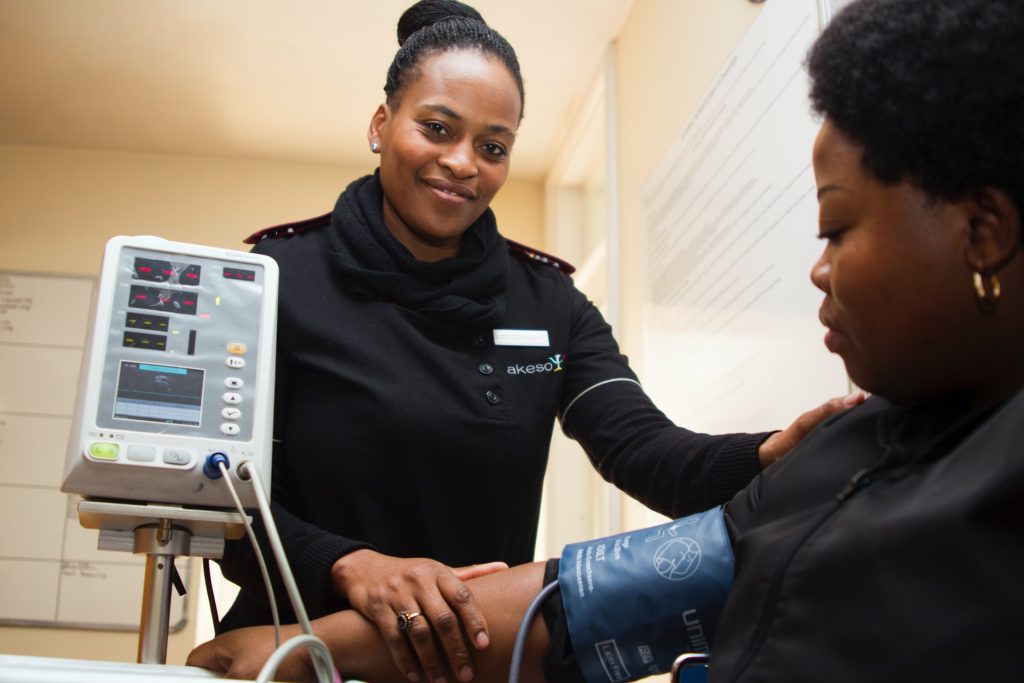
Photo by Hush Naidoo on Unsplash

Only concerted multi-disciplinary collaboration and research will stem the tide of diabetes and diabetes-linked cardiovascular disease (CVD), the latter currently the leading cause of death locally and worldwide, claiming 17.9 million lives annually1.

This was the consensus among some of the world’s leading cardiologists and researchers gathered at the SA Heart Association’s annual congress aptly themed: ‘The Cardiac Collaboration,’ which took place at the Sandton Convention Centre in Johannesburg from 26-29 October this year.

Globally, CVD takes more lives than TB, HIV and malaria combined, while 215 South Africans are killed by CVD every day – with 80% of CVD and strokes being preventable.1,2 The prevalence of diabetes has also increased in South Africa, from 4.5% in 2010 to 12.7% in 2019. Of the 4.58 million people aged 20-79 years who were estimated to have diabetes in 2019, 52.4% were undiagnosed.3

With diabetes being a key driver of CVD – especially in Africa (with limited access to novel drugs and the prevalence of sugar-rich, poverty-driven lifestyles), the mutual consensus at this year’s congress was that collaboration is key.

Dr Zaheer Bayat, Chairperson of the Society for Endocrinology, Metabolism and Diabetes of South Africa (SEMDSA), told delegates that endocrinologists and cardiologists would have to work together to improve outcomes for diabetic patients, 30% of whom suffered cardiovascular events. He warned that a 134% increase of people living with diabetes was predicted over the next two decades, translating into a dramatic surge in chronic kidney disease, cardiovascular disease, blindness, and amputations.

Dr Bayat said he intends appealing for mass diabetes screening to find the 52% of people whom researchers estimate are undiagnosed. Ideally, this should be followed by access to cheaply acquired, effective new glucose-lowering drugs.

“The reality is that this country cannot afford all the new treatments for everyone – not private funders, not government. So, drugs are not really a solution – the best solution is to change lifestyle and prevent disease in the first place,” said Dr Bayat.

“We’re here to fight for our patients, not our pockets. Can we afford to have 52% of our patients not knowing they’re diabetic? People who should be contributing to our economy are living with diabetes and eventually dying,” he asserted.

Dr Bayat also said that globally, First World countries such as the USA and Sweden are reducing myocardial infarctions, strokes, and amputations, because they’re doing all the right things together. This included adopting a healthy lifestyle, effective management of sugar, blood pressure and cholesterol and smoking cessation.

“However, here in South Africa with private healthcare representing 15% of healthcare delivery but consuming 50% of the spend and the public sector representing 85% of the population and consuming the other half – we’re not doing nearly as well. With only 200 cardiologists in the country (one per 190 000 population), and even less nephrologists, we need to join together and change the trajectory of diabetes. We must work together to reduce morbidity and mortality,” said Dr Bayat.

According to the SA Heart Association, this graphically illustrates the importance of a multi-disciplinary approach, the very reason why the conference was called ‘The Cardiac Collaboration.’

The SA Heart Association has already begun forging formal ties with other academic societies and next year, it hopes to join and host joint sessions with collaborative meetings to connect a multidisciplinary team in order to achieve a well-rounded balance of care.

References:

  1. https://www.heartfoundation.co.za/wp-content/uploads/2017/10/CVD-Stats-Reference-Document-2016-FOR-MEDIA-1.pdf.
  2. https://world-heart-federation.org/what-we-do/prevention/#:~:text=An%20estimated%2080%25%20of%20cardiovascular,and%20%E2%80%9Cknowing%20your%20numbers%E2%80%9D.
  3. International Diabetes Federation. IDF Diabetes Atlas.10th ed. International Diabetes Federation; Brussels, Belgium: 2021. [Google Scholar] (primary). https://www.ncbi.nlm.nih.gov/pmc/articles/PMC10218408/#:~:text=The%20prevalence%20of%20diabetes%20mellitus,%25%20were%20undiagnosed%20%5B5%5D. (secondary).

Intensive BP Target of Under 120mmHg Yields even Better Outcomes

Pexels Photo by Thirdman

An intensive three-year intervention to lower systolic blood pressure (BP) to less than 120mmHg was more effective at preventing death, heart attack, stroke and other cardiovascular events in adults at high risk for cardiovascular disease, compared to the standard treatment target of under 140mmHg, according to late-breaking science presented at the American Heart Association’s Scientific Sessions 2023.

“Our study provides evidence to support targeting systolic blood pressure to less than 120mmHg in hypertensive patients with high cardiovascular risk and normal or mild-reduced kidney function, regardless of their diabetes status (Type 1, Type 2 or none) or history of stroke,” said lead study author Jing Li, MD, PhD, director of the department of preventive medicine at the National Center for Cardiovascular Diseases in Beijing, China.

The researchers conducted a multi-centre, randomised controlled trial to evaluate the effects of an intensive blood pressure-lowering strategy on the incidence of major cardiovascular events, including heart attack, stroke, cardiovascular death, revascularisation, or hospitalisation or emergency room visit for heart failure, in participants with increased cardiovascular risk.

Participants in the ESPRIT trial were randomised to receive intensive antihypertensive treatment with a systolic BP target of less than 120mmHg (using higher doses and multiple classes of drugs) or standard treatment, with a target measurement of under 140mmHg over a three-year period. Safety was assessed between treatment groups by comparing serious adverse events among participants.

The researchers found that after two years, participants in the intensive treatment group had significantly better outcomes than those receiving standard care. Compared with the standard treatment, the intensive treatment strategy prevented:

  • 12% of heart attacks, stroke, revascularisation procedures, death from cardiovascular causes and hospitalisation or emergency room visit for heart failure;
  • 39% of deaths from cardiovascular causes; and
  • 21% of deaths from any cause.
  • There was no significant difference in serious adverse events of hypotension, electrolyte abnormality, fall resulting in an injury, acute kidney injury or renal failure.

Syncope, or fainting, was one of the serious adverse events used to evaluate safety. Syncope occurred at a rate of 0.4% per year in the intensive group and 0.1% in the standard group. This means that for every 1000 patients receiving the intensive treatment for 3 years, 3 patients would experience a serious adverse event of syncope, while 14 major vascular events and 8 deaths would be further prevented, Li noted.

“These results provide evidence that intensive hypertension treatment focused on achieving systolic blood pressure of less than 120mmHg is beneficial and safe for individuals with high blood pressure and increased cardiovascular risk factors,” Li said. “Implementing this intensive treatment strategy for high-risk adults has the potential to save more lives and reduce the public health burden of heart disease worldwide.”

Study details and background:

  • The ESPRIT trial included 11,255 adults in China. Participants had a baseline systolic blood pressure measurement of 130–180mmHg and either established cardiovascular disease or at least two major risk factors for cardiovascular disease.
  • Participants were an average age of 64.6 years; 41.3% women and 58.7% men.
  • Approximately 27% of the study participants had a history of stroke; approximately 29% had previous coronary heart disease; and approximately 39% had diabetes, Type 1 or Type 2.
  • The trial’s primary outcome was a composite outcome of heart attack, coronary or non-coronary revascularisation, hospitalisation/emergency room visit for heart failure, stroke or CV death. Secondary outcomes included CV outcomes, kidney outcomes and cognitive outcomes.

Study limitations included that the cardiovascular benefits of the intensive intervention emerged after two years, while the intervention only lasted three years, meaning the relatively short study period may underestimate the benefits, Li said. In addition, the study was conducted in China and therefore, the results may not be generalisable to people in other racial and ethnic groups or living in other countries. However, Li also noted that the results were consistent with similar studies in people of other racial and ethnic groups.

Future work will involve examining the longer-term effects of the intensive intervention strategy over the follow-up period.

Source: American Heart Association

Cracking the Whip on Fraud, Waste and Abuse at This Week’s BHF Forensic Unit Indaba

Photo by Jp Valery on Unsplash

A realistic update on the amount of funds lost to fraud, waste and abuse in the South African healthcare environment as well as a special address dedicated to the value and protection of whistle blowers will lead discussions during the annual Board of Healthcare Funders (BHF) Healthcare Forensic Management Unit (HFMU) Fraud, Waste and Abuse (FWA) Indaba at The Houghton in Johannesburg on Wednesday, 22 November.

Convened to coincide with International Fraud Awareness Week and to be moderated by BHF Forensic Unit chair, Dr Hleli Nhlapo, the Indaba spotlight will be on “Strengthening a Culture of Integrity and Accountability – New Strategies for a Corruption Resistant Future “ – subject of the keynote address.

The event will once again endorse the BHF’s representative role as a guardian of the interests of medical schemes, administrators and managed care organisations not only in South Africa but also Lesotho, Zimbabwe, Namibia, Botswana, Mozambique, Malawi and eSwatini.

To this end an unprecedented feature this year will be a panel discussion by Southern African Development Community (SADC) members on strengthening anti-corruption efforts in the SADC Region with cross-border co-operation.

“Promoting the culture of whistle blowing and the protection of whistle blowers” will be a significant key point on the Indaba agenda with the promise of a lively discussion on the encouragement of whistle blowing with the non-negotiable proviso that specific mechanisms should be put in place for corruption reporting without repercussions. 

Until last year fraud, waste and abuse losses in South Africa were generally estimated at just under the R30-billion mark, but as pointed out by the Special Investigating Unit’s Advocate Andy Mothibi at the BHF Conference earlier this year, this figure was likely to be a lot higher.

Fraudulent activities relating to false claims was still a major contributing factor to these losses, he explained, alluding to an observation that anything between 5% and 15% of all medical aid claims could include elements of FWA.

Spurious activities in this regard will no doubt emerge in some of the answers to the Indaba agenda question “Is there ‘Rent Seeking’ in our Healthcare System?” – “rent seeking” being an economic term for an individual who or an entity which seeks to increase their own wealth without creating any benefits or wealth by activities which aim to obtain financial gains and benefits through the manipulation of the distribution of economic resources.

In the same vein, the discussion on “Cracking the Code: Uncovering and Combating Organized Crime Networks in Healthcare”, should shed light on current FWA challenges followed by collaborative measures to counter these such as the use of the HMFU FWA portal introduced four years ago with the prime objective of combating healthcare fraud, waste, and abuse.

Another important element of FWA which has risen to the fore particularly since the successes of the SIU, has been the recovery of lost funds. This will be the focal point of a presentation “Navigating the Road to Restitution: Strategies for Successful Civil Claims Recovery in Healthcare” during which a series of steps to recover losses from wrongdoing or fraud in healthcare are scheduled to be presented.

Going by previous deliberations on the topic, these are likely to emphasise the need for a dedicated legal team with healthcare law and fraud recovery expertise and a commitment to justice for fraud and misconduct victims.

The day’s proceedings will conclude with the SADC member panel discussion on “Cross border Co-operation: Strengthening Anti-Corruption Efforts in the SADC Region”.

Members are expected to deal with important issues such as, not least, the protection of whistle blowers, as well as encouraging healthcare workers in their specific countries to report corruption risk-free with the promotion of law enforcement capabilities and related awareness campaigns.

Researcher Helps Solve 60-year Mystery of the Heart’s Smallest Structures

Credit: Wikimedia CC0

A researcher at the University of Kentucky has helped solve a 60-year-old mystery about one of the body’s most vital organs: The heart. Specifically, its tiniest structures: the complicated bundles of filament molecules inside its cells.

Kenneth S. Campbell, PhD, the director of translational research in the Division of Cardiovascular Medicine in the UK College of Medicine, helped map out an important part of the heart on a molecular level. The study was published online in the journal Nature.

Each cardiac cell contains thousands of smaller structures, called sarcomeres – the building blocks of muscle. Within each block, are hundreds of myosin filaments. To put this microscopic level into perspective, if the heart is a continent, Campbell and fellow researchers are looking at single strands of hair.

“Each filament has roughly 2000 molecules arranged in a really complicated structure that scientists have been trying to understand for decades,” said Campbell. “We knew quite a lot about the individual molecules and people thought the myosins could be arranged in groups of six that were called crowns, but not much beyond that.”

Campbell explained the most interesting discovery in the paper is that there are three different types of crowns. The interactions between them are shown in the second photo below.

“We think this means that heart muscle can be controlled more precisely than we had realised. We were also excited to see how myosin binding protein-C, another protein that is linked to genetic heart disease, sits within the structure. It gives us a new level of information about how the molecules are arranged in the heart,” said Campbell.

Working with researchers at the University of Massachusetts Chan Medical School, the group produced single-particle 3D reconstructions of the cardiac thick filaments. The pictures provide a new framework for interpreting structural, physiological and clinical observations.

“We’re interested in therapies for different kinds of heart failure and myopathies, where the heart muscles don’t work very well,” said Campbell. “Our research is one of many projects underway at the university to help come up with better therapies for heart disease.”

The research team collected heart samples from the Gill Cardiovascular Biorepository, of which Campbell is the director. Samples are donated for research purposes from patients who receive cardiovascular care at UK.

“We started the Gill Cardiovascular Biorepository in 2008. With the help of a surgeon at UK HealthCare, we started collecting samples of myocardium from organ donors and from patients who were getting cardiac transplants,” said Campbell. “Now we’ve built a huge resource with roughly 15 000 samples from nearly 500 people.

Source: University of Kentucky

European Populations are More Genetically Diverse than Expected

Source: CC0

Researchers have found that previous studies analysing the genomes of people with European ancestry may have reported inaccurate results by not fully accounting for population structure. By considering mixed genetic lineages, researchers at the National Human Genome Research Institute (NHGRI) demonstrated that previously inferred links between a genomic variant for lactase and traits such as a person’s height and low-density lipoprotein cholesterol (LDL-C) level may not be valid.

The study, published in Nature Communications, shows that people with European ancestry, who were previously treated as a genetically homogenous group in large-scale genetic studies, have clear evidence of mixed genetic lineages, known as admixture. As such, the results from previous genome-wide association studies that do not account for admixture in their examinations of people with European ancestry should be re-evaluated.

“By reading population genetics papers, we realised that the pattern of genetic makeup in Europe is too detailed to be viewed on a continental level,” said Daniel Shriner, PhD, staff scientist in the NIH Center for Research on Genomics and Global Health and senior author of the study. “What is clear based on our analysis, is when data from genetic association studies of people of European ancestry are evaluated, researchers should adjust for admixture in the population to uncover true links between genomic variants and traits.”

To look at European genetic ancestry, the researchers collated data in published genetic association studies and generated a reference panel of genomic data that included 19 000 individuals of European ancestry across 79 populations in Europe and European Americans in the US, capturing ancestral diversity not seen in other large catalogues of human genomic variation.

As an example, the researchers investigated the lactase gene, which encodes a protein that helps digest lactose and is highly varied across Europe. Using the new reference panel, they analysed how a genomic variant of the lactase gene is related to traits such as height, body mass index and LDL-C.

When the researchers considered the genetic admixture of the European population in their analysis, they found that the genomic variant of the lactase gene is not linked to height or LDL-C level. In contrast, the same variant does influence body mass index.

“The findings of this study highlight the importance of appreciating that the majority of individuals in populations around the world have mixed ancestral backgrounds and that accounting for these complex ancestral backgrounds is critically important in genetic studies and the practice of genomic medicine,” says Charles Rotimi, PhD, NIH Distinguished Investigator, director of the Center for Research on Genomics and Global Health and senior author of the study.

While the lactase gene is one example of a gene that may be incorrectly linked to some traits based on previous analyses, the researchers say it’s likely that there are other false associations in the literature and that some true associations are yet to be found. Information about how genomic variants are related to different traits helps researchers estimate polygenic risk scores and may give clues about a person’s ability to respond safely to drug treatments.

While the differences in any two people’s genomes are less than 1%, the small percentage of genomic variation can give clues about where a person’s ancestors might have come from and how different families might be related. Information about who a person is biologically descended from, known as genetic ancestry, can give important clues about genetic risks for common diseases.

“Finding true genetic associations will help researchers be more efficient and careful with how further research is conducted,” said first author Mateus Gouveia, PhD, research fellow in the Center for Research on Genomics and Global Health. “We hope that by accounting for mixed ancestries in future genomic analyses, we can improve the predictive value of polygenic risk scores and facilitate genomic medicine.”

The reference panel generated in this study is available to the scientific community for use in other studies, with additional information provided in the paper.

Source: NIH/National Human Genome Research Institute

A Single Gene-editing Infusion may Control Inherited High LDL Cholesterol

CRISPR-Cas9 is a customisable tool that lets scientists cut and insert small pieces of DNA at precise areas along a DNA strand. This lets scientists study our genes in a specific, targeted way. Credit: Ernesto del Aguila III, National Human Genome Research Institute, NIH

A single infusion of a CRISPR-based gene-editing therapy significantly reduced low-density lipoprotein cholesterol (LDL-C, the ‘bad cholesterol’) in people who carry one gene for the inherited condition that results in very high LDL-C levels and a high risk of heart attack at an early age, according to findings presented at the American Heart Association’s Scientific Sessions 2023.

“Instead of daily pills or intermittent injections over decades to lower bad cholesterol, this study reveals the potential for a new treatment option – a single-course therapy that may lead to deep LDL-C lowering for decades,” said senior study author Andrew M. Bellinger, M.D., Ph.D., chief scientific officer at Verve Therapeutics in Boston.

The investigational treatment, VERVE-101, uses DNA-editing technology to permanently turn off the PCSK9 gene in the liver. PCSK9 is a gene that plays a critical role in controlling blood LDL-C through its regulation of the LDL receptor. People with heterozygous familial hypercholesterolaemia (ie, one gene for the disorder inherited from one parent) are treated with oral lipid-lowering medications such as statins as well as PCSK9 inhibitors to bring levels under control, though this only occurs in a small percentage of patients. The study presented is the first human trial of VERVE-101.

Earlier this year, the results of the researchers’ one-year animal study were published in Circulation. In that animal study, VERVE-101 lowered PSCK9 levels 67%-83% and LDL-C 49%-69%, depending on the dose. After a single dose, the reductions have now lasted 2.5 years, supporting the idea that VERVE-101 may potentially be an effective long-term or permanent treatment for high LDL-C.

The ongoing, first-in-human study included 7 men and 2 women in New Zealand or the United Kingdom: average age of 54 years; 8 white adults; and 1 Asian adult. Each participant was diagnosed with heterozygous familial hypercholesterolemia and had extremely high bad cholesterol levels (average measure of 201mg/dL) despite taking the maximum-tolerated LDL cholesterol-lowering medication.

“These numbers are consistent with the fact that, despite available treatments, only about 3% of patients living with heterozygous familial hypercholesterolemia globally have reached target treatment goals,” Bellinger said.

The majority of study participants had pre-existing severe coronary artery disease and had already experienced a heart attack, or undergone coronary bypass surgery or stenting to allow adequate blood flow to heart muscle. None were taking PCSK9 inhibitors while enrolled in the study.

Each participant received a single intravenous infusion of VERVE-101, with the first cohort (n=3) receiving a low dose of 0.1 mg/kg and other cohorts receiving escalating doses, after consultation with an independent safety monitoring board. The highest dose received was 0.6 mg/kg.

The study found that the highest-two VERVE-101 doses:

  • reduced LDL-C by 39% and 48% in the two participants receiving 0.45mg/kg of the drug and 55% in the sole participant receiving 0.6mg/kg;
  • reduced blood PCSK9 protein levels by 47%, 59% and 84% in the three participants receiving the 0.45 mg/kg or 0.6 mg/kg doses; and
  • reduced LDL-C at six months in the sole participant receiving 0.6mg/kg, with follow-up ongoing.

“We were thrilled to see that the previous testing we had done of VERVE-101 in animal models translated faithfully to these findings in humans,” Bellinger said.

Most adverse events encountered were mild and unrelated to treatment. Serious adverse cardiovascular events, specifically a cardiac arrest, a myocardial infarction and an arrhythmia, occurred in two patients who had underlying advanced coronary artery disease. “All safety events were reviewed with the independent data safety monitoring board, who recommended continuation of trial enrolment with no protocol changes required,” Bellinger said.

Studies involving a larger number of patients and with a control group will be required to fully document the efficacy and safety of VERVE-101, noted Bellinger.

The study is still enrolling patients to receive the highest-two doses of VERVE-101. After a year’s follow-up, each participant will go into a long-term follow-up study for an additional 14 years, as required by the FDA for all participants in any human genome editing trials.

Among the study’s limitations is that this is an interim report with a few participants who all received the treatment; therefore, no participants receiving an alternate treatment or no treatment were available for direct comparison. Results in the study were measured by reductions in LDL-C, not changes in the occurrence of heart attacks; however, LDL-C reduction is a well-known, validated endpoint among patients with heterozygous familial hypercholesterolaemia and coronary artery disease.

Source: American Heart Assoication

Cholesterol Discovery could Lead to New Therapies to Prevent Cardiovascular Disease

Source: CC0

Researchers at the University of Leicester have discovered the mechanism by which cholesterol in the diet is absorbed into cells. This discovery, which has just been published in the journal Science opens up new opportunities for therapeutic intervention to control cholesterol uptake that could complement other therapies and potentially save lives.

The research, conducted with colleagues from the USA, China and Australia, has shown that two proteins (called Aster B and Aster C) play a key role in transporting cholesterol from the membrane of the cells lining our intestine to the internal compartment where it is modified prior to circulation.

Funding came from the Leducq Foundation which awarded $6 million to eight laboratories across the USA and Europe for collaborative research into how cholesterol is transported in our bodies.

University of Leicester researchers from the Institute of Structural and Chemical Biology, used their expertise to reveal how Ezetimibe, a cholesterol lowering drug, blocks the ability of Aster B and C to transport cholesterol.

Professor John Schwabe, Director of the Institute for Structural and Chemical Biology, said: “This breakthrough is the result of a long-lasting collaboration and forms part of an international effort to identify ways in which we can combat cardiovascular disease and stroke. A better understanding of important areas of cholesterol absorption and metabolism and, particularly, how cholesterol moves within cells and tissues is essential. This knowledge will allow us to design new drugs and therapies that target specific proteins involved in these pathways to combat most pressing public health problems such as heart attacks and stroke.

Professor Schwabe added: “If we can prevent some cholesterol from being absorbed into our cells, we may ultimately be able to prevent individuals from having high cholesterol and cut down their risks of heart attack and stroke and therefore potentially save lives.

“The Leducq team of experts have different expertise that is used to target the problem at different levels and following different approaches. In addition to target cholesterol absorption, we are trying to identify how cholesterol metabolism and transport affect cholesterol levels and atherosclerotic disease. Cholesterol transporters are essential to regulate blood cholesterol levels therefore we are testing small molecules that influence the function of these transporters in order to develop drugs that ultimately lower the risk for heart attack and stroke.”

Postdoctoral Researcher, Dr Beatriz Romartinez-Alonso, added: “This has been a great project to work on – discovering new science highly relevant to human health.”

Source: University of Leicester

Obinutuzumab Reduces Lupus Kidney Flareups and Preserves Function

Photo by Robina Weermeijer on Unsplash

In a post hoc analysis of the phase 2 NOBILITY trial, researchers found that treatment with obinutuzumab was superior to placebo for preserving kidney function and preventing flares in patients with lupus nephritis, a kidney condition associated with the autoimmune disease lupus.

Obinutuzumab is a recombinant, humanised type II anti-CD20 IgG1 monoclonal antibody glycoengineered to enhance antibody-dependent cell-mediated cytotoxicity and phagocytosis.

In the analysis, which is published in Arthritis & Rheumatology, compared with standard-of-care treatment alone, the addition of obinutuzumab to lupus nephritis treatment reduced the risk of developing a composite outcome of death, fall in kidney function, or treatment failure by 60%. Adding obinutuzumab also reduced the risk of lupus nephritis relapses by 57% and significantly decreased the rate of decline in kidney function over the trial’s two years duration.    

Overall, 38% of obinutuzumab-treated patients compared with 16% of placebo-treated patients achieved a complete remission of lupus nephritis by week 76, with the need for fewer glucocorticoids.   

“These data are really important because the ultimate goal of lupus nephritis therapy is to preserve kidney survival so patients never have to face the need for dialysis or transplantation because their kidneys failed,” said corresponding author Brad Rovin, MD, of Ohio State University Wexner Medical Center. “The addition of obinutuzumab to standard lupus nephritis therapy may increase the likelihood of achieving this goal.”

Source: Wiley

Experimental Drug Slashes Levels of Lipoprotein(a) by 94% in Early Trial

Image by Scientific Animations, CC4.0

Findings from a phase 1 trial reported by a Cleveland Clinic physician show that a single dose of an experimental therapy produced greater than 94% reductions in blood levels of lipoprotein(a), a key cardiovascular risk driver, with the results lasting for nearly a year. 

The findings were presented at the American Heart Association’s Scientific Sessions 2023 and simultaneously published in the Journal of the American Medical Association.  

Lipoprotein(a), or Lp(a), is made in the liver and has similarities to low-density lipoprotein (LDL). Unlike other types of cholesterol particles, Lp(a) levels are 80–90% genetically determined. The structure of the Lp(a) particle causes atherosclerosis, which greatly increases the risk of heart attacks and strokes. 

Although effective therapies exist to reduce the risk of heart disease by lowering LDL cholesterol and other lipids, currently there are no approved drug treatments to lower Lp(a). Since Lp(a) levels are genetically determined, lifestyle changes such as diet or exercise have no effect. 

In the trial, participants who received an injection of lepodisiran had lipoprotein(a) levels reduced by the top dose as much as 96% within two weeks and maintained levels more than 94% below baseline for 48 weeks. The drug is a small interfering RNA (siRNA) therapeutic that blocks the messenger RNA needed to manufacture a key component of lipoprotein(a) in the liver. 

The findings add lepodisiran to the growing list of therapies that could be promising treatments for atherosclerotic cardiovascular diseases in people with high levels of Lp(a), which is estimated to affect a fifth of the global population.   

“These results showed that this therapy was well tolerated and produced very long-duration reductions in Lp(a), an important risk factor that leads to heart attack, stroke and aortic stenosis,” said lead author Steven Nissen, MD, Chief Academic Officer of the Heart, Vascular & Thoracic Institute at Cleveland Clinic.  

In the trial, researchers enrolled 48 patients in the US and Singapore, average age 47. Investigators studied six different dosages and a placebo, which were all administered as injections. Participants were monitored for up to 48 weeks after administration.   

Maximum Lp(a) plasma concentrations were reduced by 49% from baseline levels for the 4mg dose and up to 96% for the 608mg dose vs a 5% decrease for the placebo. No safety issues were observed, and the only tolerability issue was mild injection site reactions. 

“Despite the strong evidence of the importance of elevated Lp(a) as a risk factor for heart disease, effective treatment has been elusive,” commented Dr Nissen. “This approach to treatment gives hope to the 20% of the world’s population who have elevated Lp(a) levels.” 

A phase 2 trial studying lepodisiran is currently underway. The trial was sponsored by Eli Lilly and Company (Lilly), the company developing lepodisiran. 

Source: Cleveland Clinic

H3D’s Pioneering Research Adds Hope to the Fight against Malaria 

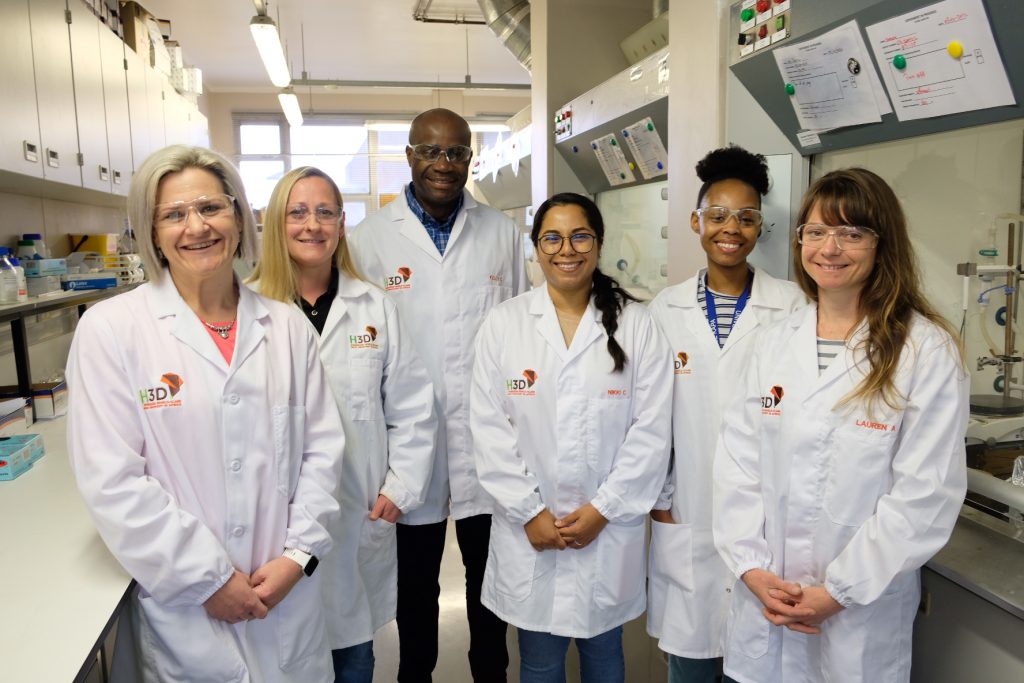
Members of the University of Cape Town’s Holistic Drug Discovery and Development Centre H3D

A formidable disease that has plagued humanity for centuries, malaria has exacted a heavy toll on human lives, disrupting communities and hindering socio-economic progress across some of the most vulnerable regions of the world, particularly the African continent.  

With its stealthy transmission through the bites of infected mosquitoes, malaria has earned the dubious reputation of being one of the deadliest vector-borne diseases on the planet. So much so that the World Health Organization’s World Malaria Report reveals that malaria cases are on the rise, with instances rising from 245 million cases in 2020 to over 247 million a year later1

With an estimated 619,000 people succumbing to the disease in 20211, it remains a defining challenge for global healthcare systems. However, through the unyielding persistence and spirit of medical innovation and scientific ingenuity exemplified by research facilities such as the University of Cape Town’s Holistic Drug Discovery and Development Centre (H3D), solutions to mitigate the severity of malaria are on the horizon.  

“As the first and only integrated drug discovery platform on the African continent, H3D’s mission is to discover and develop innovative life-saving medicines for diseases that predominantly affect African patients,” explains Bada Pharasi, CEO of the Innovative Pharmaceutical Association of South Africa (IPASA).

H3D’s focus on building Africa-specific models aims to improve treatment outcomes in African patients and to educate and train a critical mass of skilled African-based drug discovery scientists. H3D’s scientific output and research model includes attracting international investment in local innovative pharmaceutical research and development (R&D) across the African continent to address the disproportionately high global disease burden. Importantly, H3D targets critical infectious diseases, including tuberculosis, antibiotic-resistant microbial diseases, and malaria. 

“Given the vulnerability of many of the African populations, the continent accounted for 95% of malaria cases and 96% of malaria deaths in 20211. Accordingly, continued antimalarial drug research and development, such as the studies conducted by H3D, is important to prevent and treat the millions of cases that arise each year, all of which have consequences on both the health and socioeconomic development of the continent,” adds Pharasi.

Since the official launch of H3D’s programs in April 2011, there have been notable advances in innovative drug discovery projects. The centre has demonstrated a strong track record with multiple chemical series discovered and being progressed at H3D in each stage of the drug development pipeline.

A significant achievement reached by H3D was the discovery of the malaria clinical candidate, MMV390048, which reached phase II human trials in African patients. This was the first ever small molecule clinical candidate, for any disease, researched on African soil by an African drug discovery research unit. 

According to Dr Candice Soares de Melo, Chief Investigator at H3D, the centre’s current anti-malarial programmes will focus on the identification of quality leads suitable for optimisation and candidate selection as potential agents for the treatment of uncomplicated Plasmodium falciparum malaria, ideally with additional activity against liver-stage parasites to offer protection and prevent relapses (in case of malaria caused by the species Plasmodium vivax), as well as blocking the transmission of the disease. 

“A critical component of the research conducted at H3D is to develop medicines that are safe and sufficiently tolerated to be given to the widest range of recipients, including infants and pregnant women,” says Soares de Melo.

Besides the potential benefits of providing a new cure for malaria, H3D serves as a catalyst for training scientists in infectious disease research and influencing the R&D environment in Africa.  As part of its partnership with the South African Medical Research Council, H3D has worked to mentor and develop scientists at other African universities, including those at Historically Disadvantaged Institutions (HDIs) within South Africa. 

Furthermore, apart from strengthening drug discovery innovation at UCT, the centre has also taken a lead role in partnership with the Bill & Melinda Gates Foundation in catalysing drug discovery across sub-Saharan Africa, with upwards of 16 university research groups working on malaria and tuberculosis drug discovery. 

“An example of this is the Phase 1 clinical trial for the H3D clinical candidate MMV390048, which was carried out at the UCT Division of Clinical Pharmacology,” adds Soares de Melo. 

Another is the MATRIX independent special project, which has the potential to transform local drug manufacturing across the continent. Funded by the United States Agency for International Development (USAID), the project aims to pilot cost-effective local manufacture of antiretroviral Active Pharmaceutical Ingredients using flow reactor technology.

“Should Africa intend on a path to self-sufficiency, it’s important to drive continued investment in health innovations developed for and by Africa.

“We support the research efforts of H3D, and strongly believe that now is the time to take a deliberate and systematic approach to develop new capabilities, transfer technologies, leverage partnerships and networks, and train scientists, all while delivering on drug discovery projects to help address the continent’s, and the world’s, greatest health challenges,” concludes Pharasi.

For more information, visit https://h3d.uct.ac.za/ or contact Candice Soares de Melo at candice.soaresdemelo@uct.ac.za.