Year: 2023

Slower Concussion Recovery for Athletes not All Bad News

Rugby players
Photo by Olga Guryanova

Athletes who recover more slowly from concussion may be able to return to play with an additional month of recovery beyond the typical recovery time, according to a new study published in the journal Neurology. Slow recovery was defined as taking more than 14 days for symptoms to resolve or taking more than 24 days to return to play, both of which are considered the typical recovery times for about 80% of athletes with concussion.

“Although an athlete may experience a slow or delayed recovery, there is reason to believe recovery is achievable with additional time and injury management,” said study author Thomas W. McAllister, MD, of the Indiana University School of Medicine in Indianapolis. “This is an encouraging message that may help to relieve some of the discouragement that athletes can feel when trying to return to their sport. While some athletes took longer than 24 days to return to play, we found that three-quarters of them were able to return to sports if given just one more month to recover.”

The study looked at 1751 American college athletes diagnosed with a concussion by a team physician. Of Male athletes (63%) participated primarily in football, soccer and basketball. Female athletes (37%) participated primarily in soccer, volleyball and basketball.

Participants were evaluated five times: within six hours after their injury, one to two days later, once free of symptoms, once cleared to return to play and at six months.

Participants reported symptoms daily to medical staff, up to 14 days following injury and then weekly if they had not yet returned to play.

A total of 399 athletes, or 23%, had a slow recovery.

Researchers found that of the athletes who took longer than 24 days to return to play, more than three-fourths, or 78%, were able to return to play within 60 days of injury, and four-fifths, or 83%, were able to return to play within 90 days of injury. Only 11% had not returned to play six months after injury.

For the slow recovery group, the average time for returning to play was 35 days after injury, compared to 13 days in the overall group.

“The results of this study provide helpful information for athletes and medical teams to consider in evaluating expectations and making difficult decisions about medical disqualification and the value of continuing in their sport,” McAllister said.

A limitation of the study is that participants were all collegiate varsity athletes and may not be representative of other age groups or levels of sport, and the results may not apply to other types of mild brain injuries.

Source: American Academy of Neurology
Increasing Age Blunts the Strength of Certain Stroke Risk Factors

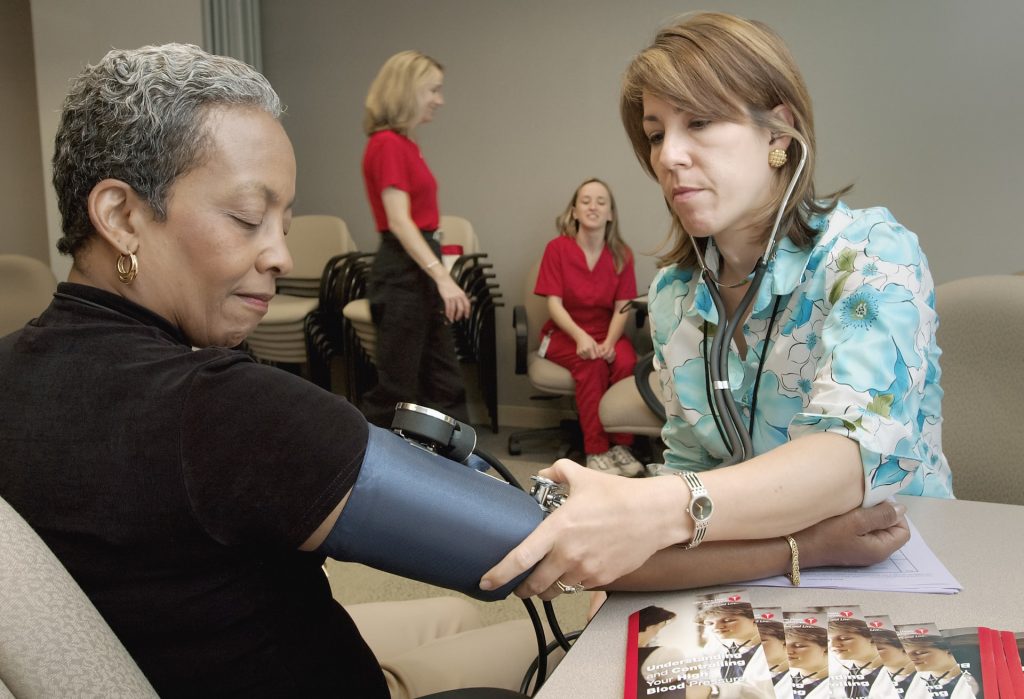
Photo by CDC on Unsplash

Hypertension and diabetes are known risk factors for stroke, but now a new study shows that the amount of risk may decrease as people age. The study is published in Neurology.

“High blood pressure and diabetes are two important risk factors for stroke that can be managed by medication, decreasing a person’s risk,” said study author George Howard, DrPH, of the University of Alabama at Birmingham School of Public Health. “Our findings show that their association with stroke risk may be substantially less at older ages, yet other risk factors do not change with age. These differences in risk factors imply that determining whether a person is at high risk for stroke may differ depending on their age.”

The study involved 28 235 people who had never had a stroke and were followed for 11 years. Risk factors included hypertension, diabetes, smoking, atrial fibrillation, heart disease and left ventricular hypertrophy. Because of the well-known higher stroke risk in Black people (comprising 41% of participants), race was also considered as part of the assessed risk factors, Howard added.

Researchers followed up with participants every six months, confirming strokes by reviewing medical records.

During the study, there were 1405 strokes over 276 074 person-years. Participants were divided into three age groups. The age ranges for those groups varied slightly depending on the data being analysed by researchers. In general, the younger group included participants ages 45–69, the middle group included people in their late 60s to 70s and the older group included people 74 and older.

Researchers found that people with diabetes in the younger age group were approximately twice as likely to have a stroke as people of similar age who did not have diabetes, while people with diabetes in the older age group had an approximately 30% higher risk of having a stroke than people of similar older age who did not have diabetes.

Researchers also found that people with high blood pressure in the younger age group had an 80% higher risk of having stroke than people of similar age without high blood pressure while that risk went down to 50% for people with high blood pressure in the older age group compared to people of similar age without high blood pressure.

With race/ethnicity as a risk factor, Black participants in the younger age group compared to White participants in that group, a difference which decreased in the older age group. For stroke risk factors such as smoking, atrial fibrillation and left ventricular hypertrophy, researchers did not find an age-related change in risk.

“It is important to note that our results do not suggest that treatment of high blood pressure and diabetes becomes unimportant in older age,” said Howard. “Such treatments are still very important for a person’s health. But it also may be wise for doctors to focus on managing risk factors such as atrial fibrillation, smoking and left ventricular hypertrophy as people age.”

Howard also noted that even where the impact of risk factors decreases with age, the total number of people with strokes at older ages may still be larger since overall risk of stroke increases with age. For example, in the younger age group for hypertension, researchers estimate that about 2.0% of normotensive people had a stroke, compared to 3.6% of hypertensive people. In the older age group, about 6.2% of normotensive people had a stroke, compared to 9.3% of hypertensive people.

A limitation of the research was that participants’ risk factors were assessed only once at the start of the study, and it’s possible they may have changed over time.

Source: American Academy of Neurology 

Trial of New HIV Vaccine Ended Early due to Ineffectiveness

HIV themed candle
Image by Sergey Mikheev on Unsplash

The investigational HIV ‘Mosaico’ vaccine regimen was safe but did not provide protection against HIV acquisition, an independent data and safety monitoring board (DSMB) has determined. Based on the DSMB’s recommendation, the study will be discontinued. This follows the failure of the similar ‘Imbokodo’ vaccine in sub-Saharan Africa.

The HPX3002/HVTN 706, or ‘Mosaico’ Phase 3 clinical trial began in 2019 and involved 3900 volunteers in Europe, North America and South America. The participants were men who have sex with men (MSM) or transgender people.

The Janssen-developed vaccine was based on ‘mosaic’ immunogens, which are vaccine components featuring elements of multiple HIV subtypes, in order to induce immune responses against a wide variety of global HIV strains. The investigational vaccine regimen consisted of four injections over a year of Ad26.Mos4.HIV, with the mosaic immunogens delivered by a common-cold virus (adenovirus serotype 26, or Ad26). The final two vaccinations were accompanied by a bivalent (two-component) HIV envelope protein formulation, combining clade C gp140 and mosaic gp140 envelope proteins, adjuvanted by aluminium phosphate to boost immune responses. All study vaccinations were completed in October 2022.

In early studies, this vaccine combination induced strong antibody and T-cell responses and protected monkeys exposed to SIV, the simian cousin of HIV. The vaccines however failed to stimulate production of broadly neutralising antibodies (bNAbs) that disable multiple HIV variants, according to aidsmap. In that study, the vaccine conferred a 25.2% effectiveness in protection, but not the 50% necessary for an effective vaccine.

In its scheduled data review, the DSMB determined there were no safety issues with the experimental vaccine regimen. However, the number of HIV infections were equivalent between the vaccine and placebo arms of the study. During the clinical trial, all participants were offered comprehensive HIV prevention tools, including pre-exposure prophylaxis, or PrEP. Study staff ensured that participants who acquired HIV during the trial were promptly referred for medical care and treatment. Participants are being notified of the findings, and further analyses of the study data are planned.

The Mosaico findings track with developments in the Phase 2b ‘Imbokodo’ (HPX2008/HVTN 705) clinical trial, which was testing a similar HIV vaccine regimen in young women in sub-Saharan Africa. A DSMB determined in 2021 that the experimental vaccine regimen in that study was also safe but ineffective in protecting against HIV acquisition.

Source: NIH/National Institute of Allergy and Infectious Diseases

A Regimen of Boiled Peanuts Desensitises Allergy Sufferers

Researchers took advantage of the fact that heat can affect the structure and immunoreactivity of peanuts, and tested out a peanut allergy therapy for children using sequential doses of boiled peanuts followed by roasted peanuts. Their trial, which is published in Clinical & Experimental Allergy, generated promising results, with 80% of participants experiencing desensitisation.

For this open-label, phase 2, single-arm clinical trial, 70 children aged 6–18 years old with peanut allergies received 12-hour boiled peanuts for 12 weeks, 2-hour boiled peanuts for 20 weeks, and roasted peanuts for 20 weeks, to a target maintenance dose of 12 roasted peanuts daily.

Fifty-six of the 70 (80%) participants became desensitised to peanuts. Treatment-related adverse events were reported in 43 (61%) participants, of whom three withdrew from the trial.

“Oral immunotherapy using boiled followed by roasted peanuts represents a pragmatic approach that appears effective in inducing desensitisation and is associated with a favourable safety profile,” the authors wrote.

Source: Wiley

Rescue of Mountaineer in Alaska Highlights Key Methods

Photo by Fas Khan on Unsplash

A trapped mountaineer survived after enduring 16 frigid hours wedged in a crevasse on a mountain in Alaska. The difficult extraction and subsequent critical care are examined in the journal Wilderness & Environmental Medicine. This compelling case study highlights the distinguishing factors that led to the successful outcome, such as continuing even when survival from severe hypothermia seems impossible.

The mountaineer was wedged about 20 metres deep in the crevasse, waiting 4.5 hours for a rescue team to arrive, followed by an 11.5-hour extrication process. His condition deteriorated and he eventually lost consciousness. Even though the rescue team collectively felt there was little or no chance of survival, they continued rescue efforts until the victim was extricated from the crevasse. He was almost immediately placed in a hypothermia wrap with active warming, loaded onto a rescue helicopter, and transported to a hospital in Fairbanks, Alaska. He was released after 14 days and made a full recovery.

“This case documents the heroic, persistent and expert rescue efforts of a group of people dedicated to saving lives. After conferring with the chief rescuer and chief of medical personnel, we pulled together our collective insights about the challenges of extracting climbers from extremely confined spaces and providing medical care to those who have had extended cold exposure,” explained lead investigator Gordon G. Giesbrecht, PhD, professor at the University of Manitoba.

Their recommendations build on lessons learned from a previously published case study of a helicopter pilot who died after being trapped in an icy crevasse for only four hours. In that paper, Dr Giesbrecht identified the need to develop processes for search and rescue personnel to prevent circum-rescue collapse, which is a complex physiological response to extreme cold that is worsened by improper handling of the patient. He cautioned that rescuers should be trained with the principle that the colder the victim is, the more care is required to perform horizontal extrication as gently as possible. Adding a few minutes for gentle handling and to reposition will not significantly increase cold exposure, but will greatly minimise the chance of rescue collapse.

“Responders should be aware of the causes, symptoms, and prevention of rescue collapse. Training should include techniques for transitioning a victim gently from vertical to a horizontal supine or, for narrower passages, to a lateral decubitus position. Even if a victim has to be hauled up in a vertical position, a simple technique using a sling or rope under the knees allows a simple, gentle and horizontal extrication from the crevasse to the surface,” noted Dr Giesbrecht.

This case emphasised the need to continue extrication and treatment efforts for a cold patient even when survival with hypothermia seems impossible. It also underscored the need for rescue teams to pre-plan equipment and procedures specific to crevasse rescue of potentially cold patients.

This case highlights an important mix of preventive and resuscitative lessons and recommendations regarding crevasse rescue in an isolated location:

  • Urging climbers to rope up for glacier travel in areas with known and possible crevasses.
  • Making sure that any rescuers who descend into crevasses are continuously observed by someone who remains on the surface and has radio contact to call for immediate assistance.
  • Recognizing that respirations are often more easily detected than pulses.
  • Trying unorthodox extrication methods when necessary.
  • Rescue teams deployed for crevasse rescues should carry kits with a pneumatic hammer-chisel (important for extrication), a tripod and winch, a hypothermia wrap made of a sleeping bag and chemical heating blankets, onboard oxygen supply with an adapter that connects to nasal prongs or a patient’s mask, a mechanical chest compression device, an automated external defibrillator, and IV saline with a fluid warmer. The Denali National Park and Preserve mountaineering rangers now include such kits in their rescue aircraft.

The investigators plan to submit a standardised rescue process based on these recommendations for publication after completing field testing in the summer of 2023.

When asked about what he considered the most crucial factor for survival, Dr Giesbrecht stressed that rescuers should never give up even when the patient’s survival with hypothermia seems impossible.

Source:

Can Fungi Transform Plastic Waste into Drug Components?

Photo by Louise Reed on Unsplash

Research on fungi has helped transform tough-to-recycle plastic waste from the Pacific Ocean into key components for making pharmaceuticals, using a genetically altered version of an everyday soil fungus, Aspergillus nidulans. The researchers described their chemical-biological approach in Angewandte Chemie, a journal of the German Chemical Society.

“What we’ve done in this paper is to first digest polyethylenes using oxygen and some metal catalysts – things that are not particularly harmful or expensive – and this breaks the plastics into diacids,” said co-author Berl Oakley, professor at the University of Kansas.

Next, long chains of carbon atoms resulting from the decomposed plastics were fed to genetically modified Aspergillus fungi. The fungi, as designed, metabolised them into an array of pharmacologically active compounds, including commercially viable yields of asperbenzaldehyde, citreoviridin and mutilin.

Unlike previous approaches, Oakley said the fungi digested the plastic products quickly, like “fast food.”

“The thing that’s different about this approach is it’s two things – it’s chemical, and it’s fungal,” he said. “But it’s also relatively fast. With a lot of these attempts, the fungus can digest the material, but it takes months because the plastics are so hard to break down. But this breaks the plastics down fast. Within a week you can have the final product.”

The KU researcher added the new approach was “bizarrely” efficient.

“Of the mass of diacids that goes into the culture, 42% comes back as the final compound,” he said. “If our technique was a car, it would be doing 200 miles per hour, getting 60 miles per gallon, and would run on reclaimed cooking oil.”

Previously, Oakley has worked with corresponding author Clay Wang of the University of Southern California to produce about a hundred secondary metabolites of fungi for a variety of purposes.

“It turns out that fungi make a lot of chemical compounds, and they are useful to the fungus in that they inhibit the growth of other organisms – penicillin is the canonical example,” Oakley said. “These compounds aren’t required for the growth of the organism, but they help either protect it from, or compete with, other organisms.”

Oakley’s lab at KU has honed gene-targeting procedures to change the expression of genes in Aspergillus nidulans and other fungi, producing new compounds.

The researchers focused on developing secondary metabolites to digest polyethylene plastics because those plastics are so hard to recycle. For this project, they harvested polyethylenes from the Pacific Ocean that had collected in Catalina Harbor on Santa Catalina Island, California.

“There’ve been a lot of attempts to recycle plastic, and some of it is recycled,” Oakley said. “A lot of it is basically melted and spun into fabric and goes into various other plastic things. Polyethylenes are not recycled so much, even though they’re a major plastic.”

The KU investigator said the long-term goal of the research is to develop procedures to break down all plastics into products that can be used as food by fungi, eliminating the need to sort them during recycling.

“I think everybody knows that plastics are a problem,” Oakley said. “They’re accumulating in our environment. There’s a big area in the North Pacific where they tend to accumulate. But also you see plastic bags blowing around – they’re in the rivers and stuck in the trees. The squirrels around my house have even learned to line their nest with plastic bags. One thing that’s needed is to somehow get rid of the plastic economically, and if one can make something useful from it at a reasonable price, then that makes it more economically viable.”

Source: University of Kansas

Stress-tolerant Cells may Drive Pancreatic Cancer’s Extreme Tenacity

This image shows pancreatic cancer cells (nuclei in blue) growing as a sphere encased in membranes (red). Credit: NIH

Researchers at have discovered a molecular pathway critical to the initiation of pancreatic tumours, which could partly explain the disease’s high resistance to chemotherapy and its propensity for metastasis.

The study, published in Nature Cell Biology, found that pancreatic tumour-initiating cells must first overcome local ‘isolation stress’ by creating their own tumour-promoting microenvironment, and then recruit surrounding cells into this network. By targeting this tumour-initiating pathway, new therapeutics could limit the progression, relapse and spread of pancreatic cancer.

Pancreatic cancer is one of the most lethal cancers, notoriously resistant to treatment. Almost all patients experience cancer recurrence or metastasis.

In the early stages of tumour formation, cancer cells (those with cancerous mutations, called oncogenes) experience a loss of adhesion to other cells and the extracellular matrix. This isolation leads to a local lack of oxygen and nutrients. Most cells do not survive such isolation stress, but a certain group of cells can.

Tumour-initiating cells (TIC) play a major role in the formation, recurrence and metastatic spread of tumours. What sets them apart from other cancer cells is their resilience to these early substandard conditions. Like cacti in a desert, they can adapt to the harsh environment and set the scene for further tumour progression.

“Our goal was to understand what special properties these tumour-initiating cells have and whether we can control the growth and spread of cancer by disrupting them,” said senior study author David Cheresh, PhD.

To answer these questions, first author Chengsheng Wu, PhD, a postdoctoral fellow in Cheresh’s lab, subjected pancreatic cell lines to various forms of stress, including low oxygen and sugar levels. He then identified which cells could adapt to the harsh conditions and observed which genes and molecules were modified in these cells.

The stress-tolerant tumour-initiating cells showed reduced levels of a tumour-suppressive microRNA, miR-139-5p. This in turn led to the upregulation of lysophosphatidic acid receptor 4 (LPAR4), a G-protein-coupled receptor on the cell surface.

“LPAR4 is not normally found on happy cells, but it gets turned on in stressful environments to help the cells survive, which is particularly advantageous for tumor-initiating cells,” said Cheresh.

The researchers found that LPAR4 expression promoted the production of new extracellular matrix proteins, allowing the solitary cancer cells to start building their own tumour-supporting microenvironment.

The new extracellular matrix was particularly rich in fibronectin, a protein that binds to transmembrane receptors called integrins on surrounding cells. Once the integrins on these cells sensed the fibronectin, they began signalling the cells to express their own tumour-initiating genes. Eventually, these other cells were recruited into the fibronectin matrix laid by the tumour-initiating cells and a tumour started to form.

“Our findings establish a critical role for LPAR4 in pancreatic tumour initiation, and a likely role in other epithelial cancers, such as lung cancer,” said Cheresh. “It is central to tumour-initiating cells’ ability to overcome isolation stress and build their own niche in which tumours can form.”

Chemotherapy drugs are also designed to put cancer cells under stress, and may use this pathway. Indeed, Cheresh’s team found that treating cultured tumour cells and pancreatic tumours in mice with standard-of-care chemotherapeutics also led to the upregulation of LPAR4. The researchers said this might explain how such tumour cells could develop a stress tolerance and resistance to the drugs.

Further experiments also showed that using integrin antagonists to block cells’ ability to utilise the fibronectin matrix reversed the stress tolerance benefit of LPAR4 expression. Thus, the authors suggest targeting the LPAR4 pathway or disrupting the fibronectin/integrin interaction could be effective in preventing the growth, spread and drug resistance of pancreatic tumours.

“We can think of tumour-initiating cells as being in a transient state that can be induced by different stressors, so our clinical goal would be to prevent oncogenic cells from ever entering this state,” said Cheresh. “Now that we’ve identified the pathway, we can assess all the different ways we can intervene.”

The researchers suggested a new drug targeting this pathway could be used as a prophylactic in patients at high risk of developing the disease, or to prevent new tumours from forming in cancer cases with a high likelihood of metastasis.

Pairing the new drug with existing chemotherapeutics that put stress on mature tumour cells could also mitigate the effects of drug resistance and make cancer treatments more effective, authors said.

“Treating cancer can feel a little like whack-a-mole,” said Cheresh, “but if we have two or three hammers and we know where the moles are going to pop up next, we can beat the game.”

Source: University of California – San Diego

Brain-computer Interfaces Deemed Safe for Long-term Use

Patient with complete spinal cord injury walking at EPFL Campus after 5 months of rehab. ©NeuroRestore Jimmy Ravie

For people with paralysis caused by neurologic injury or disease, brain-computer interfaces (BCIs) can potentially restore mobility and function by transmitting neural data to external devices such as mobility aids, which have already shown promise in trials.

Although implanted brain sensors, the core component of many brain-computer interfaces, have been used in neuroscientific studies with animals for decades and have been approved for short term use (< 30 days) in humans, the long-term safety of this technology in humans is unknown.

New results published in Neurology from the BrainGate feasibility study, the largest and longest-running clinical trial of an implanted BCI, suggest that these sensors’ safety is similar to other chronically implanted neurologic devices, with skin irritation around the implant interface.

This new report from a Massachusetts General Hospital (MGH)-led team, examined data from 14 adults with quadriparesis from spinal cord injury, brainstem stroke, or ALS who were enrolled in the BrainGate trial from 2004 to 2021 through seven clinical sites in the United States.

Participants underwent surgical implantation of one or two microelectrode arrays in a part of the brain responsible for generating the electrical signals that control limb movement. With these “Utah” microelectrode arrays, the brain signals associated with the intent to move a limb can then be sent to a nearby computer that decodes the signal in real-time and allows the user to control an external device simply by thinking about moving a part of their body.

The authors of the study report that across the 14 enrolled research participants, the average duration of device implantation was 872 days, yielding a total of 12 203 days for safety analyses. There were 68 device-related adverse events, including 6 device-related serious adverse events.

The most common device-related adverse event was skin irritation around the portion of the device that connects the implanted sensor to the external computer system. Importantly, they report that there were no safety events that required removal of the device, no infections of the brain or nervous system, and no adverse events resulting in permanently increased disability related to the investigational device.

“This interim report demonstrates that the investigational BrainGate Neural Interface system, which is still in ongoing clinical trials, thus far has a safety profile comparable to that of many approved implanted neurologic devices, such as deep brain stimulators and responsive neurostimulators,” says lead author Daniel Rubin, MD, PhD.

“Given the rapid recent advances in this technology and continued performance gains, these data suggest a favorable risk/benefit ratio in appropriately selected individuals to support ongoing research and development,.” said Rubin.

Leigh Hochberg, MD, PhD, director of the BrainGate consortium and clinical trials and the article’s senior author emphasised the importance of ongoing safety analyses as surgically placed brain-computer interfaces advance through clinical studies.

“While our consortium has published more than 60 articles detailing the ever-advancing ability to harness neural signals for the intuitive control of devices for communication and mobility, safety is the sine qua non of any potentially useful medical technology,” says Hochberg.

“The extraordinary people who enroll in our ongoing BrainGate clinical trials, and in early trials of any neurotechnology, deserve tremendous credit. They are enrolling not to gain personal benefit, but because they want to help,” said Hochberg.

Source: Massachusetts General Hospital

Why Vitamin D is Less Beneficial with High BMI

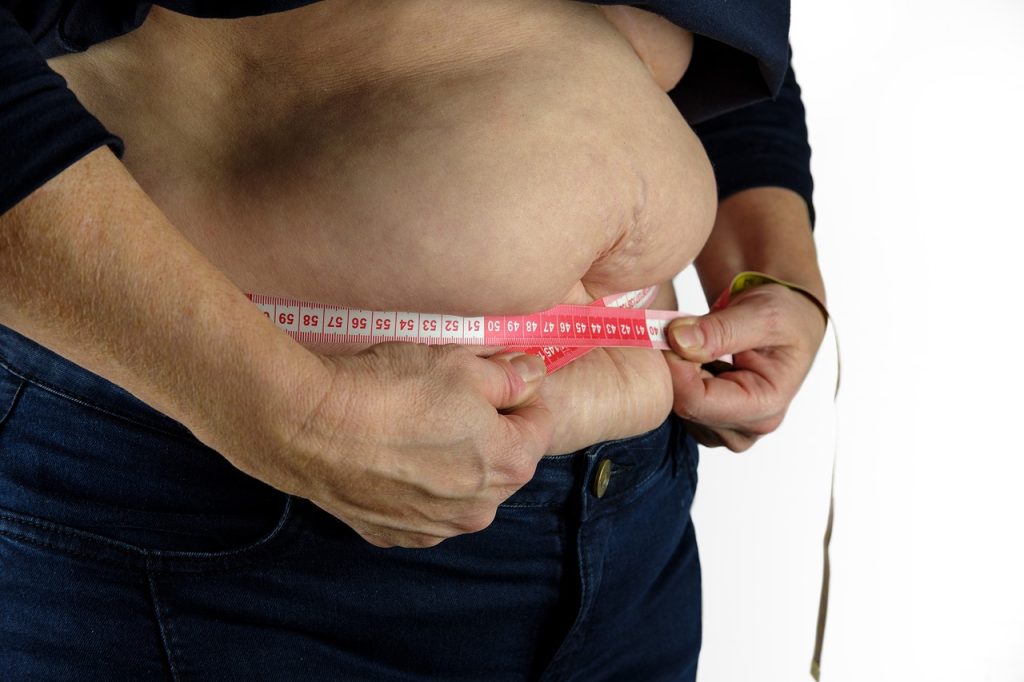
Obesity
Image source: Pixabay CC0

Researchers have found new evidence that vitamin D may be metabolised differently in people with high body mass index (BMI), who don’t benefit as greatly from supplements of the nutrient. The study, published in JAMA Network Open, is a new analysis of data from the large-scale VITAL trial, which investigated the effect of vitamin D or marine omega-3 supplements on reducing the risk of developing cancer, heart disease, or stroke.

“The analysis of the original VITAL data found that vitamin D supplementation correlated with positive effects on several health outcomes, but only among people with a BMI under 25,” said first author Deirdre K. Tobias, ScD, an associate epidemiologist in Brigham’s Division of Preventive Medicine. “There seems to be something different happening with vitamin D metabolism at higher body weights, and this study may help explain diminished outcomes of supplementation for individuals with an elevated BMI.”

Vitamin D is an essential nutrient involved in many biological processes, most notably for mineral absorption. While some vitamin D is generated in the body from sunlight, vitamin D deficiencies are often treated with supplementation. Evidence from laboratory studies, epidemiologic research and clinical research has also suggested that vitamin D may play a role in the incidence and progression of cancer and cardiovascular disease, and it was this evidence that prompted the original VITAL trial.

The VITAL trial was a randomised, double-blind, placebo-controlled trial in 25,871 U.S. participants, which included men over the age of 50 and women over the age of 55. All participants were free of cancer and cardiovascular disease at the time of enrolment. While the trial found little benefit of vitamin D supplementation for preventing cancer, heart attack, or stroke in the overall cohort, there was a statistical correlation between BMI and cancer incidence, cancer mortality, and autoimmune disease incidence. Other studies suggest similar results for type 2 diabetes.

The new study aimed to investigate this correlation. The researchers analysed data from 16 515 participants from the original trial who provided blood samples at baseline, as well as 2742 with a follow-up blood sample taken after two years. The researchers measured the levels of total and free vitamin D, as well as many other novel biomarkers for vitamin D, such as its metabolites, calcium, and parathyroid hormone, which helps the body utilise vitamin D.

“Most studies like this focus on the total vitamin D blood level,” said senior author JoAnn E. Manson, MD, DrPH, chief of the Division of Preventive Medicine at the Brigham and principal investigator of VITAL. “The fact that we were able to look at this expanded profile of vitamin D metabolites and novel biomarkers gave us unique insights into vitamin D availability and activity, and whether vitamin D metabolism might be disrupted in some people but not in others.”

The researchers found that vitamin D supplementation increased most of the biomarkers associated with vitamin D metabolism in people, regardless of their weight. However, these increases were significantly smaller in people with elevated BMIs.

“We observed striking differences after two years, indicating a blunted response to vitamin D supplementation with higher BMI,” Tobias said. “This may have implications clinically and potentially explain some of the observed differences in the effectiveness of vitamin D supplementation by obesity status.”

“This study sheds light on why we’re seeing 30–40 percent reductions in cancer deaths, autoimmune diseases, and other outcomes with vitamin D supplementation among those with lower BMIs but minimal benefit in those with higher BMIs, suggesting it may be possible to achieve benefits across the population with more personalised dosing of vitamin D,” said Manson. “These nuances make it clear that there’s more to the vitamin D story.”

The authors conclude that the VITAL findings are a call to action for the research community to continue exploring the potential benefits of vitamin D supplementation for preventing cancer and other diseases and to take BMI into account when evaluating the supplement’s health impacts.

Fixing Prolonged Sitting: Five Minutes’ Walking every Half Hour

While evidence suggests that prolonged sitting is hazardous to health, the optimum interval and quantity for exercise breaks has been unclear. Now, exercise physiologists can provide an answer: just five minutes of walking every half hour during periods of prolonged sitting can offset some of the most harmful effects.

The study, led by Keith Diaz, PhD, associate professor of behavioral medicine at Columbia University Vagelos College of Physicians and Surgeons, was published online in Medicine & Science in Sports & Exercise.

Unlike other studies that test one or two activity options, Diaz’s study tested five different exercise ‘snacks’: one minute of walking after every 30 minutes of sitting, one minute after 60 minutes; five minutes every 30; five minutes every 60; and no walking.

“If we hadn’t compared multiple options and varied the frequency and duration of the exercise, we would have only been able to provide people with our best guesses of the optimal routine,” Diaz says.

Each of the 11 adults who participated in the study came to Diaz’s laboratory, where participants sat in an ergonomic chair for eight hours, rising only for their prescribed exercise snack of treadmill walking or a bathroom break. Researchers kept an eye on each participant to ensure they did not over- or under-exercise and periodically measured the participants’ blood pressure and blood sugar (key indicators of cardiovascular health). Participants were allowed to work on a laptop, read, and use their phones during the sessions and were provided standardized meals.

The optimal amount of movement, the researchers found, was five minutes of walking every 30 minutes. This was the only amount that significantly lowered both blood sugar and blood pressure. In addition, this walking regimen had a dramatic effect on how the participants responded to large meals, reducing blood sugar spikes by 58% compared with sitting all day.

Taking a walking break every 30 minutes for one minute also provided modest benefits for blood sugar levels throughout the day, while walking every 60 minutes (either for one minute or five minutes) provided no benefit.

All amounts of walking significantly reduced blood pressure by 4 to 5 mmHg compared with sitting all day. “This is a sizeable decrease, comparable to the reduction you would expect from exercising daily for six months,” says Diaz.

The researchers also periodically measured participants’ levels of mood, fatigue, and cognitive performance during the testing. All walking regimens, except walking one minute every hour, led to significant decreases in fatigue and significant improvements in mood. None of the walking regimens influenced cognition.

“The effects on mood and fatigue are important,” Diaz says. “People tend to repeat behaviors that make them feel good and that are enjoyable.”

The Columbia researchers are currently testing 25 different doses of walking on health outcomes and testing a wider variety of people: Participants in the current study were in their 40s, 50s, and 60s, and most did not have diabetes or high blood pressure.

“What we know now is that for optimal health, you need to move regularly at work, in addition to a daily exercise routine,” says Diaz. “While that may sound impractical, our findings show that even small amounts of walking spread through the work day can significantly lower your risk of heart disease and other chronic illnesses.”

Source: Columbia University Irving Medical Center