From Shakespeare’s Macbeth to Star Wars’ Darth Vader, people love fictional villains. No matter how despicable they may be, audiences are still drawn to the dark side. In fact, according to a new behavioural experiment published in the journal Cognition, both adults and children more often reported that villains were inwardly good than that heroes were inwardly bad.
“In other words, people believe there is a mismatch between a villain’s outward behaviours and their inner, true self, and this is a bigger gap for villains than for heroes,” said study lead author Valerie Umscheid, University of Michigan psychology doctoral student.
Inside, villains are a little less evil than they outwardly seem while heroes are fully good guys inside and out.
Umscheid and colleagues conducted three studies with 434 children (ages 4–12) and 277 adults to determine how individuals make sense of antisocial acts committed by evil-doers. They focused on participants’ judgments of both familiar and novel fictional villains and heroes, such as Disney’s Ursula from The Little Mermaid and Pixar’s Woody from Toy Story.
Study 1 established that children viewed villains’ actions and emotions as overwhelmingly negative. This suggests that children’s well-documented tendency to judge people as good does not prevent their appreciation of extreme forms of villainy.
Studies 2 and 3 assessed children’s and adults’ beliefs regarding heroes’ and villains’ moral character and true selves, using an array of converging evidence, including how a character felt inside, whether a character’s actions reflected their true self and whether a character’s true self could change over time.
Across these measures, the research indicated that both children and adults consistently evaluated villains’ true selves to be overwhelmingly evil and much more negative than heroes’. At the same time, researchers also detected an asymmetry in the judgments, wherein villains were more likely than heroes to have a true self that differed from their outward behaviour.
Both children and adults believed characters like Ursula had some inner goodness, despite the bad/immoral actions they regularly engage in, Umscheid said.
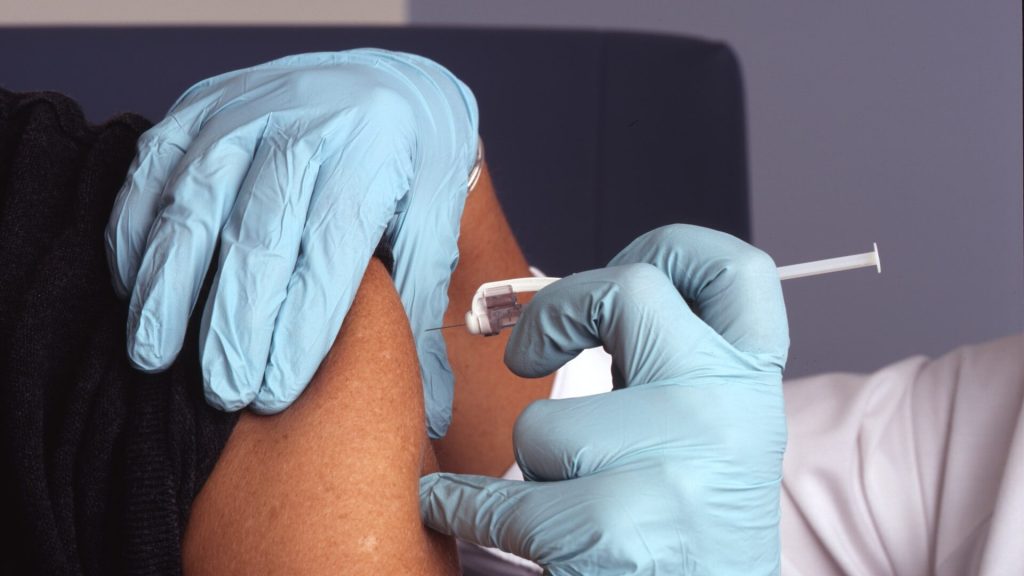
Global COVID vaccine acceptance increased from 75.2% in 2021 to 79.1% in 2022, according to a new survey of 23 countries accounting for more than 60% of the world’s population, published today in Nature Medicine. It was not all good news, though: vaccine hesitancy increased in eight countries including South Africa, and nearly one in eight vaccinated respondents were hesitant about receiving a booster dose.
This third annual study reveals a wide variability between countries and suggests a need to tailor communication strategies to effectively address vaccine hesitancy.
“The pandemic is not over, and authorities must urgently address vaccine hesitancy and resistance as part of their COVID prevention and mitigation strategy,” says CUNY Graduate School of Public Health and Health Policy (CUNY SPH) Senior Scholar Jeffrey V. Lazarus. “But to do so effectively, policymakers need solid data on vaccine hesitancy trends and drivers.”
To provide these data, an international collaboration led by Lazarus and CUNY SPH Dean Ayman El-Mohandes performed a series of surveys starting in 2020 in 23 countries which were impacted significantly by the pandemic, including the United States as well as South Africa and Brazil.
Of the 23 000 respondents (1000 per country surveyed), 79.1% were willing to accept vaccination, up 5.2% from June 2021. The willingness of parents to vaccinate their children also increased slightly, from 67.6% in 2021 to 69.5% in 2022. However, eight countries saw an increase in hesitancy (from 1.0% in the UK to 21.1% in South Africa). Worryingly, almost one in eight (12.1%) vaccinated respondents were hesitant about booster doses, and booster hesitancy was higher among the 18–29 age groups.
“We must remain vigilant in tracking this data, containing COVID variants and addressing hesitancy, which may challenge future routine COVID immunisation programs,” says Dean El-Mohandes, the study’s senior author.
The survey also provides new information on COVID treatments received. Globally, ivermectin was used as frequently as other approved medications, despite the fact that it is not recommended by the WHO or other agencies to prevent or treat COVID
Also of note, almost 40% of respondents reported paying less attention to new COVID information than before, and there was less support for vaccine mandates.
In some countries, vaccine hesitancy was associated with being female (for example in China, Poland, Russia), having no university degree (in France, Poland, South Africa, Sweden, or the US), or lower income (in Canada, Germany, Turkey or the UK). Also, the profile of people paying less attention to the pandemic varied between countries.
“Our results show that public health strategies to enhance booster coverage will need to be more sophisticated and adaptable for each setting and target population,” says Lazarus, also head of the Health Systems Research Group at ISGlobal. “Strategies to enhance vaccine acceptance should include messages that emphasise compassion over fear and use trusted messengers, particularly healthcare workers.”
The data provided by these surveys may offer insight to policymakers and public health officials in addressing COVID vaccine hesitancy. The study follows on the heels of aglobal consensus statementon ending COVID as a public health threat that Lazarus, El-Mohandes and 364 co-authors from 112 countries published in Nature in November.
New clinical guidelines from the American Academy of Pediatrics (AAP) advise “immediate, intensive obesity treatment to each patient” upon diagnosis of childhood obesity. Published in the journal Pediatrics, these recommendations stands in marked contrast from other, previous guidelines.
The guidelines are summarised in key action statements, some of which recommend children ages 6 and up (and sometimes 2 to 5) with overweight or obesity to intensive health behaviour and lifestyle therapy.
In children 12 and older, the guidelines advise consideration of weight-loss pharmacotherapy. In case of severe obesity (BMI ≥35 or 120% of the 95th percentile for age and sex, whichever is lower) for adolescents 13 and older, clinicians should offer referrals for evaluation for metabolic and bariatric surgery.
Author Sarah Armstrong, MD, co-director of the Duke Center for Childhood Obesity Research told Medpage Today that “This is one of the most important messages that differentiates our current clinical practice guidelines from the prior recommendations, and that is to say 15 years of data have taught us that ‘watchful waiting’ only leads to greater increase in child BMI, accumulation of comorbidities, and more challenges in trying to reverse some of this.”
The guidelines also recommend regularly screening children ages 2 years and up for obesity, and comprehensively evaluating children and adolescents with overweight and obesity for related comorbidities.
Clinicians are also advised to treat children and adolescents for overweight/obesity and comorbidities concurrently, in line with principles of the chronic care model, using a non-stigmatising approach centred around the family.
The guidelines are based on a comprehensive evidence review of controlled and comparative effectiveness trials and high-quality longitudinal and epidemiologic studies. In a pair of accompanying technical reports, the authors give detailed descriptions of the evidence review behind the development of the guidelines.
By treating skin scars in three volunteers with hair follicle transplants, researchers found that the scarred skin began to behave more like uninjured skin. According to the results published in Nature Regenerative Medicine, the scarred skin harboured new cells and blood vessels, remodelled collagen to restore healthy patterns, and even expressed genes found in healthy unscarred skin.
The findings could lead to better treatments for scarring both on the skin and inside the body, leading to hope for patients with extensive scarring, which can impair organ function and cause disability.
Lead author Dr Claire Higgins, of Imperial’s Department of Bioengineering, said: “After scarring, the skin never truly regains its pre-wound functions, and until now all efforts to remodel scars have yielded poor results. Our findings lay the foundation for exciting new therapies that can rejuvenate even mature scars and restore the function of healthy skin.”
Hope in hair
Scar tissue in the skin lacks hair, sweat glands, blood vessels and nerves, impairing temperature regulation and sensation. Scarring can also hinder movement as well as potentially causing discomfort and emotional distress.
Compared to scar tissue, healthy skin undergoes constant remodelling by the hair follicle. Hairy skin heals faster and scars less than non-hairy skin- and hair transplants had previously been shown to aid wound healing. Inspired by this, the researchers hypothesised that transplanting growing hair follicles into scar tissue might induce scars to remodel themselves.
To test their hypothesis, Imperial researchers worked with Dr Francisco Jiménez, lead hair transplant surgeon at the Mediteknia Clinic and Associate Research Professor at University Fernando Pessoa Canarias, in Gran Canaria, Spain. They transplanted hair follicles into the mature scars on the scalp of three participants in 2017. The researchers selected the most common type of scar, called normotrophic scars, which usually form after surgery.
They took and microscope imaged 3mm-thick biopsies of the scars just before transplantation, and then again at two, four, and six months afterwards.
The researchers found that the follicles inspired profound architectural and genetic shifts in the scars towards a profile of healthy, uninjured skin.
Dr Jiménez said: “Around 100 million people per year acquire scars in high-income countries alone, primarily as a result of surgeries. The global incidence of scars is much higher and includes extensive scarring formed after burn and traumatic injuries. Our work opens new avenues for treating scars and could even change our approach to preventing them.”
Architects of skin
After transplantation, the follicles continued to produce hair and induced restoration across skin layers.
Scarring causes the epidermis to thin out, leaving it vulnerable to tears. At six months post-transplant, the epidermis had doubled in thickness alongside increased cell growth, bringing it to around the same thickness as uninjured skin.
The next skin layer down, the dermis, is populated with connective tissue, blood vessels, sweat glands, nerves, and hair follicles. Scar maturation leaves the dermis with fewer cells and blood vessels, but after transplantation the number of cells had doubled at six months, and the number of vessels had reached nearly healthy-skin levels by four months. This demonstrated that the follicles inspired the growth of new cells and blood vessels in the scars, which are unable to do this unaided.
Scarring also increases the density of collagen fibres, causing them to align and make the scar stiffer. The hair transplants reduced the fibre density, allowing them to form a healthier, ‘basket weave’ pattern, which reduced stiffness – a key factor in tears and discomfort.
The authors also found that after transplantation, the scars expressed 719 genes differently to before. Genes that promote cell and blood vessel growth were expressed more, while genes that promote scar-forming processes were expressed less.
Underling mechanism still unknown
It is not known how exactly the transplants brought about the change. Having of a hair follicle in the scar was cosmetically acceptable for the participants as the scars were on the scalp. The researchers are now working to uncover the underlying mechanisms so they can develop therapies that remodel scar tissue towards healthy skin, without the hair follicle transplant. They can then test their findings on non-hairy skin, or on organs like the heart, which can suffer scarring after heart attacks, and the liver, which can suffer scarring through fatty liver disease and cirrhosis.
Dr Higgins said: “This work has obvious applications in restoring people’s confidence, but our approach goes beyond the cosmetic as scar tissue can cause problems in all our organs.
“While current treatments for scars like growth factors focus on single contributors to scarring, our new approach tackles multiple aspects, as the hair follicle likely delivers multiple growth factors all at once that remodel scar tissue. This lends further support to the use of treatments like hair transplantation that alter the very architecture and genetic expression of scars to restore function.”
Although exercise is well-known to protect against many ageing-related diseases, it is not known the beneficial effects of exercise diminish with age. Now, in a paper published in the Proceedings of the National Academy of Sciences, researchers investigated how a mitochondrial mechanism improves physical fitness by exercise training and identified one anti-ageing intervention that delayed the declines that occur with ageing in the model organism. These findings may lead to new strategies for promoting muscle function during ageing.
“Exercise has been widely employed to improve quality of life and to protect against degenerative diseases, and in humans, a long-term exercise regimen reduces overall mortality,” said co-corresponding author T. Keith Blackwell, MD, PhD, a senior investigator at Joslin. “Our data identify an essential mediator of exercise responsiveness and an entry point for interventions to maintain muscle function during ageing.”
That essential mediator is the cycle of fragmentation and repair of the mitochondria. Disruption of mitochondrial dynamics the cycle of repairing dysfunctional mitochondria and restoring the connectivity among the energy-producing organelles has been linked to the development and progression of chronic, age-related diseases, such as heart disease and type 2 diabetes.
“As we perceive that our muscles undergo a pattern of fatigue and restoration after an exercise session, they are undergoing this mitochondrial dynamic cycle,” said Blackwell. “In this process, muscles manage the aftermath of the metabolic demand of exercise and restore their functional capability.”
Blackwell and colleagues investigated the role of mitochondrial dynamics during exercise in the model organism C. elegans, a simple, well-studied microscopic worm species frequently used in metabolic and aging research.
Recording wild type C. elegans worms as they swam or crawled, the investigators observed a typical age-related decline in physical fitness over the animals’ 15 days of adulthood. The scientists also showed a significant and progressive shift toward fragmented and/or disorganised mitochondria in the ageing animals. For example, they observed in young worms on day 1 of adulthood, a single bout of exercise induced fatigue after one hour. The 60-minute session also caused an increase in mitochondrial fragmentation in the animals’ muscle cells, but a period of 24 hours was sufficient to restore both performance and mitochondrial function.
In older (day 5 and day 10) worms, the animals’ performance did not return to baseline within 24 hours. Likewise, the older animals’ mitochondria underwent a cycle of fragmentation and repair, but the network reorganization that occurred was reduced compared to that of the younger animals.
“We determined that a single exercise session induces a cycle of fatigue and physical fitness recovery that is paralleled by a cycle of the mitochondrial network rebuilding,” said first author Juliane Cruz Campos, a postdoctoral fellow at Joslin Diabetes Center. “Ageing dampened the extent to which this occurred and induced a parallel decline in physical fitness. That suggested that mitochondrial dynamics might be important for maintaining physical fitness and possibly for physical fitness to be enhanced by a bout of exercise.”
In a second set of experiments, the scientists allowed wild type worms to swim for one hour per day for 10 consecutive days, starting at the onset of adulthood. As in humans, the long-term training programme significantly improved the animals’ middle-aged fitness at day 10, and mitigated the impairment of mitochondrial dynamics typically seen during ageing.
Finally, the researchers tested known, lifespan-extending interventions for their ability to improve exercise capacity during ageing. Worms with increased AMPK – a “guardian” of metabolism and mitochondrial homeostasis – exhibited improved physical fitness. They also demonstrated maintenance of exercise performance during ageing – but not enhancement. Worms engineered to lack AMPK exhibited reduced physical fitness during ageing as well as impairment of the recovery cycle. They also did not receive the age-delaying benefits of exercise over the course of the lifespan.
“An important goal of the ageing field is to identify interventions that not only extend lifespan but also enhance health and quality of life,” said Blackwell, who is also a professor of genetics at Harvard Medical School. “In ageing humans, a decline in muscle function and exercise tolerance is a major concern that leads to substantial morbidity. Our data point towards potentially fruitful intervention points for forestalling this decline – most likely along with other aspects of ageing. It will be of great interest to determine how mitochondrial network plasticity influences physical fitness along with longevity and ageing-associated diseases in humans.”
Whether radiation exposure of fathers can have consequences on their children is one of the most long-standing questions in radiation biology. Using the nematode Caenorhabditis elegans as a model, University of Cologne researchers reported in the journal Nature that radiation damage to mature sperm cannot be repaired but is instead passed on to the offspring.
Female eggs with radiation damage either accurately repair it or, if the damage is too severe, are eliminated and no damage is passed on. However, when the egg is fertilised with a radiation-damaged sperm, the maternal repair proteins that are provided by the egg try to repair the paternal DNA.
For this purpose, a highly error-prone repair mechanism is used and fuses the broken DNA pieces randomly. These random fusions of the breaks then lead to structural changes in the paternal chromosomes. The resulting offspring now carry the chromosome damage and in turn their offspring show severe developmental defects. The work done on C. elegans lays the foundation for a better understanding of the mechanisms for the heritable effects of paternal radiation exposure.
This work has now been published under the title ‘Inheritance of paternal DNA damage by histone-mediated repair restriction’ in
The offspring that results from male animals that have been exposed to radiation and healthy female worms carry on the so-called structural variations – random connections of chromosome parts. In the offspring, these aberrations lead to recurrent breaks but this damage can no longer be repaired. Instead, the damaged chromosomes are shielded from accurate repair by proteins, so-called histones, that densely pack the long strands of DNA. In the densely packed DNA, the breaks can no longer be reached by the repair proteins. The packed DNA structures are held tightly together by the specific histone proteins, HIS-24 and HPL-1. When those histone proteins are removed, the paternally inherited damage is completely eliminated and viable offspring can be produced. The finding that histone proteins govern the accessibility of DNA for repairs could provide effective therapeutic targets for treating radiation damage.
Adding to the work on nematodes, the team detected the same structural variants, or randomly assembled chromosomes, in humans. Also here, the chromosome aberrations were specifically passed on from the fathers but not the mothers. For this, the scientists analysed various data sets from the 1000 Genome Project that contains genetic data from more than a thousand people and the Islandic deCODE project with genetic data from the respective mothers, fathers and children.
“Genome aberrations, especially structural variations in chromosomes, which develop in the paternal germline, are thought to increase the risk of disorders like autism and schizophrenia,” study leader Professor Dr Björn Schumacher said. This means that also in humans, mature sperm needs to be especially protected from radiation damage, and damaged mature sperm should not be used for conception. He added, “Such damage could potentially be inflicted during radiotherapy or chemotherapy and thus pose a risk in the two months that it takes to generate new sperm to replace the damaged one.” This is because in contrast to mature sperm, newly generated sperm have the capacity to accurately repair the damage.
Interestingly, the scientists found those structural variations in the chromosomes also in nematodes in the wild and in the human population. These results suggest that damage to mature sperm and the inaccurate repair of paternal DNA in the zygote could be major drivers for genetic diversity during evolution and might be responsible for genetic diseases in humans.
To recognise a famous voice, human brains use the same centre that is activated when the speaker’s face is presented, according to the results of an innovative neuroscience study which asked participants to identify US presidents.
The new study, published in the Journal of Neurophysiology, suggests that voice and face recognition are linked even more intimately than previously thought. It offers an intriguing possibility that visual and auditory information relevant to identifying someone feeds into a common brain centre, allowing for more robust, well-rounded recognition by integrating separate modes of sensation.
“From behavioural research, we know that people can identify a familiar voice faster and more accurately when they can associate it with the speaker’s face, but we never had a good explanation of why that happens,” said senior author Taylor Abel, MD, associate professor of neurological surgery at the University of Pittsburgh School of Medicine. “In the visual cortex, specifically in the part that typically processes faces, we also see electrical activity in response to famous people’s voices, highlighting how deeply the two systems are interlinked.”
Even though the interplay between the auditory and the visual brain processing systems has been widely acknowledged and investigated by various teams of neuroscientists all over the world, those systems were traditionally thought to be structurally and spatially distinct.
Few studies have attempted to directly measure activity from the brain centre – which primarily consolidates and processes visual information – to determine whether this centre is also engaged when participants are exposed to famous voice stimuli.
Researchers recruited epilepsy patients who had been implanted with electrodes measuring brain activity to determine the source of their seizures.
Abel and his team showed five participants photographs of three US presidents – Bill Clinton, George W. Bush and Barack Obama – or played short recordings of their voices, and asked participants to identify them.
Recordings of the electrical activity from the region of the brain responsible for processing visual cues (the fusiform gyri) showed that the same region became active when participants heard familiar voices, though that response was lower in magnitude and slightly delayed.
“This is important because it shows that auditory and visual areas interact very early when we identify people, and that they don’t work in isolation,” said Abel. “In addition to enriching our understanding of the basic functioning of the brain, our study explains the mechanisms behind disorders where voice or face recognition is compromised, such as in some dementias or related disorders.”
In Asia, researchers found that antibiotic residues in wastewater and wastewater treatment plants risk contributing to antibiotic resistance, and the drinking water may pose a threat to human health. Published in The Lancet Planetary Health, their comprehensive analysis also determined the relative contribution of various sources of antibiotic contamination in waterways, such as hospitals, municipals, livestock, and pharmaceutical manufacturing.
“Our results can help decision-makers to target risk reduction measures against environmental residues of priority antibiotics and in high-risk sites, to protect human health and the environment,” says first author Nada Hanna, researcher at the Department of Global Public Health at Karolinska Institutet. “Allocating these resources efficiently is especially vital for resource-poor countries that produce large amounts of antibiotics.”
Antibiotics can enter the environment during their production, consumption and disposal. Antibiotic residues in the environment, such as in wastewater and drinking water, can contribute to the emergence and spread of resistance.
Major antibiotics producers and users
The researchers looked for levels of antibiotic residues that are likely to contribute to antibiotic resistance from different aquatic sources in the Western Pacific Region (WPR) and the South-East Asia Region (SEAR), regions as defined by the World Health Organization. China and India, among the world’s largest producers and consumers of antibiotics, fall within these regions.
To find the data, researchers made a systematic review of the literature published between 2006 and 2019, including 218 relevant reports from the WPR and 22 from the SEAR. They also employed a method called Probabilistic Environmental Hazard Assessment to determine where the concentration of antibiotics is high enough to likely contribute to antibiotic resistance.
Ninety-two antibiotics were detected in the WPR, and forty five in the SEAR. Antibiotic concentrations exceeding the level considered safe for resistance development (Predicted No Effect Concentrations, PNECs) were observed in wastewater, influents and effluents of wastewater treatment plants and in receiving aquatic environments. Wastewater and influent of wastewater treatment plants had the highest risks. The relative impact of various contributors, such as hospital, municipal, livestock, and pharmaceutical manufacturing was also determined.
Potential threat to human health
In receiving aquatic environments, the highest likelihood of levels exceeding the threshold considered safe for resistance development was observed for the antibiotic ciprofloxacin in drinking water in China and the WPR.
“Antibiotic residues in wastewater and wastewater treatment plants may serve as hot spots for the development of antibiotic resistance in these regions and pose a potential threat to human health through exposure to different sources of water, including drinking water,” says Nada Hanna.
Limitations to be considered when interpreting the results are the lack of data on the environmental occurrence of antibiotics from many of the countries in the regions and the fact that only studies written in English were included.
Advances in neuro-imaging and molecular biology have unearthed a subtle, previously unknown layer in the brain. As described in the journal Science, the newly discovered layer forms a previously unknown component of brain anatomy that acts as both a protective barrier and platform from which immune cells monitor the brain for infection and inflammation.
“The discovery of a new anatomic structure that segregates and helps control the flow of cerebrospinal fluid (CSF) in and around the brain now provides us much greater appreciation of the sophisticated role that CSF plays not only in transporting and removing waste from the brain, but also in supporting its immune defenses,” said Maiken Nedergaard, co-director of the Center for Translational Neuromedicine at University of Rochester and the University of Copenhagen. Nedergaard and her colleagues have made significant findings in the field of neuroscience, including detailing the many critical functions of previously overlooked cells in the brain called glia and the brain’s unique process of waste removal, which the lab named the glymphatic system.
The study focuses on the series of membranes that encase the brain, creating a barrier from the rest of the body and keeping the brain bathed in CSF. The traditional understanding of what is collectively called the meningeal layer identifies the three individual layers as dura, arachnoid, and pia matter.
This new layer discovered by the international research team further divides the space between the arachnoid and pia layers, the subarachnoid space, into two compartments, separated by the newly described layer, which the researchers name SLYM (Subarachnoidal LYmphatic-like Membrane). While the paper mostly describes the function of SLYM in mice, it also reports its presence in the adult human brain as well.
SLYM is a type of membrane that lines other organs in the body, including the lungs and heart, called mesothelium. These membranes typically surround and protect organs, and harbour immune cells.
The new membrane is very thin and delicate, consisting of only a few cells in thickness. Yet SLYM is a tight barrier, allowing only very small molecules to transit and it also seems to separate “clean” and “dirty” CSF. This last observation hints at the likely role played by SLYM in the glymphatic system, which requires a controlled flow and exchange of CSF, allowing the influx of fresh CSF while flushing the toxic proteins associated with Alzheimer’s and other neurological diseases from the central nervous system. This discovery will help researchers more precisely understand the mechanics of the glymphatic system.
Central nervous system immune cells (indicated here expressing CD45) use SLYM as a platform close to the brain’s surface to monitor cerebrospinal fluid for signs of infection and inflammation.
The SLYM also appears important to the brain’s defences. The central nervous system has its own native population of immune cells, and the membrane’s integrity prevents outside immune cells from entering. In addition, the membrane appears to host its own population of central nervous system immune cells that use SLYM as an observation point close to the surface of the brain from which to scan passing CSF for signs of infection or inflammation.
Discovery of the SLYM opens the door for further study of its role in brain disease. For example, the researchers note that larger and more diverse concentrations of immune cells congregate on the membrane during inflammation and aging. Furthermore, when the membrane was ruptured during traumatic brain injury, the resulting disruption in the flow of CSF impaired the glymphatic system and allowed non-central nervous system immune cells to enter the brain.
These and similar observations suggest that diseases as diverse as multiple sclerosis, central nervous system infections, and Alzheimer’s might be triggered or worsened by abnormalities in SLYM function. They also suggest that the delivery of drugs and gene therapeutics to the brain may be impacted by SLYM, which will need to be considered as new generations of biologic therapies are being developed.
Research published in the journal Molecular Psychiatry suggest that clonidine, a 50-year-old blood pressure drug, could provide immediate treatment to the significant number of people emerging from the current pandemic with PTSD, as well as from longer-established causes like wars and other violence.
Clonidine is commonly used as a hypertension medication and for ADHD. It’s also already been studied in PTSD because clonidine works on adrenergic receptors in the brain, likely best known for their role in “fight or flight,” a heightened state of response that helps keep us safe.
These receptors are thought to be activated in PTSD and to have a role in consolidating a traumatic memory. Clonidine’s sister drug guanfacine, which also activates these receptors, also has been studied in PTSD. Conflicting results from the clinical trials have clonidine, which has shown promise in PTSD, put aside along with guanfacine, which has not.
Laboratory evidence shows that while the two drugs bind to the same receptors, they do different things there, says Qin Wang, MD, PhD, neuropharmacologist and founding director of the Program for Alzheimer’s Therapeutics Discovery at MCG.
Large-scale clinical trials of clonidine in PTSD are warranted, the scientists write. Their studies also indicate that other new therapies could be identified by looking at the impact on activation of a key protein called cofilin by existing drugs.
The new studies looked in genetically modified mice as well as neurons that came from human stem cells, which have the capacity to make many cell types.
In the hippocampus, they found that a novel axis on an adrenergic receptor called ɑ2A is essential to maintaining fear memories which associate a place or situation, like the site of a horrific car accident, with fear or other distressing emotions that are hallmarks of PTSD.
In this axis, they found the protein spinophilin interacts with cofilin, which is known to control protrusions on the synapses of neurons called dendritic spines, where memories are consolidated and stored.
A single neuron can have hundreds of these spines which change shape based on brain activity and whose changing impacts the strength of the synapse, the juncture between two neurons where they swap information.
“Normally whenever there is a stimulation, good or bad, in order to memorize it, you have to go through a process in which the spines store the information and get bigger,” Wang says, morphing from a slender profile to a more mushroom-like shape.
“The mushroom spine is very important for your memory formation,” says corresponding author Wang. For these mushroom shapes to happen, levels of cofilin must be significantly reduced in the synapse where the spines reside. That is where clonidine comes in.
The scientists found clonidine interferes with cofilin’s exit by encouraging it to interact with the receptor which consequently interferes with the dendritic spine’s ability to resume a mushroom shape and retain the memory. Guanfacine, on the other hand, had no effect on this key player cofilin.
The findings help clarify the disparate results in the clinical trials of these two similar drugs, Wang says. In fact, when mice got both drugs, the guanfacine appeared to lessen the impact of clonidine in the essential step of reconsolidating – and so sustaining – a traumatic memory, indicating their polar-opposite impact at least on this biological function, Wang says.
There was also living evidence. In their studies that mimicked how PTSD happens, mice were given a mild shock then treated with clonidine right after they were returned to the place where they received the shock and should be recalling what happened earlier. Clonidine-treated mice had a significantly reduced response, like freezing in their tracks, compared to untreated mice when brought back to the scene. In fact, their response was more like the mice who were never shocked. Guanfacine had no effect on freezing behaviour.
Obviously, Wang says, they cannot know for certain how much the mice remember of what previously happened, but clearly those treated with clonidine did not have the same overt reaction as untreated mice or those receiving guanfacine.
“The interpretation is that they don’t have as strong a memory,” she says, noting that the goal is not to erase memories like those of wartime, rather diminish their disruption in a soldier’s life.
When a memory is recalled, like when you return to an intersection where you were involved in a horrific car wreck, the synapses that hold the memory of what happened there become temporarily unstable, or labile, before the memory restabilises, or reconsolidates. This natural dynamic provides an opportunity to intervene in reconsolidation and so at least diminish the strength of a bad memory, Wang says. Clonidine appears to be one way to do that.
Adrenergic drugs like clonidine bind to receptors in the central nervous system to reduce blood levels of the stress hormones you produce like epinephrine (adrenaline) and norepinephrine, which do things like increase blood pressure and heart rate.
Studies like one that came out 15 years ago, which only looked at guanfacine, indicated it was of no benefit in PTSD. But then in 2021, a retrospective look at a cohort of 79 veterans with PTSD treated with clonidine, for example, indicated 72% experienced improvement and 49% were much improved or very much improved with minimal side effects.
Previous basic science studies also have indicated that manipulating the adrenergic receptor can impact fear memory formation and memory, but how has remained unknown.
PTSD has emerged as a major neuropsychiatric component of the COVID-19 pandemic, affecting about 30% of survivors, a similar percentage of the health care workers who care for them and an estimated 20% of the total population, Wang says, which means the impact on human health and health care systems could be “profound.”
Psychotherapy is generally considered the most effective treatment for PTSD, and some medications, like antidepressants, can also be used, but there are limited drug options, with only two approved specifically for the condition, she says. The lack of approved drugs has led to off-label uses of drugs like clonidine.
Cofilin is a key element in helping muscle cells and other cell types contract as well as the flexibility of the cytoskeleton of the dendritic spine. A single neuron can have thousands of dendritic spines which change shape based on brain activity and whose changing shape impacts the strength of the synapse.