Year: 2022

SARS-CoV-2 Shows no Signs of Resistance to Paxlovid – For Now

SARS-CoV-2 infecting a human cell
Infected cell covered with SARS-CoV-2 viruses. Source: NIAID

Researchers monitoring SARS-CoV-2 for signs of resistance have found that Pfizer’s COVID drug Paxlovid is still effective against the coronavirus. Published in the journal Cell Research, [PDF] the study is one of the first to explore the full extent of mutations, but also provides evidence that mutations are moving in the direction of developing resistance to the drug.

Researchers concluded that Paxlovid’s mechanism of suppressing SARS-CoV-2 is still effective. The antiviral drug works by jamming the cell machinery of a key protein, known as the ‘main protease’ or Mpro, involved in replicating the virus. A number of antiviral drugs target viral proteases, such as those for HIV and hepatitis C.

With the global spread of Omicron, resulting in recent severe outbreaks in Asian countries which have previously pursued “zero COVID” strategies, the virus has been observed for signs of evolving treatment resistance. With only a few drugs that are available to treat COVID, physicians are counting on treatments like Paxlovid to stem the spread.

However, while the virus is currently not resistant, genetic analysis showed that the virus is starting to evolve in the direction of strains that could evade current treatments.

“There is hope, at least for now,” said study author Jun Wang, an associate professor at Rutgers University. “At this point, Omicron is still new enough so that treatments are still working. But as more people take Paxlovid, we will expect drug resistance to emerge.”

The scientists accessed a public database known as GISAID, studying the Mpro sequences of all strains of COVID detected so far. The protein is central to the reproduction of the virus and the target of the antiviral Paxlovid.

Comparing more recent strains with earlier strains around the world, the scientists searched for mutations in genetic sequences of Mpro that occur when a virus replicates. Mutations can lead to possible new structures of Mpro, which are generally correlated with drug resistance.

“We wanted to pick out if there is a mutation in the protease that’s a ‘red flag,’” A/Prof Wang said. “We did that because, generally speaking, as we have seen in the past, this would be the first sign of the development of resistance.”

The researchers found the top 25 most common new mutations in the main protease of many Omicron strains, a discovery A/Prof Wang characterised as “concerning,” with the most common one called P132H. When they tested Paxlovid against the Mpro with the P132H mutation, the antiviral was still effective. X-ray crystallography confirmed this by showing that the P132H did not change the Mpro structure significantly.

“Although this mutation does not cause drug resistance to Paxlovid, this implies that the virus can still evolve to create additional mutations that might cause drug resistance,” A/Prof Wang stated. “When a drug gets widespread use, it is just a matter of time before resistance appears.”

A/Prof’s Wang’s lab is working to develop new antivirals against COVID by targeting the Mpro and another key protein known as the papain-like protease. The best approach, he said, is to create a “cocktail” containing multiple antivirals to thwart resistance, as with HIV/AIDS and HCV.

Source: Rutgers University

Lithium May Prevent Dementia in Elderly Patients

Old man
Photo by Kindel Media on Pexels

A University of Cambridge study appears to show that older adults who received lithium were less likely to develop dementia. The findings, which appear in the journal PLOS Medicine, are in agreement with other recent studies and could pave the way for larger investigations.

Dementia, the most common form of which is Alzheimer’s, currently represents the leading cause of death in elderly Western populations, but there are no preventative treatments available.

“The number of people with dementia continues to grow, which puts huge pressure on healthcare systems,” said Dr Shanquan Chen from Cambridge’s Department of Psychiatry, the paper’s first author. “It’s been estimated that delaying the onset of dementia by just five years could reduce its prevalence and economic impact by as much as 40 percent.”

In previous studies have proposed, lithium was proposed as a possible treatment for those with a dementia diagnosis or early cognitive impairment, but it is unclear whether it can delay or even prevent the development of dementia altogether, as these studies were limited in size.

Lithium is a mood stabiliser usually prescribed for conditions such as bipolar affective disorder and depression. “Bipolar disorder and depression are considered to put people at increased risk of dementia, so we had to make sure to account for this in our analysis,” said Dr Chen.

The researchers analysed data from 29 618 NHS patients who accessed mental health services between 2005 and 2019. Patients were all over 50 years of age, with a mean age just under 74, had received at least a one-year follow-up appointment, and had not been previously diagnosed with either mild cognitive impairment or dementia.

Of these patients, 548 had been treated with lithium and 29 070 had not. For the group that had received lithium, 53, or 9.7%, were diagnosed with dementia. For the group that had not received lithium, 3,244, or 11.2%, were diagnosed with dementia.

After controlling for factors such as smoking, other medications, and other physical and mental illnesses, lithium use was associated with a lower risk of dementia, both for short and long-term users. However, since the overall number of patients receiving lithium was small and this was an observational study, larger clinical trials would be needed to establish lithium as a potential treatment for dementia.

Another limitation of the study was the number of patients who had been diagnosed with bipolar disorder, which is normally associated with an increased risk of dementia. “We expected to find that patients with bipolar disorder were more likely to develop dementia, since that is the most common reason to be prescribed lithium, but our analysis suggested the opposite,” said Dr Chen. “It’s far too early to say for sure, but it’s possible that lithium might reduce the risk of dementia in people with bipolar disorder.”

Additional research is now needed to see if lithium really does have a benefit in these conditions.

Source: University of Cambridge

Wits University Tests Nirsevimab to Protect Against RSV in Infants

Holding a baby's hand
Photo by William-Fortunato on Pexels

Wits University has reported that a drug to prevent respiratory syncytial virus (RSV) in infants is safe and effective, enabling ways to protect vulnerable groups such as preterm babies from the virus.

RSV is a major cause of lower respiratory tract infection (LRTI) and hospitalisation in infants. Globally, approximately one-third of all hospitalisations for lower respiratory tract illness are caused by RSV. Hence, there is a serious unmet medical need for RSV protection in healthy infants born at term.

The Wits Vaccines and Infectious Diseases Analytics (Wits VIDA) research unit was the lead South African collaborator in a phase 2/3 study to investigate the efficacy and safety of Nirsevimab, in healthy late-preterm and term infants.

Nirsevimab is a monoclonal antibody against RSV with an extended half-life. Monoclonal antibodies are antibodies that have a high degree of specificity (mono-specificity) for an antigen or epitope, and are generally well tolerated. Monoclonal antibodies are typically derived from a clonal expansion of antibody-producing malignant human plasma cells. Because they are large proteins (typically 150-200 000 daltons in size) they require parenteral, often intravenous, administration.

Nirsevimab has an extended half-life of three to four months, and is able to provide protection for the entire RSV season, which usually lasts for three to four months.

Compared to term infants, late preterm infants (born at 32 to 37 weeks) have a higher hospitalisation and mortality risk from RSV, due to their relative physiologic and metabolic immaturity. Late preterm infants are at increased risk of a host of morbidities and mortality, including respiratory distress and failure, feeding difficulties, poor growth, hypoglycaemia, hyperbilirubinemia, and hypothermia.

The study, published in the New England Journal of Medicine, found that the drug Nirsevimab significantly protected infants against RSV disease in the Phase 3 MELODY trial, and protected high risk children in a separate study known as MEDLEY.

“This intervention provides the opportunity to protect young infants against the most common cause of hospitalisation from lower respiratory tract infections – RSV – which kills between 60 000 to 190 000 babies each year, mainly in low- and middle-income countries,” says Wits Professor of Vaccinology Shabir Madhi, Director of Wits VIDA, and a co-author of the study.

The findings showed 74.5% efficacy against medically attended lower respiratory tract infections caused by RSV in healthy infants.

Furthermore, Nirsevimab is the first potential immunisation for all infants to demonstrate sustained protection across the entire RSV season with a single dose.

“The new drug provides the opportunity of protecting infants, including high-risk groups – such as those born prematurely or with chronic lung or congenital heart disease – against the leading cause of hospitalisation for lower respiratory tract infections among infants globally,” says Madhi.

Source: Wits University

New Evidence-based Recommendations for Light Exposure

Sleeping woman
Photo by Cottonbro on Pexels

For the first time, a set of recommendations have been drawn up to provide guidance for human exposure to light throughout the day and at nighttime, based on the amount of blue light in the environment. The recommendations are detailed in PLOS Biology.

Modern lifestyles, with 24-hour access to electric light and reduced exposure to natural daylight, can disrupt sleep and negatively impact health, well-being, and productivity. A new report in PLOS Biology addresses the issue of exactly how bright lighting should be during the day and in the evening to support healthy body rhythms, restful sleep, and daytime alertness.

An international body of leading scientific experts was brought together to draw up the first evidence-based, consensus recommendations for healthy daytime, evening, and nighttime light exposure. These recommendations provide much needed guidance to the lighting and electronics industries to aid the design of healthier environments and to improve how we light our workplaces, public buildings, and homes.

The new report took on a key question – how to properly measure the extent to which different types of lighting might influence circadian rhythms and sleep patterns. Light affects these patterns via a specialised type of cell in the eye that uses a light sensitive protein, melanopsin, that is distinct from the opsin in the rods and cones that support vision (and upon which traditional ways of measuring “brightness” are based). Since melanopsin is most sensitive to blue-cyan light, the new recommendations used a newly-developed light measurement standard tailored to this unique property: melanopic equivalent daylight illuminance. Analysis of data from a variety of studies proved that this new measurement approach could provide a reliable way of predicting the effects of light on human physiology and body rhythms, and so could form the basis of widely applicable and meaningful recommendations.

A crucial next step will be to integrate the recommendations into formal lighting guidelines, which currently focus on visual requirements rather than effects on health and well-being. Additionally, advances in LED lighting technology and the availability of low-cost light sensors are expected to increase the ease with which individuals can optimise their personal light exposure to best support their own circadian rhythms in line with the new recommendations.

Professor Timothy Brown, who brought the international exports together for the report added: “These recommendations provide the first scientific consensus, quantitative, guidance for appropriate daily patterns of light exposure to support healthy body rhythms, nighttime sleep and daytime alertness. This now provides a clear framework to inform how we light any interior space ranging from workplaces, educational establishments and healthcare facilities to our own homes.”

Source: Science Daily

Sex Differences in Nonalcoholic Fatty Liver Disease Explained

Toilet sign male and female
Photo by Tim Mossholder on Unsplash

Investigators may have discovered the reason why fewer women than men develop nonalcoholic fatty liver disease (NAFLD). They published their findings in Nature Communications.

One of the most common disorders globally, NAFLD is a leading cause of death worldwide. Its progressive form, ‘nonalcoholic steatohepatitis’ (NASH), affects about 30% of all NAFLD patients, and can lead to cirrhosis and liver cancer. Despite intensive research, the underlying mechanisms of NAFLD/NASH are still poorly understood and effective treatment is lacking as a result.

However, it is known that NAFLD/NASH is more common among men than women, especially premenopausal women. The reasons for this are still unclear, but evidence so far suggests that oestrogen plays a protective role. On the other hand, the protein formyl peptide receptor 2 (FPR2) is known to play an important role in mediating inflammatory responses in multiple organs. However, no study so far has determined its role in the liver. Could FPR2 be involved in the sex-related differences regarding NAFLD prevalence and severity?

Addressing this question, a research team led by Professor Youngmi Jung of Pusan National University, Korea, recently conducted a study using mice model, shedding light on the role of FPR2 in NAFLD/NASH and its relationship to the observed sex-based differences. This work is among the very few studies on NAFLD that relies on sex-balanced animal experiments rather than the more common male-only designs.

The researchers first found that Fpr2 was highly expressed in healthy livers of female mice. Furthermore, it was expressed differently in the livers of male and female mice that were fed a special NAFLD-inducing diet. Silencing the Fpr2 gene made the male and female mice equally vulnerable to NAFLD, suggesting that FPR2 has a protective effect on the liver.

Interestingly, the researchers also found that FPR2 production in the liver is mediated by oestrogen. Males supplemented with external oestrogen produced more Fpr2 and were more resistant to NAFLD, whereas females that had their ovaries removed exhibited reduced liver Fpr2 levels. “Taken together, our findings suggest that FPR2 is a potential therapeutic target for developing pharmacological agents to treat NAFLD/NASH,” says Prof Jung. “In addition, our results could help in the development of gender-based therapies for NASH.”

This unprecedented discovery of the female-specific production of FPR2 in the liver and its role in providing resistance against NAFLD/NASH will hopefully pave the way not only for novel treatments but also a more comprehensive and sex-aware approach when doing science. Prof Jung remarked on this: “Our research highlights the pressing need for designing and developing better sex-balanced animal experiments, considering that the sex-specific expression of FPR2 in the liver had been completely overlooked in previous studies.”

Source: Pusan National University

New ACC Expert Consensus Decision Pathway on Cardiovascular Sequelae of COVID

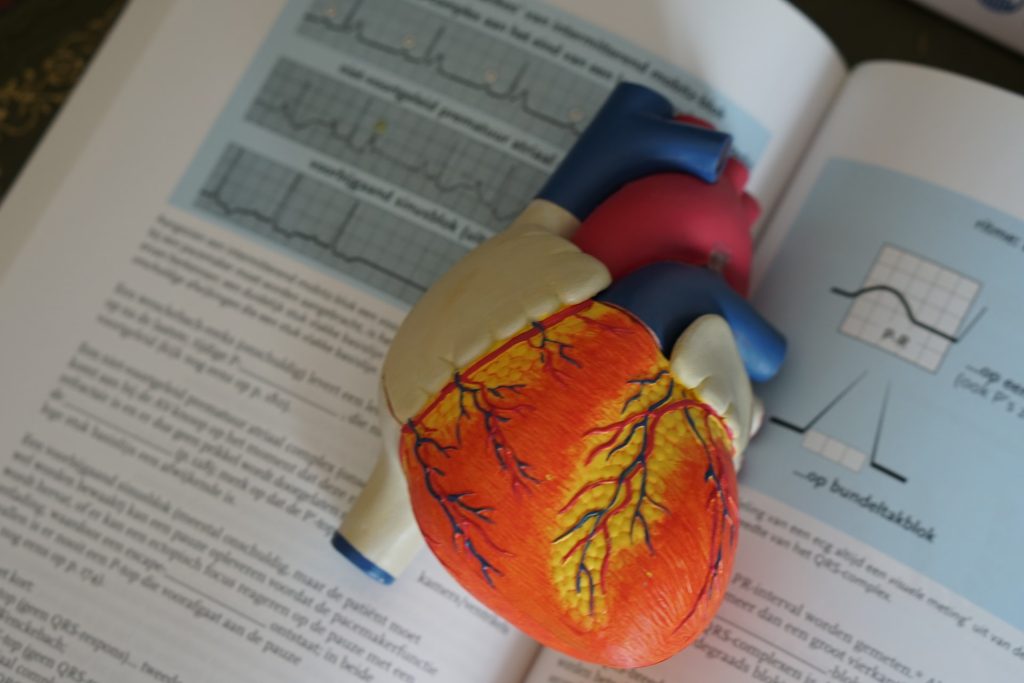
Anatomical model of a human heart
Photo by Robina Weermeijer on Unsplash

The American College of Cardiology has issued an expert consensus decision pathway for the evaluation and management of adults with key cardiovascular consequences of COVID. The document discusses myocarditis and other types of myocardial involvement, patient-centred approaches for long COVID and guidance on resumption of exercise following COVID. The clinical guidance was published today in the Journal of the American College of Cardiology.

“The best means to diagnose and treat myocarditis and long COVID following SARS-CoV-2 infection continues to evolve,” said Ty Gluckman, MD, MHA, co-chair of the expert consensus decision pathway. “This document attempts to provide key recommendations for how to evaluate and manage adults with these conditions, including guidance for safe return to play for both competitive and non-competitive athletes.”

Myocarditis

Myocarditis is a condition defined by the presence of cardiac symptoms such as chest pain, an elevated cardiac troponin, and abnormal ECG, cardiac imaging and/or cardiac biopsy findings.

Although rare, myocarditis with COVID is more commonly seen in men, and since it is associated with a higher risk of cardiac complications, a proactive management plan should be in place. For mild or moderate myocarditis, hospitalisation is recommended to closely monitor for worsening symptoms, while undergoing follow-up testing and treatment. Patients with severe myocarditis should ideally be hospitalised at appropriately equipped centres.

Myocarditis following COVID-19 mRNA vaccination is also rare and the benefits outweigh the risks. It is most commonly seen in younger males (40.6 cases per million for ages 12–29). Although most cases of myocarditis following COVID mRNA vaccination are mild, it should be diagnosed and treated similarly to myocarditis following COVID infection.

Long COVID

Post-acute sequelae of SARS-CoV-2 infection (PASC), or long COVID, is reported by up to 10-30% of infected individuals. It is defined by a constellation of new, returning or persistent health problems experienced by individuals four or more weeks after COVID infection. While individuals with this condition may experience wide-ranging symptoms, tachycardia, exercise intolerance, chest pain and shortness of breath represent some of the symptoms that draw increased attention to the cardiovascular system.

The writing committee has proposed two terms to better understand potential aetiologies for those with cardiovascular symptoms:

PASC-CVD, or PASC-Cardiovascular Disease, refers to a broad group of cardiovascular conditions (including myocarditis) that manifest at least four weeks after COVID infection.

PASC-CVS, or PASC-Cardiovascular Syndrome, includes a wide range of cardiovascular symptoms without objective evidence of cardiovascular disease following standard diagnostic testing.

Generally, patients with long COVID and cardiovascular symptoms should undergo evaluation with laboratory tests, ECG, echocardiogram, ambulatory rhythm monitor and/or additional pulmonary testing based on the clinical presentation. Cardiology consultation is recommended for abnormal test results, with additional evaluation based on the suspected clinical condition (eg, myocarditis).

Because multiple factors likely underlie PASC-CVS, evaluation and management may be best driven by the predominant cardiovascular symptom(s). For those with tachycardia and exercise intolerance, increased bedrest and/or a decline in physical activity may trigger cardiovascular deconditioning with progressive worsening of symptoms.

“There appears to be a ‘downward spiral’ for long COVID patients. Fatigue and decreased exercise capacity lead to diminished activity and bedrest, in turn leading to worsening symptoms and decreased quality of life,” said Nicole Bhave, MD, co-chair of the expert consensus decision pathway. “The writing committee recommends a basic cardiopulmonary evaluation performed upfront to determine if further specialty care and formalized medical therapy is needed for these patients.”

For PASC-CVS patients with tachycardia and exercise intolerance, upright exercise (walking or jogging) should be replaced with recumbent or semi-recumbent exercise (rowing, swimming or cycling) to avoid worsening fatigue. Exercise intensity and duration should be low initially, with gradual increases in exercise duration over time. Transition back to upright exercise can be done as  symptoms improve. Additional interventions (increased salt and fluid intake, elevation of the head during sleep, support stockings) and pharmacological treatments (beta-blockers) should be considered on a case-by-case basis.

Return to Play

Concerns arose about return to play for athletes after COVID due to observations of cardiac injury among some hospitalised COVID patients, along with uncertainty around cardiovascular sequelae after mild illness. However, data do not show a low prevalence of clinical myocarditis and no increase of cardiac events.

For athletes recovering from COVID with ongoing cardiopulmonary symptoms or those requiring hospitalisation with increased suspicion for cardiac involvement, further evaluation with triad testing (ECG, cardiac troponin and echocardiogram) should be performed. For those with abnormal test results, further evaluation with cardiac MRI should be considered. Individuals diagnosed with clinical myocarditis should abstain from exercise for three to six months.

Cardiac testing is not recommended for asymptomatic individuals following COVID infection. Individuals should abstain from training for three days to ensure that symptoms do not develop. For those with mild or moderate non-cardiopulmonary symptoms (fever, lethargy, muscle aches), training may resume after symptom resolution. For those with remote infection (≥ three months) without ongoing cardiopulmonary symptoms, a gradual increase in exercise is recommended without the need for cardiac testing.

Based on the low prevalence of myocarditis observed in competitive athletes with COVID-19, the authors note that these recommendations can be reasonably applied to high-school athletes (aged ≥ 14 years) along with adult recreational exercise enthusiasts. Future study is needed, however, to better understand how long cardiac abnormalities persist following COVID infection and the role of exercise training in long COVID.

Source: American College of Cardiology

Financial Rewards are an Effective Weight Loss Motivator

Bathroom scale
Photo by I Yunmai on Unsplash

A large scale weight loss programme conducted with Australia’s national science agency, CSIRO, has demonstrated that personal accountability coupled with financial rewards continue to be a key motivator for successful weight loss.

The report [PDF] analysed data from over 48 000 CSIRO Total Wellbeing Diet members, more than triple the sample size from the original study in 2018. The authors found that those who successfully claimed the financial incentive offered by the programme, managed a 28% greater weight loss than those members who did not claim it.

Financial reward claimants lost an average of 6.2kg (or 6.7% of their starting body weight), versus the 4.8kg (or 5.2% of starting body weight) lost by those who did not claim the financial reward.

CSIRO Research Scientist and report author Dr Gilly Hendrie said the research was telling evidence of how taking personal accountability by engaging in self-monitoring behaviours promoted healthy weight loss.

“It is encouraging to see the results of our study support other psychology and behavioural change research that self-accountability and financial incentives can have a meaningful impact on people’s weight loss success,” Dr Hendrie said. 

“Breaking unhealthy habits that have developed over a long time can be hard and it is easy to lose motivation if you are not seeing immediate results on the scales.

“We’ve found self-accountability activities like tracking your weight and taking progress photos can be positive for members to see the physical changes from one week to the next; it can give them the drive to stay on track and continue to form the healthy habits which will help them achieve their health goals,” she said.

In addition, two thirds of members who claimed the reward lost a clinically relevant amount of weight, more than 5% of their starting body weight, compared to half of the non-rewarded members.

“A five per cent reduction in body weight is proven to markedly lower the risk for type 2 diabetes and cardiovascular disease and improve metabolic function in obese and overweight people,” Dr Hendrie said.

Programme participant Brian Thomas said he believes the refund reward was key to his 27 kg weight loss.

“The refund reward was not only a key motivator to me signing up, but it helped me achieve my weight loss goals and regain my health because it sets up the framework to do things you need to do to be successful,” Mr Thomas said.

“If I didn’t have to track my food for the refund reward, maybe I would never have got into the habit of tracking. Even now, three months after I received my refund, I’m still keeping up those behaviours. It’s allowed me to make positive changes to my own life and habits, and it has had a positive impact on my family.  Best of all it didn’t cost me a cent.”

The CSIRO Total Wellbeing Diet offers a financial reward equal to the cost of the program (AUS $199/R2 200) for people who complete the 12-week programme and follow the science-based criteria to make lifestyle changes for long-term weight loss. The criteria include weekly weigh-ins, uploading a photo to track progress, and using a food diary at least three times per week.

Source: CSIRO

Damaging Candida Strains in Inflammatory Bowel Disease

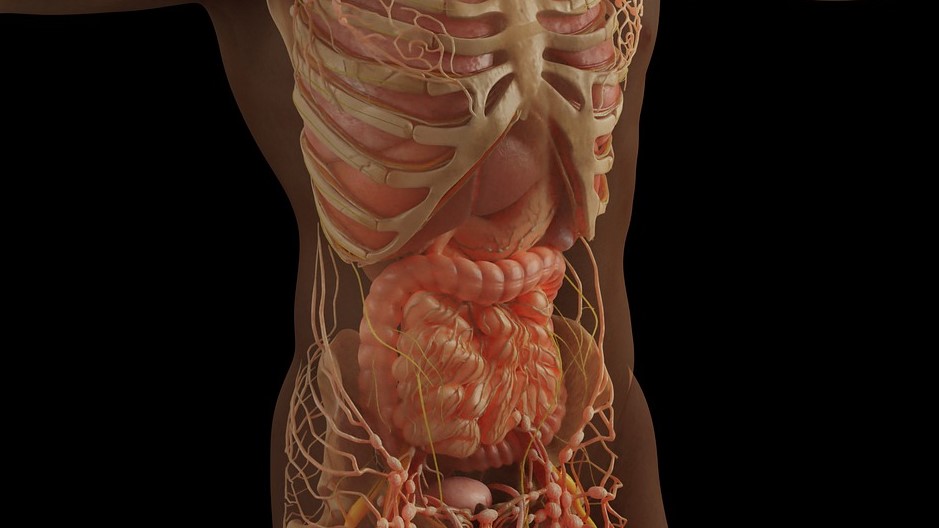
Anatomy of the gut
Source: Pixabay CC0

In the human gut, individual strains of Candida albicans are incredibly varied, and some C. albicans strains may damage the gut of patients with inflammatory bowel disease (IBD), according to a new study published in Nature. The findings suggest a possible way to tailor treatments to individual patients in the future.

The researchers used an array of techniques to study Candida strains from the colons of people with or without ulcerative colitis, a chronic, relapsing and remitting inflammatory disorder of the colon and rectum and one of the main forms of IBD. They found that certain strains, which they call “high-damaging,” produce candidalysin, a potent toxin that damages immune cells.

“Such strains retained their “high-damaging” properties when they were removed from the patient’s gut and triggered pro-inflammatory immunity when colonised in mice, replicating certain disease hallmarks,” said senior author Dr Iliyan Iliev, an associate professor of immunology in medicine at Weill Cornell Medicine.

IBD is estimated to affect between one in 11 and one in 26 people worldwide. The condition can significantly impact patients’ quality of life. There are a handful of available therapies, but treatments may not always be effective. The study showed that steroids, one of the common treatments, may not work. Treating mice with steroids to suppress intestinal inflammation failed in the presence of “high-damaging” C. albicans strains.

“Our findings suggest that C. albicans strains do not cause spontaneous intestinal inflammation in a host with intact immunity,” Dr Iliev said. “But they do expand in the intestines when inflammation is present and can be a factor that influences response to therapy in our models and perhaps in patients.”

Most studies of the human microbiome in healthy individuals and those with IBD have focused on bacteria and viruses, but recent studies  by Dr Iliev and others has highlighted the role of fungi. Intestinal fungi play an important role in regulating immunity at surfaces exposed to the outside, such as the intestines and lungs, due to their potent immune-stimulating characteristics. While the mycobiota – the body’s fungi community – has been linked to IBD, the pro-inflammatory of gut the mycobiota was not understood.

In the new study, the investigators initially found that Candida strains, while highly diverse in the intestines of both patients with and without colitis, were on average more abundant in the patients with IBD. But that did not explain disease outcomes in individual patients. So, the investigators set out to identify the characteristics of these strains that cause damage and how they relate to individual patients.

The researchers observed that in the patients with ulcerative colitis, severe disease was associated with the presence of “high-damaging” Candida strains, all of which produce the candidalysin toxin. The scientists showed that the toxin damages immune cells called macrophages, prompting a storm of the pro-inflammatory cytokine IL-1β.

The researchers then grew macrophages in the presence of Candida strains and found that the ability of the strains to induce IL-1β corresponded closely to the severity of colitis in the patients.

“Our finding shows that a cell-damaging toxin candidalysin released by “high damaging” C. albicans strains during the yeast-hyphae morphogenesis triggers pathogenic immunological responses in the gut,” said first author Dr Xin Li.

Experiments in mice delineated that candidalysin-producing “high-damaging” strains induced the expansion of a population of T cells called Th17 cells and other inflammation-associated immune cells, such as neutrophils.

“Neutrophils contribute to tissue damage and their accumulation is a hallmark of active IBD,” said Dr Ellen Scherl, a professor of inflammatory bowel disease. “The indication that these processes might in part be driven by a fungal toxin released by yeast strains in specific patients could potentially inform personalized treatment approaches.”

Consistent with this finding, blocking IL-1β signalling had a dramatic effect in reducing colitis signs in mice that harboured these highly pro-inflammatory strains. The researchers noted that other recent studies have linked IBD to IL-1β in a general way, prompting ongoing investigations of drugs targeting related pathways as potential IBD therapies.

“We do not know whether specific strains are acquired by specific patients during the course of disease or whether they have been always there and become a problem during episodes of active disease” Dr Iliev said. “Nevertheless, our findings highlight a mechanism by which commensal fungal strains can turn against their host and overdrive inflammation.”

The team’s next steps are to investigate the persistence candidalysin-producing strains in the inflamed colon of specific IBD patients, as well as ways to choose patients for mycobiome therapy.

Source: Weill Cornell Medicine

Blood Pressure Rise on Standing up Linked to Cardiovascular Risk

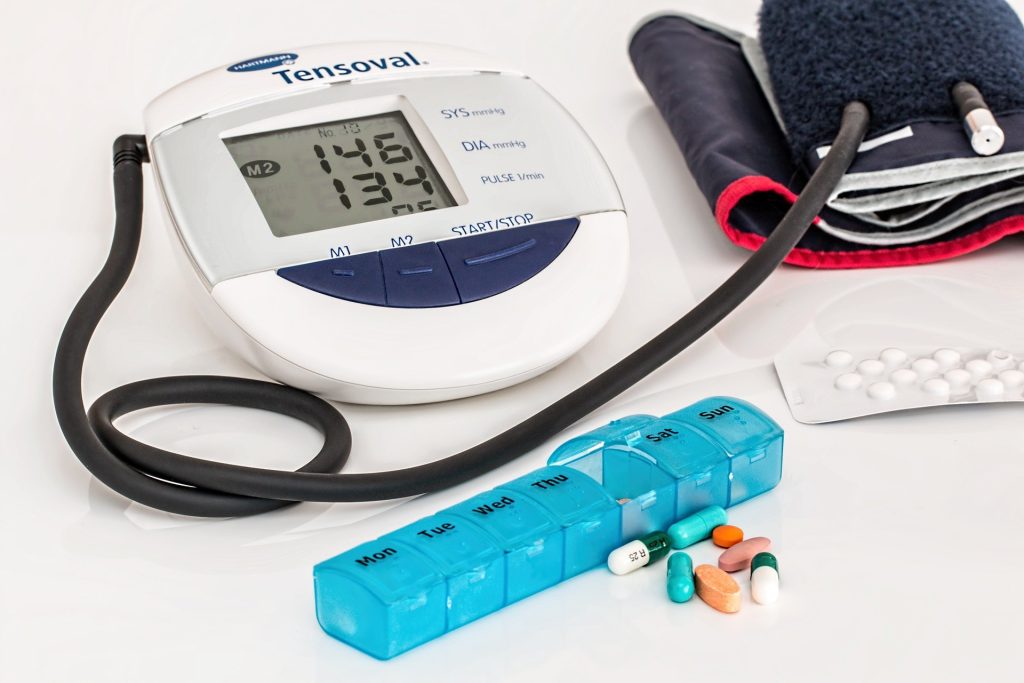
Blood pressure cuff
BP cuff for home monitoring, Source: Pixabay

Among young and middle-aged adults with high blood pressure, a substantial rise in blood pressure upon standing may identify those with a higher risk of serious cardiovascular events, such as heart attack and stroke, according to new research published in the journal Hypertension.

“This finding may warrant starting blood-pressure-lowering treatment including medicines earlier in patients with exaggerated blood pressure response to standing,” said Professor Paolo Palatini, MD, lead author of the study.

Blood pressure usually falls slightly upon standing up. In this study, researchers assessed whether the opposite response – a significant rise in systolic blood pressure upon standing – is a risk factor for heart attack and other serious cardiovascular events.

Researchers recruited 1207 people aged 18-45 years old with untreated stage 1 hypertension, from the ongoing HARVEST study which started in 1990. Stage 1 hypertension was defined as systolic blood pressure of 140–159 mm Hg and/or diastolic BP 90–100 mm Hg. None had taken blood pressure-lowering medication prior to the study, and all were initially classed as low risk for major cardiovascular events based on lifestyle and medical history.

The researchers took six blood pressure measurements in various physical positions, including when lying down and after standing up. The 120 participants with the highest rise (top 10%) in blood pressure upon standing averaged an 11.4mmHg increase; all increases in this group were greater than 6.5mmHg. Remaining participants averaged a 3.8mmHg fall in systolic blood pressure upon standing.

The researchers compared heart disease risk factors, laboratory measures and the occurrence of major cardiovascular events (heart attack, heart-related chest pain, stroke, aneurysm of the aortic artery, clogged peripheral arteries) and chronic kidney disease among participants in the two groups. In some analyses, the development of atrial fibrillation, an arrhythmia that is a major risk factor for stroke, was also noted. Results were adjusted for age, gender, parental history of heart disease, and several lifestyle factors and measurements taken during study enrolment.

During an average 17-year follow-up, there were 105 major cardiovascular events among the participants. The most common were heart attack, heart-related chest pain and stroke.

People in the top 10% for rise in blood pressure:

  • had nearly twice the risk for a major cardiovascular event compared to the others;
  • did not generally have a higher risk profile for cardiovascular events during their initial evaluation (outside of the exaggerated blood pressure response to standing);
  • were more likely to be smokers (32.1% vs 19.9% in the non-rising group), yet physical activity levels were comparable, and they were not more likely to be overweight or obese, and no more likely to have a family history of cardiovascular events;
  • had more favourable cholesterol levels (lower total cholesterol and higher high-density-lipoprotein cholesterol);
  • had lower systolic blood pressure when lying down than the other group (140.5 mm Hg vs. 146.0 mm Hg, respectively), yet blood pressure measures were higher when taken over 24 hours.

After adjusting for average blood pressure taken over 24 hours, an exaggerated blood pressure response to standing remained an independent predictor of adverse heart events or stroke.

“The results of the study confirmed our initial hypothesis – a pronounced increase in blood pressure from lying to standing could be prognostically important in young people with high blood pressure. We were rather surprised that even a relatively small increase in standing blood pressure (6-7 mm Hg) was predictive of major cardiac events in the long run,” said Prof Palatini.

In a subset who had stress hormones measured from 24-hour urine samples, the epinephrine/creatinine ratio was higher in the people with rising BP compared to non-risers (118.4 nmol/mol vs 77.0 nmol/mol, respectively).

“Epinephrine levels are an estimate of the global effect of stressful stimuli over the 24 hours. This suggests that those with the highest blood pressure when standing may have an increased sympathetic response to stressors,” said Prof Palatini. “Overall, this causes an increase in average blood pressure.”

“The findings suggest that blood pressure upon standing should be measured in order to tailor treatment for patients with high blood pressure, and potentially, a more aggressive approach to lifestyle changes and blood-pressure-lowering therapy may be considered for people with an elevated blood pressure response to standing,” he said.

Source: American Heart Association

Experiments to Test Consciousness All Fall Short

Depiction of a human brain
Image by Fakurian Design on Unsplash

A study examining various experiments each designed to prove one of four conflicting theories of consciousness has discovered that they are all flawed: predetermined to prove the theory they are designed to test. The surprising conclusion is that the nature of the experiment largely determines its result.

In neuroscience, there are currently four leading theories trying to explain how the experience of consciousness emerges from neural activity. In this unique study, researchers re-examined hundreds of experiments that support contradictory theories.

The study, published in Nature Human Behaviour, shows that the inconsistencies in the experiments’ findings are mainly due to methodological differences or the methodological choices made by the researchers, predetermines their results.

Employing artificial intelligence, researchers re-examined 412 experiments, and found that scientists’ methodological choices actually determined the result of the experiment – so much so that an algorithm could predict which theory they were designed to support with 80% success.

Professor Liad Mudrik led the study. He explained: “The big question is how consciousness is born out of activity in the brain, or what distinguishes between conscious processing and unconscious processing,” Prof Mudrik explained. “For example, if I see a red rose, my visual system processes the information and reports that there is a red stimulus in front of me. But what allows me – unlike a computer for example – to experience this colour? To know how it feels? In recent years, a number of neuroscientific theories have been proposed to explain how conscious experience arises from neural activity. And although the theories provide utterly different explanations, each of them was able to gather empirical evidence to justify itself, based on multiple experiments that were conducted. We re-examined all these experiments, and showed that the parameters of the experiment actually determine its results. The artificial intelligence we used knew how to predict with an 80% success rate which theory the experiment would support, based solely on the researchers’ methodological choices.”

The study of consciousness has four leading theories, with contradicting predictions about the neural underpinnings of conscious experience. The Global Neuronal Workspace Theory maintains that there is a central neural network, and when information enters it, it is being broadcasted throughout the brain, becoming conscious. The Higher Order Thought Theory claims that there is a higher order neural state that ‘points’ at activity in lower-level areas, marking this content as conscious. A third theory, called Recurrent Processing Theory, claims that information that is reprocessed within the sensory areas themselves, in the form of recurrent processing, becomes conscious. And finally, a fourth theory – Integrated Information Theory – defines consciousness as integrated information in the brain, claiming that the posterior regions are the physical substrates of consciousness.

“Each of these theories offers convincing experiments to support them, so the field is polarized, with no agreed-upon neuroscientific account of consciousness,” said Prof Mudrik.

In-depth analysis of all of the 412 experiments designed to test the four leading theories showed that they were constructed differently. For example, some experiments focused on different states of consciousness, such as a coma or a dream, and others studied changes in the content of consciousness of healthy subjects. Some experiments tested connectivity metrics were tested, and others did not. “Researchers make a series of decisions as they build their experiment, and we demonstrated that these decisions alone – without even knowing the results of the experiments – already predict which theory these experiments will support. That is, these theories were tested in different manners, though they try to explain the same phenomenon,” Prof Mudrik said.

“Another one of our findings was that the vast majority of the experiments we analysed supported the theories, rather than challenging them. There appears to be a built-in confirmation bias in our scientific praxis, though the philosopher of science Karl Popper said that science advances by refuting theories, not by confirming them,” added Prof. Mudrik. “Moreover, when you put together all of the findings that were reported in these experiments, it seems like almost the entire brain is involved in creating the conscious experience, which is not consistent with any of the theories. In other words, it would appear that the real picture is larger and more complex than any of the existing theories suggest. It would seem that none of them is consistent with the data, when aggregated across studies, and that the truth lies somewhere in the middle.”

Source: EurekAlert!