Scientists have successfully treated type 1 diabetes in mice using pancreatic beta-cell, target-specific, chimeric antigen-receptor (CAR) regulatory T cells (Tregs), showing the feasibility of replicating this in humans according to data presented at ENDO 2022, the Endocrine Society’s annual meeting.
The study was led by Professor Juan Carlos Jaume, MD, at the University of Toledo.
Adoptive cell transfer therapies with CAR cytotoxic T cells have proven effective for the treatment of haematologic malignancies. Prof Jaume and colleagues attempted to replicate an equally effective experimental treatment for type 1 diabetes using instead non-cytotoxic, anti-inflammatory Tregs.
“The purpose of this study was to determine if pancreatic beta-cell, target-specific, human CAR Tregs could also identify human pancreatic beta cells and home to human pancreatic islets in culture as they do in mice undergoing CAR Treg treatment for T1D,” Prof Jaume said.
The researchers drew blood one to two weeks prior to pancreas surgery, followed by a collection of a a 5cc wedge of the pancreas after the pancreas was removed for a clinically indicated reason, either cancer or pancreatitis.
The researchers isolated Tregs from the blood samples and expanded them in vitro. Those cells were genetically modified to express a beta-cell, target-specific CAR combined with a green fluorescence protein (GFP) marker.
The next step was to process the pancreas tissue for islet separation. Following this, they co-cultured the human pancreatic islets combined with the beta-cell, target-specific CAR Tregs.
Within 24 hours, confocal microscopy demonstrated the successful migration of the GFP positive, CAR Tregs onto the pancreatic islets. What’s more, the CAR Tregs significantly proliferated while in physical contact with the pancreatic islets in the subsequent 72 hours.
“Ours is the first successful, pancreatic beta-cell, target-specific CAR-Treg treatment of T1D in a humanized mouse model that closely resembles the human disease. Based on our mice and human in-vitro data, we believe treatment with pancreatic beta-cell, target-specific, CAR-Tregs will allow for recovery and reconstitution of beta cells in human T1D patients as well,” Prof Jaume said.
Amid an ongoing worldwide shortage of contrast agent for medical imaging, a new UC San Francisco research letter in JAMA described strategies that can be used to safely reduce contrast agent use in computed tomography (CT) by up to 83%.
The three conservation strategies are weight-based (rather than fixed) dosing, reducing contrast dose while reducing tube voltage on scanners, and replacing contrast-enhanced CT with nonenhanced CT when it will minimally affect diagnostic accuracy.
That third strategy – not using the contrast agent in certain CT scans where there is only a small improvement in accuracy – yielded the most dramatic reduction of contrast agent use: 78%.
“Contrast is essential in any situation where we need to assess the blood vessels – for example, for some trauma patients or those with a suspected acute gastrointestinal bleed – and it is also needed for evaluation of certain cancers, such as in the liver or pancreas,” said senior study author Rebecca Smith-Bindman, MD, professor at UCSF.
“However, most CT scans are done for less specific indications such as abdominal pain in a patient with suspected appendicitis,” Prof Smith-Bindman added. “These can and should be done without contrast during the shortage, because the loss of information in these patients will be acceptable for most patients.”
The global shortage of contrast agent started in April with a COVID-related supply chain disruption of GE Healthcare in Shanghai and is expected to last at least several more weeks. More than 54 million diagnostic imaging exams using contrast agents are done every year in the US, a majority being CT scans, and these conservation methods could continue past the current shortage to reduce the use of contrast agent in general, the authors noted.
Referring clinicians are key to conservation Researchers modelled the three strategies individually and in combination using a sample of 1.04 million CT exams in the UCSF International CT Dose Registry from January 2015 to March 2021.
On its own, weight-based dosing for abdomen, chest, cardiac, spine and extremity imaging reduced contrast agent use by 10%; reducing the tube voltage in appropriate patients allowed a contrast agent reduction of 25%. These two measures combined with using non-contrast CT when possible led to a total reduction of 83%.
Following all three strategies at once may not be possible for some facilities, but each can help conserve supply, Prof Smith-Bindman said. And it is not just radiologists who need to know about them.
“Given the acute shortage, it’s important that clinicians who order imaging exams coordinate with radiology to cancel scans that aren’t absolutely necessary, postpone exams that can be safely delayed, replace CT with MRI and ultrasound where possible, and order an unenhanced scan where possible. Further, clinicians should communicate with their patients about why this is necessary. It is crucial that contrast be conserved for clinical situations where its use is essential for accurate diagnosis,” said Prof Smith-Bindman.
After the shortage ends, medical facilities should consider continuing some of these practices that conserve contrast agent, she added. For example, reducing the tube voltage not only reduces the contrast agent used but also lowers the radiation dose. Tailoring doses weight allows lower dosing volumes for many patients.
In addition, Prof Smith-Bindman noted that this analysis highlights the large amount of contrast agent that is wasted when single-dose vials are used Hospitals and imaging centres that routinely use single-dose contrast agent vials should consider using larger multi-dose vials, which allows for exact dosing and obviates the need to discard unused portions, she said.
“By carrying some of these practices forward, we can mitigate future supply-chain risk and reduce overall waste,” said Smith-Bindman.
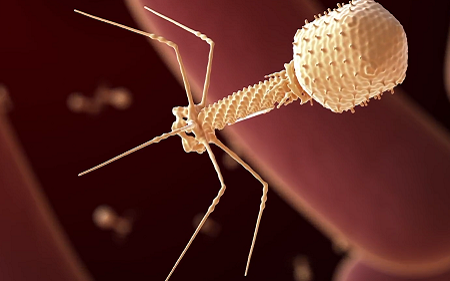
Using bacteriophages, viruses which prey on bacteria, is an emerging alternative to antibiotic use but with limited evidence. Now, with a new paper published in Clinical Infectious Diseases, collaborators report 20 new case studies on the use of the experimental treatment in Mycobacterium infections, with successes in more than half of the patients.
This is the largest ever set of published case studies for bacteriophage (or ‘phage’) therapy, giving unprecedented detail on their use to treat dire infections while laying the groundwork for a future clinical trial.
“Some of those are spectacular outcomes, and others are complicated,” said Professor Graham Hatfull at the University of Pittsburgh. “But when we do 20 cases, it becomes much more compelling that the phages are contributing to favourable outcomes – and in patients who have no other alternatives.”
The patients in the study had an infection from one or more strains of Mycobacterium, a group of bacteria that can cause deadly, treatment-resistant infections in those with compromised immune systems or cystic fibrosis. In 2019, Prof Hatfull led a team showing the first successful use of phages to treat one of these infections.
“For clinicians, these are really a nightmare: They’re not as common as some other types of infections, but they’re amongst some of the most difficult to treat with antibiotics,” said Prof Hatfull. “And especially when you take these antibiotics over extended periods of time, they’re toxic or not very well-tolerated.”
Since 2019, Prof Hatfull and his lab have fielded requests from more than 200 clinicians looking for treatments for their patients, working with them to find phages that could be effective against the particular strain of bacteria infecting each patient.
This newest paper, with collaborators from 20 institutions, dramatically expands the body of published evidence on the effectiveness of the therapy.
“These are incredibly brave physicians, jumping off the ledge to do an experimental therapy to try to help patients who have no other options,” said Prof Hatfull. “And each of these collaborations represents a marker that can move the field forward.”
Going on patient health and presence of Mycobacterium in samples, the team found that the therapy was successful in 11 out of 20 cases. No patients showed any adverse reactions to the treatment.
In another five patients the results of the therapy were inconclusive, and four patients showed no improvement. According to Prof Hatfull, even these apparent failures are key to making the therapy available to more patients. “In some ways, those are the most interesting cases,” he said. “Understanding why they didn’t work is going to be important.”
Several unexpected patterns emerged from the case studies. In 11 cases, researchers were unable to find more than one kind of phage that could kill the patient’s infection, even though standard practice would be to inject a cocktail of different viruses so the bacteria would be less likely to evolve resistance.
“If you’d asked me whether that was a good idea three years ago, I would have had a fit,” Prof Hatfull said. “But we just didn’t observe resistance, and we didn’t see a failure of treatment from resistance even when using only a single phage.”
Additionally, the team saw that some patients’ immune systems attacked the viruses, but only in a few cases did that render the virus ineffective. And in some instances, the treatment was still successful despite such an immune reaction. The study paints an encouraging picture for the therapy, said Prof Hatfull, opening up the possibility for new phage regimens that clinicians could use to maximise the treatment’s chance of success.
Along with the study’s significance to patients facing Mycobacterium infections, it also represents a substantial advance for the wider field of phage therapy. One concern is that researchers may be only publishing case studies of successful phage therapy.
“A series of consecutive case studies, where we’re not cherry-picking, is a much more transparent way of looking to see what works and what doesn’t,” said Prof Hatfull. “This adds considerable weight to the sense that the therapy is safe.”
This is still a very early stage in the development of phage therapy, and phages have not even begun to be tailored for treatment, Prof Hatfull said.
Music session interventions were found to reduce anxiety among patients admitted to the intensive care unit (ICU), according to a systematic review and meta-analysis in the Journal of Clinical Nursing.
Reviewing 25 studies, music was found to significantly reduce anxiety scores overall, regardless of the system of measurement, reported Öznur Erbay Dalli, RN, MSc, PhD, of Bursa Uludag University in Turkey, and colleagues.
Music also significantly reduced anxiety scores versus standard care, including prescribed drugs or care protocol as part of usual treatment. This was comparable to noise-reducing methods. In the ICU, noise is an important driver of stress, the authors explained.
Throughout history, music has been used as one of the “proven non-pharmacological tools” to reduce anxiety, depression, and pain and to increase patient comfort, they added.
Dr Dalli told MedPage Todaythat ICU nurses and other healthcare workers may complement their daily routine care with music to reduce the anxiety of ICU patients and to avoid the side effects of medications, which are commonly used for treating anxiety.
No effect on diastolic blood pressure, respiration rate, or heart rate due to the music was seen. Subgroup analysis showed that multiple sessions produced better outcomes.
The researchers searched for studies published up to January 2022. All of the 25 included studies were randomised controlled trials or controlled clinical trials in 9 different countries with 1751 participants in total. Average age was 59 and 57% were male.
Of the anxiety assessment tools, the State-Trait Anxiety Inventory was the most commonly used tool (9 studies), followed by the Fear, Anxiety, and Stress Scale (4 studies) and the Visual Analogue Scale for Anxiety (2 studies).
Music interventions were mostly recorded music, although one study included a harp being played live. Music was used during rest times in most studies, though in four studies, music was used during specific procedures, like catheterisation or endotracheal suctioning.
No side effects were reported in the studies examined, but some patients objected to the choice of music, something which could be addressed by consultation with family members.
Limitations to the study included the fact that it was “difficult or impossible” to blind participants and other healthcare personnel involved in the study due to the nature of the intervention, which could lead to a “high risk of performance bias,” the authors noted. Additionally, the range of protocols and evaluation techniques used among the studies resulted in high heterogeneity.
Publication bias was possible due certain studies having small sample sizes, and a lack of available data.
In a study published in the Journal of the American Geriatrics Society with 159 255 female participants from a variety of racial and ethnic backgrounds, higher levels of optimism were associated with longer lifespans and a greater likelihood of living past 90 years of age.
Investigators found that the link between optimism and longevity was evident across racial and ethnic groups, and that lifestyle factors accounted for nearly one-quarter of the optimism-lifespan association.
“Although optimism itself may be patterned by social structural factors, our findings suggest that the benefits of optimism for longevity may hold across racial and ethnic groups,” said lead author Hayami K. Koga, of the Harvard T.H. Chan School of Public Health. “Optimism may be an important target of intervention for longevity across diverse groups.”
The whistle-blowing paediatrician Dr Tim de Maayer who spoke out about appalling conditions at Rahima Moosa Mother and Child Hospital (RMMCH) was suspended yesterday, apparently in a retaliatory move.
In the widely-read open letter appearing on the Daily Maverick, he spoke of the preventable tragedy of babies dying due to lack of resources. This came shortly after a viral video showed pregnant mothers sleeping on the floor.
Presciently, the Daily Maverick, which broke the story, stated that there were two options: act to change the situation for the better, or “shoot the messenger”. As the newspaper wryly noted as it broke the news on Friday, 10 June, the option of shooting the messenger has been taken.
Although there appeared to be an initial positive response, Dr Maayer gave notice on Thursday evening that he was not able to come into work on Friday as he was being placed on suspension. RMMCH doctors then contacted the Daily Maverick.
His suspension leaves the hospital without its only paediatric gastroenterologist, according to an anxious doctor who got in touch with the Daily Maverick late Thursday night. The news has spread like wildfire across social media, with other doctors quick to come to Dr de Maayer’s defence.
A petition on Change.org to reinstate the paediatrician is being circulated by ordinary citizens and clinicians including Professor Shabir Madhi, who has been vocal in his support of Dr de Maayer.
The Progressive Health Forum (PHF) called for the suspension of Dr de Maayer to be overturned.
“Dr de Maayer has been suspended on the grounds that he has a voice, a conscience and a professional ethic and being a committed public health clinician. This pattern of victimisation has been repeatedly applied to clinicians who dare call out inadequacies of the administration and negative impact on clinicians and on the lives of patients,” the PHF said in a statement.
Pregnant mothers have the ability to confer greater immunity to the vulnerable developing foetus with ‘super antibodies’. Now, a far-reaching study published in Nature provides a surprising explanation of how this actually works, and what it could mean for preventing death and disability from a wide range of infectious diseases.
The findings suggest the amped-up antibodies that expecting mothers produce could be mimicked to create new drugs to treat diseases as well as improved vaccines to prevent them.
“For many years, scientists believed that antibodies cannot get inside cells. They don’t have the necessary machinery. And so, infections caused by pathogens that live exclusively inside cells were thought to be invisible to antibody-based therapies,” said Sing Sing Way, MD. “Our findings show that pregnancy changes the structure of certain sugars attached to the antibodies, which allows them to protect babies from infection by a much wider range of pathogens.”
“The maternal-infant dyad is so special. It’s the intimate connection between a mother and her baby,” says John Erickson, MD, PhD, first-author of the study.
Drs Way and Erickson are both part of Cincinnati Children’s Center for Inflammation and Tolerance and the Perinatal Institute, which strives to improve outcomes for all pregnant women and their newborns.
Erickson continues, “This special connection starts when babies are in the womb and continues after birth. I love seeing the closeness between mothers and their babies in our newborn care units. This discovery paves the way for pioneering new therapies that can specifically target infections in pregnant mothers and newborns babies. I believe these findings also will have far-reaching implications for antibody-based therapies in other fields.”
How mothers make super antibodies The new study identifies the specific change in the sugar. During pregnancy, the “acetylated” form of sialic acid (one of the sugars attached to antibodies) shifts to the “deacetylated” form. This subtle molecular shift lets immunoglobulin G (IgG) take on an expanded protective role by stimulating immunity through receptors that respond specifically to deacetylated sugars.
“This change is the light switch that allows maternal antibodies to protect babies against infection inside cells,” Dr Way said.
“Mothers always seem to know best,” Dr Erickson added.
Revved-up antibodies can be produced in the lab The research team pinned down the key biochemical differences between antibodies in virgin mice compared to pregnant ones. They also identified the enzyme naturally expressed during pregnancy responsible for driving this transformation.
Further, the team successfully restored lost immune protection by supplying lab-grown supplies of the antibodies from healthy pregnant mice to pups born to mothers that were gene-edited to lack the ability to remove acetylation from antibodies to enhance protection.
Hundreds of monoclonal antibodies have been produced as potential treatments for various disorders, including COVID, with a variety of results.
Dr Way said this molecular alteration can be replicated to change how antibodies stimulate the immune system to fine-tune their effects. This potentially could lead to improved treatments for infections caused by other intracellular pathogens including HIV and respiratory syncytial virus (RSV), a common virus that poses serious risks to infants.
Another reason to accelerate vaccine development “We’ve known for years the many far-reaching benefits of breastfeeding,” Dr Erickson said. “One major factor is the transfer of antibodies in breastmilk.”
The study shows that nursing mothers retain the molecular switch, passing through the antibodies to their newborns.
Additionally, Dr Way says the findings underscore the importance of receiving all available vaccines for women of reproductive age – as well as the need for researchers to develop even more vaccines against infections that which are especially prominent in women during pregnancy or in newborn babies.
“The immunity needs to exist within the mother for it to be transferred to her child,” Dr Way said. “Without natural exposures or immunity primed by vaccination, when that light switch flips during pregnancy, there’s no electricity behind it.”
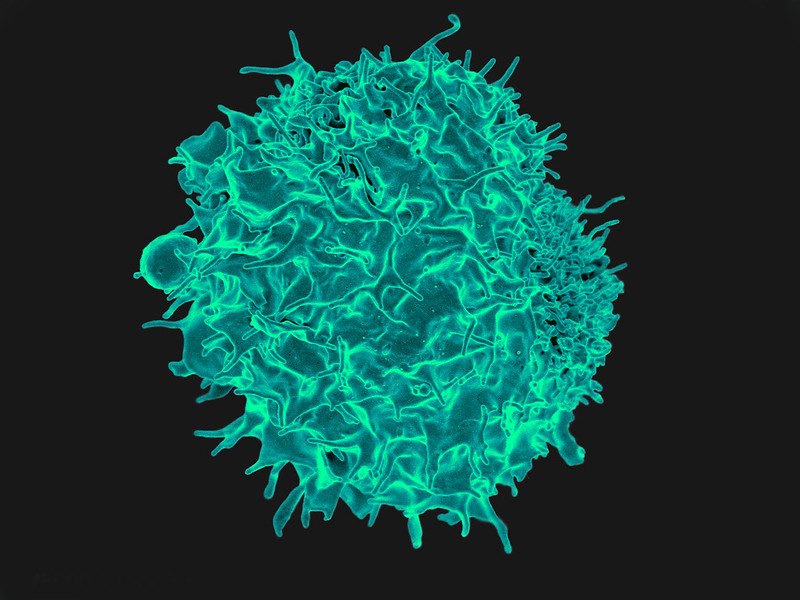
Scanning Electron Micrograph image of a human T cell. Credit: NIH/NIAID
In a groundbreaking new study, scientists report training T cells to protect against SARS-CoV-2 even without an antibody response. This could open the way to more broadly effective vaccines.
Current vaccines prompt the creation of antibodies and immune cells that recognise the spike protein. However, these vaccines were developed using the spike protein from an older variant of SARS-CoV-2, reducing their effectiveness against newer variants. Researchers have found that immune cells called T cells tend to recognise parts of SARS-CoV-2 that don’t mutate rapidly. T cells coordinate the immune system’s response and kill cells that have been infected by the SARS-CoV-2 virus.
A vaccine that prompted the body to create more T cells against SARS-CoV-2 could help prevent disease caused by a wide range of variants. To explore this approach, a research team led by Dr Marulasiddappa Suresh from the University of Wisconsin studied two experimental vaccines that included compounds to specifically provoke a strong T-cell response in mice.
The team tested the vaccines’ ability to control infection and prevent severe disease caused by an earlier strain of SARS-CoV-2 as well as by the Beta variant, which is relatively resistant to antibodies raised against earlier strains.
When the researchers vaccinated the mice either either nasally or by injection, the animals developed T cells that could recognise the early SARS-CoV-2 strain and the Beta variant. The vaccines also caused the mice to develop antibodies that could neutralise the early strain. However, they failed to create antibodies that neutralised the Beta variant.
The mice were exposed to SARS-CoV-2 around 3 to 5 months after vaccination. Compared to the controls, vaccinated mice had very low levels of virus in their lungs and were protected against severe illness, which was true of infection with the Beta variant too. This showed that the vaccine provided protection against the Beta variant despite failing to produce effective antibodies against it.
To understand which T cells were providing this protection, the researchers selectively removed different types of T cells in vaccinated mice prior to infection. When they removed CD8 (killer) T cells, vaccinated mice remained well protected against the early strain, although not against the Beta variant. When they blocked CD4 T (helper) cells, levels of both the early strain and Beta variant in the lungs and severity of disease were substantially higher than in vaccinated mice that didn’t have their T cells removed.
These results suggest important roles for CD8 and CD4 T cells in controlling SARS-CoV-2 infection. Current mRNA vaccines do produce some T cells that recognize multiple variants. This may help account for part of the observed protection against severe disease from the Omicron variant. Future vaccines might be designed to specifically enhance this T cell response.
“I see the next generation of vaccines being able to provide immunity to current and future COVID variants by stimulating both broadly-neutralising antibodies and T cell immunity,” Dr Suresh predicted.
Tobacco companies waged a massive disinformation campaign to keep people consuming their products. There are parallels with today’s antivaxx movement. Even before the 1964 US Surgeon General’s report on tobacco, the tobacco industry was deflecting health concerns by featuring doctors in their advertising and actively courting the medical industry. This advert is from 1930.
In a perspective piece published in the New England Journal of Medicine, authors find a parallel between the tactics used in the ‘tobacco wars’ and vaccination efforts. In a seeming repeat of history, anti-vaccination groups are using the same tactics the tobacco industry used to defend their products and undermine trust in science, but the successful anti-tobacco campaign holds important lessons for turning the tide against misinformation and normalising vaccination.
In late 2020 when the first COVID vaccines became available, the authors note that surveys indicated that about a third of US adults were keen to be vaccinated, 15% expressed strong resistance to vaccination (a proportion that has stayed fairly constant), and the remainder didn’t harbour strong ideological resistance. Now, about 27% of US adults now remain unvaccinated – and reaching this remainder is an important public health challenge.
The authors believe that the ‘tobacco wars’ can provide perspective. The tobacco industry fuelled preventable deaths by glamourising smoking, with almost 50% of US adults smoking cigarettes in the 1960s.
The current rate of about 12.5% is the result of decades of public health efforts to make tobacco use less socially acceptable. The first US Surgeon General’s report on smoking and health in 1964 was attacked by the tobacco industry. It was only until C. Everett Koop’s overwhelming report in 1986 that cemented tobacco use as a major preventable cause of cancer and death and highlighted the dangers of second-hand smoking.
Koop and others were vilified by the tobacco industry, which mounted a sustained campaign that cast doubts on the science, publicised misinformation, emphasised tobacco’s economic importance, and warned against restricting individual freedom. Industry leaders directly lied about knowing that nicotine was addictive and the lethal dangers of tobacco use. Indeed, from the 1920s to 1950s, in response to growing health concerns, the tobacco industry had actively courted doctors and influenced medical journals, widely reporting positive findings of studies that were deeply flawed. This may have only played into the hands of antivaxxers, creating a historical example of distrust in the medical system.
A 1940s advert showing how ‘doctors’ (probably actors) enjoyed Camel brand cigarettes. With the 1950 publication of studies showing the connection between cancer and tobacco, the public began to be suspicious and such campaigns featuring doctors ended by 1954.
While the focus of the debate was initially on smoking as an individual choice, two 1981 studies on nonsmoking wives of smokers vs nonsmokers revealed the dangers of secondhand smoke and shifted the discourse.
The US Congress has never enacted a federal smoking ban, but did grant the FDA limited authority to regulate tobacco in 2009, enabling restrictions on youth sales.
However, the broad-based effort from all levels of society that were important, discouraging smoking in public settings. This was supplemented by messaging from celebrities, taxation, and even a 1998 legal battle against the tobacco industry.
Efforts undertaken by the antivaccination movement, which is hardly new but is thriving during the COVID pandemic, bear many similarities to strategies used during the tobacco wars. Although not driven by a single industry but a collection of celebrities and social media groups, it sows mistrust in science and promotes conspiracy theories. Misinformation tactics are used that are strikingly similar to the tobacco industry’s, and this time Dr Antony Fauci is vilified instead of Koop.
There are big differences between tobacco control and vaccination; such as taking a long time for smoking interventions to reduce chronic diseases, whereas vaccinations usually reduce hospitalisations and severe illness within days or weeks.
The authors believe that success against antivaccination movement can draw on the tobacco wars’ lessons, illustrating COVID’s harm and the power of vaccines. Getting vaccinated and boosted should be the accepted social norm during a pandemic, they stress.
Drawing on similar efforts for anti-tobacco campaigns, vaccination campaigns using real patients in ICU who express regret over not being vaccinated. Unvaccinated people often assume they can be cared for if they get sick, so messages could also be included from healthcare works talking about the strain of the pandemic.
“There is an opportunity to mount a serious effort to provide accurate vaccination information using the same media channels on which people currently consume misinformation,” they wrote.
They also consider vaccine mandates which make being vaccinated a social norm such as wearing a seatbelt, and other regulations at the community and business level may be more effective.
They note that personal physicians play a key role, being the best way to transmit health information. But many people at risk of remaining unvaccinated have had negative experiences with health care, compounded by doctors spreading misinformation.
The authors note that the dangers of tobacco use were known to public health practitioners for years, but it took a well-funded concerted effort that emphasised the impact on others to achieve a change in behaviour. This is something that needs to be repeated for vaccinations.
“Freedom of choice remains; people can still smoke cigarettes and decline vaccinations. But the roadmap drawn by tobacco-control efforts shows that the public mindset can be tilted toward public health and social good. With vaccination, this work shouldn’t take decades; it needs to begin immediately.”
An increase in measles cases in January and February 2022 is a worrying sign of a heightened risk for the spread of vaccine-preventable diseases and could trigger larger outbreaks, particularly of measles affecting millions of children in 2022, warn WHO and UNICEF.
The agencies warn that pandemic-related disruptions, widening vaccine access inequality, and the under-resourcing of routine immunisation are leaving too many children open to measles and other vaccine-preventable diseases.
The risk for large outbreaks has increased as communities relax social distancing practices and other anti-COVID measures. Additionally, the displacement of millions of people due to conflicts and crises including in Ukraine, Ethiopia, Somalia and Afghanistan, is causing disruptions in immunisation services, a lack of clean water and sanitation, and overcrowding, all of which increase the risk of vaccine-preventable disease outbreaks.
Almost 17 338 measles cases were reported worldwide in January and February 2022, compared to 9665 during the first two months of 2021. Measles is highly contagious, so cases tend to show up quickly when vaccinations decline. The agencies are concerned that outbreaks of measles could also forewarn outbreaks of other diseases that do not spread as rapidly.
Apart from its direct, sometimes lethal, effect on the body, the measles virus also weakens the immune system rendering a child more vulnerable for months after to other infectious diseases like pneumonia and diarrhoea. Most cases occur in settings that have faced social and economic hardships due to COVID, conflict or other crises, and have chronically weak health system infrastructure and insecurity.
“Measles is more than a dangerous and potentially deadly disease. It is also an early indication that there are gaps in our global immunization coverage, gaps vulnerable children cannot afford,” said Catherine Russell, UNICEF Executive Director. “It is encouraging that people in many communities are beginning to feel protected enough from COVID to return to more social activities. But doing so in places where children are not receiving routine vaccination creates the perfect storm for the spread of a disease like measles.”
In 2020, 23 million children missed out on basic childhood vaccines through routine health services, the highest number since 2009 and 3.7 million more than in 2019.
Top 5 countries with reported measles cases in the last 12 months, until April 2022 1
Country
Reported Measles cases
Rate per million cases
First dose measles coverage (%), 20192
First dose measles coverage (%), 20203
Somalia
9068
554
46
46
Yemen
3629
119
67
68
Afghanistan
3628
91
64
66
Nigeria
12 341
58
54
54
Ethiopia
3039
26
60
58
As of April 2022, the agencies report 21 large and disruptive measles outbreaks around the world in the last 12 months. Most of the measles cases were reported in Africa and the East Mediterranean region. The figures are likely higher as the pandemic has disrupted surveillance systems globally, with potential underreporting.
Countries with the largest measles outbreaks since the past year include Somalia, Yemen, Nigeria, Afghanistan and Ethiopia. Insufficient measles vaccine coverage is the major reason for outbreaks, wherever they occur.
“The COVID pandemic has interrupted immunisation services, health systems have been overwhelmed, and we are now seeing a resurgence of deadly diseases including measles. For many other diseases, the impact of these disruptions to immunisation services will be felt for decades to come,” said Dr Tedros Adhanom Ghebreyesus, Director-General of the World Health Organization. “Now is the moment to get essential immunisation back on track and launch catch-up campaigns so that everybody can have access to these life-saving vaccines.”
As of 1 April 2022, 57 vaccine-preventable disease campaigns in 43 countries that were scheduled to take place since the start of the pandemic are still postponed, impacting 203 million people, most of whom are children. Of these, 19 are measles campaigns, which put 73 million children at risk of measles due to missed vaccinations. In Ukraine, the measles catch-up campaign of 2019 was interrupted due to the COVID pandemic and thereafter due to the war. Routine and catch-up campaigns are needed wherever access is possible to help make sure there are not repeated outbreaks as in 2017–2019, when there were over 115 000 cases of measles and 41 deaths in the country – this was the highest incidence in Europe.
Coverage at or above 95% with 2 doses of the safe and effective measles vaccine can protect children against measles. However, COVID pandemic related disruptions have delayed the introduction of the second dose of the measles vaccine in many countries.