A major study published in the journal Biological Psychiatry has revealed key differences in brain structure between people with and without anorexia nervosa.
Anorexia nervosa is an eating disorder defined by restriction of energy intake relative to requirements, leading to a significantly low body weight. Patients will have an intense fear of gaining weight and distorted body image and are unable to recognise the seriousness of their significantly low body weight.
Little is known about why some people develop anorexia whilst others do not, although biological factors are widely recognised. The findings from the study, which was coordinated by neuroscientists at the University of Bath with international partners, draws on extensive analyses of brain scans taken from patients around the world and goes some way to answering the question.
They reveal that people with anorexia demonstrate ‘sizeable reductions’ in three critical measures of the brain: cortical thickness, subcortical volumes and cortical surface area. Brain size reductions are significant due the implied loss of brain cells or the connections between them.
The results are some of the clearest yet to show links between structural changes in the brain and eating disorders. The team says that the effect sizes in their study for anorexia are in fact the largest of any psychiatric disorder investigated to date.
This means that people with anorexia showed reductions in brain size and shape two to four times greater than people with conditions such as depression, ADHD, or OCD. The changes observed in brain size for anorexia may be attributable to reductions in body mass index (BMI).
The team emphasised the importance of early treatment to help people with anorexia avoid long-term, structural brain changes. Existing treatment typically involves forms of cognitive behavioural therapy and, critically, weight gain. Many people with anorexia are successfully treated and these results show the positive impact such treatment has on brain structure.
Their study pooled nearly 2000 pre-existing brain scans for people with anorexia, including people in recovery and ‘healthy controls’ (people neither with anorexia nor in recovery). For people in recovery from anorexia, the study found that reductions in brain structure were less severe, suggesting that, with appropriate early treatment and support, brain self-repair is possible.
Lead researcher, Dr Esther Walton of the Department of Psychology at the University of Bath explained: “For this study, we worked intensively over several years with research teams across the world. Being able to combine thousands of brain scans from people with anorexia allowed us to study the brain changes that might characterise this disorder in much greater detail.
“We found that the large reductions in brain structure, which we observed in patients, were less noticeable in patients already on the path to recovery. This is a good sign, because it indicates that these changes might not be permanent. With the right treatment, the brain might be able to bounce back.”
“The international scale of this work is extraordinary,” said Paul Thompson, a professor of neurology and lead scientist for the ENIGMA Consortium, an international effort to understand the link between brain structure, function and mental health. “Scientists from 22 centres worldwide pooled their brain scans to create the most detailed picture to date of how anorexia affects the brain. The brain changes in anorexia were more severe than in other any psychiatric condition we have studied. Effects of treatments and interventions can now be evaluated, using these new brain maps as a reference.”
He added: “This study is novel in term of the thousands of brain scans analysed, revealing that anorexia affects the brain more profoundly than any other psychiatric condition. This really is a wake-up call, showing the need for early interventions for people with eating disorders.”
While the pandemic era has seen global supply chains strained and medicines running short even in the developed world, it was not the case with prescription opioids, namely oxycodone and hydrocodone in the early 2000s. In fact, the opposite was true, argues a study published in the Journal of Supply Chain Management: supply chains became so efficient that they produced a glut of opioids that helped spark the opioid crisis in the US that has since spread to other parts of the world.
This supply glut is partly due to the influence of supplier pool pressure on pharmacy participation in oversupply, according to research conducted by Ednilson Bernardes, professor at the West Virginia University John Chambers College of Business and Economics.
Simply put, pressure exerted by manufacturers and suppliers of opioids, particularly national corporations, influenced how pharmacies bought and distributed those prescriptions.
“We argued that when the pool of suppliers has cohesive expectations for how buyers should behave and sufficient power to dominate the supply relationship, then buyers are under pressure to act in line with those expectations,” Prof Bernardes said.
Prof Bernardes and co-author, Paul Skilton of Washington State University, analysed transactions involving oxycodone and hydrocodone between 2006 and 2012. They chose those two drugs, Prof Bernardes said, because they’re the most commonly abused, legally prescribed products and central to the American opioid epidemic.
The researchers tested a model using a dataset combining geographic, market and public health data. The model revealed that more than 90% of supply originated with three generics manufacturers that aggressively competed for shelf space in distributors and pharmacies.
Bernardes explained how several factors led to opioid oversupply, which occurs when ordinary production and distribution processes deliver products in excess of the safe needs of a market.
“First, even though pharmacists, suppliers and manufacturers knew the products were toxic, physicians were prescribing the products,” Bernardes said. “Second, although the DEA (US Drug Enforcement Agency) expected the companies selling opioids to report unusually large purchases, it put no controls to ensure that they did. Third, even if they had, individual transactions were typically small but made up very large totals.
“Under these conditions, the whole supply chain could produce far more of these products than were good for patients or society. While it is a system-level phenomenon, we theorize that it emerges from individual behaviours and that the actions of suppliers and competitors influence those behaviours in addition to demand from patients.”
In addition, Bernardes said market characteristics, such as demand, regulation and market population size, influenced pharmacy participation.
“Supplier pools can impose their expectations only if they have greater bargaining power than buyers or if buyers critically depend on them,” Bernardes said. “Pharmacies are critically dependent on the opioid supplier pool, which is regulated at the federal and state level, because opioids are an important contributor to supplier and pharmacy profitability.”
Bernardes and his colleague believe this study blazes a trail for further supply chain research as it develops a novel notion of oversupply, distinct from the traditional idea of excess inventory, and normal misconduct that explain how pressures within supply chains shape misconduct beyond the opioid context.
The research is also unique, Bernardes said, because previous studies focused primarily on firm-level consequences of behavior such as supplier sustainability risk and corrupt opportunism. The focus on firm-level outcomes leaves a gap in understanding systemic factors that normalize misconduct in supply chains.
“The phenomenon exposes supply chain behaviour that is widespread and persistent despite its negative consequences for society,” Bernardes said. “Examples include products that harm consumers and business models that degrade the environment, exploit labour or perpetuate social injustice.”
Writing for GroundUp, Rebecca Gore lays out the challenges of access to abortion for women in South Africa’s prisons.
As the legal researcher to Justice Edwin Cameron, head of the Judicial Inspectorate for Correctional Services (JICS), I’ve visited several women’s prisons. A recent encounter with a nurse in a big overcrowded prison was a poignant reminder of the challenges women in prisons experience, especially when it comes to exercising their sexual and reproductive rights.
Cramped in her consulting rooms, the nurse shut the door to talk to me. Outside, weary inmates sighed and waited in line. We discussed how JICS might try to resolve various issues, from mental health to how regularly doctors visit.
On abortions, the nurse’s eyes sparked with alarm. She told me of a perplexing problem she is faced with when an inmate requests an abortion. Is it enough to notify the head of the prison (or area commissioner) – or must she seek their prior approval?
For her, the healthcare policy is unclear. With pressure from her superiors and rumours about another nurse being reprimanded for not obtaining prior approval, she opts for the more constrictive process.
When I raised the issue with the head of the prison, she pointed out a gap in the Correctional Services Act 111 of 1998.
As a result, the prison has developed its own policy. If the inmate is above 18 years
they put their request for an abortion in writing;
the nurse facilitates the arrangements; and
the head of the prison and area commissioner are merely informed (so that they are aware of the inmates’ movements).
The head of the prison assured me that the Department of Correctional Services does not intervene. She said it is important to ensure the woman is not a minor and to have the request in writing as it shields the department from potential litigation.
Distressed by this interaction, I had to dig deeper.
There are no easily accessible statistics on abortions in South African prisons. But we do know that women comprise less than 3% of the entire prison population. Lillian Artz and Britta Rotmann have found that women prisoners are “among the most socially and economically vulnerable members” of our society. Their imprisonment has “obvious deleterious effects on both children and the remaining family members charged with childcare responsibilities.”
The Choice on Termination of Pregnancy Act
The lodestar for all women seeking abortions in South Africa is the Choice on Termination of Pregnancy Act 92 of 1996. The Preamble recognises “the decision to have children is fundamental to a woman’s physical, psychological and social health” and that the state shoulders the duty to provide reproductive healthcare.
The Act provides that a woman can request an abortion during the first 12 weeks of the gestation period without any constraints. A medical practitioner must be consulted from 13 to 20 weeks to identify risks such as an ongoing pregnancy that may “significantly affect the social or economic circumstances of the woman”, and after 20 weeks, when life and injury-threatening risks are present. While a minor must be advised to consult with her loved ones, she cannot be denied an abortion if she chooses not to.
The policies pertaining to women in prisons are markedly different.
The Correctional Services Act is silent on abortions. But the Department’s Regulations (last amended in 2012) provide that the “National Commissioner may approve an abortion at state expense” – though only in particular circumstances. Strikingly, these do not include when a woman requests an abortion during the first 12 weeks. And they do not extend to women seeking abortions on purely socio-economic grounds.
Unsettling questions
Unsettling questions spring to mind: Why can women prisoners not request an abortion during the first 12 weeks? Why are socio-economic grounds for abortion neglected when socio-economic issues are generally more acute behind bars? Most pressing, how can the deeply personal choice of whether to have an abortion be at the discretion of the National Commissioner?
To complicate matters further, the latest B-Orders – detailed rules the department issues – do not mention abortions. Yet, the older set states under “Women’s reproductive health” that the services rendered include “termination of pregnancy”. No further details. However, the department’s “Health Care Policy and Procedures” provide for termination of pregnancy to be “performed at state costs for medical reasons only”. What about the other legitimate reasons that warrant abortions? This is rights-throttling.
To be clear: Women imprisoned in South Africa do not have the same standard of care when it comes to accessing abortions. They have extra obstacles to overcome. And without clearly outlined and implemented policies, there is room for misuse and, worse, abuse.
More concerns crop up: Does the “equivalence of care” principle not extend to the sexual and reproductive healthcare of women prisoners? Have female inmates been overlooked in the fight for reproductive justice?
Laws and reality
The right to a woman’s bodily autonomy is a burning issue across the world. The recent exposure of a draft majority opinion from the US Supreme Court revealed a sharp repudiation of the right to abortion.
Fortunately for us, in democratic South Africa, the right to abortion is not a lightning rod for the political elite.
The Bill of Rights gives everyone the right of access to healthcare services. Critically, this includes reproductive healthcare. And is further buttressed by the right to bodily and psychological integrity, which expressly includes the right to “make decisions concerning reproduction”.
South Africa has ratified international and regional treaties, including the Maputo Protocol, that explicitly entrench the right to abortion.
Yet, there is a disturbing disparity between laws and reality.
Despite these progressive laws, many women still struggle to access safe abortions at state expense. Instead, some find themselves obliged to turn to illegal, informal and often dangerous means. This has awful consequences, in a country with high levels of sexual and gender-based violence coupled with avoidable maternal deaths.
Hurdles to safe and legal abortions, such as lack of information, stigma, judgmental attitudes and mistreatment by healthcare workers, have been identified by Amnesty International.
These barriers lead to the proliferation of illegal and informal abortion providers and have a brutal and often life-imperilling impact on women from marginalised communities. For instance, a sex worker explained that she would opt for a “backdoor” provider. Why? Because for her, privacy has to trump safety. A recent article in GroundUp revealed how poor treatment and stigma have led to more (sometimes botched) illegal abortions among sex workers.
Equivalence of care
When it comes to prisons, we must remember that by and large prisons are designed with men in mind. It is for this reason that the United Nations Bangkok Rules acknowledges that women prisoners “are one of the vulnerable groups that have specific needs and requirements”, including female-centric healthcare needs. The Rules reaffirm the “equivalence of care” principle – those in prison have a right to the same standard of healthcare as the general public.
When it comes to women prisoners’ access to abortions, the reproductive justice framework is crucial. Researchers from the Black Women’s Health Imperative state that reproductive justice encompasses the “social, political and economic inequalities that affect a woman’s ability to access reproductive health care services”.
According to Rachel Roth, abortions are “deeply personal” and “shaped by the larger political, economic and social context of women’s lives.” In the carceral setting, “[e]very dimension of reproductive justice is negatively affected.” In addition, the Prison Policy Initiative observes that in the US context there are “insurmountable barriers” to accessing abortions behind bars and “people behind bars often have very few – if any – choices and autonomy when it comes to their reproductive health and decisions”.
Political will
With political will, prison policies can be changed so that the law extends abortion rights to these women and guards the exercise of these rights.
JICS is committed to working on this.
But, we need to go further.
We need to ensure that women behind bars know their rights through education and awareness campaigns – and that healthcare workers are well-trained and do not deter or stigmatise abortion seekers.
We must establish independent healthcare in prisons, a point recently raised by Justice Cameron. Without independent healthcare, women prisoners’ access to abortions will be limited by the closed-off and security-focused nature of our prisons. My encounter with the nurse would not have been as frank and candid if a correctional official had been present.
South Africa has a long way to go to guarantee all women and girls access to safe, free and legal abortions with respect for their dignity, privacy, health and bodily integrity. In this fierce battle for reproductive justice, we must break the silence and not perpetuate the invisibility of women and girls behind bars.
Colon cancer cells. Source: National Cancer Institute on Unsplash
A recent study reported encouraging findings that the immunotherapy drug dostarlimab was especially effective in a phase II clinical trial of 12 patients with a subtype of rectal cancer. Writing in the New England Journal of Medicine, author Hanna K. Sanoff, MD, MPH, from the UNC Lineberger Comprehensive Cancer Center, outlined prospects for future treatment of the disease.
About 5–10% of rectal cancers are molecularly characterised as being deficient in mismatch repair enzymes (dMMR). These cancers tend to be less responsive to chemotherapy and radiation, increasing the need for surgical treatments. Unfortunately, surgery can result in notable health consequences, including nerve damage, infertility, and bowel and sexual dysfunction.
“Historical treatment of the disease has included radiation, surgery and chemotherapy, which can be debilitating despite its curative potential, pointing to the need for better and more effective treatments that can prolong longevity while maintaining quality of life,” said Prof Sanoff. “These initial findings of the remarkable benefit with the use of dostarlimab are very encouraging but also need to be viewed with caution until the results can be replicated in a larger and more diverse population.”
Still awaiting long-term findings Prof Sanoff also cautioned that little is known about how long the benefit of the drug will last or whether it will be curative in the long-term. So far, the trial participants have only been observed for six months to two years.
“The responses in these first 12 of a planned-for 30 patients in the trial were remarkable and exceed what we would expect with the standard chemotherapy plus radiation,” Prof Sanoff said. “Although quality of life measures have not been reported yet, it’s encouraging that some of the most difficult symptoms, such as pain and bleeding, all resolved with the use of dostarlimab.”
Prof Sanoff noted there are other immunotherapy drugs that potentially could be tested against this form of rectal cancer. “As a gastrointestinal medical oncologist, I can think of nothing better for my patients than being able to offer them a drug that is more effective, less toxic and avoids surgery, chemotherapy, and radiation; that day can’t come soon enough,” she said.
The risk of intracranial aneurysm rupture was lower in people taking renin-angiotensin-aldosterone system (RAAS) inhibitors for hypertension, according to the findings of a Chinese study published in Hypertension.
A database with more than 3000 people with these aneurysms in 2016–2021, rupture rates reached 23.4% in RAAS inhibitor users and 76.6% in non-users.
RAAS inhibitor use was associated with a significantly reduced risk of intracranial aneurysm rupture (odds ratio [OR] 0.490), and this applied to angiotensin-converting enzyme (ACE) inhibitors (OR 0.559) and angiotensin receptor blockers (ARBs) alike (OR 0.414).
The RAAS inhibitors’ effect persisted across subgroups by age, sex, BMI, control of hypertension, monotherapy and combination therapy, and location and size of intracranial aneurysms.
The researchers pointed out the safety and affordability of RAAS inhibitors, and suggested that a randomised trial be conducted to confirm whether these medications protect against aneurysm rupture.
Hypertension is known to to increases the risk of intracranial aneurysm rupture, the cause of most subarachnoid haemorrhage strokes.
The authors note that there is evidence suggesting RAAS activation is involved in the pathogenesis of intracranial aneurysms.
“In hypertension, the RAAS has wide-ranging effects on blood pressure regulation through sodium retention, pressure natriuresis, salt sensitivity, vasoconstriction, endothelial dysfunction, and vascular injury. Given these facts, in addition to the directly increasing hemodynamic stresses, activation of the RAAS by systemic hypertension can cause vascular inflammation, injury, and remodeling and thereby contribute to the process of intracranial aneurysm rupture,” they explained.
How inhibiting RAAS would prevent aneurysm rupture was unclear, the authors noted, which could be investigated in a future study.
For this retrospective study, the authors reviewed the records of 3044 adults (mean age 61, 36.6% men) patients across 20 Chinese academic medical centres.
Patients were on blood pressure medications and had an intracranial aneurysm, and split between those whose aneurysms had ruptured (n = 1238) or had not ruptured (n = 1806) by the time of analysis. Aneurysms could be treated by clipping, coiling, and/or conservative treatment.
A secondary analysis matched 541 RAAS inhibitor users with an equal number of non-users, revealing that 17.7% of ruptured aneurysms would be prevented if all patients took RAAS inhibitors.
Besides RAAS inhibitor non-use, other independent predictors of rupture included female sex, passive smoking, uncontrolled or unmonitored hypertension, hyperlipidaemia, and aneurysmal location outside the internal carotid artery.
“Our study importantly extends previous studies of blood pressure control, treating hyperlipidemia and diabetes aggressively, and avoiding passive smoking as second [prevention] for these patients,” the authors wrote.
Limitations include possible confounding variables, as well as key clinical variables, such as blood pressure measurements and duration and dose of RAAS inhibitor therapy not being included in the database.
Targeting keratinocyte metabolism could be a new method of vitiligo treatment. Photo by Hanen BOUBAHRI on Unsplash
A new study published today in JCI Insight reveals the unique cell-to-cell communication networks that can perpetuate inflammation and prevent repigmentation in patients with stable vitiligo disease, and the particular role that keratinocytes play.
“In this study, we couple advanced imaging with transcriptomics and bioinformatics to discover the cell-to-cell communication networks between keratinocytes, immune cells and melanocytes that drive inflammation and prevent repigmentation caused by vitiligo,” said Anand K. Ganesan, MD, PhD, professor at University of California, Irvine. “This discovery will enable us to determine why white patches continue to persist in stable vitiligo disease, which could lead to new therapeutics to treat this disease.”
Vitiligo is an autoimmune skin disease characterised by the progressive destruction of melanocytes by immune cells called autoreactive CD8+ T cells, resulting in disfiguring patches of white depigmented skin. This disease has shown to cause significant psychological distress among patients. Melanocyte destruction in active vitiligo is mediated by CD8+ T cells, but until now, why the white patches in stable disease persist was poorly understood.
“Until now, the interaction between immune cells, melanocytes, and keratinocytes in situ in human skin has been difficult to study due to the lack of proper tools,” said Jessica Shiu, MD, PhD, assistant professor of dermatology and one of the first authors of the study. “By combining non-invasive multiphoton microscopy (MPM) imaging and single-cell RNA sequencing (scRNA-seq), we identified distinct subpopulations of keratinocytes in lesional skin of stable vitiligo patients along with the changes in cellular compositions in stable vitiligo skin that drive disease persistence. In patients that responded to punch grafting treatment, these changes were reversed, highlighting their role in disease persistence.”
MPM is a unique tool that has broad applications in human skin. MPM is a noninvasive imaging technique capable of providing images with sub-micron resolution and label-free molecular contrast which can be used to characterise keratinocyte metabolism in human skin.
Most studies on vitiligo have focused on active disease, while stable vitiligo remains somewhat of a mystery. Studies are currently investigating when metabolically altered keratinocytes first appear and how they may affect the repigmentation process in patients undergoing treatment.
The study findings suggest the possibility of targeting keratinocyte metabolism in vitiligo treatment. Further studies are needed to improve the understanding of how keratinocyte states affect the tissue microenvironment and contribute to disease pathogenesis.
Research suggests that the gut-skin axis may have an influence on skin conditions. Photo by Romina Farias on Unsplash
A study published in Mucosal Immunology into the emerging gut-skin axis has found that microbial fermentation of dietary fibre in the gut can protect against atopic dermatitis. The research could potentially lead to novel treatments to prevent or treat allergies.
The Monash University led by Professor Ben Marsland showed that fermentation of fibre in the gut by bacteria and subsequent production of short chain fatty acids (SCFAs), in particular butyrate, protected against atopic dermatitis in mice.
Previous work had found that dietary fibre was connected to protection against flu through SFCAs activating cytotoxic T cells. SCFAs are also often found in sources including root vegetables such as chicory roots or the skins of citrus fruits
While it is well established that the gut microbiome shapes the immune system, the influence it has on the skin is less explored.
“Previous work from our group, and others, has focused on the local health benefits of SCFAs in the gut as well as at distal sites such as the lung and cardiovascular system,” Professor Marsland said. “We wondered if this might also extend to the skin, which is an area that has not really been investigated.
“People speculate that diet can influence skin health, but there is not a great deal of science behind this.”
The researchers fed mice a diet high in fermentable fibre or gave them purified SCFAs. “This treatment was profoundly protective against allergic skin inflammation,” Professor Marsland said.
They labelled the butyrate with isotopes and tracked it in the body, taking only minutes to reach the skin where it enhanced the metabolism of keratinocytes, priming them to mature and produce the key structural components required for a healthy skin barrier.
“The upshot of this was that the skin barrier was fortified against allergens – we were using house dust mite allergens – that would normally penetrate the skin barrier, activate the immune system and start an allergic reaction in these models,” he said.
“It turns out the immune system was secondary to this skin barrier function.”
Actively improving the skin barrier could have protective effects against environmental exposures that cause allergies and perhaps even other skin diseases which are underpinned by a damaged or weak skin barrier. SCFAs could be administered orally or directly on the skin as a cream, bypassing the gut, he said.
“The fact that short chain fatty acids can be given topically and are well-tolerated opens up possibilities for development of preventative strategies or disease-modifying interventions – that represents the most significant translational potential of our research.”
One possibility to explore is whether this could help children who are at risk of developing skin allergies that cascade towards food allergies and asthma, the so-called ‘Atopic March’.
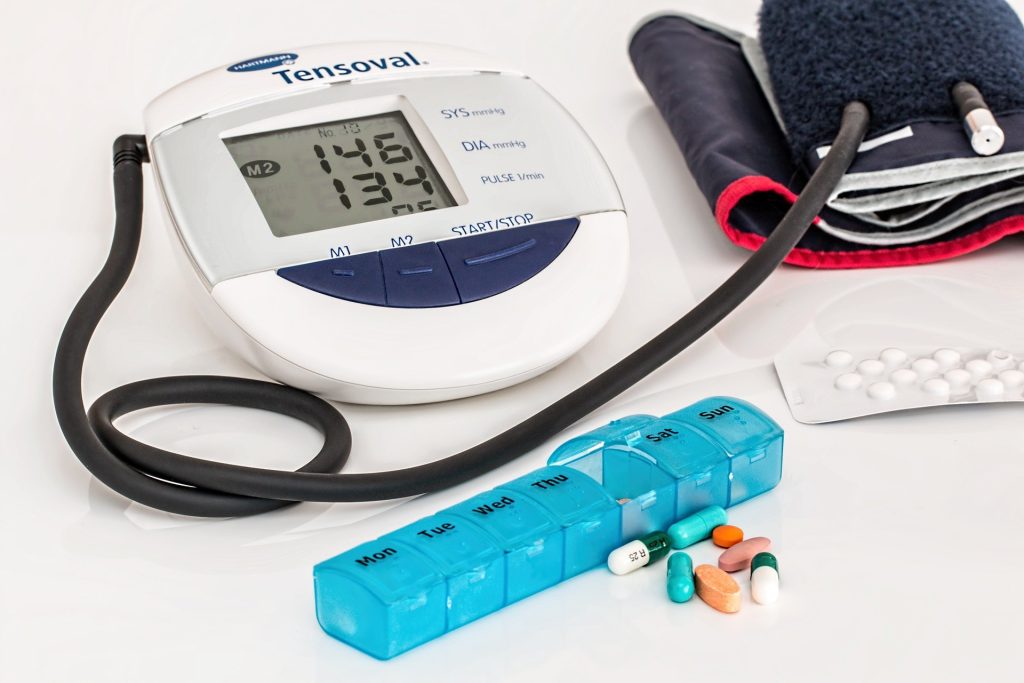
A study published in Frontiers in Neuroscience demonstrated that blood pressure and renal sympathetic nerve activity (RSNA) can be controlled by bioelectronic treatment. RSNA is often increased in hypertension and renal disease.
Using a custom-wired electrode, Professor Mario Romero-Ortega previously reported that deep peroneal nerve stimulation (DPNS) elicits an acute reduction in blood pressure. The current study, advances that work, focusing on his development of a small implantable wireless neural stimulation system and exploration of different stimulation parameters to achieve a maximum lowered response.
Prof Romero-Ortega integrated a nerve stimulation circuit less than a millimetre in size, with a novel nerve attachment microchannel electrode that can be implanted into small nerves, while enabling external power and DPNS modulation control.
Using this implantable device, his team demonstrated that systolic blood pressure can be lowered 10% in one hour and 16% two hours after nerve stimulation.
“Our results indicate that DPNS consistently induces an immediate and reproducible arterial depressor effect in response to electrical stimulation of the deep peroneal nerve,” reported Prof Romero-Ortega.
While pharmacological treatments are effective, blood pressure remains uncontrolled in 50–60% of resistant hypertensive subjects. Unfortunately, despite the use of multiple antihypertensive drugs in combination, blood pressure remains poorly controlled in 50–60% of the hypertensive population and approximately 12–18% of them develop resistant hypertension, defined as blood pressure greater than 140/90 mmHg despite the use of antihypertensive drugs.
“In this study, DPNS induced an initial increase in RSNA during the first 2–3 seconds, followed by a reduction in renal activity and mean arterial pressure, despite the increase in heart rate,” said Prof Romero-Ortega. “The observed activation of the RSNA during the DPNS was not expected since its activity is associated with hypertension.”
Cannabis’s pain reduction effects appear to be less effective than previously though. Photo by Kindel Media
Cannabis product use provides modest, short-term improvements in chronic pain, albeit with some side effects, according to a large review of research on cannabis pain management. The review also revealed a general lack of high quality evidence such as randomised controlled trials (RCTs). The data will be uploaded to a web app made by Oregon Health & Science University to inform clinicians on cannabis medications.
Reporting in Annals of Internal Medicine, researchers found evidence to support a short-term benefit in treating neuropathic pain with two synthetic products with 100% tetrahydrocannabinol (THC): dronabinol (under the trade name Marinol) and nabilone (Cesamet). Another product, a sublingual spray of equal parts THC and cannabidiol (CBD), known as nabiximols, also showed evidence of some clinical benefit for neuropathic pain. All of the products had side effects, such as nausea, sedation and dizziness.
From 3000 studies, the researchers selected RCTs or comparative observational studies of patients with chronic pain that compared cannabis products with a placebo or no treatment (that is, usual care) for at least 4 weeks of treatment or follow-up.
They ended up with a total of 25 with scientifically valid evidence – 18 RCTs and seven observational studies. Cannabinoids were categorised as high, comparable, or low THC-to-CBD ratio. The researchers found:
Synthetic products with high THC (> 98%) and little or no CBD: moderate improvement in pain, but greater sedation risk and possible increase in dizziness
Extracted products with majority THC (THC:CBD ratio ranging from 3:1 to 47:1): no significant improvement in pain, but greater study withdrawal because of adverse events and dizziness
Sublingual sprays with comparable THC and CBD levels: small improvement in pain but a much greater increased risk of dizziness and sedation and a moderate increase in nausea
Besides these findings, there was little evidence to support any other conclusions.
“In general, the limited amount of evidence surprised all of us,” said lead author Marian S. McDonagh, PharmD, emeritus professor at OHSU. “With so much buzz around cannabis-related products, and the easy availability of recreational and medical marijuana in many states, consumers and patients might assume there would be more evidence about the benefits and side effects.
“Unfortunately, there is very little scientifically valid research into most these products. We saw only a small group of observational cohort studies on cannabis products that would be easily available in states that allow it, and these were not designed to answer the important questions on treating chronic pain.”
“For some cannabis products, such as whole-plant products, the data are sparse with imprecise estimates of effect and studies had methodological limitations,” the authors noted.
This situation makes it difficult to guide patients.
“Cannabis products vary quite a bit in terms of their chemical composition, and this could have important effects in terms of benefits and harm to patients,” said co-author Roger Chou, MD. “That makes it tough for patients and clinicians since the evidence for one cannabis-based product may not be the same for another.”
The living review, including a visual abstract summary of the findings, will also be shared on a new web-based tool launched by OHSU and VA Portland Health Care System early this year to help clinicians and researchers evaluate the latest evidence around the health effects of cannabis. Known as Systematically Testing the Evidence on Marijuana, or STEM, the project includes ‘clinician briefs’ to help health care workers translate the clinical implications.
“This new living evidence review is exactly the type of resource clinicians need to clarify for patients the areas of potential promise, the cannabis formulations that have been studied and, importantly, the major gaps in knowledge,” said co-author Devan Kansagara, MD, MCR, professor of medicine at OHSU.
Schizophrenia, which affects how people interact with reality, is difficult to treat because it has many possible causes. In a study published in Cell Reports Medicine, Japanese researchers have identified an autoantibody – an antibody which attacks the body’s own tissues – in some patients with schizophrenia.
Notably, they also found that this autoantibody caused schizophrenia-like behaviours and changes in the brain when they injected it into mice.
When considering possible autoantibodies that might cause schizophrenia, researchers from Tokyo Medical and Dental University (TMDU) had a specific protein in mind. Previous research has suggested that neural cell adhesion molecule (NCAM1), which helps facilitate synaptic connections, may have a role in the development of schizophrenia.
“We decided to look for autoantibodies against NCAM1 in around 200 healthy controls and 200 patients with schizophrenia,” explained lead author of the study Hiroki Shiwaku. “We only found these autoantibodies in 12 patients, suggesting that they may be associated with the disorder in just a small subset of schizophrenia cases.”
The research went on to find out whether these autoantibodies could cause any changes that commonly occur in schizophrenia, so they purified autoantibodies from some of the patients and injected them into the brains of mice.
“The results were impressive,” said the study’s senior author, Hidehiko Takahashi. “Even though the mice only had these autoantibodies in their brains for a short time, they had changes in their behaviour and synapses that were similar to what is seen in humans with schizophrenia.”
The mice given the patient autoantibodies had cognitive impairment and changes in their regulation of the startle reflex, which are both seen in other animal models of schizophrenia. They also had fewer synapses and dendritic spines, which are structures that are important for the connections between brain cells, and are also affected in schizophrenia.
The study findings hold promise for the diagnosis and treatment of schizophrenia can present very differently among patients and is often resistant to treatment. If schizophrenia is indeed caused by autoantibodies against NCAM1 in some patients, this will lead to important improvements in their diagnosis and treatment.