Year: 2022

International Gaucher Day on 1 October Highlights Need For Greater Attention on Rare Diseases

Photo by Cottonbro on Pexels

Currently, there are an estimated 6000–8000 rare diseases, which affect 350 million people worldwide.One such rare condition is Gaucher Disease (GD) – a lysosomal storage disorder (LSD).  GD is a rare genetic disorder, passed down from parents to children (inherited) in an autosomal recessive manner. 

GD is one of the most common LSDs with a prevalence in the general population of ~1 per 100 000 and ~1/855 in the Ashkenazi Jewish population.2 As with many rare conditions, diagnosis of GD may present a significant challenge to non-GD specialities, owing to the wide variability in age, severity, type of clinical manifestation and lack of awareness of the early signs and symptoms of GD among non-specialist physicians.3 One in 6 patients with GD reported a diagnosis delay of 7 years or more after first consulting a doctor.3

International Gaucher Day on 1 October, therefore, aims to improve patients’ quality of life through greater awareness and earlier diagnosis of GD amongst healthcare professionals.

GD arises from an inherited deficiency of an enzyme called glucocerebrosidase, normally found within the lysosomes of cells, due to mutations in the GBA gene.4 This enzyme is responsible for breaking down a fatty substrate, glucocerebroside, into glucose and a simpler fat molecule (ceramide).4 Patients with GD have a progressive build-up of glucocerebroside within the lysosomes, particularly of macrophages, resulting in enlarged cells known as ‘Gaucher’ cells.4

These ‘Gaucher’ cells accumulate in organs throughout the body, predominately affecting the bone marrow, liver, and spleen.4 There are three types of GD, based on the presence and severity of neurological involvement.4 Type 1, known as the non-neuronopathic GD  characterised by haematological abnormalities such as thrombocytopenia, leukopenia and anaemia, hepatomegaly and/or splenomegaly, bone crises and/or osteoporosis, and fatigue. Phenotypically, there is a wide spectrum of disease manifestations, ranging from asymptomatic to severe type 1 child-onset disease.5,6 Type 2, the acute neuronopathic form, is the rarest and most severe form of GD.  It includes the rapid progression of severe neurological abnormalities early in life, leading to death in infancy or early childhood.4,6 Type 3, the chronic form, encompasses multiple phenotypes.  Type 3 typically occurs during the paediatric years and varies in severity: patients have the same symptoms as in type 1, plus some neurological involvement that generally appear later in life, such as abnormal eye movement, ataxia, seizures and dementia.4

Anaemia, thrombocytopenia, enlargement of the liver and/or spleen, and skeletal abnormalities (osteopenia, lytic lesions, pathological fractures, chronic bone pain, bone crisis, bone infarcts, osteonecrosis and skeletal deformities) are typical manifestations of type 1 GD, the most prevalent form of the disease.However, the severity and coexistence of different symptoms are highly variable, and GD patients are often misdiagnosed as having other malignant haematological conditions.4

Although GD is rare, clinicians are encouraged to maintain a high index of suspicion with patients presenting with atypical symptoms, and should consider testing for rare diseases where other haematological pathologies have been excluded4 or when testing for them. Such patients may be referred to a GD specialist or be tested through North West University (NWU), where global pharmaceutical company Sanofi and the NWU Centre of Human Metabolomics, headed by Prof Chris Vorster, have partnered to test for the most common lysosomal storage disorders in South Africa, including GD, using dried blood spot samples.

Says Prof. Vorster: “Rare conditions such as GD require the cooperation of a multidisciplinary team in order to find and treat them. Interventions can improve a patient’s quality of life through improvement or restoration of their physical function, so that they may carry out regular daily activities. The NWU Centre of Human Metabolomics provides internationally competitive metabolomic analytic services, and electronic results may be sent by high priority straight to healthcare practitioners, speeding up diagnosis.”

Monique Nel, Medical Advisor – Rare Diseases at Sanofi, says: “We understand the difficulty that healthcare professionals face when it comes to diagnosing patient with GD. It requires a coordinated approach to diagnosis and care for people living with the condition. Early diagnosis of GD, and the initiation of treatment will delay the occurrence of irreversible complications, and improve the patient’s quality of life. We therefore direct the attention of healthcare providers to the RD Nexus platform, which is Sanofi’s dedicated platform for rare diseases, at www.RDNexus.com. This platform offers educational materials, road maps to a differential diagnosis and how to test a patient for these conditions.”

For more information on GD and other rare diseases, visit: www.RDNexus.com

  1. https://www.ncbi.nlm.nih.gov/pmc/articles/PMC6505568/pdf/EMMM-11-e10486.pdf Accessed September 2022.
  2. Burrow TA et al. Prevalence and management of Gaucher disease. Paediatric Health, Medicine and Theraeutics 2011;2:59-73.
  3. Revel-Wilk S, et al. How we manage Gaucher Disease in the era of choices. British Journal of Haematology 2018;182:467-480.
  4. CPD Gaucher. Gaucher Disease. Medical Chronicle June 2020:30-32.
  5. Linari S, Castaman G. Clinical manifestations and management of Gaucher disease. Clinical Cases in Mineral and Bone Metabolism 2015;12(2):157-164.
  6. Roshan Lal T and Sidransky E. The spectrum of neurological manifestations associated with Gaucher Disease. Diseases 2017;5,10.

Why Elderly Drivers May Hit the Brake Instead of the Accelerator

Driver at the wheel of a car
Photo by Why Kei on Unsplash

Researchers in Japan have found that older participants have longer reaction times, slower decision times, and greater brain activation in the parts of the brain involved with inhibition and switching tasks. These findings, published in the journal Brain Behavioural Research, illuminate the causes of accidents involving elderly drivers who press the brake instead of the accelerator.

With one of the oldest populations in the world, Japan is concerned about cognitive decline in drivers resulting in accidents. The police require drivers over 75 to take periodic cognitive tests. However, few studies have investigated executive functions and brain activity among older adults in terms of foot responses during braking and accelerating.

To address this gap, a group led by Professor Nobuyuki Kawai of the Graduate School of Informatics at Nagoya University in Japan scanned the brains of elderly people and students while performing pedal-pressing simulations. The researchers were particularly interested in the left dorsolateral prefrontal cortex, the part of the brain associated with inhibition and switching responses.

To simulate the response of a person’s feet and hands when driving a car, they created a new task in the laboratory called the bimanual and bipedal response selection and response-position compatibility task. During this task, a signal directed participants to press the left or right button with their left or right foot, or their left or right hand. Sometimes participants pressed the pedal in front of them, whereas at other times they had to press it diagonally. This was done to allow the researchers to assess how the participants responded in situations where the cognitive load was higher. Administering this task to both university students and elderly participants, the researchers then monitored blood flow in their brains. The results were published in Behavioural Brain Research.

They found that older participants had longer reaction times, slower decision times, and greater brain activation than younger people. Furthermore, pressing the diagonal pedal required longer reaction times and greater brain activation than pressing directly ahead in the left dorsolateral prefrontal cortex. Interestingly, this was only found when people were asked to use their feet but not their hands. In short, older people had to do more active thinking than younger people when deciding which ‘pedal’ to press with their feet.

“This indicates that the cognitive load is higher when pushing the pedal diagonally with the foot, such as when pressing the brake,” explains Professor Kawai. “When you push a diagonal pedal with your foot, you are using the frontal lobe more than when you push the pedal straight in front. In particular, the left dorsolateral frontal lobe, which is important for response switching, is more active when the foot is pressed at an angle than when the pedal is pressed straight. In these tasks, older adults have higher neural activity throughout the frontal lobe than college students.”

This study’s findings suggest that to compensate for the decline in cognitive functions, greater brain activation may be necessary in elderly people. Older people may struggle in situations with a high cognitive load, such as parking a vehicle in a narrow space. “This study suggests that the performance of older adults is vulnerable in these situations,” Professor Kawai explains. “Elderly drivers should not be overconfident that their driving is fine. Even elderly people who are normally able to drive without any problems, when a cognitive load is applied, such as when switching from one parking space to another or when talking to a passenger, things may be different and there is a chance of pressing the wrong pedal. We believe that it is important to educate elderly drivers about this fact.”

Source: Nagoya University

Smartphones Could Serve as Pulse Oximeters in the Home

Photo by Asterfolio on Unsplash

Researchers have demonstrated that smartphones are capable of detecting blood oxygen saturation levels down to 70% – the lowest value that pulse oximeters should be able to measure, as recommended by the US Food and Drug Administration. The team published these results in npj Digital Medicine.

The technique involves participants placing their finger over the camera and flash of a smartphone, which uses a deep-learning algorithm to decipher the blood oxygen levels. When the team delivered a controlled mixture of nitrogen and oxygen to six subjects to artificially bring their blood oxygen levels down, the smartphone correctly predicted whether the subject had low blood oxygen levels 80% of the time.

“Other smartphone apps that do this were developed by asking people to hold their breath. But people get very uncomfortable and have to breathe after a minute or so, and that’s before their blood-oxygen levels have gone down far enough to represent the full range of clinically relevant data,” said co-lead author Jason Hoffman, a UW doctoral student in the Paul G. Allen School of Computer Science & Engineering. “With our test, we’re able to gather 15 minutes of data from each subject. Our data shows that smartphones could work well right in the critical threshold range.”

Another benefit of measuring blood oxygen levels on a smartphone is that almost everyone has one.

“This way you could have multiple measurements with your own device at either no cost or low cost,” said co-author Dr. Matthew Thompson, professor of family medicine in the UW School of Medicine. “In an ideal world, this information could be seamlessly transmitted to a doctor’s office. This would be really beneficial for telemedicine appointments or for triage nurses to be able to quickly determine whether patients need to go to the emergency department or if they can continue to rest at home and make an appointment with their primary care provider later.”

The team recruited six participants ranging in age from 20 to 34. Three identified as female, three identified as male. One participant identified as being African American, while the rest identified as being Caucasian.

To gather data to train and test the algorithm, the researchers had each participant wear a standard pulse oximeter on one finger and then place another finger on the same hand over a smartphone’s camera and flash. Each participant had this same set up on both hands simultaneously.

“The camera is recording a video: Every time your heart beats, fresh blood flows through the part illuminated by the flash,” said Assistant Professor Edward Wang, who started this project as a doctoral student.

“The camera records how much that blood absorbs the light from the flash in each of the three color channels it measures: red, green and blue,” said Wang, who also directs the UC San Diego DigiHealth Lab. “Then we can feed those intensity measurements into our deep-learning model.”

Each participant breathed in a controlled mixture of oxygen and nitrogen to slowly reduce oxygen levels. For all six participants, the team acquired more than 10 000 blood oxygen level readings between 61% and 100%.

The researchers used data from four of the participants to train a deep learning algorithm to extract the blood oxygen levels, and the rest of the data was used to validate the method and then test it to see how well it performed on new subjects.

“Smartphone light can get scattered by all these other components in your finger, which means there’s a lot of noise in the data that we’re looking at,” said co-lead author Varun Viswanath. “Deep learning is a really helpful technique here because it can see these really complex and nuanced features and helps you find patterns that you wouldn’t otherwise be able to see.”

The team hopes to continue this research by testing the algorithm on more people.

“One of our subjects had thick calluses on their fingers, which made it harder for our algorithm to accurately determine their blood oxygen levels,” Hoffman said. “If we were to expand this study to more subjects, we would likely see more people with calluses and more people with different skin tones. Then we could potentially have an algorithm with enough complexity to be able to better model all these differences.”

But, the researchers said, this is a good first step toward developing biomedical devices that are aided by machine learning.

“It’s so important to do a study like this,” Wang said. “Traditional medical devices go through rigorous testing. But computer science research is still just starting to dig its teeth into using machine learning for biomedical device development and we’re all still learning. By forcing ourselves to be rigorous, we’re forcing ourselves to learn how to do things right.”

Source: University of Washington

Is the US Failing to Hold Crooked Medical Industry Execs Accountable?

Photo by Tingey Injury Law Firm on Unsplash

When it comes to violations of US federal law by pharmaceutical and medical device manufacturers, the US Department of Justice (DOJ) is not exercising its full authority, according to the findings of a review published in JAMA Internal Medicine.

The conviction of Elizabeth Holmes, CEO of the failed blood-testing company Theranos, has focused attention on the personal liability of corporate officers of medical companies engaging in illegal activity. Holmes was charged with defrauding and conspiring to defraud investors, patients, and physicians, each count carrying a maximum 20-year sentence. Among prosecutors’ allegations was that Theranos’ main blood-testing device failed to work as the company and Holmes had promised. While Holmes was convicted of defrauding investors, she faced no personal liability as a CEO responsible for a company knowingly selling faulty diagnostic tests.

When a drug or medical device company violates US federal law, the government can use the Park doctrine. It holds that a CEO for a health-related company has a “position of authority” in a profitable business selling “services and products [that] affect the health and well-being of the public.” The doctrine’s aim is to protect patients from harm caused by unsafe or fraudulent medical products and services. It does this by targeting the executives who run the companies that make revenues on these products while violating federal law.

This provides an alternative to having that risk borne by patients or impersonal corporate entities; however, it is rare for there to be public reports of drug and device company executives being prosecuted with Park doctrine.

The researchers sought to identify prosecutions using the Park doctrine and characterise their role in DOJ enforcement efforts related to medical product industry misconduct. To this end, they conducted a literature search.

They found 13 cases where executives from six drug and medical device companies prosecuted under the Park doctrine since 2000. These prosecutions resulted in 11 guilty pleas and two jury trials, leading to two convictions. Of the six companies, three were drug manufacturers, two were medical device manufacturers, and one was a compounding pharmacy. All three of the drug manufacturers were opioid manufacturers, of which two executives were charged for unlawful promotion, and one was charged for manufacturing errors. Both device manufacturer executives were charged with unlawful promotion. All but three prosecutions alleged the defendants’ complicity or personal involvement in the misconduct, which Park does not require. By contrast, most large settlements with the DOJ over alleged misconduct in the past two decades did not result in individual liability for executives.

“This review suggests that federal prosecutors have exercised far less than their full capacity under the Park doctrine to sanction problematic corporate behaviour that threatens patients and the public health,” the authors concluded. They suggest that enforcement under a reinvigorated Park doctrine would help to better protect patients.

With Warfarin, Dropping Aspirin Reduces Bleeding Complications for Some

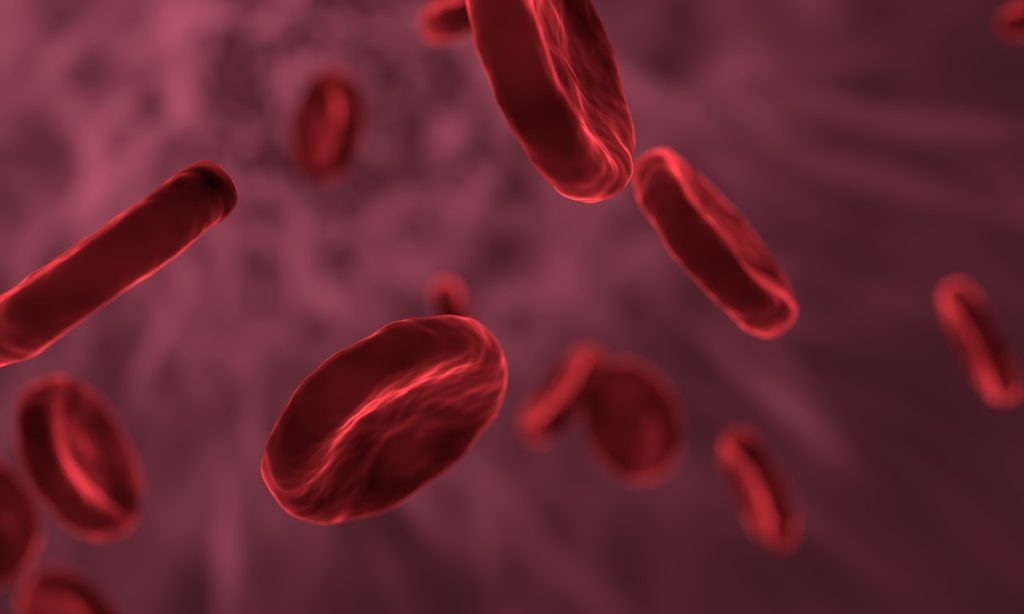
Red blood cells
Source: Pixabay

Research from Michigan Medicine suggests that, for venous thromboembolism (VTE) or atrial fibrillation (AF) patients without a history of heart disease who are taking warfarin, stopping aspirin use causes their risk of bleeding complications to drop significantly.

For the study, which is published in JAMA Network Open, researchers analysed over 6700 people treated at anticoagulation clinics across Michigan for VTE as well as AF. Patients were treated with warfarin but also took aspirin despite not having history of heart disease.

“We know that aspirin is not a panacea drug as it was once thought to be and can in fact lead to more bleeding events in some of these patients, so we worked with the clinics to reduce aspirin use among patients for whom it might not be necessary,” said senior study author and cardiologist Geoffrey Barnes, MD.

Over the course of the study, aspirin use among patients fell by 46.6%. With aspirin used less commonly, the risk of a bleeding complication dropped by 32.3% – equivalent to preventing one major bleeding event per every 1000 patients who stop taking aspirin.

“When we started this study, there was already an effort by doctors to reduce aspirin use, and our findings show that accelerating that reduction prevents serious bleeding complications which, in turn, can be lifesaving for patients,” said Dr Barnes. “It’s really important for physicians and health systems to be more cognisant about when patients on a blood thinner should and should not be using aspirin.”

Several studies had found concerning links between concurrent use of aspirin and different blood thinners, which prompted this aspirin de-escalation.

One study reported that patients taking warfarin and aspirin for AF and VTE experienced more major bleeding events and had more ER visits for bleeding than those taking warfarin alone. Similar results were seen for patients taking aspirin and direct oral anticoagulants – who were found more likely to have a bleeding event but not less likely to have a blood clot.

“While aspirin is an incredibly important medicine, it has a less widely used role than it did a decade ago,” Dr Barnes said. “But with each study, we are seeing that there are far fewer cases in which patients who are already on an anticoagulant are seeing benefit by adding aspirin on top of that treatment. The blood thinner they are taking is already providing some protection from clots forming.”

For some people, aspirin can be lifesaving. Many patients who have a history of ischaemic stroke, heart attack or a stent placed in the heart to improve blood flow — as well as those with a history of cardiovascular disease — benefit from the medication.

The challenge comes when some people take aspirin without a history of cardiovascular disease and are also prescribed an anticoagulant, said first author Jordan Schaefer, MD.

“Many of these people were likely taking aspirin for primary prevention of heart attack or stroke, which we now know is less effective than once believed, and no one took them off of it when they started warfarin,” Dr Schaefer said. “These findings show how important it is to only take aspirin under the direction of your doctor and not to start taking over-the-counter medicines like aspirin until you review with your care team if the expected benefit outweighs the risk.”

Source: Michigan Medicine – University of Michigan

Is Protein Restriction the Best Option after Kidney Transplant?

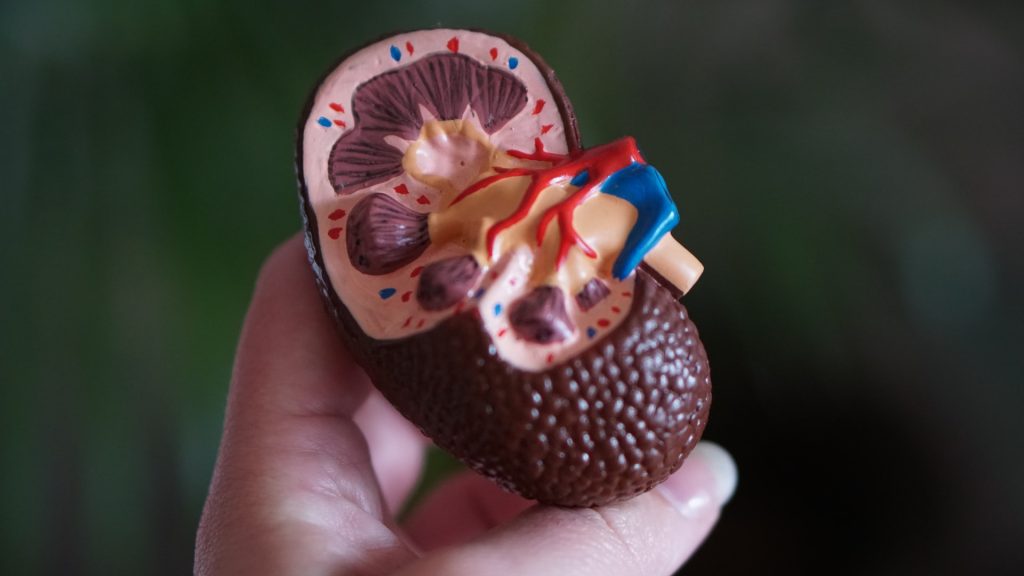
Anatomic model of a kidney
Photo by Robina Weermeijer on Unsplash

Scientists at Osaka Metropolitan University have challenged the conventional wisdom that low protein intake is essential for kidney disease patients with their recent study on the relationship between protein intake and skeletal muscle mass in kidney transplant recipients. Their findings were published in Clinical Nutrition.

Chronic kidney disease patients are known to have induced sarcopenia due to chronic inflammation, hypercatabolism, decreased nutrient intake, and decreased physical activity associated with impaired kidney function. A successful kidney transplantation is able to correct or improve many of those physiological and metabolic abnormalities, with the transplant recipients increasing skeletal muscle mass after receiving their new kidney. Since excessive protein intake worsens kidney function, it is commonly believed that patients with chronic kidney disease, including kidney transplant recipients, should limit protein intake to protect their kidneys. On the other hand, it has been suggested that severe protein restriction may worsen sarcopenia and adversely affect prognosis.

Since nutrition and exercise therapy are recommended to improve sarcopenia, protein intake is suspected to relate to recovery of skeletal muscle mass after kidney transplantation. However, few studies have examined the relationship between skeletal muscle mass and protein intake in kidney transplant recipients.

In order to fill this knowledge gap, a research group led by Drs Akihiro Kosoku and Tomoaki Iwai, and Professor Junji Uchida at Osaka Metropolitan University followed 64 kidney transplant recipients for 12 months after their procedure. They investigated the relationship between changes in skeletal muscle mass, as measured by bioelectrical impedance analysis, and protein intake from urine sample. The results showed that changes in skeletal muscle mass during this period were positively correlated with protein intake, and that insufficient protein intake resulted in decreased muscle mass.

Drs Iwai and Kosoku commented, “To improve the life expectancy of kidney transplant recipients, further research is needed to clarify the optimal protein intake to prevent either deterioration in kidney function or sarcopenia. We hope that nutritional guidance, including protein intake, will lead to improved life expectancy and prognosis.”

Source: Osaka Metropolitan University

7 Lifestyle Habits may Reduce Dementia Risk in Diabetes

Old man jogging
Photo by Barbra Olsen on Pexels

A combination of seven healthy lifestyle habits including sleeping seven to nine hours daily, regular exercise and frequent social contact was associated with a lower risk of dementia in people with type 2 diabetes, according to a study published online in the journal Neurology.

“Type 2 diabetes is a worldwide epidemic that affects one in 10 adults, and having diabetes is known to increase a person’s risk of developing dementia,” said study author Yingli Lu, MD, PhD, of Shanghai Jiao Tong University School of Medicine in China. “We investigated whether a broad combination of healthy lifestyle habits could offset that dementia risk and found that people with diabetes who incorporated seven healthy lifestyle habits into their lives had a lower risk of dementia than people with diabetes who did not lead healthy lives.”

For the study, researchers looked at a health care database in the United Kingdom and identified 167 946 people 60 or older with and without diabetes who did not have dementia at the start of the study. Participants completed health questionnaires, provided physical measurements and gave blood samples. For each participant, researchers calculated a healthy lifestyle score of 0 to 7, with one point for each of 7 healthy habits. Habits included no current smoking, moderate alcohol consumption of up to one drink a day for women and up to two a day for men, regular weekly physical activity of at least 2.5 hours of moderate exercise or 75 minutes of vigorous exercise, and 7 to nine hours of sleep daily.

Another factor was a healthy diet including more fruits, vegetables, whole grains and fish and fewer refined grains, processed and unprocessed meats. The final habits were being less sedentary, which was defined as watching television less than four hours a day, and frequent social contact, which was defined as living with others, gathering with friends or family at least once a month and participating in social activities at least once a week or more often. Researchers followed participants for an average of 12 years. During that time, 4,351 people developed dementia. A total of 4% of the people followed only zero to two of the healthy habits, 11% followed three, 22% followed four, 30% followed five, 24% followed six and 9% followed all seven. People with diabetes who followed two or fewer of the seven healthy habits were four times more likely to develop dementia than people without diabetes who followed all seven healthy habits. People with diabetes who followed all of the habits were 74% more likely to develop dementia than those without diabetes who followed all the habits. For people with diabetes who followed all the habits, there were 21 cases of dementia for 7474 person-years, or 0.28%.

For people with diabetes who followed only two or fewer habits, there were 72 cases of dementia for 10 380 person years or 0.69%. After adjusting for factors like age, education and ethnicity, people who followed all the habits had a 54% lower risk of dementia than those who followed two or fewer. Each additional healthy habit people followed was associated with an 11% decreased risk of dementia. The association between healthy lifestyle score and dementia risk was not affected by medications people took or how well they controlled their blood sugar.

“Our research shows that for people with type 2 diabetes, the risk of dementia may be greatly reduced by living a healthier lifestyle,” Dr Lu said. “Doctors and other medical professionals who treat people with diabetes should consider recommending lifestyle changes to their patients. Such changes may not only improve overall health, but also contribute to prevention or delayed onset of dementia in people with diabetes.” A limitation of the study was that people reported on their lifestyle habits and may not have remembered all details accurately. Lifestyle changes over time were also not captured.

Source: American Academy of Neurology

Schwann Cells Turn Nerve Tumours Benign

Microscopy image of mouse sciatic nerves showing axons (red) wrapped by Schwann cells (green) with their nuclei depicted in blue. Credit: A. Alvarez-Prats and T. Balla, Eunice Kennedy Shriver National Institute of Child Health and Human Development/NIH

In addition to forming the myelin sheath along peripheral nerves and supporting neighbouring neurons, Schwann cells have also been found to play an important immune modulating function, starting and shutting off inflammation. This function not only helps nerve repair, but may also turn nerve tumours benign. These new findings were reported in the journal Glia.

The research has revealed that Schwann cells produce signalling molecules that can activate other immune cells. In particular, however, they are able to stop inflammatory reactions in order to prevent excessive tissue damage and allow the nerve to regenerate.

“This is essential, because inflammation releases free radicals against which nerve fibers cannot protect themselves. Therefore, the inflammation must be cleared quickly, which is precisely what Schwann cells do,” explained study designer Dr. Sabine Taschner-Mandl, who designed the study and heads a research group at St. Anna CCRI.

Do Schwann cells protect against malignancy?

These findings also have implications for protection against malignancy After nerve injury, Schwann cells engage a ‘repair’ mode that is also found in benign infantile nerve tumours. There, it causes the tumour cells to mature and thus reach a stage where they lose their aggressive properties and no longer divide unchecked

“Based on the current results, we now suspect that the immune cell functions of Schwann cells also become effective in childhood nerve tumours. This is because in cancer, there is always a kind of inflammation bubbling away that never comes to a halt. In benign nerve tumours, ganglioneuromas, the accompanying chronic inflammation could be stopped by Schwann cells similar to nerve healing, because unlike malignancies, ganglioneuromas have many Schwann cells in their microenvironment. We also see that a lot of immune cells migrate into these tumours, for which the Schwann cells could also be responsible,” said Dr Taschner-Mandl.

Healthy Inflammation: First Activate, Then Shut Down

In particular, the current study shows that Schwann cells can influence T cells, which are key in cancer defence. Schwann cells – both those in nerve regeneration and those in benign tumours – carry MHC-I and MHC-II molecules on their surface that are important for T-cell regulation. Via these molecules, Schwann cells present recognition features of material they have previously taken up from their environment.

“We mimicked an inflammatory response in the laboratory and detected a whole range of additional stimulatory and inhibitory surface molecules that are also necessary for T cell activation,” explained Jakob Berner, MSc, co-first author of the study and interim PhD student at St. Anna CCRI. “Our experiments show that Schwann cells are able to take up large amounts of material via phagocytosis.”

As the first immune response to a nerve cut, Schwann cells secrete substances that attract T cells, macrophages and other immune cells. Now it turned out that not only a reaction between the classical immune cells takes place, but also between Schwann cells and T cells.

While Schwann cells initially fuel the inflammatory response by releasing interferon-gamma, they can later shut it down by up-regulating the T-cell inhibitory PD-L1 molecule.

“First activate, then shut down – that’s the normal process of an inflammatory response. If this were also the case in cancer, then it could curb cancer growth,” Dr Taschner-Mandl theorised. Researchers are now investigating whether and how these findings could be applied to cancer treatment.

Source: St. Anna Children’s Cancer Research Institute

Patient Safety Incidents Doubled for Docs Suffering from Burnout

Photo by Mulyadi on Unsplash

Doctors experiencing burnout are twice as likely to be involved in patient safety incidents and four times more likely to be dissatisfied with their job, suggests research published today in The BMJ.

The scale of burnout amongst clinicians and the serious impact it can have on patient safety and staff turnover has been revealed in the largest and most comprehensive systematic review and analysis of studies on the subject to date.

Evidence is showing that burnout is is reaching global epidemic levels among physicians. Representatives have warned that spare capacity in the field of medicine is nearing what they call crisis point.

Burnout is defined as emotional exhaustion, cynicism and detachment from the job, and a feeling of reduced personal accomplishment. In the UK, a third of trainee doctors report that they experience burnout to a high or very high degree, while in the US, four in 10 physicians report at least one symptom of burnout. And in a recent review of low and middle income countries the overall single-point prevalence of burnout ranged from 2.5% to 87.9% among 43 studies.

Yet there is a lack of evidence about the association of burnout with a physician’s career engagement and how that potentially impacts on the quality of patient care.

To address this, a team of researchers based in the UK and Greece set out to examine the association of burnout with the career engagement of physicians and the quality of patient care globally.

To do this, they selected and analysed the results of 170 observational studies on the subject involving nearly 240 000 physicians.

Their analysis showed that physicians with burnout were up to four times more likely to be dissatisfied with their job and more than three times as likely to have thoughts or intentions to leave their job (turnover) or to regret their career choice.

Equally worrying was the finding that physicians with burnout were twice as likely to be involved in patient safety incidents and show low professionalism, and over twice as likely to receive low satisfaction ratings from patients.

The analysis also found that burnout and poorer job satisfaction was greatest in hospital settings, physicians aged 31–50 years, and those working in emergency medicine and intensive care, while burnout was lowest in general practitioners.

The association with burnout and patient safety incidents was strongest among physicians aged 20–30 years and emergency medicine workers.

The study authors acknowledge some limitations in their research including the fact that precise definitions of terms, such as patient safety, professionalism, and job satisfaction, varied between the studies analysed so may have led to some overestimation of their association with burnout.

The assessment methods varied widely between the 170 studies, and the design of the original studies imposed limits on their ability to establish causal links between physician burnout and patient care or career engagement.

Nevertheless, the authors concluded: “Burnout is a strong predictor for career disengagement in physicians as well as for patient care. Moving forward, investment strategies to monitor and improve physician burnout are needed as a means of retaining the healthcare workforce and improving the quality of patient care.”

“Healthcare organisations should invest more time and effort in implementing evidence-based strategies to mitigate physician burnout across specialties, and particularly in emergency medicine and for physicians in training or residency,” they added.

This research adds to growing evidence that the poor mental health of healthcare providers jeopardises the quality and the safety of patient care, says Matthias Weigl, Professor of Patient Safety at Bonn University, in a linked editorial.

“The pervasive nature of physician burnout indicates a defective work system caused by deep societal problems and structural problems across the sector,” Prof Weigl warned. 

“Urgent action is imperative for the safety of physicians, patients, and health systems, including interventions that are evidence based and system oriented, to design working environments that promote staff engagement and prevent burnout,” he concluded.

Source: The British Medical Journal

New Way to Improve Outcomes in Kids with Eosinophilic Oesophagitis

Children
Photo by Ben Wicks on Unsplash

Researchers have determined the threshold for a new measure of early scarring in the oesophagus of children with eosinophilic oesophagitis (EoE), which allows immediate intervention during endoscopy to halt further damage and prevent food from getting stuck. Their findings were published in the journal Clinical Gastroenterology and Hepatology.

EoE is a chronic immune-mediated disorder of the oesophagus that affects adults and children with a prevalence of 0.5 to 1 per 1000. Left untreated, chronic inflammation promotes scarring of the oesophagus, and the development of oesophageal rings and stricture, which interferes with passage of solid food and can cause impaction (when food is stuck in the oesophagus and cannot dislodge).

The researchers used the Endoscopic Functional Luminal Impedance Probe (EndoFLIP) in the study to measure the “distensibility index,” which is a functional measure of how much force is required to stretch open the oesophagus. Previously, the extent of scar tissue in the oesophagus could only be evaluated visually during endoscopy, making it challenging to detect the early changes and intervene before the damage becomes more extensive.

“This is a gamechanger in how we care for kids with EoE,” said senior author Joshua Wechsler, MD, MSCI. “Now, if distensibility is low, we can dilate the oesophagus during the same procedure, and because we can pinpoint exactly where the scarring is, our intervention is more targeted and takes much less time. We are seeing improvements in symptoms, which is incredibly exciting.”

Source: Ann & Robert H. Lurie Children’s Hospital of Chicago