Month: March 2022

Exacerbating Factors in Persistent Postural-perceptual Dizziness

Woman feeling dizzy and kneeling
Photo by RODNAE Productions from Pexels

Researchers have found that found that patients developing persistent postural-perceptual dizziness (PPPD) are likely to have exacerbating factors soon after the onset of balance disorder symptoms. The results were reported in Laryngoscope Investigative Otolaryngology.

When people experience vestibular symptoms, it can develop into persistent postural-perceptual dizziness (PPPD), a chronic disorder where patients experience dizziness and non-spinning vertigo, particularly during moving, maintaining an upright posture, and when exposed to complex visual stimuli. However, not all individuals suffering from vestibular symptoms go on to develop PPPD, and it unclear whether people showing exacerbating factors for PPPD tend to develop PPPD or not.

Assistant Professor Kayoko Kabaya led a team that analysed medical records of patients who were tested for vestibular symptoms for the first time to identify predictive factors for developing PPPD later on, and to see if the presence of exacerbating factors early on increases the likelihood of developing chronic PPPD. “PPPD is often severe and resistant to treatment. We believe that it is important to provide preventive interventions before PPPD develops, and wanted to identify the characteristics of patients who are prone to PPPD,” explained Dr Kabaya.

In their study, the severity of the symptoms experienced by the patients was scored with a questionnaire which involved questions on the exacerbating factors. Additionally, the perceived handicap due to dizziness was evaluated using a self-assessment scale. There was three months of follow-up, and the symptom scores of patients developing PPPD during the follow-up were compared with that of patients who did not develop PPPD.

More than half of the patients reported experiencing exacerbating factors shortly after the vestibular symptoms. About 10% of these patients developed PPPD during the follow-up period, and the exacerbating factors were found to have a more severe effect on the vestibular symptoms. Notably, the symptom scores of those who developed PPPD were significantly higher than that of those who did not.

“Our results suggest that patients who develop PPPD are likely to have its exacerbating factors at the early stages of the disease following the onset of vestibular symptoms,” said Dr Kabaya.

The researchers believe the results could lead to preventive measures against the disease. “PPPD is a disease that causes long-term social loss and occurs following acute vestibular symptoms. Based on our finding that patients with exacerbating factors during acute vestibular symptom are more likely to develop PPPD, our study could encourage the development of intervention protocols for such patients before they develop PPPD,” said Dr Kabaya.

Source: Nagoya City University
Two Biomarkers Predict CVD Risk in Psoriatic Disease

Photo by Hush Naidoo Jade Photography on Unsplash

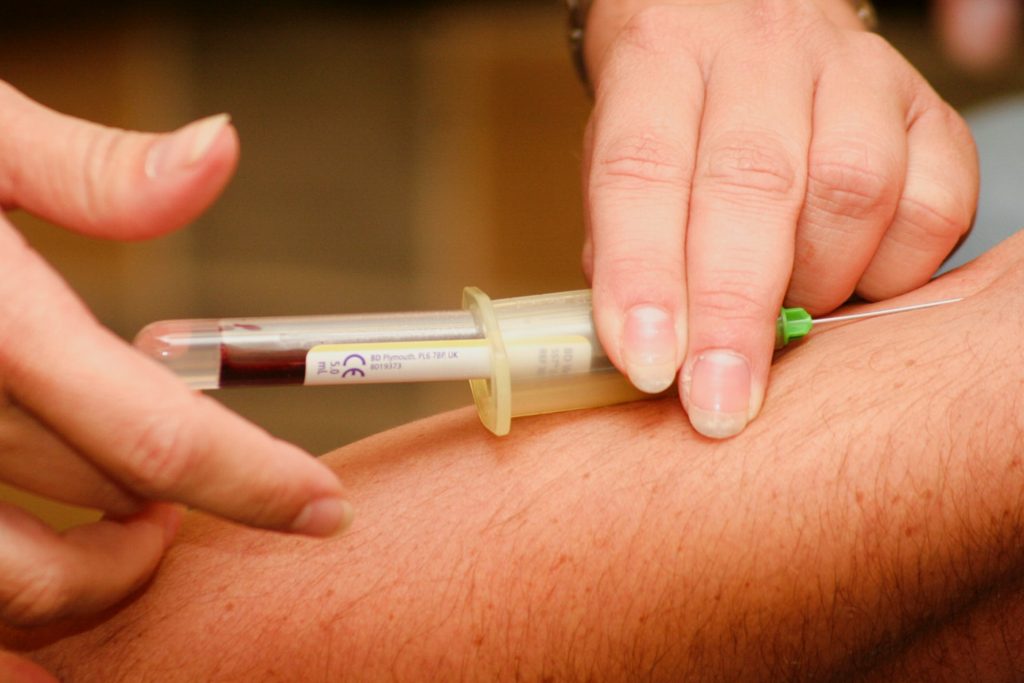
In a new study published in Arthritis & Rheumatology, scientists have found that two biomarkers predict cardiovascular disease (CVD) risk in people with psoriatic disease. People with psoriatic disease, which includes psoriasis and psoriatic arthritis, are more likely to develop CVD than the general population.

The study, which included 1000 adults with psoriatic disease, found that elevated blood levels of two indicators of cardiovascular health, namely, cardiac high-sensitivity troponin I (cTnI) and N-terminal pro-brain-type natriuretic peptide (NT-proBNP), were associated with higher risks of experiencing cardiovascular problems independent of traditional risk factors such as hypertension and high cholesterol.

These findings pave the way for further studies exploring the clinical potential of measuring cTnI and NT-proBNP levels in helping assess the heart health of individual patients with psoriatic disease.

“Our study provides new insights regarding the pathophysiology of cardiovascular diseases in psoriasis and psoriatic arthritis. However, at this time, ordering tests of cardiac biomarkers is not recommended for risk stratification of asymptomatic patients with psoriatic disease,” said senior Lihi Eder, MD, PhD, associate professor of medicine at Women’s College Hospital and University of Toronto.

Source: Wiley

Three Doses are Needed for Same Protection against Omicron

Syringe injection into the upper arm
Image source: NCI on Unsplash

According to a large study published in The BMJ, mRNA vaccines are highly effective in preventing COVID hospital admissions related to the alpha, delta, and omicron variants. However, three doses are needed to achieve similar protection against omicron that two doses provide against delta and alpha.

The results also show that, although severity of disease among patients admitted to hospital is lower with the omicron versus delta variant, patients with omicron are still at risk of critical illness and death.

In order to guide vaccination policies and development of new vaccines, it is essential to understand COVID variants and vaccine efficacy.

Early studies suggested reduced vaccine effectiveness against infection and hospital admissions for omicron compared with earlier variants, but little is known about the effectiveness of vaccines to prevent the most severe manifestations of COVID, including respiratory failure and death, for patients with infection due to the omicron variant.

To address this, the researchers assessed COVID severity in the alpha, delta, and omicron variants among hospitalised adults and compared the effectiveness of two and three doses of mRNA vaccines (Pfizer-BioNTech and Moderna) in preventing hospital admissions related to each variant.

Their findings are based on 11 690 adults admitted to 21 hospitals across the United States between March 2021 and January 2022: 5728 cases with COVID and 5962 controls without COVID.

Patients were classified into alpha, delta or omicron based on viral gene sequencing or by the predominant circulating variant at the time of hospital admission.

Vaccine effectiveness was then calculated for each variant and variants’ disease severity was compared with the World Health Organization’s clinical progression scale.

Effectiveness of two doses of an mRNA vaccine to prevent COVID hospital admission was found to be lower for the omicron variant than alpha and delta variants (65%, 85%, and 85%, respectively), whereas three doses were found to achieve 86% effectiveness against the omicron variant, similar to two doses against the alpha and delta variants.

Among unvaccinated adults hospitalised with COVID, the delta variant was associated with the most severe disease, followed by the alpha variant and then the omicron variant.

The omicron variant was, however, associated with substantial critical illness and death, with 15% of patients admitted to hospital with the omicron variant (vaccinated and unvaccinated) progressing to invasive mechanical ventilation, and 7% dying in hospital.

Nevertheless, vaccinated patients hospitalised with COVID had significantly less sever disease than unvaccinated patients across all variants.

As an observational study, cause cannot be established, and some variant misclassification may have occurred. Changes in clinical management during the periods when the alpha, delta, and omicron variants predominated were not accounted for. These could have affected outcomes, the researchers acknowledged.

Nevertheless, this was a large study with rigorous evaluation of vaccination status and of outcomes beyond hospital admission, suggesting that the results are robust.

As such, they say that mRNA vaccines “were associated with strong protection against hospital admissions with COVID due to the alpha, delta, and omicron variants” and that vaccination against COVID including a third dose of an mRNA vaccine, “is critical for protecting populations against COVID-associated morbidity and mortality.”

They concluded: “As the COVID pandemic continues to evolve, routine monitoring of vaccine effectiveness, especially against severe disease, and surveillance programmes to identify viral variants will be essential to inform decisions about booster vaccine policies and vaccine strain updates.”

Source: EurekAlert!

How Cancer Cells Repair their DNA so Quickly

DNA repair
Source: Pixabay/CC0

Research into how the body’s DNA repair process works has made a discovery into how the process works, and by understanding how cancer cells repair their DNA so rapidly may lead to potent new chemotherapy treatments.

One of the great mysteries of medical science is the ability of DNA to be repaired after damage, but complicating the study of this is how different pathways are involved in the repair process over the cell’s life cycle. In one of the repair pathways known as base excision repair (BER), the damaged material is removed, and proteins and enzymes work together to create DNA to fill in and then seal the gaps.

In a study appearing in Proceedings of the National Academy of Sciences, Eminent Professor Zucai Suo led a team that discovered that BER has a built-in mechanism to increase its effectiveness: it just needs to be captured at a very precise point in the cell life cycle.

In BER, an enzyme called polymerase beta (PolyB) fulfils two functions: It creates DNA, and it initiates a reaction to clean up the leftover ‘chemical junk’. Through five years of study, Prof Suo’s team learned that by capturing PolyB when it is naturally cross-linked with DNA, the enzyme will produce new genetic material 17 times faster than when the two are not cross-linked. This suggests that the two functions of PolyB are interlocked, not independent, during BER.

The research improves the understanding of cellular genomic stability, drug efficacy and resistance associated with chemotherapy.

“Cancer cells replicate at high speed, and their DNA endures a lot of damage,” Prof Suo said. “When a doctor uses certain drugs to attack cancer cells’ DNA, the cancer cells must cope with additional DNA damage. If the cancer cells cannot rapidly fix DNA damage, they will die. Otherwise, the cancer cells survive, and drug resistance appears.”

This research examined naturally cross-linked PolyB and DNA, unlike previous research that mimicked the process. Studies had previously identified the enzymes involved in BER but did not fully grasp how they work together.

“When we have nicks in DNA, bad things can happen, like the double strand breaking in DNA,” said Thomas Spratt, a professor of biochemistry and molecular biology at Penn State University College of Medicine who was not a part of the research team. “What Zucai found provides us with something we didn’t understand before, and he used many different methods to reach his findings.”

Source: Florida State University

Road Accident Fund: Experts Withdraw Medical Opinions over Non-payments

Gavel
Photo by Bill Oxford on Unsplash

Medical experts who were under the impression they were contracted by the Road Accident Fund (RAF) to provide expert medical opinions, have written to acting chief justice Raymond Zondo to withdraw their completed opinions that have not yet been used in court because the RAF refuses to pay them or has charged penalties to reduce the amounts owed.

These qualified specialists provided expert medico-legal services, such as consultations and injury assessments, preparation of expert witness reports, attended expert witness meetings, prepared joint minutes of expert meetings, and presented expert evidence in court for the former panel of attorneys rendering this service for the RAF.

The experts say they have had enough of struggling for payments from the RAF and they state in the letter that their work “may not and should not be used as evidence in any matter” in the future because it is said to be unauthorised and not paid for. In effect, this means that RAF cases can no longer progress until these experts have been paid or until new medical expert opinions are obtained.

The RAF only recently informed all medical experts appointed by its former panel of attorneys that they were not authorised to perform these services which were conducted since 2015 and will therefore not be paid.

Mariëtte Minnie, director of MMB Made Easy, which handles medical accounts of medical-legal service providers says accounts she deals with have a total outstanding value of R63.5 million, with some accounts dating back as far as 2015. The biggest outstanding balance among her clients is R10,7 million the RAF owes to one neurosurgeon.

As a result of ongoing non-payment, some experts have shut down and sold their houses and cars due to huge overdrafts and VAT owed to SARS for opinions for which the RAF has not yet paid.

Minnie adds, “The RAF has stolen thousands of medico-legal reports from hundreds of experts which they do not intend to pay for.”

Medical experts have always been instructed by the panel attorneys as RAF representatives, but the RAF never renewed its expert contracts in time. The RAF then terminated the services of the panel of attorneys who had to obtain RAF authorisation for the experts but still asked experts to continue assessing claimants to avoid delays and send their reports directly to the RAF.

Minnie says that invoices for work done in previous years are met with delaying tactics and even denial of payment. “The RAF now implements terms of the service level agreement with the experts to fine them with 5% for every day that their reports are submitted after the due date although submission of reports is subject to factors such as obtaining necessary documentation to finalise the report.”

The RAF has also instituted steps to eradicate “irregular expenditure”, suggesting that experts assessed claimants and wrote reports without authorisation although the RAF failed to implement adequate systems to instruct and remunerate them.

Minnie comments, “The RAF is shambolic and has been unable to operate ethically or effectively since 2015. We will also be bringing this matter to the attention of the Minister of Transport, the Special Investigations Unit, the Public Protector, the National Prosecuting Authority and the National Treasury. New leadership is required to turn around the RAF.”

Mepolizumab Weans Severe Asthma Patients off Steroids

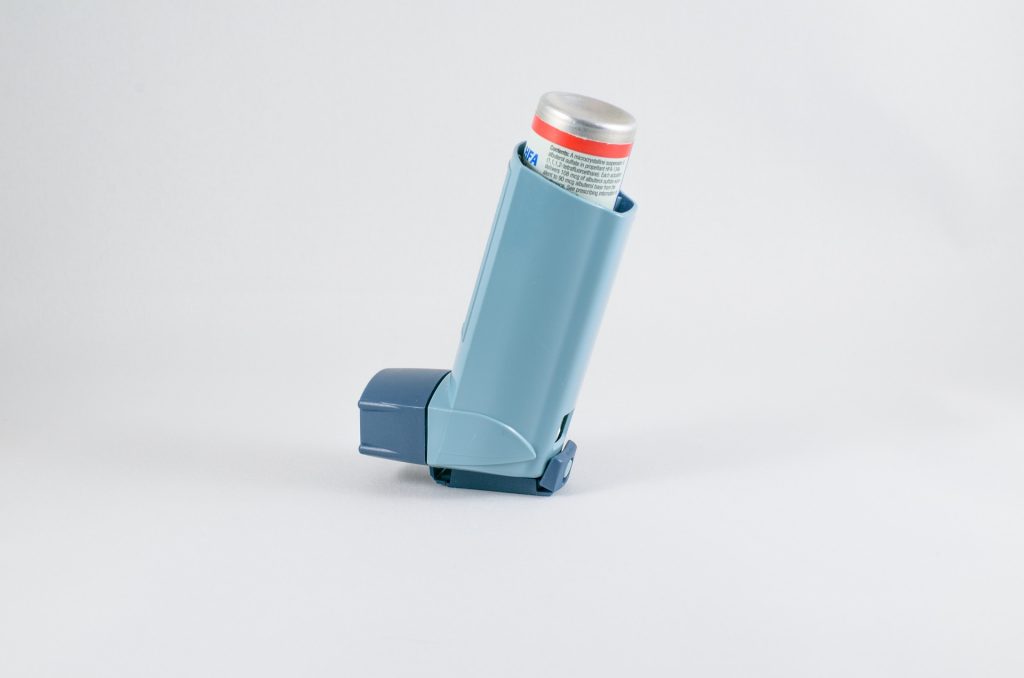
Asthma inhaler
Source: PIxabay/CC0

In a real world study, patients taking oral corticosteroids for severe asthma, taking mepolizumab reduced the need for those steroids by 75%. These findings were presented at the annual meeting of the American Academy of Allergy, Asthma & Immunology.

By the end study, patients on a median 10 mg maintenance dose of oral corticosteroids at baseline reduced their intake to 2.5 mg, reported Mark Liu, MD, of Johns Hopkins Medicine, who presented the findings.

And those on a median 5 mg maintenance dose at the start of the trial reduced their use to 0.4 mg by study end, Dr Liu said.

In the high steroid dose group, 36% were able to be weaned off the drugs by the end of the study, he reported. In the lower dose group, 49% were able to discontinue steroid use.

Treatment with the interleukin-5 (IL-5) antagonist mepolizumab reduced clinically significant annual exacerbations from a mean of 4.3 in the 12 months prior to the trial to 1.5 with mepolizumab use. This reduction from baseline was seen across all patient groups, said Dr Liu, including those with high and low steroid use and those who were not taking steroids at baseline to control symptoms.

Dr Liu suggested that despite the limitation of being a single-arm study, the “clinically important real-world findings indicate that patients with severe asthma treated with mepolizumab can reduce their oral corticosteroid use, potentially reducing the risk of side effects associated with their use, while improving their asthma control.”

The co-moderator of the presentation session, William Anderson, MD, of Children’s Hospital Colorado, said the study was important – “especially for our adult patients who are on chronic steroids, because the side effects of chronic steroids are so profound and oftentimes can lead to equal if not worse effects than the underlying asthma itself.”

“The ability to use a biologic agent to decrease the dose of an oral steroid for our patients is certainly extraordinarily promising,” Dr Anderson said to MedPage Today. “Our ultimate goal is to get patients off oral steroids.”

For the year-long study, Dr Liu and colleagues enrolled 822 adults with asthma and a new prescription for mepolizumab with at least 12 months of previous medical records. Mepolizumab was given at the standard 100mg subcutaneous dose.

“Patients with severe asthma often rely on oral corticosteroids to control their symptoms despite a well-recognized risk of complications even at low daily doses,” Dr Liu explained. The goal of the study, he said, was to determine what happened in a real-world setting when these patients were treated with mepolizumab, stratified by steroid use. The researchers enrolled patients from December 2016 through October 2019.

About 10% of patients experienced adverse events, but serious adverse events occurred in less than 1%, Dr Liu noted.

Source: MedPage Today

Aspen to Locally Produce COVID Vaccine ‘Aspenovax’ for the African Continent

Syringe withdrawing from vaccine vial
Photo by Mufid Majnun

In a news release, pharma giant Aspen has announced that it has concluded an agreement with Johnson & Johnson to manufacture an Aspen-branded COVID vaccine, Aspenovax, and to make it available throughout Africa.

This follows on from the November 2021 announcement of an agreement of terms between the two companies. This new agreement will expand the existing technical transfer and manufacturing agreements between the companies.

The agreement will grant Aspen’s South African subsidiary the rights to manufacture finished Aspenovax product from drug substance supplied by J&J. It will also make Aspenovax available to markets in Africa through transactions with designated multilateral organisations and with national governments of member states of the African Union.

Under the agreement, Aspen has secured the necessary intellectual property from Johnson & Johnson for production. There is also a good faith undertaking between the companies to expand the agreement to cover any new versions of the drug substance, such as those developed for new variants or a different formulation for administration as a booster.

The agreement will last through to the end of 2026.

Commenting on this agreement, Dr Matshidiso Moeti, World Health Organization Regional Director for Africa said: “This important agreement on sharing know-how and technologies for the production of COVID vaccines is a huge leap forward towards realising our shared vision for medicines and vaccines to be manufactured on the African soil for the African people. Vaccines are our best way out of this pandemic and local production is an essential recipe for our success.”

Stephen Saad, Aspen Group Chief Executive said: “Even with all the support in the world, none of this would be possible without the competence of our teams at Gqeberha. They knew the weight of a continent’s ambitions rested on their shoulders. They persevered and succeeded in becoming a significant supplier within the Johnson & Johnson network. Aspenovax has become a reality due to the confidence placed in their abilities. They are our African heroes.”

The Pandemic’s Negative Impact on Women in Academic Medicine

Female scientist in laboratory
Photo by Gustavo Fring from Pexels

Like women in every other sector of the economy, the COVID pandemic has negatively impacted those working in academic medicine according to a commentary which appears in Nature Medicine.

Co-author Anne B. Curtis, MD, professor at the University at Buffalo, laid out the problem: “During the first year of the pandemic, when schools shut down and went to 100% remote learning, we saw that it affected women disproportionately, having to stay home and teach their children while their research languished.”

Even before the COVID pandemic, women in academic medicine were paid less than men in comparable positions, received lower startup funds for laboratory research and were promoted later.

Additionally, they wrote that, compared to men, women have fewer “conventional markers of achievement” in academia, such as principal investigator positions on research grants. Women write fewer grant applications; they have fewer grant renewals; they get lower funding amounts for initial grants; and are first or last author on fewer papers.

The reasons for these are well known, the authors wrote.

“Society expects women to assume the major portion of the burden for child rearing, and women themselves feel an obligation to put family above their own needs, to the detriment of their own career development,” she said. “There still isn’t the sharing of responsibilities in two-career families to mitigate these problems.”

The paper includes a detailed ‘menu’ of proposed solutions. These include providing financial support to hire technicians for two to three years to carry on lab research while women researchers focus on child care at home, or otherwise supporting child care at home so women can continue their lab research.

The paper also proposes slowing down tenure clocks, delaying the tenure decision by two to three years to make up for lost time while women give birth and care for young children.

In addition to such programs, the list includes a category of solutions termed “cultural,” described as creating the cultural expectation that gender equity is a shared responsibility and incorporating those expectations into bonuses and merit raises of institutional leaders. Also included is the need to engage university and hospital boards of trustees to support gender equity.

Prof Curtis said that the paper aims to highlight the persistence of these gender differences persist and that global phenomena like the pandemic only worsen them.

“As much as we would like to think that gender differences in career development no longer exist, they do, and they adversely affect women more than men,” she said. “Understanding these issues and implementing solutions are the best ways to minimise potentially adverse effects on women’s careers.”

As the pandemic and its associated restrictions ease, Prof Curtis warned, “The situation is improving now that schools are open, but the next pandemic may only be a mutation away.”

Source: Buffalo University

A Touch-sensing Protein Helps the Gut to ‘Feel’

Anatomy of the gut
Source: Pixabay CC0

New research published in the journal Gastroenterology has discovered that a touch-sensing protein is present in the gut, with its presence likely playing a key role in constipation. The protein, called Piezo2, was found using both human gut samples and mice is not just in our fingers, but also in our gut.

“Many people suffer from digestive issues on a daily basis, such as chronic constipation, however we still don’t understand the cause which underlies most of them,” said Lauren Jones, lead author and final year PhD student.

“Our research identified Piezo2 in cells that line the human digestive tract, allowing them to sense physical stimuli, such as touch or pressure, that would occur when food is present. The cells then respond by releasing serotonin to stimulate gut contractions and push the food along.”

Last year, international researchers Ardem Patapoutian and David Julius were awarded the Nobel Prize in Physiology or Medicine for their research on receptors responsible for the perception of touch and temperature, including the discovery of Piezo2, now known to be responsible for sensing light touch on our skin.

Of potential clinical importance, the Flinders research team also discovered that the levels of Piezo2 decrease in the gut with age, and found that if the protein was removed only from gut serotonin cells, gut motility slowed down in mice, causing constipation.

The authors say this could be a potential contributing factor to age-related constipation and provide a possible path to treatment.

Researchers discover a nuclear import mechanism essential for organ growth and development

“Age-related constipation affects 1 in 2 adults over the age of 80, whilst constipation generally affects almost everyone at some point throughout their life,” says Ms Jones.

“It’s therefore extremely important we increase our understanding of the underlying mechanisms, so that we can find targeted solutions to improve the quality of life of the many people who suffer daily from various gut disorders, including constipation.

“This research provides the building blocks for both further research and the development of highly specific treatments to reduce the impacts of constipation.”

The authors say that, though more studies are needed to firmly link Piezo2 to constipation, the research overall is an important advancement into our understanding of gut physiology, opening up new targets for the treatment of digestive issues.

The insights allow for reduced side effects, explained Ms Jones: “More specifically, we now have the potential to create treatments that are taken orally and only directly impact these cells that line the gut, therefore significantly reducing side effects typically seen with many of the current medications.”

Source: News-Medical.Net

Cells in Mice Partially Reset to More Youthful States

Mouse
Photo by Kanasi on Unsplash

Scientists have shown that they can safely and effectively reverse the epigenetic markers of age in middle-aged and elderly mice by partially resetting their cells to more youthful states – reducing many signs of ageing as they do so.

As organisms age, their cells have different epigenetic markers on their DNA compared to younger ones. It is known that adding a mixture of reprogramming molecules, also known as ‘Yamanaka factors’, to cells can reset these epigenetic marks to their original patterns. This approach enables researchers to turn back the clock for adult cells, developmentally speaking, into stem cells.

“We are elated that we can use this approach across the life span to slow down aging in normal animals. The technique is both safe and effective in mice,” said Juan Carlos Izpisua Belmonte, co-corresponding author, professor at the Salk Institute. “In addition to tackling age-related diseases, this approach may provide the biomedical community with a new tool to restore tissue and organismal health by improving cell function and resilience in different disease situations, such as neurodegenerative diseases.”

The Salk Institute research lab reported in 2016 that, for the first time, they were able use the Yamanaka factors to counter the signs of aging and increase life span in mice with a premature ageing disease. More recently, the lab found that the Yamanaka factors can accelerate muscle regeneration even in younger mice. Building on these studies, other scientists have used the same approach to improve the function of other tissues like the heart, brain and optic nerve.

In the new study, the researchers tested variations of the cellular rejuvenation approach in healthy animals as they aged. One group of mice received regular doses of the Yamanaka factors from the time they were 15 months old until 22 months, approximately equivalent to age 50 through 70 in humans. Another group was treated from 12 through 22 months, approximately age 35 to 70 in humans. And a third group was treated for just one month at age 25 months, similar to age 80 in humans.

“What we really wanted to establish was that using this approach for a longer time span is safe,” said Pradeep Reddy, study co-first author. “Indeed, we did not see any negative effects on the health, behaviour or body weight of these animals.”

No blood cell alterations or neurological changes were seen in the mice treated with the Yamanaka factors compared to control mice. Additionally, no cancers were observed in any of the groups of animals.

In terms of normal signs of ageing, the treated mice resembled younger animals in a number of ways. In both the kidneys and skin, the epigenetics of treated animals more closely resembled epigenetic patterns seen in younger animals. When injured, the skin cells of treated animals had a greater ability to proliferate and were less likely to form permanent scars, unlike normal older animals. Metabolic molecules also did not reflect normal age-related changes.

This youthfulness was observed in the animals treated for seven or 10 months with the Yamanaka factors, but not the animals treated for just one month. What’s more, when the treated animals were analysed midway through their treatment, the effects were not yet as evident. This suggests that the treatment is not simply pausing aging, but actively turning it backwards–- although more research is needed to differentiate between the two.

The team is now planning future research to analyse how specific molecules and genes are changed by long-term treatment with the Yamanaka factors. They are also developing new ways of delivering the factors.

“At the end of the day, we want to bring resilience and function back to older cells so that they are more resistant to stress, injury and disease,” said Reddy. “This study shows that, at least in mice, there’s a path forward to achieving that.”

The study was published in Nature Aging.

Source: Salk Institute