Year: 2021

Rise in Obesity Impeding Cancer Fight
Though cancer death rates have fallen dramatically in the United States, those from obesity-related cancers are falling much more slowly.

In a study published this week in JAMA Network Open, researchers found that obesity-related cancer deaths are improving, but at a slowing pace.

Researchers at the University of North Carolina Gillings School of Global Public Health drew on mortality data for 50 million people, cancer deaths not associated with obesity — such as lung or skin cancer – are declining at a rate almost three times faster than obesity-related cancers, such as stomach, colorectal, uterine, thyroid and postmenopausal breast cancer.

“These are cancers where we could see even larger mortality improvements with creative and practical tools to combat obesity,” said study senior author Hazel B Nichols, PhD, associate professor in the Department of Epidemiology at the UNC Gillings School.

Most Americans are over the recommended body weight, and being overweight or obese puts them at risk for certain cancers.  

Extra body fat can lead to changes in the body that can contribute to cancer development, such as long-lasting inflammation and higher than normal levels of insulin and hormones that can fuel cell growth, according to the U.S. Centers for Disease Control and Prevention.

Discordant progress

Researchers use cancer death rates to track progress against cancer over time. The study authors set out to find out if obesity was stalling progress against cancer the way it did against heart disease. After 2011, heart disease mortality rates slowed their decline, a phenomenon which may be due to obesity.

“What was puzzling was that we didn’t see the same pattern of slower improvements when looking at cancer overall, which is surprising because obesity contributes to both cancer risk and heart disease risk,” said Dr Nichols. “When we focused on the differences between obesity-related cancers and non-obesity related cancers, we saw that improvements for obesity cancers were not as impressive — consistent with the pattern for heart disease.”

For example, the study showed that in 2011, 110 people out of 100 000 died from cancers not related to obesity. In 2018, the mortality rate for those cancers fell to 93.8 deaths per 100 00 people — a 2.29% annual decline.

During the same period, the decline for obesity-related cancers was much slower, changing from 58.4 to 54.9 deaths per 100 000 people, a rate of .83% — a rate one-third the decrease in non-obesity related cancers.

Obesity may also be contributing to more of the cancer deaths in the US. The study found that cancers not associated with obesity accounted for 66.8% of cancer deaths in 1999, decreasing to 62.6% in 2018.
The good news is that if we’re able to make these changes as a society, we will be able to improve the health of a nation. Christy Leigh Avery, PhD

Falls in cancer deaths are the result of fewer smokers, along with better screening and treatments, according to the American Cancer Society.

But the findings by UNC researchers reinforce the impact of obesity on cancer. 

“Obesity is a risk factor for many, but not all, types of cancer,” Nichols Dr said. “We need to make maintaining a healthy weight an obtainable goal for everyone in terms of safe public spaces, the availability and affordability of nutritious foods, and other structural factors. The good news is that if we’re able to make these changes as a society, we will be able to improve the health of a nation.”

Source: University of North Carolina

Journal information: Avery CL, Howard AG, Nichols HB. Comparison of 20-Year Obesity-Associated Cancer Mortality Trends With Heart Disease Mortality Trends in the US. JAMA Netw Open. 2021;4(5):e218356. doi:10.1001/jamanetworkopen.2021.8356
Brain-computer Interface Lets Paralysed People Write Letters

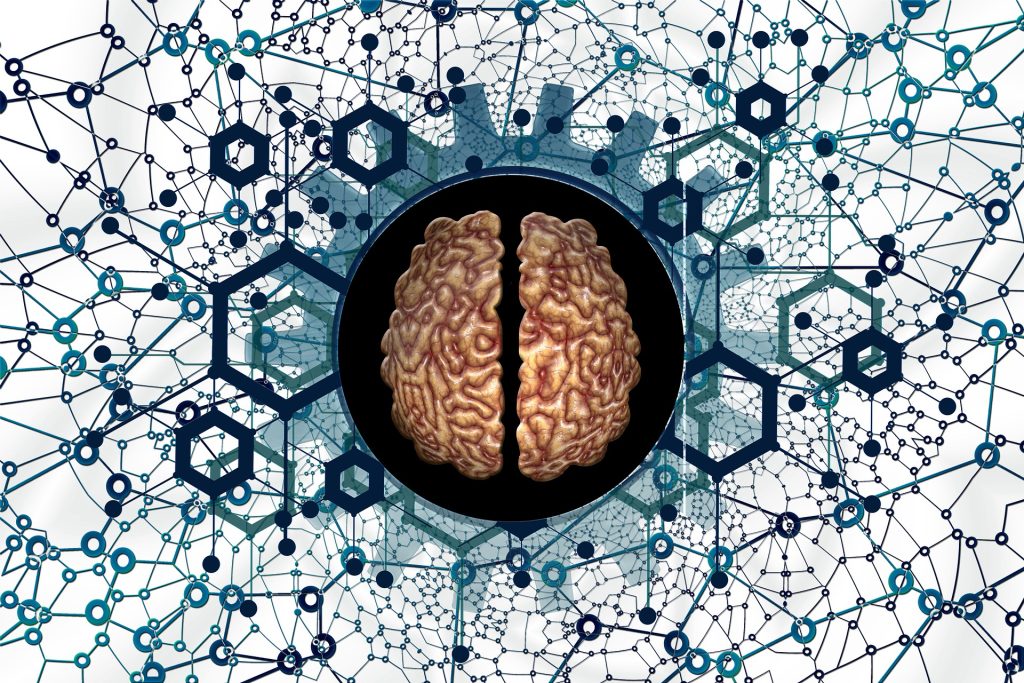
Image by Gerd Altmann from Pixabay

Researchers have developed a new brain-computer interface (BCI) that can let paralysed people write by mentally writing letters by hand.

Working with a participant with paralysis who has sensors implanted in his brain, the team used an algorithm to identify letters in real time as he attempted to write them, putting the results on a screen.

This technology could be further developed to allow people with paralysis type rapidly without using their hands, said study coauthor Krishna Shenoy, a Howard Hughes Medical Institute Investigator at Stanford University who jointly supervised the work with Jaimie Henderson, a Stanford neurosurgeon.

By attempting handwriting, the study participant was able to ‘type’ 90 characters per minute — more than double the previous record for typing with such a brain-computer interface.

Thought-powered communication

Even if injury or disease the ability to move, the brain’s neural activity for being able to do so remains. By making use of this activity, researchers can help people with paralysis or amputations regain lost abilities.

In recent years, Shenoy’s team has decoded the neural activity associated with speech in the hopes of reproducing it. Patients with implanted sensors mentally pointed at and clicked on letters on a screen to type at about 40 characters per minute, the previous speed record for typing with a BCI.
Wanting to try something new and different, Frank Willett, a neuroscientist in Shenoy’s group, wondered if it might be possible to harness the brain signals evoked by writing by hand “We want to find new ways of letting people communicate faster,” he said. 

The team worked with a participant enrolled in a clinical trial involving BCIs. Henderson implanted two tiny sensors into the part of the brain that controls the hand and arm, making it possible for the person to, for example, move a robotic arm or a cursor on a screen by attempting to move their own paralysed arm.
The participant, who was 65 years old at the time of the research, had a spinal cord injury that left him paralysed from the neck down. A machine learning algorithm recognised the patterns his brain produced when he attempted to write each letter.

With this system, the man could copy sentences and answer questions at a rate similar to that of someone his age typing on a smartphone. The reason why this so-called “Brain-to-Text” BCI is so fast is because each letter elicits a highly distinctive activity pattern, making it relatively easy for the algorithm to distinguish one from another, Willett explained.

A new system

Shenoy’s team envisions using attempted handwriting for text entry as part of a more comprehensive system that also includes point-and-click navigation, much like that used on current smartphones, and even attempted speech decoding. “Having those two or three modes and switching between them is something we naturally do,” he said.
The team intends to next work with a participant who cannot speak, such as a person with amyotrophic lateral sclerosis, a degenerative neurological disorder leading to loss of movement and speech.

The new system could potentially help those suffering from paralysis caused by a number of conditions, Henderson added. Those include brain stem stroke, which afflicted Jean-Dominique Bauby, the author of the book The Diving Bell and the Butterfly. “He was able to write this moving and beautiful book by selecting characters painstakingly, one at a time, using eye movement,” Henderson said. “Imagine what he could have done with Frank’s handwriting interface!”

Source: Howard Hughes Medical Institute

Overweight in Adolescence Linked to Strokes in Later Life

Having a higher body mass index (BMI) in adolescence is linked to greater risk of first ischaemic stroke in adults under age 50 — regardless of whether they had Type 2 diabetes.

The research was published in Stroke, a journal of the American Stroke Association, a division of the American Heart Association.

Although the prevalence of adolescent obesity and stroke among adults under the age of 50 years continue to rise around the world, the precise link between the two conditions is still not fully understood.

“Adults who survive stroke earlier in life face poor functional outcomes, which can lead to unemployment, depression and anxiety,” said study co-author Gilad Twig, MD, MPH, PhD, an associate professor in the Medical Corps of the Israel Defense Forces and the department of military medicine, Faculty of Medicine of The Hebrew University in Jerusalem, Israel. “The direct and indirect costs attributed to stroke prevention and care are high and expected to keep increasing since the rate of stroke continues to rise.”

This study examined adolescent BMI and first stroke before the age of 50 among 1.9 million participants (ages 16 to 20; 58% male) from two nationwide databases: the Israel Defence Forces and the Israeli National Stroke Registry. All the participants in the database had undergone one complete medical exam between 1985 and 2013.

Standard BMI groups are underweight (less than 5th percentile), low-normal BMI (5th to 49th percentile), high-normal BMI (50th to 84th percentile), overweight (85th to 94th percentile), and obese (greater than 95th percentile). Details on percentile BMI measures by gender are in the article.

Overall, 1088 strokes occurred (921 ischaemic strokes, 167 haemorrhagic strokes) during the follow-up period, a mean age of 41 when the stroke occurred. Adolescent BMI was directly related to the risk of first ischaemic stroke. Compared to participants in the low-normal BMI group, overweight adolescents had a 2-times higher risk of stroke before age 50, and obese adolescents had a 3.4-times higher risk.

Even adolescents with BMIs in the high-normal range were more likely to have a stroke before age 50 compared to those in the low-normal BMI group. Adolescents who were either overweight or obese still had a higher risk of stroke (1.6-times and 2.4-times, respectively) after accounting for Type 2 diabetes, compared to those with normal BMI.

Even though overweight and obesity during adolescence is a common problem, researchers were surprised to find that Type 2 diabetes did not explain the higher risk for ischaemic stroke, which in some cases occurred even before age 30.

Dr Twig noted that current literature shows that a stroke early in life may lead to recurrent stroke, heart attack, long-term care and premature death.

“Our findings underscore the importance of effective treatment and prevention of high normal and excessively high BMI during adolescence,” Dr Twig said. “Our study is also the first to show that the risk of stroke associated with higher BMI values is the same for both men and women.”

A major limitation of the study is that BMI data at follow-up were not available for all participants, meaning that researchers could not assess the contribution of obesity over time to stroke risk and to separate out the risk of BMI during adolescence.

Source: American Heart Association

Journal information: Bardugo A, Fishman B, Libruder C, et al. Body Mass Index in 1.9 Million Adolescents and Stroke in Young Adulthood. Stroke. 2021;STROKEAHA120033595. doi:10.1161/STROKEAHA.120.033595

Third Wave Hits Gauteng as Indian Variant Detected in Durban

Photo by Clodagh Da Paixao on Unsplash

Earlier today, Gauteng Premier David Makhura has announced that the third wave of COVID has hit the province, home to 15 million people.

The province had been recording over 1 000 positive cases for the past two days. In particular, there had been a spike in the number of new COVID cases over the last three weeksthe in the Vaal’s Emfuleni region.

“Having seen over 1000 cases a day we cannot afford to close down the provinces economy but definitely we want to see an increase in restrictions,” said Makhura. Businesses meanwhile had been warning of lockdowns ahead of a third wave.

He made the remarks during the official opening of a refurbished mining hospital in Carletonville, west of Johannesburg.

Test positivity rate had risen to 7.45% on Wednesday, the highest in five days and for a month the rate had hovered close to or above the 5% threshold of what is considered too high.

On Thursday, the health department reported that COVID cases had increased by 3 221 in the last 24 hours, further evidence that a third wave was imminent.

Health Minister Dr Zweli Mkhize said in a statement that the national tally of confirmed cases to date now stood at 1 605 252, with 29 362 of these being active cases. Meanwhile, the recovery rate now stands at 94.7% after 1.52 million patients beat COVID.

Meanwhile, eight new cases of B.1.617.2, known as the Indian variant, have been detected in South Africa.

Professor Tulio de Oliveira, the director of the KZN Research Innovation and Sequencing Platform, said that these were found in crew members of a commercial vessel that arrived in Durban Port from India.

De Oliveira tweeted: “The Network for Genomic Surveillance in South Africa, confirmed detection of eight more genomes B.1.617.2 (Indian variant) and two community transmission of B.1.1.7 (UK variant) in South Africa.”

Source: IOL News

Bulimia Experience as a Teen Shaped Man’s Healthy Recipe Project

A UK man who started a project coming up with gut-healthy-recipes said that it was “shaped” by his having had bulimia in his teenage years.

Clinician and scientist Dr Sunni Patel, 35, said as a teen he thought he was “chubby” and experienced the eating disorder when he was aged 15 to 18.

Binge eating was his “solace” he said, and he used religious fasting “as a cover”.

Dr Patel started a website sharing recipes, and he urged people not to underestimate how gut health affects mental health.

“I’d find comfort and my escapism via food.”
Dr Sunni Patel

He said he would fast for four days a week, eating fruit at the end of the day.

Being from a traditional Asian background, the way “one looks and acts tends to be judged a lot more”, he said.

“Because I’d got bulimia as a get out, I’d binge eat. I might eat six or seven crisp packets at one sitting. I’d find comfort and my escapism via food.”

Suffering bullying at school, Dr Patel said that there was “pressure as a teenager to look cool”. He said that “the thinner I got, the more attractive I felt”. Bulimia became the “solution”, he added.

As he lost weight, he began receiving compliments which would “feed the beast”.

At least 1.5 million people in the UK have an eating disorder, experts estimate, with 25% being male. Bulimia nervosa is a condition that occurs most commonly in adolescent females, though it can appear in just about any patient. It is characterised by indulgence in binge-eating, and inappropriate compensatory behaviours to prevent weight gain.

Dr Patel said after he went to university he stopped, “I wasn’t able to find the safe space to have the… episodes, I didn’t want the truth to come out.”

From around the age of 24, he received cognitive behavioural therapy and in recent years has had psychotherapy.

“I was diagnosed with gut issues in 2014 and that’s when I started exploring the link between gut health and depression. As my diet became healthier so did my mind.”

A business director as well as a clinician, he now comes up with gut-healthy-recipes that are shared on his Dish Dash Deets website, set up during the COVID pandemic, where he also keeps a blog.

Included in his recipes are his top foods to combat depression and low mood, such as bananas, berries, beans and lentils.

He said to anyone that is in a similar position to his, “find a safe person to talk to”, who would not judge, adding: “Don’t feel any shame. You’re human.”

“The more that you rely on it, you use it as your way of escaping, the more it becomes your norm,” he said.

He also currently does live cook-alongs on Instagram with invited celebrities and chefs.

“Food is still my escapism. Now I enjoy being in the kitchen and making things that will serve my needs, not make things worse.”

Source: BBC News

Fat Cells Tapped for Spinal Fusion

Photo by cottonbro from Pexels

Researchers at Johns Hopkins Medicine have come up with a method that uses adipose cells, better known as fat, as a practical and plentiful source of stem cells for use in spinal fusion surgeries.

Spinal fusion ‘welds’ two or more vertebrae together so that they heal into a single, solid bone. Unfortunately, the surgery — using bone taken from other parts of the patient’s body — fails in up to a fifth of procedures. Stem cells, harvested from a patient’s marrow and allowed to mature into bone cells, can improve the outcome of spinal fusions. However, the aspiration method for getting stem cells out of the marrow carries an infection risk and often is painful.

In a study published in the journal Spine, researchers sought to try out adipose cells rather than bone marrow as a source for the stem cells.

Performing spinal fusion procedures in rats, the researchers found that freshly isolated stem cells from fat worked just as well as the more commonly used bone marrow stem cells. The researchers say this suggests the technique could be a candidate for human clinical trials.

“Bone marrow stem cells are isolated in human patients from the hip,” said Christina Holmes, PhD, a former Johns Hopkins Medicine postdoctoral fellow now at Florida State University. “But using a huge needle to take out bone marrow is a painful procedure, and we can only get a limited number of cells, so we’ve found an alternative source by using stem cells from fat.”

Alexander Perdomo-Pantoja, MD, a postdoctoral fellow at the Johns Hopkins University School of Medicine, said spinal fusion procedures are used to treat many different conditions.

“Spinal fusions are used for anything that causes spinal instability, which usually produces significant mechanical pain,” he says. “You see it frequently when we get older as the intervertebral discs, ligaments and muscles in the spine deteriorate. But these procedures can also be used to treat instability when it is caused by tumors, fractures, deformities or trauma.”

The researchers isolated stem cells from fat and bone marrow, and implanted them into rat spines. For the adipose-derived stem cells, the researchers used freshly isolated cells to see if they could speed up and simplify the procedure.

Stem cells are currently sourced either from bone marrow or fat and are often grown in a lab culture to mature them enough for spinal fusion. During culturing, there is a risk of contamination or transformation into unusable bone. Holmes said that freshly isolating cells avoids these problems, along with reducing labour and material costs.

While stem cells from fat are commonly used in cosmetic procedures, they are not often used in spinal fusions, she adds.

“We feel that fat cells are a logical alternative to bone marrow cells because most patients have an adequate supply of fat cells,” Tsaid imothy Witham, MD, director of the Johns Hopkins Neurosurgery Spinal Fusion Laboratory. ”Fat also is much more accessible during surgery and can be harvested with less stem cell death than bone marrow. Spinal fusion is a very common procedure, and we feel this approach could be applied across a wide cohort of spinal fusion patients.”

The researchers found significantly more bone formation and blood supply in the fresh adipose-derived stem cells compared with what they saw in previous studies with cultured cells from both fat and bone marrow.

The next step for Witham and his team is identifying which cells are the most advantageous for spinal fusions and then characterising them.

Source: John Hopkins University

Journal information: Alexander Perdomo-Pantoja et al. Comparison of Freshly Isolated Adipose Tissue-derived Stromal Vascular Fraction and Bone Marrow Cells in a Posterolateral Lumbar Spinal Fusion Model, Spine (2020). DOI: 10.1097/BRS.0000000000003709

Scientists Find How Enriched Environments Boost Brains

Image by Colin Behrens from Pixabay

A recent study in Frontiers in Molecular Neuroscience has shown how environmental enrichment ‘opens up’ chromosomes through the action of ‘master switches’.

Environmental enrichment, that is, making stimulating and interesting surroundings, is often used in zoos, laboratories, and farms to stimulate animals and increase their wellbeing.

Stimulating environments are better for mental health and cognition because they boost the growth and function of neurons and their connections, the glia cells that support and feed neurons, and blood vessels within the brain. But what are the deeper molecular mechanisms that first set in motion these large changes in neurophysiology? 

The study investigators utilised a large molecular toolbox to map how environmental enrichment leads to changes in the 3D organisation of chromosomes in neurons and glia cells of the mouse brain, which change the activation of some genes within the genome. 

They show that genes which in humans are important for cognitive mental health are particularly affected, possibly leading to new treatments.

Chromosome ‘opens up’ with enrichment

“Here we show for the first time, with large-scale data from many state-of-the-art methods, that young adolescent mice that grew up in an extra stimulating environment have highly specific ‘epigenetic’ changes—that is, molecular changes other than in DNA sequence—to the chromosomes within the cells of the brain cortex,” said corresponding author Dr Sergio Espeso-Gil from the Centre for Genomic Regulation in Barcelona, Spain.

He continued, “These increase the local ‘openness’ and ‘loopiness’ of the chromosomes, especially around DNA stretches called enhancers and insulators, which then fine-tune more ‘downstream’ genes. This happens not only in neurons but also in the supportive glia cells, too often ignored in studies about learning.”

The team raised mice for the first month after birth in social groups inside housing with Lego blocks, ladders, balls, and tunnels that were frequently changed and moved around. As a control, other mice were raised in smaller groups inside standard housing. The researchers then used a variety of tools to pick up molecular changes in neurons and glia cells within the brain cortex. These included alterations in the 3D structure of chromosomes, particularly the local “chromatin accessibility” (openness) and “chromatin interactions” (where distant genes are brought together through loops, to coordinate activity). Chromatins are the proteins which make up chromosomes, carrying DNA and the proteins to package them.

Epigenetic ‘master’ switches

They show that two ‘master’ switches operational after environmental enrichment increase chromatin interactions and another increases chromatin availability, important for the pyramidal neurons involved in cognition. A third works on a key chromosomal protein histone H3, activating nearby genes as a result.

These switches mainly occur around genomic regions that contain enhancers, regulatory DNA that (when bound to proteins called transcription factors) can activate neighboring genes. Also affected were genomic regions with insulators, regulatory DNA that can override the gene-activating effect of neighboring enhancers.

The team concluded that growing up in an enriched environment causes highly local and specific epigenetic changes in neurons and glia cells. These then mostly increase the activity of a few genes within the genome.

Mental health in humans

“Our results show that many of the genes involved are known to play a role in the growth and differentiation of neurons, the development of blood vessels, the formation and patterning of new synaptic connections on neurons, and molecular pathways implicated in memory and learning in mice,” said Dr Espeso-Gil.

“And when we look for parallel regions in the human genome, we find many regions that are statistically associated with differences in complex traits such as insomnia, schizophrenia, and Alzheimer’s in humans, which means that our study could inform future research on these disorders. This points to the potential of environmental enrichment in therapies for mental health. Our research could also help to guide future research on chromatin interactions and the poorly known importance of glial cells for cognitive mental health.”

Source: Medical Xpress

Journal information: Sergio Espeso-Gil et al, Environmental Enrichment Induces Epigenomic and Genome Organization Changes Relevant for Cognition, Frontiers in Molecular Neuroscience (2021). DOI: 10.3389/fnmol.2021.664912

New Antimalarial Compound Traps Parasites in Cells

Photo by Егор Камелев on Unsplash

To combat the growing resistance of malaria to current treatments, researchers at the Francis Crick Institute and the Latvian Institute of Organic Synthesis have designed a new antimalarial compound which interrupts the malaria parasite life cycle by trapping them in their host cells.

While drugs and mosquito control have reduced levels of malaria over recent decades, with malaria being effectively wiped out in North America by the 1950s, the parasite still kills over 400 000 people every year, 90% of whom live in sub-Saharan Africa. It has now developed resistance to many existing antimalarial drugs, meaning new treatments that work in different ways are urgently needed.

If we can effectively trap malaria in the cell by blocking the parasite’s exit route, we could stop the disease in its tracks and halt its devastating cycle of invading cells.
Mike Blackman

The researchers developed an array of compounds designed to prevent the parasites bursting out of blood cells, a vital replication step. One compound in particular was found to be very effective in human cell tests.

“Malaria parasites invade red blood cells where they replicate many times, before bursting out into the bloodstream to repeat the process. It’s this cycle and build-up of infected red blood cells which causes the symptoms and sometimes fatal effects of the disease,” says Mike Blackman, lead author and group leader of the Malaria Biochemistry Laboratory at the Crick.  

“If we can effectively trap malaria in the cell by blocking the parasite’s exit route, we could stop the disease in its tracks and halt its devastating cycle of invading cells.”

Blocking the parasite’s emergence

The compound works by blocking an enzyme called SUB1, needed for them to burst out of cells. Current antimalarials kill the parasite within the cell, so the researchers hope this alternative drug action will overcome the resistance the parasite has acquired.

The compound can penetrate both the cell wall and the compartment within where the parasites reside.

The researchers are further refining the compound making it smaller and more potent. Further tests are needed before it can be trialled in humans.

Study author Chrislaine Withers-Martinez and researcher in the Malaria Biochemistry Laboratory, said: “Many existing antimalarial drugs are plant derived and while they’re incredibly effective, we don’t know the precise mechanisms behind how they work. Our decades of research have helped us identify and understand pathways crucial to the malaria life cycle allowing us to rationally design new drug compounds based on the structure and mechanism of critical enzymes like SUB1.

“This approach, which has already been highly successful at finding new treatments for diseases including HIV and Hepatitis C, could be key to sustained and effective malaria control for many years to come.” 

Source: Francis Crick Institute

Immune Cells Respond to Threats with Six ‘Words’

Scanning electron microscope of a dead yeast cell being engulfed by a macrophage. Credit: National Institute of Allergy and Infectious Diseases (NIAID)

A new study has identified six ‘words’ that certain immune cells use to turn on defence genes, an important step towards discovering how the immune system coordinates itself to handle threats.

In addition, they discovered that using two of these words incorrectly can activate the wrong genes, resulting in the autoimmune disease known as Sjögren’s syndrome.

“Cells have evolved an immune response code, or language,” said senior author Alexander Hoffmann, a professor at UCLA. “We have identified some words in that language, and we know these words are important because of what happens when they are misused. Now we need to understand the meaning of the words, and we are making rapid progress. It’s as exciting as when archeologists discovered the Rosetta stone and could begin to read Egyptian hieroglyphs.”

Listening in on macrophages

Immune cells constantly assess their external environment, and communicate with signalling codons (‘words’) to tell the nucleus which genes to turn on in response to invading pathogens. These codons consist of a sequence of actions by a DNA binding protein that produces a word, like typing letters in sequence on a keyboard.

The researchers focused on words used by macrophages, which clear up harmful substances, pathogens and dead cells. ‘Listening’ to macrophages in healthy mice, they identified six specific codon-words that correlated to immune threats. They repeated this with mice that contained a mutation akin to Sjögren’s syndrome in humans to see if this disease is caused by the defective use of these words.

“Indeed, we found defects in the use of two of these words,” Prof Hoffmann said. “It’s as if instead of saying, ‘Respond to attacker down the street,’ the cells are incorrectly saying, ‘Respond to attacker in the house.'”

According to the researchers, the findings suggest that Sjögren’s doesn’t result from chronic inflammation as it has been thought to, but rather from a codon-word confusion that leads the body to attack itself. New treatments could focus on correcting the miscommunication.

Cracking the code

According to Prof Hoffman, the reason immune cells can mount a specific response to each pathogen is due to ‘signalling pathways’. These link receptor molecules on the immune cells with different defence genes. The transcription factor NFκB is one such pathway, acting as a central regulator of immune cell responses to pathogen threats.

“The macrophage is capable of responding to different types of pathogens and mounting different kinds of defences. The defence units—army, navy, air force, special operations—are mediated by groups of genes,” he said. “For each immune threat, the right groups of genes must be mobilised. That requires precise and reliable communication with those units about the nature of the threat. NFκB dynamics provide the communication code. We identified the words in this code, but we don’t yet fully understand how each defense unit interprets the various combinations of the codon-words.”

Calling up the wrong units can not only be ineffective but destructive as in Sjögren’s.

To crack the language, researchers studied how 12 000 cells communicated in response to 27 immune threat conditions. Based on possible arrangements of NFκB dynamics, they drew up a list of over 900 possible ‘words’, resembling three-letter words.

Then, using a telecommunications industry algorithm developed in the 1940s, they monitored the rate at which each of the potential words came up when macrophages responded to threats. They discovered that six specific dynamical features, or ‘words,’ were most frequently correlated with that response.

This would be like listening to a conversation and finding that certain three-letter words tend to be used, such as “the,” “boy,” “toy,” and “get,” but not “biy” or “bey,” explained lead author Adewunmi Adelaja, who earned his PhD in Hoffmann’s laboratory and is now pursuing his MD at UCLA.

The researchers found that teaching a machine learning algorithm the six words, it was able to recognise the stimulus when simulated cells were ‘talking’. They then explored what would happen if the computer only had five words available. They found that the algorithm made more errors in recognising the stimulus, which led the team to conclude that all six words are required for reliable cellular communication.

The scientists also used calculus to study the biochemical molecular interactions inside the immune cells that produce the words.

Source: UCLA

Journal information: Adewunmi Adelaja et al. Six distinct NFκB signaling codons convey discrete information to distinguish stimuli and enable appropriate macrophage responses, Immunity (2021). DOI: 10.1016/j.immuni.2021.04.011

SA on The Brink of Third Wave, Says Health Department

COVID heat map. Photo by Giacomo Carra on Unsplash

The health department called the increasing number of COVID cases across South Africa “worrying” on Wednesday night, adding that although close, the requirements had not yet been met for a third wave.

In a statement, the department said that it had observed an increase in the weekly number of new cases over the past seven and 14 days compared to the previous corresponding periods. Increases have been seen in all provinces — particularly the North West and Gauteng. There was also an increase in the number of COVID-related deaths over the past seven days.

However the department maintained that these increases had not yet met the requirements of the “resurgence threshold”. Dr Zweli Mkhize however said that numbers would not go down unless containment measures were put in place.

“There was an increase in new cases from 8593 cases in the preceding seven days (April 26-May 2) to 12 531 cases in the past seven days (May 3-9), constituting a 46% increase. The 14-day comparisons also showed that the cases increased from 17 017 in the preceding 14 days to 21 124 cases in the past 14 days, an overall 24% increase. All provinces showed a positive percentage increase, with Northern Cape 68% up in the past seven  days followed by Gauteng at 63%, Limpopo at 47%, North West at 42% and Western Cape at 39%.

“The new Covid-19 related deaths increased by 18.22% in the past seven days (May 3-9) to 318 from 269 in the preceding seven days (April 26-May 2). However, the 14-day comparison showed the deaths decreased by 28.93% to 587 in the past 14 days compared to 826 in the preceding 14 days. The cumulative case fatality ratio is 3.43% (54 735 of 1 596 595),” the department said.

Hospital admissions fortunately “have not shown an increase”. As of Wednesday, the detection rate for COVID tests was 7.45%. Adam Lowe, a member of the ASSA COVID working group, said that based on modelling and historical parallels, three scenarios are possible for a third wave: an early, less severe, wave in May driven by school holidays; a later, more severe third wave; or a sudden and severe, but unlikely, third wave.

“As much as these figures are worrying, our resurgence dashboard, which was developed by the South African Covid-19 Modelling Consortium, which is updated thrice a week, still shows that we have not as a country reached a resurgence threshold, though some districts in the country are fast approaching the threshold,” the department said.

The department of health added that it was working with provinces to update their resurgence plans, which mainly focus on case management, contract tracing, oxygen availability, bed capacity, respiratory support equipment and human resources.

It also said that the main drivers of the new wave will be one or both of the resurgence of new variants and growing fatigue to measures such as social distancing and masking. Genomic surveillance is being conducted to catch the emergence of new variants.

“So we want to assure South Africans that we have not yet hit the third wave, however we are at risk and we hence need to be on heightened vigilance,” the department said.

Source: Times Live