Year: 2021

Chronic Inflammation Ages the Pituitary Gland in Mice

Photo by Robina Weermeijer on Unsplash

Researchers have discovered that the pituitary gland in mice ages due to an age-related form of chronic inflammation — which raises the possibility of slowing or even partially repairing this process. 

The pituitary gland is a small, globular gland located underneath the brain that plays a major role in the hormonal system, explained Professor Hugo Vankelecom, a stem cell biologist from the Department of Development and Regeneration at KU Leuven. “My research group discovered that the pituitary gland ages as a result of a form of chronic inflammation that affects tissue and even the organism as a whole,” he said. “This natural process usually goes unnoticed and is referred to as ‘inflammaging’ — a contraction of inflammation and ageing. Inflammaging has previously been linked to the ageing of other organs.”

Because of the pituitary’s pivotal role in the body, its ageing may contribute to the reduction of hormonal processes and hormone levels in our body – such as in menopause.

The study also provides significant insight into the stem cells in the ageing pituitary gland. In 2012, Prof Vankelecom and colleagues showed that a prompt reaction of these stem cells to injury in the gland leads to repair of the tissue, even in adult animals.

“As a result of this new study, we now know that stem cells in the pituitary do not lose this regenerative capacity when the organism ages. In fact, the stem cells are only unable to do their job because, over time, the pituitary becomes an ‘inflammatory environment’ as a result of the chronic inflammation. But as soon as the stem cells are taken out of this environment, they show the same properties as stem cells from a young pituitary.”

Could damage be repaired?

This insight opens up a number of potential therapeutic avenues: would it be possible to reactivate the pituitary? This wouldn’t just involve slowing down hormonal ageing processes, but also repairing the damage caused by a tumour in the pituitary, for example. 

“No fewer than one in every 1000 people is faced with this kind of tumour — which causes damage to the surrounding tissue — at some point.

“The quality of life of many of these patients would be drastically improved if we could repair this damage. We may be able to do so by activating the stem cells already present — for which our present study also provides new indications — or even by transplanting cells. That said, these new treatment options are not quite around the corner just yet, as the step from fundamental research to an actual therapy can take years to complete. For the time being, our study sets out a potential direction for further research.”

The study also brings up another interesting approach: using anti-inflammatory drugs to slow down pituitary ageing or even rejuvenate an ageing pituitary. “Several studies have shown that anti-inflammatory drugs may have a positive impact on some ageing organs. No research has yet been performed on this effect in relation to the pituitary.”

From mice to humans

Since Prof Vankelecom and colleagues studied the pituitary of mice, further research is required to demonstrate whether their findings also apply to humans. Prof Vankelecom cautioned, however: “Mice have a much greater regeneration capacity than humans.

“They can repair damaged teeth, for instance, while humans have lost this ability over the course of their evolution. Regardless, there are plenty of signs suggesting that pituitary processes in mice and humans are similar, and we have recent evidence to hand that gene expression in the pituitaries of humans and mice is very similar. As such, it is highly likely that the insights we gained will equally apply to humans.”

Source: KU Leuven

Journal information: Vennekens, A., et al. (2021) Interleukin-6 is an activator of pituitary stem cells upon local damage, a competence quenched in the aging gland. Proceedings of the National Academy of Sciences. doi.org/10.1073/pnas.2100052118.

Inhaled Corticosteroid Could Shorten Moderate COVID

Source: Pixabay

Early treatment with inhaled budesonide shortens recovery time by a median of three days in community-treated patients with COVID who are at higher risk of more severe illness, according to preliminary results from an Oxford University trial.

Inhaled budesonide is a safe, fairly cheap and readily available corticosteroid commonly used in inhalers for the treatment of asthma and chronic obstructive pulmonary disease

Based on an interim analysis using the latest data from 25th March 2021, the results showed the estimated median time to self-reported recovery for inhaled budesonide was three days shorter compared to usual care, with a high probability of being superior to the usual standard of care. Of those taking inhaled budesonide, 32% recovered within the first 14 days and stayed well until the 28 day endpoint, compared to 22% receiving usual care. Budesonide group participants also reported greater wellbeing after two weeks. 

Among patients who had completed the study, 8.5% (59/692) in the budesonide group were hospitalised with COVID compared with 10.3% (100/968) in the usual care group, with an estimated percentage benefit of 2.1%. However as fewer than expected people were admitted to hospital in the trial, and with COVID cases falling in the UK, it is not clear from this interim analysis whether budesonide reduces hospitalisations.

Patients with COVID symptoms that started within 14 days and who are at higher risk of a poor outcome from the illness were eligible to join the trial and those who tested positive for SARS-CoV-2 were included in the main analysis. Patients receiving inhaled budesonide were asked to inhale 800 micrograms twice a day for 14 days, with a 28 day follow-up.

Joint Chief Investigator, Professor Chris Butler, a South Wales GP and Professor of Primary Care from the University of Oxford’s Nuffield Department of Primary Care Health Sciences, said, “PRINCIPLE, the world’s largest platform trial of community-based treatments for COVID-19, has found evidence that a relatively cheap, widely available drug with very few side effects helps people at higher risk of worse outcomes from COVID recover quicker, stay better once they feel recovered, and improves their wellbeing. We therefore anticipate that medical practitioners around the world caring for people with COVID in the community may wish to consider this evidence when making treatment decisions, as it should help people with COVID recover quicker.”

When the data has been obtained and analysed, detailed results on time to recovery and hospitalisations will be published. The full pre-print is available on the MedRxiv server.

Source: University of Oxford

Harnessing Magnetic Fields to Produce Safer and Cheaper Medicines

An image of ferrofluid reacting to a magnetic field. Photo by Etienne Desclides on Unsplash

By using magnetism to eliminate unwanted ‘mirror’ counterparts inherent to the production of certain medications, they could be made safer and produced more cheaply, according to new investigations underway at Texas A&M University.

Everyday drugs, such as ibuprofen, may have an inherent flaw in their molecular structure, pairing the active, beneficial ingredient with a potentially ineffective, or even toxic, ‘mirror’ counterpart, due to being of the wrong chirality, or structural twist. New research using electromagnetic fields could help keep the effective ingredients while eliminating the unwanted counterparts. Chirality is already an important consideration in the development of new drugs.

Dr. Shoufeng Lan, assistant professor in the J Mike Walker ’66 Department of Mechanical Engineering at Texas A&M University, is leading a team investigating the use of electromagnetic control over the synthesis of chiral compounds — a technique which could open up a host of applications including in the pharmaceutical industry.

“Mysteriously, all living organisms on the Earth consist of only left-handed amino acids and right-handed sugars, but not their mirrored counterparts,” Prof Lan said. “The phenomenon is the so-called homochirality of life and it is the ultimate form of asymmetric synthesis.”

Prof Lan gave the example of a human hand to demonstrate the concept of chirality, noting that if you created a mirror image of your hand, it could not be perfectly superimposed over the original.

By identifying a successful method of using asymmetrical synthesis to create new versions of structures for items like ibuprofen, Prof Lan said that improved versions of generic pharmaceuticals with reduced toxicity could be produced at a lower cost than currently available due to the current purification process.

However, to achieve success, the researchers will first need figure out how to implement this magnetic effect on asymmetric synthesis at practical temperatures. The effect is currently fairly weak, even using a powerful magnetic field or at a temperature as low as -268°C.

Prof Lan noted that the 2001 Nobel Prize in chemistry’s topic was addressing chirality, which uses an existing chiral object—a catalyst molecule—to transfer chirality to the desired mirror image form as the final product.

“This Nature Communications paper demonstrated a giant atomic-scale magneto-chiral effect that is orders of magnitude stronger,” Prof Lan said. “By applying this effect, it is arguably possible to master an asymmetric synthesis or asymmetric self-assembling.”

Prof Lan said his team’s research could revolutionise the field by creating a new iteration of biomedical, chemical and pharmaceutical applications. For example, by asymmetrically synthesising only the active component of racemic Lexapro (the most common medication in the US with more than 25 million prescriptions) the research might reduce the drug’s side effects.

“We anticipate that our demonstration could lead to the creation of chiral seeds at the atomic scale,” Prof Lan said. “Upon them, we hope to transfer the chirality using cutting-edge technologies, such as a metal-organic framework, to create chiral materials from nanoscales to macroscales.”

Source: Phys.org

Journal information: Shoufeng Lan et al, Observation of strong excitonic magneto-chiral anisotropy in twisted bilayer van der Waals crystals, Nature Communications (2021). DOI: 10.1038/s41467-021-22412-9

Heat Waves Increase Aggression in Mental Health Wards

Photo by Mary Taylor from Pexels

According to a new study from Germany, heatwaves may increase aggressive patient behaviour in mental health wards.

Studies have shown an association between increased temperature and the incidence of violent crimes, accounting for about 10% of the variance in one study in Finland. This effect has also been seen within the context of American Football games, with more penalties for aggressive behaviour given for visiting teams on hotter days.

Researchers from ZfP Südwürttemberg and Ulm University in Germany drew on local weather data and incident reporting data to examine the impact of hot weather on mental health inpatient wards.

They discovered that there were an average of 15% more aggressive incidents on days over 30°C (9.7 per day) compared to days under 30°C (8.4 per day).

A clear relationship was also seen between the temperature of hot days (those over 30°C) and the number of aggressive incidents. As the temperature increased, the higher the rate of incidents, which reached a peak of 11.1 on the very hottest days (over 33.5°C).

The findings suggest that temperature is the cause of the increase in incidents, rather than another factor. No equivalent correlation was found between temperature on hot days and the use of restrictive practices by hospital staff.

Staff recorded aggressive incidents according to a standardised protocol, documenting the nature of the aggression (eg physical, verbal), the target (eg staff, patients), the impact and any subsequent measures taken.

The data for the study came from six German mental health hospitals and covered 13 years (2007-2019), 1007 beds and 164 435 admissions. Over this period, there were a total of 207 days over 30°C. All six hospitals were built according to modern building standards, but all lacked air-conditioning.

Lead author Dr Hans Knoblauch said: “The climate emergency means that many areas of the world could experience significantly more hot weather in the future.

“While more research into the mental health consequences is needed, these findings could have practical implications for mental healthcare, particularly around hospital design and architecture.”

His colleague, Professor Tilman Steinert, from Ulm University, commented: “These findings highlight an underappreciated impact of the climate emergency on mental health services. Increased aggression is an indicator of increased distress and an environment that is failing to help patients recover.

“Urgent action is now needed, to replicate the findings of this study using more measurements within mental health hospitals, to invest in those hospitals, and to tackle the climate crisis. Mental health patients deserve better.”

Source: EurekaAlert!

Journal information: Frank Eisele et al, Aggressive incidents in psychiatric hospitals on heat days, BJPsych Open (2021). DOI: 10.1192/bjo.2021.33

What Causes Us to Sneeze?

Photo by Andrea Piacquadio from Pexels

A new study has identified, in mice, specific cells and proteins that control the sneeze reflex. 

Better understanding of what causes us to sneeze, and especially how neurons behave in response to allergens and viruses, may lead to treatments which can slow the spread of infectious respiratory diseases.

A tickle in the nose can help trigger a sneeze, which expels irritants and disease-causing pathogens. But the cellular pathways that control the sneeze reflex go far beyond the sinuses and have been poorly understood. Now, a team led by researchers at Washington University School of Medicine in St. Louis has identified, in mice, specific cells and proteins that control the sneeze reflex.

“Better understanding what causes us to sneeze — specifically how neurons behave in response to allergens and viruses — may point to treatments capable of slowing the spread of infectious respiratory diseases via sneezes,” said Qin Liu, PhD, an associate professor of anesthesiology and the study’s senior investigator.

“We study the neural mechanism behind sneezing because so many people, including members of my own family, sneeze because of problems such as seasonal allergies and viral infections,” explained Prof Liu, a researcher in the university’s Center for the Study of Itch and Sensory Disorders. “Our goal is to understand how neurons behave in response to allergies and viral infections, including how they contribute to itchy eyes, sneezing and other symptoms. Our recent studies have uncovered links between nerve cells and other systems that could help in the development of treatments for sneezing and for fighting infectious respiratory diseases.”

Sneezing is the most common and forceful way of spreading infectious droplets from respiratory infections. Over two decades ago, researchers discovered a sneeze-evoking region in the central nervous system, but since then there has been little progress in understanding the mechanism of the sneeze reflex at the cellular and molecular level.

For the new study, Prof Liu and her team used a mouse model to figure out which nerve cells send signals that make mice sneeze. The researchers exposed the mice to aerosolised droplets containing either histamine or capsaicin, a pungent compound made from chili peppers, both of which caused the mice to sneeze.

By examining nerve cells that already were known to react to capsaicin, Liu’s team was able to identify a class of small neurons linked to sneezing that was caused by that substance. The researchers then searched for neuropeptides that could transmit sneeze signals to those nerve cells, and hit upon a molecule called neuromedin B (NMB), which they found was required for sneezing.

By eliminating the NMD-sensitive neurons in the part of the nervous system that evoked sneezes in the mice, they blocked the sneeze reflex. Those neurons all make a protein called the neuromedin B receptor. In mice lacking that receptor, sneezing again was greatly reduced.

“Interestingly, none of these sneeze-evoking neurons were housed in any of the known regions of the brainstem linked to breathing and respiration,” Prof Liu said. “Although we found that sneeze-evoking cells are in a different region of the brain than the region that controls breathing, we also found that the cells in those two regions were directly connected via their axons, the wiring of nerve cells.”

By exposing part of the mouse brain to the NMB peptide, the researchers found they could directly stimulate the sneeze reflex, even though they had not been exposed to any capsaicin, histamine or other allergens.

Since many viruses and other pathogens are spread in part by aerosolised droplets, Prof Liu said it may be possible to limit the spread of those pathogens by targeting NMB or its receptor to limit sneezing in those known to be infected.

“A sneeze can create 20 000 virus-containing droplets that can stay in the air for up to 10 minutes,” Liu Prof explained. “By contrast, a cough produces closer to 3000 droplets, or about the same number produced by talking for a few minutes. To prevent future viral outbreaks and help treat pathological sneezing caused by allergens, it will be important to understand the pathways that cause sneezing in order to block them. By identifying neurons that mediate the sneeze reflex, as well as neuropeptides that activate these neurons, we have discovered targets that could lead to treatments for pathological sneezing or strategies for limiting the spread of infections.”

Source: Washington University School of Medicine

Journal information: Li, F., et al. (2021) Sneezing reflex is mediated by a peptidergic pathway from nose to brainstem. Cell. doi.org/10.1016/j.cell.2021.05.017.

A Common Cold Virus Could Stifle COVID

Photo by Kelly Sikkema on Unsplash

There might be an unexpected benefit to the rhinovirus, or the most frequent cause of the common cold — protection against COVID, according to a study at Yale University.

Around 200 viruses cause the common cold, of which rhinovirus is the most common. Researchers found that the rhinovirus kick-starts interferon-stimulated gene activity. Within airway tissues infected with the rhinovirus, this also can halt replication of the SARS-CoV-2 virus.

Setting off these defences early in the course of COVID infection might prevent or treat the infection, said Ellen Foxman, assistant professor of laboratory medicine and immunobiology at the Yale School of Medicine and senior author of the study. One method is treating patients with interferons, an immune system protein which is also available as a drug.

“But it all depends upon the timing,” Prof Foxman clarified.

In later stages of COVID, high interferon levels correlate with worse disease and may fuel overactive immune responses, according to previous research. But recent genetic studies show that interferon-stimulated genes may actually also be protective in cases of COVID infection.

Prof Foxman’s lab wanted to study this defence system early in the course of COVID infection.

Earlier studies by the lab had shown that common cold viruses may protect against influenza, so they decided to find out whether rhinoviruses would have the same beneficial impact against the COVID virus. The researchers infected lab-grown human airway tissue with SARS-CoV-2 and found that for the first three days, viral load in the tissue doubled about every six hours. However, replication of the coronavirus was completely halted in tissue which had been exposed to rhinovirus. When antiviral defences were blocked, the SARS-CoV-2 could replicate in airway tissue previously exposed to rhinovirus.

The same defences slowed down SARS-CoV-2 infection even without rhinovirus, but only with a low infectious dose, suggesting that the viral load at the time of exposure affects whether the body can effectively fight the infection.

The researchers also studied nasal swab samples from patients diagnosed close to the start of infection. They found evidence of rapid growth of SARS-CoV-2 in the first few days of infection, followed by activation of the body’s defenses. According to their findings, the virus typically increased rapidly for the first few days of infection, before host defenses kicked in, doubling about every six hours; in some patients the virus grew even faster.

“There appears to be a viral sweet spot at the beginning of COVID, during which the virus replicates exponentially before it triggers a strong defence response,” Foxman said.

Interferon treatment is promising but could be tricky, she said, because it would be mostly effective in the days immediately after infection, when many people are asymptomatic. In theory, interferon treatment could be used prophylactically in people at high risk who have been in close contact with others diagnosed with COVID. Interferon is being trialled in COVID, and there appears to be a benefit when given early, but not late.

The study helps explain why influenza infections are lowered at times of the year when the common cold is prevalent, Prof Foxman said. The easing of social distancing measures could cause the common cold and flu viruses, which have been suppressed, to spring back with greater force. Respiratory viruses interference with each other could be a mitigating factor, creating an ‘upper limit’ on the degree to which respiratory viruses circulate together, she said.

“There are hidden interactions between viruses that we don’t quite understand, and these findings are a piece of the puzzle we are just now looking at,” Prof Foxman said.

Source: Yale University

Journal information: Cheemarla, N.R., et al. (2021) Dynamic innate immune response determines susceptibility to SARS-CoV-2 infection and early replication kinetics. Journal of Experimental Medicine.doi.org/10.1084/jem.20210583.

Spotting Self-harming Risk for Adolescents a Decade in Advance

Photo by Andrew Neel on Unsplash

Researchers have revealed two subgroups of self-harming adolescents and have shown that those self-harming risk can be identified almost a decade before they begin self-harming.

The team, based at the MRC Cognition and Brain Sciences Unit, University of Cambridge, found that while sleep problems and low self-esteem were common risk factors, there were two distinct profiles of young people who self-harm – one with emotional and behavioural difficulties and a second group with different risk factors.

Between one in five and one in seven adolescents in England self-harms, such as by cutting themselves. Though self-harm is a significant risk factor for later suicide attempts, many do not plan suicide but face other harmful outcomes, including repeatedly self-harming, poor mental health, and risky behaviours like substance abuse. 

Despite its prevalence and lifelong consequences, there has been little progress in the accurate prediction of self-harm, and until recently, little research in the area.

Drawing from a nationally representative UK birth cohort of approximately 11 000 individuals, the Cambridge team picked out adolescents who reported self-harm at age 14. With machine learning analysis, they were able to establish profiles of self-harming young people, with different emotional and behavioural characteristics. This information enabled them to identify risk factors present in early and middle childhood. 

Since the data tracked the participants over time, the researchers could distinguish factors that appear at the same time reported self-harm, such as low self-esteem, from those that came before it, such as bullying.

The analysis showed that there were two distinct subgroups among young people who self-harm, with significant risk factors manifesting as early as age five, almost a decade before self-harming. Both groups were likely to experience sleep difficulties and low self-esteem reported at age 14, but other risk factors differed between the two groups.

The first group tended to have a long history of poor mental health, as well as bullying before self-harming. Their caregivers were also more likely to have their own mental health issues.

With the second group, however, self-harming was harder to predict early in childhood. One of the key signs was a greater willingness to take part in risk-taking behaviour, linked to impulsivity. Research suggests that these tendencies may make the individuals less likely to consider alternatives to self-harm. Relationship factors with their peers were also important for this subgroup, including feeling less secure with friends and family at age 14 and worrying more about the feelings of others as a risk factor at age 11.

First author Stepheni Uh, a Gates Cambridge Scholar, explained: “Self-harm is a significant problem among adolescents, so it’s vital that we understand the nuanced nature of self-harm, especially in terms of the different profiles of young people who self-harm and their potentially different risk factors.

“We found two distinct subgroups of young people who self-harm. The first was much as expected – young people who experience symptoms of depression and low self-esteem, face problems with their families and friends, and are bullied. The second, much larger group was much more surprising as they don’t show the usual traits that are associated with those who self-harm.”

The findings suggest the possibility of predicting who is most at risk of self-harm up to a decade in advance, creating a window of opportunity for intervention.

Principal investigator Dr Duncan Astle said: “The current approach to supporting mental health in young people is to wait until problems escalate. Instead, we need a much better evidence base so we can identify who is at most risk of mental health difficulties in the future, and why. This offers us the opportunity to be proactive, and minimise difficulties before they start.

“Our results suggest that boosting younger children’s self-esteem, making sure that schools implement anti-bullying measures, and providing advice on sleep training, could all help reduce self-harm levels years later.

“Our research gives us potential ways of helping this newly-identified second subgroup. Given that they experience difficulties with their peers and are more willing to engage in risky behaviours, then providing access to self-help and problem-solving or conflict regulation programmes may be effective.”

Source: University of Cambridge

Journal information: Uh, S et al. Two pathways to self-harm in adolescence. Journal of the American Academy of Child and Adolescent Psychiatry; DOI: 10.1016/j.jaac.2021.03.010

Earliest Childhood Memories Date Back to Two and a Half

Photo by Caroline Hernandez on Unsplash

People’s earliest childhood memories they can recall are on average from just two-and-a-half years old, according to a new study published in the journal Memory.

It was previously held that the earliest memories are from three-and-a-half years old. Research on earliest memories dates back to the late 1800s, when it was first noted that most adults lack memories from the first 3 to 4 years of their lives, a phenomenon later termed infantile or childhood amnesia.

The evidence for the lower age of earliest memories is presented in a new 21-year study, which followed on from a review of already-existing data.

“When one’s earliest memory occurs, it is a moving target rather than being a single static memory,” explained lead author Dr Carole Peterson, a childhood amnesia expert from Memorial University of Newfoundland.

“Thus, what many people provide when asked for their earliest memory is not a boundary or watershed beginning, before which there are no memories. Rather, there seems to be a pool of potential memories from which both adults and children sample.

“And, we believe people remember a lot from age two that they don’t realise they do.

“That’s for two reasons. First, it’s very easy to get people to remember earlier memories simply by asking them what their earliest memory is, and then asking them for a few more. Then they start recalling even earlier memories – sometimes up to a full year earlier. It’s like priming a pump; once you get them started its self-prompting.

“Secondly, we’ve documented those early memories are systematically misdated. Over and over again we find people think they were older than they actually were in their early memories.”

Dr Peterson has conducted studies on memory for over two decades, focusing on the ability of children and adults to recall their earliest years.

This latest study reviewed 10 of her research articles on childhood amnesia followed by analyses of both published and unpublished data collected in Dr Peterson’s laboratory since 1999. This comprised 992 participants, and memories of 697 participants were then compared to the recollections of their parents.

The finding shows that children’s earliest memories date from before when they think it happened, backed up by their parents.

‘Telescoping’ memories

The evidence from this research to move our potential memory clock is “compelling”. For example, when reviewing a study which interviewed children after two and eight years had passed since their earliest memory they were able to recall the same memory, however in the subsequent interviews reported a later age as to when they occurred.

“Eight years later many believed they were a full year older. So, the children, as they age, keep moving how old they thought they were at the time of those early memories,” explained Dr Peterson, from the Department of Psychology at Memorial University.

The finding is due to something in memory dating called ‘telescoping’, she believes.

“When you look at things that happened long ago, it’s like looking through a lens.

“The more remote a memory is, the telescoping effect makes you see it as closer. It turns out they move their earliest memory forward a year to about three and a half years of age. But we found that when the child or adult is remembering events from age four and up, this doesn’t happen.”

She says, after combing through all of the data, it clearly shows that people recall much more of their early childhood, a lot farther back, than they think they do, and helping to access those memories is fairly simple.

“When you look at one study, sometimes things don’t become clear, but when you start putting together study after study and they all come up with the same conclusions, it becomes pretty convincing.”

This lack of clarity is a limitation of her research, she acknowledges, one which is also common to all research done to-date in the subject area.

“What is needed now in childhood amnesia research are independently confirmed or documented external dates against which personally derived dates can be compared, as this would prevent telescoping errors and potential dating errors by parents,” Dr Peterson said.

She is currently doing research on this with verified dating, both in her laboratory and elsewhere to further confirm the answer to this long-debated question.

Source: Taylor & Francis Group

Journal information: Peterson, C., (2021) What is your earliest memory? It depends. Memory. doi.org/10.1080/09658211.2021.1918174.

High Risk for Upper GI Bleeding Developed During Hospital Stay

Photo by Anna Shvets from Pexels

Patients who developed upper gastrointestinal (GI) bleeding during a hospital stay experienced worse adverse outcomes than those admitted for upper GI bleeding alone, according to a new study from France.

Currently hospitalised patients (inpatients) with upper GI bleeding showed a significantly higher mortality rate at 6 weeks than patients hospitalised for GI bleeding alone (outpatients), at 21.7% versus 8.8%, respectively, as well as increased frequency of rebleeding .

Upper GI bleeding is a common problem that occurs in 80 to 150 out of 100 000 people annually, with mortality rates between 2 and 15%. The condition is described as blood loss from a gastrointestinal source above the ligament of Treitz. 

Though upper GI bleeding in patients has fallen over the past decades, rates of rebleeding and mortality remained stable or risen slightly. The authors said that modifiable risk factors need to be identified to help reduce this.

Researchers investigated the outcomes among inpatients and outpatients with upper GI bleeding, collecting data on 2498 patients with upper GI bleeding from 46 hospitals. Inpatients were defined as patients who developed variceal or non-variceal bleeding at least 24 hours after hospitalisation, and outpatients (75% of participants) were defined as presenting with bleeding upon admission.

Primary outcomes included mortality and rebleeding rates, assessed at 6 weeks from onset. Hospital stay duration, and the requirement for radiological or surgical intervention were secondary outcomes.

Outpatients were younger (average age 67), more likely to be smokers and consumed more alcohol than inpatients. Inpatients had a significantly higher rate of comorbidities (39% vs 27%, respectively), and more inpatients had a Charlson score above 3 than outpatients (38.9% vs 26.6%). There was no difference in sex or body weight.

Outpatients had a shorter hospital stay of 9 days compared to 16 for inpatients. The  authors noted that the groups did not differ in needing radiological or surgical intervention.

More inpatients were taking aspirin, steroids, and heparin, while more outpatients were taking oral anticoagulants and NSAIDs. At bleeding onset, more inpatients were on proton pump inhibitors (PPIs) than outpatients (41.6% vs 27.5%). However, more outpatients received intravenous PPIs than inpatients (87% vs 79%).

“Despite the more prevalent use of PPI among inpatients, their [upper gastrointestinal bleeding] was mainly related to peptic ulcer disease (PUD) and [esophagitis],” the authors explained. “This may be explained by the higher intake of aspirin and steroids, known to increase PUD-related haemorrhage risks especially in the elderly and hospitalized patients.”

For all patients, risk factors associated with 6-week mortality were rebleeding, Charlson score > 3, haemodynamic instability, pre-Rockall score > 5 and being an inpatient.

Independent  mortality risk factors for inpatients were prothrombin < 50% and rebleeding, though bleeding-related mortality was lower among inpatients compared to outpatients (10.8% vs 20.6%).

“We found that mortality in outpatients was more likely to be directly related to [upper gastrointestinal bleeding] as opposed to inpatients where death resulted more commonly from other causes,” the authors stated.

When looking at patient groups separately, cirrhosis and antiplatelets were independent outcome predictors among outpatients, in addition to rebleeding, comorbidities, haemodynamic instability and severity of bleeding.

Difficulty in comparability of results to previous studies is a limitation to this study due to the 6-week mortality timeline versus the 28-day one for previous studies. The reason for inpatient hospitalisation also was not recorded, which could impact the results.

Source: MedPage Today

Journal information: El Hajj W, et al “Prognosis of variceal and non-variceal upper gastrointestinal bleeding in already hospitalised patients: Results from a French prospective cohort” United European Gastroenterol J 2021; DOI: 10.1002/ueg2.12096.

Novel Approach Targets Pancreatic Cancers Which Depend on Mutant KRAS Gene

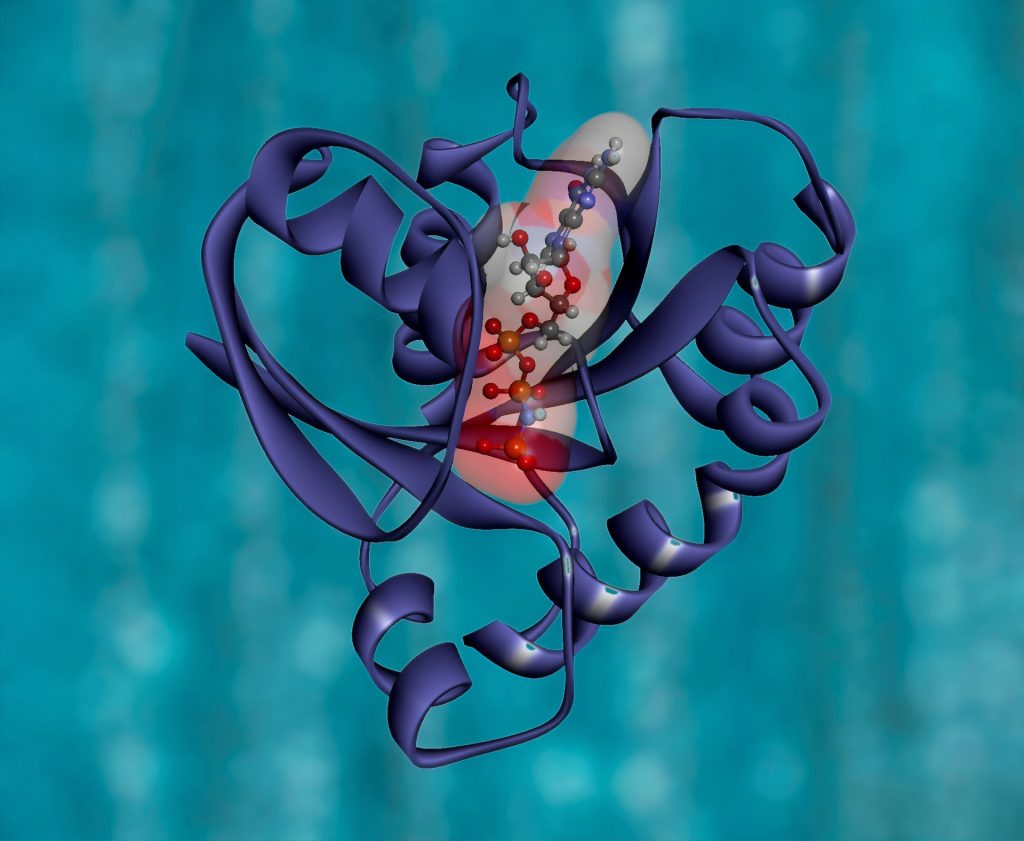
KRAS Protein Structure. RAS is a family of related proteins that is expressed in all animals. KRAS is one of three RAS genes found in humans. RAS genes are mutated in approximately one-third of all human cancers. Photo by National Cancer Institute on Unsplash

Researchers have identified a novel drug that effectively thwarts pancreatic tumours that are addicted to the cancer-causing mutant KRAS gene.

Because early detection of pancreatic cancer is difficult, it has a low survival rate, accounting for just over 3% of all new cancer cases in the US, but leading to nearly 8% of all cancer deaths, according to the National Cancer Institute.

The KRAS gene was recognised more that 25 years ago as the component of Kirsten sarcoma virus responsible for oncogenesis. Since then, mutations of KRAS have been described in a large proportion of solid tumors ranging from more than 90% of pancreatic carcinomas to 20% to 30% of pulmonary adenocarcinomas.

Through a pre-clinical study, Said Sebti, PhD, associate director for basic research at VCU Massey Cancer Center, identified a novel drug that effectively thwarts pancreatic tumors that are addicted to the cancer-causing mutant KRAS gene. 

“We discovered a link between hyperactivation of the CDK protein and mutant KRAS addiction, and we exploited this link preclinically to counter mutant KRAS-driven pancreatic cancer, warranting clinical investigation in patients afflicted with this deadly disease,“ said Dr Sebti, who is also the Lacy Family Chair in Cancer Research at Massey and a professor of pharmacology and toxicology at the VCU School of Medicine. “Our findings are highly significant as they revealed a new avenue to combat an aggressive form of pancreatic cancer with very poor prognosis due mainly to its resistance to conventional therapies.”

In 90 percent of pancreatic cancers, KRAS is mutated. Prior studies have shown that some tumours harbouring mutant KRAS are in fact addicted to the mutant gene, meaning they cannot survive or grow without it. Sebti set out to discover if there is a drug that can specifically kill those tumours with a mutant KRAS addiction.

Searching for a suitable drug

Dr Sebti and colleagues used a three-pronged approach to tackle this question.

First of all, they mapped the blueprint of pancreatic cancer cells through global phosphoproteomics, showing them how the addicted and non-addicted tumours differ at the phosphoprotein level. They found two proteins, CDK1 and CDK2, which signalled which cells were addicted to mutant KRAS.

Additionally, they analysed a comprehensive database from the Broad Institute of MIT and Harvard which contains genome-wide CRISPR gRNA screening datasets. They discovered that CDK1 and CDK2 as well as CDK7 and CDK9 proteins were associated with mutant KRAS-addicted tumors.

Finally, they evaluated 294 FDA drugs to selectively kill mutant KRAS-addicted cancer cells over non-KRAS-addicted cancer cells in the lab. They determined the most effective drug in preclinical experiments was AT7519, an inhibitor of CDK1, CDK2, CDK7 and CDK9.

“Using three entirely different approaches, the same conclusion presented itself clearly to us: pancreatic cancer patients whose tumors are addicted to mutant KRAS could benefit greatly from treatment with the CDK inhibitor AT7519,” Dr Sebti said.

To further validate these findings in fresh tumours taken from pancreatic cancer patients the researchers found that AT7519 suppressed the growth of xenograft cells from five mutant KRAS pancreatic cancer patients who relapsed on chemotherapy and/or radiation therapies.

Though AT7519 had previously been tested unsuccessfully in a number of clinical trials, none of the trials were for pancreatic cancer.

“If our findings are correct and translate in humans, then we should be able to see a positive response in pancreatic cancer patients whose tumors are addicted to mutant KRAS,” Dr Sebti said.

As well as pancreatic cancer, the study authors believe these findings may also have clinical implications for colorectal and non-small cell lung cancer patients with prevalent KRAS mutations.

Source: Virginia Commonwealth University

Journal information: Kazi, A., et al. (2021) Global Phosphoproteomics Reveal CDK Suppression as a Vulnerability to KRas Addiction in Pancreatic Cancer. Clinical Cancer Research. doi.org/10.1158/1078-0432.CCR-20-4781.