Year: 2021

World First in Vivo CRISPR Gene Editing Treatment

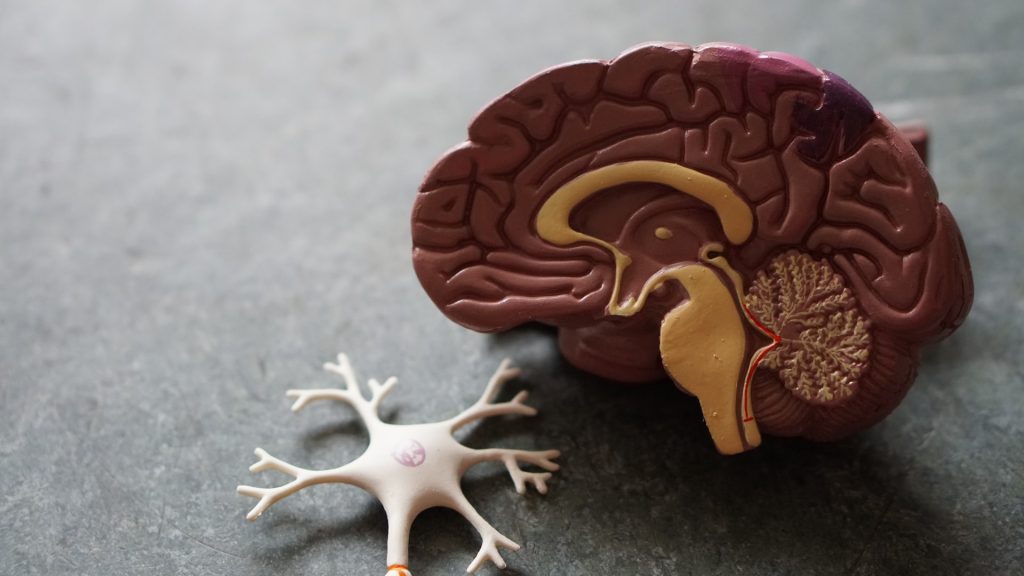
Image by liyuanalison from Pixabay

An intravenous CRISPR gene editing infusion lowered levels of a disease-causing protein in vivo for the first time in humans, according to interim findings from a phase I trial.

Hereditary (ATTR) amyloidosis is a rare, rapidly progressive disease caused by a mutation in the  serum transthyretin (TTR) gene that results in the buildup of misfolded transthyretin and leads to the formation of amyloid deposits in the heart, gastrointestinal tract, and peripheral nerves. Life expectancy is about 3 to 15 years after the onset of neuropathy.
Researchers used the DNA-editing tool CRISPR-Cas9 to inactivate the TTR gene in liver cells to prevent misfolded TTR protein from being produced. The liver produces almost all circulating TTR.

The treatment reduced TTR by 87% in three people with hereditary transthyretin (ATTR) amyloidosis with polyneuropathy. The findings were published in the New England Journal of Medicine.

“This is the first successful demonstration of therapeutic gene editing within patients’ bodies, making it a watershed moment in modern medicine,” noted Kiran Musunuru, MD, PhD, MPH, director of the Genetic and Epigenetic Origins of Disease Program at the University of Pennsylvania in Philadelphia, who was not involved with the study.

“The investigators used lipid nanoparticle technology — the same technology used in COVID mRNA vaccines — to deliver CRISPR into the liver, with the goal of turning down a gene responsible for hereditary ATTR amyloidosis,” Dr Musunuru told MedPage Today.

“What was astonishing about this first-in-human study is not just that the treatment worked, but that it worked extremely well in patients, in one case turning off the disease gene close to 100%. It’s like launching a rocket ship in the hope of just getting into orbit, but making it all the way to the moon on the first try.”

Previously, other studies have removed blood stem cells from people with sickle cell anaemia and beta-thalassemia, editing them using CRISPR, and infusing them back into patients. In a trial of people with inherited blindness, a subretinal injection also has delivered CRISPR treatment.
Towever, the findings of NTLA-2001 represent the “first-ever clinical data suggesting that we can precisely edit target cells within the body to treat genetic disease with a single intravenous infusion of CRISPR,” noted John Leonard, MD, president and CEO of Intellia Therapeutics, which co-sponsored the trial with Regeneron Pharmaceuticals.

“Solving the challenge of targeted delivery of CRISPR-Cas9 to the liver, as we have with NTLA-2001, also unlocks the door to treating a wide array of other genetic diseases with our modular platform, and we intend to move quickly to advance and expand our pipeline,” said Dr Leonard in a statement.

NTLA-2001 is based on the clustered regularly interspaced short palindromic repeats and associated Cas9 endonuclease (CRISPR-Cas9) system. It consists of a lipid nanoparticle encapsulating messenger RNA for Cas9 protein and a single guide RNA targeting TTR.

The ongoing phase I study looked at safety and pharmacodynamic effects of single doses of NTLA-2001 in six patients with hereditary ATTR amyloidosis with polyneuropathy. Half received 0.1 mg/kg, the other received 0.3 mg/kg.
Three patients had a p.T80A mutation, two a p.S97Y mutation, and one a p.H110D mutation. Three patients received no prior therapy; three previously had received diflunisal.

Dose-dependent reductions in serum TTR were seen from treatment with NTLA-2001. At day 28, mean serum TTR levels declined by 52% in the 0.1 mg/kg group and by 87% in the 0.3 mg/kg group. No serious adverse events were recorded.

Two treatments for hereditary ATTR amyloidosis nerve pain won FDA approval in 2018: patisiran (Onpattro), an RNA interference drug, and inotersen (Tegsedi), an RNA-targeting drug that reduces the production of TTR protein.

The NTLA-2001 study could have profound clinical implications, noted Joel Buxbaum, MD, of Scripps Research Institute in La Jolla, California, who was not involved with the study. “If, as the authors surmise, the effect is permanent, and without off-target effects when studied in a much larger patient population, it would be a significant improvement [over] current therapies for this class of disorders, at least with respect to frequency of therapy,” he said.

“However, all that depends on the clinical effect of long-term suppression of hepatic TTR synthesis,” Buxbaum told MedPage Today. “In the published studies of the various currently available ATTR therapeutics, approximately one-third of subjects have little or no clinical response, regardless of the degree of suppression of circulating protein levels, suggesting that while diminishing the supply side for TTR aggregation is likely to be necessary for clinical responsiveness, it may not be sufficient for optimal or profound therapeutic efficacy.”

After phase I studies are complete, the company plans to move forward to pivotal studies for both polyneuropathy and cardiomyopathy manifestations of ATTR amyloidosis.

Source: MedPage Today

Journal information: Gillmore JD, et al “CRISPR-Cas9 in vivo gene editing for transthyretin amyloidosis” N Engl J Med 2021; DOI: 10.1056/NEJMoa2107454.
Upgrade to FFP3 Face Mask Dramatically Cuts Infections

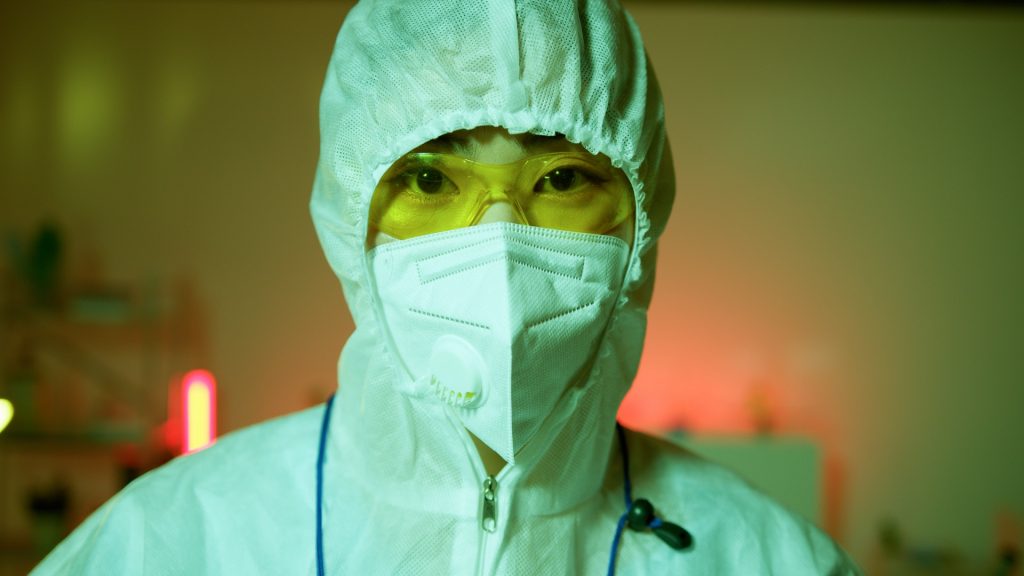
Photo by Artem Podrez from Pexels

Upgrading face masks to filtering face piece (FFP3) respirators for healthcare workers on COVID wards produced a dramatic reduction in hospital acquired SARS-CoV-2 infections, according to a preliminary study published in the BMJ.

For most of 2020, Cambridge University Hospitals NHS Foundation Trust followed national guidance that healthcare workers should use fluid resistant surgical masks as respiratory protective equipment unless aerosol generating procedures (AGPs) were being carried out when FFP3 respirators were advised.

From the pandemic’s outset, the trust has been regularly screening its healthcare workers for SARS-CoV-2 even when asymptomatic. They found that healthcare workers on “red” COVID wards had a greater infection risk than staff on “green” wards, even with protective equipment. So in December 2020 the trust implemented a change in policy so that staff on red wards wore FFP3 masks instead of fluid resistant surgical masks. The FFP3 standard requires that masks filter 99% of all particles measuring up to 0.6 μm.

The study was carried out at Addenbrooke’s Hospital in Cambridge. Before the change in policy, cases among staff were higher on COVID versus non-COVID wards in seven out of eight weeks analysed. Following the change in protective equipment the incidence of infection on the two types of ward was similar. Of 609 positive results over the eight week study period, 169 were included in the study. Healthcare workers who were not ward based or worked between different wards were excluded, as were, non-clinical staff, and staff working in critical care areas.

The researchers developed a simple mathematical model to quantify the risk of infection for healthcare workers. This found that the risk of direct infection from working on a red ward prior to the policy change was 47 times greater than the corresponding risk from working on a green ward. While almost all cases on green wards were likely caused by community-acquired infection, cases on red wards at the beginning the study period were attributed mainly to direct, ward-based exposure.

The model also suggested that the introduction of FFP3 respirators provided 100% protection (confidence interval 31.3%, 100%) protection against direct, ward based covid infection.

Study author Chris Illingworth, from the MRC Biostatistics Unit at the University of Cambridge, said: “Before the face masks were upgraded, the majority of infections among healthcare workers on the COVID wards were likely because of direct exposure to patients with COVID. Once FFP3 respirators were introduced, the number of cases attributed to exposure on COVID wards dropped dramatically—in fact, our model suggests that FFP3 respirators may have cut ward based infection to zero.”

Michael Weekes from the department of medicine at the University of Cambridge added: “Our data suggest there’s an urgent need to look at the PPE offered to healthcare workers on the frontline. Upgrading the equipment so that FFP3 masks are offered to all healthcare workers caring for patients with COVID could reduce the number of infections, keep more hospital staff safe, and remove some of the burden on already stretched healthcare services caused by absence of key staff because of illness.”

Source: The BMJ

Journal information: BMJ 2021;373:n1663

The Emerging Treatment-resistant Fungus Threat

Professor Rodney E. Rohde, a public health and clinical microbiology expert at Texas State University, warned in article for The Conversation of the growing threat of fungal resistance — a problem drawing much less attention than antibiotic resistance. 

 Athlete’s foot, thrush, ringworm and other ailments are caused by fungi, and some are serious risks to health and life. Among these is Candida auris, a pathogenic fungus. Fungi generally have not caused major disease, so there is a lack of funding in this area and there are limited antifungal agents that can treat C. auris.

Most fungal infections around the world are caused by the genus Candida, particularly the species called Candida albicans. But there are others, including Candida auris, which gets its name ‘auris’, Latin for ear, because it was first identified from an external ear canal discharge in 2009.

Candida normally lives on the skin and inside the body, such as in the mouth, throat, gut and vagina, without causing any problems. It exists as a yeast and is thought of as normal flora, harmless microbes. However when the body is immuno-compromised, these fungi become opportunistic pathogens, something happening around the world with multidrug-resistant C. auris.

The threat of Candida auris

C. auris infections, or fungaemia, have been reported in 30 or more countries. They are often found in the blood, urine, sputum, ear discharge, cerebrospinal fluid and soft tissue, and occur in people of all ages. According to the US Centers for Disease Control, the mortality rate in the US has been reported to be between 30% to 60% in many patients who had other serious illnesses. In a 2018 review of research on the global spread of the fungus, researchers estimated mortality rates of 30% to 70% in C. auris outbreaks among critically ill patients in intensive care.

Recent surgery, diabetes and broad-spectrum antibiotic and antifungal use are risk factors. Furthermore, immuno-compromised patients are at greater risk than those with healthy immune systems.

C. auris can be difficult to identify with conventional microbiological culture techniques, which leads to frequent mis-identification and under recognition. This yeast is also known for its tenacity to easily colonise the human body and environment — including medical devices. People in nursing homes and patients with catheters, on ventilation etc seem to be at highest risk.

The CDC has set C. auris infections at an “urgent” threat level because 90% are resistant to at least one antifungal, 30% to two antifungals, and there are some resistant to all three available classes of antifungals. This multidrug resistance has led to outbreaks in health care settings, especially hospitals and nursing homes, that are extremely difficult to control.

The double threat of COVID and C. auris

For hospitalised COVID patients, antimicrobial-resistant infections may be a particularly devastating risk. The mechanical ventilators often used to treat serious COVID are breeding grounds and highways for entry of environmental microbes like C. auris. Further, according to a September 2020 paper, hospitals in India treating COVID have detected C. auris on surfaces including “bed rails, IV poles, beds, air conditioner ducts, windows and hospital floors.” The researchers termed the fungus a “lurking scourge” amid the COVID pandemic. Termed ‘white fungus’, these fungal infections typically arise a week to 10 days after being in the ICU.

The same authors reported in a November 2020 CDC article that of 596 COVID-confirmed patients in a New Delhi ICU from April 2020 to July 2020, 420 patients required mechanical ventilation. Of these, 15 were infected with candidemia fungal disease and eight of those infected (53%) died. Ten of the 15 patients were infected with C. auris; six of them died (60%).

How to deal with this?

With fewer and fewer antifungal options,  CDC is recommending a focus on preventing C. auris infections. This involves better hand hygiene and improving infection prevention and control in medical care settings, judicious and thoughtful use of antimicrobial medications, and stronger regulation limiting the over-the-counter availability of antibiotics.

Source: The Conversation

Journal information: Anuradha Chowdhary et al, The lurking scourge of multidrug resistant Candida auris in times of COVID-19 pandemic, Journal of Global Antimicrobial Resistance (2020). DOI: 10.1016/j.jgar.2020.06.003

Are We Wrong About Amyloid Plaques in Alzheimer’s?

A recent study sheds new light on the disease and the highly debated aducanumab, a new drug recently approved by the FDA that treats the amyloid plaques.

Led by the University of Cincinnati and conducted in collaboration with the Karolinska Institute in Sweden, the study claims that the treatment of Alzheimer’s disease might lie in normalising levels of a brain protein called amyloid-beta peptide. This protein is needed in its original, soluble form to keep the brain healthy, but it sometimes hardens into ‘brain stones’ or clumps, called amyloid plaques.

“It’s not the plaques that are causing impaired cognition,” said senior author Alberto Espay, professor of neurology at UC. “Amyloid plaques are a consequence, not a cause,” of Alzheimer’s disease, stated Prof Espay, who is also a member of the UC Gardner Neuroscience Institute.

Since its discovery, scientists have focused on treatments to eliminate the plaques. But the UC team, he said, viewed it differently: Cognitive impairment could be due to a decline in soluble amyloid-beta peptide instead of the corresponding accumulation of amyloid plaques. 
To test their hypothesis, they analyzed the brain scans and spinal fluid from 600 individuals enrolled in the Alzheimer’s Disease Neuroimaging Initiative study, who all had amyloid plaques. From there, they compared the amount of plaques and levels of the peptide in the individuals with normal cognition to those with cognitive impairment. They found that individuals with high levels of the peptide were cognitively normal, despite the numbers of plaques in their brains.

They also found that higher levels of soluble amyloid-beta peptide were associated with a larger hippocampus, the area of the brain most important for memory.

According to the authors, as we age most people develop amyloid plaques, but few people develop dementia. In fact, by the age of 85, 60% of people will have these plaques, but only 10% develop dementia.

“The key discovery from our analysis is that Alzheimer’s disease symptoms seem dependent on the depletion of the normal protein, which is in a soluble state, instead of when it aggregates into plaques,” said co-author Kariem Ezzat from the Karolinska Institute.

The most relevant future therapeutic approach for the Alzheimer’s program would then be to restore these brain soluble proteins to their normal levels, said Prof Espay.

The research team is now working to test their findings in animal models. If successful, future treatments may be very different from those tried over the last two decades. Treatment, says Espay, may consist of increasing the soluble version of the protein in a manner that keeps the brain healthy while preventing the protein from hardening into plaques.  

Source: University of Cincinnati 

Journal information: Andrea Sturchio et al, High cerebrospinal amyloid-β 42 is associated with normal cognition in individuals with brain amyloidosis, EClinicalMedicine (2021). DOI: 10.1016/j.eclinm.2021.100988

Connective Tissue Protein Has Immune Role

Photo by National Cancer Institute on Unsplash

A new study finds that a connective tissue protein also encourages immune responses that fight bacterial infections, while restraining responses that can be deadly in sepsis.

The study focuses on the extracellular matrix (ECM) of connective tissues, once viewed merely as structural material. It is now increasingly recognised as a signaling partner with nearby cells in normal function, as well as being involved in disease. Fibroblasts are important players in the ECM; these cells make tough structural matrix proteins like collagen. The study was published online June 28 in the Proceedings of the National Academy of Sciences.

The new analysis found that lumican, a protein-sugar combination (proteoglycan) secreted by fibroblasts, and known to partner with collagen in connective tissues, also promotes immune system responses in immune cells called macrophages that fight bacterial infections. The study also found that lumican protects tissues by holding back a different type of immune response that reacts to DNA, whether from an invading virus, or released from cell death.

Such inflammatory responses are a transition into healing, but in sepsis they grow out of control, causing damage to the body’s own tissues. Sepsis affects 48.9 million people worldwide, the authors said, but the ECM’s role the condition is largely unknown.

“Lumican may have a dual protective role in ECM tissues, promoting defense against bacteria on the one hand, and on the other, limiting immune overreactions to DNA that cause self-attack, or autoimmunity,” said corresponding study author Shukti Chakravarti, PhD, professor in the Department of Ophthalmology and the Department of Pathology at NYU Langone Health.

The findings suggest that connective tissue, and extracellular matrix proteins like lumican, usually operate outside of cells, but as disease or damage break down ECM, get sucked into and regulate immune cells homing in on the damage.

Lumican  interacts with two proteins on surfaces of immune cells that control the activity of toll-like receptors, which recognise structural patterns common to molecules made by invading microbes, said the researchers. As they are less specific than other parts of the immune system, toll-like receptors can also cause attacks by immune cells on the body’s own tissues if over-activated.

In this study, the researchers found that lumican promotes the ability of toll-like receptor (TLR)-4 on the surfaces of immune cells to recognise bacterial cell-wall toxins called lipopolysaccharides (LPS). Lumican, by attaching to two proteins, CD14 and Caveolin1, probably using collagen-covered regions, stabilises their interactions with TLR4 to increase its ability to react to LPS. This results in production of the signalling protein TNF alpha, which amplifies immune responses.

Along with describing the effect of lumican on the surfaces of immune cells, the new study finds that lumican is taken up from outside cells into membrane-bound pouches, called endosomes, and pulled into cells. Such compartments deliver ingested bacteria to other endosomes that destroy them, heighten inflammation, or produce protective interferon responses. Once pulled inside, the researchers found, lumican bolstered TLR4 activity by slowing down its passage into lysosomes, pockets where such proteins are broken down and recycled.

However, while it encouraged TLR4 activity on cell surfaces, lumican, once inside immune cells, had the opposite effect on toll-like receptor 9 (TLR9), which reacts to DNA instead of bacterial LPS.

Mice with the lumican gene deleted had trouble both fighting off bacterial infections (less cytokine response, slower clearance, greater weight loss), and trouble restraining the immune overreaction to bacteria (sepsis). Elevated lumican levels were also found in human sepsis patients’ blood plasma, and that human immune cells (blood monocytes) treated with lumican had elevated TLR4 activity but suppressed TLR9 responses.

“As an influencer of both processes, lumican-based peptides could be used as a lever, to tweak inflammation related to TNF-alpha, or endosomal interferon responses, to better resolve inflammation and infections,” suggested George Maiti, PhD, a postdoctoral fellow in Dr Chakravarti’s lab.

“Our results argue for a new role for ECM proteins at sites of injury. Taken up by incoming immune cells it shapes immune responses beyond the cell surface by regulating the movement and interaction of endosomal receptors and signaling partners,” said Dr Chakravarti.

Source: NYU Langone Health

Journal information: George Maiti et al., “Matrix lumican endocytosed by immune cells controls receptor ligand trafficking to promote TLR4 and restrict TLR9 in sepsis,” PNAS (2021). www.pnas.org/cgi/doi/10.1073/pnas.2100999118

Trauma Patients with COVID at Great Risk

Photo by Nate Isaac on Unsplash

The COVID pandemic has placed a great strain on healthcare resources, with a number of indirect impacts ranging from increased incidence of heart attacks to decreased cancer screenings, but also increased the risk of complications and death among trauma patients with COVID. 

The study revealed that the risk of death for COVID-positive patients in trauma centres across the US state of Pennsylvania was six times higher than non-COVID-negative patients with similar injuries. Complication risk in COVID-positive patients was doubled for venous thromboembolism, renal failure, need for intubation, and unplanned ICU admission, and was five times greater for pulmonary complications. In patients over age 65, the risks were even higher. The findings were recently published in The Journal of Trauma and Acute Surgery.  

“COVID had the largest impact on patients whose injuries were relatively minor, and who we would have otherwise expected to do well,” said lead author Elinore Kaufman, MD, MSHP, an assistant professor in the Division of Trauma, Surgical Critical Care and Emergency Surgery at Penn Medicine. “Our findings underscore how important it is for hospitals to consistently test admitted patients, so that providers can be aware of this additional risk and treat patients with extra care and vigilance.”

Researchers conducted a retrospective study of 15 550 patients admitted to Pennsylvania trauma centers from March 21, 2020, (when non-essential businesses statewide were ordered close) to July 31, 2020. Of the 15 550 patients, 8170 were tested for the virus, and 219 tested positive. During this period, the researchers evaluated length of stay, complications, and overall outcomes for patients who tested positive for COVID, compared to patients who did not have the virus. They found that rates of testing increased over time, from 34% in April 2020 to 56% in July. Centres had a great variability in testing, a median of 56.2% of the time with a range of 0 to 96.4%.

“First, we need to investigate how to best care for these high-risk patients, and establish standard protocols to minimise risks,” said senior author Niels D Martin, MD, chief of Surgical Critical Care and an associate professor in the division of Trauma, Surgical Critical Care and Emergency Surgery. “Second, we need more data on the risks associated with patients who present symptoms of COVID, versus those who are asymptomatic, so we can administer proven treatments appropriately and increase the likelihood of survival with minimal complications.”

Source: University of Pennsylvania

‘Far Too Many Oocytes’ Being Extracted in IVF

Photo by MART PRODUCTION from Pexels

A study has suggested that IVF clinics in the UK may be retrieving “far too many oocytes” and that most of them “may never be used and are probably discarded”, a finding that may well represent global practice.

Studies indicate that the optimal and safe number of oocytes needed for achieving an ongoing pregnancy is between six and 15. However, the use of egg freezing (such as to preserve fertility to a later age, known as social egg freezing), frozen embryo replacement (FER) cycles and aggressive stimulation regimes has raised this number in order to boost success rates in older women and in poor responders who produce fewer eggs. What is not known is the impact of numbers of eggs retrieved and of over-stimulation practices on the health of patients, and on their emotional state and finances.

Details of the analysis were presented online at the virtual Annual Meeting of ESHRE by Dr Gulam Bahadur from North Middlesex University Hospital, London.

More than 1.625 million eggs in the UK were retrieved from 147,274 women between 2015 and 2018. Although an average of 11 eggs was collected per patient, 16% of cycles were associated with 16-49 oocytes retrieved (per cycle) and 58 women each had over 50 eggs collected in a single egg retrieval procedure.

“Our observations suggests that the high oocyte number per retrieval procedure needs re-evaluation,” said Dr Bahadur. “In particular, this needs to focus on the side effects, including ovarian hyperstimulation syndrome and procedure-related complications, and on the fate of unused frozen oocytes and the costs associated with freezing them.

“Patients should be advised that it’s better to collect fewer eggs leading to good quality embryos which may go to term and result in a healthy baby.”

This report is based on all UK IVF clinics and relates to non-donor fertility treatment carried out between 2015 and 2018 during which 172 341 fresh oocyte retrieval cycles took place. All outcomes and patterns remained uniform over the four years.

A substantial number (n = 10 148) of cycles did not yield any oocytes. Over half (53%) of all IVF cycles were in the desired egg yield range of 6-15. In addition, a quarter of cycles yielded 1-5 eggs; 14% produced 16-25; and a minority (2%) resulted in 26-49 oocytes. The authors point out that multiple birth rates increase significantly from 6-15 oocytes onwards, which increases the risk of birth complications and low birth weight.

A total of 931 265 embryos resulted from all eggs retrieved – a fertilisation rate of 57%. Of the embryos created, more than one in five (22% or 209,080) were transferred into the uterus, while a slightly higher proportion (24% or 219, 563) were frozen.

The fate of the unfertilised oocytes (43%) is unknown, though they are usually discarded. Most of the embryos not transferred (54%) will likely be discarded after patients have paid for several years of storage.

“This comes with a financial and emotional cost,” said Bahadur. “Patients build an attachment with this frozen material and there’s insufficient counselling to support them. They should be given more information about the implications of freezing eggs and embryos.”

Source: European Society of Human Reproduction and Embryology

Medical Device Warning for Certain Apple Devices

Apple has released a list of its products that it advises should be kept a “safe distance” away from sensitive medical devices such as pacemakers and implanted defibrillators. These products are iPhone 12 models, Apple Watch and MacBook Pro. 

A number of consumer-electronic devices contain components, such as magnets, which are known to interfere with medical devices. A number of other manufacturers, for example Samsung and Huawei, have issued similar guidance for some of their products.

Heart health is a promoted feature of some Apple products; certain Apple Watches can make electrocardiogram tests and display the results to the user, as well as recording the data for later medical examination. A number of studies have shown that Apple watches can detect cardiovascular problems such as atrial fibrillation with a fairly high degree of sensitivity. However, the current notice warns of the risks posed by components in some products.

“Under certain conditions, magnets and electromagnetic fields might interfere with medical devices,” Apple wrote, noting “implanted pacemakers and defibrillators might contain sensors that respond to magnets and radios when in close contact”.

Implanted defibrillators send electrical pulses to regulate abnormal heart rhythms. Apple said the listed products should be kept more than 15cm away from medical devices, double that if they are wirelessly charging.

The support page that listed the devices, had said earlier this month that iPhone 12 models were “not expected to pose a greater risk of magnetic interference to medical devices” than other iPhones.

However, the website MacRumours, which first noted the list, pointed to research suggesting that the iPhone 12 could interfere with implanted devices.

A study published June 2 in the Journal of the American Heart Association found that “Apple’s iPhone 12 Pro Max MagSafe technology can cause magnet interference”, and so had the potential “to inhibit life-saving therapy”.

The researchers acknowledged the study’s small scale as a limitation, though in a press release lead investigator Dr Michael Wu wrote that they were surprised by the strength of the magnets in the iPhone 12.

“In general, a magnet can change a pacemaker’s timing or deactivate a defibrillator’s life-saving functions, and this research indicates the urgency for everyone to be aware that electronic devices with magnets can interfere with cardiac implantable electronic devices.”

However Marie Moe, a computer security consultant for Mnemonic, told the BBC she was not worried.

“These Apple gadgets are generally not emitting large magnetic fields, unlike heavy machinery, big concert speakers or welding equipment that anyone with a pacemaker should be more concerned about getting in close proximity to,” she said. She is a pacemaker user herself and studies their use.

Ms Moe added that magnets as strong as those in the iPhone 12 could only put the pacemaker into “a kind of safety mode where the pacing is constant”, which would revert back once the device was removed.

Jo Whitmore, senior cardiac nurse at the British Heart Foundation, agreed that devices kept at a safe distance were not cause for concern. “It’s perfectly OK to use a smartphone when you have a pacemaker, and they’re designed to return to normal settings once the magnet is moved away,” she said.

She added that patients should check the device instructions or talk to the manufacturer if they are concerned, and they could also contact their doctor or pacing clinic.

Source: BBC News

Chemical Fingerprints Improve Stem Cell Production

Photo by Louis Reed on Unsplash

Researchers in Japan have developed a new, noninvasive way to monitor the tricky art of stem cell production.

The current era of ethical stem cell research was ushered in by the 2012 Nobel prize-winning discovery that ordinary cells could be coaxed to revert to their earliest pluripotent stage ushered in. Suddenly, scientists could have an ethical, near-inexhaustible supply of pluripotent stem cells — the most versatile of stem cells — that can become any type of cell much like how embryonic stem cells function.

These reprogrammed cells called induced pluripotent stem cells (or iPS cells) hold great promise for regenerative medicine, where they can be used to develop tissue or organ replacement-based treatments for life-threatening diseases.

One key challenge is that it is a lengthy and delicate process to artificially induce ordinary cells to reset back to pluripotency. Obtaining iPS cells therefore is a matter of chance. However, knowing all they can about the complex chemical changes happening inside during reprogramming can help scientists increase the chances of successfully obtaining viable iPS cells for clinical applications. Current methods that track reprogramming status, however, use destructive and costly techniques.

A study led by Dr Tomonobu Watanabe, professor at Hiroshima University’s Research Institute for Radiation Biology and Medicine, showed that Raman spectroscopy could be a low-cost, simpler, and non-intrusive technique to monitor the cell’s internal environment as it transitions.

Dr Watanabe explained: “The quality evaluation and sorting of existing cells have been carried out by investigating the presence or absence of expression of surface marker genes. However, since this method requires a fluorescent antibody, it is expensive and causes a problem of bringing the antibody into the cells.”

He added that the “solution of these problems can accelerate the spread of safe and low-cost regenerative medicine using artificial tissues. Through our method, we provide a technique for evaluating and sorting the quality of iPS cells inexpensively and safely, based on scattering spectroscopy.”

Raman spectroscopy is an alternative to invasive approaches that require dyes or labels to extract biochemical information. It instead makes use of vibration signatures produced when light beams interact with chemical bonds in the cell. Since each chemical has its own distinct vibration frequency, scientists can use it to identify the cell’s molecular makeup.

The team used this spectroscopic technique to get the “chemical fingerprints” of mouse embryonic stem cells, the neuronal cells they specialised into, and the iPS cells formed from those neuronal cells. These data were then used to train an AI model to can track the reprogramming is progressing, and verify iPS cell quality by checking for a “fingerprint” match with the embryonic stem cell.

To measure the progress, they assigned the “chemical fingerprint” of neuronal cells as the transformation starting point and the embryonic stem cell’s patterns as the desired end goal. Along the axis, they used “fingerprint” samples collected on days 5, 10, and 20 of the neuronal cells’ reprogramming as reference points on how the process is advancing.

“The Raman scattering spectrum contains comprehensive information on molecular vibrations, and the amount of information may be sufficient to define cells. If so, unlike gene profiling, it allows for a more expressive definition of cell function,” Dr Watanabe said.

“We aim to study stem cells from a different perspective than traditional life sciences.”

Source: Hiroshima University

Journal information: Germond, A., et al. (2020) Following Embryonic Stem Cells, Their Differentiated Progeny, and Cell-State Changes During iPS Reprogramming by Raman Spectroscopy. Analytical Chemistry doi.org/10.1021/acs.analchem.0c01800.

Breakthrough AI Development for Premature Baby Care

Photo by Hush Naidoo on Unsplash

Researchers believe they have made a breakthrough in the science of keeping premature babies alive.

As part of her PhD work, James Cook University engineering lecturer Stephanie Baker led a pilot study that used a hybrid neural network to accurately predict how much risk individual premature babies face. This study was published in the journal Computers in Biology and Medicine.

Complications resulting from premature birth are the leading cause of death in children under five and over 50% of neonatal deaths occur in preterm infants, she said. In 2005, 12.9 million births, or 9.6% of all births worldwide, were preterm.

“Preterm birth rates are increasing almost everywhere. In neonatal intensive care units, assessment of mortality risk assists in making difficult decisions regarding which treatments should be used and if and when treatments are working effectively,” said Ms Baker.

To better guide their care, preterm babies are often given a score that indicates the risk they face.

“But there are several limitations of this system. Generating the score requires complex manual measurements, extensive laboratory results, and the listing of maternal characteristics and existing conditions,” noted Ms Baker.

She said the alternative was to measure variables that do not change (eg, birthweight) that prevents recalculation of the infant’s risk on an ongoing basis and does not show their response to treatment.

“An ideal scheme would be one that uses fundamental demographics and routinely measured vital signs to provide continuous assessment. This would allow for assessment of changing risk without placing unreasonable additional burden on healthcare staff,” said Ms Baker.

She said the JCU team’s research had culminated in the Neonatal Artificial Intelligence Mortality Score (NAIMS), a hybrid neural network that relies on simple demographics and trends in heart and respiratory rate to determine mortality risk.

“Using data generated over a 12 hour period, NAIMS showed strong performance in predicting an infant’s risk of mortality within 3, 7, or 14 days.

“This is the first work we’re aware of that uses only easy-to-record demographics and respiratory rate and heart rate data to produce an accurate prediction of immediate mortality risk,” said Ms Baker.

According to Ms Baker, the technique was fast with no invasive procedures or knowledge of medical histories needed.

“Due to the simplicity and high performance of our proposed scheme, NAIMS could easily be continuously and automatically recalculated, enabling analysis of a baby’s responsiveness to treatment and other health trends,” said Ms Baker.

She said NAIMS had proved accurate when tested against hospital mortality records of preterm babies and had the added advantage over existing schemes of being able to perform a risk assessment based on any 12 hour period of data gathered during the patient’s stay.

Ms Baker said the next step in the process was partnering with local hospitals to gather more data and undertake further testing.

“Additionally, we aim to conduct research into the prediction of other outcomes in neo-natal intensive care, such as the onset of sepsis and patient length of stay,” said Ms Baker.

Source: James Cook University

Journal information: Baker, S., et al. (2021) Hybridized neural networks for non-invasive and continuous mortality risk assessment in neonates. Computers in Biology and Medicine. doi.org/10.1016/j.compbiomed.2021.104521.