Year: 2021

Metabolism Through Life Varies in Unexpected Ways

Photo by Johnny Cohen on Unsplash

A new study published in Science suggests that falls in metabolism occur much later in life, with a peak at a much younger age than anticipated.

“There are lots of physiological changes that come with growing up and getting older,” said study co-author Herman Pontzer, associate professor of evolutionary anthropology at Duke University. “Think puberty, menopause, other phases of life. What’s weird is that the timing of our ‘metabolic life stages’ doesn’t seem to match those typical milestones.”

Together with an international team of scientists, Prof Pontzer analysed the average energy expenditure of more than 6,600 people ranging from one week old to age 95 as they went about their daily lives in 29 countries.

Previously, most large-scale studies measured how much energy the body uses to perform basic vital functions. But that amounts to only 50% to 70% of the calories we burn each day. It doesn’t take into account the energy we spend doing everything else.

To come up with a number for total daily energy expenditure, the researchers relied on the “doubly labeled water” method, a urine test that involves having a person drink water with isotopes of hydrogen and oxygen and measuring how quickly these were flushed. This gold standard technique for measuring energy expenditure in humans outside the lab since the 1980s, but studies have been limited in size and scope due to cost. To overcome this, multiple labs pooled their data.

The research into energy expenditures revealed some surprises: compared to body weight, infants had the highest metabolic rates of all, rather than people in their teens or 20s as might be expected.

Energy needs shoot up during the first 12 months of life, and by their first birthday, a one-year-old burns calories 50% faster for their body size than an adult.

This comes from more than just tripling their birth weight in the first year. “Of course they’re growing, but even once you control for that, their energy expenditures are rocketing up higher than you’d expect for their body size and composition,” said Pontzer, author of the book, “Burn,” on the science of metabolism. “Something is happening inside a baby’s cells to make them more active, and we don’t know what those processes are yet,” Pontzer said.

After this initial surge in infancy, the data show that metabolism slows by about 3% each year until we reach our 20s, when it stabilises.

Teenagers, despite their growth spurt, did not result in an uptick in energy intake once weight was accounted for. “We really thought puberty would be different and it’s not,” Pontzer said.

Midlife was another surprise, with a thickening waistline from the 30s often ascribed to a changing metabolism, but the results show other factors are responsible.

In fact, the researchers discovered that energy expenditures from the 20s to 50s were the most stable. Even during pregnancy, a woman’s calorie needs were no more or less than expected given her added bulk as the baby grows. Metabolism only declines after age 60, and only by 0.7% a year. A person in their 90s needs 26% fewer calories than one in midlife.

Lost muscle mass explains part but not all of the picture. “We controlled for muscle mass,” Pontzer said. “It’s because their cells are slowing down.”

The patterns held even when differing activity levels were taken into account.

Energy expenditure changes have been difficult to analyse because so much else is going on, Prof Pontzer said. But the research supports the idea that it’s more than age-related changes in lifestyle or body composition.

“All of this points to the conclusion that tissue metabolism, the work that the cells are doing, is changing over the course of the lifespan in ways we haven’t fully appreciated before,” Prof Pontzer said. “You really need a big data set like this to get at those questions.”

Source: Duke University

The Promise of Plant-based Vaccines

Photo by Bill Oxford on Unsplash

Recent advances in the development and testing of plant-made vaccines has rekindled interest in plant-produced pharmaceuticals, including edible drugs, for human use. Technology and manufacturing advances could boost the uptake of such therapeutics, wrote Hugues Fausther-Bovendo and Gary Kobinger in an article published in Science

Currently, therapeutic proteins such as antibodies, hormones, cytokines, and proteins in vaccines are mostly produced in bacteria or eukaryotic systems, including chicken eggs and mammalian or insect cell cultures. In 1986, scientists proposed the use of plants for the production of these proteins in what is termed ‘molecular farming’. Such a production process can be less costly and produce fewer contaminants. 

Thus far, just one therapeutic protein derived from plants for human use has been approved (in 2012, for Gaucher disease). More recently in 2019, a plant-produced influenza virus vaccine completed phase III clinical trials with promising results, and phase III trials for a plant-made vaccine COVID vaccine started in early 2021. Plant-produced proteins have a number of advantages for vaccine development, according to Fausther-Bovendo and Kobinger, in particular the strong immune response the plant components of virus-like particles in vaccines can generate, which may reduce the need for adjuvants. 

Also interesting to consider are oral, plant-made therapeutics, said Fausther-Bovendo and Kobinger. Possibly needing minimal processing, they could avoid expensive, lengthy manufacturing. 

Edible vaccines – still predominantly in the preclinical stage of development – are also currently under development, the authors note. Compared to the proof-of-concept edible vaccines first tested decades ago, which generated weak immune responses, newly developed edible plant-made vaccines are now capable of provoking stronger immune responses, thanks to improved technology. 

Because doses for therapeutics are much higher than for vaccines, investment in manufacturing infrastructure must increase to achieve large-scale manufacturing of plant therapeutic products, Fausther-Bovendo and Kobinger said.

Source: EurekAlert!

Only 10% of Children Completely ‘Outgrow’ ADHD

Photo by Scott Webb on Unsplash

In contrast to popular belief, most children diagnosed with attention deficit hyperactive disorder (ADHD) do not in fact outgrow the disorder according to a new study in the American Journal of Psychiatry. Instead, it manifests itself in adulthood in different ways over a lifetime, increasing and decreasing.

“It’s important for people diagnosed with ADHD to understand that it’s normal to have times in your life where things maybe more unmanageable and other times when things feel more under control,” said lead researcher Margaret Sibley, associate professor of psychiatry and behavioral sciences at the University of Washington School of Medicine and a researcher at Seattle Children’s Research Institute.

Decades of research characterise ADHD as a neurobiological disorder typically first detected in childhood that persists into adulthood in approximately 50% of cases, but this study found that only 10% of children completely outgrow it.

“Although intermittent periods of remission can be expected in most cases, 90% of children with ADHD in the Multimodal Treatment Study of ADHD continued to experience residual symptoms into young adulthood,” they wrote.

ADHD is characterised by two main clusters of symptoms: inattentive symptoms which look like disorganisation and forgetfulness, and also the hyperactive, impulsive symptoms. In children, those symptoms look like having a lot of energy, such as running around and climbing on things. In adults, it manifests more as verbal impulsivity, difficulty with decision-making, and not thinking before acting. The disorder affects people differently and looks different depending on the phase of life.

Some people with ADHD also report a unique ability to hyper-focus, as in some Olympic athletes. While many people may experience symptoms similar to ADHD, it is estimated the disorder roughly affects 5% to 10% of the population, said Sibley.

This study followed a group of 558 children with ADHD from 8-years old to 25 years-old. Every two years, the cohort had assessments to determine whether they had symptoms of ADHD. Family members and teachers were also asked about their symptoms.

According to Prof Sibley, the belief that 50% of children outgrow ADHD was first put forward in the mid-1990s. Most studies, she said, only re-connected once when the kids reached adulthood and weren’t able to see if the ADHD had really gone away.

Coping with ADHD
Researchers have yet to find what causes ADHD to flare. Prof Sibley said it could be stress, the wrong environment, and not having a healthy lifestyle of proper sleep, healthy eating, and regular exercise. Also, if a person is not taking the time to manage symptoms and really understand what works best for them, then the symptoms are probably going to get more out of control, she said.

The two main treatments for ADHD are medication and therapy, though people can pursue their own healthy coping skills as well, said Prof Sibley.

Researchers found that most people who technically no longer meet criteria for ADHD in adulthood still retained traces though they were coping well.

“The key is finding a job or a life passion that ADHD does not interfere with,” Prof Sibley said. “You are going to see a lot of creative people have ADHD because they’re able to be successful in their creative endeavors despite having ADHD, whereas people who might be required to do very detail-oriented work at a computer all day—that could be a really hard combination for a person with ADHD.”

Prof Sibley said the time to seek professional help is when the symptoms cause problems in life, including not performing at one’s best, interpersonal problems, and inability to complete basic daily tasks.

Source: Medical Xpress

New Test Makes Prostate Cancer Screening More Affordable

Photo by mari lezhava on Unsplash

Researchers have found that, coupled with MRI, the novel Stockholm3 blood test, could greatly cut overdiagnoses and thereby improve prostate cancer screening. The same research group previously showed that Magnetic resonance imaging (MRI) could also reduce overdiagnoses, and the Stockholm3 test can reduce the number of MRIs performed by a third while further preventing the detection of minor, low-risk tumours.

The research group published the findings of their study in The Lancet Oncology,

“Overall, our studies show that we have identified the tools needed to be able to carry out effective and safe screening for prostate cancer. After many years of debate and research, it feels fantastic to be able to present knowledge that can improve healthcare for men,” said Tobias Nordström, associate professor of urology at the Department of Clinical Sciences, Danderyd Hospital at Karolinska Institutet, who is responsible for the STHLM3MRI study.

The disease is currently screened for by using PSA (prostate-specific antigen) tests combined with traditional biopsies, result in unnecessary biopsies and overdiagnosis from detection of numerous minor, low-risk tumours. As a result of these costs outweighing benefits, no country save Lithuania has implemented nationwide screening programmes.

Results from the STHLM3MRI study published in NEJM indicated that overdiagnosis could be reduced by substituting traditional prostate biopsies with magnetic resonance imaging (MRI) and targeted biopsies. The new results, now published in y, show that the addition of the Stockholm3 test, which was developed by researchers at Karolinska Institutet, can be an important complement. It is a blood test that uses an algorithm to analyse a combination of protein markers, genetic markers and clinical data.

Fewer biopsies needed
“The availability of MRI in healthcare will be a limiting factor. We now show that a novel blood test as adjunct to MRI can reduce the number of MRIs performed by a third. Compared with traditional screening, overdiagnosis is reduced by as much as 69 percent. At the same time, the number of biopsies is halved, while we can find just as many clinically significant tumours,” said Martin Eklund, associate professor at the Department of Medical Epidemiology and Biostatistics, Karolinska Institutet.

In the STHLM3MRI study, 12 750 male participants provided an initial blood sample for PSA analysis and analysis using the new Stockholm3 test. Men with test results showing elevated PSA levels were then randomly selected for traditional biopsies or MRI. In the MRI group, biopsies were conducted strictly on suspected tumours identified by MRI.

“Separate use of the Stockholm3 test and MRI has previously been shown to be cost-effective. We have now analysed the cost-effectiveness when these tools are combined and will shortly report exciting results from that analysis,” Tobias Nordström concluded.

Source: Karolinska Institute

Tiny Generators Tap Body Motion for Medical Applications

Researchers have created biocompatible generators which harvest body motion to produce electrical impulses for medical applications such as wound healing.

Piezoelectric materials such as ceramics and crystals can generate an electrical charge when mechanically stressed, and are used in many devices such as ultrasound transducers, vibration sensors, and cell phones. In medicine, electrostimulation using piezoelectric devices has been shown to be beneficial for accelerating wound and bone fracture healing, maintaining muscle tone in stroke victims, and chronic pain reduction. However, lack of biocompatibility has stalled progress in the field.

Now bioengineers at the University of Wisconsin’s Department of Materials Science and Engineering, led by Professor Xudong Wang, have developed implantable piezoelectric therapeutic devices. These thin, flexible devices make use of the piezoelectric properties of non-rigid, nontoxic biological materials such as silk, collagen, and amino acids.
The team came up with a method for self-assembly of small patch-like constructs that use the amino acid lysine as the piezoelectric generator. The self-assembly process incorporates a biocompatible polymer shell that surrounds the lysine as the polymer/lysine solution evaporates. Chemical interactions between the inner layer of lysine and the polymer coating orient the lysine into the crystal structure necessary for it to produce electric current when flexed.

“This work is an outstanding example of using the chemical properties of the materials to create a self-assembling product,” explained David Rampulla, director of the Division of Discovery Science and Technology at the National Institute of Biomedical Imaging and Bioengineering. “The process used is rapid and inexpensive, making production of such wafers for therapeutic applications feasible. That the wafers are biodegradable opens the possibility for creating electrotherapies that could be used to accelerate healing of an injured bone or muscle, for example, and then degrade and disappear from the body.”

In one of a number of tests, wafers were placed in the leg and chest of rats, movements of which compressed the piezoelectric wafers enough to create an electrical output. Blood tests performed after the transplanted wafer dissolved showed normal levels of blood cells and other metabolites, indicating no harmful effects from the dissolved device.

Prof Wang emphasises the simplicity of the elegant work. “We believe the technology opens a vast array of possibilities including real-time sensing, accelerated healing of wounds and other types of injuries, and electrical stimulation to treat pain and other neurological disorders. Importantly, our rapid self-assembling technology dramatically reduces the cost of such devices, which has the potential to greatly expand the use of this very promising form of medical intervention.”

The results were reported in the journal Science.

Source: Medical Xpress

Cervical Cancer Rates Falling Worldwide

Photo by Becca Tapert on Unsplash

Cervical cancer incidence and mortality rates are holding steady or falling in most countries across the globe, according to a new analysis. Each country’s socioeconomic development level, cervical cancer screening use, and human papillomavirus (HPV) vaccination rates affect the rates. The findings are published online in CANCER.

Cervical cancer can be potentially prevented through screening for and treatment of precancerous lesions and through HPV vaccination. A team led by Mingjuan Jin, PhD, of the Zhejiang University School of Medicine in China, examined information on 31 countries released by the International Agency for Research on Cancer.

The analysis found that cervical cancer incidence and mortality rates were lower in more socioeconomically developed countries. Also, both past and predicted trends appear to be stable or decreasing in most countries, especially in those with effective cervical cancer screening and HPV vaccination programs.

Over the past decade, 12 countries had stable cervical cancer incidence rates, while rates fell in 14 and rose in five. Twelve countries had stable mortality rates from cervical cancer, with falling rates in 18 and only one had an increased rate.

The researchers predicted that for 27 countries, most are expected to have stable or decreasing trends over the next 15 years. Ten of the 27 countries are predicted to have stable incidence rates, nine to have decreasing rates, and eight to have increasing rates. Mortality rates are predicted to be stable in 16, decreasing in 10 and one to have an increasing rate.

“Effective cervical cancer screening programs and HPV vaccination should be further popularized to increase their coverage and ultimately decrease cervical cancer’s short-, mid-, and long-term burden,” said Dr Jin.

Source: Wiley Online

Joint Statement Says Prior Radiation Should not Affect Decisions to Image

Photo by National Cancer Institute on Unsplash

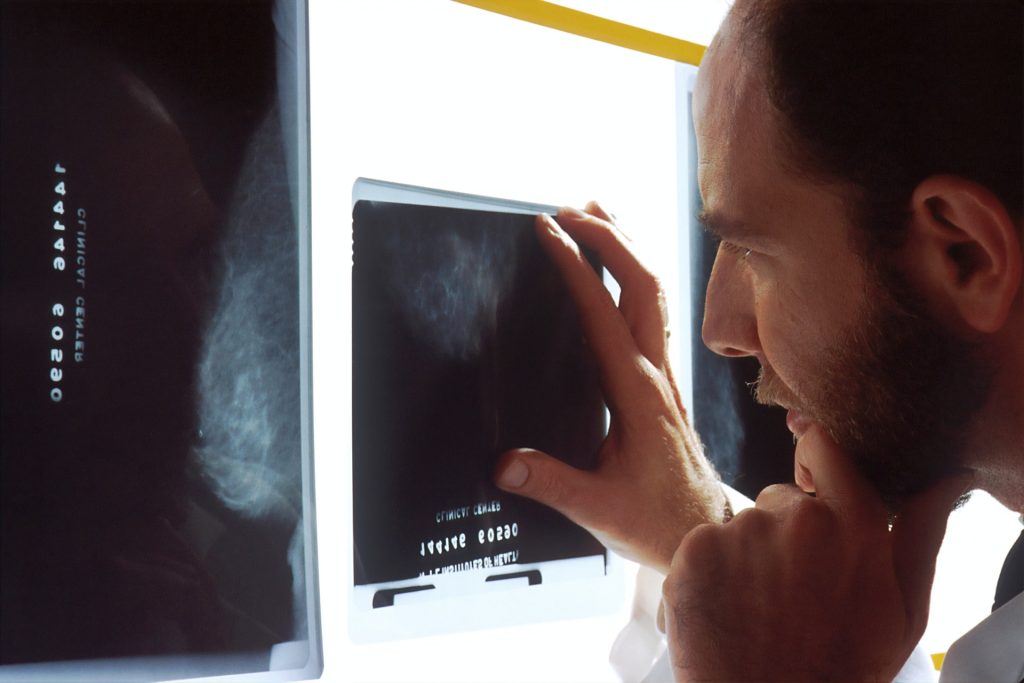
Previous radiation exposure should not be considered when assessing the clinical benefit of radiological exams, according to a statement by three scientific groups representing medical physicists, radiologists, and health physicists.

Medical radiation exposure is a hot topic. People receive average annual background radiation levels of around 3 mSv; exposure from a chest X-ray is about 0.1 mSv, and exposure from a whole-body CT scan is about 10 mSv. The annual radiation limit for nuclear workers is 20mSv.

The American Association of Physicists in Medicine, along with the American College of Radiology and the Health Physics Society, issued a joint statement opposing cumulative radiation dose limits for patient imaging, saying that there could be negative impacts on patient care. The statement opposes the position taken by several organisations and recently published papers.

“It is the position of the American Association of Physicists in Medicine (AAPM), the American College of Radiology (ACR), and the Health Physics Society (HPS) that the decision to perform a medical imaging exam should be based on clinical grounds, including the information available from prior imaging results, and not on the dose from prior imaging-related radiation exposures,” the statement reads.

“AAPM has long advised, as recommended by the International Commission on Radiological Protection (ICRP), that justification of potential patient benefit and subsequent optimization of medical imaging exposures are the most appropriate actions to take to protect patients from unnecessary medical exposures. This is consistent with the foundational principles of radiation protection in medicine, namely that patient radiation dose limits are inappropriate for medical imaging exposures.

“Therefore, the AAPM recommends against using dose values, including effective dose, from a patient’s prior imaging exams for the purposes of medical decision-making. Using quantities such as cumulative effective dose may, unintentionally or by institutional or regulatory policy, negatively impact medical decisions and patient care.

“This position statement applies to the use of metrics to longitudinally track a patient’s dose from medical radiation exposures and infer potential stochastic risk from them. It does not apply to the use of organ-specific doses for purposes of evaluating the onset of deterministic effects (e.g., absorbed dose to the eye lens or skin) or performing epidemiological research.”

The Radiological Society of North America also endorses the position.

The AAPM emphasises the importance of patient safety in their position. Radiation usage must be both justified and optimised and benefits should outweigh the risks.

“This statement is an important reminder that patients may receive substantial clinical benefit from imaging exams,” said James Dobbins, AAPM President. “While we want to see prudent use of radiation in medical imaging, and many of our scientific members are working on means of reducing overall patient radiation dose, we believe it is an important matter of patient safety and clinical care that decisions on the use of imaging exams be made solely on the presenting clinical need and not on prior radiation dose.

“AAPM is pleased to partner with our fellow societies—the American College of Radiology and the Health Physics Society—to bring a broadly shared perspective on the important issue of whether previous patient radiation exposure should play a role in future medical decision making.”

The AAPM cites the International Commission on Radiological Protection, which stresses that setting radiation exposure limits to patients is not appropriate. This is partly due to a lack of standardised dose estimates.

The position only addresses stochastic risks from radiation exposure, which are chance effects whose risk for a given imaging exam, like cancer,is unrelated to the amount of prior radiation. Deterministic effects, incremental, direct exposure responses, such as skin damage, result from different biological mechanisms and are not included.

The AAPM compiled a list of answers to frequently asked questions on the topic of medical radiation safety along with references to research papers which support the organisation’s position.

Source: News-Medical.Net

Red Blood Cell Abnormalities May Trigger Lupus

Credit: CC0

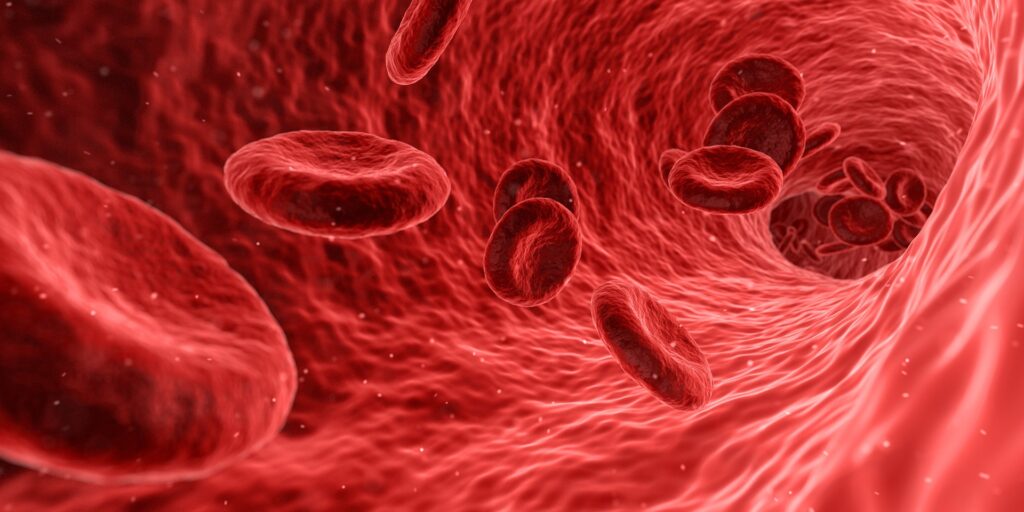
A new study revealed that lupus may be triggered by a defective process in the development of red blood cells (RBCs) which leaves mitochondria remnants. The study was published in Cell.

The researchers found that in a number of lupus patients, maturing red blood cells fail to get rid of their mitochondria, which are normally excluded from red blood cells. This abnormal retention of mitochondria can trigger the cascade of immune hyperactivity characteristic of this disease.

“Our findings support that red blood cells can play a really important role in driving inflammation in a subgroup of lupus patients. So this adds a new piece to the lupus puzzle, and could now open the door to new possibilities for therapeutic interventions,” said the study’s senior author, Dr Virginia Pascual, the Drukier Director of the Gale and Ira Drukier Institute for Children’s Health and the Ronay Menschel Professor of Pediatrics at Weill Cornell Medicine

Lupus is a chronic disorder with no cure that features intermittent and sometimes debilitating attacks by the immune system on the body’s own healthy tissues, including skin, joints, hair follicles, heart and kidneys. A common underlying factor in lupus is the abnormally elevated production of immune-activating proteins called type I interferons. Treatments aim to suppress immune activity, including interferon-driven inflammation.

Previous research found defective mitochondria in the immune cells of lupus patients. In the current study, the researchers focussed on red blood cells, which should lack mitochondria. Many lupus patients had red blood cells with detectable levels of mitochondria, and more common in patients with worse symptoms. By contrast, healthy controls had no mitochondria-containing red blood cells.

Lead author of the study, Dr. Simone Caielli, assistant professor of immunology research at the Drukier Institute and the Department of Pediatrics at Weill Cornell Medicine, then studied how human red blood cells normally get rid of mitochondria as they mature, as prior studies had mainly examined this in mice, and why this process could be defective in lupus patients.

Subsequent experiments showed these abnormal red blood cells cause inflammation. Normally, when red blood cells age or display signs of damage they are removed by macrophages, with binding antibodies helping removal. When the macrophages ingest them, the mitochondrial DNA in the red blood cells triggers a powerful inflammatory pathway called the cGAS/STING pathway, in turn driving type I interferon production. These findings show that “those lupus patients with mitochondria-containing red blood cells and evidence of circulating anti-RBC antibodies had higher interferon signatures compared to those who didn’t,” Dr Caielli said.

The researchers are now investigating how the mitochondria is retained in these cells. Identifying lupus patients with these cells could help predict when they are likely to undergo lupus flares and to develop therapies.

Source: Weill Cornell Medicine

Are There Different Symptoms for the Delta Variant?

Photo by Brittany Colette on Unsplash

MedPage Today investigates whether, according to some reports, there is in fact a difference in Delta symptoms compared to earlier variants.

Though hard data are lacking, ZOE study leader Tim Spector, MB, MSc, MD, of King’s College London, said his app’s data suggests the disease is “acting different now. It’s more like a bad cold in this younger population.”

Headache, followed by sore throat, runny nose, and fever were now the most common reported symptoms.

“All those are not the old classic symptoms,” Dr Spector said, adding that cough dropped to fifth place, and “we don’t even see loss of smell coming into the top 10 anymore. This variant seems to be working slightly differently.”

Dr Spector’s data however is only preliminary and comes from self-reports, and has not even been peer reviewed or published. However, other experts also have noticed a change in reported COVID symptoms.

One of those who has heard reports but is cautious about their interpretation is David Kimberlin, MD, a paediatric infectious diseases expert at the University of Alabama at Birmingham.

“I don’t think with what we know right now that we can conclude [Delta] is much different in terms of symptoms,” Dr Kimberlin told MedPage Today. “There have been some reports that it causes more cold-like illness, but so did the original COVID. I think we’ll know more over the next couple of months as we have the opportunity to realise the data.”

Purvi Parikh, MD, of NYU Langone in New York City and a spokesperson for the American College of Allergy, Asthma & Immunology, has also heard of COVID being mistaken for allergies, but allergies do not come with high fever, nausea, vomiting, or diarrhoea.

Other symptoms unlikely in allergy include myalgia and chills, said Alan Goldsobel, MD, of Allergy & Asthma Associates of Northern California, who is also a professor at Stanford University. Allergy indicators include the time of year (for those with seasonal allergy), as well as itching, he added.

Distinguishing COVID from common cold symptoms could be harder, Drs Parikh and Goldsobel noted.

“If you aren’t sure, I do recommend COVID testing,” Dr Parikh said.

Source: MedPage Today

Attaining Herd Immunity for COVID Now Unlikely

Image by Quicknews

In an article published in the South African Medical Journal, Shabir Madhi, Professor of Vaccinology at Wits, argues that COVID variants have made the initial goal of attaining herd immunity no longer feasible, even for well-resourced countries. However, vaccine protection against severe COVID seems a more realistic path to normalcy.

In low and middle income countries (LMICs), the official COVID case estimates are likely grossly underestimated, Prof Madhi writes, due to a lack of testing coverage. Even in South Africa, the true number of COVID cases is likely in the region of 10 times the 2.39 million recorded through testing. The true number of COVID-related deaths in India is also estimated as 3.4–3.9 million, again 10 times the official count, and in South Africa it is likely three times the official  figure of 70 388 in July 2021.

While New Zealand researchers have suggested that COVID eradication is feasible, it is likely a very long term goal if at all attainable. The herd immunity goal can be considered with the equation (p1 = 1 – 1/R0), where p1 is the proportion of immune individuals who will also no longer transmit the virus, and R0 is the reproduction rate, ie the number of susceptible individuals a single infected person can further infect. However, this ignores key aspects of the virus.

The problem is that the proportion of people that would need to be immunised to achieve herd immunity was initially calculated at 67%, based on an assumed R0 of 3, derived from the Wuhan strain’s R0 of 2.5 to 4. However, the Delta variant has an R0 of 6, meaning that to reach herd immunity, 84% of the population would need to be vaccinated. In South Africa, this would be 100% of the population aged over 12.

The emergence of SARS-CoV-2 variants, especially the Beta variant with the E484K mutation, showed that existing vaccine protection, including the Pfizer variant, can be degraded to an extent.

Studies have strongly suggested that neutralising and antibody titers are associated with mild to moderate COVID protection, while protection from severe COVID may be mediated by T-cell immunity.

Real world data showed that in Israel, with a world best immunisation of 61.6% using the Pfizer vaccine which produces the greatest antibody response, herd immunity appeared to be successful until an outbreak of the more transmissible Delta variant combined with waning vaccine effectiveness. 

However, in the UK, excess death data showed that, even with a resurgence of cases caused by the Delta variant, there was a significant decoupling of deaths from cases. This points to the effectiveness of vaccines in preventing severe illness, as opposed to reaching herd immunity.

Vaccine rollouts have therefore not interrupted COVID transmission. Prof Madhi concludes that, based on an estimated R0 of 6 for the Delta variant, “it is unlikely that any country could have a sustainable strategy for durable high level of protection against infection by the delta variant. Mutations of the SARS-CoV-2 genome are likely to continue resulting in enhanced transmissibility, infectiousness and resistance to neutralising activity.”

He observes that the “UK approach seemingly concedes that the goal of herd immunity, even in a highly resourced setting, is unattainable.”

He adds that aspiring to reach herd immunity by wealthy countries comes at the cost of exacerbating vaccine inequality, which he says “is immoral.”
Antibody dynamics modelling suggests that a booster would be required every 2–3 years to protect against severe COVID, and every 6–9 months to protect against moderate disease. This is a challenging goal, and likely unattainable for most LMICs, especially given the slow rate of vaccination in those settings.

Source: South African Medical Journal