

Month: April 2021

Most Glucose Consumption in Non-cancer Cells, Upending Century-old View

A study has found that cancer cells are not the main consumers of glucose in tumours, challenging an observation held for over a century.

“The field of cancer metabolism has really exploded over the last 20 years, but it has been based on this observation that Otto Warburg published in 1922—that cancer cells can consume glucose at a very high rate,” said Jeffrey Rathmell, PhD, Cornelius Vanderbilt Professor of Immunobiology and director of the Vanderbilt Center for Immunobiology. “We now know that tumors include many types of cells, and it’s surprising that non-cancer cells are actually the major glucose consumers in the tumor.”

One application of the Warburg effect is where cancer cells are picked out based on their glucose metabolism in positron emission tomography (PET), a radioactive tracer of glucose (FDG). However, this doesn’t always yield the results expected by clinicians.

“I had been curious about why PET scans are ‘hot’ or ‘not hot’ for many years because the kidney cancer type that I study, from what we understand about the biology, should light up hot on PET and often doesn’t,” said W. Kimryn Rathmell, MD, PhD, Hugh J Morgan Professor and Chair of the Department of Medicine. “Jeff and I have had many conversations about which cells are using the glucose: is it the cancer cells; is it the immune cells; how does it all fit together? You can just imagine our dinner table.”

A pair of MD-PhD students from their labs, Bradley Reinfeld and Matthew Madden, decided to resolve this conundrum. They administered two different PET tracers (one for glucose, one for glutamine) to mice with tumours, isolated the tumors and separated them into various cell types and then measure the radioactivity in the cells. Six different tumour models were used, including colorectal, kidney and breast cancer. The results showed that, in each case, myeloid immune cells (primarily macrophages) had the highest uptake of glucose, followed by T cells and cancer cells. Cancer cells, in contrast, had the highest glutamine uptake.

“We think this is a general phenomenon that extends across cancer types,” Madden said.

The researchers showed that, instead of limiting nutrients, certain cellular signaling pathways drove the differences in glucose and glutamine uptake. The prevailing view is rather of metabolic competition taking place in the tumour microenvironment, where the cancer cells “win” to deplete nutrients and suppress immune cells.

“The idea has been that the cancer cells are gobbling up all of the glucose, and consequently, immune cells can’t get enough glucose and can’t do their job,” Madden said. “Our data suggest that nutrients aren’t limiting. Instead, cells are programmed to consume certain nutrients, and there is partitioning of nutrients between cells: cancer cells pick up glutamine and fatty acids; immune cells pick up glucose.”

Knowing that cells in the tumour microenvironment use different nutrients “may allow for specifically targeting particular cell types—for new therapies or for imaging people’s tumors,” Reinfeld said.

Kimryn Rathmell added, “We’re in a good place now to be able to have more sophisticated PET radiotracers. It’s time to think about testing fluoridated glutamine or other nutrient probes in patients.”

The study’s findings also have implications for interpreting FDG-PET imaging results, she said. “We order FDG-PET scans all the time, and we need to have a good sense of what that information is providing us. We use it to judge tumor response, but it may be telling us about inflammatory response and not tumor response.”

Source: Medical Xpress

Journal information: Cell-programmed nutrient partitioning in the tumour microenvironment, Nature (2021). DOI: 10.1038/s41586-021-03442-1
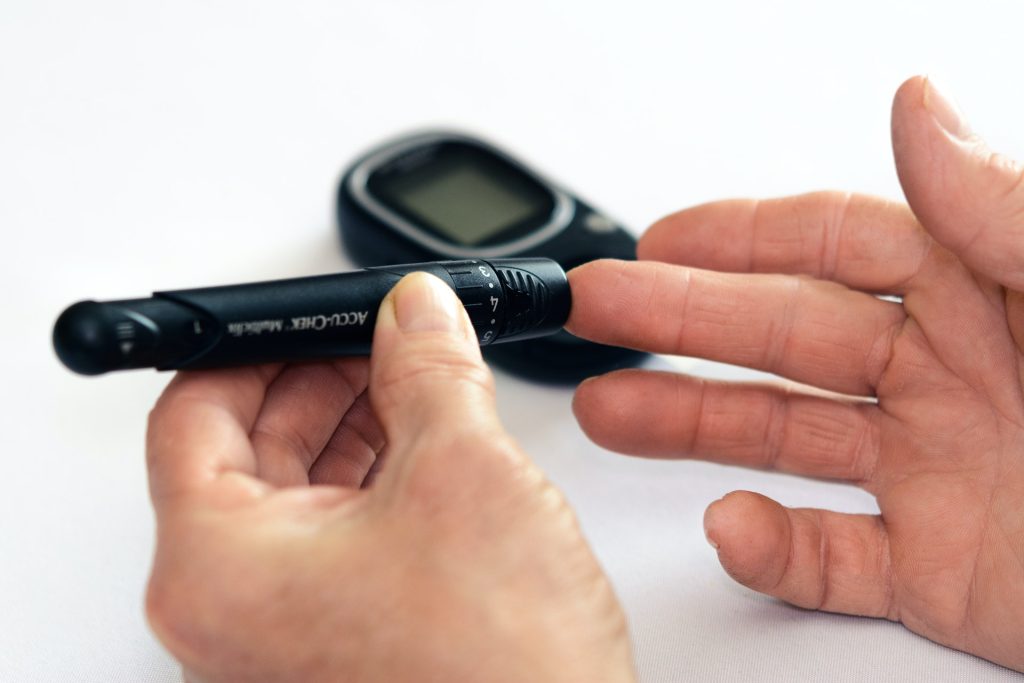
New Clinical Practice Review for Diabetes Drugs

A new clinical practice review article in The New England Journal of Medicine (NEJM) collates the latest trial results and guidelines into a systematic approach for the treatment of patients with diabetes and a risk of cardiovascular disease. It is the journal’s first such review by the journal in nearly a decade.

Clinical practice reviews differ from research studies in that they present a common clinical problem along with the evidence supporting various treatment strategies and review the guidelines. Finally, the author offers clinical recommendations for optimising patient care.

Compared to those without the disease, people with type 2 diabetes have over double the risk of developing atherosclerotic cardiovascular disease and heart failure. In South Africa, 10.1% of the population over 15 is believed to have type 2 diabetes, and is expected to cost the health sector R35.1 billion by 2030. 

The NEJM article by Johns Hopkins Medicine endocrinologist and associate professor Rita Rastogi Kalyani, MD, presents an up-to-date approach for health care providers when choosing among glucose-lowering therapies for their patients with diabetes, particularly to reduce the risk of cardiovascular disease. Dr Kalyani reviews the cardiovascular benefits and risks of the most common diabetes drugs currently available on the US market.

“We’ve seen a major shift in diabetes care over the past few years,” said Dr Kalyani. “We now have tools to better understand how to reduce both microvascular and macrovascular complications in people with type 2 diabetes.”

Dr Kalyani highlighted specific agents in two newer drug classes, which she showed are beneficial for patients with diabetes who already show signs of heart or blood vessel disease.

The glucagon-like peptide 1 (GLP-1) receptor agonists liraglutide, injectable semaglutide and dulaglutide increase insulin production from the body, particularly after meals.

Sodium glucose cotransporter 2 (SGLT2) inhibitors empagliflozin and canagliflozin reduce the amount of glucose the body re-absorbs through urine. 

All of these are effective in risk reduction for major cardiovascular events, such as heart attack or stroke. The SGLT2 inhibitor dapagliflozin is effective in reducing the risk of hospitalisation for heart failure.

“After metformin, which is widely considered the initial drug treatment for type 2 diabetes, specific drugs in the GLP-1 receptor agonist and SGLT2 inhibitor classes with demonstrated cardiovascular benefit should be considered as additional medications for patients who already have cardiovascular disease. This should be done irrespective of whether their A1C level is at target to reduce the risk of future cardiovascular events,” advised Kalyani.

The A1C test measures the average percentage of glucose in a person’s haemoglobin over the span of several months. Healthy A1C levels are below 5.7%, and typically, A1C levels over 6.5% indicate diabetes.

Newer drugs tend to be costlier, and long-term effects are unknown. Also, prior to 2008, the US Food and Drug Administration did not require large outcome trials for drugs after they were released onto the market, meaning that older drugs have less certain cardiovascular outcomes, said Dr Kalyani.
The NEJM article details specific drugs that offer additional benefits for patients with diabetes who have conditions such as multiple cardiovascular disease risk factors, heart failure and chronic kidney disease.

“Some agents such as dulaglutide and dapagliflozin also have demonstrated cardiovascular benefit in patients with multiple cardiovascular risk factors,” said Dr Kalyani.

Further, specific SGLT2 inhibitors can be beneficial for patients who have heart failure with reduced ejection fraction, as well for patients with chronic kidney disease.

Comprehensive drug tables in the article take into account factors for consideration in clinical practice when choosing a glucose-lowering drug for patients with type 2 diabetes, including A1C-lowering efficacy, route and frequency of administration, cost, impacts weight, hypoglycaemia risk, side effects and clinical benefits.

“Health care providers in primary care, endocrinology, cardiology and nephrology are now prescribing these newer glucose-lowering drugs for their patients,” Dr Kalyani said. “Diabetes care will need to be increasingly collaborative in the future and, at its core, remain patient-centered.”

Source: Medical Xpress

Journal information: Rita R. Kalyani et al. Glucose-Lowering Drugs to Reduce Cardiovascular Risk in Type 2 Diabetes, New England Journal of Medicine (2021). DOI: 10.1056/NEJMcp2000280

Brain Glue Heals Neural Damage from Brain Injuries

In a new study, researchers at the University of Georgia’s (UGA) Regenerative Biosciences Center have shown that the “brain glue” they developed protects against loss of brain tissue after a severe injury, and may also help in functional neural repair.

Significant traumatic brain injury (TBI) commonly results in extensive tissue loss and long-term disability, with no clinical treatments available to prevent this.

The new finding is the first to provide visual and functional evidence of the repair of brain neural circuits involved in reach-to-grasp movement in brain glue-implanted animals following severe TBI.

“Our work provides a holistic view of what’s going on in the recovery of the damaged region while the animal is accomplishing a specific reach-and-grasp task,” said lead investigator Lohitash Karumbaiah, an associate professor in the University of Georgia’s College of Agricultural and Environmental Sciences.

The brain glue developed by Prof Karumbaiah was designed to mimic the meshwork of sugars supporting brain cells. The hydrogel contains key structures that bind to two protective protein factors that can enhance the survival and regrowth of brain cells after severe TBI: basic fibroblast growth factor and brain-derived neurotrophic factor.

In previous research, Prof Karumbaiah and his team demonstrated that the brain glue conferred significant protection to brain tissue from severe TBI damage. In order to tap the neuroprotective capability of the original, they changed the delivery surface of protective factors to help accelerate the regeneration and functional activity of brain cells.

“Animal subjects that were implanted with the brain glue actually showed repair of severely damaged tissue of the brain,” said Karumbaiah. “The animals also elicited a quicker recovery time compared to subjects without these materials.”

The team used a tissue-cleaning method to make the brain less opaque, allowing them to 3-D image the cells’ response in the reach-to-grasp circuit, which is similar in rats and humans.

“Because of the tissue-clearing method, we were able to obtain a deeper view of the complex circuitry and recovery supported by brain glue,” said Prof Karumbaiah. “Using these methods along with conventional electrophysiological recordings, we were able to validate that brain glue supported the regeneration of functional neurons in the lesion cavity.”

“Doing the behavioral studies, the animal work and the molecular work sometimes takes a village,” said Karumbaiah. “This research involved a whole cross-section of RBC undergraduate and graduate students, as well as faculty members from both UGA and Duke University.”

Source: Medical Xpress

Journal information: Charles-Francois V. Latchoumane et al. Engineered glycomaterial implants orchestrate large-scale functional repair of brain tissue chronically after severe traumatic brain injury, Science Advances (2021). DOI: 10.1126/sciadv.abe0207

Study Reveals More Secrets of Leptin’s Role in Appetite Control

A new study describes how leptin, an appetite-suppressing hormone released from adipose tissue, is involved in appetite suppression through the dopamine pathway.  

Since the discovery of leptin in the 1990s, many questions still remain over how it suppresses appetite. Now, a new study in mice describes novel neurocircuitry between midbrain structures that control feeding behaviours under the modulatory control of leptin.

Leptin links the body and the brain, providing information about its metabolic state and influencing energy balance. Animals deficient for leptin rapidly become obese without its regulatory control of feeding behaviour, showing just how important it is.

“This process is shaped by communication between bodily fat storages (via a hormone called leptin) and the brain’s dopamine reward system. This leptin-dopamine axis is critically important for body weight control, but its modes of action were not well understood,” said Roger Adan, PhD, Department of Translational Neuroscience, University Medical Centre Utrecht.

Not only does leptin suppress eating through signals to brain regions controlling eating behaviours, but it also lowers food’s reward value in the brain’s dopamine (DA) reward system. That food-reward pathway was known to involve dopaminergic neurons of the ventral tegmental area (VTA) signaling to the nucleus accumbens (NAc). However, these DA neurons do not have receptors for leptin.

The researchers mapped the new microcircuitry with a combination of technologies, including optogenetics, chemogenetics and electrophysiology.

“Although leptin receptors are present on [some] dopamine neurons that signal food reward, we discovered that leptin receptors are also present on inhibitory neurons that more strongly regulate the activity of dopamine neurons. Some of these inhibitory neurons suppressed food seeking when [animals were] hungry, whereas others [did so] only when [animals were] in a sated state,” said Professor Adan, also of the Department of Translational Neuroscience, University Medical Center Utrecht and University Utrecht.

John Krystal, MD, Editor of Biological Psychiatry, said of the study, “It turns out that leptin plays key modulatory roles in an elegant circuit that unites midbrain and limbic reward circuitry. By inhibiting hypothalamic neurons and ultimately suppressing the activity of dopamine neurons in the midbrain that signal reward and promote feeding, leptin reduces food intake in animals under conditions when caloric intake has exceeded energy use.”

Professor Adan concluded that, “Targeting these neurons may provide a new avenue for the treatment of anorexia nervosa and to support dieting in people with obesity.”

Source: News-Medical.Net

Journal information: Omrani, A., et al. (2021) Identification of novel neurocircuitry through which leptin targets multiple inputs to the dopamine system to reduce food reward seeking. Biological Psychiatry. doi.org/10.1016/j.biopsych.2021.02.017.

A Public Archive for Opioid Lawsuit Information

In order to improve transparency about the opioid crisis,  the University of California San Francisco and Johns Hopkins University launched a digital public archive of documents from lawsuits against drug manufacturers.

The digital repository of publicly disclosed legal documents related to the crisis allows free, public access to anyone interested in the continuing litigation and uncovered evidence.

“All too often, the public never gets the benefit of seeing and learning from litigation that generally takes place behind closed doors,” said Caleb Alexander, MD, a professor of epidemiology and medicine at Johns Hopkins and the founding co-director of the Center for Drug Safety and Effectiveness, which will assist in maintaining the archive.

“Our focus is to be sure that the millions of pages of documents arising from opioid litigation ultimately see the light of day,” Alexander told MedPage Today. “We owe it to all those who have been impacted — especially patients and their loved ones — to see to it that these materials are placed in the public domain.”

The goal of the archive is to provide transparency into the methods used by drug companies to increase opioid sales, which led to the opioid epidemic in which, according to the CDC, over the past two decades, nearly 500 000 Americans died of overdoses involving an opioid. Additionally, the economic cost of the crisis in 2015-2018 was put at $2.5 trillion by the White House Council of Economic Advisers.

Most of the archive’s documents were released thanks to efforts by the Washington Post and the Charleston Gazette. Records include company emails, memos, presentations, sales reports, audit reports, budgets, Drug Enforcement Administration briefings, expert witness reports, and depositions of drug company executives.

The archive is located on a website called Drug Industry Archives, a UCSF project that houses documents illustrating how the pharmaceutical industry, academic institutions, continuing medical education organizers and regulatory agencies impact public health. (UCSF also maintains similar archives related to tobacco, food, chemicals, and fossil fuel industries.)

The  Opioid Industry Documents Archive presently holds over 3300 legal documents, much of it coming from litigation in Kentucky and Oklahoma, as well as documents from the Insys investigation, which sold an oral fentanyl spray called Subsys. This archive’s launch coincides with the university hosting over 250 000 documents produced during Insys’ bankruptcy proceedings that resulted from successful lawsuits and criminal prosecutions.

“We don’t really know what’s in these documents yet, but there is a wealth of information,” said Kate Tasker, an associate librarian at UCSF who helps manage the archive. “Our number one goal is to make this information accessible and useful.”

Alexander said the opioid crisis was “an epidemic of catastrophic public health proportions.” He said that placing legal documents in the public domain is a crucial step to ensure that lessons are learned from the crisis.

“The primary goal is to ensure that history never repeats itself,” Alexander said. “And we can’t learn from past mistakes without understanding what those mistakes have been.”

Source: MedPage Today

Russian Doctors Perform Heart Surgery in Burning Hospital

Russian doctors stayed behind in a burning hospital to complete open-heart surgery on a patient after a fire broke out on the roof while they were operating.

It took firefighters over two hours to put out the blaze in the city of Blagoveshchensk. Using fans to keep smoke out of the operating room where a group of eight doctors and nurses was working on the patient, they also ran a power cable in to keep it supplied with electricity.

The heart bypass operation was finished in two hours before removing the patient to another site, the emergencies ministry said.

“There’s nothing else we could do. We had to save the person. We did everything at the highest level,” surgeon Valentin Filatov was quoted as saying by REN TV. 

According to the ministry, when the fire broke out on the roof,  128 people were immediately evacuated from the hospital, which is extremely old. There were no reported injuries.

“The clinic was built more than a century ago, in 1907, and the fire spread like lightning through the wooden ceilings of the roof,” the ministry said. The fire was believed to have been started by a short circuit. The hospital is the only one in the region with a specialist cardiological unit.

“A bow to the medics and firefighters,” said the local regional governor, Vasiliy Orlov.

Source: Reuters

Harnessing Tailocins, Antibacterial ‘Homing Missiles’

A Berkeley Lab-led team is investigating how to harness tailocins, antibacterial nanomachine ‘weapons’ akin to phages but produced by certain bacteria in suicide attacks against other strains.

“Tailocins are extremely strong protein nanomachines made by bacteria,” explained Vivek Mutalik, a research scientist at Lawrence Berkeley National Laboratory (Berkeley Lab) who studies tailocins and phages, the bacteria-infecting viruses that tailocins appear to be remnants of. “They look like phages but they don’t have the capsid, which is the ‘head’ of the phage that contains the viral DNA and replication machinery. So, they’re like a spring-powered needle that goes and sits on the target cell, then appears to poke all the way through the cell membrane making a hole to the cytoplasm, so the cell loses its ions and contents and collapses.”

Many bacteria can produce tailocins, seemingly under stress conditions. However, the tailocins are only lethal to specific strains, and seem to be used by bacteria to compete with rivals. Since they are so similar to phages, scientists believe that tailocins are repurposed from DNA that was injected into bacterial genomes from viral infections.

According to Mutalik, tailocins kill the bacteria that produce them as they erupt through the membrane, much the way replicated viruses do. However, once released, the tailocins selectively target certain strains and not the host lineage cells.

“They benefit kin but the individual is sacrificed, which is a type of altruistic behavior. But we don’t yet understand how this phenomenon happens in nature,” Mutalik commented. Scientists also don’t know precisely how the stabbing needle plunger of the tailocin functions.

These topics, and tailocins as a whole, are an area of hot research due to the many possible applications. Mutalik and his colleagues in Berkeley Lab’s Biosciences Area along with collaborators at UC Berkeley are interested in harnessing tailocins to better study microbiomes. Other groups are keen to use tailocins as an alternative to traditional antibiotics -which indiscriminately wipe out beneficial strains alongside the bad and are increasingly ineffective due to the evolution of drug-resistance traits.
There is also great interest in using tailocins as an alternative to antibiotics, due to increasing antibiotic resistance and the fact that conventional antibiotics wipe out beneficial strains along with the disease-causing ones.

In their most recent paper, the collaborative Berkeley team explored the genetic basis and physical mechanisms governing how tailocins attack specific strains, and looked at genetic similarities and differences between tailocin producers and their target strains.

Upon examination of 12 strains of tailocin-using soil bacteria, the researchers found that differences in the lipopolysaccharides on the outer membranes determined whether they were targeted by a particular tailocin.

“The bacteria we studied live in a challenging, resource-poor environment, so we’re interested to see how they might be using tailocins to fight for survival,” said co-lead author Adam Arkin, a senior faculty scientist in the Biosciences Area and technical co-manager of the Ecosystems and Networks Integrated with Genes and Molecular Assemblies (ENIGMA) Scientific Focus Area. Arkin observed that although bacteria can easily be induced to produce tailocins in the lab, as well as scale up for mass production for medicinal applications, it is not well understood how bacteria deploy tailocins in their natural environment, and how or why particular strains are so precisely targeted.

“Once we understand the targeting mechanisms, we can start using these tailocins ourselves,” Arkin added. “The potential for medicine is obviously huge, but it would also be incredible for the kind of science we do, which is studying how environmental microbes interact and the roles of these interactions in important ecological processes, like carbon sequestration and nitrogen processing.”

At the moment, it is difficult to observe what is happening in a bacterial community, but tailocins could remove individual strains with precision to allow a better understanding of the situation.

Follow-up studies being conducted involve taking atomic-level images of the taolicins in action.

Source: SciTech Daily

Journal information: “Systematic discovery of pseudomonad genetic factors involved in sensitivity to tailocins” by Sean Carim, et al., 1 March 2021, The ISME Journal. DOI: 10.1038/s41396-021-00921-1

Both Genders Rate Pain of Female Patients as Lower

Woman clutching her belly in pain. Photo by Andrea Piacquadio from Pexels.

In a recent study, researchers found that a patient’s pain responses may be perceived differently by others based on their gender.

The study was published in The Journal of Pain, with the co-author being Elizabeth Losin, assistant professor of psychology and director of the Social and Cultural Neuroscience lab at the University of Miami. A previous study showed that men are seen as more stoic and women as more emotional in expression of pain.

In the first of two experiments in the study, 50 participants viewed videos of male and female patients complaining of shoulder pain as they performed a series of range of motion exercises using their injured and uninjured shoulders. These videos came from a database that contains videos of actual shoulder injury patients, each with a different level of pain, as well as the patients’ self-reported discomfort levels on shoulder movement.

According to Prof Losin, this study is more applicable to patients in a clinical setting.
“One of the advantages of using these videos of patients who are actually experiencing pain from an injury is that we have the patients’ ratings of their own pain,” she explained. “We had a ground truth to work with, which we can’t have if it’s a stimulus with an actor pretending to be in pain.”

The patients’ facial expressions were also analysed through the Facial Action Coding System (FACS)—a system for describing all visible facial movements. The researchers created an objective score of the intensity of the patients’ pain facial expressions derived from the FACS values, providing a second ground truth.

The study participants were asked to gauge the amount of pain they thought the patients in the videos experienced on a scale from zero, labeled as “absolutely no pain,” to 100, labeled as “worst pain possible.”

For the second experiment, the first experiment was replicated with 200 participants, who were asked to complete the Gender Role Expectation of Pain questionnaire, which measures gender-related stereotypes about pain sensitivity, the endurance of pain, and willingness to report pain.

The participants also reported the amount of medication and psychotherapy they would prescribe to each patient, and which of these they believed be a more effective treatment for that patient.

The researchers analysed the participants’ perceptions relative to the two ground truth pain measures, Prof Losin explained. That is because bias could be defined as different ratings for male and female patients despite the same level of responses.

Overall, the study found that female patients were perceived to be in less pain than the male patients who reported, and exhibited, the same intensity of pain. Additional analyses using participants’ responses to the questionnaire about gender-related pain stereotypes allowed researchers to conclude that these perceptions were partially explained by these stereotypes. 

“If the stereotype is to think women are more expressive than men, perhaps ‘overly’ expressive, then the tendency will be to discount women’s pain behaviors,” Prof Losin said. “The flip side of this stereotype is that men are perceived to be stoic, so when a man makes an intense pain facial expression, you think, ‘Oh my, he must be dying!’ The result of this gender stereotype about pain expression is that each unit of increased pain expression from a man is thought to represent a higher increase in his pain experience than that same increase in pain expression by a woman.”

Additionally, the researchers found that psychotherapy was also selected over medication for a higher proportion of female than male patients. The participants’ gender did not influence pain estimation, with both male and female participants perceiving women’s pain to be less intense.

Prof Losin said the study was motivated by literature showing that women received less treatment for pain and waited longer.

“There’s a pretty wide literature showing demographic differences in pain report, the prevalence of clinical pain conditions, and then also a demographic difference in pain treatments,” Losin pointed out. “These differences manifest as disparities because it seems that some people are getting undertreated for their pain based on their demographics.”

Moving forward, Prof Losin and her fellow researchers hope this study is a step in identifying and addressing gender disparities in health care.

Prof Losin said that even medically trained people are subject to such biases. “Critically, our results demonstrate that these gender biases are not necessarily accurate. Women are not necessarily more expressive than men, and thus their pain expression should not be discounted.”

Source: Medical Xpress

Journal information: Lanlan Zhang et al, Gender Biases in Estimation of Others’ Pain, The Journal of Pain (2021). DOI: 10.1016/j.jpain.2021.03.001

A Cellular Communication Network Allows Tumour Regrowth

Scientists at the University of Missouri and Yale University have discovered that one of the mutations in the RAS family of genes, which impede treatment options, is also responsible for allowing tumour regrowth following genotoxic therapy.

Genotoxic therapies cause DNA damage inside cancer cells in order to destroy them . To avoid being eliminated, cells will stop replicating and try to repair the damage, but if they fail to do so, they will trigger cell death, relying on a protein called “p53”.  

While RAS gene mutations have been studied for over three decades, scientists today have a better understanding of how they work. However, many of them still consider these mutations to be “undruggable” or resistant to therapeutic treatment, according to the National Cancer Institute.

“Most of our knowledge of how cells respond to DNA damage is mainly derived from studies looking at the single cell level,” said Yves Chabu, an assistant professor in the MU College of Arts and Science. “Therefore, we don’t know much about how tumour cells respond to DNA damage in the broader context of the tissue level, and what possible implications these responses might have on a tumor’s relapse following genotoxic therapies. To address this, we looked at how tissues containing patches of cells carrying oncogenic RAS mutations respond to DNA damage. We focused on oncogenic RAS because it is associated with cancers relapse and resistance to genotoxic therapies in humans. This approach has allowed us to identify novel cell-to-cell communication within the tissue that instructs tumour cells in tissues to regrow. It’s something we would not have identified if we were only looking at the single cell level.”

“We found that in oncogenic RAS tissues, cells elevate the levels of the p53 protein to varying degrees in response to DNA damage,” said Prof Chabu, whose appointment is in the Division of Biological Sciences. “Further analyses revealed that cells with high p53 protein levels, or more extensive DNA damage, do not simply die in response to the DNA damage. Instead, they release a growth signal called interlukin-6 into the tumor environment. Interlinkin-6 instructs cells with low p53 levels, or cells with less DNA damage, to activate JAK/STAT, a growth-amplifying signal, and drive tumor regrowth after treatment. We essentially have a situation where cells that are vulnerable to the treatment are instructing the more robust cells to take over and grow.”

Prof Chabu, who has been studying oncogenic RAS mutations for more than a decade, said that this further suggests that adding JAK/STAT inhibitors to genotoxic therapies inhibit the regrowth ability of RAS tumours. He said another interesting aspect of their findings is that p53 is traditionally considered as a tumour suppressor protein.

“A loss of p53 activity, due to genetic mutation, causes cells to grow uncontrollably while accumulating even more DNA mutations,” said Prof Chabu. “So, naturally one would think that having more p53 activity is a good thing because it prevents pre-cancerous cells from growing and forming cancers. Yet, here we find that too much of a normal, not mutated, p53 can signal the surrounding RAS tissues to overgrow.”

Source: Medical Xpress

Journal information: Yong-Li Dong et al, Cooperation between oncogenic Ras and wild-type p53 stimulates STAT non-cell autonomously to promote tumor radioresistance, Communications Biology (2021). DOI: 10.1038/s42003-021-01898-5

New Exosome-coated Shunt Boosts Blood Vessel Recovery

Researchers have developed a new exosome-coated shunt that enhances tissue repair and heals vascular injury without narrowing the blood vessel, while also providing regenerative stem cell-derived therapy to ischaemic (blood starved) tissue.

A metal stent is often used in angioplasty to reinforce arterial walls and prevent collapse once the blockage is removed. However, placing the stent usually injures the blood vessel wall, stimulating smooth muscle cells to proliferate and migrate to the site to repair the injury. What results is restenosis, a re-narrowing of the blood vessel previously opened by angioplasty.
“The inflammatory response that stents cause can decrease their benefit,” said corresponding author Ke Cheng. “Ideally, if we could stop smooth muscle cells from over-reacting and proliferating, but recruit endothelial cells to cover the stent, it would mitigate the inflammatory response and prevent restenosis.” Cheng is the Randall B. Terry Jr. Distinguished Professor in Regenerative Medicine at NC State and a professor in the NC State/UNC-Chapel Hill Joint Department of Biomedical Engineering.

There are drug-eluting stents currently in use coated with drugs that ihibit cell proliferation, but these anti-proliferative drugs also delay the desired outcome of endothelial cells covering the stent.

To solve this, Prof Cheng and his team developed a stent coating made up of exosomes derived from mesenchymal stem cells. Exosomes are tiny nano-sized sacs secreted by most cell types. As the exosome surfaces are similar to cell membranes, they ‘camouflage’ the stent to fool smooth muscle cells and the body’s immune system. The exosomes also encourage endothelial cells to cover the stent and, in the case of injury, travel downstream to the site to promote tissue repair.

In order to prevent the therapy running out early, the stent releases exosomes when it encounters reactive oxygen species (ROS) – which are more prevalent during an inflammatory response.

“Think of it as a smart release function for the exosomes,” Cheng says. “Ischemic reperfusion injuries, which occur when blood flow is diminished and then reestablished, create a lot of ROS. Let’s say the heart is damaged by ischemia. The enhanced ROS will trigger the release of the exosomes on the stent, and regenerative therapy will travel through the blood vessel to the site of the injury.”

Using in vitro testing, they found that in the presence of ROS, the exosomes released up to 60% of their secretions within 48 hours after the injury.

The researchers used a rat model of ischaemic injury to compare their exosome-eluting stent (EES) to both a bare metal stent (BMS) and a drug-eluting stent (DES). They found that in comparison to the BMS, their stent performed better in both reducing stenosis and stimulating 0endothelial coverage.

While the DES and EES were similar in preventing restenosis, the EES caused lesser vessel wall injury and had better endothelial coverage overall. Additionally, the exosomes released from EES promoted muscle regeneration in rats with hind limb ischaemia. Next, the researchers plan testing of the system in a larger animal model, eventually leading to clinical trials.

“This bioactive stent promotes vascular healing and ischaemic repair, and a patient wouldn’t need additional procedures for regenerative therapy after the stent is in place. The stent is the perfect carrier for exosomes, and the exosomes make the stent safer and more potent in tissue repair,” said Prof Cheng.

Source: News-Medical.Net

Journal information: Hu, S., et al. (2021) Reopen and Regenerate: Exosome-Coated Stent Heals Vascular Injury, Repairs Damaged Tissue. Nature Biomedical Engineering. doi.org/10.1038/s41551-021-00705-0.