Tag: ultrasound

Ultrasound to the Kidneys can Treat Resistant Hypertension

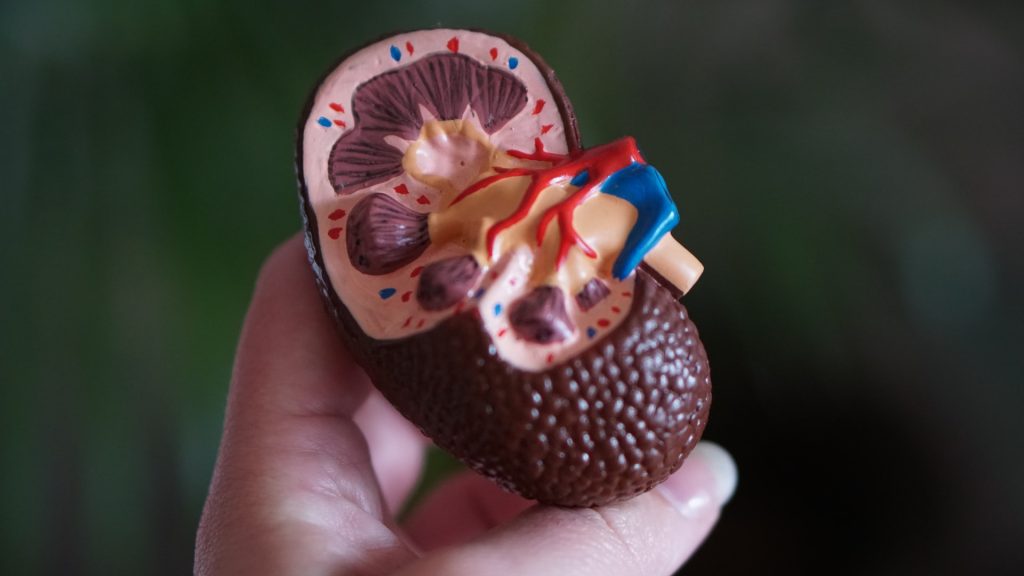
Credit: Thirdman on Pexels

A device that uses ultrasound to calm overactive nerves in the kidneys may be able to help some people get their blood pressure under control, according to successful test results published in JAMA Cardiology.

Led by researchers at Columbia University and Université de Paris, the study has found that the device consistently reduced daytime ambulatory blood pressure by an average of 8.5 points among middle-aged people with hypertension.

Lifestyle changes, such as cutting salt intake or losing weight, along with medications are often prescribed to lower blood pressure in patients with hypertension. Yet about one-third of hypertensive patients have resistant hypertension.

“Many patients in our clinical practice are just like the patients in our study, with uncontrolled blood pressure in the 150s despite some efforts,” says Ajay Kirtane, MD, professor of medicine at Columbia University Vagelos College of Physicians and Surgeons and co-leader of the study.

Leaving blood pressure uncontrolled for too long can lead to heart failure, strokes, heart attacks, and irreversible kidney damage.

“Renal ultrasound could be offered to patients who are unable to get their blood pressure under control after trying lifestyle changes and drug therapy, before these events occur,” says Kirtane, who is also an interventional cardiologist and director of cardiac catheterisation laboratories at NewYork-Presbyterian/Columbia University Irving Medical Center.

The study tested the device, which is used in an outpatient procedure called ultrasound renal denervation. The device is still investigational and has not yet been approved by the FDA for use outside of clinical trials.

Kidney nerves and hypertension

Hypertension in middle age is thought to be caused in part by overactive nerves in the kidneys, which trigger water and sodium retention and release hormones that can raise blood pressure. (In older people, hypertension often occurs as blood vessels stiffen). Antihypertensive drugs work in different ways to lower blood pressure, by dilating blood vessels, removing excess fluid, or blocking hormones that raise blood pressure. But none target the renal nerves directly.

Ultrasound therapy calms overactive nerves in the renal artery, disrupting signals that lead to hypertension. The therapy is delivered to the nerves via a thin catheter that is inserted into a vein in the leg or wrist and threaded to the kidney.

Study results

The new study pooled data from three randomised trials encompassing more than 500 middle-aged patients with varying degrees of hypertension and medication use.

Twice as many patients who received the ultrasound therapy reached their target daytime blood pressure (less than 135/85 mmHg) compared to patients in the sham groups.

“The result was almost identical across the different study groups, which definitively shows that the device can lower blood pressure in a broad range of patients,” Kirtane says.

The procedure was well-tolerated, and most patients were discharged from the hospital the same day. According to Kirtane, improvements in blood pressure were seen as soon as one month after the procedure.

The treatment will be evaluated by the FDA in the coming months.

Bottom line for patients with resistant hypertension

The investigators expect the treatment could be offered as an adjunct to medication therapy and lifestyle changes for patients with uncontrolled hypertension.

“Once the device is available, we envision recommending it to patients who have tried other therapies first. The hope is that by controlling blood pressure, we might be able to prevent kidney damage and other effects of uncontrolled blood pressure,” Kirtane adds.

Source: Columbia University Irving Medical Center

Removing Tumours – Without the Scalpel

A novel technology described in the journal Nanoscale enables targeted destruction of cancerous tumours, via a combination of ultrasound and the injection of nanobubbles into the bloodstream. Unlike invasive treatment methods or the injection of microbubbles into the tumour itself, this latest technology enables the destruction of the tumour in a non-invasive manner.

Dr Tali Ilovitsh at Tel Aviv University said: “Our new technology makes it possible, in a relatively simple way, to inject nanobubbles into the bloodstream, which then congregate around ​​the cancerous tumour. After that, using a low-frequency ultrasound, we explode the nanobubbles, and thereby the tumour.”

At present, the usual cancer treatment is surgical removal of the tumour, in combination with complementary treatments such as chemotherapy and immunotherapy.

Therapeutic ultrasound to destroy the cancerous tumour is a non-invasive alternative to surgery, a method which comes with advantages and disadvantages. On the one hand, it allows for localised and focused treatment; the use of high-intensity ultrasound can produce thermal or mechanical effects by delivering powerful acoustic energy to a focal point with high spatial-temporal precision. This method has been used to effectively treat solid tumours deep within in the body. Moreover, it makes it possible to treat patients who are unfit for tumour resection surgery. The disadvantage is that the heat and high intensity of the ultrasound waves could cause damage to neighbouring healthy tissues.

Reducing off-target damage

In the current study, Dr Ilovitsh and her team sought to overcome this problem. In the experiment, which used an animal model, the researchers were able to destroy the tumour by injecting nanobubbles into the bloodstream (as opposed to what has been until now, which is the local injection of microbubbles into the tumour itself), in combination with low-frequency ultrasound waves, with minimal off-target effects.

“The combination of nanobubbles and low frequency ultrasound waves provides a more specific targeting of the area of the tumour, and reduces off-target toxicity,” explains Dr Ilovitsh.

“Applying the low frequency to the nanobubbles causes their extreme swelling and explosion, even at low pressures. This makes it possible to perform the mechanical destruction of the tumours at low-pressure thresholds.”

“Our method has the advantages of ultrasound, in that it is safe, cost-effective, and clinically available, and in addition, the use of nanobubbles facilitates the targeting of tumours because they can be observed with the help of ultrasound imaging.”

Dr Ilovitsh adds that the use of low-frequency ultrasound also increases the depth of penetration, minimises distortion and attenuation, and enlarges the focal point. “This can help in the treatment of tumours that are located deep with the body, and in addition facilitate the treatment of larger tumour volumes. The experiment was conducted in a breast cancer tumour lab model, but it is likely that the treatment will also be effective with other types of tumours, and in the future, also in humans.”

Source: Tel Aviv University

An Effective Short-term Therapy for Knee Osteoarthritis

Knee pain
Source: CC0

With few solutions available, treatment of knee osteoarthritis is challenging, but a randomised control trial published in Arthritis and Rheumatology has found that, at least for short-term relief, ultrasound-guided genicular nerve block (GNB) was effective.

The global prevalence of knee osteoarthritis (OA) is ~22.9% of over-40s. Knee OA is a significant cause disability and potentially loss of independence. Treatment remains challenging, with nonsurgical management options such as education, weight loss, exercise therapy, and walking aids. Few recommended pharmacotherapeutic options exist for knee OA, with surgical joint replacement being a definitive treatment strategy for patients with severe disease who are unresponsive to conservative care. For many patients, such as people who are frail or elderly or people with complex comorbidities, surgical intervention may not be suitable.

In a 12-week parallel-group, placebo-controlled randomised trial of GNB, patients in the active arm received 3 injections of 5.7 mg celestone chronodose (1ml) and 0.5% bupivacaine (3ml) to the inferomedial, superomedial, and superolateral genicular nerves. Patients in the placebo arm received saline injections. An experienced radiologist or rheumatologist with the assistance of a senior sonographer used ultrasound to locate the nerves.

At baseline and at weeks 2, 4, 8, and 12, patients recorded their pain and disability on self-report scales. Patients in the active group reported improvements in pain scores at 2, 4, 8, and 12 weeks with a diminution of the effect over time. 

These results reflect comparator groups, which also reported an effect reduction at 12 weeks.

“This study demonstrates that genicular nerve block is an effective short-term therapy for pain management in people with knee osteoarthritis,” said corresponding author Ernst M. Shanahan, BMBS, MPH, MHPE, PhD, FAFOEM, FRACP, of Flinders University. “We think it may be a useful treatment option for this group of people, in particular those waiting for, or wishing to defer surgery.”

NASA Technology Enables Nearly Painless Kidney Stone Removal

Anatomic model of a kidney
Photo by Robina Weermeijer on Unsplash

A new ultrasonic technique developed for emergency kidney stone treatments on Mars may offer an option to move kidney stones out of the ureter with minimal pain and no anaesthesia, according to a new feasibility study published in The Journal of Urology.

In the procedure, the physician uses a handheld transducer placed on the skin to direct ultrasound waves towards the stone. Using ultrasound propulsion, the stones can then moved and repositioned to promote their passage, while burst wave lithotripsy (BWL) can break up the stone.

Unlike with the standard technique of shock wave lithotripsy, there is minimal pain according to lead author Dr M. Kennedy Hall, a UW Medicine emergency medicine doctor. “It’s nearly painless, and you can do it while the patient is awake, and without sedation, which is critical.”

The researchers hope that one day the procedure of moving or breaking up the stones could eventually be performed in a clinic or emergency room setting with this technology, Dr Hall added.

Ureteral stones can cause severe pain and are a common reason for emergency department visits. Most patients with ureteral stones are advised to wait to see if the stone will pass on its own. However, this observation period can last for weeks, with nearly one-fourth of patients eventually requiring surgery, Dr Hall noted.

Dr Hall and colleagues evaluated the new technique to meet the need for a way to treat stones without surgery.

The study was designed to test the feasibility of using the ultrasonic propulsion or using BWL to break up stones in awake, unanaesthetised patients, Dr Hall said.

The study recruited 29 patients; 16 received propulsion and 13 received propulsion and BWL. In 19 patients, the stones moved. In two cases, the stones moved out of the ureter and into the bladder.

Burst wave lithotripsy fragmented the stones in seven of the cases. At a two-week follow up, 18 of 21 patients (86%) whose stones were located lower in the ureter, closer to the bladder, had passed their stones. In this group, the average time to stone passage was about four days, the study noted.

One of these patients felt “immediate relief” when the stone was dislodged from the ureter, the study stated.

The next step would a clinical trial with a control group, which would not receive either BWL bursts or ultrasound propulsion, to evaluate the degree to which this new technology potentially aids stone passage, Dr Hall said.

Development of this technology first started five years ago, when NASA funded a study to see if kidney stones could be moved or broken up, without anaesthesia, on long space flights, such as the Mars missions. The technology has worked so well that NASA has downgraded kidney stones as a key concern.

“We now have a potential solution for that problem,” Dr Hall said.

Source: University of Washington School of Medicine/UW Medicine

Pump up the Volume: Killing Cancer with Ultrasound

Sound waves
Image by Pawel Czerwinski on Unsplash

University of Michigan scientists have developed an ultrasound technology that uses high-powered pulses to break down liver tumours in rats, kill cancer cells and stimulate the immune system to destroy the remaining tumour and prevent metastasis.

The researchers reported in Cancers that, by destroying just 50% to 75% of liver tumour volume, the rats’ immune systems were able to clear away the rest, with no evidence of recurrence or metastases in more than 80% of animals.

“Even if we don’t target the entire tumour, we can still cause the tumour to regress and also reduce the risk of future metastasis,” said Professor Zhen Xu, corresponding author of the study.

The treatment was also found to spur the rats’ immune responses, possibly contributing to the eventual regression of the untargeted portion of the tumour and preventing further spread of the cancer.

The noninvasive technique, called histotripsy, focuses ultrasound waves to mechanically destroy target tissue with high precision. The relatively new technique is currently being used in a human liver cancer trial in the US and Europe.

Often, a tumour cannot be directly targeted for certain treatments due to the mass’ size, location or stage. To investigate the effects of partially destroying tumours with sound, this latest study targeted only a portion of each mass, leaving behind a viable intact tumour. It also allowed the team to demonstrate the technique in less ideal conditions.

“Histotripsy is a promising option that can overcome the limitations of currently available ablation modalities and provide safe and effective noninvasive liver tumour ablation,” said Tejaswi Worlikar, a doctoral student in biomedical engineering.

Liver cancer ranks among the top 10 causes of cancer related deaths worldwide, with poor prognosis despite multiple treatment options. Tumour recurrence and metastasis after initial treatment is common, demanding improved treatments.

The ultrasound approach comes without the side effects from present treatments such as radiation and chemotherapy.

“Our transducer, designed and built at U-M, delivers high amplitude microsecond-length ultrasound pulses – acoustic cavitation – to focus on the tumour specifically to break it up,” Prof Xu said. “Traditional ultrasound devices use lower amplitude pulses for imaging.”

The microsecond pulses create microbubbles within targeted tissues that rapidly expand and collapse, tearing up cancer cells and disrupting the tumour’s structure.

Source: University of Michigan

Ultrasound Scans Proven Effective in Prostate Cancer Diagnosis

Photo by MART PRODUCTION from Pexels

Results from a clinical trial showed that ultrasound scans are effective in prostate cancer diagnosis, which would be a cheaper option than MRI for low- and middle income countries. The study is published in Lancet Oncology.

“MRI scans are one of the tests we use to diagnose prostate cancer,” said Professor Hashim Ahmed, lead author of the study and Chair of Urology at Imperial College London. “Although effective, these scans are expensive, take up to 40 minutes to perform and are not easily available to all. Also, there are some patients who are unable to have MRI scans such as those with hip replacements or claustrophobia fears.  As cancer waiting lists build as a result of the COVID pandemic, there is a real need to find more efficient and cheaper tests to diagnose prostate cancer.

“Our study is the first to show that a special type of ultrasound scan can be used as a potential test to detect clinically significant cases of prostate cancer.  They can detect most cases of prostate cancer with good accuracy, although MRI scans are slightly better.

“We believe that this test can be used in low and middle income settings where access to expensive MRI equipment is difficult and cases of prostate cancer are growing.”

Prostate cancer develops slowly and symptoms such as the blood in the urine do not appear until the disease has developed. It usually affects men over 50 and often men with a family history of the disease. Black men are disproportionately impacted by the disease and prostate cancer deaths now exceed those from breast cancer.

One of the principal means of prostate cancer diagnosis is a multi-parametric MRI (mpMRI) scan. However, the 40-minute scan costs £350–450 (R7000-9000).

This new study tested multiparametric ultrasound (mpUSS) to image the prostate. Elastography examines tissue hardness, doppler and contrast-enhancement with microbubbles measures blood flow. As cancers are denser and have greater blood supply, they show up more clearly.
While mpUSS is more widely available than mpMRI, no large-scale studies have been done thus far to validate its effectiveness as a test to detect prostate cancer cases.

For the trial the team recruited 370 men at risk of prostate cancer. They were identified following initial tests such as a prostate-specific antigen (PSA) test and/or an abnormal digital rectal examination.

The men underwent both mpUSS and mpMRI scans at separate visits. This was then followed by biopsies for 257 patients who had a positive mpUSS or mpMRI test result. Cancer was detected in 133 men, with 83 men diagnosed with clinically significant cancer.

Individually, mpUSS detected 66 cases of clinically significant cancer compared to mpMRI which detected 77 cases.

Although mpUSS detected 4.3% fewer clinically-important prostate cancers compared to mpMRI, this method would lead to 11.1% more patients being biopsied as a result of false positives from the mpUSS.

The researchers believe that mpUSS could be an alternative to mpMRI as a first test for patients at risk of prostate cancer, particularly where mpMRI cannot be carried out. As both imaging tests missed clinically-important cancers detected by the other, using both would increase the detection of clinically-important prostate cancers overall.

Source: Imperial College London

Ultrasound Treatment can Target Neural Circuits of Epilepsy

Image credit: Dr Yu

A pioneering new study from Taiwan showed that focused ultrasound, which can be used to non-invasively target circuits in the brain, may benefit some patients with epilepsy who experience seizures which remain unresponsive to standard anti-seizure medications.

The results showed that of six patients with drug-resistant seizures, two patients had fewer seizures within three days of receiving focused ultrasound; however, one patient showed signs of more frequent subclinical seizures (which are not felt by the individual). The findings from the study were published in the journal Epilepsia.

Imaging tests performed after the treatment show that there were no negative effects on the brain. One patient reported a sensation of heat on the scalp during the treatment, and another patient experienced temporary memory impairment that resolved within three weeks.

“Neuromodulation is an alternative treatment for drug-resistant epilepsy. Compared with the present modalities used in neuromodulation for epilepsy, focused ultrasound can access deeper brain regions and focus on the main target of the epileptic network in a relatively less invasive approach,” explained senior author Hsiang-Yu Yu, MD, of Taipei Veterans General Hospital, in Taiwan. “It gives new hope and sheds new light for patients with drug-resistant epilepsy.”

Source: Wiley

Transcranial Focused Ultrasound for Chronic Pain Relief

Source: CC0 Creative Commons

A rodent study has demonstrated the potential for transcranial focused ultrasound (tFUS) to relieve chronic pain and other symptoms.

Neuromodulation, or therapeutic stimulation of neurons with electrical energy. chemicals or potentially with acoustic waves, can amplify or dampen neuronal impulses in the brain or body to relieve symptoms such as pain or tremor.

Ultrasound is a promising non-invasive, non-surgical type of neuromodulation. It offers a temporary modulation that can be tuned for a desired effect. In this study, researchers have shown that it can be targeted at neurons with specific functions.

A team led by Bin He, PhD, professor of biomedical engineering at Carnegie Mellon University, and funded in part by the National Institute of Biomedical Imaging and Bioengineering (NIBIB), has demonstrated the potential of a neuromodulation approach that uses low-intensity ultrasound energy, called transcranial focused ultrasound-;or tFUS. In a paper published in Nature Communications, the authors describe the use of tFUS in rodent experiments, demonstrating the non-invasive neuromodulation alternative.

Moria Bittmann, PhD, Director of the Program in Biorobotic Systems, National Institute of Biomedical Imaging and Bioengineering, said: “Transcranial focused ultrasound is a promising approach that could be used to treat forms of chronic pain, among other applications. In conditions where symptoms include debilitating pain, externally generated impulses of ultrasound at controlled frequencies and intensity could inhibit pain signals.”

The researchers designed an assembly that included an ultrasound transducer and a multi-electrode array, which records neuronal data. During experiments with anaesthetised rodents, the researchers sent acoustic pulses into the brain cortex, targeting specific neurons, while recording change in electrophysiological signals from different neuron types.

When neurons transmit signals, whether engaging the senses or controlling movement, the firing of that signal across the synapse is termed a spike. The researchers observed two types of neurons: excitatory and inhibitory neurons.

When using tFUS to emit repeated bursts of ultrasound stimulation directly at excitatory neurons, the researchers saw an elevated impulse rate, or spike. Inhibitory neurons subjected to the same tFUS energy however did not display a significant spike rate disturbance. This showed that the ultrasound signal can be transmitted through the skull to selectively activate specific neuron sub-populations, in effect targeting neurons with different functions.

“Our research addresses an unmet need to develop non-toxic, non-addictive, non-pharmacologic therapies for human use,” said Prof He. “We hope to further develop the tFUS approach with variation in ultrasound frequencies and to pursue insights into neuronal activity so that this technology has the optimal chance for benefiting brain health.”

There are many broad applications for this research. Prof He believes non-invasive tFUS neuromodulation could be used to facilitate treatment for many people suffering from pain, depression and addiction. “If we can localise and target areas of the brain using acoustic, ultrasound energy, I believe we can potentially treat a myriad of neurological and psychiatric diseases and conditions,” Prof He said.

Source: National Institute of Biomedical Imaging and Bioengineering

MRI and Ultrasound Combo Opens Blood-brain Barrier

In a mouse model study of MRI-guided focused ultrasound-induced blood-brain barrier (BBB) opening at MRI field strengths ranging from ­approximately 0 T (outside the magnetic field) to 4.7 T, the static magnetic field dampened the detected microbubble cavitation signal and decreased the BBB opening volume. Credit: Washington University School of Medicine in St. Louis

Using a combination of ultrasound, MRI field strength and microbubbles can open the blood-brain barrier (BBB) and allow therapeutic drugs to reach the diseased brain location with MRI guidance. 

Using the physical phenomenon of cavitation, it is a promising technique that has been shown safe in patients with various brain diseases, such as Alzheimer’s diseases, Parkinson’s disease, ALS, and glioblastoma.
While MRI has been commonly used for treatment guidance and assessment in preclinical research and clinical studies, until now, researchers did not know the impact that MRI scanner’s magnetic field had on the BBB opening size and drug delivery efficiency.

Hong Chen, associate professor of biomedical engineering at Washington University in St. Louis, and her lab have found for the first time that the magnetic field of the MRI scanner decreased the BBB opening volume by 3.3-fold to 11.7-fold, depending on the strength of the magnetic field, in a mouse model. The findings were in Radiology.

Prof Chen conducted the study on four groups of mice. After they were injected microbubbles, three groups received focused-ultrasound sonication at different strengths of the magnetic field: 1.5 T (teslas), 3 T and 4.7 T, and one group was never exposed to the field. 

The researchers found that the microbubble cavitation activity, or the growing, shrinking and collapse of the microbubbles, decreased by 2.1 decibels at 1.5 T; 2.9 decibels at 3 T; and 3 decibels at 4.7 T, compared with those that had received the dose outside of the magnetic field. Additionally, the magnetic field decreased the BBB opening volume by 3.3-fold at 1.5 T; 4.4-fold at 3 T; and 11.7-fold at 4.7 T. No tissue damage from the procedure was seen.

Following focused-ultrasound sonication, the team injected a model drug, Evans blue dye, to investigate whether the magnetic field affected drug delivery across the BBB. The images showed that the fluorescence intensity of the Evans blue was lower in mice that received the treatment in one of the three strengths of magnetic fields compared with mice treated outside the magnetic field. The Evans blue trans-BBB delivery was decreased by 1.4-fold at1.5 T, 1.6-fold at 3.0 T and 1.9-fold at 4.7 T when compared with those treated outside of the magnetic field.

“The dampening effect of the magnetic field on the microbubble is likely caused by the loss of bubble kinetic energy due to the Lorentz force acting on the moving charged lipid molecules on the microbubble shell and dipolar water molecules surrounding the microbubbles,” said Yaoheng (Mack) Yang, a doctoral student in Prof Chen’s lab and the lead author of the study.

“Findings from this study suggest that the impact of the magnetic field needs to be considered in the clinical applications of focused ultrasound in brain drug delivery,” Prof Chen said.

In addition to brain drug delivery, cavitation is also used in several other therapeutic techniques, such as histotripsy, the use of cavitation to mechanically destroy regions of tissue, and sonothrombolysis, a therapy used after acute ischaemic stroke. The magnetic field’s damping effect on cavitation is expected to affect the treatment outcomes of other cavitation-mediated techniques when MRI-guided focused-ultrasound systems are used.

Source: Washington University in St. Louis

Journal information: Yang, Y., et al. (2021) Static Magnetic Fields Dampen Focused Ultrasound–mediated Blood-Brain Barrier Opening. Radiology. doi.org/10.1148/radiol.2021204441

Precise Ultrasound Heating of Neurons Could Treat Neurological Disorders

Image source: Fakurian Design on Unsplash

A multidisciplinary team at Washington University in St. Louis has developed a new brain stimulation technique using focused ultrasound that is able to turn specific types of neurons in the brain on and off and precisely control motor activity without surgical device implantation.

Being able to turn neurons on and off can treat certain neurological disorders such as Parkinson’s disease and epilepsy. Used for over six decades, deep brain stimulation techniques have had some treatment success in neurological disorders, but those require surgical device implantation. 

The team, led by Hong Chen, assistant professor of biomedical engineering in the McKelvey School of Engineering and of radiation oncology at the School of Medicine, is the first to provide direct evidence showing noninvasive activation of specific neuron types in mammalian brains by combining an ultrasound-induced heating effect and genetics, which they have named sonothermogenetics. It is also the first work to show that the ultrasound- genetics combination can robustly control behaviour by stimulating a specific target deep in the brain.

The results of the three years of research were published online in Brain Stimulation

“Our work provided evidence that sonothermogenetics evokes behavioural responses in freely moving mice while targeting a deep brain site,” Chen said. “Sonothermogenetics has the potential to transform our approaches for neuroscience research and uncover new methods to understand and treat human brain disorders.”

Chen and colleagues delivered a viral construct containing TRPV1 ion channels to genetically-selected neurons in a mouse model. Then, they delivered small pulses of heat generated by low-intensity focused ultrasound to the selected neurons in the brain via a wearable device. The heat, only a few degrees warmer than body temperature, activated the TRPV1 ion channel, which then acted as a switch to turn the neurons on or off.

“We can move the ultrasound device worn on the head of free-moving mice around to target different locations in the whole brain,” said Yaoheng Yang, first author of the paper and a graduate student in biomedical engineering. “Because it is noninvasive, this technique has the potential to be scaled up to large animals and potentially humans in the future.”

Building on prior research from his lab, professor of biomedical engineering Jianmin Cui and his team found for the first time that ion channel activity can be influenced by ultrasound alone, possibly leading to new and noninvasive ways to control the activity of specific cells. They discovered that focused ultrasound modulated the currents flowing through the ion channels on average by up to 23%, depending on channel and stimulus intensity. Following this work, researchers found close to 10 ion channels with this capability, but all of them are mechanosensitive, not thermosensitive.

The work also builds on the concept of optogenetics, the combination of the targeted expression of light-sensitive ion channels and the precise delivery of light to stimulate neurons deep in the brain. While optogenetics has increased discovery of new neural circuits, it has limited penetration depth due to light scattering, requiring surgical implantation of optical fibres to reach deeper into the brain.

Sonothermogenetics has the promise to target any location in the mouse brain with millimetre-scale resolution without causing any damage to the brain, Chen said. She and her team are further refining the technique and validating their work.

Source: Sci Tech Daily

Journal information: Yaoheng Yang et al, Sonothermogenetics for noninvasive and cell-type specific deep brain neuromodulation, Brain Stimulation (2021). DOI: 10.1016/j.brs.2021.04.021