Tag: South Africa

A Look Back at Mkhize’s Tenure as Health Minister
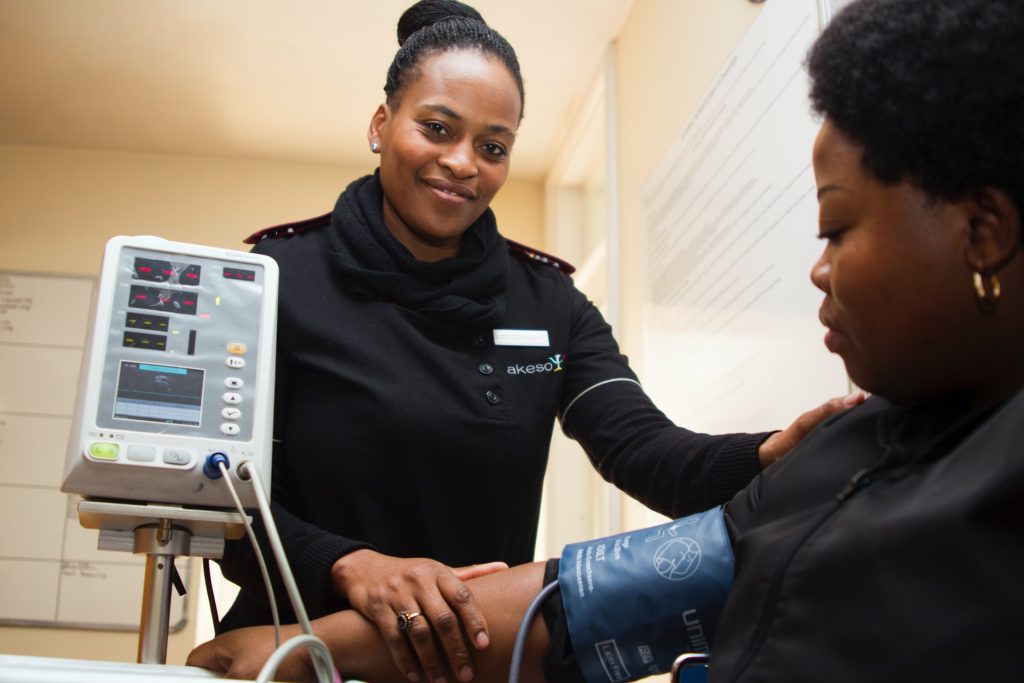
Image by Hush Naidoo from Unsplash

With Dr Joseph Phaahla being promoted from his position as Deputy Health Minister to replace the embattle, Dr Zweli Mkhize, Spotlight reviews Dr Mkhize’s tenure, writing that the very reason he was brought in to that post — to roll out National Health Insurance — would likely suffer a considerable setback as a result of his exit.

His appointment as South Africa’s Minister of Health in May 2019 came as a surprise for some. As one of the ANC’s top officials, the health portfolio seemed a meagre choice in the pre-COVID days.

However, Mkhize’s seniority signalled that health was being given high priority in the new administration. Theoretically, his greater political clout meant he would have a better chance of bringing much-needed reforms to provincial healthcare systems. Spotlight were also “cautiously hopeful that Mkhize’s firmer hand would help better organise and direct the National Health Department and the various national health entities.”

A string of procurement scandals during his time as KwaZulu-Natal’s Premier was cause for concern but was not direct evidence that he was corrupt.

The Digital Vibes scandal had the side effect of making Mkhize anathema to the very project he was originally brought in for, implementing National Health Insurance.

Even with Mkhize gone, the ANC will have a hard time convincing the public that we will not see more such looting once NHI is implemented. There has, after all, been little willingness from ANC members in Parliament to engage seriously with people’s concerns about the proposed NHI structure and governance arrangements set out in the NHI Bill.

Mkhize tackled COVID from a scientific standpoint, which is fortunate for the nation considering the anti-scientific stance of the former Minister of Health Dr Manto Tshabalala-Msimang. However, the decision not to use AstraZeneca vaccines remains contentious. Meanwhile, a purge of scientists, starting with Professor Glenda Gray, let Mkhize surround himself with allies, according to Spotlight.

However, entering the third wave with vaccinations lagging so far behind was a governance disaster possibly even worse than the Digital Vibes scandal.

From an outside perspective, the past two years have not seen great progress in the department, despite some competent individuals, with infighting, under-capacity and most seriously, poor management. The procurement department

Source: Spotlight

Council for Medical Schemes Recommends a Limit on Contribution Hikes

Image by Cottonbro on Pexels

In a circular sent to medical insurance schemes this week, the Council for Medical Schemes (CMS) has recommended that contribution increases be limited to 4.2% in 2022.

The regulator said that this would be in line with the projected Consumer Price Inflation (CPI) increase.

“In instances where it is economically feasible to implement a lower contribution increase than the CMS recommended CPI-linked rate, Trustees are encouraged to adopt innovative pricing models, subject to an independent actuarial evaluation,” it said.

“The CMS is also cognizant of the heightened uncertainty regarding the impact of the pandemic on healthcare claims costs, as well as how quickly member’s health-seeking behaviour will normalise.

“As such, pricing decisions for the 2022 benefit year should be largely data-dependent and sensitive to the demographic risk profile and financial position of each scheme.”

There are roughly 4 million medical scheme members, with almost 9 million beneficiaries. This represents a little more than one in seven of South Africa’s population of nearly 60 million.

Claims may spike

Some medical schemes may experience sudden spikes in high-cost claims as the pandemic progresses over coming months – though the final economic impact of the pandemic remains uncertain, the CMS said. The schemes’ demographic risk profiles, the size of the population covered, and the extent of existing cross-subsidies within benefit options or schemes will affect the impact.

Additionally, the financial position of each medical scheme prior to the pandemic will dictate how it is able to absorb high-cost claims from the pandemic, it said.

Pent-up demand

The CMS said schemes should also be cautious of pent-up demand as South Africans aim to make use of their medical aids as concerns around COVID decrease. As treatments for some minor medical conditions were postponed, with increasing vaccination rates, many of these conditions would now require more complex and expensive treatment. The CMS also noted that some healthcare services will be completely forgone, resulting in lower than projected claims costs.

“Studies also indicate that as countries move out of different Covid-19 waves, hospital visit volumes slowly recover, although the utilisation rates of different services remain well below pre-pandemic levels.”

Source: BusinessTech

A Fourth Wave in the Festive Season?

Image by Quicknews

Health experts are warning that even while the COVID vaccination programme is speeding up, with vaccinations passing the 7 million mark, a fourth wave of infections could still be possible before the Christmas holidays.

The government’s vaccine rollout has been long delayed, including a false start where one million doses of AstraZeneca vaccine were sold on due its inefficacy against the then-dominant Beta variant. Compounded with vaccine hesitancy, it is only now that the vaccination programme is starting to gain ground. Still, many of these in the most vulnerable group are still awaiting their vaccinations.

Back in January, experts were already warning vaccination delays would result in a deadly third wave – a warning that proved all too true.

“It’s a concern to us and we have to get the herd immunity up as fast as possible, and we also have to protect the most vulnerable people in the community. And that’s why we started with the roll out to older people, and not enough have come forward and that’s why we are now messaging the younger population, please bring the elderly amongst your family and your friends, your community, for vaccination,” said Dr Nicholas Crisp of the Department of Health.

Last month, at the Moseneke inquiry into whether elections could be held under lockdown, Wits University vaccinologist Prof Shabir Madhi and the head of the SA National Aids Council, Dr Fareed Abdullah, also expected a fourth wave to arrive later in the year – putting paid to any election plans. The two experts both predicted a fourth wave in later October.

“The peaks are almost six months apart. We don’t know when exactly the third wave will peak, probably over the next few weeks, and we’ll see that six months regularity and if that continues, then we can expect a fourth wave a bit sooner than earlier suggested,” said Prof Madhi.

Professor Francois Venter, director of Ezintsha at Wits health sciences meanwhile, said he expected a fourth outbreak of the coronavirus could hit South Africa around November. Future COVID waves in South Africa hinge on the vaccine rollout – and who is being vaccinated is important, not just how many.

Meanwhile, the Western Cape is experiencing vaccine shortages as cases spike there. The province’s premier David Winde said in a statement: “The fact that there is such enthusiasm to get vaccinated is great news, but we understand it is also very frustrating when it is not possible to be vaccinated as soon as possible.

“The fact that the demand is far outstripping our current supplies means that we are experiencing pressures at some of our sites. We please ask for your patience and understanding.”

Source: Eyewitness News

First South African-produced Vaccine Batch Shipped as Lockdown Eases

The day after President Cyril Ramaphosa announced an easing of COVID restrictions to an adjusted Level 3 lockdown, Durban-based pharmaceutical company Aspen stated that it was releasing its first batch of locally-produced COVID vaccines under a licensing deal with the US giant Johnson & Johnson.

The first batch was leaving its manufacturing unit in Gqeberha, to be further distributed throughout South Africa. The company also stated that vaccines from these batches will be made available through the African Vaccine Acquisition Task Team/African Union platform.

In a statement, Aspen’s Group Chief Executive Stephen Saad, said, “Aspen is proud of the role we are playing in producing vaccines for distribution in South Africa, across Africa and the world. Our ability to produce these vaccines on behalf of Johnson & Johnson builds on our strategic vision of delivering high quality, affordable medicines that improve health outcomes for patients in our own country, continent and around the world.  Supply for Africa and South Africa is particularly rewarding, given the current global inequality in accessing vaccines. This represents a big step forward in ensuring that Africa can address its healthcare priorities. The manufacture of the Johnson & Johnson COVID vaccine builds on the global contributions we have already made in fighting the COVID-19 pandemic with both our anaesthetics portfolio and dexamethasone supply.”
Aspen has invested over R3 billion at the Gqeberha sterile manufacturing site, which contains high-technology, state-of-the-art pharmaceutical equipment and systems that will be used to manufacture advanced sterile medicines, including vaccines.

BioNTech and Pfizer last week signed a deal with South African manufacturer Biovac to help produce vaccine doses in Cape Town through what is known as a ‘fill and finish’ process. Once completed, this is expected to produce 100 million doses per year. President Cyril Ramaphosa has been vocal about global inequality in vaccine procurement, and has been pushing for an African source of vaccines to help the continent fend for itself.
With new cases falling in Gauteng, South Africa’s lockdown was lowered to an adjusted Level 3 on Sunday, with the sale of alcohol once again permitted during the week and at bars and restaurants.

Source: Aspen Holdings

Tshwane Hospital, Left Unscathed by Unrest, Continues the COVID Fight

Photo by Hush Naidoo on Unsplash

Amidst the unrest which badly disrupted the provision of healthcare in many areas, Dr George Mukhari Academic Hospital was one of the lucky Gauteng metros left unscathed.

The hospital’s Acting CEO Dr Keneilwe Letebele said that protests did not extend as far as Ga-Rankuwa, north of Pretoria, which left the healthcare facility untouched by the violence and looting.

“Up until now, our hospital has not been adversely affected, possibly because there were not much protest marches happening in our vicinity,” said Dr Letebele.

Being out of the thick of the protests let the hospital remain focussed on dealing with COVID cases. Lessons they had learnt from the first two waves had helped them mitigate the high number of fatalities in the third waves.

“The situation is quite challenging but we have learnt some valuable lessons from the first and second wave experiences regardless of some differences.

“These lessons have helped us to adapt to the situation. What is important is that when the first wave engulfed us, it was a first experience for everyone but now we know what to expect and how to address some challenges,” she said.

Dr Letebele noted that they have 60 additional beds at their newly-built Alternative Building Technology (ABT) unit, which adds to the existing 280 beds dedicated to COVID.

However, the high number of healthcare workers testing positive for COVID had left them short of staff.

“Capacity is reduced due to staff being COVID positive. However, the department has increased the number of staff to manage the surge (in cases),” she said.

Meanwhile, Vuyo Mhaga, the spokesperson for Gauteng Premier David Makhura, said scientists have warned that although COVID numbers were beginning to fall in the province, it was not enough – and it might even reverse given current events.

“The province is concerned that there might be a change in the downward trajectory of new infections due to recent protest action.

“Daily new infections remain very high. Some of those infected do require hospital care. These protests might cause the province to take longer to flatten the curve,” said Mhaga.

Meanwhile, health bodies including the South African African Health Products Regulatory Authority (SAHPRA) have issued a joint statement warning against using looted medications.

“We would like to urge the public not to utilise any medicines that are not accessed through authorised health care institutions. You may report such illegal activity to SAHPRA or to law enforcement agencies,” the medical bodies said.

They also said that looting and violence from the unrest only worsened the COVID pandemic and set back the provision of equitable healthcare.

“We appeal to citizens looting and destroying the healthcare infrastructure and disrupting the provision of health care to consider the long-term consequences of their actions on the health of communities.

“Without health care services, the requisite medicines and vaccines, we will have unnecessary deaths and cause further pandemonium, including severe damage to the economy,” the bodies said.

Source: IOL

ImmunityBio COVID Booster Gets Go-ahead for South African Trials

Photo by Mufid Majnun on Unsplash

Immunotherapy company ImmunityBio has been authorised by the South Africa Health Products Regulatory Authority (SAHPRA) to proceed with the South Africa Sisonke T-Cell Universal Boost trial. 

The Phase 1/2/3 study, starting in the second third quarter of 2021, is designed to evaluate hAd5 Spike + Nucleocapsid (S+N) as a boost for South African healthcare workers previously vaccinated with an S (Spike)-only vaccine.

“With the virus continuing to spread, moving forward with this boost trial is crucial,” said Leonard Sender, MD, Chief Operating Officer of ImmunityBio. “We are encouraged by the preliminary safety findings in our ongoing Phase 1 studies in both the U.S. and South Africa. In addition, our U.S. data show that just a single prime subcutaneous vaccination with our COVID-19 vaccine candidate induces a 10-fold increase in T cell response—equivalent to T cell responses from patients previously infected with SARS-CoV-2. We have also shown that the T-cell responses are maintained against variants, which is critical to providing protection against this ever-changing virus.”

In the trial, the effect of combining vaccination by subcutaneous (SC) and sublingual (SL) routes will be assessed. This combination has the potential to deliver protection from the virus with a single injection followed by droplets placed under the tongue. Methods that do not require injection such as SL, intranasal, and oral capsule offer potential advantages depending on the participant’s needs or situation. Sublingual administration offers the most rapid absorption, while nasal spray or oral capsule delivery have the potential to provide mucosal immunity, which could reduce both the chance of infection and potential spread of the virus via the respiratory tract. The three non-injection formulations do not need a trained healthcare worker to administer them and are easier to transport and store. The SL and nasal routes of administration are also currently being tested in a separate Phase 1 trial in South Africa.

“The number of new cases in South Africa is frightening, particularly when you consider recent data suggesting currently available COVID-19 vaccines may not provide the immune memory needed to fend off infection from future variants. This highlights an urgent need for a boost dose that confers long-term protection by activating both antibodies and T cells, ” said Patrick Soon-Shiong, MD, Founder and Executive Chairman of ImmunityBio.

“Several peer-reviewed studies demonstrate that patients who have recovered from SARS-CoV in the 2003 outbreak possess long lasting memory T cells reactive to the nucleocapsid protein of SARS-CoV 17 years after infection. While antibodies block infection when present, T cells are vital for long-term immune memory. We are excited to begin this controlled, randomized trial of boosting a previously administered DNA-based viral vector vaccine with our own Ad5 dual-antigen S plus N vaccine to see if it can augment protection in participants who have received the S-based vaccine alone,” added Dr Soon-Shiong.

Source: BusinessWire

Clicks Reports Losses of R5 Billion from Riots and Looting

Photo by Michael Longmire on Unsplash

Pharmacy and health and beauty retail group Clicks has reported estimated losses of R5 billion resulting from damage to and looting of stores at shopping malls and distribution centres across South Africa, according to BusinessTech.

Clocks said that it has been forced to close all of its 110 stores in KwaZulu-Natal and 130 of its stores in Gauteng, with long lines reported at those stores that have remained open in the province. Nationwide, 279 stores have been closed and 52 have been damaged. Guidance for those needing medication is available on its website, and online deliveries have been affected as its warehouse is in Johannesburg.

106 vaccination sites have been closed across the country, the group said in a statement, as looting and vandalism continued into Wednesday, predominantly in KwaZulu-Natal and Gauteng. They advise that all vaccination sites are now accepting walk-in appointments. Dis-Chem has advised that its vaccination sites in KwaZulu-Natal are closed, as well as three of its seven sites in Gauteng.

The group had previously been forced to close its stores in September 2020 due to threats from the EFF over allegations of racism in its advertising.

Clicks has 760 stores and over 600 in-store pharmacies around country.

“The disruption of services means affected Clicks stores will be temporarily unable to administer vaccinations and provide medication to customers, along with public sector medicine pick-up points being temporarily unavailable.

“Contingency plans are being put in place to provide alternative arrangements for delivery of chronic medication and rescheduling of vaccinations, where possible,” the group said.

The unrest began with protests against the arrest and incarceration of former president Jacob Zuma, but has since degenerated into looting and destruction.

Clicks said that the full cost of the looting and damages to stores is still to be determined given the ongoing unrest.

Source: BusinessTech

Attacks on Crisis-hit Hospitals Averted

Photo by Pawel Janiak on Unsplash

As hospitals in violence-hit areas struggle with supplies and staffing, Police Minister Cele revealed that attacks on hospitals had been averted.

Speaking to eNCA, Minister Cele revealed that crime prevention intelligence had prevented attacks on healthcare infrastructure. “In KZN, yesterday… they were planning to burn the hospitals… literally planning to burn the hospitals with patients inside. So, that was averted,” he said.

Minister Cele made the comments while he was visiting an area hit by violence in Mamelodi, Tshwane.

During a briefing by the Justice, Crime Prevention and Security (JCPS) Cluster, State Security Minister Ayanda Dlodlo said that state security intelligence had prevented further destruction of buildings and infrastructure. This information was shared with the police. “We tried our best wherever we could and we affected a lot more than what you see on national television,” she said.

Netcare has had to scramble to secure medical supplies for its hospitals in KwaZulu-Natal. Netcare CEO Dr Richard Friedland said that they had flown in trauma nurses and medical supplies following their supplier’s inability to provide them as a result of the unrest. Dr Friedland said Netcare hospitals remained open despite staffing challenges.

“Like many other businesses, we have experienced some challenges due to staff shortages as a result of staff not being able to reach their place of work, however Netcare’s hospitals remain open throughout the country. We have treated a number of people for protest-related injuries, placing further pressure on an already constrained healthcare system, including emergency medical services,” he said.

The Democratic Nursing Organisation of South Africa (Denosa) has also reported that its members are facing challenges getting to and from work because of the violence.

Gauteng’s Ambulance Fleet: Coping with COVID, Riots and Furniture

Photo by camilo jimenez on Unsplash

Gauteng Health MEC Nomathemba Mokgethi acknowledged that many ambulance pickups were being delayed in the province, but placed the blame for this on the referral system.

Starting in 2019, the Gauteng government has taken over most municipal emergency services. However, due to the pressure placed by COVID, City of Tshwane and City of Ekurhuleni municipalities will receive temporary licences to continue operating ambulance services. “So, combined they will be able to respond to our communities on time,” said MEC Nomathemba Mokgethi.

The province’s ambulances and crews are under severe strain as they cope with a lack of resources, the COVID pandemic, and most recently, violent protests.

The Gauteng Emergency Services has been augmenting its fleet with new vehicles, including a pair of Mfezi armoured ambulances for use in dangerous situations, such as riots, where normal soft-skinned ambulances cannot venture.

For example, these armoured vehicles were deployed during New Year’s Eve at Hillbrow, during which time old furniture is often thrown onto the street as a way to ‘start afresh’ for the New Year. This tradition started in the 1990s. Though there may not be as many defenestrated refrigerators in recent years, numerous injuries from the tradition have required the police to clamp down.

The City of Tshwane, which continues to operate under its own ambulance licence, also acquired an armoured ambulance in 2019.

Jack Bloom of the DA said that the Gauteng Health Department has botched its takeover of all ambulance services in the province. Of the original 90 ambulances in Johannesburg before the transition were available, only 40 were now available, according to Bloom. 

Meanwhile, in KwaZulu-Natal, more than 30 private ambulance operators have taken their vehicles off the roads to protect them from the ongoing violence.

As Gauteng Weathers Third Wave, Western Cape Readies its Defences

Image by Quicknews

While COVID infection rates in Gauteng remain high, Western Cape is now firmly in a third wave, with an average of 1969 new cases a day. The healthcare system there has been monitoring the situation and preparing for the expected surge in cases.

“We are in a steep third wave, driven by the Delta variant and urge everyone to adhere strictly to protective behaviours, as a key drive to contain it. We anticipate that the third wave could be as high as the second wave. We await revised modelling from the SACMC to re-calibrate our response,” said head of health Dr Keith Cloete. Data on cases, healthcare capacity and details of the Western Cape’s responses were made available on the SA Coronavirus Portal.

In the Western Cape, the reproductive number has been over one for the past two months and is currently sitting at approximately 1.2, meaning an acceleration of new cases. The test positivity rate is at about 32%.

The public and private sector are using around two-thirds of the oxygen production capacity of Afrox’s plant. The level 4 restrictions with their accompanying alcohol ban saw a significant drop in week-on-week trauma presentations (~25%) and weekend trauma burden (~33% drop). This comes even with the context typical end of month increase as well as expected remaining alcohol stock, demonstrating the ban’s effectiveness.

The modelling referred to by Dr Cloete currently shows a high of ~500 daily admissions by 17 July, however an updated model is awaited. Public sector COVID bed capacity is being increased by converting beds and opening field hospitals, with a planned capacity of 2300 beds.

About 48.5% and 10.4% of the Western Cape population aged 60+ and 50-59 respectively have been vaccinated so far. Meanwhile, in a media briefing on Friday, Acting Health Minister Mmamoloko Kubayi-Ngubane announced that COVID vaccine registration for South Africans between the ages of 35-49 will open on July 15, with vaccinations for this age group planned to commence on August 1.