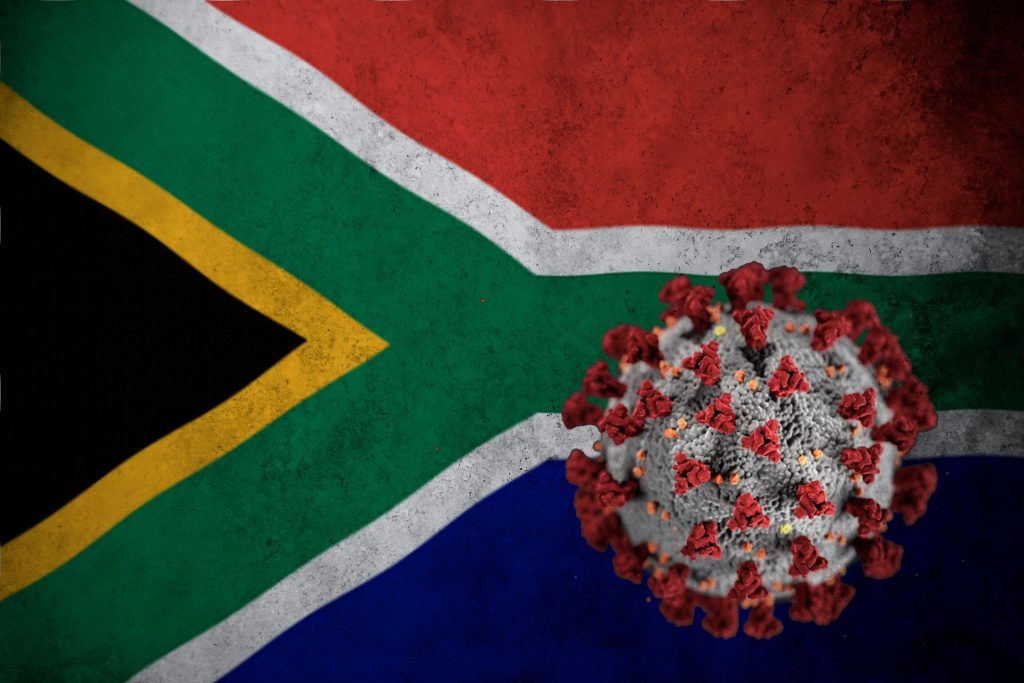
On Thursday, the UK government announced that South Africa has come of the COVID red list, which has been cut from 54 to just seven.
Brazil and Mexico also come off the red list, which requires travellers to quarantine in an approved hotelat their cost for 10 full days – at a cost of £2285 for one person. The seven countries remaining on the red list are Panama, Colombia, Venezuela, Peru, Ecuador, Haiti and the Dominican Republic. Vaccinated travellers from South Africa will be treated the same as returning fully-vaccinated UK residents so long as they have not visited a red-list country in the 10 days before arriving in England. All incoming travellers will still complete a passenger locator form.
UK Transport Secretary Grant Shapps said the changes begin on Monday and “mark the next step” in opening travel.
The UK’s travel rues have recently been simplified, with the amber list removed entirely, and advice against holidays changed for 32 countries. Arrivals from 37 more destinations will have their vaccination status certificates recognised, meaning they can avoid more expensive post-arrival testing requirements.
Speaking to the BBC, British expats Matt and Hannah Pirnie, who have lived in South Africa for a decade, said the separation has been difficult.
“It’s been a long pandemic for us. Not seeing family, not being allowed to go back, but more importantly grandparents not being able to come here and see their grandkids. It’s been a long two years,” Matt said.
“First of all when all the aeroplanes stopped initially – that was quite anxiety provoking – and then to be put on the red list for so long has just been quite hard to wrap your head around why,” Hannah adds.
Announcing the latest changes, Mr Shapps said the government was “making it easier for families and loved ones to reunite”. He said that with fewer restrictions “and more people travelling, we can all continue to move safely forward together along our pathway to recovery”.
In addition to the much-abbreviated red list, the government said passengers would soon be able to use a photograph of a lateral flow test as a minimum requirement to verify a negative result, and the more expensive ‘day two’ PCR test was to be replaced with a lateral flow test.
Researchers at Stellenbosch University had discovered that an overload of inflammatory molecules, literally ‘trapped’ inside insoluble microscopic blood clots, might be behind some Long COVID symptoms.
From almost the beginning of the pandemic, blood clots have been reported in COVID patients in various organs besides the lungs.
Prof Resia Pretorius, a researcher at Stellenbosch University (SU), made this finding when she began examining micro clots and their molecular content in blood samples from individuals with Long COVID. The findings were reported in Cardiovascular Diabetology.
“We found high levels of various inflammatory molecules trapped in micro clots present in the blood of individuals with Long COVID. Some of the trapped molecules contain clotting proteins such as fibrinogen, as well as alpha(2)-antiplasmin,” Prof Pretorius explains.
Alpha(2)-antiplasmin prevents blood clot breakdown, while fibrinogen is the main clotting protein. Normally, the body’s plasmin-antiplasmin system maintains a fine balance between blood clotting and fibrinolysis.
With high levels of alpha(2)-antiplasmin in the blood of COVID patients and individuals suffering from Long COVID, the body’s ability to break down blood clots is inhibited.
Dr Maré Vlok, a senior analyst in the Mass Spectrometry Unit, noticed that the blood plasma samples from individuals with acute COVID and Long COVID continued to deposit insoluble pellets at the bottom of the tubes after dilution (a process called trypsinisation).
He alerted Prof Pretorius to this, which she then investigated further, using fluorescence microscopy and proteomics analysis. This marks the first reported detection micro clots in blood samples from those with Long COVID. “Of particular interest is the simultaneous presence of persistent anomalous micro clots and a pathological fibrinolytic system,” they wrote. This implies that the plasmin and antiplasmin balance may be central to pathologies in Long COVID, and provides further evidence that COVID, and now Long COVID, have significant cardiovascular and clotting pathologies.
Further research is recommended into a regime of therapies to support clotting and fibrinolytic system function in individuals with lingering Long COVID symptoms.
Working with vascular internist and article co-author, Dr Jaco Laubscher from Mediclinic Stellenbosch, they now plan to perform the same analysis on a larger sample of patients.
As the country gets back to Level 1 lockdown, pressure is mounting on the UK to revise its travel restrictions for SA.
The drop to Level 1 was announced by President Cyril Ramaphosa on Thursday, September 30. The restrictions include a midnight to 4am curfew, and restaurants to close at 11pm. Alcohol sales are likewise permitted until 11pm, and large events of up to 750 people indoors and 2000 people outdoors can be held.
This is accompanied by a renewed vaccine drive, to reach a goal of vaccinating 70% of the adult population by year end, President Ramaphosa announced.
“To reach our goal we need to administer an additional 16 million vaccine doses this year, which amounts to around 250 000 first dose vaccinations every single workday of every week until mid-December,” he said.
Meanwhile, President Ramaphosa is hopeful that SA will be taken off of the UK’s ‘red list’, which means travellers travelling or returning to the UK must quarantine for ten days in a government-designated hotel at a cost of over £2000 (R40 500). The tourist industry, which has lost half a million jobs, is pressing for SA to be removed from the UK’s red list in time for the festive season, which sees many British travellers coming to enjoy the summer here.
Former UK cabinet minister Peter Hain this week also called on the UK to release SA from its travel red list, calling it a “ludicrous” decision, as it was not backed up by science.
“SA has a low infection rate: just a tenth of the infections in the UK and a similarly low fraction compared with much of Europe. It has only one variant in circulation, exactly the same variant as in the UK, Delta,” Hain said in a statement on Thursday.
Ramaphosa said that spoke with UK prime minister Boris Johnson on Thursday, and was hopeful of a “positive outcome” in a few days.
“Our greatest priority now is to ensure that the economy recovers as quickly as possible so that we can create jobs and help businesses to get back on their feet,” he said.
In the latest development of the R150 million Digital Vibes tender fallout, Health department director-general Dr Sandile Buthelezi has been placed on precautionary suspension
On Sunday, health ministry spokesperson Foster Mohale confirmed Buthelezi’s suspension following a Special Investigating Unit (SIU) report into the alleged tender fraud. Deputy DG Dr Nicolas Crisp will take over as acting DG until the completion of Buthelezi’s hearing process. Buthelezi had previously been on leave.
Mohale said that while the R150m Digital Vibes communications contract was already secured when Buthelezi assumed the DG role, it was his inaction in his role as heady of accounting authority regarding the contract that led to the suspension, said Mohale.
The tender process was rife with irregularities, involving fictitious companies and doctoring scores of bidding companies.
“The procurement process was … a sham, designed and conducted to reach the predetermined result that Digital Vibes would be appointed,” lead investigator Rajendra Chunilall said in the SIU’s founding affidavit.
Former health director-general Precious Matsoso told the SIU that Tahera Mather, a friend of Dr Mkhize’s and a beneficial owner of Digital Vibes, began work at the department straight after Dr Mkhize’s appointment as minister. Matsotso had been pressured by Dr Mkhize to ensure that Mather was hired. Instead of a public tender for the National Health Insurance (NHI) communications contract as advised by the Treasury, it was issued as a closed tender to ten companies.
Two of these companies did not exist and six of which, including a computer equipment supplier and a graphic design company, did not respond as the tender was out of their scope, according to forensic accountant Hesti le Roux’s investigation.
Mather is also alleged to have created a fraudulent profile for Digital Vibes with the relevant skills and experience, including a fake team some of whom never worked for Digital Vibes and were not paid.
Due to this rigging, only Digital Vibes and Brandswell responded; the latter had the upper hand as its R69m quote was far cheaper than Digital Vibes’ R141m,
However, the department then inexplicably issued a second RFP, amending the requirements.
Brandswell was “irregularly and irrationally” marked down by the department’s five-member tender evaluation committee (TEC), which included deputy director-general Anban Pillay and head of communications Popo Maja. This was despite Brandswell being a “long-standing and reputable communication solution service provider”, Le Roux said.
“Clearly, the recommendation by the TEC to award the contract to Digital Vibes was invalid in terms of the provisions [of] the constitution, because the procurement process was not fair, equitable, transparent, competitive and/or cost-effective. Therefore, the service level agreement that was concluded with Digital Vibes should be declared invalid,” Le Roux concluded.
The daily COVID vaccination rate in South Africa plunged this week, prompting fears that the vaccination drive may be losing steam. This comes amid criticism around insufficient information about vaccinations in more remote and impoverished communities.
Just 159 542 doses were administered on 20 September, the lowest weekday total since 13 August, when 147 307 jabs were given, according to government statistics.
That falls short of its target of 300 000 daily doses (which is yet to be obtained), and also the lowest since 18-to-35 year-olds became eligible for vaccines on 1 September.
As of Wednesday, 22 September South Africa has administered 16.56 million doses, but only 8.23 million of the country’s almost 40 million adults are fully vaccinated. Of those fully vaccinated, about 44% are the single-dose Johnson & Johnson vaccines.
To achieve 70% coverage of the adult population by December, a further 18 million adults will need to be vaccinated, noted health minister Dr Joe Phaahla.
In an address to the media on Friday, 17 September, Dr Phaahla said that the government is still focused on adult vaccinations, with the main priority being the 50 and older age group ahead of a possible year-end fourth wave. Dr Phaahla also noted the South African health regulator’s approval of Pfizer’s COVID vaccine for use for children 12 years and older, saying that the policy of vaccination of under 18s would be revisited based on the total number of adults vaccinated by the end of October.
“Even though we know the Pfizer vaccine has been approved [for children], we want to remain focused on the high-risk people as of now.
“If we can reach 70% of the 50+ age group when the next wave comes, our hospitals will not be as overwhelmed as they have been.”
Dr Phaahla added that the government is aware of pressure from schools for vaccinations of children. Other factors to be taken into account are the local government elections on 1 November — a possible super-spreader event — and a surplus vaccine supply to enable targeting under 18s.
“We think it will be very risky to be all over and start just vaccinating people everywhere. Let’s manage the schools, and keep on pushing the elderly to get vaccinated.”
On Wednesday, 22 September, there were 2967 new COVID cases, with a case positivity rate of 7%. The total number of vaccinations on that day was slightly higher, but only stood at 187 003, short of the government’s goal of 300 000 per day. Of these, 110 847 were fully vaccinated, 45.3% from J&J doses.
An outbreak of rabies has hit the Nelson Mandela Bay metro, with a nine-year-old Gqeberha boy being its first victim so far.
The Nelson Mandela Bay Metropolitan Municipality (NMBMM) issued a warning calling on residents to be vigilant and to take their domestic pets for rabies vaccinations, following the death of a boy last weekend who was bitten by a dog. Health-e Newsreceived confirmation from NMBMM that the nine-year-old boy died at the Dora Nginza Hospital on Friday last week.
“We have learnt with sadness of the passing of the boy from Motherwell, who died due to rabies. We have the family in our prayers,” said Acting Mayor Luxolo Namette.
The municipality’s health services directorate deputy director Dr Patrick Nodwele said vaccinating domestic pets can be the most effective way of preventing rabies transmission to humans.
“The boy passed at Dora Nginza Hospital where it was established that he had been bitten by a dog. Our health officials, together with the Department of Agrarian Reform, have been busy these last couple months vaccinating dogs and cats in an effort to curb the virus as we know that rabies is a vaccine-preventable disease and post-bite vaccinations save lives,” Dr Nodwele told Health-e News.
Rabies causes viral encephalitis which kills up to 70 000 people a year around the world. Infected animal saliva transmits viral encephalitis to humans. Rabies is one of the oldest known diseases in history with cases dating back to 4000 years ago. For most of human history, a bite from a rabid animal was uniformly fatal. In the past, people were so scared of rabies that after being bitten by a potentially rabid animal, many would commit suicide.
Rabies cases rose significantly over August and September, he added, which is why they are calling on residents to take their domestic pets for vaccinations. The outbreak is spread throughout the entire Nelson Mandela metro region and Nodwele said that 61 rabies specimens submitted for testing all came back positive.
So far 5254 dogs and 438 cats have been vaccinated across the metro. The municipality from time to time issues a domestic pets vaccination schedule, and is calling on residents to observe the schedule so that they bring their animals for vaccination. A vaccination and community education programme is also being run.
Dr Nodwele said the incubation period of rabies is two to three months, though with factors such as bite location and viral load, it can also vary from one week to a year.
“Initial symptoms include a fever and pain, and unusual or unexplained tingling, pricking or burning sensations at the wound site. As the virus spreads through the body to the central nervous system, progressive and fatal inflammation of the brain and spinal cord develops,” Dr Nodwele explained.
New research finds African countries, assessed as being least vulnerable to an epidemic were the worst affected by COVID, particularly South Africa.
A team of researchers from the NIHR Global Health Research Unit Tackling Infections to Benefit Africa (TIBA) worked with the World Health Organization (WHO) African Region to identify factors affecting mortality rates during Africa’s first two COVID waves and the timing of the first reported cases. The study, published in the journal Nature Medicine, found that countries with greater urban populations and strong international travel links were worst affected by the pandemic. Mortality rates and levels of restrictions, such as lockdowns and travel bans, were found to be lowest in countries previously thought to be at greatest risk from COVID.
Professor Mark Woolhouse, TIBA Director, who co-led the study, said, “Our study shows very clearly that multiple factors influence the extent to which African countries are affected by COVID. These findings challenge our understanding of vulnerability to pandemics.
“Our results show that we should not equate high levels of preparedness and resilience with low vulnerability.
“That seemingly well-prepared, resilient countries have fared worst during the pandemic is not only true in Africa; the result is consistent with a global trend that more developed countries have often been particularly hard hit by COVID.”
Among 44 countries of the WHO African Region with available data, South Africa had the highest mortality rate during the first wave between May and August 2020, at 33.3 deaths recorded per 100k population. Cape Verde and Eswatini had the next highest rates at 17.5 and 8.6 deaths per 100k, respectively. At 0.26 deaths recorded per 100,000, the lowest mortality rate was in Uganda.
South Africa also recorded the highest mortality rate during the second wave between December 2020 and February 2021, at 55.4 deaths per 100,000. Eswatini and Botswana recorded rates of 39.8 and 17.7 deaths per 100,000, respectively. The lowest rate was in Mauritius, which recorded no deaths during the second wave.
“The early models which predicted how COVID would lead to a massive number of cases in Africa were largely the work of institutions not from our continent. This collaboration between researchers in Africa and Europe underlines the importance of anchoring analysis on Africa’s epidemics firmly here,” said Dr. Matshidiso Moeti, WHO Regional Director for Africa and co-author. “We can no longer focus our understanding of disease transmission purely on the characteristics of a virus—COVID operates within a social context which has a major impact on its spread.”
Countries with high rates of HIV were also more likely to have higher mortality rates. This may be because people with HIV often have other health conditions that put them at greater risk from COVID, the team suggests.
The weak association between mortality rate and the timing or severity of government-imposed social restrictions shows the varied impact and enforcement across the region, making a consistent impact pattern difficult to discern. Restrictions during peaks of infection are well documented to have interrupted transmission in the region.
The findings show that the earliest recorded cases of COVID were in countries where most people live in urban areas, with strong international travel links and greater testing capacity. Algeria was the first of 47 African countries to report a case, on 25 February 2020. Most countries had recorded cases by late March 2020, with Lesotho the last to report one, on 14 May 2020.
Higher death rates were observed during the second wave, compared with the first. The infection peak during the second wave was also higher, with 675 deaths across the continent on 18 January 2021 compared with 323 during the first wave peak on 5 August 2020. Potential under-reporting was accounted for in the analysis.
Interim results from a phase 1B/2A clinical trial conducted by the Wits Vaccines and Infectious Diseases Analytical (VIDA) research unit showed that the AstraZeneca vaccine conferred COVID protection in people living with HIV.
The findings, published in Lancet HIV, show that the AstraZeneca COIVD vaccine is likely to work as well in people living with HIV compared with people who are HIV negative.
These interim findings are vital for informing the clinical management of people with HIV during the COVID pandemic.
In general, clinical trials which evaluate the safety and immunogenicity of COVID vaccines in people living with HIV are limited, and in Africa they are virtually non-existent. This is despite the overwhelming prevalence of HIV infection in Africa, especially South Africa .
“We searched PubMed for peer-reviewed articles published between 1 January 2019 and 29 June 2021, using the terms ‘safety’ and ‘Covid-19’ and ‘vaccine’, but we did not find any reports that evaluated safety and immunogenicity of COVID vaccines in this population,” said Shabir Madhi, Professor of Vaccinology and Director of Wits VIDA, which led the first South African trial for a COVID vaccine in June 2020.
Compared to the general population, people living with HIV have an increased risk of infectious diseases and have a greater mortality risk when hospitalised with severe COVID.
In addition, compared with HIV-negative individuals, people with HIV are at greater risk for infectious diseases, such as influenza, including during antiretroviral therapy (ART).
Risk factors for severe COVID in people with HIV include more advanced stage of HIV/AIDS, the HIV-1 infection not being virally suppressed, and CD4 counts below 500 cells per microlitre.
The study was an interim analysis of a randomised, double-blind, placebo-controlled, phase 1B/2A trial. In 2020, the trial enrolled 104 people living with HIV were enrolled in the trial, HIV-negative people. Eligibility criteria for people with HIV included being on ART for at least three months, with a plasma HIV viral load of less than 1000 copies per microlitre.
The HIV study was a unique addition to the AstraZeneca COVID vaccine clinical trial, and aimed to assess safety and immunogenicity of this vaccine in people with HIV and HIV-negative people in South Africa. The primary endpoint in all participants regardless of HIV status was the safety, tolerability, and reactogenicity profile of the AstraZeneca COVID vaccine.
Reactogenicity refers to a subset of reactions that occur soon after vaccination, and are a physical manifestation of the inflammatory response to vaccination. Such symptoms include pain, redness, swelling or induration for injected vaccines, and systemic symptoms, such as fever, myalgia, headache, or rash. In clinical trials, information on expected signs and symptoms after vaccination is actively sought.
The interim findings show that the AstraZeneca COVID vaccine was well tolerated and showed favourable safety and immunogenicity in people with HIV, including heightened immunogenicity in SARS-CoV-2 baseline-seropositive participants.
An article in Spotlightexamines the challenges faced by South Africans with rare diseases.
A rare disease is a health condition affecting a small number of people compared with other diseases commonly identified in the population. According to the World Health Organization (WHO), there are between 5000 and 8000 known rare diseases worldwide, affecting an estimated 400 million people.
According to the advocacy group Rare Disease South Africa (RDSA), about 3.6 million people in SA have a rare disease. In South Africa, the ability to diagnose a rare disease is hindered by a lack of capacity and resources, according to research, putting the time to diagnosis for rare diseases in general higher than the estimated 5.5 to 7.5 years in high-income countries. “There is still low recognition of genetic disorders among specialists. And when they are recognised, testing remains expensive and requires sophisticated levels of training which are relatively limited,” says Prof Karen Fieggen, a medical geneticist at the University of Cape Town (UCT).
According to her, costs, skills, training, and human resource factors are all barriers to effective testing and diagnosis. But she says the rationale to build an effective system is solid.
“We have capable people and expertise to build this system, but until you invest in it, it won’t be big enough to be self-sustaining,” she says.
Prof Fieggen acknowledges that resources are stretched in the public sector, where specialists who carry out genetic testing for rare diseases must meet the needs of a larger part of the population. However, she notes, “there’s no guarantee you’re better off in the private sector”.
“There are very few genetic referral options, and none of the medical geneticists are kept in work full time,” she says. In Cape Town, for example, she says that all patients seeking genetic testing had to come to the private sector until recently. “We have the capacity to train seven specialists a year, but posts aren’t available for them to take,” she says.
At one per 4.5 million population, available medical geneticists in the public healthcare sector fall far short of the 21 per 2 million recommended by the WHO. These services are also spread unevenly through the country. The country’s heavy burden of HIV and TB is partly responsible for this lack of coverage.
While healthcare training must focus on these public health needs, Prof Fieggen says rare diseases need a sensible approach. “It doesn’t help to throw huge resources at something that will have minimal management impact,” she says. “But the way in which rare diseases have been relatively ignored isn’t constructive.”
Helping the recognition of rare diseases and referral pathways in physician training may make a difference. “One thing that could be instilled in training is to recognise that if things are atypical in their presentation, there should be a discussion with a referral centre,” says Associate Professor Ian Ross, a senior consultant endocrinologist at UCT and Groote Schuur Hospital.
Only 2.5-5% of rare diseases have approved treatments, some of which are prohibitively expensive.
The most expensive drug in the world is Zolgensma (generic name onasemnogene abeparvovec), a once-off treatment costing a mind-blowing USD $2.1 million (R 30m). Used to treat inherited spinal muscular atrophy, where infants with the condition are unlikely to see their second birthday. However, even this is available through the UK’s National Health Service, which struck a deal to bring prices down.
Du Plessis says these drugs are not on the essential medicines list because of the small group of patients they would serve. “The essential medicines list is dedicated to treatments that are procured in large numbers. Rare diseases will never be mass-market drugs.”
Such drugs can be purchased by hospital pharmacists so they can be available at a certain hospital, making for a haphazard situation. To help address this inequality, RDSA held a Rare Disease Symposium on 25 August, inviting feedback on a draft policy framework from various medical sector and political stakeholders.
The framework has a definition for rare disease in SA, namely a condition affecting one in 2000 people or fewer. It also recommends including rare diseases in the NHI benefit package. The NHI bill also includes a Benefits Advisory Committee, which will determine what diseases get coverage,
However, Dr Nicolas Crisp, Acting Director General for Health, said that the NHI would not ring-fence funding. As medical insurance will be done away with, it will be crucial to secure funding for those extremely expensive drugs unaffordable to the private sector.
The Network for Genomic Surveillance in South Africa (NGS-SA) has reported that the C.1.2 variant is spreading less slowly than in July, from 2.2% of all sequenced COVID cases to 1.5% in August, and is therefore unlikely to become a dominant variant.
Meanwhile, B.1.621, another variant that first emerged in Colombia in January has been recently classified by the World Health Organization (WHO) as a variant of interest (VOI), receiving the Greek letter “Mu”. Since its first detection, it has spread across North America, South America and Europe, and has also been detected in Asia. The majority of the Mu sequences (5123) have been detected in North America (55%, n=2841) followed by South America (23%, n=1328), Europe (18%, n=948) and Asia (0.1%, n=6). As of 3 September 2021, Mu has not been detected in Africa. Thus far, it makes up less than 1% of the globally circulating viruses with Delta accounting for 88%.
NGS-SA, which includes the National Institute for Communicable Diseases (NICD), continuously and rigorously monitors SARS-CoV-2 sequences circulating in South Africa. This work is crucial in the early detection of SARS-CoV-2 variants, including Mu.
Many of the mutations within the spike protein which define the Mu variant (T95I, E484K, N501Y, D614G, P681H and D950) have been seen before in other VOIs or variants of concern (VOCs) including Beta and Delta. Some of these mutations have previously been associated with decreased antibody responses and increased transmissibility. Therefore it is likely that Mu will have similar properties to other variants with increased transmissibility and reduced sensitivity to antibodies in vaccines and those who have recovered from COVID.
The NICD advises that both COVID vaccines being used in South Africa have high levels of protection against severe disease requiring hospitalisation and death even against VOI/VOCs such as Beta and Delta and therefore will likely also protect against Mu.