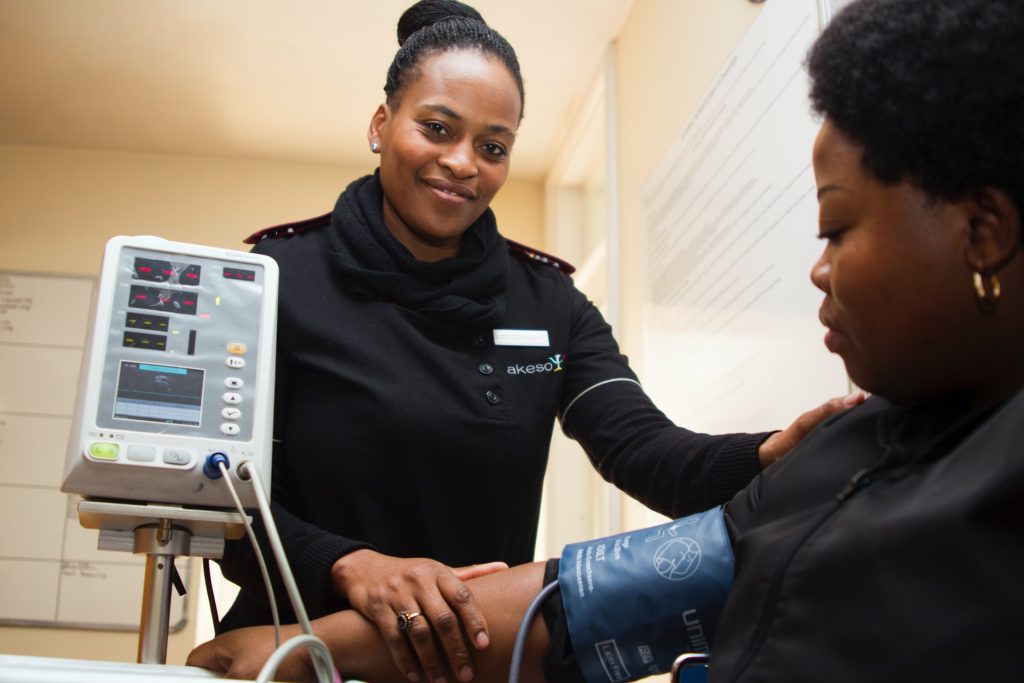
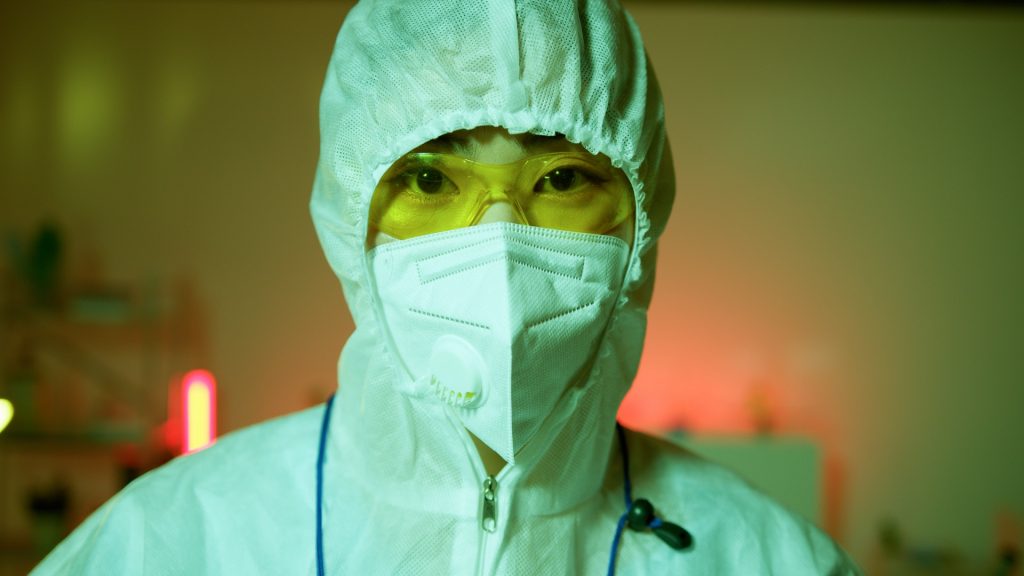
Advancements in AI have resulted in typically human characteristics like creativity, communication, critical thinking, and learning being replicated by machines for complex tasks like driving vehicles and creating art. With further development, these human-like attributes may develop enough to one day make it possible for robots and AI to be entrusted with nursing, a very ‘human’ practice. But… would it be ethical to entrust the care of humans to machines?
In a step toward answering this question, Japanese researchers recently explored the ethics of such a situation in the journal Nursing Ethics.
The study was conducted by Associate Professor Tomohide Ibuki from Tokyo University of Science, in collaboration with medical ethics researcher Dr Eisuke Nakazawa from The University of Tokyo and nursing researcher Dr Ai Ibuki from Kyoritsu Women’s University.
“This study in applied ethics examines whether robotics, human engineering, and human intelligence technologies can and should replace humans in nursing tasks,” says Dr Ibuki.
Nurses show empathy and establish meaningful connections with their patients, a human touch which is essential in fostering a sense of understanding, trust, and emotional support. The researchers examined whether the current advancements in robotics and AI can implement these human qualities by replicating the ethical concepts attributed to human nurses, including advocacy, accountability, cooperation, and caring.
Advocacy in nursing involves speaking on behalf of patients to ensure that they receive the best possible medical care. This encompasses safeguarding patients from medical errors, providing treatment information, acknowledging the preferences of a patient, and acting as mediators between the hospital and the patient. In this regard, the researchers noted that while AI can inform patients about medical errors and present treatment options, they questioned its ability to truly understand and empathise with patients’ values and to effectively navigate human relationships as mediators.
The researchers also expressed concerns about holding robots accountable for their actions. They suggested the development of explainable AI, which would provide insights into the decision-making process of AI systems, improving accountability.
The study further highlights that nurses are required to collaborate effectively with their colleagues and other healthcare professionals to ensure the best possible care for patients. As humans rely on visual cues to build trust and establish relationships, unfamiliarity with robots might lead to suboptimal interactions. Recognising this issue, the researchers emphasised the importance of conducting further investigations to determine the appropriate appearance of robots for facilitating efficient cooperation with human medical staff.
Lastly, while robots and AI have the potential to understand a patient’s emotions and provide appropriate care, the patient must also be willing to accept robots as care providers.
Having considered the above four ethical concepts in nursing, the researchers acknowledge that while robots may not fully replace human nurses anytime soon, they do not dismiss the possibility. While robots and AI can potentially reduce the shortage of nurses and improve treatment outcomes for patients, their deployment requires careful weighing of the ethical implications and impact on nursing practice.
“While the present analysis does not preclude the possibility of implementing the ethical concepts of nursing in robots and AI in the future, it points out that there are several ethical questions. Further research could not only help solve them but also lead to new discoveries in ethics,” concludes Dr Ibuki.
Today we celebrate Nurses as we do every year on 12 May. The International Council of Nurses proclaimed this year’s slogan as ‘Our Nurses, Our Future’, but what is the future of nurses in South Africa?
During the height of the COVID pandemic, we saw a huge campaign launched by the World Health Organization, uplifting the stature of nurses and midwives and showcasing them as the backbone of health systems at a global level. In the South African context, the story goes that they will also be central to the health system once National Health Insurance is implemented yet there are many red flags raised as we continue the planning discussions in preparation for this change with little to no answers about that future.
“I will never be a nurse”
By the time my mother had to decide on a career, nursing was one of those professions that provided stability and security to black and coloured women during Apartheid. You had two choices – become a nurse or a teacher. That’s how my mother began her nursing journey, but she was so passionate about it so that it would probably have been her choice, regardless.
Her passion was not what spurred me on to become a nurse, though. I looked at her long hours and tireless devotion to her community and the mental health fraternity and literally uttered the words, “I will never be a nurse”. Then I met a young staff nurse during a youth weekend away. She was so proud of her profession. She just oozed pride, and at that moment, I went from a potential engineering student to a nursing student.
My father was livid. He could not comprehend why his only daughter would observe the work hours of her mother and still choose to become a nurse. But in many ways, I believe nursing chose me. Once I made the decision, I never looked back. I remember being mocked and berated for my choice in social circles, but feeling a deep connection to this calling.
I have not entered it blindly though. I was aware of my privilege and the weight of caring for people at their most vulnerable. The experiences I have made while holding the hand of someone taking their last breath, supporting a mother delivering a stillborn baby, to engaging with my first person living with HIV, or watching someone slip away after a huge battle with cancer have been deeply embedded in my consciousness. I do not believe these experiences to be without life-altering potential and believe it has shaped me into the healthcare worker I am today.
Threats to nurse autonomy
It is often believed that nurses are the handmaiden to the doctor and we should not think but do. Those sayings were so wrong, but even today, the inferiority of the quality of nurse training, lack of supervision, and only very limited mentoring all threaten the autonomy of the nurse.
Nurses, despite having a day and even a week dedicated to celebrating them, are still, for the most part, underpaid, overworked, and professionally stunted. By stunted I am referring to the lack of mandatory continuous professional development and upskilling. Somehow, as the backbone of primary healthcare, they are often unable to take time out for much-needed training.
One often hears of nurses being rude and impatient. Though some may very well display these horrible traits, for the most part, people have entered this profession to improve healthcare services to individuals, families, and communities at large. In my 21 years of experience, the issue is hugely exacerbated by the healthcare system, which does not support nurses. The hours are long and gruelling – exacerbated by staff shortages in facilities. The environment is hostile, the workload unequal, and the pay shoddy. Many nurses find themselves moonlighting to make ends meet.
Advocate for us
Though not an excuse for unprofessional behaviour, I do want activists and health advocates to fight for better working conditions, upskilling opportunities, and a larger health workforce in our public health sector.
The mental health of our clients and communities appears topical at the moment, but what about the nurse? The trauma of loss, observation of patient suffering, and abuse by many of the actors in the health space can take its toll on the mental health and well-being of our nurses, too. When we plan for the public, we must remember to include the healthcare workers and their health and well-being.
This is even more critical now as we embark on establishing the National Health Insurance (NHI) system.
As NHI looms, the threat that nurses will be ill-equipped to render quality healthcare services is a glaring reality. The South African Nursing Council (SANC) notes that 47% of the nurses on its database are older than 50 years of age. This narrative of aging nursing personnel started years ago and if we had a proactive plan to address this, South Africa may in fact have had some fighting chance to implement NHI smoothly.
In a damning article published in February, the Democratic Nursing Organisation of South Africa (DENOSA) highlighted that the South African public health sector has a deficit of 27 000 nurses and yet there are 5 000 nurses currently unemployed. How can this be acceptable? It further noted that the South African government has placed certain nursing specialities on a scarce skills list in the hope of recruiting from other countries instead of planning to upskill and uplift domestically.
Part of me wants to speak about accountability, collaboration, and change management, but the other part bleeds for nurses as the workload and responsibilities increase and the work environment becomes more hostile. All this makes it hard to see the silver lining.
I do, however, believe that if the South African Nursing Council and National Department of Health actually engage the people on the ground, those at the coal face, those with expertise, and review their current implementation plans, they will see the same glaring gaps that we see every day.
There must be a call to action for all nursing leadership, nursing activists, nurses, and nursing education establishments to collectively take a stand and demand that we revise our current approach to the nursing curriculum and work on making nursing more appealing to the youth. This could be one step in the right direction.
When I qualified as a nurse, it was a four-year course. The nursing degree I completed included Community Nursing, Psychiatric Nursing, General Nursing, and Midwifery, and although I might not practise it all, I am able to fall back on that knowledge during client or patient engagements. Now it is a five-year course with one qualification with the nurse trained as a generalist. The fear is how does that serve our communities? We need midwifery, for example, to do NIMART (initiate people on HIV treatment) and you need community nurses to be working in primary healthcare, If you come out with one general qualification – how exactly will this pan out?
We need a rethink of how we train nurses and how we can strengthen the curriculum so that we can get nurses who can address HIV and all issues in primary healthcare. In my programme – HIV testing, for example, nurses don’t get trained on HIV testing. It is just monkey see, monkey do and unfortunately, that doesn’t translate into quality service.
Very often nursing practice is see one, do one, and then you’re the expert. I’m arguing that these things must be part of the curriculum. For example, why must a nurse come out of nursing school and then only learn IMCI (Integrated Management of Childhood Illness) Why is IMCI not being done practically in the facility and the theory in class, as part of the curriculum?
Nurses, today, are expected to know everything, which is impossible but we are not upskilling them and making sure the curriculum is so robust that it addresses all disease profiles and our communities’ healthcare needs. We are talking about integrative and holistic healthcare so we cannot be only training nurses in one way. There is a malalignment of what our communities need and what nursing schools are churning out.
We must fix that.
We need an urgent change in the curriculum of nurses to ensure we can support the needs of the health system and communities, build great leadership for the future, and ensure quality health services for all.
* Sparks is a nurse, health equity advocate, and Tekano and Aspen New Voices Fellow with 21 years’ experience working across South Africa with a focus on ensuring equitable and just access to quality healthcare for all.She is also a Quote This Women + Voice of the Year Award Winner.
A recent study found improved patient outcomes after receiving care based on scientific and clinical evidence, while also reducing costs. Published in Worldviews on Evidence-Based Nursing, the article also reviewed the extent and type of evidence-based practices (EBPs) performed across clinical settings.
A total of 636 published articles addressing EBP and patient outcomes met investigators’ inclusion criteria. There were many differences in approaches, designs, and outcomes measured among the articles included in the review.
Most articles (63.3%) were published in the United States, and 90% took place in the acute care setting. Various EBPs were implemented, with just over a third including some aspect of infection prevention, and most (91.2%) linked to reimbursement. The two most reported outcomes were length of stay (15%), followed by mortality (12%).
“Although our study revealed that EBP improves patient outcomes and reduces costs for healthcare systems, there is much opportunity to improve healthcare quality and safety with EBP as healthcare executives still do not invest enough in their budgets to ensure that all clinicians take this approach to care and that all care is evidence-based, not steeped in tradition, or outdated policies or procedures,” said corresponding author Linda Connor, PhD, RN, CPN, of The Ohio State University.
Since March of 2020, the COVID pandemic has put an unprecedented strain on hospitals as large surges of intensive care unit patients overwhelmed hospitals. To meet this challenge, Beth Israel Deaconess Medical Center (BIDMC) expanded ICU capacity by 93% and maintained surge conditions during the nine weeks in the first quarter of 2020.
“As COVID was sweeping through the nation, we at BIDMC were preparing for the projected influx of highly infectious, critically ill patients,” said lead author Sharon C. O’Donoghue, DNP, RN, a nurse specialist in the medical intensive care units at BIDMC. “It rapidly became apparent that a plan for the arrival of highly infectious critically ill patients as well as a strategy for adequate staffing protecting employees and assuring the public that this could be managed successfully were needed.”
After setting up a hospital incident command structure to clearly define roles, open up lines of communication and develop surge plans, BIDMC’s leadership began planning for the impending influx of COVID patients in February 2020.
BIDMC – a 673 licensed bed teaching hospital affiliated with Harvard Medical School – has nine specialty ICUs located on two campuses for a total of 77 ICU beds. Informed by an epidemic surge drill conducted at BIDMC in 2012, it was determined that the trigger to open extra ICU space would be when 70 ICU beds were occupied. When this milestone was met on March 31, 2020, departmental personnel had a 12-hour window to convert two 36-bed medical-surgical units into additional ICU space, providing an additional 72 beds.
“Because the medical-surgical environment is not designed to deliver an ICU level of care, many modifications needed to be made and the need for distancing only added to the difficulties,” said senior author Susan DeSanto-Madeya, PhD, RN, FAAN, a Beth Israel Hospital Nurses Alumna Association endowed nurse scientist. “Many of these rooms were originally designed for patient privacy and quiet, but a key safety element in critical care is patient visibility, so we modified the spaces to accommodate ICU workflow.”
Modifications included putting windows in all patient room doors, and repositioning beds and monitors so patients and screens could be easily seen without entering the room. Lines of visibility were augmented with mirrors and baby monitor systems as necessary. Care providers were given two-way radios to decrease the number of staff required to enter a room when hands-on patient care was necessary. Mobile supply carts and workstations helped streamline workflow efficiency.
Besides stockpiling and managing medical equipment including PPE, ventilators and oxygen, increasing ICU capacity also required redeploying 150 staff trained in critical care. The hospital developed a recall list for former ICU nurses, as well as medical-surgical nurses that could care for critically ill patients on teams with veteran ICU nurses.
Education and support was provided from . In-person, socially-distanced workshops were developed for each group, after which nurses were assigned to shadow an ICU nurse to reduce anxiety, practice new skills and gain confidence.
“Staff identified the shadow experience as being most beneficial in preparing them for deployment during the COVID surge,” said O’Donoghue. “Historically, BIDMC has had strong collaborative relationships with staff from different areas and these relationships proved to be vital to the success of all the care teams. The social work department played a major role in fostering teams, especially during difficult situations.”
One of the redeployment teams was the ICU proning team. Proning is known to improve oxygenation in patients with acute respiratory distress syndrome is a complex intervention, takes time and is not without its potential dangers to the patient and staff alike. The coalition maximised resources and facilitated more than 160 interventions between March and May of 2020.
“Although the pandemic was an unprecedented occurrence, it has prepared us for potential future crises requiring the collaboration of multidisciplinary teams to ensure optimal outcomes in an overextended environment,” O’Donoghue said. “BIDMC’s staff rose to the challenge, and many positive lessons were learned from this difficult experience.”
“We must continue to be vigilant in our assessment of what worked and what did not work and look for ways to improve health care delivery in all our systems,” said DeSanto-Madeya, who is also an associate professor at the College of Nursing at the University of Rhode Island. “The memories from this past year and a half cannot be forgotten, and we can move forward confidently knowing we provided the best care possible despite all the hardships.”