Tag: inflammation

A Gene for ‘Explosive’ Cell Death Drives Runaway Inflammation

Australian researchers at Walter and Eliza Hall Institute have found that a genetic change that increases the risk of inflammation, through necroptosis, a process described as ‘explosive’ cell death, is carried by up to 3% of the global population.

The study, which is published in Nature Communications, may explain why some people have an increased chance of developing conditions like inflammatory bowel disease or suffer more severe reactions to infections with bacteria like Salmonella.

Immune power of ‘explosive’ cell death

Programmed cell death is a normal part of the body’s immune system and maintenance, removing unwanted, damaged or dangerous cells, and preventing the spread of viruses, bacteria, and even cancer.

First author WEHI’s Dr Sarah Garnish is first author on the paper and said that while there are various types of cell death, necroptosis is distinguished by its ferocity – the cells essentially explode, which sounds an alarm for other cells in the body to respond.

“This is a good thing in the case of a viral infection, where necroptosis not only kills the infected cells but instructs the immune system to respond, clean things up, and start a more specific, long lived immune response,” Dr Garnish said.

“But when necroptosis is uncontrolled or excessive, the inflammatory response can actually trigger disease.”

Genetic brakes

The gatekeeper of necroptosis is the gene MLKL. When the body needs to trigger a cell death response with plenty of firepower, the cellular brakes that normally keep MLKL in-check are released. However, some of us make a form of MLKL with flimsy brakes.

Dr Garnish and her co-authors have been able to quantify this at a population level for the first time.

“For most of us, MLKL will stop when the body tells it to stop, but 2-3% of people have a form of MLKL that is less responsive to stop signals,” Dr Garnish said.

“While 2-3% doesn’t seem like much, when you consider the global population, this adds up to many millions of people carrying a copy of this gene variant.”

Project leader Dr Joanne Hildebrand said the research proposes that a common genetic change like this can combine with a person’s lifestyle, infection history and broader genetic makeup to increase the risk of inflammatory diseases and severe reactions to infections.

This is known as polygenic risk, the combined influence of multiple genes on developing a certain trait or condition.

“Taking Type 2 diabetes as an example, it’s rare that just one gene change determines whether someone will develop the condition,” Dr Hildebrand said.

“Instead many different genes play a role, as do environmental factors, like diet and smoking.”

Dr Hildebrand said it’s not as simple as directly connecting this difference in the MLKL gene with the chance of someone developing a specific condition.

“We haven’t tagged this MLKL gene variant to any one particular disease yet, but we see real potential for it to combine with other gene variants, and other environmental cues, to influence the intensity of our inflammatory response.”

Towards personalised medicine

Our understanding of MLKL has come a long way since it surfaced by chance in a WEHI lab more than 20 years ago. Today’s research opens the door for future tests and screening to determine disease risks.

Genome sequencing is becoming cheaper and more readily accessible. As more genomic data becomes available to researchers, it increases the likelihood that they can link common genetic variants, like the one described for MLKL, with disease.

In the future researchers hope to pinpoint the genetic changes that might mean someone is more likely to have a severe case of COVID-19, or less likely to bounce back after chemotherapy.

“Every piece of information like this helps us make personalised medicine more of a reality,” said Dr Garnish.

The WEHI team is also investigating whether uncontrolled necroptosis could be beneficial in some circumstances. For example, could people with the MLKL gene variant have a stronger cellular defensive response to certain viruses?

“Gene changes like this don’t usually accumulate in the population over time unless there is a reason for it – they generally get passed on because they do something good,” said Dr Garnish.

“We’re looking at the downsides of having this gene change, but we’re looking for the upsides as well.”

Source: Walter and Eliza Hall Institute

Does the ‘Hygiene Hypothesis’ Still Hold Water?

Photo by Andrea Piacquadio on Unsplash

Over the last few decades, there has been growing popularity for the ‘hygiene hypothesis’, which suggests that some level of microbial exposure helps protects against developing allergy. Now, an article published in Science Immunology by researchers from Karolinska Institutet challenges this hypothesis by showing that mice with high infectious exposures from birth have the same, if not an even greater ability to develop allergic immune responses than ‘clean’ laboratory mice.

Studies have suggested that certain infections might reduce the production of inflammatory antibodies to allergens and alter the behaviour of T cells involved in allergies. It has also been suggested that ‘good’ intestinal bacteria could shut off inflammation elsewhere in the body.

Robust allergic responses

Researchers have now compared the allergic immune response in ‘dirty’ wildling mice to those of typical clean laboratory mice. They found very little evidence that the antibody response was altered or that the function of T cells changed in a meaningful way. Nor did anti-inflammatory responses evoked by good gut bacteria appear to be capable of switching off the allergic immune response. On the contrary, wildling mice developed robust signs of pathological inflammation and allergic responses when exposed to allergens.

“This was a little unexpected but suggests that it’s not as simple as saying, ‘dirty lifestyles will stop allergies while clean lifestyles may set them off’. There are probably very specific contexts where this is true, but it is perhaps not a general rule,” says Jonathan Coquet, co-author of the study and Associate Professor at Karolinska Institutet.

More like the human immune system

The wildling mice are genetically identical to clean laboratory mice but are housed under ‘semi-natural’ conditions and have rich microbial exposures from birth.

“The immune systems of wildling mice better represent the human immune system and so we hope that they can bring us closer to the truth of how microbes act upon the body,” says Jonathan Coquet.

The findings contribute to the general understanding of how allergies may arise and may also have clinical implications. Using experimental infections to treat patients suffering from inflammatory diseases has also been attempted in recent clinical trials. For example, infecting people with worms or performing faecal transplantations has been proposed as a tool to combat inflammatory diseases. Newborns delivered through C-section, have had maternal faecal transplantation and bacterial supplementation with the aim of promoting good bacteria in the baby’s gut and the child’s future health.

Beneficial effects of exposure not clear as we’d like

“This field of research can provide important insights into how infections and microbes can be used to facilitate health, but it is still in its infancy. Our study is a reminder that general and broad exposures to microbes may not have the clear beneficial effects that we wish them to have,” says Susanne Nylén, co-author of the study and Associate Professor at the Department of Microbiology, Tumor and Cell Biology at Karolinska Institutet.

Source:

Study Links Hot Flashes to Cardiovascular Risk Factors

Photo by CDC on Unsplash

It has long been known that hot flashes are linked to a number of adverse health effects. Emerging data suggests an association between them and cardiovascular disease. A new study is the first to link physiologically assessed hot flashes with heightened systemic inflammation – a risk factor for cardiac disease. Study results will be presented during the 2023 Annual Meeting of The Menopause Society in Philadelphia September 27-30.

Vasomotor symptoms, more often referred to as hot flashes, are one of the most common symptoms identified during the menopause transition, with roughly 70% of midlife women reporting them. Not only do they interfere with a woman’s quality of life, but they have also been related to physical health risks, such as cardiovascular disease.

Previous research linking hot flashes with heightened systemic inflammation has relied on self-reporting to document the frequency and severity of the hot flashes. These self-reports of hot flashes are limited as they ask women to recall hot flashes over weeks or longer and may be subject to memory or reporting biases. A new study that included 276 participants from the MsHeart study, however, utilised sternal skin conductance to physiologically assess hot flashes and tested whether more frequent physiologically assessed hot flashes are associated with heightened system inflammation.

While large increases in inflammatory markers indicate acute infection or clinical disease, small and sustained increases of markers of inflammation that are in the physiologically normal range are predictive of later disease risk. For example, small and/or sustained increases in inflammatory biomarkers (conceptualised as heightened levels of systemic inflammation) have been related to plaque development and atherosclerotic cardiovascular disease.

Based on the results, the researchers concluded that physiologically assessed hot flashes during wake were associated with higher levels of a high-sensitivity C-reactive protein, even after adjusting for potential explanatory factors such as age, education, race/ethnicity, body mass index, and oestradiol.

The results will be presented during the Annual Meeting of The Menopause Society as part of the presentation entitled “Physiologically measured vasomotor symptoms and systemic inflammation among midlife women.”

“This is the first study to examine physiologically measured hot flashes in relation to inflammation and adds evidence to a growing body of literature suggesting that hot flashes may signify underlying vascular risk and indicate women who warrant focused cardiovascular disease prevention efforts,” says Mary Carson, MS, lead author from the Department of Psychology at the University of Pittsburgh.

“Since heart disease is the leading cause of death for women in the US, studies like these are especially valuable,” adds Dr Stephanie Faubion, medical director of The Menopause Society. “Healthcare professionals need to ask their patients about their hot flash experiences as they not only interfere with their quality of life but may also indicate other risk factors.”

Source: EurekAlert!

Inflammation Discovery Could Lead to a Way to Slow Aging

Colourised electron micrograph image of a macrophage. Credit: NIH

University of Virginia School of Medicine researchers have discovered a key driver of chronic inflammation that accelerates aging. This could lead to treatments that let people live longer, healthier lives, and prevent age-related conditions such as cardiovascular disease and devastating brain disorders.

Improper calcium signalling in the mitochondria of certain immune cells seems to be the culprit behind this chronic age-related inflammation. Mitochondria rely heavily on calcium signalling, and they are the powerhouses of cells.

The UVA Health researchers, led by Bimal N. Desai, PhD, found that in macrophages, mitochondria lose their ability to take up and use calcium with age. This, the researchers show, leads to chronic inflammation responsible for many of the ailments that afflict our later years.

The researchers believe that increasing calcium uptake by the mitochondrial macrophages could prevent the harmful inflammation and its terrible effects. Because macrophages reside in all organs of our bodies, including the brain, targeting such “tissue-resident macrophages” with appropriate drugs may allow us to slow age-associated neurodegenerative diseases.

“I think we have made a key conceptual breakthrough in understanding the molecular underpinnings of age-associated inflammation,” said Desai, of UVA’s Department of Pharmacology and UVA’s Carter Immunology Center. “This discovery illuminates new therapeutic strategies to interdict the inflammatory cascades that lie at the heart of many cardiometabolic and neurodegenerative diseases.”

The inflammation of aging – ‘Inflammaging’

Macrophages swallow up dead or dying cells, removing cellular debris, and patrol for pathogens and other foreign invaders. In this latter role, they act as important sentries for our immune systems, calling for help from other immune cells as needed.

Scientists have known that macrophages become less effective with age, but it has been unclear why. Desai’s new discovery suggests answers.

Desai and his team say their research has identified a “keystone” mechanism responsible for age-related changes in the macrophages. These changes, the scientists believe, make the macrophages prone to chronic, low-grade inflammation at the best of times. And when the immune cells are confronted by an invader or tissue damage, they can become hyperactive. This drives what is known as “inflammaging” – chronic inflammation that drives aging.

Further, the UVA Health scientists suspect that the mechanism they have discovered will hold true not just for macrophages but for many other related immune cells generated in the bone marrow. That means we may be able to stimulate the proper functioning of those cells as well, potentially giving our immune systems a big boost in old age, when we become more susceptible to disease.

Next steps

Fixing “inflammaging” won’t be as simple as taking a calcium supplement. The problem isn’t a shortage of calcium so much as the macrophages’ inability to use it properly. But Desai’s new discovery has pinpointed the precise molecular machinery involved in this process, so we should be able to discover ways to stimulate this machinery in aging cells.

“This highly interdisciplinary research effort, at the interface of computational biology, immunology, cell biology and biophysics, wouldn’t have been possible without the determination of Phil Seegren, the graduate student who spearheaded this ambitious project,” Desai said. “Now, moving forward, we need an equally ambitious effort to figure out the wiring that controls this mitochondrial process in different types of macrophages and then manipulate that wiring in creative ways for biomedical impact.”

Source: University of Virginia Health System

Study Reveals How The Brain Detects and Regulates Inflammation

Source: CC0

A study published in the journal Neuron has revealed the existence of a circuit in the brain that senses and regulates the anti-inflammatory response, including the triggering of behaviours associated with sickness and releasing cortisone, a potent negative regulator of immune responses. This circuit embodies a two-way connection between the brain and immune system.

Whenever infections or injuries occur, the immune system is triggered to control the infection and repair damaged tissue. This process involves the release of pro-inflammatory mediators that inform the brain of the body’s immune status and coordinate the immune response. In response to this signal, the brain sets off a complex reaction known as ‘sickness behaviour’ whose purpose is to reassign energy to the body’s different systems. This state is associated with behavioural changes including social avoidance and lethargy, metabolic adjustments such as fever and loss of appetite, and the release of hormones such as cortisone, to increase resistance to infection while also regulating immune responses.

In this study, a multidisciplinary group consisting of neurobiologists and immunologists from the Institut Pasteur, Inserm and the CNRS discovered a novel circuit used by the brain to measure inflammation levels in the blood and, in response to this, regulate inflammation. A region of the brainstem known as the vagal complex directly detects levels and types of inflammatory hormones in the bloodstream. This information is then relayed to neurons in another region of the brainstem called the parabrachial nucleus, which also receives information related to pain and certain aversive or traumatic memories. In turn, these neurons activate neurons in the hypothalamus leading to a rapid increase in cortisone in the blood.

The scientists used state-of-the-art neuroscience approaches to identify this circuit, which enabled them to individually observe the neurons involved during inflammation. The experts observed how the activity of specific neurons in the parabrachial nucleus could regulate the production of white blood cells involved in the immune response. “This research demonstrates that neural activity in the brain alone can have a powerful effect on the development of immune responses during infection or injury. It therefore provides a clear example of the powerful two-way connection between the body and brain. It also fuels our ambition to discover the impact of our brain on the way we interact with microbes, fight off pathogens and heal wounds,” explains Gérard Eberl, Head of the Institut Pasteur’s Microenvironment and Immunity Unit.

The discovery of this circuit opens up new opportunities for research that will jointly contribute to the fields of neurobiology and immunology: “This study gives us additional tools to better understand the impact of systemic inflammation on our brain, mood and on certain neurodegenerative processes,” adds Gabriel Lepousez, a neurobiologist in the Perception and Memory Unit (Institut Pasteur/CNRS).

Given the established role of the parabrachial nucleus in aversive memory processes, potential infectious threats could be averted if this circuit is reactivated by the memory of past inflammatory or aversive experiences. Drawing on this neuro-immune communication, the immune system could therefore benefit from the brain’s ability to predict and anticipate threats in our environment.

Source: Institut Pasteur

Training Cells to Fight Both Chronic Inflammatory and Infectious Diseases

T cell
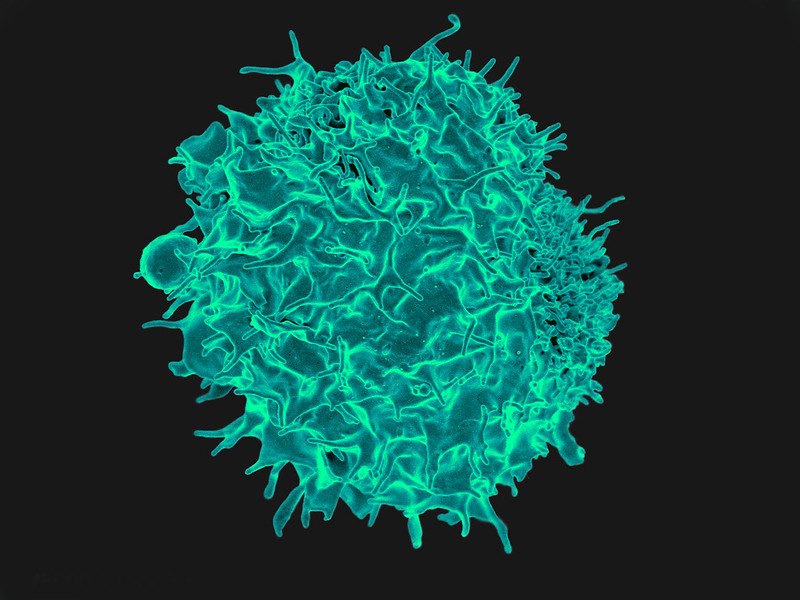
Scanning Electron Micrograph image of a human T cell. Credit: NIH/NIAID

Researchers from the University of Queensland have identified a pathway in cells that could be used to reprogram the body’s immune system to fight back against both chronic inflammatory and infectious diseases such as E. Coli.

Reporting their findings in the open-access journal PNAS, Dr Kaustav Das Gupta and Professor Matt Sweet found that a glucose-derived molecule in immune cells can both stop bacteria growing and dampen inflammatory responses.

According to Dr Das Gupta, the discovery is a critical step towards future therapeutics that train immune cells.

“The effects of this molecule called ribulose-5-phosphate on bacteria are striking – it can cooperate with other immune factors to stop disease-causing strains of the E. coli bacteria from growing,” Dr Das Gupta said.

“It also reprograms the immune system to switch off destructive inflammation, which contributes to both life-threatening infectious diseases such as sepsis as well as chronic inflammatory diseases like respiratory diseases, chronic liver disease, inflammatory bowel disease, rheumatoid arthritis, heart disease, stroke, diabetes and dementia.”

The research was carried out on a strain of E. coli bacteria, responsible for 80% of urinary tract infections and also a common cause of sepsis. Pre-clinical trials confirmed the role of this pathway in controlling bacterial infections.

Professor Sweet said that human cells were also used to demonstrate that ribulose-5-phosphate reduces the production of molecules that drive chronic inflammatory diseases.

“Host-directed therapies which train our immune systems to fight infections, will become increasingly important as more types of bacteria become resistant to known antibiotics,” Professor Sweet said.

“A bonus is that this strategy also switches off destructive inflammation, which gives it the potential to combat chronic disease.

“By boosting the immune pathway that generates ribulose-5-phosphate, we may be able to give the body the power to fight back against inflammatory and infectious diseases – not one, but two of the major global challenges for human health.”

Many current anti-inflammatory therapies target proteins on the outside of cells but because this pathway occurs inside cells, the researchers devised a new approach to target the pathway using mRNA technology.

Source: University of Queensland

Pain-sensing Neurons Protect the Gut from Damage

Photo by Andrea Piacquadio on Pexels

Neurons that sense pain protect the gut from inflammation and associated tissue damage by regulating the microbial community living in the intestines, according to a study from Weill Cornell Medicine researchers.

The study, published in Cell, found in a preclinical model that pain-sensing neurons in the gut secrete a molecule called substance P, which appears to protect against gut inflammation and related tissue damage by boosting the population of beneficial microbes in the gut. The researchers also found that these pain-sensing nerves are diminished in number, with significant disruptions to their pain-signaling genes, in people who have inflammatory bowel disease (IBD).

“These findings reshape our thinking about chronic inflammatory disease, and open up a whole new approach to therapeutic intervention,” said study senior author Dr David Artis at Weill Cornell Medicine.

The study’s first author, DrWen Zhang, added: “Defining a previously unknown sensory function for these specific neurons in influencing the microbiota adds a new level of understanding to host-microbiota interactions.”

IBD covers two distinct disorders, Crohn’s disease and ulcerative colitis. It is typically treated with drugs that directly target elements of the immune system. Scientists now appreciate that gut-dwelling bacteria and other microbes also help regulate gut inflammation.

As Dr Artis’s laboratory and others have shown in recent years, the nervous system, which is ‘wired’ into most organs, appears to be yet another powerful regulator of the immune system at the body’s barrier surfaces. In the new study, Dr Artis and his team specifically examined pain neurons that innervate the gut.

These gut-innervating pain neurons, whose cell bodies sit in the lower spine, express a surface protein called TRPV1, which serves as a receptor for pain-related signals. TRPV1 can be activated by high heat, acid, and the chili-pepper compound capsaicin, for example – and the brain translates this activation into a sense of burning pain. The researchers found that silencing these TRPV1 receptors in gut nerves, or deleting TRPV1-expressing neurons, led to much worse inflammation and tissue damage in IBD mouse models, whereas activating the receptors had a protective effect.

The investigators observed that the worsened inflammation and tissue damage in TRPV1-blocked mice were associated with changes in the relative populations of different species of gut bacteria. When this altered bacterial population was transplanted into normal mice, it caused the same worsened susceptibility to inflammation and damage. By contrast, broad-spectrum antibiotic treatment could reverse this susceptibility even in TRPV1-blocked mice. This result demonstrated that TRPV1-expressing nerves protect the gut mainly by helping to maintain a healthy gut microbe population.

The scientists found strong evidence that a large part of this microbe-influencing effect of TRPV1-expressing nerves comes from a molecule the nerves secrete called substance P – which they observed could reverse, on its own, most of the harmful effects of blocking TRPV1. Experiments also suggested that the signaling between neurons and microbes was two-way – some bacterial species could activate TRPV1-expressing nerves to get them to produce more substance P.

To confirm the relevance to humans, the researchers examined gut tissue from IBD patients, and found abnormal TRPV1 and substance P gene activity as well as fewer signs of TRPV1 nerves overall.

“These patients had disrupted pain-sensing nerves, which may have contributed to their chronic inflammation,” Dr Zhang said.

Precisely how substance P exerts its effects on the gut microbe population, and how these microbes “talk back,” are questions that the researchers are now trying to answer in ongoing studies. But the results so far suggest that the next generation of anti-inflammatory drugs for IBD and other disorders could be compounds that target the nervous system.

“A lot of current anti-inflammatory drugs work in only some patients, and pharma companies really haven’t known why,” Dr Artis said. “Maybe it’s because, when it comes to chronic inflammation, we’ve been seeing only some of the picture – and now the rest, including the role of the nervous system, is starting to come into focus.”

Source: Weill Cornell Medicine

Chronic Inflammation Link to Low Vitamin D Explains Some Controversies

Vitamin D pills
Photo by Michele Blackwell on Unsplash

New genetic research shows a direct link between low vitamin D levels and high levels of inflammation, providing an important biomarker to identify people at higher risk of or severity of chronic illnesses with an inflammatory component, such as type 2 diabetes. The findings, published in the International Journal of Epidemiology, also helps to settle some of the controversies surrounding the ‘sunshine vitamin’.

The study drew on genetic data for 294 970 participants in the UK Biobank, using Mendelian randomisation to show the association between vitamin D and C-reactive protein levels, an indicator of inflammation.

University of South Australia’s Dr Ang Zhou, the study’s lead researcher, said that the findings suggest that boosting vitamin D in people with a deficiency may reduce chronic inflammation.

“This study examined vitamin D and C-reactive proteins and found a one-way relationship between low levels of vitamin D and high levels of C-reactive protein, expressed as inflammation.

“Boosting vitamin D in people with deficiencies may reduce chronic inflammation, helping them avoid a number of related diseases.”

The study also raises the possibility that having adequate vitamin D concentrations may mitigate complications arising from obesity and reduce the risk or severity of chronic illnesses with an inflammatory component, such as CVDs, diabetes, and autoimmune diseases.

Senior investigator and Director of UniSA’s Australian Centre for Precision Health, Professor Elina Hyppönen, said that these results offer an explanation for some of the controversies in reported associations with vitamin D.

“We have repeatedly seen evidence for health benefits for increasing vitamin D concentrations in individuals with very low levels, while for others, there appears to be little to no benefit.” Prof Hyppönen said.

“These findings highlight the importance of avoiding clinical vitamin D deficiency, and provide further evidence for the wide-ranging effects of hormonal vitamin D.”

Source: University of South Australia

Just Looking at a Meal Triggers Inflammation

A hamburger
Photo by Ilya Mashkov on Unsplash

Insulin is released just by the sight and smell of a meal, but now, researchers report in Cell Metabolism that this insulin release depends on a short-term inflammatory response that takes place in these circumstances. In overweight individuals, however, this inflammatory response is so excessive that it can impair insulin secretion.

Even the anticipation of a forthcoming meal triggers a series of responses in the body. Insulin is released in this neurally mediated (or cephalic) phase of insulin secretion.

Meal stimulates immune defence

Until now, it was unclear how the sensory perception of a meal generated a signal to the pancreas to ramp up insulin production. Now, researchers from the University of Basel and University Hospital Basel have identified an important piece of the puzzle: an inflammatory factor known as interleukin 1 beta (IL1B), which is also involved in the immune response to pathogens or in tissue damage.

“The fact that this inflammatory factor is responsible for a considerable proportion of normal insulin secretion in healthy individuals is surprising, because it’s also involved in the development of type 2 diabetes,” explained study leader Professor Marc Donath from the Department of Biomedicine and the Clinic of Endocrinology.

Chronic inflammation damaging the insulin-producing cells of the pancreas is one of the causes of type 2 diabetes. This is another situation in which IL1B plays a key role – in this case, it is produced and secreted in excessively large quantities. Thus, researchers are investigating whether inhibiting IL1B could be a treatment for diabetes.

Short-lived inflammatory response

Circumstances are different when it comes to neurally mediated insulin secretion: “The smell and sight of a meal stimulate specific immune cells in the brain known as the microglia,” said study author Dr Sophia Wiedemann, resident physician for internal medicine. “These cells briefly secrete IL1B, which in turn affects the autonomic nervous system via the vagus nerve.” This system then relays the signal to the pancreas.

In the case of morbid obesity, however, this neurally mediated phase of insulin secretion is disrupted. Specifically, by the initial excessive inflammatory response, as explained by doctoral candidate Kelly Trimigliozzi, who carried out the main part of the study in collaboration with Dr Wiedemann.

“Our results indicate that IL1B plays an important role in linking up sensory information such as the sight and smell of a meal with subsequent neurally mediated insulin secretion – and in regulating this connection,” Prof Marc Donath said.

Source: EurekAlert!

Researchers Identify a Key Regulatory Mechanism in Inflammation

Firefighter
Source: Pixabay CC0

A newly published study has identified a key regulatory mechanism in inflammation that may lead to new targets for resolving that inflammation –and the inflammation of patients with sepsis, cancer and COVID.

In the journal PNAS, scientists reported their discovery of a regulatory pathway for immune response after infection or injury, such as burns. Dysregulation of this pathway could differentiate those who are at risk of fatal sepsis or help identify targets to resolve this unregulated inflammation.

“We are very excited about the findings in this paper and the far-reaching impacts it could have on understanding a key regulatory step in the immune response,” said co-lead author Cindy McReynolds, who holds a doctorate in pharmacology and toxicology.

In a rodent model, the research team found that the metabolites of linoleic acid formed by the enzyme, soluble epoxide hydrolase (sEH), drive damaging inflammation after injury. These metabolites, known as lipid mediators, regulate inflammation, blood pressure and pain. Drugs that inhibit the sEH enzyme and reduce inflammation could lead to better outcomes.

“Our previous work identified that these same lipid mediators were up-regulated in severe COVID infections, and we are now finding that these compounds play a role in modulating the immune response so that the body is unable to fight infection or respond properly to trauma without leading to a potentially fatal overreaction,” said Dr McReynolds.

“This dysregulation has fatal consequences in serious diseases such as COVID, cancer, sepsis, burn, where fatality rates can be as high as 40 percent in severe cases,” she said. “An understanding of these pathways can help identify patients at risk of developing serious disease or identify new therapeutic targets for treatment.”

“The immunological disbalance we see in many cases of severe burn injury, trauma and sepsis pose a huge clinical challenge as we lack the understanding of how to diagnose and treat it,” explained co-lead author Dr Christian Bergmann. “With this work, we reveal an important mechanism how immune cells are functionally disabled by sEH-derived metabolites of linoleic acid.”

“The natural compounds we are studying in this paper are metabolites of linoleic acid (LA), an essential fatty acid the body needs in very small amounts to survive and is only available through the diet,” Dr McReynolds elaborated. “At lower concentrations, these metabolites are necessary for regulating thermogenesis and heart health but promote inflammation at higher concentrations. LA is more stable and much cheaper than longer chain polyunsaturated fatty acids, so heavily processed foods have higher LA content to increase shelf-life. Additionally, agricultural practices, such as feeding animals corn-based diets, have increased LA in meats and dairy products.”

“As a result, we are consuming the highest amount of linoleic acid and have the highest recorded concentration of LA in our fatty tissue in human history,” McReynolds said. “As our bodies respond to stress or disease, we metabolise LA into the regulatory metabolites that were monitored in this paper. At higher concentrations, the immune system was unable to properly respond to infection, thereby promoting a sustained immune response. These observations are important in inflammatory-driven diseases, such as sepsis and COVID, but could also be important in understanding many of the increased chronic diseases we are seeing in our population.”

Source: UC Davis