Tag: circadian rhythm

In Type 2 Diabetics, Toxic Lipids and a Beneficial One Surge at Certain Times

Credit: Cell Reports Medicine (2023).

While sugar is most frequently blamed in the development of type 2 diabetes, a better understanding of the role of fats is also essential. By analysing the blood profiles of dozens of people suffering from diabetes or pre-diabetes, or who have had their pancreas partially removed, researchers at the University of Geneva (UNIGE) and Geneva University Hospitals (HUG) have made two major discoveries.

Firstly, the lipid composition of blood and adipose tissues fluctuates during the day, and is altered in a day-time dependent manner in diabetics, who have higher levels of toxic lipids. In addition, one type of lipid, lysoPI, is capable of boosting insulin secretion when the beta cells that normally produce it fail. These results, published in the journals Cell Reports Medicine and Diabetes, may have important implications for the treatment of diabetic patients.

The role of lipids in the physiological and pathological processes of human metabolism is gradually becoming clearer, particularly in type 2 diabetes, one of the most widespread serious metabolic disorders. Thanks to cutting-edge tools, in particular mass spectrometry, researchers are now able to simultaneously measure the levels of several hundred different types of lipids, each with its own specific characteristics and beneficial or harmful effects on our metabolism.

‘‘Identifying which lipids are most present in type 2 diabetics could provide a basis for a wide range of interventions: early detection, prevention, potential therapeutic targets or personalised recommendations – the possibilities are immense,’’ says Charna Dibner, a professor in the Department of Surgery and a specialist in circadian rhythms in metabolic disorders, . ‘‘This is why we carried out a detailed analysis of the blood profiles of patients recruited in four European countries and confirmed some of our results on a mouse model of the disease.’’

Dibner led the studies along with Pierre Maechler, a professor in the Department of Cell Physiology and Metabolism, at the UNIGE Faculty of Medicine, and members of the Diabetes Faculty Centre.

Chronobiology to better identify diabetes

The team carried out a ‘‘lipidomic’’ analysis of two groups of patients in order to establish the profile, over a 24-hour cycle, of multiple lipids present in the blood and adipose tissues. ‘‘The differences between the lipid profiles of type 2 diabetics and people without diabetes are particularly pronounced in the early morning, when there is an increase in certain toxic lipids,’’ explains Dibner. ‘‘Why? We don’t know yet. But this could be a marker of the severity of diabetes and paves the way for personalised care according to each patient’s specific chronotype.”

And implications go beyond diabetes: if samples are taken at very different times of the day, the results can be distorted and give contradictory results. ‘‘It’s the same thing in the clinic: an examination carried out in the morning or evening, or a treatment taken at different times, can have an impact on diagnosis and even on the effectiveness of treatments.’’

A crutch for beta cells

Charna Dibner and Pierre Maechler extended their lipidomic analyses to include not only people with type 2 diabetes but also a mouse model of pre-diabetes and patients who had lost around half their insulin-producing beta cells after a surgery. ‘‘We discovered that a type of lipid, lysoPIs, increases when there is a sharp decrease in functional β cells, even before the onset of clinical symptoms of diabetes.’’

The scientists then administered lysoPI to diabetic mice and observed an increase in insulin production. ‘‘The same phenomenon occurred in vitro, on pancreatic cells from diabetic patients,’’ adds Pierre Maechler. ‘‘The lysoPIs therefore have the capacity to reinforce insulin secretion by acting as a crutch when the number of beta cells decreases or when these cells malfunction. Yet, certain foods, such as legumes, naturally contain lysoPI precursors.’’

By bringing to light the unsuspected role of lysoPIs, researchers will be able to explore new avenues opened by their discoveries. The development of dietary supplements or even molecules specific to lysoPI receptors could be an interesting strategy for controlling diabetes, as could taking better account of the chronobiological profiles of patients. Diabetes is a complex disease that calls for much more personalised management than is currently the case.

Source: University of Geneva

Night Owls have Nearly Double the Incidence of Atherosclerosis

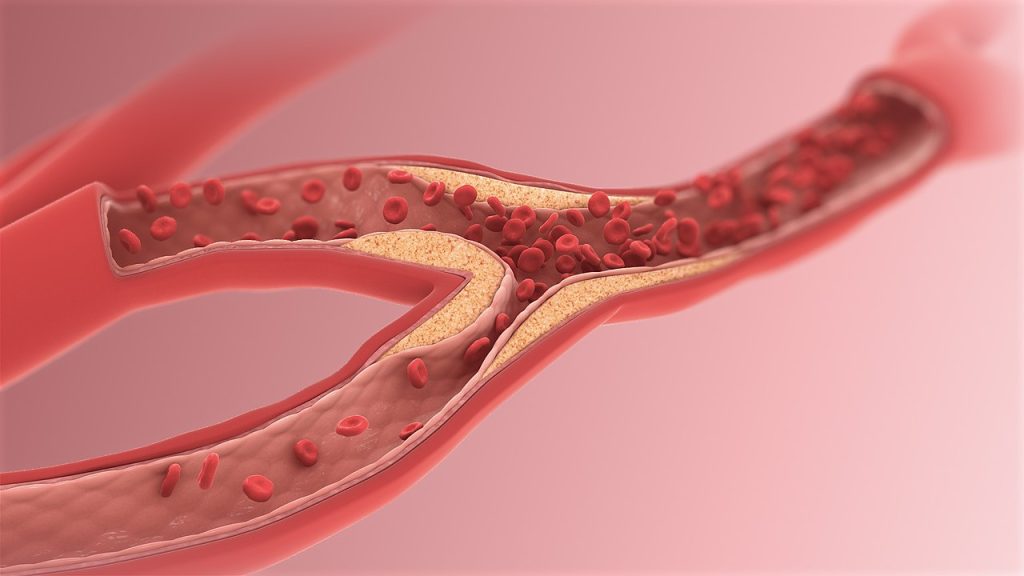
Image by Scientific Animations, CC4.0

Atherosclerosis is almost twice as common in night owls compared to early birds, according to a study from the University of Gothenburg, Sweden. Circadian function appears to be particularly important during the early stages of cardiovascular disease.

Atherosclerosis involves fatty deposits gradually accumulating on the inside of the arteries, making it harder for blood to pass through. The disease is usually not noticed until it leads to blood clots causing angina, heart attack, or stroke.

Previous research has shown that people with late-night habits have an increased risk of cardiovascular disease, but this is the first study to show how circadian rhythms specifically affect calcification of the arteries.

Coronary artery calcification

The study, which has been published in the journal Sleep Medicine, involved 771 men and women aged between 50 and 64, all of whom are part of the larger population study SCAPIS.

The degree of artery calcification in the heart’s coronary arteries was examined using computer tomography.

Participants themselves indicated their so called chronotype on a five-point scale: extreme morning type, moderate morning type, intermediate type, moderate evening type, or extreme evening type.

Of the 771 participants, 144 identified as extreme morning types, and 128 as extreme evening types.

Among the group who were most alert in the morning, 22.2% had pronounced artery calcification — the lowest proportion of all five chronotypes.

The extreme evening type group had the highest prevalence of severe coronary artery calcification, at 40.6%.

The first author of the study is Mio Kobayashi Frisk, a doctoral student at Sahlgrenska Academy, University of Gothenburg:

“Our results indicate that extreme evening chronotype may be linked not only to poorer cardiovascular health in general, but also more specifically to calcification in the coronary arteries calcification and atherosclerosis,” Mio Kobayashi Frisk says.

Preventive treatment

The statistical analysis considered a range of other factors that can affect the risk of atherosclerosis, including blood pressure, blood lipids, weight, physical activity, stress level, sleep, and smoking.

The last author of the study is Ding Zou, a researcher at Sahlgrenska Academy, University of Gothenburg:

“As well as the previously known factors, the individual circadian rhythm also appears to be an important risk factor for atherosclerosis. We interpret our results as indicating that circadian rhythms are more significant early in the disease process. It should therefore particularly be considered in the preventive treatment of cardiovascular diseases,” says Ding Zou.

Self-reported chronotype

Those who had experienced a heart attack were excluded from the study, meaning that the study participants were healthier than the general population.

Another weakness identified by the researchers is that participants themselves provided their chronotype.

Each chronotype can be said to have an average time when half of the night’s sleep has passed.

In a previous study on the same population, though not necessarily the same individuals, this time occurred at 02:55 AM for the extreme morning type group and at 04:25 AM for the extreme evening type group.

With the remaining chronotype groups’ mid-sleep times were somewhere in between these extremes.

Source: University of Gothenburg

Brain Changes from Shift Work Increase Appetite

Photo by Ernest Brillo on Unsplash

Scientists have uncovered why night shift work is associated with changes in appetite in a new University of Bristol-led study. The study shows that circadian disruption can disrupt the brain’s regulation of appetite hormones. The findings, published in Communications Biology, could help the millions of people that work through the night and struggle with weight gain.

Scientists from Bristol and the University of Occupational and Environmental Health in Japan, sought to understand how ‘circadian misalignment’ – a phenomenon commonly associated with ‘jet-lag’ whereby the body’s biological clock is disrupted – affects the hormones responsible for regulating appetite.

Prevalent in night shift workers, in this new study, the international team reveal how circadian misalignment can profoundly alter the brain’s regulation of hormones controlling hunger to the detriment of metabolic health.

The team focused on glucocorticoid hormones in the adrenal gland which regulate many physiological functions including metabolism and appetite. Glucocorticoids are known to directly regulate a group of brain peptides controlling appetitive behaviour, with some increasing appetite (orexigenic) and some decreasing appetite (anorexigenic).

In an experiment using animal models, comprising a control group and a out-of-phase ‘jet-lagged’ group, the team found misalignment between light and dark cues led the out-of-phase group’s orexigenic hypothalamic neuropeptides (NPY) to become dysregulated, driving an increased desire to eat significantly more during the inactive phase of the day.

Strikingly, the team discovered that rats in the control group ate 88.4% of their daily intake during their active phase, and only 11.6% during their inactive phase. In contrast, the ‘jet-lagged’ group consumed 53.8% of their daily calories during their inactive phase (without an increase in activity during this time). This equated to nearly five-times more (460% more) than what the control group consumed during the inactive phase. These results show that it is timing of consumption that has been affected.

This new discovery revealed how completely, and significantly, disordered the neuropeptides become when daily glucocorticoid levels are out of synch with light and dark cues. However, the authors suggest the neuropeptides identified in this study may be promising targets for pharmacological treatments for eating disorders and obesity.

Research Fellow Dr Becky Conway-Campbell, the study’s senior author, said: “For people working throughout the night, a reversed body clock can play havoc with their health.

“For those who are working night shifts long-term, we recommend they try to maintain daylight exposure, cardiovascular exercise and mealtimes at regulated hours. However, internal brain messages to drive increased appetite are difficult to override with ‘discipline’ or ‘routine’ so we are currently designing studies to assess rescue strategies and pharmacological intervention drugs. We hope our findings also provide new insight into how chronic stress and sleep disruption leads to caloric overconsumption.”

Professor Stafford Lightman, co-senior author on the study, added: “The adrenal hormone corticosterone, which is normally secreted in a circadian manner, is a major factor in the daily control of brain peptides that regulate appetite. Furthermore when we disturb the normal relationship of corticosterone with the day to night light cycle it results in abnormal gene regulation and appetite during the period of time that the animals normally sleep.

“Our study shows that when we disturb our normal bodily rhythms this in turn disrupts normal appetite regulation in a way that is at least in part a result of desynchrony between adrenal steroid hormone production and the timing of the light and dark cycle.”

Dr Benjamin Flynn, one of the study’s co-authors who conducted the study while at Bristol but is now based at the University of Bath, added: “This is further evidence of how phase shift ‘jet-lag’ affects feeding behaviours and neuronal gene expression – data important for shift work co-morbidity research.”

Source: University of Bristol

Aripiprazole Improves Sleep in Psychiatric Disorders by Entrainment to Light/Dark Cycles

Photo by Cottonbro on Pexels

Researchers in Japan have shown that the commonly prescribed antipsychotic drug aripiprazole helps reduce sleep disruptions in patients with certain psychiatric disorders by improving their natural entrainment to light and dark cycles. Their findings are published in Frontiers in Neuroscience.

Many patients with psychiatric conditions, such as bipolar disorder and major depressive disorder, frequently experience disruptions in their sleep–wake cycles. Research has shown that the administration of aripiprazole, a commonly prescribed antipsychotic drug, alleviates the symptoms of circadian sleep disorders in these patients. This improvement may be attributed to the effects of aripiprazole on the circadian central clock, specifically the hypothalamic suprachiasmatic nucleus (SCN), which regulates various circadian physiological rhythms, including the sleep–wake cycle, in mammals. However, the precise mechanism through which aripiprazole addresses these sleep disorder symptoms remains elusive.

Researchers from the University of Tsukuba have discovered that aripiprazole can directly affect the mammalian central circadian clock; specifically, it can modulate the photic entrainment in mice. Located in the hypothalamic suprachiasmatic nucleus (SCN), the central circadian clock comprises clock neurons that synchronize with each other, maintaining a roughly 24-hour rhythm. Simultaneously, SCN is receptive to external inputs like light, aligning itself with the environmental light-dark cycle. The researchers have found that aripiprazole disrupts the synchronization among the clock neurons in the SCN, heightening the responsiveness of these neurons to light stimuli in mice. Additionally, aripiprazole influences intracellular signalling within the SCN by targeting the serotonin 1A receptor, a prominent receptor in the SCN.

These findings suggest that the efficacy of aripiprazole in alleviating circadian rhythm sleep disorder symptoms in psychiatric patients might be attributed to the modulation of the circadian clock by the drug. This study expands the potential clinical usage of aripiprazole as a treatment for circadian rhythm sleep disorders.

Source: University of Tsukuba

Study Shows that Intermittent Fasting Might Improve Alzheimer’s Symptoms

Photo by Matteo Vistocco on Unsplash

Circadian disruption is a hallmark of Alzheimer’s disease, affecting nearly 80% of patients with issues such as difficulty sleeping and worsening cognitive function at night. Currently there are no treatments for Alzheimer’s that target this aspect of the disease.

A new study in Cell Metabolism from researchers at University of California San Diego School of Medicine has shown in mice that it is possible to correct the circadian disruptions seen in Alzheimer’s disease with time-restricted feeding, a type of intermittent fasting focused on limiting the daily eating window without limiting the amount of food consumed.

In the study, mice that were fed on a time-restricted schedule showed improvements in memory and reduced accumulation of amyloid proteins in the brain. The authors say the findings will likely result in a human clinical trial.

“For many years, we assumed that the circadian disruptions seen in people with Alzheimer’s are a result of neurodegeneration, but we’re now learning it may be the other way around – circadian disruption may be one of the main drivers of Alzheimer’s pathology,” said senior study author Paula Desplats, PhD, professor at UC San Diego School of Medicine. “This makes circadian disruptions a promising target for new Alzheimer’s treatments, and our findings provide the proof-of-concept for an easy and accessible way to correct these disruptions.”

People with Alzheimer’s experience a variety of disruptions to their circadian rhythms, including changes to their sleep/wake cycle, increased cognitive impairment and confusion in the evenings, and difficulty falling and staying asleep.

“Circadian disruptions in Alzheimer’s are the leading cause of nursing home placement,” said Desplats. “Anything we can do to help patients restore their circadian rhythm will make a huge difference in how we manage Alzheimer’s in the clinic and how caregivers help patients manage the disease at home.”

Boosting the circadian clock is an emerging approach to improving health outcomes, and one way to accomplish this is by controlling the daily cycle of feeding and fasting. The researchers tested this strategy in a mouse model of Alzheimer’s disease, feeding the mice on a time-restricted schedule where they were only allowed to eat within a six-hour window each day. For humans, this would translate to about 14 hours of fasting each day.

Compared to control mice who were provided food at all hours, mice fed on the time-restricted schedule had better memory, were less hyperactive at night, followed a more regular sleep schedule and experienced fewer disruptions during sleep. The test mice also performed better on cognitive assessments than control mice, demonstrating that the time-restricted feeding schedule was able to help mitigate the behavioral symptoms of Alzheimer’s disease.

The researchers also observed improvements in the mice on a molecular level. In mice fed on a restricted schedule, the researchers found that multiple genes associated with Alzheimer’s and neuroinflammation were expressed differently. They also found that the feeding schedule helped reduce the amount of amyloid protein that accumulated in the brain. Amyloid deposits are one of the most well-known features of Alzheimer’s disease.

Because the time-restricted feeding schedule was able to substantially change the course of Alzheimer’s in the mice, the researchers are optimistic that the findings could be easily translatable to the clinic, especially since the new treatment approach relies on a lifestyle change rather than a drug.

“Time-restricted feeding is a strategy that people can easily and immediately integrate into their lives,” said Desplats. “If we can reproduce our results in humans, this approach could be a simple way to dramatically improve the lives of people living with Alzheimer’s and those who care for them.”

Light Therapy may Relieve Alzheimer’s Circadian Disruption

Photo by Matteo Vistocco on Unsplash

New Alzheimer’s research suggests that enhanced light sensitivity may contribute to ‘sundowning’, which is the worsening of symptoms late in the day, thereby spurring sleep disruptions thought to contribute to the disease’s progression.

Published in Frontiers in Aging Neuroscience, these new insights from UVA Health into the disruptions of the biological clock seen in Alzheimer’s could lead to new treatments and symptom management, the researchers say. For example, caregivers often struggle with the erratic sleep patterns caused by Alzheimer’s patients’ altered circadian rhythms. Light therapy, the new research suggests, might be an effective tool to help manage that.

Better understanding Alzheimer’s effects on circadian rhythms could have implications for prevention. Poor sleep quality in adulthood is a risk factor for Alzheimer’s, as brains at rest naturally cleanse themselves of amyloid beta proteins that are thought to form harmful tangles in Alzheimer’s.

“Circadian disruptions have been recognised in Alzheimer’s disease for a long time, but we’ve never had a very good understanding of what causes them,” said researcher Thaddeus Weigel, a graduate student working with Heather Ferris, MD, PhD. “This research points to changes in light sensitivity as a new, interesting possible explanation for some of those circadian symptoms.”

Alzheimer’s hallmark is progressive memory loss, to the point that patients can forget their own loved ones, but there can be many other symptoms, such as restlessness, aggression, poor judgment and endless searching. These symptoms often worsen in the evening and at night.

Ferris and her collaborators used a mouse model of Alzheimer’s to better understand what happens to the biological clock in Alzheimer’s disease. They essentially gave the mice “jet lag” by altering their exposure to light, then examined how it affected their behaviour. The Alzheimer’s mice reacted very differently to control mice.

The Alzheimer’s mice, the scientists found, adapted to a six-hour time change significantly more quickly than the control mice. This, the scientists suspect, is the result of a heightened sensitivity to changes in light. While our biological clocks normally take cues from light, this adjustment happens gradually – thus, jet lag when we travel great distances. Our bodies need time to adapt. But for the Alzheimer’s mice, this change happened abnormally fast.

The researchers initially thought this might be because of neuroinflammation. So they looked at immune cells called microglia that have become promising targets in developing better Alzheimer’s treatments. But the scientists ultimately ruled out this hypothesis, determining that microglia did not make a difference in how quickly mice adapted. (Though targeting microglia might be beneficial for other reasons.)

Notably, the UVA scientists also ruled out another potential culprit: “mutant tau,” an abnormal protein that forms tangles in the Alzheimer’s brain. The presence of these tangles also did not make a difference in how the mice adapted.

The researchers’ results ultimately suggest there is an important role for the retina in the enhanced light sensitivity in Alzheimer’s, and that gives researchers a promising avenue to pursue as they work to develop new ways to treat, manage and prevent the disease.

“These data suggest that controlling the kind of light and the timing of the light could be key to reducing circadian disruptions in Alzheimer’s disease,” Ferris said. “We hope that this research will help us to develop light therapies that people can use to reduce the progression of Alzheimer’s disease.”

Source: University of Virginia Health System

Fat Metabolism from Exercise Depends on Time of Day

Tired woman after exercise
Photo by Ketut Subiyanto on Pexels

Exercise at the right time of the day may increase fat metabolism, at least according to the results of a mouse study. Published in the journal PNAS, research shows that mice that did exercise in an early active phase, which corresponds to morning exercise in humans, increased their metabolism more than mice that did exercise at a time usually spent resting.

Physical activity at different times of the day can affect the body in different ways since the biological processes depend on the circadian rhythms of the cells. To ascertain the effect of exercise timing on the burning of fat, researchers at Karolinska Institutet and the University of Copenhagen studied the adipose tissue of mice after a session of high-intensity exercise performed at two points of the daily cycle, an early active phase and early rest phase (corresponding to a late morning and late evening session, respectively, in humans). The researchers studied various markers for fat metabolism and analysed which genes were active in adipose tissue after exercise.

Independent of food intake

The researchers found that physical activity at an early active phase increased the expression of genes involved in the breakdown of adipose tissue, heat production and mitochondria in the adipose tissue, indicating a higher metabolic rate. These effects were observed only in mice that exercised in the early active phase and were independent of food intake.

“Our results suggest that late morning exercise could be more effective than late evening exercise in terms of boosting the metabolism and the burning of fat, and if this is the case, they could prove of value to people who are overweight,” says Professor Juleen R. Zierath at Karolinska Institutet.

Improving the health benefits of exercise

Mice and humans share many basic physiological functions, and mice are a well-established model for human physiology and metabolism. However, there are also important differences, such as the fact that mice are nocturnal.

“The right timing seems to be important to the body’s energy balance and to improving the health benefits of exercise, but more studies are needed to draw any reliable conclusions about the relevance of our findings to humans,” says Professor Zierath.

Source: Karolinska Institutet

Schizophrenia Associated with 12-hour Gene Cycles in the Brain

Photo by Alex Green on Pexels

In the open-access journal PLOS Biology, researchers present the first evidence of 12-hour cycles of gene activity in the human brain. Led by Madeline R. Scott, the study also reveals that some of those 12-hour rhythms are missing or altered in the postmortem brains of patients with schizophrenia.

Schizophrenia patients are known to have disturbances in several types of 24-hour bodily rhythms, including sleep/wake cycles, hormone levels, and gene activity in the prefrontal cortex of the brain. However, virtually nothing is known about gene activity in the brain for cycles that are shorter than the usual 24-hour circadian rhythm. A few years ago, researchers discovered that certain genes in the body were associated with 12-hour bodily rhythms, which may have an origin in the 12-hour cycle of ocean tides.

As it is not possible to measure gene transcript levels in living brains, the new study instead used a time-of-death analysis to search for 12-hour rhythms in gene activity within postmortem brains. They focused on the dorsolateral prefrontal cortex as it is associated with cognitive symptoms and other abnormalities in gene expression rhythms that have been observed in schizophrenia.

Numerous genes in the normal dorsolateral prefrontal cortex were found to have 12-hour rhythms in activity. Among them, gene activity levels related to building connections between neurons peaked in the afternoon/night, while those related to mitochondrial function (and therefore cellular energy supply) peaked in the morning/evening.

In contrast, postmortem brains from patients with schizophrenia contained fewer genes with 12-hour activity cycles, and those related to neural connections were missing entirely. Additionally, although the mitochondria-related genes did maintain a 12-hour rhythm, their activity did not peak at the normal times. Whether these abnormal rhythms underlie the behavioural abnormalities in schizophrenia, or whether they result from medications, nicotine use, or sleep disturbances should be examined in future studies.

Co-author Colleen A. McClung adds: “We find that the human brain has not only circadian (24 hour) rhythms in gene expression but also 12-hour rhythms in a number of genes that are important for cellular function and neuronal maintenance. Many of these gene expression rhythms are lost in people with schizophrenia, and there is a dramatic shift in the timing of rhythms in mitochondrial-related transcripts which could lead to suboptimal mitochondrial function at the times of day when cellular energy is needed the most.”

Source: ScienceDaily

HIV Infection Creates Chronic ‘Jet Lag’ in Patients

Photo by Malvestida on Unsplash

Research from South Africa and the UK has found that people living with HIV have a significantly delayed internal body clock, consistent with the symptoms of jet lag. The findings, which appear in the Journal of Pineal Research, may explain some of the health problems experienced by people with HIV, and guide research towards improving their quality of life.

Researchers from the University of the Witwatersrand and University of Cape Town along with Northumbria and Surrey universities in the UK and studied people aged 45 years and above living in Mpumalanga province, where nearly one in four people is living with HIV. As such, the infection is endemic and does not associate with any difference in lifestyle.

They found that physiological daily rhythms, as measured by the hormone melatonin, were delayed by more than an hour on average in HIV positive participants. Their sleep cycle was also shorter, with researchers noting that their sleep started later and finished earlier.

This suggests the possibility that HIV infection may cause a circadian rhythm disorder similar to the disruption experienced in shift work or jet lag.

The authors believe that this body clock disruption may contribute significantly to the increased burden of health problems that people living with HIV are experiencing despite successful treatment, such as an increased risk of cardiovascular, metabolic, and psychiatric disorders.

Researchers believe there is a strong need for further funding to identify whether similar disruption to the body clock is experienced by younger people living with HIV in other countries.

“The participants living with HIV essentially experience the one-hour disruption associated with switching to daylight savings time, but every single morning,” says corresponding author Malcolm von Schantz, Professor of Chronobiology at Northumbria University.

“This happens in spite of the fact that essentially everybody is exposed to the same light-dark cycle. Our findings have important potential implications for the health and wellbeing of people living with HIV, especially given the well-established relationships between disrupted circadian rhythms and sleep deprivation.”

Senior author Dr Karine Scheuermaier of Wits University added: “This is very similar to the risk profile observed in shift workers. Understanding and mitigating this disruption may be an important step towards helping people living with HIV live healthier lives.”

“Our findings identify an urgent research topic,” says Xavier Gómez-Olivé, also from the University of the Witwatersrand, whose research grant funded the study. “The next step must be to establish if the same body clock disruption exists in people living with HIV who are younger and who live in other countries.”

Co-author Dale Rae, of the University of Cape Town, added “This is a great example of the importance of studying sleep in people living in Africa, and demonstrates how findings from this research can also be relevant to people anywhere in the world.”

Source: Northumbria University

How Late-night Eating Triggers Weight Gain and Diabetes

Photo by Ernest Brillo on Unsplash

Northwestern Medicine scientists have uncovered the mechanism behind why eating late at night is linked to weight gain and diabetes. The findings, published in the journal Science, may also help inform chronic care, especially with gastric feeding tubes.

Eating time, sleep and obesity have a well-known but poorly understood link, with research showing that over-nutrition can disrupt circadian rhythms and change fat tissue.

This new Northwestern University research has shown for the first time that energy release may be the molecular mechanism through which the body’s internal clocks control energy balance. From this understanding, the scientists also found that daytime is the ideal time in the light environment of the Earth’s rotation when it is most optimal to dissipate energy as heat. These findings have broad implications from dieting to sleep loss and the way we feed patients who require long-term nutritional assistance.

“It is well known, albeit poorly understood, that insults to the body clock are going to be insults to metabolism,” said corresponding study author Dr. Joseph T. Bass, a professor at Northwestern University Feinberg School of Medicine.

“When animals consume Western style cafeteria diets – high fat, high carb – the clock gets scrambled,” Dr Bass said. “The clock is sensitive to the time people eat, especially in fat tissue, and that sensitivity is thrown off by high-fat diets. We still don’t understand why that is, but what we do know is that as animals become obese, they start to eat more when they should be asleep. This research shows why that matters.”

Scrambling the internal clock

In the study, mice, who are nocturnal, were fed a high-fat diet either exclusively during their inactive (light) period or during their active (dark) period. Within a week, mice fed during light hours gained more weight compared to those fed in the dark. The team also set the temperature to 30 degrees, where mice expend the least energy, to mitigate the effects of temperature on their findings.

“We thought maybe there’s a component of energy balance where mice are expending more energy eating at specific times,” said first author Dr Chelsea Hepler, a postdoctoral fellow in Dr Bass’s lab. “That’s why they can eat the same amount of food at different times of the day and be healthier when they eat during active periods versus when they should be sleeping.”

The increase in energy expenditure led the team to look into metabolism of fat tissue to see if the same effect occurred within the endocrine organ. They found that it did, and mice with genetically enhanced thermogenesis prevented weight gain and improved health.

Dr Hepler also identified futile creatine cycling, in which creatine (a molecule that helps maintain energy) undergoes storage and release of chemical energy, within fat tissues, implying creatine may be the mechanism underlying heat release.

Intermittent fasting and gastric feeding tubes

The science is underpinned by research done by Dr Bass and colleagues at Northwestern more than 20 years ago that found a relationship between the internal molecular clock and body weight, obesity and metabolism in animals.

The challenge for Dr Bass’s lab, which focuses on using genetic approaches to study physiology, has been figuring out what it all means, and finding the control mechanisms that produce the relationship. This study brings them a step closer.

The findings could inform chronic care, Dr Bass said, especially in cases where patients have gastric feeding tubes. Patients are commonly fed at night while they sleep, when they’re releasing the least amount of energy. Rates of diabetes and obesity tend to be high for these patients, and Bass thinks this could explain why. He also wonders how the research could impact Type II Diabetes treatment. Should meal times be considered when insulin is given, for example?

Dr Hepler will continue to research creatine metabolism. “We need to figure out how, mechanistically, the circadian clock controls creatine metabolism so that we can figure out how to boost it,” she said. “Clocks are doing a lot to metabolic health at the level of fat tissue, and we don’t know how much yet.”

Source: Northwestern University