Tag: antibodies

Secrets of Pregnant Mothers’ ‘Super Antibodies’ Revealed

Pregnant with ultrasound image
Source: Pixabay

Pregnant mothers have the ability to confer greater immunity to the vulnerable developing foetus with ‘super antibodies’. Now, a far-reaching study published in Nature provides a surprising explanation of how this actually works, and what it could mean for preventing death and disability from a wide range of infectious diseases.

The findings suggest the amped-up antibodies that expecting mothers produce could be mimicked to create new drugs to treat diseases as well as improved vaccines to prevent them.

“For many years, scientists believed that antibodies cannot get inside cells. They don’t have the necessary machinery. And so, infections caused by pathogens that live exclusively inside cells were thought to be invisible to antibody-based therapies,” said Sing Sing Way, MD. “Our findings show that pregnancy changes the structure of certain sugars attached to the antibodies, which allows them to protect babies from infection by a much wider range of pathogens.”

“The maternal-infant dyad is so special. It’s the intimate connection between a mother and her baby,” says John Erickson, MD, PhD, first-author of the study.

Drs Way and Erickson are both part of Cincinnati Children’s Center for Inflammation and Tolerance and the Perinatal Institute, which strives to improve outcomes for all pregnant women and their newborns.

Erickson continues, “This special connection starts when babies are in the womb and continues after birth. I love seeing the closeness between mothers and their babies in our newborn care units. This discovery paves the way for pioneering new therapies that can specifically target infections in pregnant mothers and newborns babies. I believe these findings also will have far-reaching implications for antibody-based therapies in other fields.”

How mothers make super antibodies
The new study identifies the specific change in the sugar. During pregnancy, the “acetylated” form of sialic acid (one of the sugars attached to antibodies) shifts to the “deacetylated” form. This subtle molecular shift lets immunoglobulin G (IgG) take on an expanded protective role by stimulating immunity through receptors that respond specifically to deacetylated sugars.

“This change is the light switch that allows maternal antibodies to protect babies against infection inside cells,” Dr Way said.

“Mothers always seem to know best,” Dr Erickson added.

Revved-up antibodies can be produced in the lab
The research team pinned down the key biochemical differences between antibodies in virgin mice compared to pregnant ones. They also identified the enzyme naturally expressed during pregnancy responsible for driving this transformation.

Further, the team successfully restored lost immune protection by supplying lab-grown supplies of the antibodies from healthy pregnant mice to pups born to mothers that were gene-edited to lack the ability to remove acetylation from antibodies to enhance protection.

Hundreds of monoclonal antibodies have been produced as potential treatments for various disorders, including COVID, with a variety of results.

Dr Way said this molecular alteration can be replicated to change how antibodies stimulate the immune system to fine-tune their effects. This potentially could lead to improved treatments for infections caused by other intracellular pathogens including HIV and respiratory syncytial virus (RSV), a common virus that poses serious risks to infants.

Another reason to accelerate vaccine development
“We’ve known for years the many far-reaching benefits of breastfeeding,” Dr Erickson said. “One major factor is the transfer of antibodies in breastmilk.”

The study shows that nursing mothers retain the molecular switch, passing through the antibodies to their newborns.

Additionally, Dr Way says the findings underscore the importance of receiving all available vaccines for women of reproductive age – as well as the need for researchers to develop even more vaccines against infections that which are especially prominent in women during pregnancy or in newborn babies.

“The immunity needs to exist within the mother for it to be transferred to her child,” Dr Way said. “Without natural exposures or immunity primed by vaccination, when that light switch flips during pregnancy, there’s no electricity behind it.”
Source: Cincinnati Children’s Hospital Medical Center

New Vaccines Could Focus on T Cell Response – Without Antibodies

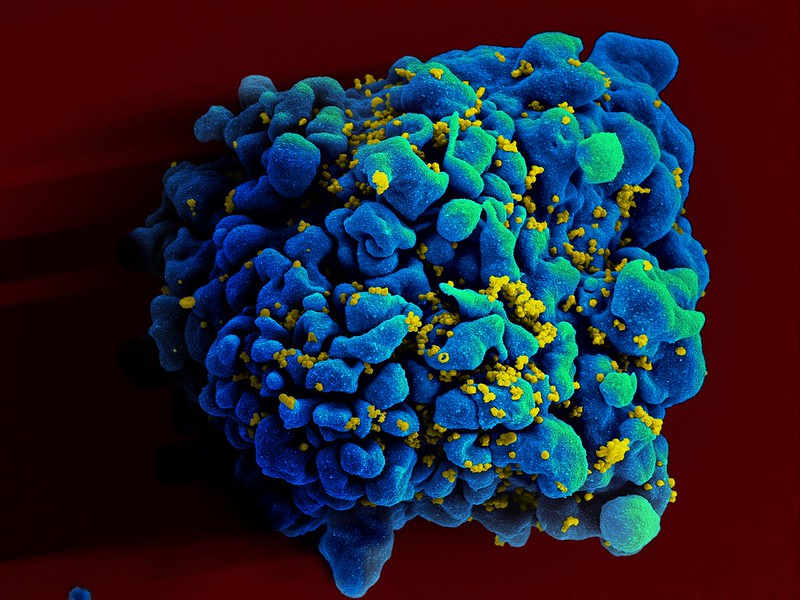
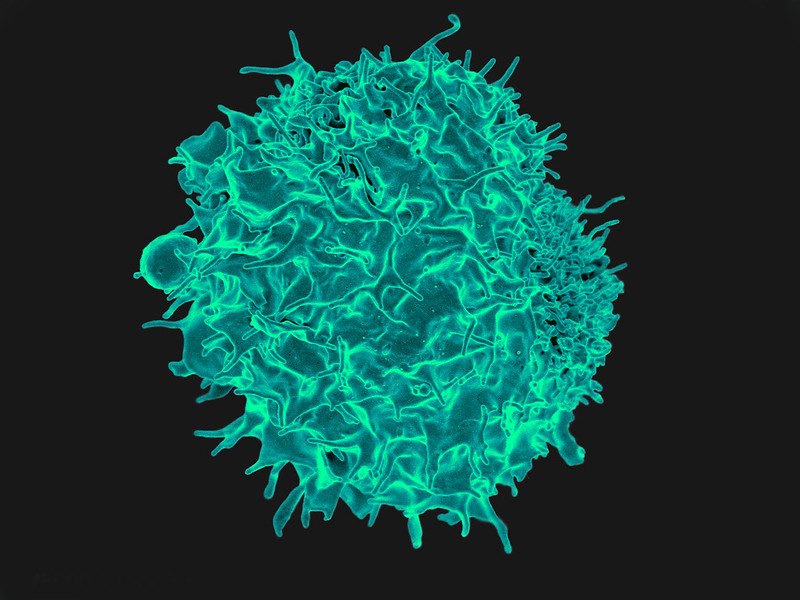
T cell
Scanning Electron Micrograph image of a human T cell. Credit: NIH/NIAID

In a groundbreaking new study, scientists report training T cells to protect against SARS-CoV-2 even without an antibody response. This could open the way to more broadly effective vaccines.

The study’s findings appear in the Proceedings of the National Academy of Sciences.

Current vaccines prompt the creation of antibodies and immune cells that recognise the spike protein. However, these vaccines were developed using the spike protein from an older variant of SARS-CoV-2, reducing their effectiveness against newer variants. Researchers have found that immune cells called T cells tend to recognise parts of SARS-CoV-2 that don’t mutate rapidly. T cells coordinate the immune system’s response and kill cells that have been infected by the SARS-CoV-2 virus.

A vaccine that prompted the body to create more T cells against SARS-CoV-2 could help prevent disease caused by a wide range of variants. To explore this approach, a research team led by Dr Marulasiddappa Suresh from the University of Wisconsin studied two experimental vaccines that included compounds to specifically provoke a strong T-cell response in mice.

The team tested the vaccines’ ability to control infection and prevent severe disease caused by an earlier strain of SARS-CoV-2 as well as by the Beta variant, which is relatively resistant to antibodies raised against earlier strains.

When the researchers vaccinated the mice either either nasally or by injection, the animals developed T cells that could recognise the early SARS-CoV-2 strain and the Beta variant. The vaccines also caused the mice to develop antibodies that could neutralise the early strain. However, they failed to create antibodies that neutralised the Beta variant.

The mice were exposed to SARS-CoV-2 around 3 to 5 months after vaccination. Compared to the controls, vaccinated mice had very low levels of virus in their lungs and were protected against severe illness, which was true of infection with the Beta variant too. This showed that the vaccine provided protection against the Beta variant despite failing to produce effective antibodies against it.

To understand which T cells were providing this protection, the researchers selectively removed different types of T cells in vaccinated mice prior to infection. When they removed CD8 (killer) T cells, vaccinated mice remained well protected against the early strain, although not against the Beta variant. When they blocked CD4 T (helper) cells, levels of both the early strain and Beta variant in the lungs and severity of disease were substantially higher than in vaccinated mice that didn’t have their T cells removed.

These results suggest important roles for CD8 and CD4 T cells in controlling SARS-CoV-2 infection. Current mRNA vaccines do produce some T cells that recognize multiple variants. This may help account for part of the observed protection against severe disease from the Omicron variant. Future vaccines might be designed to specifically enhance this T cell response.

“I see the next generation of vaccines being able to provide immunity to current and future COVID variants by stimulating both broadly-neutralising antibodies and T cell immunity,” Dr Suresh predicted.

Source: National Institutes of Health

By Now, Nearly All South Africans Have COVID Antibodies

South African flag with COVID theme
Image by Quicknews

The latest COVID seroprevalence survey shows that nearly every adult in South Africa has either been vaccinated or had COVID. For many, it’s both.

The study analysed blood from over 3000 blood donors. It was conducted by the South African National Blood Service, which is responsible for blood donations in eight provinces, and the Western Cape Blood Service.

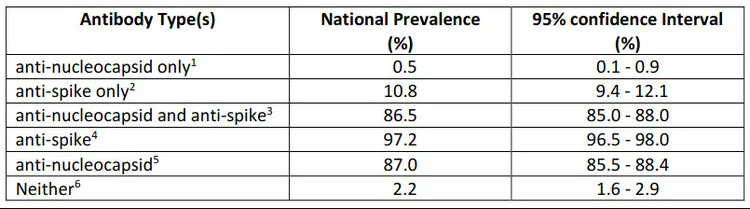
The researchers estimated that by March 2022, before the fifth wave which appears to have peaked in the last few weeks, 98% of adults had some detectable antibodies, whether from COVID or from vaccination. This means that only 2% had neither been vaccinated nor been infected.

Only 10% had been vaccinated but not infected by COVID.

Read the study

(Note: The study has been published as a preprint and has not been peer-reviewed.)

What the survey tested for

Blood samples were collected and tested from 3395 consenting donors from all provinces in mid-March 2022. While blood donors are not precisely representative of the population, the researchers have argued that the study is representative enough.

This is the first time the blood services researchers have been able to look for two types of antibodies.

One test indicates if a sample has antibodies to the nucleocapsid proteins (anti-nucleocapsid antibodies). These antibodies develop if someone is infected, but won’t develop after a person receives a vaccine only (at least not those vaccines currently available in South Africa).

The other test indicates if the sample has antibodies to the spike protein (anti-spike antibodies). These antibodies develop when someone has been infected or has been vaccinated (or both).

Using these two tests together, researchers can, for the first time, evaluate the proportion of the population that has been vaccinated and not infected.

Results

After weighting the results to reflect national demographics, the researchers found that a mere 2% of the population had neither anti-spike nor anti-nucleocapsid antibodies. These are people who have likely never had COVID nor been vaccinated.

10% had only anti-spike antibodies. These are people who were likely vaccinated, but never infected.

The researchers noted that there is “an increasing incidence of reinfection” with the omicron wave.

Blood service survey is the best we have

The blood services have been regularly testing blood samples from donors throughout the pandemic, looking at the presence of anti-nucleocapsid antibodies.

While other surveys might be more representative of the population than the blood donor ones, these have been infrequently published or published long after the survey was conducted. By contrast the blood donor surveys are relatively affordable and quick to publish. Also, as far as we are aware, it is the only survey repeatedly testing the same group of people, so that comparisons across time are possible.

Past blood surveys

The blood services’ survey from samples taken in May 2021 estimated that 47% of the adult population had previously been infected.

The next survey of blood samples was taken in November 2021 after the delta wave. This was just before the omicron wave. The researchers estimated that about 70% of people had been infected.

The latest survey indicates that about 87% of people have been infected.

The previous surveys found that levels of infection differed by province. Now these differences have “largely disappeared as prevalence appears to have saturated”.

Differences across race

There are significant differences in rates of infection when different races are compared.

The November survey showed that about 80% of black donors and 40% of white donors had been infected with COVID.

In the latest survey the proportion of white and Asian donors that only have anti-spike antibodies (indicating vaccination but no infection) was higher than black and coloured donors.

The researchers suggest that “white donors are both unusually likely to avail themselves of vaccination, and they are unusually able to avoid exposure, for instance by working predominantly from home, [and] living in smaller family units.”

Article by By James Stent. Republished from GroundUp under a Creative Commons Attribution-NoDerivatives 4.0 International License.

Source: GroundUp

Scientists Pry Open Secrets of a Potent Antibody against COVID

Even as the structure of SARS-CoV-2 changes with different variants of the virus (grey), the J08 antibody (blue) can still bind it, Scripps researchers showed. Credit: Scripps Research

Scientists have revealed the secrets of a potent antibody against SARS-CoV-2 that was discovered in COVID survivors. The antibody has a broadly neutralising effect, and is able to retain its efficacy against a wide range of variants – though not Omicron.

In 2021, Scripps Research and Toscana Life Sciences scientists screened the blood of 14 COVID-19 survivors to find the most potent antibodies against the SARS-CoV-2 virus. One of the most promising finds, now in stage II/III trials, was an antibody dubbed J08, which seemed to be capable of both preventing and treating COVID. 

Now, the same group has visualised exactly how J08 binds to different SARS-CoV-2 variants in different conformations, explaining what makes the monoclonal antibody so potent. The research, published in Proceedings of the National Academy of Sciences, suggests that the J08 antibody’s flexibility will likely keep it effective against future COVID variants.

“Even though we can’t predict what variants of COVID will emerge next, understanding the details of J08 reveals what works against the virus, and perhaps how we can engineer antibodies to be even more potent,” explained senior author Andrew Ward, PhD at Scripps Research.

On exposure to a virus like SARS-CoV-2, the body creates a variety of antibodies that bind to different sections of the virus to clear it from the body. There is considerable interest in why certain naturally produced antibodies such as J08 more effective than others. In the months after Ward and his collaborators first identified J08, it became clear that the antibody, unlike many others, was potent against a variety of COVID variants.

The researcher mapped the three-dimensional structure of J08 as it bound to the spike protein of SARS-CoV-2. J08 was confirmed to successfully attach to the Alpha, Beta, Gamma and Delta variants, preventing replication. However, J08 attached to the Omicron variant about 7 times more slowly, and then quickly detached. About 4000 times more J08 was needed to fully neutralise Omicron SARS-CoV-2 compared to the other variants.

“With variants other than Omicron, this antibody binds quickly and doesn’t come off for hours and hours,” says co-first author Gabriel Ozorowski, a senior staff scientist in the Ward lab at Scripps Research. “With Omicron, we were initially happy to find that it still binds, but it falls off very quickly. We identified the two structural changes that cause this.”

The team showed that, for all the variants, J08 binds to a very small section of the virus – a section that generally stays the same even as the virus mutates. Moreover, J08 could attach in two completely different orientations, like a key that manages to unlock a door whether it is right side up or upside down. 

“This small, flexible footprint is part of why J08 is able to withstand so many mutations – they don’t impact the antibody binding unless they happen to be in this one very small part of the virus,” said co-first author Jonathan Torres, lab manager of the Ward lab at Scripps Research.

The Omicron variant of SARS-CoV-2, however, had two mutations (known as E484A and Q493H) that changed the small area of the virus that directly interfaces with J08, anchoring it in place. Ward and his collaborators found that if just one of these mutations is present, J08 can still bind and neutralise the virus strongly, but mutations in both are what make it less effective against the Omicron variant.

The researchers said the new results support the continued clinical trials of the monoclonal antibody based on J08.

“I think we’re pretty confident that future variants won’t necessarily have both of these two critical mutations at the same time like Omicron,” remarked Ozorowski, “so that makes us hopeful that J08 will continue being very effective.”

Source: Scripps Research

Anti-HIV Antibodies Achieve Viral Suppression

HIV Infecting a T9 Cell. Credit: NIH

A trial has successfully used a novel treatment of anti-HIV antibodies to achieve viral suppression in several HIV patients. The results published in Nature, would enable a treatment not reliant on vigilant daily dosing and which could potentially reduce the body’s reservoir of HIV, something antiretroviral drugs cannot do. The antibody treatment could be used in combination with long-acting antiretrovirals, or alone after such medications have sufficiently brought down viral levels.

“The idea is that you would still be on HIV treatment, but instead of having to take a pill every day, with the long-acting versions of the antibodies, patients would be able to take infusions every six months,” said Professor Marina Caskey, who co-led the study.

In this trial, 18 participants received seven infusions of a pair of broadly neutralising antibodies over five months, while discontinuing their antiretroviral medications. Thirteen of these participants maintained viral suppression for at least five months, and in a few cases over a year, suggesting the antibodies are able to control viruses that are sensitive to the antibodies and prevent viral levels from rising to dangerous levels.

Besides suppressing the virus, antibody therapy may also have an effect on cells infected with HIV that cannot be eliminated by antiretroviral drugs. “Ultimately, with any treatment, we’d like to see a decline in the reservoir of infected T-cells, which fuel rebound when therapy is discontinued,” says Christian Gaebler, an assistant professor of clinical investigation in Nussenzweig’s lab and the study’s first author. After therapy, the team detected a decrease in the infected T-cells, specifically those that harbor intact viruses capable of replication. “It’s a promising finding that we hope to follow up on in future, larger studies,” Gaebler says.

The new study built on a previous, shorter trial in which participants had received three antibody infusions over six weeks. The researchers found that administering additional infusions was generally safe and well-tolerated, and the longer treatment period did not result in the emergence of new resistant variants.

Source: Rockefeller University

Prior COVID Infection Results in Robust Immunity after Vaccination

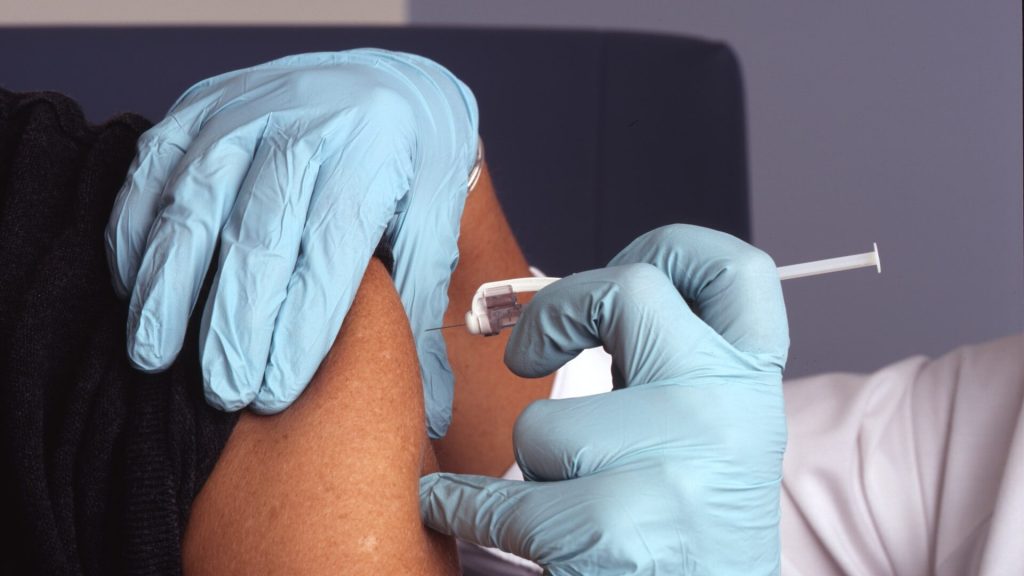
Vaccine injection
Image source: NCI on Unsplash

New research published in the journal JCI Insight shows that immune responses to the Pfizer-BioNTech mRNA vaccine differ significantly in individuals depending on whether or not they had a prior COVID infection. Notably, those who had COVID before vaccination produced a surge of antibodies after the first dose, with little or no increase seen after the second dose. The opposite pattern was observed in infection-naïve individuals.

“Our study shows that the presence of immune memory induced by prior infection alters the way in which individuals respond to SARS-CoV-2 mRNA vaccination,” explained first author Professor Steven G. Kelsen. “The lack of response after the second vaccine dose in previously infected individuals is especially relevant, because it could mean that some people may require only one dose or could potentially skip the booster shot.”

Prof Kelsen and colleagues carried out the study in health care workers, some having previously tested positive for SARS-CoV-2 infection and others never having been infected. The researchers measured levels of neutralising antibodies in blood samples taken at three different time points, including before vaccination and after each vaccine dose. They also performed qualitative assessment for local reactions and systemic symptoms, such as fever, headache, and fatigue, associated with vaccination.

While levels of neutralising antibodies hit their maximum in some people with prior COVID after the first vaccine dose, individuals with no history of infection showed massive responses after the second dose. Those high levels also plummeted quickly, while the COVID group retained longer lasting immunity, despite the lack of response to a second dose. However, prior infection was also linked to more frequent and longer-lasting adverse reactions to the vaccine.

“Previous studies had similarly reported long-lasting immunity and strong immune reactions in COVID patients,” Prof Kelsen said. “We now provide new information on how prior infection interacts with vaccination in terms of measurable immune response and how individuals react to mRNA vaccines based on infection history.”

The next steps for Prof Kelsen and collaborators are to modify their neutralising antibody assay to detect Omicron and other SARS-CoV-2 variants. “We also are interested in understanding how long protection from a booster dose of the vaccine lasts,” he said.

Source: EurekAlert!

Fewer Types of Antibodies Produced with Age

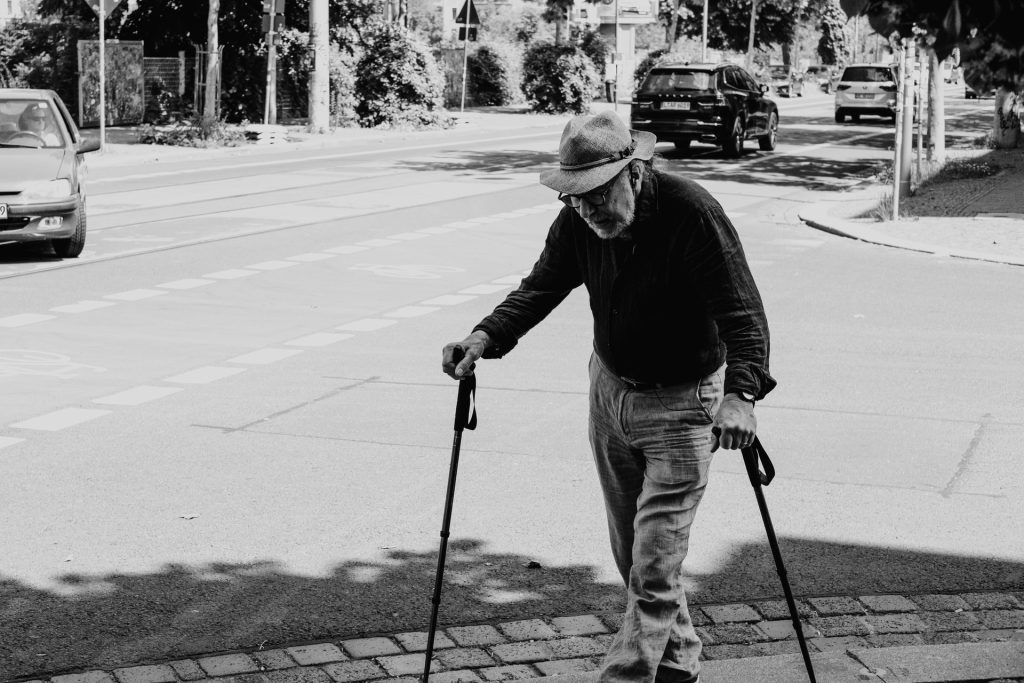
old man walking with canes
Source: Miika Luotio on Unsplash

Using short-lived killifish to study how the immune system weakens with ageing, scientists have found that fewer types of antibodies are produced as organisms age. Published in eLife, the findings could lead to ways to rejuvenate the immune systems of older people.

The immune system has to constantly respond to new attacks from pathogens and remember them in order to be protected during the next infection. For this purpose, B cells build a library of information that can produce a variety of antibodies to recognise the pathogens.

“We wanted to know about the antibody repertoire in old age,” explained lead researcher Dario Riccardo Valenzano. “It is difficult to study a human being’s immune system over his or her entire life, because humans live a very long time. Moreover, in humans you can only study the antibodies in peripheral blood, as it is problematic to get samples from other tissues. For this reason, we used the killifish. It is very short-lived and we can get probes from different tissues.”

The shortest-lived vertebrates that can be kept in the laboratory, killifishes quickly age over their three to four month lifespan and have become the focus of ageing research in recent years due to these characteristics.

The researchers were able to accurately characterise all the antibodies that killifish produce. They found that older killifish have different types of antibodies in their blood than younger fish. They also had a lower diversity of antibodies throughout their bodies.

The discovery could lead to ways to rejuvenate the immune system. “If we have fewer different antibodies as we age, this could lead to a reduced ability to respond to infections. We now want to further investigate why the B cells lose their ability to produce diverse antibodies and whether they can possibly be rejuvenated in the killifish and thus regain this ability,” Valenzano said.

Source: Max Planck Institute for Biology of Ageing

Exercise After Vaccination Boosts Antibodies

Photo by Barbra Olsen on Pexels

Researchers have found that a 90 minute bout of mild- to moderate-intensity exercise directly after a receiving a flu or COVID vaccine may provide an extra immune boost.

In the paper, published in Brain, Behavior, and Immunity, participants who cycled on a stationary bike or took a brisk walk for an hour-and-a-half after receiving a vaccine injection produced more antibodies in the following four weeks compared to participants who sat or continued with their daily routine post-immunisation. When the researchers ran the experiment with mice and treadmills, similar results were observed.

“Our preliminary results are the first to demonstrate a specific amount of time can enhance the body’s antibody response to the Pfizer-BioNtech COVID vaccine and two vaccines for influenza,” said Kinesiology Professor Marian Kohut, lead author of the study.

The vaccine recipients would be able to benefit people who could not cope with such exercise. Nearly half of the participants in the experiment had a BMI in the overweight or obese category. During 90 minutes of exercise, they focused on maintaining a pace that kept their heart rate around 120–140 beats per minute rather than distance.

However, the exercise duration appeared to be important: the researchers also ran the experiment with just 45-minutes of exercising. The shorter workout did not increase the participants’ antibody levels. Prof Kohut said a follow-up study might test whether 60 minutes is sufficient.

As to why prolonged, mild- to moderate-intensity exercise could improve the body’s immune response, Prof Kohut said there may be multiple reasons. Exercise increases blood and lymph flow, which helps circulate immune cells. As these cells move around the body, they’re more likely to detect antigens. The mouse experiment data also suggested that interferon alpha produced during exercise helps generate virus-specific antibodies and T- cells.

“A lot more research is needed to answer the why and how,” said Prof Kohut. “There are so many changes that take place when we exercise – metabolic, biochemical, neuroendocrine, circulatory. So, there’s probably a combination of factors that contribute to the antibody response we found in our study.”

The researchers are continuing to track the antibody response in the participants six months post-immunisation and have launched another study that focuses on exercise’s effects on people who receive booster shots.

Source: Iowa State University

Previously Infected Older People Have More COVID Antibodies

Photo by Adam Birkett on Unsplash

In a recent study published in Scientific Reports, researchers found that older people previously infected with COVID, when vaccinated, had higher antibody levels than previously infected individuals. These antibodies were also effective against the Delta variant, which wasn’t present in Canada when the samples were taken  in 2020.

Joelle Pelletier and Jean-François Masson, both professors in Université de Montréal’s Department of Chemistry, wanted to find out whether natural infection or vaccination led to more protective antibodies being generated. The focussed on an understudied group: people who have been infected but not hospitalised by SARS-CoV-2.

Consequently, 32 non-hospitalised COVID positive adults were recruited 14 to 21 days after being diagnosed through PCR testing. This was in 2020, before the Beta, Delta and Gamma variants emerged.

“Everyone who had been infected produced antibodies, but older people produced more than adults under 50 years of age,” said Prof Masson. “In addition, antibodies were still present in their bloodstream 16 weeks after their diagnosis.”

Antibodies produced after an infection by the original, “native” strain of the virus also reacted to SARS-CoV-2 variants that emerged in subsequent waves, namely Beta (South Africa), Delta (India) and Gamma (Brazil), but to a lesser extent: a reduction of 30 to 50%.

“But the result that surprised us the most was that antibodies produced by naturally infected individuals 50 and older provided a greater degree of protection than adults below 50, ” said Prof Pelletier.

“This was determined by measuring the antibodies’ capacity to inhibit the interaction of the Delta variant’s spike protein with the ACE-2 receptor in human cells, which is how we become infected,” he added. “We didn’t observe the same phenomenon with the other variants.”

When someone who has had a mild case of COVID is vaccinated, the antibody level in their blood doubles compared to an unvaccinated person who has been infected by the virus. Their antibodies are also better able to prevent spike-ACE-2 interaction.

“But what’s even more interesting,” said Prof Masson, “is that we have samples from an individual younger than 49 whose infection didn’t produce antibodies inhibiting spike-ACE-2 interaction, unlike vaccination. This suggests that vaccination increases protection against the Delta variant among people previously infected by the native strain.”

Both scientists believe more research should be conducted to determine the best combination for maintaining the most effective level of antibodies reactive to all variants of the virus.

Source: University of Montreal

How Antibody Treatment for MIS-C Works

Source: NCI on Unsplash

The depletion of neutrophils could be how intravenous immune globulin (IVIG) is able to treat multisystem inflammatory syndrome in children (MIS-C).

MIS-C is a rare condition that usually affects school-age children who initially had only mild COVID symptoms or no symptoms at all. The researchers also found that IVIG works in a similar manner for treating Kawasaki disease, another rare inflammatory condition that affects children and shares symptoms with MIS-C. 

MIS-C is marked by severe inflammation of two or more parts of the body, including the heart, lungs, kidneys, brain, skin, eyes and gastrointestinal organs. Its symptoms overlap with Kawasaki disease, and treatments for MIS-C are partly guided by what is known about the treatment of Kawasaki disease. IVIG, which is made up of antibodies purified from blood products, is a common and effective treatment for heart complications caused by Kawasaki disease. For MIS-C patients, however, IVIG alone does not always resolve symptoms, and healthcare providers may need to prescribe additional anti-inflammatory drugs.

In order to better understand how IVIG works and to improve treatments for children with MIS-C, researchers profiled immune cells from patients with MIS-C or Kawasaki disease. The team sampled cells before treatment began as well as 2 to 6 weeks after patients received IVIG, and found that neutrophils from these patients were highly activated and a major source of interleukin 1 beta (IL-1β), a driver of inflammation. After IVIG treatment, these activated neutrophils were significantly depleted in patients with MIS-C or Kawasaki disease.

The study authors believe their findings are the first to explain why IVIG is effective for both conditions. More work is needed however to understand how IVIG causes cell death in these activated neutrophils and why certain patients with MIS-C require additional anti-inflammatory treatments.

The findings appear in the Journal of Clinical Investigation.

Source: National Institutes of Health