
Tag: 9/10/26

Twin Study Sheds New Light on Screen Time and Mental Health

Image created with AI.

Shared family factors, such as genes and upbringing, are likely to explain a large part of the link between high screen use and mental health problems in young people. This is according to a new study from Karolinska Institutet published in Nature Human Behaviour.

“Our results suggest that the association may in some cases have been overestimated because it has not been possible to fully account for shared family factors,” says Tong Gong, research specialist at the Department of Medical Epidemiology and Biostatistics, Karolinska Institutet, and the study’s corresponding author alongside Lu Yi, senior researcher at the same department. 

The researchers have followed over 21 000 Swedish twins from the age of nine, through their teenage years and into adulthood. The aim was to investigate how leisure-time screen use is linked to symptoms of depression and anxiety over time. By comparing twins within the same family, where one twin used screens more than the other, they were able to study how the association was influenced by shared genetic and environmental factors.

Clear links during adolescence

The clearest associations between screen use and mental health problems were observed during adolescence and for interactive screen activities such as gaming, chatting and surfing the internet. In contrast, significantly weaker or no links were observed for passive activities such as watching TV or videos.

Fifteen-year-olds who spent more than six hours a day on interactive screen activities had more symptoms of depression or anxiety and were more than twice as likely to be diagnosed with such a condition later in life, compared with their peers who spent no more than two hours a day using screens. However, when the researchers compared twins within the same family, most of these links weakened, particularly among identical twins. 

“The correlations did not disappear entirely, but they did become significantly weaker, suggesting that both genes and upbringing play an important role,” says Tong Gong.

The researchers emphasise that the results do not mean that screen time is irrelevant to mental health. Interactive screen activities during adolescence were still linked to an increased risk of mental health problems later in life, although the uncertainty increased when shared family factors were included in the analyses.

Will examine different types of activities

The study is based on self-reported data on screen use and does not capture exactly what the young people were doing on their screens or why they were using them. Furthermore, the data was collected before social media and smartphones became as integral a part of young people’s everyday lives as they are today.

The next step is to examine different types of screen-based activities in greater detail, studying their content, the motivation behind their use, problematic use and the activities that screen time replaces. In this way, the researchers hope to gain a better understanding of how these complex relationships vary across different age groups and between girls and boys.

“Future recommendations should not focus solely on how much time children and young people spend in front of screens,” says Emma Frans, senior research specialist at the Department of Medical Epidemiology and Biostatistics, Karolinska Institutet, and co-author of the study. “To be able to give good advice, we also need to understand what they are doing on their screens, why they are doing it, and which individual and family-related factors may affect their well-being.” 

The study was conducted by researchers at Karolinska Institutet in collaboration with partners from Sweden, Norway, Denmark, Germany and Australia. It was primarily funded by the Marianne and Marcus Wallenberg Foundation and the Swedish Brain Foundation. One of the co-authors, Henrik Larsson, has received research grants, honoraria, and consultancy fees from pharmaceutical companies outside the scope of this study. The other researchers declare no conflicts of interest.

Publication

”Recreational Screen Use and Internalizing Problems from Preadolescence to Young Adulthood in a Longitudinal Twin Cohort with Co-Twin Comparison”, Tong Gong, Emma Frans, Anna Ohlis, Shuyang Yao, Ruyue Zhang, Anders Nilsson, Yasmina Molero, Miriam A Mosing, Isabell Brikell, Henrik Larsson, Paul Lichtenstein, Lisa B Thorell, Patrik KE Magnusson, Ralf Kuja-Halkola, Yi Lu, Nature Human Behaviour, online 8 October 2026, doi: 10.1038/s41562-026-02607-0.

Source: Karolinska Institutet
Statins May Protect People from Developing Glaucoma

Photo by Ksenia Chernaya

New research from the University of California San Diego School of Medicine has found that taking statins may be linked to a lower risk of developing glaucoma and a reduced chance of it getting worse. The study found that people with existing glaucoma who are taking statins appear less likely to need stronger treatments like extra eye drops or surgery to keep it under control. The findings are published online in the British Journal of Ophthalmology.

“Glaucoma is one of the leading causes of irreversible blindness, and statins are among the most common medications used to lower cholesterol and reduce the risk of heart disease,” said senior study author Robert Weinreb, MD, Distinguished Professor in the Viterbi Family Department of Ophthalmology at UC San Diego School of Medicine and ophthalmologist at UC San Diego Health. Weinreb is also director of the Hamilton Glaucoma Center and the Gleiberman Center for Glaucoma Research at the Shiley Eye Institute.

“If this association is confirmed in future studies, it could have implications for a very large number of people.”

Glaucoma is caused by permanent damage to the optic nerve and is typically treated with prescription eye drops, oral medications, laser treatment or a combination of these approaches. Statins are commonly prescribed to lower cholesterol levels, but studies have indicated that they may also prevent or slow nerve cell death. However, their potential role in preventing or slowing glaucoma is poorly understood.

To strengthen the evidence base addressing this gap in knowledge, researchers searched a database covering 165 million individuals across the world.

They compared more than 210 000 people who had a record of statin use between August 2006 and August 2026 with a matched control group of 210 000 people who had no record of using statins. Individuals in both groups had to have a recorded ophthalmological follow-up.

Statin use was associated with a 15% lower risk of developing open-angle glaucoma, the researchers found.

At five years, there were 4771 new diagnoses of glaucoma in the statin group (2.3%) and 5,491 in the control group (2.6%).

In a separate analysis, more than 30,000 individuals with glaucoma who were taking statins were compared with almost 250,000 individuals with glaucoma who were not taking statins.

Statins were linked to a lower risk of progressing to need glaucoma surgery or other treatment.

At five years, statin use was associated with a 36% lower risk of incisional glaucoma surgery and a 55% reduced risk of minimally invasive glaucoma surgery (MIGS) – a keyhole procedure to lower the intraocular pressure in the eye.

“Statins are known to have pleiotropic effects beyond cholesterol lowering, including anti-inflammatory and potential neuroprotective properties. This study suggests those effects could be relevant to optic nerve health, and future studies will be able to tell us if this is a causal, clinically actionable relationship.”

— Robert Weinreb

Statins were also associated with a 60% lower risk of selective laser trabeculoplasty (SLT) — a procedure that lowers the pressure in the eye by using laser pulses. There was also a 12% reduced risk of eye drops to reduce the pressure in the eye linked to statin use.

After 10 years, statin use continued to be associated with a lower risk of incisional glaucoma surgery, MIGS, SLT, and use of eye drops, the researchers found.

The researchers caution that this is an observational study and as such, no firm conclusions can be drawn about cause and effect. Another limitation of the study is that the researchers did not have access to individual patient data, including intraocular pressure measurements or surgical details. This means they were unable to determine whether surgery was performed due to increased disease severity or because the patient was not adhering to treatment.

Nevertheless, they say their findings add to the growing literature about the neuroprotective effect of statins. Prospective randomized trials are now needed to better understand the effects of statin use on glaucoma incidence and treatment.

“Statins are known to have pleiotropic effects beyond cholesterol lowering, including anti-inflammatory and potential neuroprotective properties,” said Weinreb. “This study suggests those effects could be relevant to optic nerve health, and future studies will be able to tell us if this is a causal, clinically actionable relationship.”

This story was adapted from a press release issued by the British Journal of Ophthalmology.

Read the full study: “Statin Use is Associated with Lower Risk of Open-Angle Glaucoma Incidence and Treatment Escalation”

Source: University of California – San Francisco

Dis-Chem and Cipla Foundation Partner to Bring Affordable Primary Healthcare Closer to Macassar Residents

The partnership supports community-based care while empowering a local nurse entrepreneur to provide quality primary healthcare closer to home

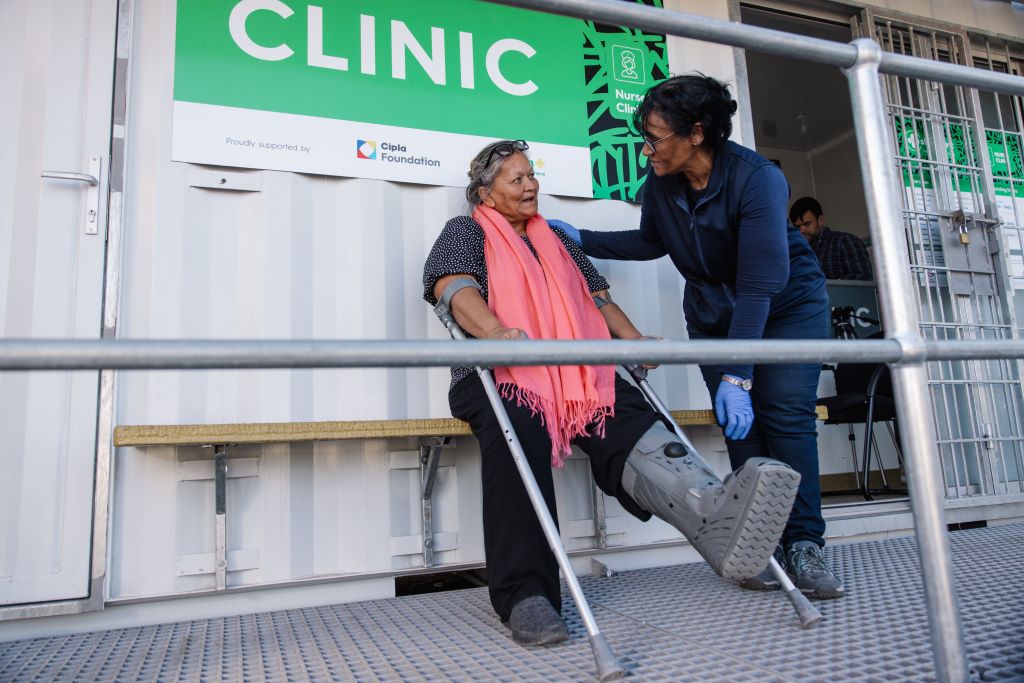
Macassar, Western Cape – Residents of Macassar will now have improved access to affordable, quality primary healthcare close to home following the launch of a new Sha’p Left nurse clinic.

Established through a partnership between Dis-Chem’s Better Tomorrow programme and the Cipla Foundation’s Sha’p Left initiative, the clinic aims to remove everyday barriers to care, including high transport costs, lost working hours and long queues at public health facilities.

Home to approximately 52 400 people across 14 000 households, Macassar is a growing, working-class community. Most residents rely on the local Community Health Centre for primary and maternity care. The new clinic will help ease pressure on this already busy facility while improving access to care for conditions including HIV, tuberculosis, diabetes and hypertension.

Led by experienced Clinical Nurse Practitioner Patricia-Ann Smith, the new fee-for-service practice is fully licensed to dispense medication up to Schedule 4. Patients can therefore be examined, diagnosed and receive the required treatment and prescriptions during a single visit, offering a convenient, cost-effective and dignified alternative for routine primary healthcare.

“Better Tomorrow is about finding practical ways to bring quality care closer to communities,” says Joshila Shiba, Dis-Chem’s Head of Health Equity and Sustainability. “Rather than building every solution from scratch, we partner with experienced organisations that already have proven, community-rooted models. Macassar gives us an invaluable opportunity to measure the real-world impact of this intervention and assess its long-term sustainability.”

From nurse to nursepreneur

At the heart of the clinic, Smith, a veteran healthcare professional with 37 years of nursing experience says the initiative has created an opportunity to turn a lifelong ambition into reality. The Sha’p Left model supports qualified nurses, predominantly women, with the infrastructure, training, compliance support and operational systems needed to establish independent practices.

“I have always wanted to own a healthcare business, but nursing has always been about putting people first and building trust,” says Smith. “Caring for my own community means a great deal to me. Primary healthcare gives us an opportunity to prevent illness, promote healthier choices and improve quality of life. Being able to make quality healthcare more accessible while contributing to my community makes this practice especially meaningful to me.”

A scalable model for primary healthcare

Designed by the Cipla Foundation, the Sha’p Left initiative aims to establish self-sustaining primary healthcare practices that can operate independently of ongoing philanthropic funding. The model is built on the principle that trusted local clinical nurse practitioners are well placed to expand access to primary healthcare in their own communities.

“Affordable, nurse-led clinics have an important role to play in expanding access to quality healthcare in South Africa,” says Paul Miller, CEO of Cipla Africa. “By bringing essential services closer to communities, we can help ease pressure on overburdened public health facilities while empowering qualified nurses to become healthcare providers and entrepreneurs in their own communities.”

For Dis-Chem Better Tomorrow, funding the Sha’p Left Macassar clinic forms part of a broader commitment to strengthening primary and preventative healthcare across South Africa.

“We want to help build and support healthcare models that strengthen the broader primary healthcare system for the long term,” says Shiba. “Macassar is our starting point. Demonstrating real societal health impact by improving access to quality healthcare for more South Africans through our integrated healthcare ecosystem is core to our purpose.”

Every Unit has a Story: SANBS Documentary Reveals why Blood Matters as Stocks Drop to 4.2 Days’ Cover

Johannesburg, 9 October 2026 – What happens to a unit of blood after someone rolls up their sleeve and donates? Who receives it? What does that blood mean to a person fighting for their life? And what would happen if the blood needed in an emergency simply wasn’t available?

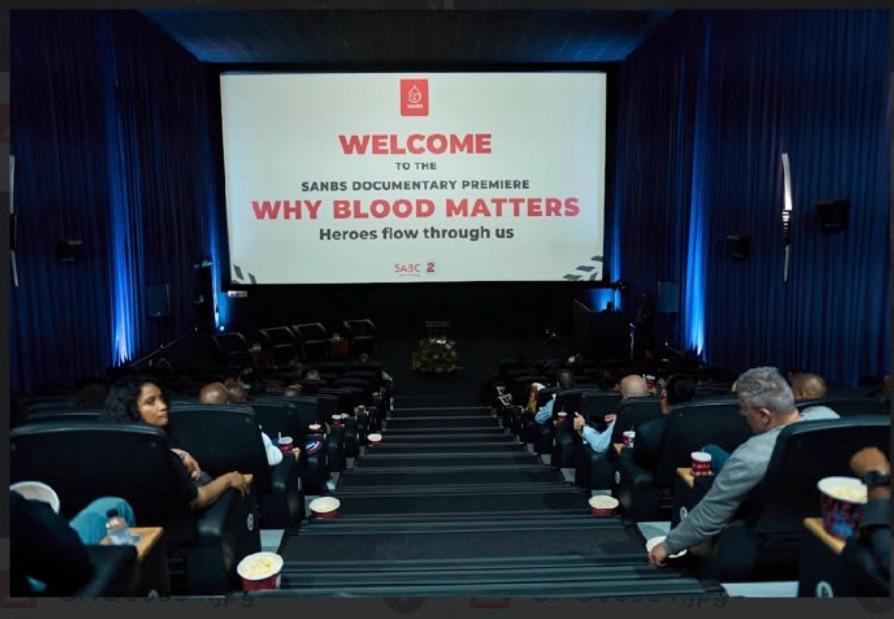
These are some of the questions explored in the South African National Blood Service’s (SANBS) new documentary, Why Blood Matters, which premiered in Johannesburg on Thursday, 8 October, and will be broadcast on SABC 2 on Sunday, 11 October 2026, at 9pm.

The premiere brought together the people whose stories bring the documentary to life, highlighting the profound impact of blood donation and the people, science and processes that make safe blood available to patients across South Africa.

The screening comes at a critical time for the country’s blood supply, with SANBS blood stocks having dropped to 4.2 days’ cover. SANBS is urging eligible donors to donate blood as soon as possible to help replenish stocks and ensure that blood is available for patients who need it. South Africans are encouraged to watch Why Blood Matters on Sunday and, just as importantly, donate blood. Behind every unit is a patient who may be relying on the generosity of a stranger.

Watch the documentary trailer

Every unit has a human story

The documentary takes viewers behind the scenes of South Africa’s blood supply system, bringing together the voices of donors, recipients, healthcare professionals and SANBS experts to tell the story of what happens between the moment blood is donated and the moment it becomes a lifeline for someone in need.

At the heart of the documentary are the people whose lives have been touched by blood donation. For some recipients, blood is needed because of an accident or medical emergency. For others, it forms part of a long and complex treatment journey.

One of the stories featured is that of Marie Bontjes, who was diagnosed with anaemia at just one year old. Her story highlights how blood transfusion can become part of a person’s life from childhood, and the difference a readily available blood supply can make.

Another recipient, Meena Singh, experienced liver failure and required a liver transplant. Her journey involved receiving multiple units of blood – an intervention she describes as giving her an opportunity at life.

The documentary also follows Gregory Naidoo, whose experience illustrates the unpredictability of medical emergencies and the vital role blood can play when a person’s body is under immense strain.

For donors, the motivation can be equally personal.

Mario Ferreira, who has been donating blood since he was 19, speaks about the deeply personal reward of knowing that his donation could help save another person’s life.

“Knowing that I can save a life makes me happy.”

Another donor featured in the documentary is Boitumelo Masiu, who began donating while still at school. Her experience demonstrates how a culture of blood donation can begin early and become a lifelong commitment.

For Siyabonga Malinga, donating blood has become part of a community of people who understand that, in an emergency, there may be no time to wait.

More than blood: understanding what happens behind the scenes.

While the documentary centres on personal stories, it also seeks to answer questions and address misconceptions surrounding the blood supply system. Blood donation is voluntary, and donated blood is given freely. However, once blood has been donated, it must undergo a rigorous process that includes testing, processing, storage and distribution before it can safely reach a patient.

This requires specialised infrastructure, equipment, skilled people and logistics – all of which form part of the complex system needed to ensure safe blood is available when and where it is required. With SANBS aiming to collect approximately 3 500 units of blood every day, the scale of the operation is significant.

However, maintaining an adequate blood supply depends on the continued commitment of donors. Blood has a limited shelf life, with red blood cells lasting up to 42 days, making regular donations essential to keeping stocks replenished.

For SANBS, this is ultimately about much more than numbers. It is about ensuring that patients undergoing emergency treatment, surgery, cancer care, transplants and other medical procedures have access to the blood they need.

Simphiwe Cele, Marketing and Branding Manager at SANBS, says the documentary provides an opportunity for South Africans to see the full human impact of blood donation.

“We often talk about blood in terms of units, blood groups, stock levels and statistics, but behind every unit is a human story. A donor chose to give, people work tirelessly to ensure the blood is safe, and a patient’s life may depend on receiving it. Why Blood Matters brings those stories together and reminds us why this work matters so deeply.”

He adds that one of the most important messages for viewers is that blood cannot simply be replaced when it is needed.

“Nothing does what blood does. It cannot be manufactured, and it cannot be taken for granted. The only reason we can provide blood to patients when they need it is because ordinary South Africans make the extraordinary decision to donate.”

The documentary also highlights the science, infrastructure and people behind South Africa’s blood supply, including the extensive processes involved in ensuring that every unit collected can be safely used.

Watch on Sunday. Donate today.

For SANBS, Why Blood Matters is more than a documentary. It is an invitation to South Africans to understand their role in a system that touches thousands of lives – and to recognise that the decision to donate blood can make the difference between a patient receiving the treatment they need and a critical shortage standing in the way.

With blood stocks currently at only 4.2 days’ cover, the need for donations is urgent. SANBS is calling on eligible donors to visit their nearest donor centre or mobile blood drive and donate as soon as possible.

South Africans are also encouraged to tune in to Why Blood Matters on SABC 2 on Sunday, 11 October 2026, at 9pm to discover the stories, science and people behind one of the country’s most essential healthcare services.

A single donation can help support emergency treatment, surgery, cancer care, transplant journeys and ongoing medical treatment. The donor and recipient may never meet, but their lives are connected through an act of generosity that can give someone another chance.

For more information or to find your nearest donor centre or mobile blood drive, contact SANBS on 0800 11 90 31 or visit SANBS.

Flushing the Toilet can Send Aerosols to Face Height

Photo by Jan Antonin Kolar on Unsplash

Researchers from Flinders University have found that flushing toilets can release aerosols and bioaerosols into the surrounding air, with some studies detecting particles at heights corresponding to the breathing zone of adults.

The new study, published in Science of the Total Environment, systematically reviewed research into aerosol and bioaerosol that is generated during toilet flushing, and examined the factors that influence how much aerosol is produced and how it disperses.

Lead author Lira Adiyani, a PhD student at Flinders University, says the findings highlight the potential for exposure to disease-causing microbes contained in toilet-generated aerosols.

“Toilet flushing creates turbulence that can release aerosols into the surrounding air. Some studies detected these aerosols at adult breathing height, indicating a potential pathway for inhalation exposure,” says Ms Adiyani.

“The microbes can originate both from contamination of the toilet bowl during use, or from the water used for flushing. The more microbes present in the toilet, the more bioaerosols may be released. Therefore, larger flush volumes generally produce more aerosols.”

The review analysed 22 studies of toilet-generated aerosols, including studies using microorganisms or surrogate organisms seeded into toilet water as well as studies conducted under normal, unseeded conditions.

The researchers found that aerosol concentrations varied considerably between studies, depending on experimental conditions, toilet characteristics and sampling methods.

Among experiments where microorganisms were deliberately introduced into toilet water, higher microbial concentrations in the water were associated with higher concentrations detected in aerosols. Higher aerosol concentrations were also commonly reported closer to the toilet, particularly around seat height.

Together, these findings suggest that maintaining good toilet hygiene, including regular cleaning of the toilet and surrounding surfaces, and handwashing after use may help minimise microbial contamination and potential exposure to microbial disease.

Flush volume was also identified as an important factor influencing aerosol generation, suggesting that choosing toilets designed with lower flush volumes, or using the lower-volume option on dual-flush toilets where appropriate, may help minimise aerosol production.

Aerosols were also reported to remain suspended in the air for at least 20 seconds after flushing. Although ventilation and lid position were not significantly associated with aerosol concentrations in the review, they may still influence how aerosols disperse within the bathroom.

Adequate ventilation may help disperse and remove suspended airborne particles, while evidence from individual studies suggests that closing the lid can alter the direction of aerosol dispersion, with aerosols escaping through gaps between the lid and toilet bowl rather than travelling directly upwards.

“Based on the available evidence, I would recommend closing the toilet lid before flushing, where a lid is available, as a precautionary measure to minimise potential inhalation exposure – while recognising that it does not completely prevent aerosols from escaping,” says Ms Adiyani.

Research co-author Professor Harriet Whiley, from Flinders University’s College of Science and Engineering, says the findings identify important research gaps and priorities for future investigation.

“Further research is needed to develop design and engineering interventions that reduce toilet-generated bioaerosols, particularly in high-risk settings such as hospitals,” says Professor Whiley.

Adequate bathroom ventilation and closing the toilet lid before flushing may be simple precautionary measures to help minimise potential exposure. However, further research is needed to determine how effectively these measures reduce aerosol dispersion and inhalation exposure.

The study – “Aerosol and Bioaerosol Generation from Toilet Flushing: A Systematic Review and Risk Factor Analysis,” by Lira Adiyani, Kirstin Ross, Ben Van den Akker and Harriet Whiley – is published in Science of the Total Environment. DOI: 10.1016/j.scitotenv.2026.182111

Source: Flinders University

Optogenetic Therapy for Retina Pigmentosa Shows Safety and Signs of Improvement

Photoreceptor cells in the healthy retina. Credit: Scientific Animations

Scientists have taken another important step toward vision restoration in people with certain inherited forms of blindness. In a study published Oct. 7 in the New England Journal of Medicine, researchers at the University of Pittsburgh School of Medicine and international collaborators showed that an experimental, optogenetics-based treatment was safely administered to 10 patients and improved visual function in some participants when used in combination with a specially designed visual stimulation device.

The retina is limited in its ability to repair itself. Retinitis pigmentosa (RP), which destroys light-sensing cells in the retina, affects more than 1.5 million people worldwide. At onset, patients first notice impaired night vision, then impaired peripheral vision that gradually worsens over time, which can ultimately lead to severe vision loss or blindness.

“Retinitis pigmentosa can result from a mutation in any one of more than 100 distinct genes, so it presents an extraordinary challenge,” said UPMC Professor José-Alain Sahel, director of the UPMC Vision Institute; and first and co-corresponding author of the study. While in recent years Sahel and others have made strides in stopping and even reversing other progressive blinding diseases using gene therapies that target specific disease-causing mutations, RP requires an outside-of-the-box approach.

“Developing a separate treatment for every genetic cause of retinitis pigmentosa is proving tremendously difficult and costly. While we continue working on correcting specific gene defects, our goal is to develop a way to restore visual function regardless of which gene caused the disease,” said Sahel.

In optogenetics, scientists alter cells to produce light-sensing proteins, which they are working to modulate for a variety of experimental uses. In this study, the team delivered a gene that produces a light-sensing protein known as ChrimsonR into surviving retinal ganglion cells, via a single injection into the eye.

The protein is then put into action with a visual prosthetic system. The user wears specialized goggles with a built-in camera that sends visual information to a portable processor. The processor, in turn, converts the information into patterns of light. A projector within the glasses sends back to the eye these patterns of light, which are of specific wavelengths designed to activate ChrimsonR in the modified retinal cells.

The researchers administered the optogenetic treatment to 10 people with advanced retinitis pigmentosa who were legally blind with little or no remaining vision. In this small, early-stage trial, the team found encouraging results in tests of the treatment’s safety.

Most eye-related side effects were mild or moderate and included temporary inflammation and short-lived increases in eye pressure.

After treatment, seven of the 10 participants had improved light sensitivity, and six made gains large enough to be considered clinically meaningful. While the treatment did not restore normal vision or the ability to read, some participants became better able to detect when an object was present, determine where it was located and reach toward it accurately while using the goggles.

The team also tested whether visual information was reaching the brain. Using electroencephalography, researchers led by Marlene Behrmann, John and Clelia Sheppard Professor of Ophthalmology at Pitt, found evidence that visual signals reached and were processed by the visual cortex when participants viewed objects. Four participants showed consistent improvements across multiple real-world visual tasks over months to years of testing.

“These results show that even in people with profound vision loss, the visual system retains a remarkable capacity to process new information,” said Sahel. “Potentially, the approach could also help patients with other blinding diseases in which the eye’s light-sensing cells have been lost, but other retinal cells – especially retinal ganglion cells – remain viable. Many of these patients currently have few or no treatment options.”

The study builds on a landmark Nature Medicine paper published in 2021, the first report of partial recovery of visual function in a blind patient following optogenetic therapy and the first ever clinical application of optogenetics in medicine. Last month, Sahel and his longtime collaborator, Botond Roska, of the Institute of Molecular and Clinical Ophthalmology Basel, who is also corresponding author of the current study, received the António Champalimaud Vision Award, the largest award in the field, for their contribution to vision restoration research.

The findings of the new study highlight one of several promising and complementary strategies the team is pursuing to restore vision in patients with end-stage retinal disease. Last year, Sahel was senior author of a New England Journal of Medicine article describing the ability to restore vision using an implanted prosthetic in patients affected with end-stage, age-related macular degeneration. The technology, known as PRIMA, has since received permission from the European Union to be marketed for clinical use within many European countries.

Source: University of Pittsburgh