
Tag: 30/10/26

Ciprofloxacin and Cefotaxime Drive Resistance in Hospital Wastewater Bacteria

Escherichia coli. Photo by CDC on Unsplash

Antibiotics excreted by patients promote antibiotic-resistant bacteria in hospital sewers, according to a new study by researchers at the University of Gothenburg. Ultimately, this may contribute to the development and spread of drug-resistant pathogens. Pinpointing the responsible antibiotics paves the way for targeted measures.

“To my best knowledge, this is the first direct field evidence in over 25 years conclusively linking observed environmental effects to pharmaceuticals excreted from humans”, says Joakim Larsson, Professor of Environmental Pharmacology at the University of Gothenburg and Director of Centre for Antibiotic Resistance Research, CARe. 

The study, published in Nature Communications, examined sewer systems and wastewater from hospitals and municipal treatment plants in eight Swedish cities. Sewage from all ten hospitals promoted antibiotic-resistant bacteria, while no such effects were found after exposure to sewage from the corresponding municipal treatment plants.

Paves the way for tailored measures

International guidelines emphasise the need to limit selection for antibiotic-resistance in the environment, as antibiotic pollution could ultimately render antibiotics ineffective. The observation of strong resistance selection in hospital sewer systems, but not in municipal ones, is significant for where measures should be prioritised. While advanced treatment at municipal sites can reduce the further spread of antibiotics and other pharmaceuticals, it cannot prevent the resistance evolution that has already taken place in hospital sewage. The results therefore point to hospital sewage systems as a critical site for future targeted interventions.

“Knowing where resistant bacteria are promoted – and where they are less likely to be – is crucial when deciding how resources and efforts should be allocated to limit risks for antibiotic resistance development,” says Joakim Larsson.

Similar selection likely occurs in hospital sewers worldwide

When the researchers made a sensitive E. coli strain resistant to fluoroquinolones and penicillin-like antibiotics it was able to grow well in hospital sewage where it otherwise could not. This showed that it was primarily these antibiotic classes that were responsible for giving resistant bacteria an advantage. Ciprofloxacin was identified as a key driver, a commonly used antibiotic in the fluoroquinolone group often prescribed for urinary tract infections. Cefotaxime, a penicillin-like antibiotic only used at hospitals, also contributed. Several independent lines of evidence, including chemical analyses and studies of bacterial cell responses, pointed in the same direction.

“The findings suggest that similar resistance selection occurs in the sewers of most hospitals worldwide. In Sweden, total antibiotic use is relatively low, but hospital use is comparable to that in many other European countries,” explains Joakim Larsson.

“Antibiotic use must always be guided by patients’ medical needs,” he continues. “But now that we know which types of drugs drive resistance selection in sewage, we can also develop more targeted solutions to mitigate risks.”

The research team is currently working intensively to develop a simple, targeted treatment method to reduce the selection pressure in the sewers.

Rare direct evidence in the environment

Most conclusions about environmental effects of pharmaceuticals are based on experiments where researchers intentionally add drugs at concentrations matching those measured in the environment. Such studies show what effects drugs can cause, but not whether those effects actually occur under real-world environmental conditions. The current study goes one step further by documenting effects directly within hospital sewer pipes. Resistant E. coli were enriched in biofilms in hospital sewers compared with the wastewater, whereas no corresponding enrichment was observed at municipal treatment plants.

The last clear field evidence of a similar nature dates back to the late 1990s, when feminisation of fish downstream of treatment plants was linked to pharmaceuticals from human use. Then, as now, Joakim Larsson contributed to identifying the substance responsible, in that case the contraceptive hormone ethinylestradiol.

Link to the study: Widespread selection of antibiotic resistance within hospital sewers in Nature Communications. 

Source: University of Gothenburg

How Have Diagnostic and Treatment Decisions for Prostate Cancer Changed in Recent Years?

Credit: Darryl Leja National Human Genome Research Institute National Institutes Of Health

An analysis of United States data reveals a broad shift away from overtreatment of low-risk prostate cancer. The analysis published by Wiley online in CANCER, a peer-reviewed journal of the American Cancer Society, indicates a shift toward surveillance in response to concerns of overdiagnosis and overtreatment that have hindered screening in the recent past.

During the 2010s, recommendations supporting prostate-specific antigen–based screening for prostate cancer wavered due to growing concerns about the use of unnecessary treatment for slow-growing, localised cancers that posed no threat to patients’ lives. As a result, guidelines supported active surveillance for such low-risk prostate cancer.

To assess the extent to which this shift has translated into reduced treatment among patients, investigators analysed localised prostate cancer cases across the US. in the Surveillance, Epidemiology, and End Results Program (SEER; 2010–2023), the Veterans Affairs health system (VA; 2010–2024), and the Michigan Radiation Oncology Quality Consortium (MROQC; 2021-2025).

The researchers found that since 2010, low-risk prostate cancer has become less common at the time of diagnosis, while patients diagnosed with low-risk cancer increasingly avoid treatment. Specifically, low-risk prostate cancer at diagnosis declined from 28.8% to 24.0% in SEER and from 32.3% to 21.9% in the VA. Among patients diagnosed with low-risk cancer, receipt of neither radiation nor prostate removal increased from 33.6% to 83.4% in 2023 in SEER and from 51.6% to 96.3% in 2024 in the VA. Among 207 196 patients treated with radiation for localised prostate cancer, the proportion with low-risk disease declined from 33.7% to 6.5% in SEER and from 22.9% to 2.0% in the VA. In the more recent MROQC cohort, the proportion remained low, 2.8% to 4.2%, between 2021 and 2025.

“These data reflect broad changes in how prostate cancer is diagnosed and managed in the United States,” said lead author Steven M. Monda, MD, MSCI, of the University of Michigan. “We are seeing a moderate decline in the amount of low-risk prostate cancer being diagnosed, likely reflecting more magnetic resonance imaging use in screening. Moreso however, we are seeing that most of the low-risk prostate cancer is now being appropriately observed and not treated. This is a big win for patients because it means patients are avoiding the harms of unnecessary treatment for cancers that are unlikely to ever affect them.”

Source: Wiley

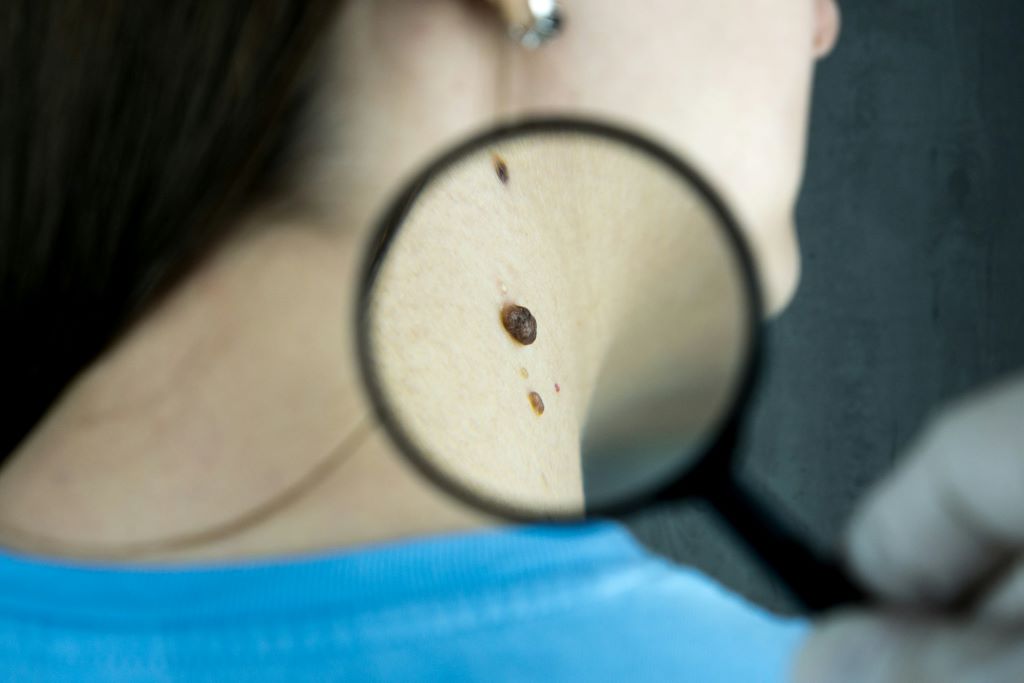
New Therapeutic Melanoma Vaccine Cuts Risk of Recurrence or Death by 42%

Photo by Bermix Studio on Unsplash

In a world-first international trial, adding a therapeutic cancer vaccine to standard immunotherapy after surgery for high-risk melanoma reduced the risk of recurrence or death by 42%. The trial findings herald a foundational shift in how cancer is treated. Proven in melanoma, these results establish a new personalised approach, opening the door for potential new treatments for other cancers.

Intismeran is an mRNA-based individualised neoantigen therapy, a type of personalised therapeutic cancer vaccine. It is designed specifically for each patient, based on the unique identity of their tumour, to train and activate the immune system to recognise and fight cancer.

Adding intismeran to pembrolizumab immunotherapy after surgery for high-risk melanoma reduced the risk of melanoma recurrence or death by 42% compared with pembrolizumab alone.

Professor Georgina Long AO, Medical Director at Melanoma Institute Australia (MIA) and Chair of Melanoma Medical Oncology and Translational Research at The University of Sydney, presented the results of the phase 3 INTerpath-001 clinical trial at the ESMO (European Society for Medical Oncology) Congress 2026.

“These findings are a foundational shift in our approach to cancer: harnessing the immune system in a more personalised way to reduce the risk of melanoma recurrence or death. This has not been achieved before in the history of cancer drug development. It is the coming together of technology, our biological understanding of cancer and the immune system, and the courage to take this idea into the clinic.”

– Professor Georgina Long

This clinical trial included 1137 patients whose melanoma had been surgically removed, but who were at very high risk of it returning (stage IIB to IV). These patients had not previously received any cancer drug treatment. The trial compared treatment with a type of personalised therapeutic cancer vaccine, intismeran, given with pembrolizumab immunotherapy versus treatment with pembrolizumab alone.

Unlike a traditional vaccine that prevents disease in healthy people, intismeran is a therapeutic vaccine, designed for people after a cancer diagnosis who are at high risk of the cancer returning after surgery. It helps the immune system find and kill melanoma cancer cells, so the cancer is less likely to return or to spread to an advanced stage.

A melanoma is considered high risk if it has invaded a deeper layer of skin, has spread to nearby tissue and structures such as lymph nodes, or has metastasised to other areas of the body such as organs.

A 42% reduction in risk

The phase 3 INTerpath-001 results are a landmark moment for cancer treatment. The trial showed adding intismeran to pembrolizumab reduced the risk of melanoma recurrence or death by 42% (hazard ratio [HR] 0.58; 95% confidence interval [CI] 0.45–0.75; p < 0.001) compared with pembrolizumab alone. For patients who remained recurrence-free beyond six months from the start of treatment, the reduction in the risk of recurrence or death was even greater, at 58% (HR 0.42) compared with pembrolizumab alone.

Importantly, pembrolizumab side effects were not increased by the vaccine. Treatment was generally well tolerated in patients, with the vaccine causing transient low grade side effects (injection site pain, headache, and chills in some patients).

“These results showed that patients with earlier-stage melanoma can be treated after surgery in a fundamentally new way. But these results are more than a landmark for melanoma, they mark a foundational shift for cancer medicine. The INTerpath-001 trial shows that treatment built from the unique signature of a patient’s own tumour, working alongside checkpoint inhibitor immunotherapy, can sharpen the immune system to find and destroy any remaining cancer cells. Just as email transformed how we communicate, individualised neoantigen therapy has the potential to transform how we treat cancer.”

– Professor Georgina Long

How does this new treatment work?

Abnormal proteins, called neoantigens, give every melanoma its own unique identity, like a fingerprint. The vaccine (also known as individualised neoantigen therapy) is created using mRNA technology.

“We analyse a sample of each patient’s tumour to read its unique neoantigen fingerprint, then create a ‘wanted poster’ of the cancer. This is delivered as mRNA, so the body’s own cells display the poster to the immune system, showing it exactly what to look out for and attack.”

– Professor Georgina Long

The vaccine helps the immune system to identify the individual patient’s tumour cells. Meanwhile pembrolizumab releases the brakes the tumour places on immune cells.

“Cancer can fool the immune system with a fake friendly handshake, so the immune system thinks the cancer cell is normal. Pembrolizumab blocks the handshake, allowing immune cells to recognise the cancer and attack it, but it is the same drug for everyone. The vaccine gives a patient’s immune cells a personalised wanted poster of their cancer, so the combination works in more patients.”

– Professor Georgina Long

The investigational mRNA-based individualised neoantigen therapy (also known as intismeran autogene, intismeran, V940, mRNA-4157, or personalised therapeutic cancer vaccine) is being jointly developed by MSD (tradename of Merck & Co) and Moderna, and is used in combination with MSD’s anti-PD-1 checkpoint inhibitor immunotherapy pembrolizumab.

An international trial

The INTerpath-001 phase 3 clinical trial was an international trial across 157 sites around the world. Professor Georgina Long AO was the global Principal Investigator of this international trial and Chair of the Trial Steering Committee.

“This is the first phase 3 study to show that a treatment built from the unique ‘fingerprint’ of a patient’s own tumour can reduce the risk of recurrence or death from cancer. That fingerprint is read by sequencing the tumour, then a ‘wanted poster’ of the cancer is made as mRNA, showing the immune system exactly what to look for and attack. Having succeeded in melanoma, this proof of concept could mark the beginning of a foundational shift in how we treat cancer, helping patients remain cancer-free for longer.” – Professor Georgina Long

Melanoma leading the way for new cancer treatments

Melanoma is Australia’s cancer. Australia has one of the highest melanoma rates in the world, with one person diagnosed every 30 minutes and one person dying every 6 hours from the disease. It is also the most common cancer in Australians aged 20 to 39.

Progress in melanoma treatment over the past decade has been extraordinary, driven by research led by Melanoma Institute Australia.

Fifteen years ago, survival after a stage IV advanced melanoma diagnosis, where the melanoma has spread to other parts of the body, was measured in months. Today nearly 55% of patients with advanced melanoma are effectively cured.

First came BRAF-targeted drug therapies, followed by checkpoint inhibitor immunotherapies, which harness the body’s own immune system to fight cancer. A recent ground-breaking advance was neoadjuvant immunotherapy, giving immunotherapy before surgery rather than after. Breakthroughs, such as immunotherapy, have transformed outcomes not only for melanoma, but also for cancers such as lung and kidney cancer.

What’s next?

These results now enter a regulatory review process which may take several years, depending on the country. Until then the treatment is not available. Patients with melanoma who want to know more should talk to their medical oncologist. Results will be published in the New England Journal of Medicine (NEJM).

Source: University of Sydney

Corticosteroid Achilles Injections Show no Meaningful Benefit over Placebo

Results suggest short lived benefit with steroid injections, but no sustained improvement and possible longer term harm 

Achilles tendon injury. Credit: Scientific Animations CC0

Commonly used injections for Achilles tendinopathy – pain, stiffness and swelling in the Achilles tendon – offer no meaningful clinical advantage over placebo (sham) treatment, finds a clinical trial published by The BMJ.

The results show that high volume injections – delivering saline, local anaesthetic, and sometimes a low dose of corticosteroid around the Achilles tendon – did not improve pain and disability compared with sham injection at 12 months, and therefore do not support routine use.

Achilles tendinopathy is a leading cause of persistent lower limb pain that affects around 6% of people during their lives and disrupts everyday activities such as walking. While exercise based therapy is recommended, up to 44% of patients do not recover and many seek alternative options, including injection therapy.

Some data suggest that corticosteroid containing injections may provide short term symptom improvement, but the longer term clinical effects and cost effectiveness of high volume injections with or without corticosteroid remains uncertain.

To address this, researchers enrolled 192 adults (mean age 49; 55% male) with midportion Achilles tendinopathy from a radiology clinic in Melbourne, Australia between December 2019 and July 2022. Participants were randomly assigned to three groups: sham injection (64), high volume injection without corticosteroid (63), or high volume injection with corticosteroid (65).

All groups received the same exercise programme, education and activity modification advice.

The main outcome of interest was self-reported pain and disability at 52 weeks based on the Victoria Institute of Sport Assessment-Achilles (VISA_A) scale (0-100, where 100 is no pain or disability). Cost per quality-adjusted life-year (QALY) – a combined measure of quantity and quality of life – was also assessed.

At the start of the trial, participants reported moderate to high pain and disability (mean VISA-A score 48.7) and a median symptom duration of two years.

VISA-A data for 181 of 192 (94%) participants at 12 months showed no clear differences between sham and high volume injection either with or without corticosteroid, and between the two injections.

High volume injection with no corticosteroid showed no benefit over sham at any timepoint. High volume injection with corticosteroid provided small, short term improvements over sham at six weeks, but worse outcomes than high volume injection without corticosteroid at 26 weeks.

High volume injection with corticosteroid was more effective (QALYs gained) and less costly than sham, but the overall clinical findings do not support routine use. No serious trial related adverse events were recorded.

The authors acknowledge that they recruited participants primarily via social media, potentially limiting generalisability, they were unable to mask injection providers, and there is a risk that some effects may reflect chance rather than true treatment effects.

However, they say this evidence “should prompt clinicians to reconsider the rationale for using these injections in people with Achilles tendinopathy.”

Corticosteroids are neither all-good, nor all-bad and must be used only in the correct context (where short term needs predominate over longer term needs), says John Orchard at the University of Sydney in a linked editorial.

Crucially, he stresses that a patient should never be told that a corticosteroid will fix or cure a tendinopathy.

“All clinicians recommending or performing corticosteroid injections for tendinopathy need to understand this trade-off and make every effort to explain the broader overview to the patient as part of the informed consent process,” he concludes.

Source: BMJ Group