

Tag: 25/11/26

First New Adjuvant Endocrine Therapy for Early Breast Cancer in Over 20 Years Gets Approval FDA
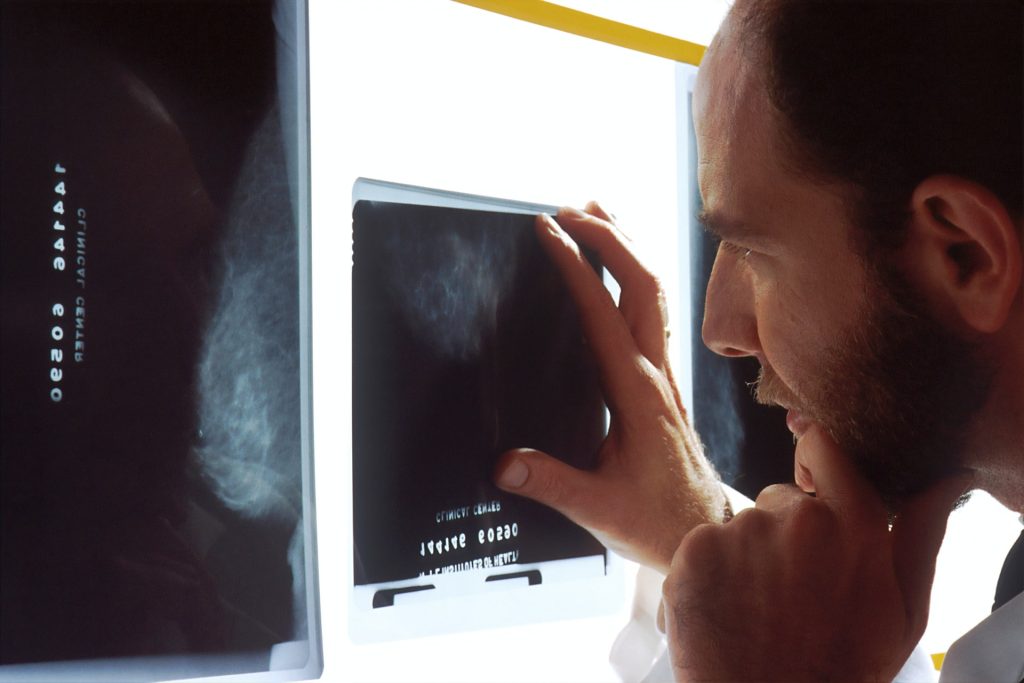
Photo by National Cancer Institute on Unsplash

On 23 November, the US Food and Drug Administration approved giredestrant for monotherapy of early stage breast cancer, marking what is the first new endocrine therapy approved for early-stage breast cancer in more than two decades, improved invasive disease-free survival versus standard endocrine therapy. This follows a week after its approval in combination with everolimus for ESR1-mutated locally advanced or metastatic disease, making it the first SERD indicated in both early and advanced settings.

Approximately 70% of breast cancers are oestrogen receptor-positive. Although treatments such as CDK4/6 inhibitors have significantly improved outcomes for patients with advanced disease, treatment options can become more limited when tumours develop resistance to endocrine therapies and progress following these treatments.

Next generation treatment

Giredestrant is a next-generation selective oestrogen receptor degrader and full antagonist (SERD). It does not require intramuscular administration (unlike fulvestrant). It works by binding to the oestrogen receptor and promoting its degradation, preventing oestrogen from stimulating cancer cell growth. Everolimus is a targeted therapy that inhibits mTOR, a protein involved in cell growth and survival.

The monotherapy approval is based on the Phase 3 lidERA trial, in which giredestrant reduced the risk of invasive disease recurrence or death by 30% versus standard endocrine therapy (tamoxifen or an aromatase inhibitor). At 36 months, invasive disease-free survival (IDFS) rates were 92.4% with giredestrant versus 89.6% with standard therapy.

The lidERA randomised, open-label, multicentre trial enrolled approximately 4170 adults with ER-positive, HER2-negative early breast cancer at intermediate-to-high risk of recurrence. Patients were randomised 1:1 to giredestrant or investigator’s choice of standard endocrine therapy for up to five years. The primary endpoint was IDFS. At a prespecified interim analysis (median follow-up around 32 months), the 36-month IDFS rate favoured giredestrant, with a corresponding reduction in distant recurrence risk. Overall survival data were immature.

The drug was generally well tolerated. Discontinuations due to adverse events were lower with giredestrant (5.3%) than with standard therapy (8.2%). Common adverse reactions included arthralgia/myalgia, hot flashes, fatigue, headache, and nausea; laboratory abnormalities included liver-enzyme elevations, cytopenias, and hyperlipidaemia.

Approval for advanced or metastatic breast cancer

The FDA’s 16 November 2026 approval of giredestrant in combination with everolimus is for adults with ER-positive, HER2-negative, ESR1-mutated locally advanced or metastatic breast cancer that has recurred after adjuvant endocrine therapy or progressed on at least one endocrine regimen in the metastatic setting. That decision was based on the Phase 3 evERA trial, in which the combination reduced the risk of progression or death by 62% versus standard endocrine therapy plus everolimus in the ESR1-mutated subgroup (median PFS 10.0 vs 5.5 months).

A prior Phase 3 study (persevERA) evaluating giredestrant plus palbociclib in the first-line metastatic setting did not meet its primary endpoint.

The dual approvals position Wilserdly as the first oral SERD available across the continuum of ER-positive, HER2-negative breast cancer – from adjuvant therapy in higher-risk early disease to post-progression advanced disease with ESR1 mutations. Clinicians will need to weigh its efficacy, oral convenience, and safety profile against established options (including CDK4/6 inhibitors in the adjuvant and metastatic settings) and emerging competitors. Full prescribing information is available on Drugs@FDA.

Source: Medpage Today

Summer May Be Best Time to Test for Vitamin D Deficiency

Low test results in summer – but not winter – linked to higher risk of fractures and death

Researchers assess vitamin D deficiency and when to test it. Image credit: Hannah Brooke (CC-BY 4.0)

Swedish women and men with low vitamin D levels when tested in the summer had a higher risk of bone fractures and death – risks not seen in people with low test results during winter. Hannah Brooke of Uppsala University and colleagues report these findings in a new study published November 24th in the open access journal PLOS Medicine.

Everyone needs vitamin D, which can be obtained from diet and from exposure to sunlight. About half of women who are middle-aged and older in the U.S. and many European countries regularly take vitamin D supplements, but randomized trials typically have shown no benefits for protecting against bone fractures or death. Researchers wanted to know whether testing people in the summer would be a better way to identify individuals who need supplements.

In the new study, researchers looked at vitamin D levels in the blood of more than 12 000 older Swedish men and women and followed up about a decade later to see which individuals had died or experienced a bone fracture. When they accounted for other factors, like age, sex, and body size, the researchers found that people who had low vitamin D levels when tested in the summer faced a higher risk of bone fractures and death, compared to people who had high levels during that time. In contrast, people with low levels when tested in the darker months, from January through March, had no increased risk.

The new findings suggest that summer may be the best time to measure vitamin D levels to identify people who are chronically deficient and would most likely benefit from supplements. Many people in the northern hemisphere have low blood levels when tested in the winter, but can access stores of vitamin D in their fat, which they build up over the sunnier months. The results also offer a potential explanation for why supplementation trials have not shown a clear benefit. The researchers suggest that randomized trials involving people with low summer vitamin D levels should be done to better understand the potential benefits of supplements.

The authors add, “Low vitamin D levels in summer were strongly linked to an increased risk of death and fracture, while low vitamin D levels in winter were not. This suggests that the timing of vitamin D measurement is crucial when assessing long-term health risk.

“We should think carefully about when we measure vitamin D. Winter measurements are heavily influenced by seasonal variation, whereas low vitamin D levels during summer are more likely to reflect persistently low vitamin D status and a higher risk of adverse health outcomes.

“Millions of people take vitamin D supplements, despite limited evidence of broad health benefits. Our findings suggest that a more targeted approach in future trials, focusing on people with low summer vitamin D levels, may be necessary to determine who truly benefits from vitamin D supplements.”

Provided by PLOS

Opinion Piece: Coming Home to Uncertainty – Helping Returning Nurses Re-enter South Africa’s Healthcare Workforce

By Lehlohonolo Setshabi, COO Private Hospitals at Allmed Healthcare Professionals

Photo by Daniel Eledut on Unsplash

25 November 2026 – Over the past few years, thousands of South African nursing professionals have moved to Saudi Arabia, the United Arab Emirates, Qatar, and other Gulf states. They were drawn by the promise of tax-free salaries, housing allowances, and structured short-term contracts. For many, it offered an opportunity to pay off debt, purchase property, and build greater financial security for their families.

Today, a growing wave of these nurses is making the journey back to South Africa. This return is often driven by two main factors. First, many fixed-term contracts have reached their end, and employers in the region frequently choose to bring in new staff rather than renew existing visas at higher salary tiers. Second, escalating geopolitical conflict in the Middle East has introduced a heavy layer of uncertainty, prompting many healthcare workers to seek safety and stability back home.

While coming home to South Africa should always be seen as a deeply positive step, it brings unique professional and personal hurdles.

Returning is not as simple as it sounds

One of the first homecoming hurdles is regulatory compliance. Nurses need to ensure their South African Nursing Council (SANC) registration is up to date and understand any continuing professional development requirements that may apply. Depending on their circumstances, they may need to update documentation or complete outstanding administrative steps before resuming practice.

These processes take time, particularly when paperwork is incomplete or requirements have changed during their absence. Delays can leave returning nurses unable to work at a time when they may need an income most.

Finding a suitable position presents another challenge. The permanent role a nurse left behind would have been filled, or the hospital may have restructured its departments. At the same time, clinical requirements and local employment conditions may have changed during their absence.

There are practical considerations, too. Nurses returning to South Africa may need to find accommodation, arrange transport and settle their families while looking for work. Those who return at short notice have even less time to get these arrangements in place.

Planning for the financial adjustment

Returning nurses may need to cover these expenses themselves while adapting to local remuneration structures. Overseas contracts may include tax-free earnings, accommodation, transport and annual flights home. Returning nurses may need to cover these expenses themselves while adapting to local remuneration structures.

A realistic financial plan is therefore essential. Nurses should assess their savings, research local salary expectations and calculate how long they can manage between arriving home and receiving their first pay cheque. They should also factor in medical aid, retirement planning, accommodation and travel to work.

Ideally, this preparation should begin six to 12 months before returning. Where an earlier return is necessary, addressing the most urgent requirements as soon as possible can still reduce uncertainty. Contacting a healthcare staffing partner before departure can help nurses understand available opportunities and identify documentation that needs attention. Having a clearer picture of the local job market before arriving makes it easier to plan the transition.

Turning international experience into an advantage

Returning nurses should not view their time abroad as a gap in their careers. International experience can bring valuable exposure to different patient populations, multidisciplinary teams, specialist environments and clinical practices. The key is being able to communicate that value effectively to prospective employers. Nurses should identify the competencies they developed overseas, the responsibilities they held and the knowledge they can contribute to a new team. Experience in leadership, critical care or other specialist areas may be particularly relevant to suitable vacancies.

Healthcare providers can also benefit from the fresh perspectives returning professionals bring. When nurses share relevant knowledge and experience with colleagues, the benefits can extend beyond individual career progression to team development and patient care.

Finding the right support

Specialist healthcare staffing partners can help returning nurses understand market demand, explore suitable vacancies and understand the various employment options available. Temporary agency placements can provide a useful starting point. Depending on the facility and role, nurses may be able to work regular shifts while assessing longer-term opportunities. This offers a way to rebuild professional networks and maintain an income without immediately committing to a permanent position. Staffing partners can also help position international experience in terms of the skills, knowledge and capabilities a nurse brings to a role.

Returning home should never be seen as a step backwards. It can be the next stage of a longer career, allowing nurses to apply what they have learned abroad while contributing to South Africa’s healthcare system. The key is to prepare early, address compliance requirements and seek informed support before the transition becomes urgent. With the right planning and access to suitable opportunities, returning nurses can find their footing more quickly, continue developing their careers and put their international experience to work where it can make a difference.

Whole Genome Screening Identifies Opportunities for More Cancer Patients to Benefit from Existing Therapies

Photo by Tima Miroshnichenko on Pexels

Experts argue that we are overlooking substantial opportunities every year to match cancer patients with targeted treatments because current genomic testing and targeted treatment approvals are often organised around where in the body a cancer originates, rather than the tumour’s DNA. 

We have approved drugs that we know can target particularly genetic mutations, but if these mutations occur in the wrong type of cancer, we can’t use them

Serena Nik-Zainal

Researchers at the University of Cambridge found one in five primary cancers and one in four metastatic cancers contained changes to their DNA associated with targeted therapies already approved for use in at least one cancer type – but many of these changes occur in cancers where the corresponding treatments are not currently approved or are not routinely tested for. 

Targeted therapies have revolutionised treatment for cancers. Identifying the genetic alternations that drive tumours allows doctors to administer highly specific drugs that target those defects.  These drugs are approved following extensive clinical trials, typically focused on specific tumour types, with approvals then given for only these cancers. 

This means that a drug targeting a molecular pathway commonly seen in ovarian cancer, for example, might be approved for use in this type of cancer. But if the same pathway is also found in pancreatic cancer, the drug cannot be redeployed without further clinical trials. When it comes to rare cancers, these clinical trials can take many years to accrue the numbers of patients required for approvals.

A team led by researchers at the Early Cancer Institute, University of Cambridge, analysed whole-genome sequencing data from more than 17,000 tumours – 11,000 primary cancers from the UK-based 100,000 Genomes Project and 6,000 metastatic cancers from the Netherlands-based Hartwig Medical Foundation – to ask how often potentially targetable genetic changes occur across different cancer types. 

The results are published in The Lancet Oncology.

The team screened every genome looking for immediately actionable alterations – that is, biomarkers linked to therapies already approved by the US Food and Drug Administration (FDA) – as well as for genetic changes linked to drugs currently in development or in clinical trials, but not yet fully approved. 

They found that around one in five primary cancers (19%) and one in four metastatic cancers (26%) contained changes to their DNA that could be targeted with existing approved targeted therapies. However, more than half of the potentially actionable DNA changes identified occurred in cancer types other than those for which drug treatments have been granted FDA approval.

Professor Serena Nik-Zainal from the Department of Genomic Medicine at the University of Cambridge, the study’s senior author, said: “The scale of potentially missed opportunities is striking. We have approved drugs that we know can target particularly genetic mutations, but if these mutations occur in the wrong type of cancer, we can’t use them.

“Not every drug will be appropriate for treating a different type of cancer, so not every patient could immediately benefit from existing therapies, but our study identifies opportunities for new clinical trials that could lead to much better outcomes.”

Conventional genetic testing looks for specific mutations in tumours that can be targeted by existing therapies. In this new study, instead of looking for individual mutations, the team used whole genome sequencing to search for genome-wide patterns of DNA damage that reveal defects in fundamental biological pathways, such as homologous recombination deficiency, a failure of one of the cell’s most accurate DNA repair systems.

“The strength of whole-genome sequencing is that a single test can identify many different types of genomic abnormalities, including those we wouldn’t ordinarily think to look for,” said Professor Nik-Zainal.

“We still need clinical trials to establish whether these findings translate into better outcomes for patients and whether whole-genome sequencing is cost-effective. But we cannot establish its full value if we only look for abnormalities that we already expect to find. Our study shows why we need to test that potential properly.”

The research was funded by the National Institute for Health and Care Research (NIHR), with additional support from Cancer Research UK, Breast Cancer Research Foundation, Jeffrey Cheah Foundation. It was supported by the NIHR Biomedical Research Centre: Cambridge.

The University of Cambridge and Addenbrooke’s Charity are fundraising for a new hospital that will transform how we diagnose and treat cancer. Cambridge Cancer Research Hospital, set to be built on the Cambridge Biomedical Campus, will bring together clinical excellence from Addenbrooke’s Hospital and world-leading researchers at the University of Cambridge under one roof in a new NHS hospital. It will apply the latest genomic advances to tailor treatment for cancer patients, maximising treatment efficacy and minimising the risk of debilitating side effects.

Reference
Black, D, et al. Genome-directed treatment targets and mutational signature biomarkers: a retrospective, pan-solid tumour analysis. Lancet Oncology; 16 Nov 2026; DOI: 10.1016/S1470-2045(26)00406-7


Creative Commons License.
The text in this work is licensed under a Creative Commons Attribution-NonCommercial-ShareAlike 4.0 International License. 

Source: The University of Cambridge

Eye Trauma from High-velocity Pickleball May Heighten Glaucoma Risk

Part of emerging pattern of serious eye injuries amid rapid rise in sport’s popularity, doctors warn in case report

Photo by Venti Views on Unsplash

Being hit in the eye by a high-velocity pickleball may heighten the risk of glaucoma, doctors warn in the online journal BMJ Case Reports after treating a woman player with this injury.

The case is part of an emerging pattern of eye injuries linked to the rapid rise in the sport’s popularity, say the report authors.

Pickleball combines elements of badminton, tennis, and table tennis, and can be played indoors or outdoors.

Popular on both sides of the Atlantic, it is now recognised as the fastest growing sport in the US and as an emerging source of serious eye injuries, particularly among older players who don’t wear protective eyewear, note the report authors.

They treated a middle aged woman who had sustained a direct hit to her left eye while playing pickleball without eyewear protection. She reported immediate blurry vision, severe pain, and extreme light sensitivity (photophobia).

Visual acuity in her left eye was noticeably diminished and internal pressure (intraocular pressure, or IOP) in this eye was high – a key risk factor for glaucoma. Blood had also collected in the space between the cornea and the iris, a condition known as hyphaema and considered a medical emergency.

After emergency treatment she was discharged and her symptoms seemed to be resolving, but 2 weeks later, visual blur and pain in her left eye worsened. Treatment was intensified and her condition gradually improved, but she continued to have abnormally high IOP.

Three months after the incident, this was still the case, and by this time she had developed structural optic nerve damage and impaired vision – all changes caused by glaucoma.

Despite surgery, her glaucoma persisted, and she was advised that she would have a heightened risk of cataracts, that her glaucoma would progress, and that regular eye health checks would be critically important.

The woman had no risk factors for glaucoma, such as diabetes, high blood pressure, or prescribed blood thinners, and was otherwise well at the time, say the report authors.

“This case illustrates the potential for angle-recession glaucoma to develop as a complication of pickleball-related ocular trauma,” they write.

It represents just one case, but blunt trauma to the eye is a recognised risk factor for glaucoma, and other types of eye injuries associated with pickleball have been reported, point out the report authors.

“The unique characteristics of pickleball, including the proximity of players to the net, the high velocity of a struck ball, the speed of play, and the demographic profile of participants, may contribute to distinct injury patterns that warrant specific preventive measures,” they suggest.

They conclude: “With the growing body of players and advancement of technology in the sport, such as modern paddles that can generate shots exceeding 60 miles per hour [100kph], these injuries will continue to occur unless proper safety measures are implemented.

“The development of sport-specific safety guidelines, similar to those established for other racquet sports, may be warranted, given the unique characteristics of pickleball play.”

Source: BMJ Group

Could We One Day Get Vaccinated Against the Gastro Bug Norovirus? Here’s Where Scientists Are At

Grant Hansman, Griffith University

Photo by Sasun Bughdaryan on Unsplash

Norovirus is the leading cause of acute gastroenteritis outbreaks worldwide. It’s responsible for roughly one in every five cases of gastro annually.

Sometimes dubbed the “winter vomiting bug” or the “cruise ship virus”, norovirus – which causes vomiting and diarrhoea – is highly transmissible. It spreads via contact with an infected person or contaminated surfaces. Food can also be contaminated with norovirus.

While anyone can be infected, groups such as young children, older adults and people who are immunocompromised are more vulnerable to getting very sick with the virus. Norovirus infections lead to about 220,000 deaths globally each year.

Norovirus outbreaks also lead to massive economic burdens and substantial health-care costs.

Although norovirus was first identified more than 50 years ago, there are no approved vaccines or antiviral treatments for this virus. Current treatment is usually limited to rehydration, either by giving fluids orally or through an intravenous drip.

So if we’ve got vaccines for so many other viruses – including COVID, which emerged only a few years ago – why don’t we have one for norovirus?

An evolving virus

One of the primary barriers to developing effective vaccines lies in the highly dynamic nature of norovirus evolution. Much like influenza viruses, norovirus shows continuous genetic shifts, which result in changes to the surface of the virus particle.

In this way, our immune system can struggle to recognise and respond when we’re exposed to norovirus, even if we’ve had it before.

Compounding this issue, there are at least 49 different norovirus genotypes.

Both genetic diversity and changes in the virus’ surface mean the immune response to norovirus is unusually complex. An infection will typically only give someone immunity to that specific strain and for a short time – usually between six months and two years.

All of this poses challenges for vaccine design. Ideally, potential vaccines must not only induce strong, long-lasting immunity, but also maintain efficacy across the vast genetic diversity of circulating noroviruses.

Recent progress

Progress in norovirus vaccinology has accelerated over the past couple of decades. While researchers are considering multiple strategies to formulate and deliver vaccines, a technology called VLP-based vaccines is at the forefront.

VLP stands for virus-like particles. These synthetic particles, which scientists developed using a key component of the norovirus (called the major caspid protein), are almost indistinguishable from the natural structure of the virus.

When given as a vaccine, these particles elicit an immune response resembling that generated by a natural infection with norovirus – but without the debilitating symptoms of gastro.

What’s in the pipeline?

One bivalent VLP vaccine (“bivalent” meaning it targets two different norovirus genotypes) has progressed through multiple clinical trials. This vaccine showed some protection against moderate to severe gastroenteritis in healthy adults.

However, its development recently suffered a significant setback. A phase two clinical trial in infants failed to show it effectively protected against moderate or severe acute gastroenteritis. The efficacy of the vaccine in this trial was only 5%.

In another recent phase two trial, an oral norovirus vaccine did meet its goals. Participants who took this pill were 30% less likely to develop norovirus compared to those who received a placebo.

This oral vaccine uses a modified adenovirus to deliver the norovirus VLP gene sequence to the intestine to stimulate the immune system.

With the success of mRNA vaccines during the COVID pandemic, scientists are also exploring this platform for norovirus.

Messenger ribonucleic acid (mRNA) is a type of genetic material that gives our cells instructions to make proteins associated with specific viruses. The idea is that if we subsequently encounter the relevant virus, our immune system will be ready to respond.

Moderna, for example, is developing an mRNA vaccine which primes the body with norovirus VLPs.

The theoretical advantage of mRNA-based vaccines lies in their rapid adaptability. They will potentially allow annual updates to match circulating strains.

Researchers have also developed alternative vaccine approaches using just the norovirus “spikes” located on the virus particle. These spikes contain crucial structural features, allowing the virus to infect our cells, and should elicit an immune response similar to VLPs. Although still in early development, this is another promising strategy.

Separate to vaccines, my colleagues and I have also discovered a number of natural compounds that could have antiviral properties against norovirus. These include simple lemon juice and human milk oligosaccharides (complex sugars found in breast milk).

Although still in the early stages, such “inhibitors” could one day be developed into a pill to prevent norovirus from causing an infection.

Where to from here?

Despite recent developments, we’re still probably at least three years away from any norovirus vaccine hitting the market.

Several key challenges remain before we get to this point. Notably, any successful vaccine must offer broad cross-protection against genetically diverse and rapidly evolving strains. And we’ll need large, long-term studies to determine the durability of protection and whether boosters might be required.

Norovirus is often dismissed as only a mild nuisance, but it can be debilitating – and for the most vulnerable, deadly. Developing a safe and effective norovirus vaccine is one of the most pressing and under-addressed needs in infectious disease prevention.

A licensed norovirus vaccine could drastically reduce workplace and school absenteeism, hospitalisations and deaths. It could also bolster our preparedness against future outbreaks of gastrointestinal pathogens.

Disclosure statement

Grant Hansman works at Griffith University as an independent research leader on norovirus therapeutics.

This article is republished from The Conversation under a Creative Commons license. Read the original article, published on 6 August 2025.