
Tag: 23/3/26

Trace Levels of Food Pathogen Aren’t Always a Health Risk, Study Finds

Photo by Andrea Piacquadio on Pexels

Ultra-sensitive food safety tests may drive food waste and unavailability with limited public health benefit, according to a Frontiers in Science study.

These food safety measures and ultra-sensitive tests may drive edible food being thrown away, excessive packaging, and extra costs for consumers.

The international team of researchers make it clear that food safety is an important concern, as foodborne pathogens account for approximately 420 000 deaths and 600 million cases of illness each year. However, the authors argue that food systems will be more sustainable, while continuing to protect public health, if “zero-detection” expectations are replaced with evidence-based targets for “sufficiently safe” food.

Their new article sets out how regulators might find trade-offs with other important factors, such as food supply security, sustainability, and nutritional health.

“Although the public expects food to be completely safe, there will always be some risk of foodborne illness. Zero risk doesn’t exist, and we shouldn’t be aiming for that either. Just as we don’t limit highway speeds to 10 miles per hour to minimize road deaths, we need to take a balanced approach that considers possible negative consequences of extreme food safety measures,” said lead author Prof Martin Wiedmann from Cornell University.


Read and download the article


Impact of aiming for zero risk

The study’s authors highlight several situations where excessive caution can cause harm.

Many rules and purchasing standards rely heavily on detecting a pathogen, sometimes treating any detection as unacceptable without fully considering dose, exposure, the food’s ability to support microbial growth, or who is most at risk.

For example, a food product might be considered contaminated if it tests positive for the bacterium Listeria monocytogenes, regardless of levels.

These alarms can result from ultra-sensitive tests detecting small amounts of microbes unlikely to cause disease in humans. In some cases, the concerns may come from bacteria that are not harmful themselves, but are an indirect indicator of contamination.

Throwing away such food reduces the available food supply and wastes resources. Similarly, recalling food products from consumers can damage consumer trust, pushing people away from otherwise healthy products.

Other protective measures, such as storage temperatures, packaging, and heat treatment, can waste energy, increase costs, and reduce nutritional content. While these are all important safety measures, they should only be applied if needed and associated trade-offs should be considered.

“A tremendous amount of food is wasted that would have been sufficiently safe to eat. Too often, trade-offs such as environmental or economic costs are only considered after a traditional microbial risk assessment. We cannot afford to carry on like this at a time when we desperately need to reduce our impact on the planet and assure not only food safety but food security,” said co-author Prof Sophia Johler at Ludwig Maximilian University of Munich, Germany.

Focus on risk rather than hazard

The current situation is driven by an emphasis on hazard-based assessments, according to the authors, where regulations focus on detecting pathogens, regardless of the threat to consumers. The researchers argue that the food system should move towards more flexible risk-based approaches, which assess the probabilities of harms and adjust the safety measures accordingly.

Regulations that overemphasize stringent corrective actions (such as recalls) when swab samples from a food-processing facility test positive for an indicator, for example, could lead to undue corrective actions in areas that are unlikely to contaminate the food. The authors explain that this could be an opportunity cost that diverts resources away from more effective interventions and control strategies in high-risk areas.

“There’s well-established evidence that focusing on end-product testing is generally ineffective to ensure safety. Overemphasis on end-product testing may distract from other food safety measures (e.g., applying validated and verified process controls), which can provide greater public health benefits,” said co-author Dr Sriya Sunil at Cornell University.

Better tools to assess priorities

Computational tools that incorporate vast amounts of information across the food production system could help with establishing acceptable risks.

One challenge is how to prioritize different hazards. For example, in the US, norovirus causes thousands of times more cases than Listeria monocytogenes, yet Listeria monocytogenes causes more deaths per year.

While there are trade advantages to having consistent international food safety standards, the balance between competing interests may vary between regions. This can become even more complex when factoring in the health and environmental implications of greenhouse gas emissions.

“Specialists across social sciences, economics, and life sciences must work together to establish values that align with consumers’ priorities. Together with advanced models that build on geographic information, AI, and genomics, we can assess, manage, and communicate risks far more accurately,” said Wiedmann.

Source: Frontiers
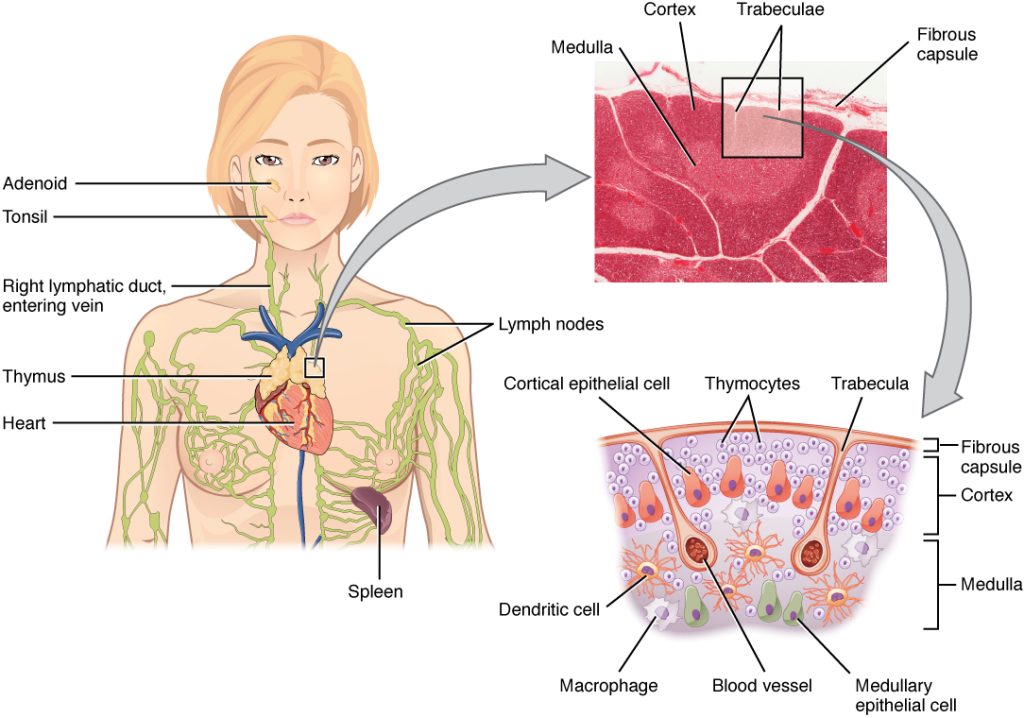
The Thymus May Be Critical for Longevity and Immunotherapy

Mass General Brigham researchers used artificial intelligence to analyse routine medical scans, uncovering how the thymus impacts aging, cardiovascular risk, cancer incidence, and response to immunotherapy.

Source: Wikimedia Commons. CC3.0

Two new studies from investigators at Mass General Brigham challenge a decades-old assumption that the thymus, an organ best known for its role in establishing immune function in childhood, becomes irrelevant in adulthood. Using artificial intelligence (AI) to analyse routine CT scans, researchers uncovered that adults with a healthy thymus had increased longevity and reduced risk for cardiovascular disease and cancer. In a separate study of patients with cancer, the researchers found that thymic health may influence response to immunotherapy – a treatment that depends on the strength of a patient’s immune system.

These findings, published in two papers in the same issue of Nature, suggest the thymus plays a far more consequential role in adult health than previously understood, and might provide a new target for personalising disease prevention and cancer treatments.

“The thymus has been overlooked for decades and may be a missing piece in explaining why people age differently, and why cancer treatments fail in some patients,” said Hugo Aerts, PhD, corresponding author on the papers and director of the Artificial Intelligence in Medicine (AIM) Program at Mass General Brigham. “Our findings suggest thymic health deserves much more attention and may open new avenues for understanding how to protect the immune system as we age.”

The thymus is a small organ in the chest that helps train T cells, priming the immune system to protect the body from infections and disease. For decades, doctors believed the organ was mostly inactive after puberty because it shrinks with age and produces fewer new T cells. As a result, its role in adult health has rarely been examined in large populations.

Previous research has linked T cell diversity to aging and immune decline, but most of those studies relied on small, blood-based analyses. In contrast, the new studies examined more than 25 000 adults in a national lung cancer screening trial and over 2500 participants in the Framingham Heart Study – a large, long-running population cohort of generally healthy adults.

The team analysed the size, shape, and composition of the thymus, generating a “thymic health” score. People with high thymic health scores had about a 50% lower risk of death, 63% lower risk of cardiovascular death, and 36% lower risk of developing lung cancer compared to those with low thymic health. These associations remained significant after adjusting for age and other health factors.

The researchers theorize that when thymic health and T cell diversity decline, the immune system may become less able to respond to new threats, like cancer or other diseases. Their analysis found that chronic inflammation, smoking, and high body weight were associated with poorer thymic health, suggesting that lifestyle and systemic inflammation may influence immune resilience across the lifespan.

In a second study, the researchers analysed CT scans and outcomes from more than 1200 immunotherapy-treated patients. Patients with stronger thymic health had about a 37% lower risk of cancer progression and a 44% lower risk of death, even after accounting for other patient, tumour, and treatment factors. These findings point to a previously underappreciated role the thymus may play in shaping how well patients respond to modern cancer immunotherapies.

The researchers caution that their findings will need to be confirmed in future studies, and the imaging method is not yet ready for routine clinical use. While lifestyle factors were linked to thymic health, the studies did not test whether modifying those factors can directly improve thymic function.

The team is currently leading additional research to investigate whether other care-associated factors may impact thymic health. In one study, they are examining whether unintended radiation exposure to the thymus in patients with lung cancer may affect outcomes. 

“Improving our understanding and monitoring of thymic health could eventually help physicians better assess disease risk and guide treatment decisions,” said Aerts.

Source: Mass General Brigham

To Eliminate TB, We Need to Make Testing More Accessible and Affordable

Tuberculosis bacteria. Credit: CDC

By Yogan Pillay and Gaurang Tanna

New TB tests have massive potential for South Africa’s struggle to get to grips with the age-old disease. Making the most of these new tests will require both ambition and smart implementation, argue Gaurang Tanna and Dr Yogan Pillay.

Every day, more than 140 people die from tuberculosis (TB) in South Africa, yet TB is both preventable and curable. Too many people are tested too late, allowing the disease to spread silently through communities and turning a curable illness into a fatal one.

Unlike most other diseases, anyone can contract TB – the bacteria are airborne and just the act of breathing makes us vulnerable to contracting TB. The risk of TB is higher for people with suppressed immunity, malnutrition, or living with cancer or HIV.

Reducing deaths from TB depends on earlier diagnosis, yet many people are diagnosed late, often after prolonged illness, and only once they reach hospitals with advanced disease. There are some opportunities for improvement. Firstly, we need to address persistent weaknesses in where and how TB tests are offered. Secondly, we need to address delays in care seeking, and missed opportunities for testing within health facilities. Finally, we need to close the operational barriers that impede testing. An added challenge that the TB disease presents is that it is often present without any symptoms.

In recent years, South Africa took important steps to strengthen its TB response and intensified efforts to find people with the TB disease through implementation of Targeted Universal TB Testing (TUTT). TUTT is a strategy that promotes systematic testing among high-TB risk groups, like people living with HIV, household contacts of individuals with TB, and people with previous TB, irrespective of symptoms.

South Africa now conducts approximately 3.6 million TB tests annually, representing a 50% increase compared to pre-COVID pandemic testing. However, we need to scale this up considerably if we are to reach the more than six million people living with HIV currently receiving HIV treatment in South Africa as well as all those with TB symptoms who are often missed at facilities.

The Department of Health has announced a national goal of conducting 5 million TB tests annuallyPublic-facing dashboards have been implemented to track TB testing and diagnosis, allowing the public to monitor performance across provinces and districts, strengthening transparency and accountability.

Structural barriers to TB testing

Despite strong commitments, TB testing in South Africa continues to face several structural constraints.

First, the cost of molecular diagnostics limits the scale of testing. Current molecular TB tests cost approximately R230 per test.

Second, inefficient clinic workflows reduce testing coverage. In busy primary healthcare facilities, this leads to missed TB testing, contributing to prolonged diagnostic delays during which transmission continues and disease severity worsens.

Third, many patients, especially children and people living with HIV, can’t produce sputum, which current tests require, further reducing testing coverage.

Fourth, people with the highest burden of TB, particularly men, often do not attend government clinics. Men account for a disproportionate share of TB in South Africa but remain underrepresented in testing programmes, contributing to delayed diagnoses and ongoing transmission.

Evolving and strengthening testing capabilities in line with the ambitions of the next phase of TB control in South Africa requires leveraging emerging diagnostic tools and redesigning how TB testing is delivered.

New diagnostic tools create new opportunities

Just recently, the World Health Organization updated its recommendations on TB diagnostics, endorsing the use of near-point-of-care tests and use of tongue swabs for people who cannot produce sputum to expand access to TB diagnostics and improve diagnostic efficiency. These new tools provide an opportunity to rethink how testing is organised across the health system.

Tongue swabs offer a promising alternative sample type, enabling testing among patients who cannot produce sputum. It has also been demonstrated to be more acceptable for patients and providers and is easier to collect in clinics.

At the same time, near-point-of-care molecular platforms (such as Pluslife, a test that has been approved by the South Africa’s health products regulatory body) offer the potential to diagnose TB closer to the patient. It substantially reduces costs, to about one-third the cost of current molecular tests, while demonstrating comparable diagnostic performance for TB, making large-scale expansion of TB testing more accessible and affordable. By delivering results rapidly, within an hour, this technology could enable a test and treat approach. TB testing, diagnosis, and treatment initiation could all happen during a single primary healthcare visit. This would reduce the time to start treatment and limit the number of patients lost between diagnosis and treatment.

Clinic workflows need to be redesigned

Patients presenting with TB symptoms often move through multiple stages of the clinic process – registration, triage, waiting areas, and clinician consultations – before TB testing is considered. Improving TB testing requires services redesign for patient convenience and accessibility, and to be much more systematic. A few simple changes could be introduced.

Firstly,  introduce a fast-track TB queue, allowing individuals to register digitally and drop off samples without completing a full clinic visit.

Secondly, embed TB symptom screening and sample collection at triage or vital-sign stations. Any patient reporting TB symptoms – cough, fever, night sweats, or weight loss – should have a sample collected while waiting to see a clinician.

Thirdly, for people living with HIV,  introduce twin TB testing with annual viral load test (or CD4 for newly diagnosed patients) to systematically test all people living with HIV.

Lastly, we could equip facilities with a near-point-of-care testing platform, like Pluslife, to deliver results before the clinical consultation, allowing TB to be diagnosed rapidly and at lower cost to the health system. It would enable patients to start treatment on the same day.

These approaches could directly address the most persistent diagnostic and linkage gaps in South Africa’s TB programme.

Extending TB testing beyond clinics

New diagnostic platforms also enable TB testing to move beyond government clinics.

A substantial proportion of individuals with TB, particularly men, do not present to clinics and delay seeking care. Near-point-of-care molecular platforms could enable TB testing through alternative delivery channels, including community settings (such as taxi ranks), community pharmacies, workplace clinics, and households through community health worker programmes.

https://embed.bsky.app/embed/did:plc:jonfyv7sw4yyacspczyvtbrf/app.bsky.feed.post/3mfblooblek2s?id=30942957449070163&ref_url=https%253A%252F%252Fwww.spotlightnsp.co.za%252F2026%252F03%252F19%252Fto-eliminate-tb-we-need-to-make-testing-more-accessible-and-affordable%252F&colorMode=dark

Expanding testing beyond clinics will help identify TB earlier among populations that remain underserved by current services.

From policy ambition to implementation

South Africa’s progress over the past four years demonstrates that intensified testing strategies such as TUTT can help increase TB diagnosis. Sustaining this momentum will require redesigning primary health care services to fully use these emerging diagnostic tools. Three priorities should guide this transition.

First, TB sample collection workflows in clinics should be redesigned to ensure that every symptomatic and at-risk person is tested for TB.

Second, new diagnostic tools should be deployed, including the use of tongue swabs for people who cannot produce sputum, as well as low cost near-point-of-care molecular tests to simplify testing and treatment initiation pathways.

Third, TB testing should be expanded through alternative delivery channels to reach people who do not routinely access government clinic services, especially men, who are less likely to seek care in these settings.

By aligning ambition and new technologies with service redesign, South Africa can significantly reduce diagnostic delays, decrease deaths due to TB and accelerate progress towards TB elimination.

*Tanna is a senior programme officer for TB, and Dr Pillay is the director of HIV and TB delivery at the Gates Foundation.

Disclosure: Spotlight receives funding from the Gates Foundation but is editorially independent – an independence that the editors guard jealously. Spotlight is a member of the South African Press Council.

Note: Spotlight aims to deepen public understanding of important health issues by publishing a variety of views on its opinion pages. The views expressed in this article are not necessarily shared by the Spotlight editors.

Republished from Spotlight under a Creative Commons licence.

Read the original article.

Intensive Therapy Approaches Benefit Infants and Toddlers with Cerebral Palsy

Trial provides new evidence to guide early treatment decisions for families and clinicians

An infant participating in the Baby CHAMP study raises both hands while seated in a stroller. The NIH-funded trial led by the Fralin Biomedical Research Institute at VTC examines early therapies designed to improve arm and hand function in young children with cerebral palsy affecting one side of the body. Credit: Jennifer Murray

Infants and toddlers with unilateral cerebral palsy, which affects the brain’s control of muscles on one side of the body, show lasting improvements in hand and arm function when they receive early, high-dose therapy, according to a new multisite clinical trial led by Virginia Tech researchers at the Fralin Biomedical Research Institute at VTC.

The Baby CHAMP (Children with Hemiparesis Arm-and-Hand Movement Project) study directly compared three therapist-delivered interventions: two forms of constraint-induced movement therapy, which limit the stronger arm to encourage use of the weaker one when combined with therapy, and bimanual therapy, which promotes coordinated use of both hands.

The researchers found that children ages 6 to 24 months showed similar gains whether therapy involved full-time casting, a splint worn during sessions, or bimanual training without constraining the stronger arm.

Published in Pediatrics Open Science, the study addresses a long-standing gap in clinical evidence. 

“The brain in the first two years of life is remarkably plastic,” said Stephanie DeLuca, associate professor at the Fralin Biomedical Research Institute at VTC and co-principal investigator of the trial. “By delivering high-dose, play-based therapy early, we’re capitalizing on a window of opportunity when the nervous system is especially responsive to experience.” 

While both constraint-induced movement therapy and bimanual therapy are widely recommended for children older than 2 years with unilateral cerebral palsy, limited data have been available to guide treatment decisions for infants and toddlers. 

“This gives families and clinicians evidence-based options,” said Sharon Landesman Ramey, a Virginia Tech Distinguished Scholar, professor at the Fralin Biomedical Research Institute at VTC, and co-principal investigator of the Baby CHAMP trial. “The encouraging message is that early, intensive therapy works — and multiple approaches can help children build critical motor skills. Caregivers and families now have actionable evidence that can shape care during one of the most important periods of brain development.”

Unilateral cerebral palsy affects movement on one side of the body and can result in lifelong impairment of upper extremity function. Early intervention is considered critical because the brain is especially adaptable during the first two years of life.

DeLuca is director of the Fralin Biomedical Research Institute at VTC Neuromotor Research Clinic, which investigates novel treatments for children with a range of biomedical conditions and provides worldwide training for therapists to become certified in new evidence-based therapies. 

All children received three hours of therapy per day, five days a week, for four consecutive weeks, totaling 60 hours of structured intervention. Parents also supported additional guided home practice.

Fifty-eight children were enrolled in the randomized controlled trial, funded by the Eunice Kennedy Shriver National Institute of Child Health and Human Development of the National Institutes of Health. Fifty-three completed treatment and end-of-therapy assessments, and 41 returned for evaluation six months later.

Across all three groups, children demonstrated significant improvements in the ability to use both hands, individually and together. Improvements were measured using standardized developmental assessments administered by evaluators who were unaware of each child’s treatment assignment.

Children also showed gains in fine motor skills in their less-affected arm. Improvements were most pronounced at the six-month follow-up, suggesting that benefits continued to build after formal therapy ended.

Researchers had hypothesized that bimanual therapy might lead to greater improvements in two-handed skills and that full-time casting might yield stronger gains in the affected arm. The data did not support those predictions. Instead, outcomes were broadly comparable across approaches.

The study also addressed concerns that constraining the stronger arm could impair its development. No evidence of harm was observed. In fact, children in the full-time cast group showed slightly greater gains in fine motor skills in their non-affected arm at six months compared with the bimanual group. 

“This is important to the field because many people have worried that the use of a constraint might slow the developmental process of the less-affected arm,” DeLuca said. “Our findings confirm that this did not occur and this therapy may even help promote improvements in skills on the less-affected arm and hand.”

Some parents reported their child showed short-term frustration wearing a cast or splint, and minor skin irritation occurred in a small number of children using casts, but no were caused by the therapy itself.

The trial was conducted in collaboration with researchers at Virginia Tech, The Ohio State University, and Nationwide Children’s Hospital. Therapists were centrally trained to deliver structured, play-based interventions grounded in motor learning principles, including repetition, reinforcement, and progressively challenging activities.

Longer-term studies will be needed to better understand how early therapy influences development across many dimensions of a child’s life.

Original study: 10.1542/pedsos.2025-000676

Source: Virginia Tech

Study of North Korean Defectors Reveals Cancer Risk Changes

North Korean defectors who resettled in South Korea share genetics but markedly contrasting early-life exposures with South Korean residents. Research published in the Journal of Internal Medicine compared overall and site-specific cancer incidence rates between North Korean defectors and native South Koreans.

Breast cancer cells. Image by National Cancer Institute

Using the Korean National Health Insurance database, researchers matched 25 798 North Korean defectors and 1 276 601 South Korean residents. Defectors had higher risks of infection-related cancers (such as liver and cervical cancers) and lower risks of breast, colon, and prostate cancers (which are more prevalent in developed countries). Over time, though, their cancer profile changed, suggesting adaptation to South Korean society.

“The study provides a model for understanding how cancer epidemiology evolves in such transitions, offering lessons that may help guide prevention and health planning for other vulnerable groups in transition worldwide,” said corresponding author Sin Gon Kim, MD, PhD, of the Korea University College of Medicine.

Source: Wiley