
Stress Signal From Fat Cells Induces Protective Effect in Heart

Source: Unsplash CC0

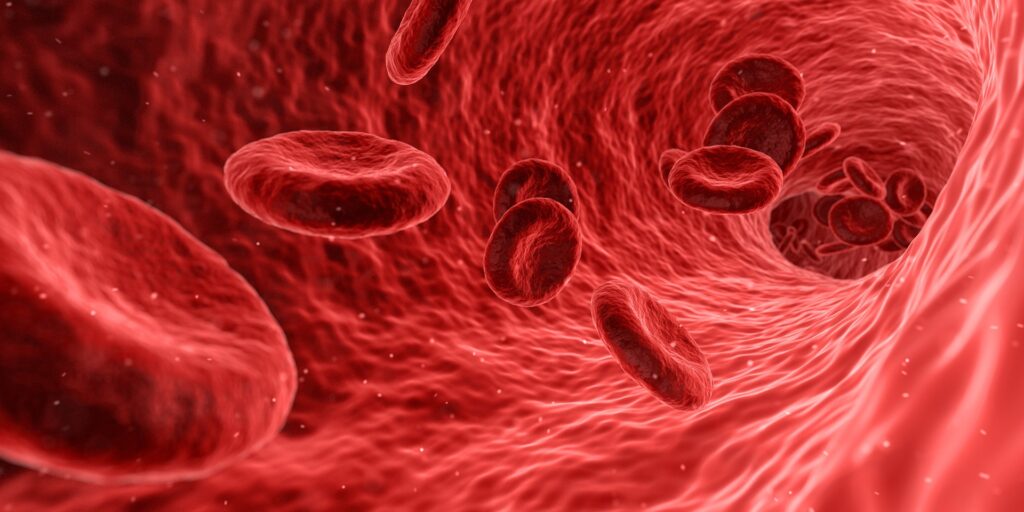
A stress signal sent from fat cells to the heart could be protective against obesity-induced cardiac damage, according to new research. 

This might help explain the ‘obesity paradox’, where obese individuals have better short- and medium-term cardiovascular disease prognoses compared with those who are normal weight, but have worse long-term outcomes.

“The mechanism we have identified here could be one of many that protects the heart in obesity,” said study leader Philipp E. Scherer, PhD, Professor of Internal Medicine and Cell Biology at UTSW who has long studied fat metabolism.

Study co-leader Clair Crewe, PhD, Assistant Instructor of Internal Medicine at UTSW, explained that the metabolic stress of obesity gradually makes fat tissue dysfunctional, causing shrinkage and death of its mitochondria. This unhealthy fat loses the ability to store lipids generated by excess calories in food, causing lipotoxicity and poisoning other organs. However some organs, including the heart, preemptively defend against lipotoxicity. How the heart actually senses fat’s dysfunctional state has been unknown so far.

The researchers used a genetic technique to speed the loss of mitochondrial mass and function in mice. The mice were fed a high-fat diet and became obese, and their fat cells began sending out extracellular vesicles filled with small pieces of dying mitochondria. Some of these mitochondrial snippets travelled through the bloodstream to the heart and triggered oxidative stress.

Cardiaccells produce a flood of protective antioxidant molecules to counteract this stress, and this protective backlash was so strong that when the scientists injected mice with extracellular vesicles filled with mitochondrial snippets and then induced a heart attack, the animals had significantly less damage to their hearts compared with mice that didn’t receive an injection.

Fat tissue from obese human patients showed that these cells also release mitochondria-filled extracellular vesicles.

The heart and other organs in obese individuals are eventually overwhelmed by lipotoxic effects, resulting in a number of obesity’s comorbidities. If the protective mechanism identified in this study could be artificially generated, it could result in new ways of treating obesity’s negative consequences. This might even be adapted to treat normal weight individuals.

“By better understanding the distress signal from fat,” Dr Crewe said, “we may be able to harness the mechanism to improve heart health in obese and non-obese individuals alike.”

The team’s findings were published in Cell Metabolism.

Source: UT Southwestern Medical Center

Eight Factors Predict Gastrointestinal Bleeding Risk after Heart Attack

Using machine learning, researchers at Karolinska Institutet have identified eight primary factors that increase the risk of a common bleeding complication after heart attack.

Some of these factors had been known already, however, the researchers have found additional predictors, such as smoking, blood pressure and blood glucose. The study was published in the European Heart Journal – Cardiovascular Pharmacotherapy.

“If we can identify patients at high risk of upper gastrointestinal bleeding following heart attack, doctors will be able to take prophylactic measures to mitigate this risk,” said the study’s corresponding author Moa Simonsson, deputy consultant at Karolinska University Hospital and doctoral student. “There are, for instance, drugs that combat bleeding complications, gut bacteria tests that can be used on risk groups and other possibilities for personalised treatment for heart attack patients at high risk of bleeding complications.”

Upper gastrointestinal (GI) tract bleeding is one of the most common bleeding complications following acute myocardial infarction. The condition requires a lot of resources to treat, causes considerable suffering and increases mortality risk. Bleeding complications also limit antithrombotic use, which in turn can worsen the cardiovascular prognosis.

Over the past 20 years, a close focus on bleeding has resulted in several strategies for reducing the risk of upper gastrointestinal tract bleeding. However, few studies on this complication include a diverse population of heart attack patients.

For the current study, the researchers sourced data from the national SWEDEHEART registry on almost 150 000 patients with acute myocardial infarction between 2007 and 2016. Approximately 1.5 percent of these patients suffered GI bleeding within a year of their heart attack, and they also had an increased risk of death and stroke.
Several known factors that increase the risk of upper GI tract bleeding were confirmed by the analysis, including low levels of haemoglobin, previous upper GI tract bleeding, age and intensive antithrombotic treatment.

Using an algorithm, the researchers also identified additional risk factors, including smoking, blood pressure, blood glucose and previous treatment for stomach disorders, such as ulcers and acid reflux.

“If you combine traditional statistical models with machine learning methods, you can create unique opportunities to find key risk factors for previously unknown cardiovascular events,” explained co-author Philip Sarajlic, doctoral student at Karolinska Institutet. “This makes it possible for us to make effective use of valuable data from the medical quality registry by taking account of complex relationships between risk factors and outcomes in order to further optimise the current recommendations for patient care.”

The researchers will soon begin a major clinical study to explore the significance of diagnosis and treatment of a common infection in the upper GI tract.

“A pilot study last year showed a two-fold increase in the presence of Helicobacter Pylori in heart attack patients,” said last author Robin Hofmann, researcher and consultant at Karolinska Institutet. “We will now proceed with a large randomized study to ascertain whether a systematic screening of heart attack patients for Hp infection and, where relevant, its treatment, can reduce bleeding complications and improve prognosis after heart attack.”

Source: Karolinska Institute

Anticoagulation Improves Survival Odds of Moderately Ill COVID Patients

Credit: CC0

If treated with therapeutic-dose anticoagulation, moderately ill patients hospitalised with COVID have better odds of survival, according to an international study published in The New England Journal of Medicine.

COVID patients frequently develop a pro-coagulative state caused by virus-induced endothelial dysfunction, cytokine storm and complement cascade hyperactivation. Thrombotic risk appears directly related to disease severity and worsens patients’ prognosis.

Moderately ill COVID patients treated with therapeutic-dose anticoagulation with unfractionated or low molecular-weight heparin were 27% less likely to need cardiovascular respiratory organ support such as intubation, said Ambarish Pandey, MD, Assistant Professor of Internal Medicine at UT Southwestern, who served as site investigator and . Moderately ill patients had a 4% increased chance of survival until discharge without requiring organ support with anticoagulants, according to the study involving 2200 patients.

“The 4% increase in survival to discharge without needing organ support represents a very meaningful clinical improvement in these patients,” said Dr Pandey, a Texas Health Resources Clinical Scholar specialising in preventive cardiology and heart failure with preserved ejection fraction. “If we treat 1,000 patients who are hospitalized with COVID with moderate illness, an additional 40 patients would have meaningful improvement in clinical status.”

Moderately ill patients were defined as those who did not need intensive care unit-level support. The participating platforms for the study, included Antithrombotic Therapy to Ameliorate Complications of COVID-19 (ATTACC); A Multicenter, Adaptive, Randomized Controlled Platform Trial of the Safety and Efficacy of Antithrombotic Strategies in Hospitalized Adults with COVID-19 (ACTIV-4a); and Randomized, Embedded, Multifactorial Adaptive Platform Trial for Community-Acquired Pneumonia (REMAP-CAP). 

A parallel study reported in The New England Journal of Medicine found however that therapeutic-dose anticoagulation did not help severely ill patients.

Source: UT Southwestern Medical Center
After Anti-vaxx Protest, Western Cape Government Speaks Out

Photo by Marisol Benitez on Unsplash

After a group of anti-vaxxer demonstrators gathered outside Groote Schuur Hospital (GSH), Western Cape Health authorities have slammed anti-vaxxers for inflaming vaccine hesitancy. Even so, there was a record vaccination turnout on Friday when inoculations were offered to over 18s.

“I just don’t understand why people don’t believe us when we say that the vaccines are safe,” Western Cape Health Department’s Dr Saadiq Kariem said, warning of the damage that misinformation can do.

“There’s no 3G in the vaccine. There’s certainly no conspiracy theory. All we’re trying to do is help by making sure that the population is as protected as possible against coronavirus,” Dr Kariem said, adding that it was even more dangerous when medical professionals were against the shots.

“It just baffles my mind how other medical professionals can, in fact, be anti-vaccination because people will believe professionals, you know, and take their word as they’ve studied this field,” he added. Some of the protesters were carrying signs in support of controversial anti-vaxxer doctors.

IOL reports that one man who was employed by the hospital and chose not to be named, stood alone in the street and faced down the protesters with a sign saying “Covidiots”. He said the pandemic had been happening for 18 months, and that the ignorance of the crowd was disgraceful.

Just before the protests got underway, the University of Cape Town had released a statement in support of GSH. “The Faculty stands in solidarity with the staff (including cleaners, security, admin staff, drivers etc) of GSH. We stand in support of their work and the herculean efforts they have taken across the era of this pandemic under extremely challenging circumstances and often at personal risk. We salute the work of our partners in delivering the best possible care in responding to the world’s greatest human tragedy.”

Source: Eyewitness News

Young COVID Patients Talk About Their Experiences

Photo by Gayatri Malhotra on Unsplash

To encourage young people to get vaccinated, the UK government has released a video in which young COVID patients tell their stories of battling the virus and suffering long-term debilitating effects.

The video features several patients who experienced serious symptoms of COVID or developed long COVID, as well as the doctors and frontline staff who treated them, to warn of the dangers of the virus for those who are not vaccinated. It is narrated by Dr Emeka Okorocha.

It comes as people aged 16 to 17 in England are offered a COVID vaccine, and all at-risk people aged 12 to 15 in England are also invited for a vaccination. Young people are being encouraged to take up the offer as soon as possible to build vital protection before returning to school in September.

A fifth of COVID hospital admissions in England are aged 18 to 34 – 4 times higher than the peak in the winter of 2020.

The patients who feature in the new short film have issued a rallying call: young people should take up the vaccine to avoid suffering a similar fate.

After putting off the vaccine, Quincy Dwamena, a 31-year-old videographer and support worker spent 2 weeks in hospital with COVID. He said: “I’m a healthy, young guy. I went to the gym often and have no underlying health concerns. I put off getting the vaccine because I thought the way I was living my life would mean there would be little to no chance of me catching the virus, or it would have little effect.

“But I ended up being hospitalised and thought I was going to die. My advice is to get the vaccine: don’t put yourself and others at risk, I wish I’d got mine as soon as it was offered.”

Ella Harwood, a 23-year-old illustrator from London, said:

I’m young and fit but I was bed-bound for 7 months with COVID-19. Before I caught the virus, I was super active and had no health concerns, but I now suffer with asthma which I didn’t have before and a number of allergies.

I fear I’ll never be the same again but I’m making progress and I’m very grateful that I’m still alive. Please get vaccinated if you haven’t already.

People aged 16 and 17 are able to get vaccinated at one of more than 800 GP-led local vaccination sites and NHS England has launched an online walk-in site finder to help this age group locate the nearest available centre. Further sites will come online over the coming days and weeks.

In the UK, 87.5% of people have received their first dose, and 76.3% have received their second. The interviews were filmed in London, where uptake among under 30s is lowest.

According to data from Public Health England, the highest COVID case rates are among 20 to 29-year-olds with a case rate of 670.7 cases per 100 000 people. Additionally, 6.3% of people aged 16 to 29 have had long COVID, higher than the national average. Many of these have said long COVID has had a major impact on their lives, especially the ability to exercise, work, and maintain relationships.

TV doctor and emergency medicine physician, Dr Emeka Okorocha said:

“As an A&E doctor, I’ve seen a lot during the pandemic. But nothing has shaken me like the sight of young, otherwise healthy adults, being rushed into our hospitals with COVID.

“As well as their age, many of them have 1 other thing in common, they are unvaccinated. Vaccines truly are the way out of this pandemic and are the best way to protect everyone from the virus, so please get your vaccine.”

Alongside Dr Emeka and patients, the film features interviews with the frontline workers who have been treating young COVID-19 patients.

Vaccines Minister Nadhim Zahawi said: “There is no doubt the COVID vaccination programme is having a major impact, keeping around 82 100 people out of hospital and saving an estimated 95 200 lives in England.

“But we are seeing more unvaccinated young people in hospital now than ever before. Please don’t delay – get your jabs to avoid a similar fate to these brave people who have shared their stories.”

Source: United Kingdom Government

Bacterial Superinfections in COVID Rarer Than Expected

Only 21 percent of patients with severe pneumonia caused by SARS-CoV-2 have a documented bacterial superinfection at the time of intubation, resulting in potential overuse of antibiotics, according to new research.

Superinfection occurs when another, usually different, infection is superimposed on the initial infection. In this case, it is bacterial pneumonia during severe viral pneumonia.

Dr Wunderink and co-authors reported their findings in a study published online in the Journal of Respiratory and Critical Care Medicine, which shows that the usual clinical criteria used to diagnose bacterial pneumonia could not distinguish between those with bacterial superinfection and those with severe SARS-CoV-2 infection only.

According to the authors, there is weak evidence behind current guidelines recommending that patients with SARS-CoV-2 pneumonia receive empirical antibiotics on hospital admission for suspected bacterial superinfection. In other published clinical trials of patients with SARS-CoV-2 pneumonia, rates of superinfection pneumonia are unexpectedly low.
“More accurate assessment other than just reviewing clinical parameters is needed to enable clinicians to avoid using antibiotics in the majority of these patients, but appropriately use antibiotics in the 20-25 percent who have a bacterial infection as well,” said Dr Wunderink.

The team conducted an observational study to determine the prevalence and cause of bacterial superinfection at the time of initial intubation and the incidence and cause of subsequent bacterial ventilator-associated pneumonia (VAP) in 179 patients with severe SARS-CoV-2 pneumonia which required mechanical ventilation.

The researchers analysed 386 bronchoscopic bronchoalveolar lavage fluid samples from patients, and actual antibiotic use was compared with guideline-recommended therapy. Bacterial superinfection within 48 hours of intubation was detected in 21 percent of patients; 72 patients (44.4 percent) developed at least one VAP episode; and 15 (20.8 percent) of initial VAPs were caused by difficult-to-treat bacteria.

The authors found that in patients with severe SARS-CoV-2 pneumonia, bacterial superinfection at the time of intubation occurred in less than 25 percent of patients. Guideline-based empirical antibiotic management at the time of intubation would have resulted in antibiotic overuse.

The researchers believe that their findings have multiple implications for antibiotic guidelines: “Rapid diagnostic tests are important for helping identify suspected pneumonia in intubated patients. This can have major clinical implications because the current approach of using clinically defined risk factors for suspected methicillin-resistant staphylococcus aureus (MRSA) or pseudomonas bacteria as the cause of pneumonia still grossly overestimate the true incidence of these pathogens. In addition, the recommendation for empirical antibiotic treatment of worsening viral community-acquired pneumonia (now requiring intubation) may need to be revisited. This is not only true for SARS-CoV-2 but potentially for severe influenza as well.”

“An accurate diagnosis of suspected pneumonia allows clinicians to safely avoid or use narrow spectrum antibiotics for many patients,” Dr Wunderink added.  “While multiple interventions impact mortality in these critically ill patients, the low mortality in our study with more limited antibiotic treatment suggests that our approach was safe.”

Source: American Thoracic Society

A Leak-proof, Biocompatible Intestinal Patch

Researchers at Empa have developed a patch that stably seals two sutured pieces of intestine and thus prevents dangerous leaks.

A burst appendix or a life-threatening intestinal volvulus are emergencies that need to be treated by surgeons immediately. However, operations carry risks: highly acidic digestive juices and intestinal bacteria can leak out, causing peritonitis and sepsis.

Sealing sutured tissue with a plaster has already been tried, but the first were not well tolerated or were even toxic. Currently, these plasters are made of biodegradable proteins, which have variable clinical results. These is because they are mainly intended to support the healing process, and dissolve too quickly when in contact with digestive juices and don’t always hold tight. “Leaks after abdominal surgery are still one of the most feared complications today,” explained Empa researcher Inge Herrmann, who is also professor for nanoparticulate systems at ETH Zurich.

Searching for a material that could reliably seal intestinal injuries and surgical wounds, Hermann’s team found a synthetic composite material made up of four acrylic substances that, together, form a chemically stable hydrogel. Additionally, the patch actively cross-links with the intestinal tissue until it is fluid-tight. The quadriga of acrylic acid, methyl acylate, acrylamide and bis-acrylamide works in perfect synergy, as each component conveys a specific feature to the final product: a stable bond to the mucosa, the formation of networks, resistance to digestive juices and hydrophobicity. This new technology is detailed in Advanced Functional Materials.

In lab experiments, the researchers found the polymer system met their expectations. “Adhesion is up to ten times higher than with conventional adhesive materials,” said researcher Alexandre Anthis from Empa’s Particles-Biology Interactions lab in St. Gallen. “Further analysis also showed that our hydrogel can withstand five times the maximum pressure load in the intestine.” The material’s design uses its tailored effect: The rubbery composite selectively reacts with digestive juices that might leak through intestinal wounds, expands and closes all the more tightly. The inexpensive, biocompatible super glue, could thus shorten hospital stays and save healthcare costs, and Anthis is making plans to bring it to market.

Source: Empa

Some Cognitive Abilities Improve With Age

Image by Mar Lezhava on Unsplash

While it has long been held that all cognitive abilities decline with age, new research shows that some of these abilities can actually improve over a lifetime.

The findings, published in Nature Human Behavior, show that two key brain functions, focusing and attending to new information, can in fact improve in older individuals. These functions underlie key aspects of cognition including memory, decision making, and self-control, and even navigation, math, language and reading.

“These results are amazing, and have important consequences for how we should view aging,” said senior investigator, Michael T Ullman, PhD, a professor in the Department of Neuroscience and director of Georgetown’s Brain and Language Lab.

“People have widely assumed that attention and executive functions decline with age, despite intriguing hints from some smaller-scale studies that raised questions about these assumptions,” he said. “But the results from our large study indicate that critical elements of these abilities actually improve during aging, likely because we simply practice these skills throughout our life.”

“This is all the more important because of the rapidly aging population, both in the U.S. and around the world,” Ullman said, adding that with further research, it may be possible to deliberately improve these skills to protect against cognitive decline.

The research team explored three separate components of attention and executive function in a group of 702 participants aged 58 to 98. This age range was chosen since this is when cognition often changes the most during aging.

The components they studied are the brain networks involved in alerting, orienting and executive inhibition. Each has different characteristics and relies on different brain areas and different neurochemicals and genes. Therefore, Ullman and Veríssimo reasoned, the networks may also show different aging patterns.

Alerting is characterised by a state of enhanced vigilance and preparedness, while orienting involves shifting brain resources to a particular location in space. The executive network inhibits distracting or conflicting information, allowing us to focus on what’s important.

“We use all three processes constantly,” Veríssimo explains. “For example, when you are driving a car, alerting is your increased preparedness when you approach an intersection. Orienting occurs when you shift your attention to an unexpected movement, such as a pedestrian. And executive function allows you to inhibit distractions such as birds or billboards so you can stay focused on driving.”

Surprisingly, only alerting abilities declined with age while both orienting and executive inhibition actually improved.

The researchers hypothesis is that because orienting and inhibition are simply skills that allow selective attention, these skills can improve with lifelong practice. Ullman and Veríssimo suggest that these gains can be large enough to outweigh the underlying neural declines. Alerting declines, they believe, because this basic state of vigilance and preparedness cannot improve with practice.  
“Because of the relatively large number of participants, and because we ruled out numerous alternative explanations, the findings should be reliable and so may apply quite broadly,” Veríssimo said, adding that “because orienting and inhibitory skills underlie numerous behaviors, the results have wide-ranging implications.”

“The findings not only change our view of how aging affects the mind, but may also lead to clinical improvements, including for patients with aging disorders such as Alzheimer’s disease,” said Ullman. 

Source: Georgetown University Medical Center

Antibody COVID Prophylactic Cocktail Performs Well in Trials

Source: NCI on Unsplash

A COVID prophylactic cocktail of long-acting antibodies cut the risk of developing symptomatic disease in a high-risk unvaccinated patient population, AstraZeneca announced on Friday.

Initial phase III trial data showed that AZD7442 (tixagevimab and cilgavimab) as pre-exposure prophylaxis significantly reduced the risk of developing COVID symptoms by 77% versus placebo, meeting the trial’s primary endpoint.
AstraZeneca further noted there were no cases of severe COVID or COVID-related deaths in the intervention group, while there were three cases of severe COVID and two deaths in the placebo group.

No safety concerns were noted by the manufacturer, as the treatment was well-tolerated and adverse events were balanced between groups.

A key feature of the trial was that 75% of participants had comorbidities, including being “at risk of an inadequate response to active [immunisation],” such as older adults and those with immunosuppressive disease or on immunosuppressive medication.

“With these exciting results, AZD7442 could be an important tool in our arsenal to help people who may need more than a vaccine to return to their normal lives,” the trial’s principal investigator, Myron Levin, MD, of the University of Colorado School of Medicine, said in a statement.

AZD7442 was derived from the B cells of convalescent patients. PROVENT was a phase III randomised trial conducted in the US and Europe. Participants were 5197 adults “who would benefit from prevention” with the long-acting antibody, were unvaccinated at the time of enrollment, and tested negative for SARS-CoV-2.
Participants were randomised 2:1 to receive a single 300 mg dose of AZD7442 or placebo. AstraZeneca noted that 43% of participants were ages 60 and older. The company noted that the drug is active in lab studies against emerging strains, including the Delta variant.

Patients were followed for 183 days, though subjects are slated to be followed for 15 months, AstraZeneca said. Data will be submitted for peer-reviewed publication while the company seeks approval for AZD7442.

Source: MedPage Today

One Woman’s Journey of Recovery from Cardiac Arrest

Photo from Olivier Collett on Unsplash

At age 37, Mary Gordon was fit and healthy but could not explain the fatigue she began experiencing. Shortly before Christmas 2019, she woke up feeling out of sorts. During Christmas shopping, she nearly passed out at one point.

“Everything went blank,” Gordon recalled. “But it was so quick that I questioned if it really happened.”

Gordon put it down to dehydration and tiredness. But over the next week, she nearly passed out three more times, once while driving. Just before flying home, she managed to get a last-minute appointment on New Year’s Eve with her doctor’s physician assistant. By this point, she half expected to be admitted to hospital.
The physician assistant performed a test on her heart, which looked normal. But her blood pressure was through the roof. She advised Gordon to cancel her flight and to start wearing a heart monitor so the medical team could gather more information.

Gordon was familiar with the heart monitor because in university, her doctor detected a heart murmur and diagnosed her with mitral valve prolapse: extra tissue caused the mitral valve leaflets to expand into the left atrium when her heart contracted. In the severe cases, it can lead to blood leaking back through the valve, potentially resulting in arrhythmia. However, when the doctor reviewed the data, he told her to not worry about it. And an electrocardiogram years later seemed to confirm the diagnosis.

But now, leaving the visit with the physician assistant, Gordon collapsed near the elevator, in cardiac arrest. Fortunately a receptionist found her. For six minutes, the physician assistant and a doctor performed CPR , and also used an automated external defibrillator. The first thing she remembered was being in the emergency room, with her boyfriend, Matt Costakis, and several doctors at the foot of her bed.
She was confused for the first few days.

“My brain was not retaining information,” she said. “It took a few days before things were sinking in. Everything was a blur.”

An implantable cardioverter defibrillator was implanted in her chest, followed by a minimally invasive surgery the week after to repair her mitral valve.

“It wasn’t until the surgery that it was fully recognized she has something that’s particularly rare called mitral annular disjunction,” said Dr. Paula Pinell-Salles, Gordon’s cardiologist at Virginia Heart in Falls Church. “That variant is the most prone to significant prolapse and may be more closely associated with the kind of arrhythmia she presented with.”

Gordon was discharged after a two-week hospital stay. Though fatigued, she eagerly started her cardiac rehab, relishing the supportive environment. 

“The thought of raising my heart rate or being able to ever run again was so foreign,” she said. “It was awesome to know there’s a way to slowly ease back into that with the safety of people watching you.”

When COVID ended in-person rehab, she continued to push herself walking long distances but she still feared exercising alone.

“It was a weird transition and very emotional,” she said, pointing to the emergency ID tag she now wears. “But I got to the point where I could go off by myself.”

Eight months after the cardiac arrest, she was running again. And on the one-year anniversary, Gordon and Costakis, along with her dog, hiked her favourite trail to the top of a mountain, where Costakis proposed to her. 

Now happily engaged and largely recovered, Gordon promotes CPR training and wants to raise awareness about the difference between heart attacks and cardiac arrest.

As defined by the American Heart Association and the American College of Cardiology, “(sudden) cardiac arrest is the sudden cessation of cardiac activity so that the victim becomes unresponsive, with no normal breathing and no signs of circulation. If corrective measures are not taken rapidly, this condition progresses to sudden death. Cardiac arrest should be used to signify an event as described above, that is reversed, usually by CPR and/or defibrillation or cardioversion, or cardiac pacing. Sudden cardiac death should not be used to describe events that are not fatal.”

“It doesn’t hurt to learn it again, or watch the video and just build your confidence,” she said. “If I can do something to help the next person, that’s all I can ask for.”

Source: American Heart Association