Automated Messaging System Saved Lives in Early Pandemic

Photo by Asterfolio on Unsplash

During the early days of the COVID pandemic, an automated text messaging system saved two lives a week, and, overall, the patients who enrolled in that system had a 68% lower mortality rate than those not on it.

These insights about Penn Medicine’s COVID Watch – a system designed to monitor COVID outpatients using automated texts and then escalate those with concerning conditions to a small team of health care providers – were published in the Annals of Internal Medicine.

“At the beginning of the pandemic, we instinctually thought patients needed extra support at home, even if they weren’t sick enough or ill yet. And if they were to get very sick, we wanted to help them get to the emergency department earlier, so COVID Watch was our solution,” said a co-primary investigator of the study, Krisda Chaiyachati, MD, the medical director of Penn Medicine OnDemand and an assistant professor of Medicine. “Our evaluation found that a small team of five or six nurses staffing the program during some of the most hectic days of the pandemic directly saved a life every three to four days.”

COVID Watch was rapidly developed and designed to help patients with the virus recover safely at home and keep hospital capacity available. The system uses algorithmically guided text message conversations with patients to assess their conditions. It sent out twice-daily routine questions to patients, such as “How are you feeling compared to 12 hours ago?” and “Is it harder than usual for you to breathe?” If a patient indicated a worsening condition, follow-up questions were asked and they were elevated to the human members of a centralised team – headed by co-author Nancy Mannion, DNP, COVID Watch’s nurse manager – who would call to check in and recommend hospitalisation, if needed.

Since the start of COVID Watch, nearly 20 000 patients have been enrolled in it.

“We did an early analysis of the system and determined that we could safely monitor more than 1,000 patients simultaneously, 24/7, with a small, well-trained team of registered nurses,” said Anna Morgan, MD, COVID Watch’s medical director and an assistant professor of Internal Medicine. “On top of that, those same nurses could often also take care of other COVID-related tasks such as helping patients arrange COVID testing and discussing their results, which is important during surges.”

To further assess COVID Watch’s effect on patients, researchers analysed data from every adult who received outpatient care from Penn Medicine, starting the day COVID Watch launched until Nov. 30, 2020. 
Only three out of 3448 patients in COVID Watch died within 30 days of their enrollment, compared to 12 of the 4337 otherwise equivalent patients outside of the program: a three times higher mortality rate. At 60 days after enrollment, five people within COVID Watch died compared to 16 not using the system.

This amounted to a 68 percent reduction mortality risk with COVID Watch. Additionally, COVID Watch was credited with saving 1.8 lives per 1000 patients at 30 days, and 2.5 per 1000 at 60 days.

The study’s lead author and co-primary investigator, M. Kit Delgado, MD, an assistant professor of Emergency Medicine and Epidemiology, believes that the benefits seen by COVID Watch patients could be explained by: Increased access to and use of telemedicine, and more frequent and earlier trips to the hospital – an average of two days earlier for COVID Watch patients – when symptoms worsened.

Importantly, the study found that COVID Watch was equally accessible and effective for everyone.

“We saw a higher proportion of higher-risk patients and also low-income and Black patients enrolled in COVID Watch, but the fact that we measured a significant benefit associated with enrollment in the program is a good indicator that there truly is a treatment benefit for everyone,” Prof Delgado said. “It’s crucial that we found all major racial and ethnic groups benefited because non-white and low-income communities have had disproportionately higher infection rates, lower access to care, and higher death rates. This implies that this model of care could have reduced disparities in COVID outcomes if it was scaled up more broadly to these communities.”

The COVID Watch team plans to see if the approach, which had originally been built off a system for keeping tabs on chronic obstructive pulmonary disease (COPD) patients, can be applied to helping people with other conditions manage their health at home. They see the system as a lasting technology that will play an important part in future care.

Source: Penn Medicine

Miscarriage Should be Recognised as a Bereavement, Argues Psychiatrist

Photo by Joice Kelly on Unsplash

A miscarriage during the first 6 months of pregnancy should be recognised as a bereavement, rather than illness in UK law, argues psychiatrist Nathan Hodson in correspondence published online in the journal BMJ Sexual & Reproductive Health.

Some MPs in the UK government have called for following in the steps of New Zealand’s policy of giving bereavement leave at  any stage of pregnancy loss, though this has been met with opposition.

The Parental Bereavement (Leave and Pay) Act 2020 allows for two weeks’ statutory bereavement leave for a stillbirth after 24 weeks and for the loss of a child up to the age of 18 in the UK. In South Africa, the 2002 Basic Conditions of Employment Act allows for six weeks’ maternity leave for pregnancy loss after 28 weeks.

Dr Hodson pointed out that parents in these circumstances are also entitled to take maternity or shared parental leave planned before the stillbirth, giving them weeks or months to recover from their loss.

But those who miscarry before 24 weeks in the UK have no such rights, added to which the miscarriage is regarded as an illness, with entitlement to sick leave. And if this lasts longer than 7 days, a formal sick note from a doctor is required.

“This policy creates an arbitrary cliff edge at 24 weeks,” with few women who miscarry being aware of their employment rights, Dr Hodson insisted.

Presently it is not known how many miscarriages occur in the UK annually nor how much sick leave is taken for them. He acknowledges this could open up private companies to unknown costs for employee miscarriage at any stage.

A single week of statutory bereavement leave when miscarriage occurs after the 12 week scan could reduce these costs. “Miscarriage risk after 12 weeks is less than 1% so this policy would be highly targeted with a less uncertain price tag,” he explained.

And within 2 or 3 years there should be sufficient data from New Zealand to estimate the impact of the policy, which was introduced in March this year. This allows women and partners 3 days of paid leave, irrespective of how long the woman had been pregnant, but excluding abortions.

But in any case, “miscarriage should as far as possible be recognised as bereavement, not sickness, and many parents will need time off work afterwards,” wrote Dr Hodson.

“Leave following first-trimester miscarriage should be prioritised when New Zealand has published data. But whatever approach is taken with regard to early miscarriages, the cliff edge at 24 weeks is a stark injustice demanding remedy.”

Source: EurekAlert!

Intermittent Fasting Triggers an Anti-inflammatory Response

Credit: Intermountain Healthcare

Intermittent fasting may not only be a hot dieting trend, but it also has broader health benefits, including helping to fight inflammation, according to a new study. The new research shows that intermittent fasting raises the levels of galectin-3, a protein tied to inflammatory response.

Intermittent fasting has previously been shown to possibly improve health markers not related to weight. 

“Inflammation is associated with higher risk of developing multiple chronic diseases, including diabetes and heart disease. We’re encouraged to see evidence that intermittent fasting is prompting the body to fight inflammation and lowering those risks,” said Benjamin Horne, PhD, principal investigator of the study and director of cardiovascular and genetic epidemiology at the Intermountain Healthcare Heart Institute.

The findings of the study were presented at the American Heart Association’s Scientific Sessions 2021.

These results form part of Intermountain’s WONDERFUL Trial which is studying intermittent fasting. It found that intermittent fasting causes drops in metabolic syndrome score (MSS) and insulin resistance.  

This particular study followed 67 patients aged 21 to 70 who all had at least one metabolic syndrome feature or type 2 diabetes, and were also not taking anti-diabetic or statin medication, and had raised LDL cholesterol levels.

Of the 67 patients studied, 36 were prescribed an intermittent fasting schedule: twice a week water-only 24-hour fasting for four weeks, then once a week water-only 24 hour-fasting for 22 weeks. Fasts could not be done on consecutive days. The remaining 31 participants continued their routines.

After 26 weeks, participants’ galectin-3 was measured, and found to be higher in the intermittent fasting group. Lower rates of HOMA-IR (insulin resistance) and MSS (metabolic syndrome) were found, which researchers believe may be similar to the reported effects of SGLT-2 inhibitors.

“In finding higher levels of galectin-3 in patients who fasted, these results provide an interesting mechanism potentially involved in helping reduce the risk of heart failure and diabetes,” said Dr Horne, who added that a few members of the trial team completed the same regime before the study started to make sure that it was doable and not overly onerous for participants.

“Unlike some IF diet plans that are incredibly restrictive and promise magic weight loss, this isn’t a drastic form of fasting. The best routine is one that patients can stick to over the long term, and this study shows that even occasional fasting can have positive health effects,” he added.

Source: EurekAlert!

DIY Artificial Pancreas Gets Expert Nod of Approval

Photo by Nataliya Vaitkevich from Pexels

More than 40 healthcare professionals and legal experts have issued the first guidance of its kind to support people with type 1 diabetes using Do-it-Yourself (DIY) technology driven systems to manage their condition.

The paper sets out recommendations that allow health-care professionals to support DIY artificial pancreas systems as a safe and effective treatment option for type 1 diabetes.

Published in The Lancet Diabetes & Endocrinology and endorsed by nine professional diabetes organisations including the International Diabetes Federation. Patients say using the technology has been a “revolution and a revelation” which has had positive impacts on their wider health.

Study co-lead Dr Sufyan Hussain, a consultant diabetologist and honorary senior lecturer from King’s College London, who has lived with type 1 diabetes for over 30 years says: “The medical and legal position of do-it-yourself and citizen science approaches have been subject to a lot of debate and uncertainty. This paper not only clarifies the position for do-it-yourself artificial pancreas systems in diabetes as a safe and effective treatment but sets a precedent for achieving an international professional consensus for other treatments based on user-driven do-it-yourself technologies and innovations.”

Traditional monitoring of type 1 diabetes involves taking blood samples from the fingertips several times a day and calculating precise injections of insulin to maintain blood sugar levels. This can be a time-consuming and stressful method, but over 10 000 people worldwide are using DIY systems, also known as open-source Automated Insulin Delivery (AID) systems. These automatically adjust insulin dosing in response to continuous sensor glucose, insulin pump data and additional information using community generated algorithms. It means that the algorithm can calculate the dosage and administer the dose automatically through conventional insulin pumps.

The authors note that such systems aim to reduce both hypo- and hyperglycaemia, but can also improve glycaemic and long-term health outcomes, reducing diabetes distress and burden, and improving sleep quality.

A limited number of commercial versions of these systems have recently been approved by regulators, but they can be expensive and are accessible only in certain countries. Instead, DIY systems are a product of citizen science that have been co-created by people living with diabetes. These systems are not regulated. However, today’s landmark paper provides professional validation and clear recommendations for their use.

At least 20% of DIY system users are children or adolescents, although use in pregnancy and the elderly is also widely noted. For many families and users, use of an AID system improved quality of life for caregivers, allowing carers to remotely monitor their condition.

However, in common with other insulin-based treatments, these systems are not risk-free, the authors warn. Historically, people living with diabetes had to do their own research on how to build and set up these systems. The paper recommends that clinicians work with individuals living with diabetes or their caregivers to ensure safe and effective use of these systems, and provide guidance on how to achieve this.

At age 15, Dominic Nutt was diagnosed with type 1 diabetes. Now 54, he has a personalised algorithm that automatically controls his glucose monitor and insulin pump. He manages the process through a smartphone, putting in when he eats carbohydrates or exercises, as this affects his blood sugar.
“I’m not a techie at all,” he said, “but since I was diagnosed, I’ve always been excited to try the latest developments as soon as they’re available. A friend put me in touch with someone who could help me to personalise the algorithm to my diabetes and my insulin pump. I then worked with Dr Hussain who helped me to make it work for my diabetes and the technology I was already using.

“It’s been a revolution and a revelation. The swings in my blood sugar have gone. I used to have severe hypos needing emergency care about once every six months – my kids got used to having to talk to the paramedics. Now that never happens, my blood sugar is under control, which has wider health benefits as well, plus I’m feeling fitter and stronger, and I don’t have to eat as much sugar to control my blood sugar.

“The emotional weight that has been lifted is huge. I still have to think about my diabetes sometimes, but it’s not the daily grind it used to be. It’s exciting that now there’s more of an opportunity for others with diabetes to get the kind of personalised advice that I’ve had.”

Source: King’s College London

Obesity Found to Fuel Periodontal Disease

Source: Unsplash

Chronic inflammation resulting from obesity may trigger osteoclast production and bone tissue breakdown, including the alveolar bone that holds teeth in place, according to a new animal model study.

The study, reported in the Journal of Dental Research, found that excessive inflammation caused by obesity raises the number of myeloid-derived suppressor cells (MDSC), a group of immune cells that increase during illness to regulate immune function. MDSCs, which originate in the bone marrow, develop into a range of different cell types, including osteoclasts.

Bone loss is a major symptom of periodontal disease which may ultimately lead to tooth loss. Periodontal disease affects more than 47% of adults 30 years and older, according to the Centers for Disease Control and Prevention.

“Although there is a clear relationship between the degree of obesity and periodontal disease, the mechanisms that underpin the links between these conditions were not completely understood,” said Keith Kirkwood, DDS, PhD, professor of oral biology in the UB School of Dental Medicine.

“This research promotes the concept that MDSC expansion during obesity to become osteoclasts during periodontitis is tied to increased alveolar bone destruction. Taken together, this data supports the view that obesity raises the risk of periodontal bone loss,” said Kyuhwan Kwack, PhD, postdoctoral associate in the UB Department of Oral Biology.

In the study, two groups of mice were fed different diets over the course of 16 weeks: one group a low-fat diet that derived 10% of energy from fat, the other group a high-fat diet getting 45% of energy from fat.

The high-fat diet group developed obesity, had more inflammation and a greater increase of MDSCs in the bone marrow and spleen compared to the low-fat diet group. The high-fat diet group also developed a significantly larger number of osteoclasts and lost more alveolar bone, which holds teeth in place.

Additionally, in the group fed a high-fat diet, the expression was significantly elevated for 27 genes tied to osteoclast formation.
The findings may help reveal the mechanisms behind other chronic inflammatory, bone-related diseases that develop concurrently with obesity, such as arthritis and osteoporosis, Prof Kirkwood said.

Source: University at Buffalo

Penicillin Reduces Rheumatic Heart Disease Progression in Kids

Photo by Roman Nguyen on Unsplash

In a new study, penicillin significantly reduces the risk of underlying rheumatic heart disease progression in children and adolescents.  

The research also showed that early screening was critical for preventing serious rheumatic heart disease progression and death in young children. Rheumatic heart disease affects 40.5 million people globally, causing 306 000 or more deaths every year. The chronic disease results from damage to the valves of the heart after a case of Strep throat. It’s considered a disease of poverty and disadvantage.

Associate Professor Andrea Beaton of Cincinnati Children’s Hospital Medical Center said that prior to this study, it was unknown if antibiotics were effective at preventing the progression of latent rheumatic heart disease.

“The trial is the first contemporary randomised controlled trial in rheumatic heart disease. The results are incredibly important on their own, but also demonstrate that high-quality clinical trials are feasible to address this neglected cardiovascular disease,” she said.

The trial involved 818 Ugandan children aged 5 to 17 years with latent rheumatic heart disease, who received either four-weekly injections of penicillin for two years or no treatment. All underwent echocardiography screening at the beginning and end of the trial.

The findings from the screenings, published in the New England Journal of Medicine, reported just three (0.8%) participants who received penicillin experienced latent rheumatic heart disease progression, compared to 33 (8.3%) who didn’t receive the treatment.

Dr Daniel Engelman of Murdoch Children’s Research Institute (MCRI) said the results showed a significant and greater than expected reduction in disease development.  

MCRI Professor Andrew Steer said screening for latent rheumatic heart disease was critical to stop progression because heart valve damage was largely untreatable.

“Children with latent rheumatic heart disease have no symptoms and we cannot detect the mild heart valve changes clinically,” he said.

“Currently, most patients are diagnosed when the disease is advanced, and complications have already developed. This late diagnosis is associated with a high death rate at a young age, in part due to the missed opportunity to benefit from preventative antibiotic treatment. If patients can be identified early, there is an opportunity for intervention and improved health outcomes.”

Uganda Heart Institute Dr Emmy Okello said the Ugandan government should strengthen programs that promote screening of rheumatic heart disease and the availability of penicillin.

“Our study found a cheap and easily available penicillin can prevent progression of latent rheumatic heart disease into more severe, irreversible valve damage that is commonly seen in our hospitals with little or no access to valve surgery,” Dr Okello said.

Source: Murdoch Childrens Research Institute

Heparin’s Beneficial Impact on COVID Outcomes

Source: Fusion Medical Animation on Unsplash

Researchers at the Medical University of Vienna have now shown that the anticoagulant heparin not only has a beneficial effect on survival of COVID patients, but also influences the duration of active infection with the SARS-CoV-2 coronavirus. The results were published in the journal Cardiovascular Research.

COVID is now known to be a multifaceted infectious disease, which affects several functional systems in the human body following infection with the pathogen SARS-CoV-2. One of these functional systems is blood clotting. COVID patients are at greater risk of thromboses and embolisms, such as strokes, pulmonary or myocardial infarctions, and even deep vein thromboses. The use of drugs that inhibit blood clotting has been part of the treatment guidelines for COVID since July 2020. “These complications during hospitalisation have a direct impact on the well-being of patients and increased the risk of dying from COVID,” said first author David Pereyra from MedUni Vienna’s Department of General Surgery. The underlying coagulopathy is still not fully understood.

“The coagulopathy observed in COVID patients is novel and differs in many respects from previously known coagulation problems,” said senior author Alice Assinger, group leader at the Institute of Vascular Biology and Thrombosis Research at the Medical University of Vienna. “COVID-associated coagulopathy displays characteristics that, although partially comparable with other coagulation diseases, cannot be fully explained by them.” Alice Assinger’s group therefore started to look for an explanation for this sub-condition of COVID in the spring of 2020, in an early phase of the pandemic.

In a multi-centre analysis of COVID patients, the group saw that COVID-associated coagulopathy occurs almost exclusively in patients requiring intensive care or in patients who die as a result of COVID. While anticoagulant drugs improve the survival of COVID patients, they show no effect on immunological processes related to blood coagulation (immunothrombosis).

However, an analysis of the results showed that the length of active SARS-CoV-2 infection is shortened in patients treated with low-molecular-weight heparin, the most commonly used anticoagulant. “In patients who receive this drug, infection time is an average of four days shorter than in patients who are not treated with low-molecular-weight heparin. We were surprised to see that low-molecular-weight heparin may have a direct effect on coronavirus and its infectivity,” said David Pereyra. Experimental data show that heparin can inhibit the ability of SARS-CoV-2 to bind to cells, thereby preventing them from being infected.

These observations were made in the context of a close collaboration between the three hospitals involved – the Favoriten Hospital in Vienna, the Innsbruck Regional Hospital Innsbruck and the Johannes Kepler University Hospital in Linz – as well as through the active exchange between basic researchers and clinicians,” says Alice Assinger, underscoring the relevance of good cooperation during the COVID pandemic for a better understanding of the disease and its treatment.

Source: Medical University of Vienna

Nicotine Linked to Sleep Apnoea Risk

Source: Pawel Czerwinski on Unsplash

In a first-of-its-kind, scientists from the Heart Research Institute (HRI) have made the link between amounts of nicotine in the blood and their sleep apnoea risk.

Sleep apnoea occurs when a person’s throat and upper airway become partly or totally blocked during sleep, causing short periods where breathing ceases.

In a new paper published in ESC Heart Failure, Heart Research Institute (HRI) scientists found increases in nicotine levels were associated with a 2.3 minute increase in the time spent with oxygen saturations below 90%.

One of the markers of severity of sleep apnoea is time spent with an oxygen saturation less than 90%.

Lead researcher Dr John O’Sullivan, said this meant that for every cigarette a person smoked, the more they increased the risk of “dangerously low” oxygen levels.

“People who spend more time with an oxygen saturation less than 90 percent end up with more cardiovascular death than people who don’t,” Dr O’Sullivan said.

“We know smoking is bad for the heart – it’s one of the major risks for heart attacks – and although smoking is known to reduce oxygen concentration in the blood, the interaction of smoking with sleep apnoea has not been quantified. Using blood concentrations of the major nicotine metabolite, we were able for the first time to quantify the effect of smoking on oxygen concentrations at night in people with sleep apnoea.

“A standardised increase in levels of this metabolite was associated with 2.3 more minutes with an oxygen concentration less than 90 percent in people with sleep apnea. Time with an oxygen concentration less than 90% is a proven indicator of bad cardiovascular outcome.”

Sleep apnoea and congestive heart failure comorbidities are common, but their interaction is unclear. To find out more, Dr O’Sullivan’s team used hundreds metabolites to understand this interaction.

“Believe it or not, stiff heart failure – when the heart muscle can still pump blood but is stiff and cannot relax properly – is the most common form of heart failure today and we have almost no treatment options,” Dr O’Sullivan said.

“We measured molecules in the blood called metabolites and looked at the changes in these metabolites and related these to the severity of sleep apnoea.”

Metabolomics is a relatively new field of study that investigates metabolites, which are the components of your metabolism and play key roles in disease. They can provide insight into how one disease is linked to another, like in this case the consequences of sleep apnea and heart failure. Several metabolites are also key fuels for the working heart, and others form the units of energy by which the heart works.

The team studied metabolites and lipids in 3443 people from two US studies, including the landmark Framingham study.

Dr O’Sullivan said Framingham was known as the “town that changed America” because of the multi-generational study started in 1948 that subsequently identified the cardiovascular risk factors we still use today. Much research using this study is openly available internationally, enabling researchers around the world.

“Accurate measurement of disease combined with blood metabolite levels is far more accurate than self-reported questionnaires – that’s one of the strengths of this study,” he said.

While sleep apnoea is very common (up to one in four adults), its consequences and interactions with other diseases remain poorly understood. Almost no studies  have sleep study data, heart failure data, and metabolomic data in the same individuals, which is a major new feature of this study.

Source: Heart Research Institute

An Inspiration Led to Understanding Metformin’s Anti-tumour Effect

Scientists report that metformin, used to treat type 2 diabetes mellitus, induces activation and proliferation of tumor-targeting CD8+ T-lymphocytes (CD8TIL), via mechanisms that involve the generation of reactive oxygen species in mitochondria of CD8TIL and an increase in glycolysis. Credit: Heiichiro Udono from Okayama University

Researchers in Japan have elucidated how the antidiabetic drug metformin exerts an anti-tumour effect as well.

Certain drugs like metformin have recently been found to have anti-cancer properties. Metformin appears to bolster anti-tumour immunity but the underlying immunological mechanisms were a mystery. With all the permutations and combinations of cancer, a blanket, yet targeted therapy would be ideal. 

Japanese scientists led by Professor Heiichiro Udono from Okayama University thus decided to address this oncological research question. In their recent study, they looked at how a specific subset of immune cells, called CD8+ infiltrating T-lymphocytes (CD8TIL), which specifically attack tumor cells, behaved in response to metformin. Their findings have been published as a research article in Journal for ImmunoTherapy of Cancer.

Interestingly, Prof. Udono almost gave up on his anti-cancer pursuits, when he lost his own father to cancer. However, a bolt of inspiration came at a conference: “Nearly 10 years ago, a switch turned on in my head when I attended a Keystone Symposia discussing cancer, and hypoxia, held in Banff, Alberta. I realised that we had missed addressing Warburg effect, an effect which bolsters the growth of cancer, in our previous research. So, reverting Warburg effect to normal metabolic profile in cancers became a topic that got me thinking. Surprisingly, I got a hint from the same conference that metformin may aid cancer immunity. So, we got to work!”

Prof Udono and his team got to work, meticulously conducting a series of experiments on cancer cell lines, and ‘knockout gene’ mice, searching for possible biomolecules that result in metformin-dependent anti-tumour immunity. They probed the intracellular mechanisms in CD8TIL, when exposed to metformin, and assessed different biomarkers for growth. Given that CD8TIL produces proteins called interferons to attack cancer cells, they also assessed corresponding levels.

Accordingly, the scientists found that metformin causes the generation of reactive oxygen species in the mitochondria of CD8TIL (mtROS) and increases glycolysis. They also found that mtROS activated growth pathways in CD8TIL, allowing these cells to proliferate. Notably, this is achieved through a transcription factor involved in anti-oxidative stress response, called Nrf. Though metformin did not directly cause apoptosis, ‘cell suicide’ in tumours, it did cause CD8TIL to secrete interferon-ɣ to alter the tumour microenvironment in favour death of tumour cells.

Summing up the findings, Prof. Udono said: “More than anything else, our study provides the knowledge that we can ourselves protect our body from cancer. We hope that this understanding will result in not only the reduction of cancer incidence and improve treatment, but also will help prolong our life.”

The researchers also added that these findings strongly suggest the possibility of using metformin as a drug to strengthen anti-tumour immunity in patients with cancer. The findings appear in the Journal for ImmunoTherapy of Cancer.

Source: EurekAlert!

HIV-infected Cells Use Sugars to Avoid Immune Destruction

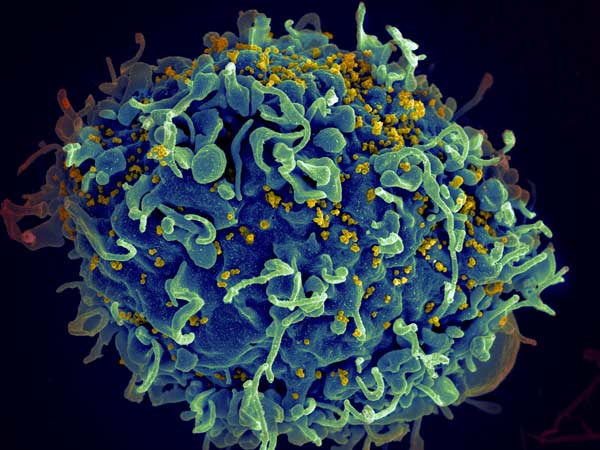
HIV invading a human cell
HIV invading a human cell: Credit NIH

A new study shows how key features on the surface of HIV-infected cells such as certain sugar molecules help the disease evade detection by the immune system, and how they can be disabled. The findings, published in PLOS Pathogens, represent a first step to eradicating this persistent virus in patients.

“We identified a glyco-immune checkpoint interaction as a novel mechanism that allows HIV-infected cells to evade immune surveillance,” said Mohamed Abdel-Mohsen, PhD, assistant professor in the Vaccine & Immunotherapy Center at The Wistar Institute and coauthor on the paper. “And we developed a novel approach that selectively targets these interactions on the surface of these infected cells.”

Existing treatments can reduce HIV to undetectable levels, but eradication remains elusive, with the disease typically returning quickly when treatment stops. And even when controlled, HIV increases risk for other health problems, including neurological disorders, cardiovascular disease, and cancer.

For the new study, researchers looked at a type of sugar molecule called sialic acid on the surface of HIV-infected cells. These sugars bind with receptors called siglecs on the surface of disease-fighting ‘natural killer’ immune cells. When activated, these receptors act as inhibitors, restraining the killer cells and causing them to stop killing. “We thought, ‘is it possible that these HIV-infected cells are using this interaction – covering themselves with these sugars to evade the natural killer immune surveillance?’” said Prof Abdel-Mohsen.

The researchers found that these infected cells can actually exploit this inhibitory connection to evade immune surveillance. They then investigated whether they could manipulate this connection to make the killer cells more effective at killing HIV-infected cells. Disabling the inhibitors from the killer cells was found to cause the immune cells to attack indiscriminately. The researchers turned to the HIV cells, using the enzyme sialidase to remove the sialic acid sugars that were activating the immune inhibitors but this affected all cells, again causing the killer cells to attack indiscriminately. Finally, they developed a sialidase conjugate linked to HIV antibodies, which only targeted sialic acid on HIV cells. With the sialic acid removed from these cells, the killer immune cells attacked and killed the HIV-infected cells, leaving healthy cells alone.

“The killer cells become a super killer for the HIV-infected cells and they now attack them in a selective manner,” said Prof Abdel-Mohsen. “The discovery could be a missing link in the “shock and kill” approach to HIV treatment that has been a focus of research for the past several years,” he added. This two-step process involves first “shocking” the HIV out of latency so it can be detected, and then stimulating the immune system to “kill” the virus once and for all. However, while effective methods have been discovered to reverse latency, scientists haven’t yet found a way to make HIV-infected cells more killable once reactivated. “We may have the shock, but we don’t yet have the kill,” Prof Abdel-Mohsen said. “Our method actually increases the susceptibility of HIV-infected cells to killing, which is one of the top unmet needs in the HIV field.”

First author Samson Adeniji, Ph.D., a postdoctoral fellow at Wistar, noted that the team’s approach could be tested in combination with broadly neutralizing antibody therapies currently being studied in clinical trials. “By combining approaches, we could turn these immune cells from a cop into a kind of Robocop,” he said.

The researchers also noted that, besides  HIV, the approach could be applied in infectious diseases that may evade the immune system, including hepatitis and COVID. In vivo tests with animals are the next step. They’re also investigating other sugar molecules on HIV that may play a similar role as sialic acid. “HIV-infected cells are likely evading immune surveillance through many potential glyco-immune checkpoints,” Abdel-Mohsen said. “We are investigating other mechanisms and how to break them.”

Source: Wistar Institute