A new study has found that hypertension may double an adult’s risk of developing epilepsy, according to a new study published in Epilepsia.
The study recruited 2986 US participants with an average age of 58 years, 55 new cases of epilepsy were identified during an average follow-up of 19 years. Hypertension, defined as presence of elevated blood pressure or use of antihypertensive medications, was linked to a nearly 2-fold higher risk of epilepsy. After excluding participants with normal blood pressure who were taking antihypertensive medications, hypertension was linked to a 2.44-times higher risk of epilepsy.
“Our study shows that hypertension, a common, modifiable, vascular risk factor, is an independent predictor of epilepsy in older age,” said co–lead author Maria Stefanidou, MD, MSc, of Boston University School of Medicine. “Even though epidemiological studies can only show association and not causation, this observation may help identify subgroups of patients who will benefit from targeted, aggressive hypertension management and encourage performance of dedicated clinical studies that will focus on early interventions to reduce the burden of epilepsy in older age.”
Researchers have identified a new group of molecules with an antibacterial effect against many antibiotic-resistant bacteria. Since the properties of the molecules can easily be altered chemically, the hope is to develop new, effective antibiotics with few side effects. The study appears in PNAS.
Increasing antibiotic resistance is a great concern as few new antibiotics have been developed in the past 50 years.
Most antibiotics work by inhibiting the bacteria’s ability to form a protective cell wall, causing the bacteria to crack (cell lysis). Besides the well-known penicillin, which inhibits enzymes building up the wall, newer antibiotics such as daptomycin or the recently discovered teixobactin bind to a special molecule, lipid II. All bacteria need lipid II as a building block for the cell wall. Antibiotics that bind to Lipid II are usually very large and complex molecules and therefore more difficult to improve with chemical methods. These molecules are in addition mostly inactive against a group of problematic bacteria, which are surrounded by an additional layer, the outer membrane, that hinders penetration of these antibacterials.
“Lipid II is a very attractive target for new antibiotics. We have identified the first small antibacterial compounds that work by binding to this lipid molecule, and in our study, we found no resistant bacterial mutants, which is very promising,” says Birgitta Henriques Normark, professor at the Department of Microbiology, Tumor and Cell Biology, Karolinska Institutet, and one of the article’s three corresponding authors.
For this study, published in PNAS, researchers tested a large number of chemical compounds for their ability to lyse pneumococci – the most common cause of community-acquired pneumonia. After a careful follow-up of active compounds from this screening, the researchers found that a group of molecules called THCz inhibits the formation of the cell wall of the bacterium by binding to lipid II. The molecules could also prevent the formation of the sugar capsule that pneumococci need to escape the immune system and to cause disease.
Small molecules offer several benefits, noted Fredrik Almqvist, professor at Umeå University and one of the corresponding authors: “The advantage of small molecules like these is that they are more easy to change chemically. We hope to be able to change THCz so that the antibacterial effect increases and any negative effects on human cells decrease.”
Laboratory work with THCz showed it has an antibacterial effect against many antibiotic-resistant bacteria, such as methicillin-resistant staphylococci (MRSA), vancomycin-resistant enterococci (VRE), and penicillin-resistant pneumococci (PNSP). An antibacterial effect was also found against gonococci, which causes gonorrhoea, and mycobacteria, bacteria that can cause severe diseases such as tuberculosis in humans. None of the bacteria managed to develop resistance to THCz in a laboratory environment.
“We will now also initiate attempts to change the THCz molecule, allowing it to penetrate the outer cell membrane found in some, especially intractable, multi-resistant bacteria,” says Tanja Schneider, professor at the Institute of Pharmaceutical Microbiology at the University of Bonn and one of the corresponding authors.
A recent study shows that T helper cells produced by people who received either of the two available messenger RNA (mRNA) vaccines for COVID persist six months after vaccination, at only slightly reduced levels from two weeks after vaccination. They are also at significantly higher levels than in unvaccinated individuals.
In the study, published in Clinical Infectious Diseases, the researchers also found that the T cells they studied recognise and help protect against the highly infectious delta variant of SARS-CoV-2.
“Previous research has suggested that humoral immune response – where the immune system circulates virus-neutralising antibodies – can drop off at six months after vaccination, whereas our study indicates that cellular immunity – where the immune system directly attacks infected cells – remains strong,” said Professor Joel Blankson, MD, PhD, study senior author. “The persistence of these vaccine-elicited T cells, along with the fact that they’re active against the delta variant, has important implications for guiding COVID vaccine development and determining the need for COVID boosters in the future.”
The researchers sampled blood from 15 study participants at three times: prior to vaccination, between seven and 14 days after their second Pfizer/BioNTech or Moderna vaccine dose, and six months after vaccination. The median age of the participants was 41 and none had evidence of prior SARS-CoV-2 infection.
CD4+ T lymphocytes are nicknamed helper T cells because they assist another type of immune system cell, the B lymphocyte (B cell), to respond to antigens on viruses such as SARS-CoV-2. Activated by the CD4+ T cells, immature B cells become either plasma cells that produce antibodies to mark infected cells for disposal from the body or memory cells that ‘remember’ the antigen’s biochemical structure for a faster response to future infections. Therefore, a CD4+ T cell response can serve as a measure of how well the immune system responds to a vaccine and yields humoral immunity.
The researchers found that the number of helper T cells recognising SARS-CoV-2 spike proteins was very low pre-vaccination, with a median of 2.7 spot-forming units (SFUs, the level of which is a measure of T cell frequency) per million peripheral blood mononuclear cells (PBMCs, identified as any blood cell with a round nucleus, including lymphocytes). Between 7 and 14 days after vaccination, the T cell frequency rose to a median of 237 SFUs per million PBMCs. At six months after vaccination, the level dropped slightly to a median of 122 SFUs per million PBMCs – a T cell frequency still significantly higher than before vaccination.
Six months after vaccination, the number of T cells recognising the delta variant spike protein was not significantly different from that of T cells attuned to the original virus strain’s protein.
“The robust expansion of T cells in response to stimulation with spike proteins is certainly indicated, supporting the need for more study to show booster shots do successfully increase the frequency of SARS-CoV-2-specific T cells circulating in the blood,” said Prof Blankson. “The added bonus is finding that this response also is likely strong for the delta variant.”
Following a functional screen of extracts from US plants researchers found that plants with a long history of use by Native Americans as topical analgesics were often also used as gastrointestinal aids.
The study, published today in Frontiers in Physiology, found forest plants that activated the KCNQ2/3 potassium channel, a protein that passes electrical impulses in the brain and other tissues, showed a long history of use by Native Americans as topical analgesics, to treat conditions such as insect bites, stings, sores and burns. Less intuitively, the same plants that activated KCNQ2/3 and were used as traditional painkillers were often also used as gastrointestinal aids, especially for preventing diarrhoea.
“Done in collaboration with the US National Parks Service, this study illustrates how much there is still to learn from the medicinal practices of Native Americans, and how, by applying molecular mechanistic approaches we can highlight their ingenuity, provide molecular rationalizations for their specific uses of plants, and potentially uncover new medicines from plants,” said UCI School of Medicine professor Geoffrey Abbott, PhD. KCNQ2/3 is present in nerve cells that sense pain, and activating it would relieve pain by reducing pain signal transmission. The breakthrough \came when the team discovered that the same plant extracts that activate KCNQ2/3 have an opposite effect on the related intestinal potassium channel, KCNQ1-KCNE3. Previous studies on modern medicines showed that KCNQ1-KCNE3 inhibitors can prevent diarrhoea.
The Abbott Lab is currently screening native US plants, having shown already that quercetin and tannic and gallic acids explained many of the beneficial effects of the plants. The team also identified binding sites on the channel proteins that produce the effects.
Knowing that these compounds activate versus inhibit closely related human ion channel proteins, drug specificity and safety can be improved and therefore safety. More specifically, the plant compounds can be further optimised with the goal of treating pain and secretory diarrhoea.
“I personally am very excited about the paper; it was my lab’s first published collaboration with the National Park Service, and it shines a light on the incredible ingenuity and medicinal wisdom of Californian Native American tribes,” said Prof Abbott.
New analgesics are being sought to fight the opioid crisis. In addition, according to the CDC, diarrhoeal diseases account for 1 in 9 child deaths worldwide; incredibly, diarrhoea kills over 2000 children every day worldwide – more than AIDS, malaria and measles combined.
Women who use cannabis during pregnancy, such as for stress and anxiety relief, may inadvertently predispose their children to stress susceptibility and anxiety, according to a study published in PNAS.
As cannabis continues to be legalised worldwide, many people mistakenly believe that cannabis use is without significant health risks. In line with this softening public opinion, cannabis has emerged as one of the most consumed recreational drugs of abuse during pregnancy, however the impact of maternal cannabis use on foetal and childhood development is unclear.
“We know that cannabinoid signaling plays a role in modulating stress, which is why some people use cannabis to reduce anxiety and relax,” said first author Professor Yoko Nomura at CUNY Graduate Center and Queens College. “But our study shows that in utero exposure to cannabis has the opposite effect on children, causing them to have increased levels of anxiety, aggression, and hyperactivity compared to other children who were not exposed to cannabis during pregnancy.”
Researchers examined placental gene expression and early childhood behaviour and physiology in a long-term study of 322 mother-child pairs who were drawn from an ongoing New York City-based study of stress in pregnancy started in 2009. When the children were approximately six years old, hormone levels were measured via their hair samples, electrocardiogram recordings were used to measure heart function during a stress-inducing condition, and behavioural and emotional functioning was assessed based on surveys administered to the parents.
The children of mothers who used cannabis during pregnancy showed higher anxiety, aggression, hyperactivity, and levels of the stress hormone cortisol, compared to children of non-cannabis users. Maternal cannabis use was also associated with a reduction in the high-frequency component of heart rate variability, which normally reflects increased stress sensitivity. In addition, RNA sequencing of placental tissue collected at birth in a subset of participants revealed that there was an association between maternal cannabis use and lower expression of immune-activating genes, including pro-inflammatory cytokines. The cannabis-related suppression of several placental immune-gene networks predicted higher anxiety in the children.
“Pregnant women are being bombarded with misinformation that cannabis is of no risk, while the reality is that cannabis is more potent today than it was even a few years ago. Our findings indicate that using it during pregnancy can have long-term impact on children,” said senior author Yasmin Hurd, PhD. “The study results underscore the need for nonbiased education and outreach to the public and particular vulnerable populations of pregnant women regarding the potential impact of cannabis use. Disseminating this data and accurate information is essential to improving the health of women and their children.”
Results from a new study show that older adults with mild dementia can learn to use smartphone memory aids to help them remember to complete everyday tasks that are important to their quality of life.
The study, which was published in the Journal of the American Geriatrics Society, recruited 52 older adults with mild cognitive impairment or mild dementia, and were coached on how to use a digital voice recorder app or a reminder app.
After a four-week intervention, participants reported improvements in performing daily intentions. They also performed relatively well when the investigators assigned them with tasks, with performance levels favouring the reminder app in week 1, but by week 4 changing to favour the digital voice recorder app. Greater usage of the digital recorder or reminder apps was associated with better memory and greater improvements in activities of daily living.
The researchers note that smartphone aids are free and widely available, and they should be shared with patients and caregivers to help support quality of life and independent functioning.
“There is this pervasive notion that older adults dislike technology, but we found that participants enjoyed learning to use smartphone memory apps and were able to improve their daily prospective memory performance,” said lead author Michael K. Scullin, PhD, of Baylor University. “Technology companies have an opportunity to improve broad adoption of smartphone memory aids in older adults and persons with mild stages of Alzheimer’s disease by tailoring the interface and user experience of their reminder apps to this demographic and by incorporating age diversity into their marketing campaigns. With the help of smart technology companies, we can make great headway on improving functioning and quality of life for families impacted by Alzheimer’s disease and related dementias.”
Some people living in tropical regions are already living under conditions of heat stress that are approaching the upper limits of human survivability, a study has found.
In this study published in iScience, researchers noted that climate models used to predict heat conditions around the world are generally based on data from weather stations in relatively populated areas. Such data, they note, excludes conditions for people living in what they describe as informal settlements. To find out more about the conditions for people living in areas expected to be hit by the worst global warming effects, the researchers placed heat sensors in and around 100 houses in Makassar, Indonesia, a settlement in a tropical part of the country. The observed conditions are likely representative of many such settlements in the tropics, the researchers suggested.
Analysing the data, the researchers discovered that, during the rainy season, 80% of the sensors recorded temperatures in excess of established health thresholds. At such temperatures and humidity levels, adverse health impacts are said to be felt by people living there. In a few instances, they found that the sensors recorded temperatures that are believed to represent the upper limit of human survivability.
These findings are alarming for several reasons, they noted. For one, millions of people living in many parts of the world are already living under heat conditions that are harmful to their health. Another is the fact that many such people engage in physical labour for their livelihoods, and doing so in extreme heat can be fatal. Perhaps most alarming is the near certainty that conditions in such places are going to get worse as the planet continues to warm from fossil fuel burning and climate change. An analysis of the agreements reached at the COP26 summit found that the Earth was on course for a 2.4°C increase in temperature, well above the 1.5°C increase suggested by scientists to avoid the worst effects of climate change. For most such places, there are no relocation plans, and little chance that heat-mitigating technology such as air-conditioning will be installed. This suggests that a disaster of massive proportions is on the way.
The use of tranexamic acid (TXA) reduced blood loss during myomectomies in women with large uterine fibroids, a retrospective cohort study has found.
Patients who underwent a myomectomy to remove uterine fibroids with a total weight greater than 173 g had lower estimated blood loss after receiving TXA compared with those who did not (205.6 mL vs 405.4 mL), reported Rachel Cullifer, MD, at the virtual American Association of Gynecologic Laparoscopists (AAGL) annual meeting. Furthermore, patients whose largest fibroid was greater than 73 mm had lower levels of blood loss with TXA (229.2 mL vs 408.3 mL).
“TXA is a highly safe hemostatic agent that gynecologic surgeons can utilize during myomectomies,” Cullifer said. “There is a role for TXA in myomectomies performed with a minimally invasive approach,” she added, noting that the treatment should be strongly considered for patients suspected of having a large fibroid burden.
When looking at all myomectomies not stratified by fibroid characteristics, there was not no significant difference in estimated blood loss between patients who received TXA and those who did not (184 mL vs 266 mL). Fibroids are the primary indication for hysterectomy in the US, Dr Cullifer noted, but myomectomy provides a safe alternative for those who want to preserve their fertility.
“Despite advances in laparoscopic techniques, blood loss and blood transfusions still remain higher in myomectomies when compared with hysterectomy,” Dr Cullifer pointed out, adding that elevated plasmin levels during surgery can result in prolonged bleeding. TXA lowers plasmin function and productivity, reducing blood loss, she stated.
Dr Cullifer and colleagues focused on fibroid characteristics to find out which patients might benefit most from TXA.
The researchers analysed patients who had a myomectomy from 2015 to 2020, compared myomectomy cases treated with TXA versus those that were not, and measured estimated blood loss, blood transfusion administration, and operative time. Of the 71 patients who had a myomectomy, 26 received TXA and 45 did not. The average estimated blood loss was 236 mL, and almost all patients underwent minimally invasive procedures, with 53% undergoing laparoscopic surgery and 40% undergoing robot-assisted procedures.
Save for age, all demographic characteristics were similar between the two groups. Patients who received TXA were an average of two and a half years younger than those who did not. Fibroid characteristics were also similar between the two groups. Additionally, adverse events were similar between the two groups. There was one case of thromboembolism in the cohort who did not receive TXA.
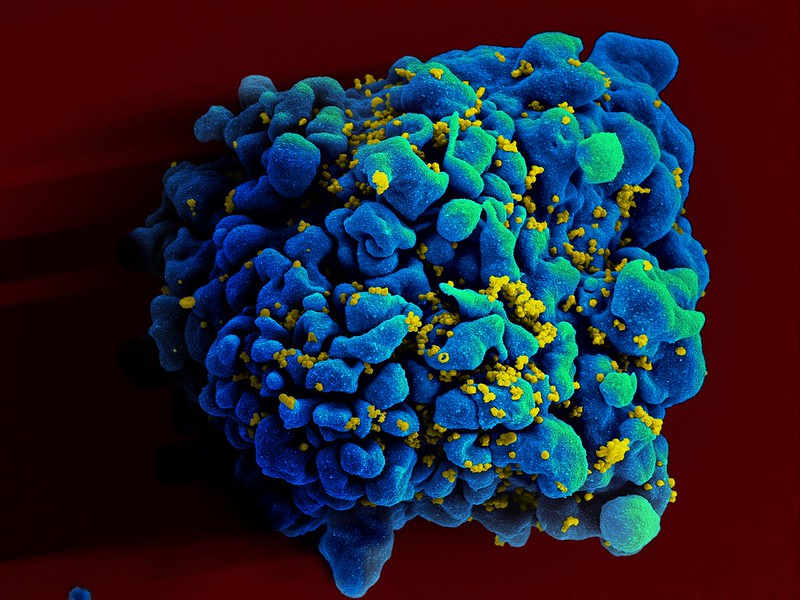
In a study published in the Annals of Internal Medicine, scientists have reported the identification of a second HIV patient who appears to have completely eliminated HIV from their systems in a ‘sterilising cure’.
During infection, HIV creates a viral reservoir by inserting copies of its genome into a cell’s DNA. This allows the virus to escape from anti-HIV drugs and the body’s immune response. In most people, new viral particles are constantly made from this reservoir. Antiretroviral therapy (ART) can prevent new viruses from being made but cannot eliminate the reservoir, necessitating daily treatment to suppress the virus.
Some, known as ‘elite controllers’, have immune systems that are able to suppress HIV without the need for medication. Though they still have viral reservoirs that can produce more HIV virus, a type of immune cell called a killer T cell keeps the virus suppressed without the need for medication.
Xu Yu, MD, a physician investigator at Massachusetts General Hospital, led a research group that identified one patient with no intact HIV viral sequence in her genome, indicating that her immune system may have eliminated the HIV reservoir: a sterilising cure. When they sequenced billions of cells from this patient, known as the San Francisco Patient, searching for any HIV sequence that could be used to create new virus, they found no sign. This extraordinary finding, the first known incidence of a sterilising cure without a stem cell transplant, was reported in Nature in 2020.
Now, Dr Yu’s group reports a second untreated HIV-infected patient, known as the Esperanza Patient who also has no intact HIV genomes found in more than 1.19 billion blood cells and 500 million tissue cells sequenced. This may represent a second instance of a sterilising cure.
“These findings, especially with the identification of a second case, indicate there may be an actionable path to a sterilizing cure for people who are not able to do this on their own,” said Dr Yu.
She further explains that these findings may suggest a specific killer T cell response common to both patients driving this response, with the possibility that other people with HIV have also achieved a sterilising cure. If researchers can figure out the immune mechanisms behind this response, they could develop treatments that teach others’ immune systems to mimic these responses in cases of HIV infection.
Yu adds: “We are now looking toward the possibility of inducing this kind of immunity in persons on ART through vaccination, with the goal of educating their immune systems to be able to control the virus without ART.”
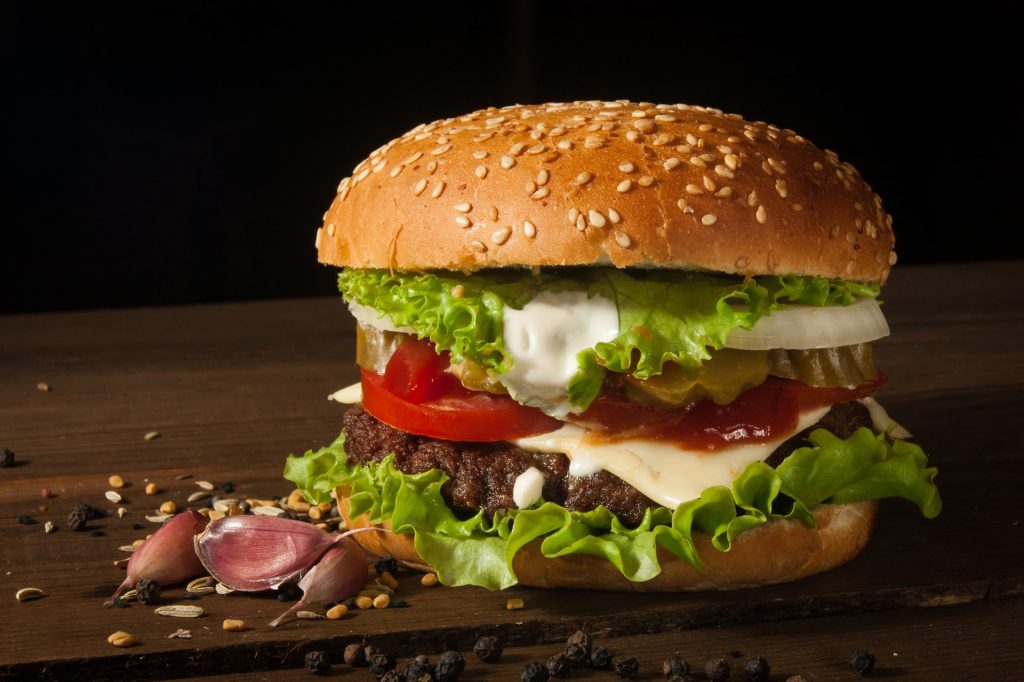
Plant-based burgers often promise an amount of protein comparable to their animal-based counterparts, but not all sources of proteins are equal. Rather the body depends on essential amino acids, the concentration and digestibility of which differ among protein sources.
To account for these differences, a new standard for protein quality, the digestible indispensable amino acid score (DIAAS), was developed by the U.N.’s Food and Agriculture Organization (FAO), which specifically focusses on the digestibility of essential amino acids.
A new study, published in the European Journal of Nutrition, used the DIAAS system to compare protein quality in meat-based and plant-based burgers.
The researchers fed the pigs (the recommended test animal) with patties alone for pork burgers, 80% and 93% lean beef burgers, the soy-based Impossible Burger, and pea-based Beyond Burger. They then measured digestibility of individual essential amino acids, computing DIAAS values from those scores.
Both beef and pork burgers scored as “excellent” sources of protein (DIAAS scores 100+, for people of all ages). The Impossible Burger also scored as an excellent protein source for ages 3 and up, but not under 3. Beyond Burger scored 83, a “good” source of protein for ages 3 and up.
“We have previously observed that animal proteins have greater DIAAS values than plant-based proteins and that is also what we observed in this experiment,” says Hans H. Stein, professor in the Department of Animal Sciences and the Division of Nutritional Sciences at Illinois and co-author on the European Journal of Nutrition study.
Since burger patties are usually eaten with a bun, the researchers looked at the impact of adding the low-protein bun and as expected, it reduced DIAAS values.
Consuming the Impossible Burger together with a bun reduced the DIAAS value to “good” for ages 3 and up. But when pork or 80% lean beef patties were consumed together with buns, DIAAS values were still at or above 100 for the over-3 age group, demonstrating that the needs for all essential amino acids were met by these combinations.
“There was a greater DIAAS value of mixing either the pork or beef burger with the bun – values of 107 and 105 respectively, for the over-3 age group—than there was for the Impossible Burger, which had a DIAAS value of 86 if consumed with the bun. That means you need to eat 15% more of the Impossible Burger-bun combination to get the same amount of digestible amino acids as if you eat the pork-based or the beef-based burgers. And if you have to eat more, that means you also get more calories,” said co-author Mahesh Narayanan Nair, professor at Colorado State University.
Stein said, “It’s particularly children, teenagers, lactating women, and older people who are at risk of not getting enough amino acids. Results of this experiment, along with previous data, demonstrate the importance of getting animal-based proteins into diets to provide sufficient quantities of digestible essential amino acids to these populations.”