For Reducing Health Risk Behaviours, Seeing is Believing
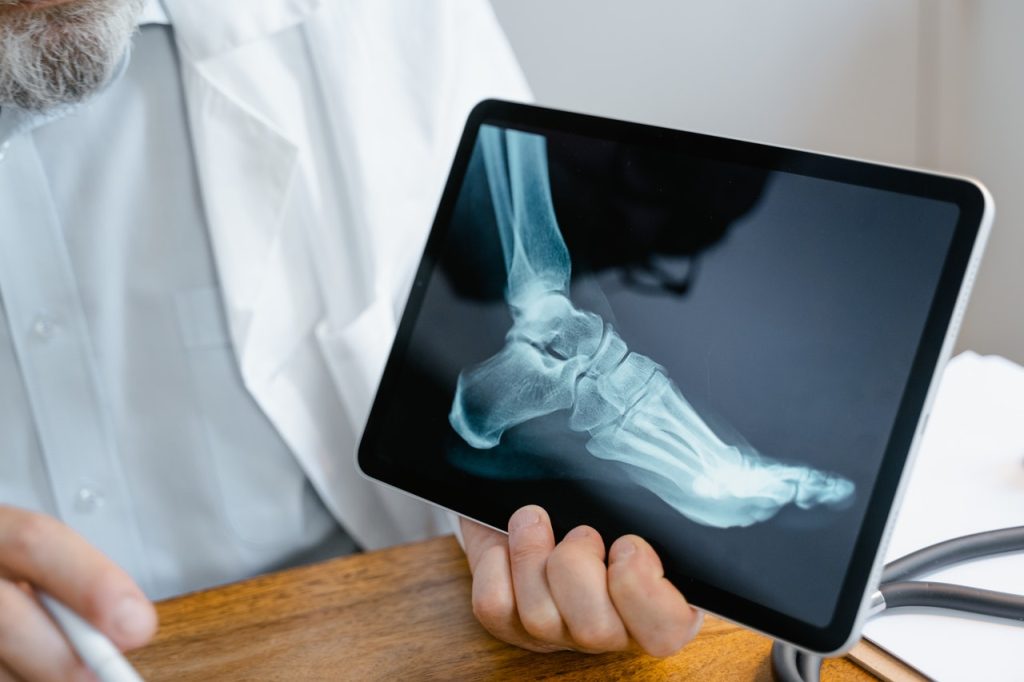
Doctor shows an X-ray of a foot
Photo by Tima Miroshnichenko on Pexels

It is said that seeing is believing, and researchers have found that using patients’ own medical imaging such as CT scans may discourage risk-related behaviours more than non-visual information. The meta-analysis, which appears in PLOS Medicine, found that when patients see imaging results about their risk of disease, they may be more likely to reduce risky behaviours.

Modifiable behaviours such as smoking, poor diet and physical inactivity are linked to non-communicable disease. Encouraging behavioural changes can help reduce the global burden of such diseases, which account for two-thirds of deaths around the world. The investigators were interested to see whether the growing use of medical imaging technologies could help.

Gareth Hollands and University of Cambridge colleagues conducted a meta-analysis of 21 randomised controlled trials involving over 9000 adult participants. Participants were either shown visual examples of personalised risk information following an imaging procedure, such as computed tomography, ultrasound, or radiography, in addition to health information or advice, or they received health information or advice with no visual feedback. The trials reported on behaviours such as smoking, medication use and levels of physical activity.

The strongest evidence was for smoking reduction, a healthier diet, increased physical activity, and increased oral hygiene behaviours. Single studies also reported increased skin self-examination and foot care following visualised feedback. Improvement in other behaviours examined were not statistically significant. The authors conclude that the growth of medical imaging technology could be capitalised on to help people modify their lifestyles and reduce disease risk.

Hollands said: “Medical imaging scans are used ever more widely by healthcare professionals. By gathering together the existing research, this study suggests that showing the scan results to patients to highlight the state of their health could motivate them to behave in a healthier way.”

Source: Science Daily

Cohorting an Effective Response for an Emerging Pandemic

Phot by Artem Podrez on Unsplash

During the extenuating circumstances of an emerging pandemic, grouping patients together in one area or facility, a practice known as cohorting, was successful in providing high-quality care and containing infectious patients, according to a new study published in JAMA Open.

The University of Minnesota Medical School researchers reported that cohorting was implemented by M Health Fairview early in the pandemic when there was little known about how to effectively treat patients with COVID.

“This study highlights the academic and clinical expertise of the M Health Fairview system to deliver outstanding medical care to the people of Minnesota,” said Dr Greg Beilman, a critical care surgeon at the U of M Medical School and was a co-lead of the M Health Fairview COVID response team. “In this study we demonstrated our ability to rapidly bring new developments in science to the patient’s bedside and improve outcomes for patients affected by this frequently dire disease.”

Because every person being treated in the cohorts had COVID, frontline healthcare workers quickly gained experience in COVID care. These experienced specialists worked side by side with academic physicians who were translating the latest medical research into new solutions they could apply in real time to patient care. COVID patients had access to leading-edge clinical trials, internal COVID testing capabilities, and innovative technology.

The study found that dedicated COVID units in Minnesota were associated with a 2% overall improvement in in-hospital survival rates when patients were properly matched for severity of illness. Complications associated with COVID were significantly better in this group as was the swift implementation of new care processes by health care providers.

“The opportunity to care for patients at our COVID cohort hospitals was a shining light in a dark time for many of us,” said Dr Andrew Olson, medical intensivist at the U of M Medical School and medical director of COVID hospital medicine at M Health Fairview. “We watched our colleagues develop expertise, conduct research and care for one another while staying healthy in a challenging time.”

The research team hopes the cohorting method could be implemented during other infectious disease outbreaks, like viral pneumonia. The framework helps provide infectious patients the best care during times of rapid learning in scientific research.

“As the pandemic progressed, we had broad availability of personal protective equipment, vaccinations, and more health care workers developed familiarity with treatment of COVID,” said Dr Beilman. “These developments combined with the fact that the incidence of COVID decreased last year – this care model was no longer necessary.”

Researchers plan to further investigate which patients benefit most from care at such facilities, as well as evaluate the experience for those healthcare professionals who work in them.

Source: University of Minnesota Medical School

Paracetamol May Protect Against Kidney Damage in Malaria

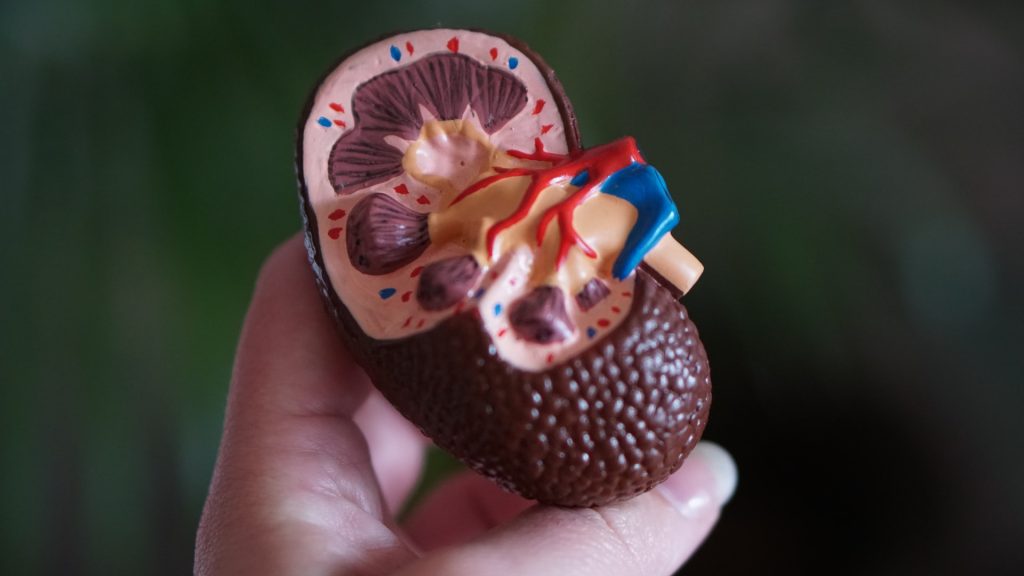
Anatomic model of a kidney
Photo by Robina Weermeijer on Unsplash

Paracetamol may help protect against kidney damage in patients with malaria, according to a study recently published in Clinical Infectious Diseases.

The study found that for patients with severe malaria caused by the malaria parasite Plasmodium knowlesi (the most common cause of malaria in Malaysia), taking paracetamol regularly for 3 days led to improvements in kidney function when tested one week later.

The findings are important because they will help provide the best possible treatment to patients with severe malaria, said study leader Dr Daniel Cooper.

“Even minor kidney injury can have long-term effects, so anything we can do to minimise kidney injury from malaria will be beneficial for these patients’ long-term outcomes,” Dr Cooper said.

In collaboration with international partners, the study involved 396 people with knowlesi malaria in Sabah, Malaysia.

Assistant Professor Bridget Barber said that in severe malaria, red blood cells can rupture, releasing haemoglobin which can have a toxic impact on kidneys, and it is now believed that paracetamol can help to mitigate these toxic effects.

“These results are consistent with other studies conducted in patients with other forms of malaria, including in adults in Bangladesh, and in children in Africa. Importantly, these findings also suggest that paracetamol may help to protect the kidneys in other conditions that are also associated with rupture of red blood cells,” A/Prof Barber said.

Source: MedicalXpress

Nocturnal Teeth Grinding is Damaging for Temporomandibular Joints

Woman showing her teeth
Photo by Maria Lysenko on Unsplash

Sleep bruxism, nocturnal teeth grinding and clenching of the upper and lower jaw, can have a number of health impacts. A new study published in the Journal of Advanced Research found that certain tooth shapes and tooth locations could well lead to temporomandibular joint problems as a result of bruxism.

About 15% of the population grind their teeth while they are asleep, a condition which is more common among younger people. The\ pressure exerted on tooth surfaces and on the jaws can be immense and is thought to cause various dental health problems. It can also result in pain in the jaw muscles and headaches. Specific combinations of tooth shape and tooth location during grinding are theorised to have an influence on the mechanical load on the temporomandibular joint and can thus be considered a risk factor for temporomandibular joint (TMJ) disorders.

To investigate whether sleep bruxism has a negative impact on the TMJ structures, researchers used a state-of-the-art computer model of the masticatory region, which includes bone, cartilage and muscular structures. Such computer models can be used to investigate research questions when direct studies on patients are not feasible on ethical grounds.

The study investigated two factors thought to be involved: tooth shape and location, The study simulated the effects of lateral grinding on the first molar and on the canine with six different wear facet inclinations, resulting in a total of twelve simulated scenarios.

“Our results show that both the inclination and location of the wear facets have an influence on the strength of the mechanical load on the temporomandibular joint,” explained study leader Benedikt Sagl. “However, it would appear that the decisive factor is the steepness of the grinding facet. The flatter the tooth, the higher the loading on the joint and therefore the higher the risk of a TMJ disorder.” Conversely, if the dental cusps involved in bruxism have a steeper angle of inclination, the calculated joint loading was lower, even with the same “grinding force” (bruxing force). Further research, coupled with clinical investigations, will seek to establish whether this finding can be incorporated into the development of therapeutic interventions for sleep bruxism.

Source: Medical University of Vienna

Candida Glabrata Genome Yields Secrets of Virulence and Drug Resistance

Genetics
Source: Pixabay

A project sequencing the Candida glabrata genome has revealed insights into the pathogenic fungus’s virulence and resistance, which researchers found to have been enhanced by transmission through humans as they travel between continents. The project’s findings appear in Genetics

C. glabrata is an opportunistic human fungal pathogen that causes superficial mucosal and life-threatening bloodstream infections in individuals with a compromised immune system. It most commonly affects the urinary tract, genitals, mouth, and the bloodstream. If it is not caught, these infections can become deadly.  It is also very resistant to certain antifungal drugs, so understanding why resistance occurs is key to knowing how to treat it effectively. 

Using samples from eight hospitals in Scotland to sequence the genome of C. glabrata, new insights on the species were made. This includes information on how it reproduces and its genetic diversity. Genes increasing its infectivity also confer an advantage for survival, and the drug-resistance genes often evolve within patients.

These findings provide scientists with an advantage in treating fungus, allowing research to focus in ways that were not possible before. It also helps aid understanding on how the pathogen spreads, which is important to identifying infections.

Dr Rhys Farrer, one of the Principal Investigators at the MRC Centre for Medical Mycology at the University of Exeter, said: “Our study sheds new light on the genetic diversity of Candida glabrata. We have demonstrated that this deadly human fungal pathogen is being spread between continents, probably by humans, and recombining to form new populations, which is likely contributing to its high virulence and increasing drug resistance.”

Source: University of Exeter

Why Knee Osteoarthritis Risk is Higher in Women

By using a bioreactor aboard a flight that simulated zero gravity, researchers have found that the reason why women have a greater risk of developing knee osteoarthritis is down to genetic differences in knee meniscus tissue.

Better tests, prevention and treatments could be developed for knee osteoarthritis in women here on Earth, based on this research.

Though knee osteoarthritis is more common in females than in males, the difference cannot be explained solely by hormones. The researchers have pinpointed a genetic difference in the meniscus that makes about 50% of females more vulnerable to developing osteoarthritis than males or other females. Exposure to zero gravity is known to mimic the ageing process, as muscles atrophy and bones lose density. The zero gravity environment of space has greatly contributed to medical research.

Researchers ran the experiment aboard an aircraft flying in parabolic arcs to specially simulate zero gravity conditions, to mimic the damage that can happen to the meniscus due to lack of exercise.

“Some of the genes that were found in the females that responded more to simulated space microgravity were also associated with the development of knee osteoarthritis,” said principal investigator Adetola Adesida, professor of surgery in the Faculty of Medicine & Dentistry.

The results suggest that a blood test could screen for the high-risk gene, allowing for early interventions such as physiotherapy, and eventually even drug therapy. It might also allow women to stay in space longer.

“We’ve uncovered the mechanisms that lead to this higher response, and we are hoping to develop drugs to target those pathways and block those responses,” Adesida said.

Previously thought to be rather unimportant, meniscus acts as a load distributor for the body’s full weight. However, it is now known that just a small tear in the meniscus, often from a sports injury, increases the risk of later osteoarthritis, even if the damaged tissue has been removed. On the other hand, lack of use can also lead to deconditioning of the meniscus and increase arthritis risk.

Knee osteoarthritis is the most common joint problem, affecting an estimated 250 million people worldwide, including 14% of females older than 60 and 10% of males in the same age group.

Prof Adesida’s team has developed bioengineered meniscus tissue grown from cells that have been removed from the damaged menisci of otherwise healthy individuals. The hope is one day to be able to replace damaged tissue through transplant, preventing the development of knee osteoarthritis.

For their experiment on sex differences, the team studied how the bioengineered tissue functioned while at rest and under mechanical loading and unloading conditions. For the loading, they used a device that exerted hydrostatic pressure on the cells. For the unloading, they put the cells into a bioreactor designed by NASA to fly aboard the zero-gravity aircraft.

“Our loading and unloading experiment mimics what we actually see in a clinical situation where the development of spaceflight microgravity-induced knee osteoarthritic changes is possible,” he said.

“This will help us to have human relevant models to study knee osteoarthritis in the future. And our research has both Earth benefits and space benefits.”

The study findings were published in Frontiers in Bioengineering and Biotechnology.

Source: University of Alberta

Use of e-cigarettes Associated With Prediabetes Risk

Vaping with an e-cigarette
Photo by Toan Nguyen on Unsplash

Analysis of a large representative database shows that e-cigarette use is associated with an increased risk of prediabetes, posing a new concern for public health.

“Our study demonstrated a clear association of prediabetes risk with the use of e-cigarettes,” explained lead researcher Shyam Biswal, PhD, at Johns Hopkins Bloomberg School of Public Health. “With both e-cigarette use and prevalence of prediabetes dramatically on the rise in the past decade, our discovery that e-cigarettes carry a similar risk to traditional cigarettes with respect to diabetes is important for understanding and treating vulnerable individuals.”

According to the Centers for Disease Control and Prevention (CDC), traditional cigarette smokers are 30% to 40% more likely than non-smokers to develop type 2 diabetes, which increases their risk for cardiovascular diseases. e-cigarettes are sometimes promoted as a healthier option for cigarette smokers, and e-cigarettes use is rising among younger demographics.

The study analysed 2016–2018 data from the Behavioral Risk Factor Surveillance System (BRFSS), the largest annual nationally representative health survey of US adults. Among the 600 046 respondents, 9% were current e-cigarette users who self-reported prediabetes diagnoses. The data also showed that e-cigarette users have a higher prevalence of high-risk lifestyle factors and worse self-related mental and physical health status than non-smokers.

In this representative sample of US adults, e-cigarette use was associated with greater odds of prediabetes compared to those who did not use e-cigarettes or traditional cigarettes – a worrying link from a public health standpoint.

“We were surprised by the findings associating prediabetes with e-cigarettes because they are touted as a safer alternative, which we now know is not the case,” commented Dr Biswal. “In the case of cigarette smoking, nicotine has a detrimental effect on insulin action, and it appears that e-cigarettes may also have the same effect.”

Prediabetes is fortunately a reversible condition, given appropriate lifestyle management. The authors make a compelling recommendation for targeting the reduction in e-cigarette use and education of young adults to reduce diabetes risk.

“Our effort for smoking cessation has led to a decrease in smoking traditional cigarettes. With this information, it is time for us to ramp up our public health efforts to promote the cessation of e-cigarettes,” cautioned Dr Biswal.

The researchers published their findings in the American Journal of Preventive Medicine.

The World Health Organization (WHO) defines prediabetes as a state of intermediate hyperglycaemia using impaired fasting glucose, defined as fasting plasma glucose of 6.1–6.9 mmol/L (110 to 125 mg/dL) and impaired glucose tolerance defined as 2h plasma glucose of 7.8–11.0mmol/L (140–200 mg/dL) after ingestion of 75g of oral glucose or a combination of the two based on a 2h oral glucose tolerance test. It is estimated that by 2030, more than 470 million people worldwide will be diagnosed with prediabetes.

Source: EurekAlert!

Year Round Asthma Relief With Tezepelumab

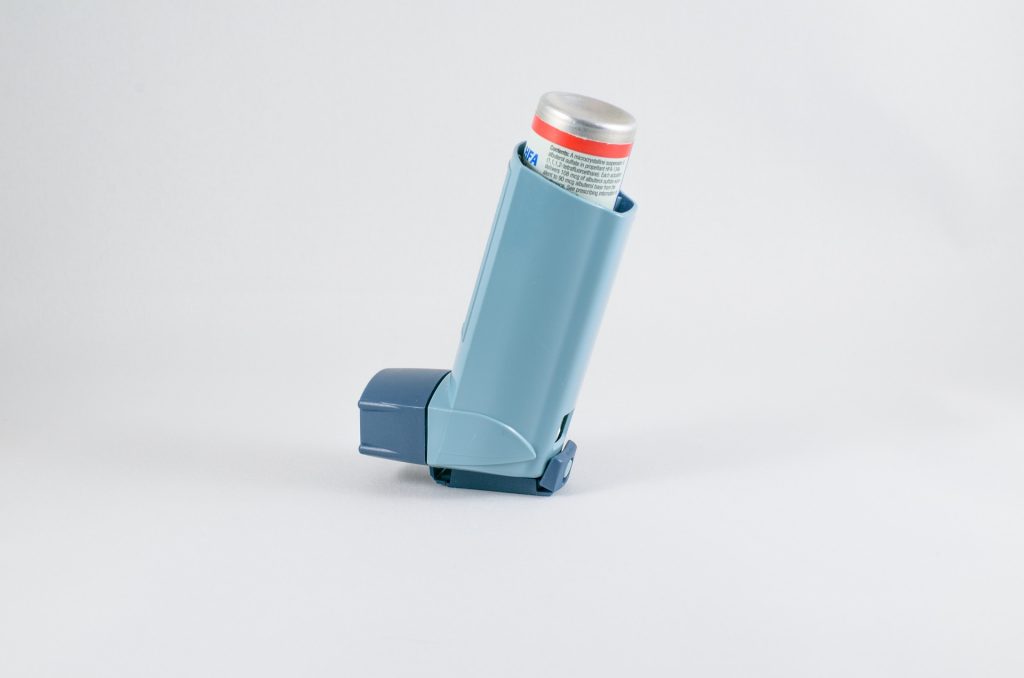
asthma inhaler
Source: PIxabay/CC0

The biologic tezepelumab provided year-round relief for patients with severe, uncontrolled asthma, according to findings from the year-long phase III NAVIGATOR study.

Tezepelumab was shown to significantly reduce the annualised asthma exacerbation rate by 56% in the overall study population, and by 41% in those with baseline blood eosinophil counts below 300 cells/µL, according to Andrew Lindsley, MD, PhD, medical director at Amgen in Thousand Oaks, California, presenting at the American Academy of Allergy, Asthma & Immunology (AAAAI) annual meeting.

When stratified by season, the annualised asthma exacerbation rate was consistently reduced with tezepelumab:

  • Winter: 2.62 with placebo versus 0.96 with tezepelumab (63% reduction)
  • Spring: 1.71 versus 0.92 (46% reduction)
  • Summer: 1.93 versus 0.73 (62% reduction)
  • Autumn: 2.28 versus 1.05 (54% reduction)

Tezepelumab, recently approved for severe asthma by the FDA in 2021, inhibits thymic stromal lymphopoietin. It is a key component of airway inflammation and is thought to be released in response to airborne asthma triggers, such as pollen and viruses. Tezepelumab has been shown to reduce exacerbations when compared with placebo.

Dupilumab was shown to have similar results in the 52-week QUEST study, which established the effectiveness of dupilumab as an add-on treatment for asthma. This was also true of the 96-week TRAVERSE open-label extension trial, in which researchers found that asthma exacerbations were reduced to below 7% all year long, and staying mostly under 5%.

The seasonal studies were performed during NAVIGATOR because asthma exacerbation has a number of environmental, seasonal factors.

“We know that allergies are seasonal, but depend on the trigger for asthma – early spring is the tree pollen season, late spring is grass pollen, in the fall it is ragweed” Roxana Siles, MD, co-director of the asthma centre at the Cleveland Clinic, told MedPage Today. Dust mites and animal dander are year-round, but may affect people more in the winter when they spend more time indoors, she added.

There was a question of how biologics were affected by the seasons, she said, and as it turned out, they work on all types of asthma, year round.

Tezepelumab decreased the proportion of patients with at least one exacerbation during all seasons, from 33.4% to 18.3% in winter, 23.7% to 15.7% in spring, 26.9% to 13.2% in summer, and 33.4% to 20.6% in autumn.

Additionally, the average number of days with an exacerbation per patient in each season fell between:

  • 4.9 to 1.9 days in winter
  • 3.6 to 1.7 days in spring
  • 3.6 to 1.5 days in summer
  • 4.3 to 2.1 days in autumn

Source: MedPage Today

Study Finds That Vitamin D3 Has a Greater Health Benefit Than D2

Vitamin D pills
Photo by Michele Blackwell on Unsplash

A new study has found that vitamin D2 and D3 have significant differences in effect, with vitamin D2 having a questionable impact on human health. However, the study found that vitamin D3 (the ‘sunshine vitamin’) could balance people’s immune systems and help strengthen defences against viral infections.

In a study published in Frontiers in Immunology, researchers investigated the impact of vitamin D supplements, D2 and D3, taken daily over a 12-week period on the activity of genes in people’s blood.

Contrary to widely held views, the research team discovered that both types of vitamin D did not have the same effect, rather they found evidence that vitamin D3 influences the immune system in a way that could fortify the body against viral and bacterial diseases.

Professor Colin Smith, lead-author of the study from the University of Surrey, who began this work while at the University of Brighton, said: “We have shown that vitamin D3 appears to stimulate the type I interferon signalling system in the body – a key part of the immune system that provides a first line of defence against bacteria and viruses. Thus, a healthy vitamin D3 status may help prevent viruses and bacteria from gaining a foothold in the body.

“Our study suggests that it is important that people take a vitamin D3 supplement, or suitably fortified foods, especially in the winter months.”

Few natural foods contain Vitamin D, although some such as bread and yoghurt may be fortified with it. Vitamin D3 is produced naturally in the skin from exposure to sunlight or artificial ultraviolet UVB light, while some plants and fungi produce vitamin D2.

Many people have insufficient levels of vitamin D3 because they live in locations where sunlight is limited in the winter, like the UK. Sunlight exposure has also been limited by the COVID pandemic as people spend more time in their homes.

Professor Susan Lanham-New, co-author of the study and Head of the Department of Nutritional Sciences at the University of Surrey, said: “While we found that vitamin D2 and vitamin D3 do not have the same effect on gene activity within humans, the lack of impact we found when looking at vitamin D2 means that a larger study is urgently required to clarify the differences in the effects. However, these results show that vitamin D3 should be the favoured form for fortified foods and supplements.”

Source: University of Surrey

Reduced Risk of Relapse in MS Sufferers Taking Cladribine

A healthy neuron.
A healthy neuron. Credit: NIH

A study using real-world data has shown that multiple sclerosis (MS) sufferers taking cladribine were less likely to experience disease relapse than those who took other oral disease-modifying therapies.

Relapse and discontinuation outcomes favoured cladribine tablets over oral fingolimod, dimethyl fumarate, and teriflunomide. The findings were reported Helmut Butzkueven, PhD, of Monash University at ACTRIMS Forum 2022, the annual meeting of the Americas Committee for Treatment and Research in Multiple Sclerosis.

For the study, researchers drew on data from the MSBase registry of more than 79 000 people with MS worldwide. Few clinical trials or real-world studies are available that compare the effectiveness of cladribine tablets to other oral disease-modifying therapies, the researchers noted.

“Many treatment choices that patients and their care teams have to make are not or not yet examined in classical randomised trials,” Dr Butzkueven told MedPage Today. “Sophisticated analysis of data gathered systematically and prospectively in clinical care is proving a valuable alternative to examine and compare the outcomes of different treatment choices in all kinds of scenarios.”

“Oral agents for use in relapsing MS are very convenient and effective treatment choices,” he added. “This work directly compares outcomes for people with MS who chose cladribine tablets versus other oral drugs.”

The chemotherapy drug cladribine, was recently approved by the FDA for active secondary progressive disease and relapsing MS. This was based on results from trial data showing that cladribine significantly decreased the number of MS relapses and reduced the progression of disability compared with placebo.

GLIMPSE was a longitudinal study that included data for 3475 MS patients on either cladribine, fingolimod, dimethyl fumarate or teriflunomide.

The 633 patients taking cladribine were propensity-score matched with those taking oral comparators on various factors such as age, sex and country.

In pairwise comparisons, cladribine versus fingolimod had 520 matched participants per group: the annualised relapse rate (ARR) was 0.09 compared with 0.15, respectively, the hazard ratio (HR) for time to first relapse was 0.60, and the HR for time to discontinuation was 0.22.

For cladribine versus dimethyl fumarate (450 people per group), the ARR was 0.10 compared with 0.15 the HR for time to first relapse was 0.58, and the HR for time to discontinuation was 0.10.

The cladribine versus teriflunomide (458 people per group) comparisons showed that the ARR was 0.09 compared with 0.17, the HR for time to first relapse was 0.33, and the HR for time to discontinuation was 0.10.

Source: MedPage Today