Can Revitalising Old Blood Stem Cells Slow Ageing?
https://www.pexels.com/photo/a-close-up-shot-of-bags-of-blood-4531306/
Photo by Charlie-Helen Robinson on Pexels

Studies over the past several years have shown that infusions of young blood seem to produce a rejuvenating effect when infused into older bodies. Ageing hearts beat stronger, muscles become stronger, and thinking becomes sharper.

While some scientists have considered trying to replicate this effect with a pill, others have focused on rejuvenating the haematopoietic stem cells that actually make the blood – something which may be possible, based on recent findings from a study published in Nature Cell Biology.

“An ageing blood system, because it’s a vector for a lot of proteins, cytokines, and cells, has a lot of bad consequences for the organism,” says Emmanuelle Passegué, PhD, director of the Columbia Stem Cell Initiative, who’s been studying how blood changes with age. “A 70-year-old with a 40-year-old blood system could have a longer healthspan, if not a longer lifespan.”

Passegué, with her graduate student Carl Mitchell, found that an anti-inflammatory drug, already approved for use in rheumatoid arthritis, can turn back time in mice and reverse some of the effects of age on the hematopoietic system.

“These results indicate that such strategies hold promise for maintaining healthier blood production in the elderly,” Mitchell says.

Returning blood stem cells to a younger state

The researchers only identified the drug after a investigation of stem cells for blood and the niches where they reside in the centre of the bones.

All blood cells in the body are created by a small number of stem cells that reside in bone marrow. Over time, these haematopoietic stem cells start to change, producing fewer red blood cells (leading to anaemia) and fewer immune cells (which raises the risk of infection and impedes vaccination efforts), and they have trouble maintaining the integrity of their genomes (which can lead to blood cancers).

In a 2021 Journal of Experimental Medicine paper, Passegué and her team first tried to rejuvenate old haematopoietic stem cells in mice, with exercise or a calorie-restricted diet, both generally thought to slow the ageing process. Both failed, as did transplanting old stem cells into young bone marrow. Even young blood had no effect on rejuvenating old blood stem cells.

Mitchell and Passegué then took a closer look at the stem cells’ environment, the bone marrow. “Blood stem cells live in a niche; we thought what happens in this specialised local environment could be a big part of the problem,” Mitchell says.

With techniques developed in the Passegué lab that enable detailed investigation of the bone marrow milieu, the researchers found that the ageing niche is deteriorating and overwhelmed with inflammation, leading to dysfunction in the blood stem cells.

One inflammatory signal released from the damaged bone marrow niche, IL-1B, was critical in driving these ageing features, and blocking it with the drug, anakinra, remarkably returned the blood stem cells to a younger, healthier state.

Even more youthful effects on both the niche and the blood system occurred when IL-1B was prevented from exerting its inflammatory effects throughout the animal’s life.

The researchers are now trying to learn if the same processes are active in humans and if rejuvenating the stem cell niche earlier in life, in middle age, would be a more effective strategy.

Meanwhile, “treating elderly patients with anti-inflammatory drugs blocking IL-1B function should help with maintaining healthier blood production,” Passegué says, and she hopes the finding will lead to clinical testing.

“We know that bone tissue begins to degrade when people are in their 50s. What happens in middle age? Why does the niche fail first?” Passegué says. “Only by having a deep molecular understanding will it be possible to identify approaches that can truly delay ageing.”

Many societies have added more than 30 years to life expectancy in the past century. “Now it is imperative to conduct the science to determine how to create health and well-being across the full length of those lives,” says Linda Fried, MD, MPH, dean of the Mailman School of Public Health at Columbia University and director of the Butler Columbia Aging Center. “This must include research to understand the mechanisms of normal aging and how to fully develop the huge opportunities to create healthy longevity for all.”


Source: Columbia University Irving Medical Center

Sex and Age Influence the Circadian Rhythm

Photo by Malvestida on Unsplash

In a new study published in the journal Science, researchers exploring circadian molecular rhythms were able to uncover the organisation of gene expression rhythms in particular human tissues, and found that sex and age are involved, with females having a more regular pattern of rhythms.

In model organisms, analysing molecular rhythms is usually done using time-stamped measurements, but such data are not readily available in humans. To work around this, the researchers used existing measurements from a large cohort of post-mortem donors, combined with a novel computer algorithm that was designed to assign internal clock times to nearly one thousand donors.

“Interestingly, the data-science algorithm we developed turned out to resemble models from magnetic systems, which are well studied in statistical physics,” says study leader Felix Naef at Ecole Polytechnique Fédérale de Lausanne. Using this innovative approach, the researchers obtained the first comprehensive and accurate whole-organism view of 24-hour gene expression rhythms in 46 human tissues.

While the core clock machinery properties are conserved across the body and do not change significantly with sex and age, their analysis also revealed extensive programs of gene expression rhythms across major compartments of metabolism, stress response pathways and immune function, and these programs peaked twice a day.

In fact, the emerging whole-body organisation of circadian timing shows that rhythmic gene expression occurs as morning and evening waves, with the timing in the adrenal gland peaking first, while brain regions displayed much lower rhythmicity compared to metabolic tissues.

Dividing the donors by sex and age revealed a previously unknown richness of sex- and age- specific gene expression rhythms spread across biological functions. Strikingly, gene expression rhythms were sex-dimorphic (different in males and females) and more sustained in females, while rhythmic programs were generally reduced with age across the body.

Sex-dimorphic rhythms were particularly noticeable in the liver’s “xenobiotic detoxification,” the process by which liver breaks down harmful substances. Additionally, the study found that with age, the rhythm of gene expression decreases in the heart’s arteries, which may explain why older people are more susceptible to heart disease. This information could be useful in the field of “chronopharmacology,” which is the study of how a person’s internal clock affects the effectiveness and side effects of medication.

This study provides new insights into the complex interplay between our body clock, sex, and age. By understanding these rhythms, we might find new ways of diagnosing and treating pathologies such as sleep disorders and metabolic diseases.

Source: Ecole Polytechnique Fédérale de Lausanne

Traffic Noise may Increase the Risk of Tinnitus

Photo by Dylan Hendricks on Unsplash

There is a correlation between traffic noise and risk of developing tinnitus, researchers have found. They point to a vicious cycle involving stress reactions and sleep disturbance as a potential cause. Living near a busy road, it may increase stress levels and affect sleep – and during times of stress and poor sleep, people may be at a higher risk of developing tinnitus.

Published in Environmental Health Perspectives, a new study with data from 3.5 million Danes has revealed that the more traffic noise Danish residents are exposed to in their homes, the more they are at risk of developing tinnitus.

Tinnitus is most clearly manifested by annoying whistling tones in the ears, which are disturbing for many.

Risk increases with noise levels

It is the first time that researchers have found a link between residential traffic noise exposure and hearing-related outcomes.

“In our data, we have found more than 40 000 cases of tinnitus and can see that for every ten decibels more noise in people’s home, the risk of developing tinnitus increases by six percent,” says Manuella Lech Cantuaria, PhD, Assistant Professor at the Mærsk Mc-Kinney-Møller Institute.

She and her colleague Jesper Hvass Schmidt, Associate Professor at the Department of Clinical Research and Chief Physician at Odense University Hospital (OUH) are concerned about the many health problems that traffic noise seems to cause. In 2021, they found a correlation between traffic noise and dementia.

“There is a need for more focus on the importance of traffic noise for health. It is alarming that noise seems to increase the risk of tinnitus, cardiovascular diseases and dementia, among other diseases,” says Jesper Hvass Schmidt.

Tip of the iceberg

Only the worst cases of tinnitus are referred from their own doctor or an otorhinolaryngologist. The high number of reported cases of tinnitus are probably only the tip of the iceberg, he believes.

“In general, about ten percent of the population experience tinnitus from time to time. It is associated with stress and poor sleep, which can be worsened by traffic noise, and here we have a potential cycle.”

More studies are needed so that researchers can be sure that traffic noise causes tinnitus, and how this happens.

“But we know that traffic noise can make us stressed and affect our sleep. And that tinnitus can get worse when we live under stressful situations and we do not sleep well,” Jesper Hvass Schmidt says.

Nighttime noise is worse

The researchers believe that noise at nighttime can be even worse for health. It affects our sleep, which is so important for restoring both our physical and mental health. “Therefore, it is worth considering whether you can do something to improve your sleep if you live next to a busy road,” Manuella Lech Cantuaria says.

What to do

In the study, higher associations were found when noise was measured at the quiet side of their houses, that is, the side facing away from the road. This is where most people would place their bedroom whenever possible, therefore researchers believe this is a better indicator of noise during sleep.

“There are different things one can do to reduce noise in their homes, for example by sleeping in a room that does not face the road or by installing soundproof windows,” says Manuella Lech Cantuaria.

But not everyone has those options, so she says that traffic noise should be considered a health risk to be taken into account in urban planning and political decision-making.

Electric cars will not make cities quieter

The Danish guidance level for harmful traffic noise is 58 decibels. It is a myth that replacing fuel cars by electric cars can significantly reduce traffic noise exposure at people’s houses. The noise comes mainly from the contact between the tires and the road.

Source: University of Southern Denmark Faculty of Health Sciences

Inaccurate Anaesthesia Start Times Leading to Lost Revenue

Photo by Anna Shvets on Pexels

Inaccurately recording the start of anaesthesia care during a procedure is common and results in significant lost billing time for anaesthesia practices and medical centres, suggests a study being presented at the American Society of Anesthesiologists’ ADVANCE 2023, the Anesthesiology Business Event.

The anaesthesia start time (AST) must be documented from a computer logged into the electronic health record (EHR), and typically occurs once the patient is in the operating room (OR). However, the anaesthesiologist meets with the patient prior to their arrival in the OR and begins tasks that are vital to the procedure, such as administering pre-medication and attaching monitors, time which is is not typically recorded. Depending on the patient and procedure, adding two to five minutes to the AST when logging it would account for the preparation and transit time, researchers say.

“These seemingly minor inaccuracies of recorded AST can cost medical centres and anaesthesia practices hundreds of thousands of dollars in lost revenue,” said Nicholas Volpe Jr, MD, MBA, lead author of the study and an anaesthesiology resident physician at Northwestern University McGaw Medical Center, Chicago. “We suspect most anaesthesiologists are unaware that they aren’t recording AST accurately. It’s not a result of negligence, but rather reflects that workflow hasn’t been optimised for accuracy.”

For the study, the researchers analysed 40 312 procedures with anaesthesia over 12 months at a single academic centre. In 68.74% of cases , AST was recorded as starting once the patient was in the OR, without factoring in the preparation time. Using the national average charge for anesthaesia time, the missing time translated to over $600 000 in lost revenue for the year, the researchers determined.*

“Logging AST is one of the many new tasks that anaesthesiologists learn when starting a new role,” said Dr Volpe. “Transitioning from an internship to clinical anaesthesia practice involves learning a significant amount of new information, and understanding the importance of an accurately recorded AST may seem like a relatively minor issue compared to important patient-care information.”

Several approaches could help address inaccurate AST documentation, including educating anaesthesiologists on how to improve their AST recording practices and providing visual reminders such as signs in the OR, Dr Volpe said. Also, an AST capture function could be built into the EHR mobile application so that AST can be noted by anaesthesiologists on the way to the OR, or the EHR could automatically add two minutes to the AST log time, he said. The researchers plan to roll out some of those initiatives in the spring and determine if they are effective.

*The projected savings are theoretical and not linked to billing at the institution where the study was conducted. 

Source: American Society of Anesthesiologists

A New Possibility for Non-hormonal Male Contraceptives

Photo by Reproductive Health Supplies Coalition on Unsplash

Thus far, very few contraceptive options being developed target the sperm cells. Researchers are now developing approaches that target testosterone or otherwise interrupt the sperm’s ability to fertilise an egg, yet these may not work for everyone. But now, researchers publishing in ACS’ Journal of Medicinal Chemistry have identified a new candidate molecule that could become an effective non-hormonal contraceptive for males.

Previously, Gunda I. Georg and colleagues investigated non-hormonal contraceptive options, as approaches targeting testosterone produced unwanted side effects. They developed a drug targeted at a specific vitamin A receptor and found that it worked as a highly effective contraceptive with no side effects. But numerous proteins are involved in forming sperm, and exploring multiple options would maximise chances for a drug that would eventually make it to market.

Another set of proteins involved in the cell cycle are the cyclin-dependent kinases, or CDKs, which play a role in sperm cell production and tumour development. Mice without the CDK2 receptor are sterile, so a drug that targets this protein could serve as an effective contraceptive. It also has potential as a cancer therapeutic because inhibiting the enzyme slowed tumour growth in previous studies. However, CDK2 has a very similar shape to other enzymes in its family, and currently available inhibitors tend to produce undesirable off-target effects by accidentally binding the others as well. So, Georg and her team wanted to develop a drug that could selectively inhibit CDK2 to serve as another contraceptive option.

The team previously discovered an unknown binding site in CDK2 and a commercially available dye molecule that successfully bound to it. Using the dye as a starting point, the researched screened tens of thousands of different compounds in their current work to find ones that also bound the pocket well. They narrowed the list down to just three, picking one to further optimize. The best version, named EF-4-177, demonstrated a long half-life and good diffusion into the testes of mice. After a 28-day exposure, the animals’ sperm counts decreased by about 45%. Additionally, EF-4-117 bound much more strongly to the CDK2 pocket than the dye, making it the highest affinity inhibitor for this site reported to date. The researchers say that this work proves the potential of this inhibitor for future therapeutic applications.

Source: Michigan State University

Boys can Also be at Risk for Eating Disorders

Depression, young man
Source: Andrew Neel on Unsplash

In the public mind, eating disorders are associated mainly with girls from wealthy backgrounds. Now, a new study on twins published in the Journal of Psychopathology and Clinical Science has found that boys living in disadvantaged circumstances are at an increased risk for disordered eating – particularly if they have underlying genetic risk factors.

“This is critical information for health care providers who might not otherwise screen for or recognize disordered eating in this population,” said Megan Mikhail, lead author of the study and Ph.D. candidate in the MSU Clinical Psychology program. “It is also important for the public to recognize that eating disorders can affect everyone, including people who do not fit the historical stereotypes.”

The study from Michigan State University, is the first to look at associations between multiple forms of disadvantage and risk for disordered eating in boys, as well as how disadvantage may interact with biological risks to impact disordered eating in boys.

Using a large population-based sample of male twins from the Michigan State University Twin Registry, the researchers found that boys from more disadvantaged backgrounds reported greater disordered eating symptoms and had earlier activation of genetic influences on disordered eating, which could lead to increased long-term risk.

By using population-based sample, the researchers could avoid overlooking those unable to afford mental health care. They examined factors such as parental income, education and neighbourhood disadvantage to see how those factors related to disordered eating symptoms in the boys. Since all the participants were twins, researchers were also able to study genetic influences on disordered eating.

“This research is particularly relevant following the COVID pandemic when many families experienced financial hardship,” said Kelly Klump, MSU Foundation Professor of Psychology and co-author of the study. “Those financial stressors are putting many young people at risk for an eating disorder, so it’s vital that there be increased screening and access to care for these young people.”

Source: Michigan State University

Prior COVID Infection Linked to New Autoimmune Conditions

Photo by Mufid Majnun on Unsplash

In a new entry to the growing list of lasting complications from COVID infection, a large German cohort study of over 600 000 COVID patients indicates that new autoimmune conditions may result from previous COVID infection. The findings, which are awaiting peer review on the MedRxiv preprint server, show that the odds of new autoimmune conditions appear to increase in line with the severity of COVID infection.

After the acute phase of infection, some people may develop long-lasting symptoms, known as post-COVID, which are consistent with COVID infection and last more than 12 weeks. Most studies to date have focused on symptoms that partly wane over time. Many studies examined a small selective sample of patients, and only a few studies included a control group or information on chronic health conditions, such as SARS-CoV-2 infection.

Compared to post-COVID emergence of cardiovascular and other diseases, autoimmune diseases are less discussed in the literature, although autoantibodies could be found in patients after SARS-CoV-2 infection. So far there is limited evidence on newly manifested autoimmune diseases after an infection based on several case reports and one recent cohort study using UK health record data. In addition, COVID itself has some similarities with systemic autoimmune rheumatic diseases, which could make diagnosis difficult.

The researchers selected a cohort from German routine health care data, identifying individuals with polymerase chain reaction (PCR)-confirmed COVID through December 31, 2020. Patients were matched 1:3 to control patients without COVID. Both groups were followed up until June 30, 2021. We used the four quarters preceding the index date until the end of follow-up to analyse the onset of autoimmune diseases during the post-acute period. The researchers calculated the incidence rates (IR) per 1000 person-years for each outcome and patient group, and estimated incidence rate ratios (IRRs) of developing an autoimmune disease conditional on a preceding COVID.

In total, 641 704 patients with COVID were included. When comparing the incidence rates in the COVID and matched control groups, the researchers found a 42.63% higher likelihood of acquiring autoimmunity for patients who had suffered from COVID. This estimate was similar for common autoimmune diseases, such as Hashimoto thyroiditis, rheumatoid arthritis, or Sjögren syndrome. The highest IRR was observed for autoimmune disease of the vasculitis group. Patients with a more severe course of COVID were at a greater risk for incident autoimmune diseases. These risk increases were as follows:

  • 41% higher risk of Grave’s disease
  • 42–45% higher risk of rheumatoid arthritis
  • 25% higher risk of type 1 diabetes
  • 27-29% higher risk of Crohn’s disease

The researchers concluded that SARS-CoV-2 infection is associated with an increased risk of developing new-onset autoimmune diseases after the acute phase of infection.

Preeclampsia Leads to 4x Higher Risk of MI in Decade after Delivery

Pregnant with ultrasound image
Source: Pixabay

Women with preeclampsia have a higher likelihood of heart attack and stroke than their peers within just seven years of delivery, with risks remaining elevated more than 20 years later. The study in more than one million pregnant women is published today in the European Journal of Preventive Cardiology, a journal of the ESC.

“The high risk of cardiovascular disease after preeclampsia manifests at young ages and early after delivery,” said study author Dr Sara Hallum of the University of Copenhagen. “This indicates that interventions to prevent heart attacks and strokes in affected women cannot wait until middle age when they become eligible for conventional cardiovascular screening programmes.”

Preeclampsia affects up to 8% of pregnancies worldwide, and signs include hypertension and albuminuria, which develop after 20 weeks of pregnancy or soon after delivery. Symptoms include severe headache, stomach pain and nausea. “Women may mistake these for ‘normal’ pregnancy symptoms and thus not seek medical help until the condition becomes severe,” said Dr Hallum. “Most cases are mild, but preeclampsia may lead to serious complications for the mother and baby if not treated in time.”

It is well established that preeclampsia predisposes women to an elevated likelihood of cardiovascular disease later in life. This was the first study to examine how soon after pregnancy these heart attacks and strokes manifest, and the magnitude of risk in different age groups.

National registers were used to identify all pregnant women in Denmark between 1978 and 2017. Women were grouped into those with one or more pregnancies complicated by preeclampsia and those with no preeclampsia. Participants were free of cardiovascular disease before pregnancy and with follow-up for heart attack and stroke up to 39 years later. Dr Hallum said: “This allowed us to evaluate exactly when cardiovascular disease occurs in women with and without pre-eclampsia, and to estimate risk in different age groups and at various durations of follow-up.”

Up to 2% of those with pre-eclampsia in their first pregnancy had a heart attack or stroke within 20 years of delivery, compared with up to 1.2% of unaffected women. Differences in risk became apparent seven years after delivery. “A 2% incidence of acute myocardial infarction and ischaemic stroke should not be accepted as the cost of a pregnancy complicated by preeclampsia, particularly considering the young age of these women when they fall ill (below 50 years of age),” states the paper.

Overall, women with pre-eclampsia were four times more likely to have a heart attack and three times more likely to have a stroke within 10 years of delivery than those without pre-eclampsia. The risk of heart attack or stroke was still twice as high in the preeclampsia group more than 20 years after giving birth compared to unaffected women.

When the researchers examined the risk of cardiovascular disease according to age, they found that women aged 30 to 39 years with a history of preeclampsia had five- and three-fold higher rates of heart attack and stroke, respectively, than those of similar age with no history of pre-eclampsia. The raised likelihood of cardiovascular disease in those with a history of pre-eclampsia persisted throughout adulthood, with women over 50 years of age still at doubled risk compared to their peers with no history of the pregnancy complication.

Dr Hallum said: “Women are often in contact with the healthcare system during and immediately after pregnancy, providing a window of opportunity to identify those at increased risk of cardiovascular disease. The number of women with previous pre-eclampsia is large, and routine follow-up could last years or even decades. Our study suggests that the women most likely to benefit from screening are those who had pre-eclampsia after age 35 and those who had it more than once. Prevention should start within a decade of delivery, for example by treating high blood pressure and informing women about risk factors for heart disease such as smoking and inactivity.”

Source: European Society of Cardiology

A New Understanding of Graft-versus-host Disease

T cell
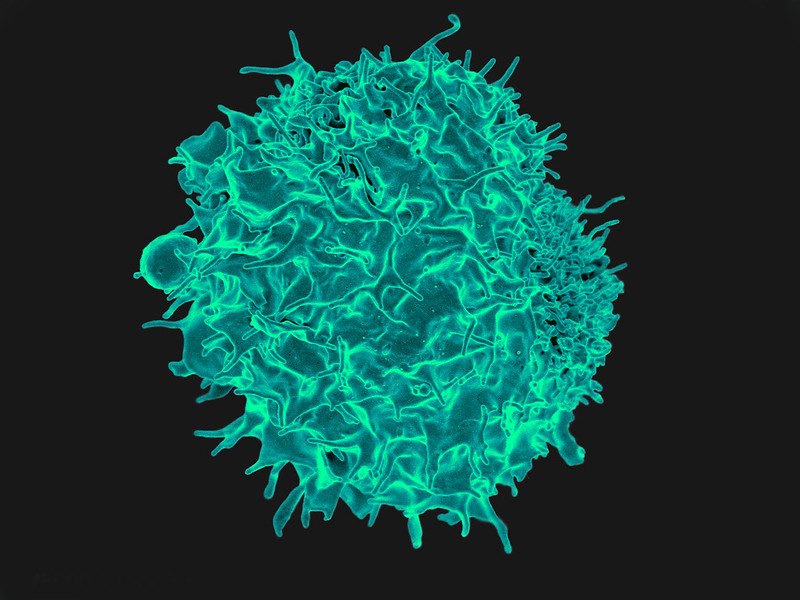
Scanning Electron Micrograph image of a human T cell. Credit: NIH/NIAID

New research published in the journal Immunity challenges the prevailing hypothesis for how donor stem cell grafts cause graft-versus-host disease (GVHD) and offers an alternative model that could guide development of novel therapies.

The study showed in a mouse model that GVHD, which often affects the skin, gut and liver, is maintained by donor T cells that seed those tissues soon after transplant and not by the continual recruitment of T cells from the blood as previously thought.

“This study changes the paradigm of how people think about GVHD,” said co-senior author Warren Shlomchik, MD, professor of medicine and immunology at the University of Pittsburgh School of Medicine. “It provides important mechanistic detail about what’s going on in the tissues affected by GVHD, which could ultimately inform the development of better therapeutics and lead to better outcomes for stem cell recipients.”

Allogeneic stem cell transplantation involves infusion of stem cells from a healthy donor’s blood or bone marrow to a recipient. While often lifesaving for patients with leukaemia and other blood disorders, the treatment also comes with a risk of developing GVHD, a life-threatening disease that occurs when donor alloreactive T cells attack the recipient’s healthy tissues.

According to a widely held theory, GVHD is maintained by T cells that continually migrate from secondary lymphoid organs throughout the body, including the spleen and lymph nodes, to affected tissues via the blood.

However, a different model posits that the disease is maintained locally by T cells in the tissues with little input from the blood. In the new study, Shlomchik, lead author Faruk Sacirbegovic, PhD, research assistant professor of surgery at Pitt, and their team investigated the two hypotheses for how GVHD is sustained in tissues.

The researchers developed a system to track alloreactive T cells in a mouse model of GVHD by labelling individual cells with unique tags to create different T cell “flavours.” By measuring the tags over time, they monitored where the T cells travelled and replicated.

The analysis showed that each tissue affected by GVHD had unique T cell populations with varying frequencies of each T cell flavour.

“This finding is strong evidence that the disease is locally maintained by T cells in each of the tissues,” explained Shlomchik. “If tissues were constantly getting T cells from circulating blood, then the frequencies of T cell flavors in each tissue should become more and more alike over time — but we didn’t see that.”

The team used mathematical models to predict that progenitor T cells seed out into recipient tissues early after transplant, differentiating there into disease-causing cells.

Next a series of experiments was conducted to confirm this prediction and identified these progenitors as T cells expressing a gene called Tcf7.

“We think that progenitor T cells are long-lived in target tissues and are critical for maintaining GVHD,” said co-senior author Thomas Höfer, PhD, professor of theoretical systems biology at the University of Heidelberg. “After the initial seeding phase, the disease is mostly sustained within the tissue itself without a lot of input from new T cells in the blood.”

Stem cell recipients are typically treated with immunosuppressants to prevent and treat GVHD. As these powerful drugs act systemically to suppress the immune system, they also lower immunity to infections and have other side effects.

According to the researchers, the study’s insights could eventually lead to new, targeted therapies for GVHD.

“Now that we know the identity of progenitor cells, we might be able to prevent them forming early post-transplant or target them directly after they’ve formed,” said Shlomchik. “The findings also suggest that treating GVHD in the tissues themselves would be effective – although targeting tissues beyond the skin remains a challenge.”

With better ways to minimise the risk of GVHD after stem cell transplantation, the procedure could become more widely used to treat a broader range of diseases, including blood disorders such as sickle cell anaemia and autoimmune diseases such as lupus and multiple sclerosis.

Source: University of Pittsburgh

FBI Disrupts Cybercrime Group Which Extorted Hospitals

Photo by Nahel Abdul Had on Unsplash

The Hive ransomware group that has targeted more than 1500 victims in over 80 countries around the world, including hospitals, has been disrupted in a months-long campaign against, the US Justice Department has announced.

Hive ransomware attacks have caused major disruptions in victim daily operations around the world and hindered responses to the COVID pandemic. In one case, a hospital attacked by Hive ransomware had to fall back to pen and paper to treat existing patients and could not take new admissions shortly after the attack. 

The Justice Department revealed that the FBI had penetrated Hive’s computer network and captured its decryption keys, which were then offered to victims around the world. This saved them $130 million in ransom they would have had to otherwise pay to get their networks back.

Finally, the department announced that, in coordination with German and Dutch law enforcement, it has seized control of the servers and websites that Hive uses to communicate with its members, disrupting Hive’s ability to attack and extort victims.

Since June 2021, the Hive ransomware group has targeted more than 1500 victims around the world and received over $100 million in ransom payments.  

Hive used a ransomware-as-a-service (RaaS) model featuring administrators, and affiliates. RaaS is a subscription-based model where the administrators develop an easy-to-use ransomware strain and then recruit affiliates to deploy the ransomware against victims. Affiliates identified targets and deployed this readymade malicious software to attack victims and then earned a percentage of each successful ransom payment.

Hive actors used a double-extortion model of attack: before encrypting the victim’s system, the affiliate would steal sensitive data. The affiliate then sought a ransom for both the decryption key necessary to decrypt the victim’s system and a promise to not publish the stolen data – usually the most sensitive, such as hospital patient data. After a victim pays, the affiliates and administrators split the ransom 80/20. Victims who do not pay on the Hive Leak Site. After Consulate Health Care was unable to pay the ransom, since its insurance did not cover such cyber crimes, Hive posted 550GB of personally identifiable information on its patients and employees online.

For more information about the malware, including technical information for organisations about how to mitigate its effects, is available from CISA, visit https://www.cisa.gov/uscert/ncas/alerts/aa22-321a.