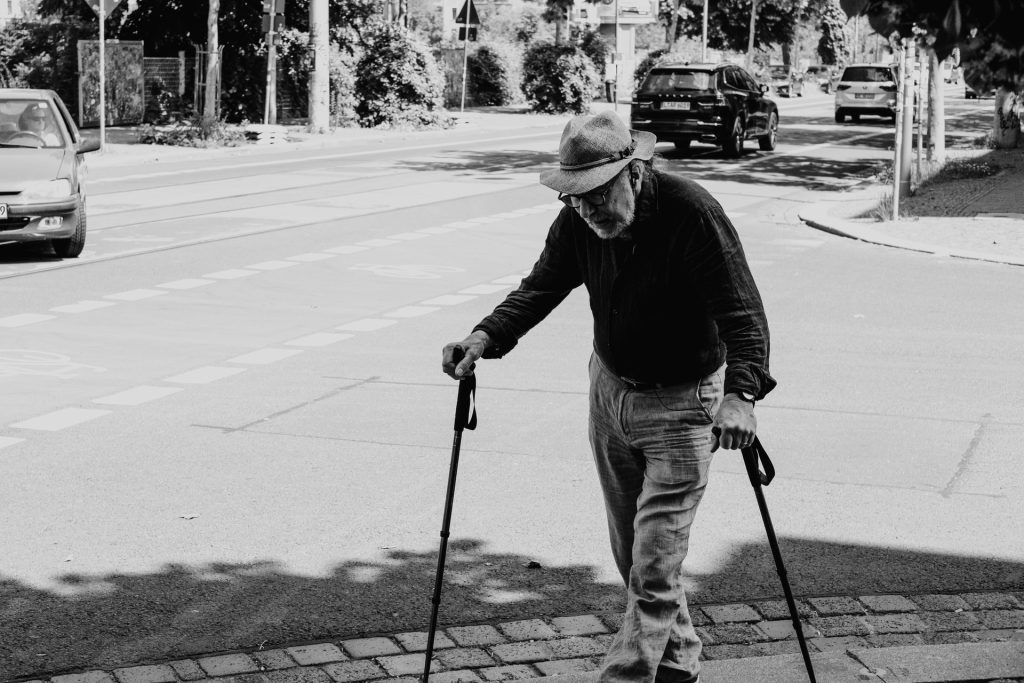
Sublingual Immunotherapy for Food Allergies Safe and Effective for High-risk Children

Photo by Corleto on Unsplash

New research from the University of British Columbia reveals a safe path to overcoming food allergies for older children and others who can’t risk consuming allergens orally to build up their resistance. Sublingual immunotherapy (SLIT) involves placing smaller amounts of food allergens under the tongue.

A study conducted by UBC clinical professor and paediatric allergist Dr Edmond Chan and his team at BC Children’s Hospital Research Institute found SLIT to be as safe and effective for high-risk older children and adolescents as oral immunotherapy is for preschoolers.

The study was published in The Journal of Allergy and Clinical Immunology.

“Our work confirms the safety and effectiveness of SLIT for older children and adolescents with multiple food allergies at higher risk of severe reaction,” said Dr Chan. “These are patients for whom oral immunotherapy would typically be denied because it’s felt to be too risky, so this could be the best approach for that population.”

Previously published research from Dr Chan’s team has shown that preschool oral immunotherapy is safe and effective in the real world. The protocol involves a “build-up phase” of several months, when patients visit a clinic every two weeks to ingest a higher dose of an allergen under medical supervision before continuing the same daily dose between visits. When they reach a certain dose – usually around 300mg of protein – they enter a “maintenance phase” during which they take that target daily dose at home. After a year of maintenance doses, approximately four out of five patients are able to pass an oral challenge test in which they tolerate a much higher dose of 4000mg of protein.

However, the build-up phase is risky for older children and those with a history of severe reactions. Dr Chan’s group has been looking for a safer way to get this at-risk group of patients to the maintenance phase.

They recruited about 180 such patients between the ages of four and 18, most with multiple food allergies. The SLIT protocol (started when COVID-19 pandemic restrictions were in place) required patients to have virtually supervised appointments 3-5 times over several months to build up to a small dose – in most cases, just 2mg of protein – which is absorbed through the membranes under the tongue rather than swallowed and ingested.

The patients’ caregivers learned how to mix and administer these doses at home using novel recipes based on products you can buy at the grocery store, developed with the team’s research dietitian. A wide variety of allergens were treated, including peanut, other legumes, tree nuts, sesame, other seeds, egg, cow’s milk, fish, wheat, shrimp, and other allergens. Patients took these doses daily for 1–2 years.

“It takes up to twice as long as oral immunotherapy, but we wouldn’t have had it any other way, because we needed the superior safety of SLIT for these older kids that are felt to be more severe,” said Dr. Chan.

While most patients had mild symptoms during the build-up phase, none had severe reactions during either build-up or maintenance. Seventy per cent of those tested at the end of the protocol could tolerate 300mg of their allergen – a success rate nearly as high as that for oral immunotherapy.

The results were encouraging for a therapy that any family can undertake at home with guidance from professionals.

“Besides safety considerations in older children, allergists are often quite burdened by the oral immunotherapy build-up phase, where a patient may require 11 or more visits to the clinic. They just don’t feel they have the capacity to offer that many visits in their office,” said Dr Chan. “In our clinic, we are starting to do more home-based approaches because the demand for medical appointments that would allow supervision far outstrips the supply. We are trying to develop an approach, based on data, that matches a patient’s risk level with the appropriate amount of supervision. Our SLIT data suggests that home-based SLIT build-up is safe.”

Ultimately, the trial highlights an alternative that allergists should now consider for patients who cannot safely undertake oral immunotherapy. The trade-off for greater safety is simply a longer timeline, but it comes with the benefit of keeping clinics free for those who need them most.

Source: University of British Columbia

Yoga Provides Unique Cognitive Benefits to Older Women at Risk of Alzheimer’s disease

Photo by Mikhail Nilov

A new UCLA Health study found Kundalini yoga provided several benefits to cognition and memory for older women at risk of developing Alzheimer’s disease including restoring neural pathways, preventing brain matter decline and reversing aging and inflammation-associated biomarkers – improvements not seen in a group who received standard memory training exercises.

The findings, published in the journal Translational Psychiatry, are the latest in a series of studies led by UCLA Health researchers over the past 15 years into the comparative effects of yoga and traditional memory enhancement training on slowing cognitive decline and addressing other risk factors of dementia.

Led by UCLA Health psychiatrist Dr. Helen Lavretsky of the Jane and Terry Semel Institute for Neuroscience and Human Behavior, this latest study sought to determine whether Kundalini yoga could be used early on to prevent cognitive decline and trajectories of Alzheimer’s disease among postmenopausal women.

Women have about twice the risk of developing Alzheimer’s disease compared to men due to several factors including longer life expectancy, changes in oestrogen levels during menopause and genetics.

In the new study, a group of more than 60 women ages 50 and older who had self-reported memory issues and cerebrovascular risk factors were recruited from a UCLA cardiology clinic. The women were divided evenly into two groups. The first group participated in weekly Kundalini yoga sessions for 12 weeks while the other one group underwent weekly memory enhancement training during the same time period. Participants were also provided daily homework assignments.

Kundalini yoga is a method that focuses on meditation and breath work more so than physical poses. Memory enhancement training developed by the UCLA Longevity centre includes a variety of exercises, such as using stories to remember items on a list or organising items on a grocery list, to help preserve or improve long-term memory of patients.

Researchers assessed the women’s cognition, subjective memory, depression and anxiety after the first 12 weeks and again 12 weeks later to determine how stable any improvements were. Blood samples were also taken to test for gene expression of aging markers and for molecules associated with inflammation, which are contributing factors to Alzheimer’s disease. A handful of patients were also assessed with MRIs to study changes in brain matter.

Researchers found the Kundalini yoga group participants saw several improvements not experienced by the memory enhancement training group. These included significant improvement in subjective memory complaints, prevention in brain matter declines, increased connectivity in the hippocampus which manages stress-related memories, and improvement in the peripheral cytokines and gene expression of anti-inflammatory and anti-aging molecules.

“That is what yoga is good for – to reduce stress, to improve brain health, subjective memory performance and reduce inflammation and improve neuroplasticity,” Lavretsky said.

Among the memory enhancement training group, the main improvements were found to be in the participants’ long-term memory.

Neither group saw changes in anxiety, depression, stress or resilience, though Lavretsky stated this is likely because the participants were relatively healthy and were not depressed.

While the long-term effects of Kundalini yoga on preventing or delaying Alzheimer’s disease require further study, Lavretsky said the study demonstrates that using yoga and memory training in tandem could provide more comprehensive benefits to the cognition of older women.

“Ideally, people should do both because they do train different parts of the brain and have different overall health effects,” Lavretsky said. “Yoga has this anti-inflammatory, stress-reducing, anti-aging neuroplastic brain effect which would be complementary to memory training.”

Source: University of California – Los Angeles Health Sciences

Dual Immunotherapy Drugs Show Promise vs a Range of Advanced Cancers

Squamous cancer cell being attacked by cytotoxic T cells. Image by National Cancer Institute on Unsplash

In an early phase clinical trial, a combination of antibody-based medications targeting the immune system generated promising safety data and anti-tumour activity in individuals with various types of advanced cancer. The findings appear online in CANCER, a peer-reviewed journal of the American Cancer Society.

Both medications tested in the trial are checkpoint inhibitors, and support immune responses against tumour cells. CS1002 increases the activation and proliferation of T immune cells by binding to a T cell receptor called CTLA-4. CS1003, also called nofazinlimab, blocks the programmed cell death protein 1 that is expressed on various types of immune cells and plays a role in suppressing the immune system.

In this first-in-human multicentre, open-label study conducted from April 26, 2018 to January 18, 2022 at 9 study sites in Australia and China, phase Ia involved monotherapy dose-escalation (Part 1), which was followed by phase Ib combination therapy dose escalation (Part 2) and expansion (Part 3). Various dosing schedules of CS1002 (0.3, 1, or 3mg/kg once every three weeks, or 3mg/kg once every 9 weeks) were evaluated with 200mg CS1003 once every three weeks.

Parts 1, 2, and 3 of the trial included 13, 18, and 61 patients, respectively, who had advanced/metastatic solid, relapsed, or refractory tumors. During treatment, investigators did not observe any dose-limiting toxicities or a maximum tolerated dose. Treatment-related side effects such as diarrhoea, fatigue, and rash were reported in 30.8%, 83.3%, and 75.0% of patients in Parts 1, 2, and 3, respectively. Serious side effects such as intestinal inflammation and severe skin reactions were experienced by 15.4%, 50.0%, and 18.3% of patients in each part.

Of 61 patients evaluable for treatment efficacy, 23 (37.7%) with different types of tumours experienced a positive response. Higher response rates occurred with conventional and high-dose CS1002 regimens (1mg/kg once every three weeks or 3mg/kg once every 9 weeks) compared with low-dose CS1002 (0.3mg/kg once every three weeks) in certain cancers such as melanoma and skin cancer.

“CS1002 in combination with CS1003 had manageable safety profile across a broad dosing range and showed promising anti-tumor activities across CS1002 dose levels when combined with CS1003,” the investigators wrote. They concluded that this warranted more testing of CS1002 in combination with CS1003 for the treatment of solid tumours.

Source: Wiley

Prolonged Screentime Associated with Increased Nocturia

Photo by Jan Antonin Kolar on Unsplash

In a study published in Neurourology and Urodynamics, adults who spent five or more hours a day watching TV and/or videos were more likely to develop nocturia, or the need to urinate multiple times during the night.

The study drew from 2011–2016 data from the National Health and Nutrition Examination Survey. Among 13 294 US individuals aged 20 and older, 4236 (31.86%) reported experiencing nocturia, while 9058 (68.14%) did not. Participants with five or more hours of TV and/or video viewing time per day had a 48% higher risk of experiencing nocturia compared with those with less than one hour of daily TV and/or video viewing time.

“As individuals increasingly engage in screen‐based activities, a comprehensive understanding of the impact of extended TV and/or video time on patterns of nocturia is crucial for both healthcare professionals and public health practitioners,” the authors wrote. “For individuals who engage in prolonged TV and/or video time, healthcare professionals can offer behavioural intervention recommendations, encouraging appropriate screen time management.”

Source: Wiley

Simple Cognitive-behavioural Intervention Reduces Postpartum Depression

Photo by Burst on Pexels

Results from a large clinical trial published in Nature Medicine show that an intervention for anxiety provided to pregnant women living in Pakistan significantly reduced the likelihood of the women developing moderate-to-severe anxiety, depression, or both six weeks after birth. The unique intervention was administered by non-specialised providers who had the equivalent of a bachelor’s degree in psychology – but no clinical experience. The results suggest this intervention could be an effective way to prevent the development of postpartum mental health challenges in women living in low-resource settings.

“In low resource settings, it can be challenging for women to access mental health care due to a global shortage of trained mental health specialists,” said Joshua A. Gordon, MD, PhD, Director of the National Institute of Mental Health, part of the National Institutes of Health.

“This study shows that non-specialists could help to fill this gap, providing care to more women during this critical period.”

Led by Pamela J. Surkan, PhD, ScD, of Johns Hopkins Bloomberg School of Public Health, Baltimore, the study was conducted in the Punjab Province of Pakistan between April 2019 and January 2022.

Pregnant women with symptoms of at least mild anxiety were randomly assigned to receive either routine pregnancy care or a cognitive behavioral therapy (CBT)-based intervention called Happy Mother-Healthy BabyThe researchers assessed the participants (380 women in the CBT group and 375 women in the routine care group) for anxiety and depression six weeks after the birth of their child.

The researchers found that 9% of women in the intervention group developed moderate-to-severe anxiety compared with 27% of women in the routine care group.

Additionally, 12% percent of women in the intervention group developed depression compared with 41% of women in the routine care group.

“Postpartum depression not only harms mothers, it is also associated with poorer physical growth and delayed cognitive development in their children,” said Dr Surkan.

“The link between maternal and child health highlights the critical importance of developing effective ways to address postpartum anxiety and depression.”

The Happy Mother-Healthy Baby intervention was created using input from pregnant women in a hospital in Rawalpindi, Pakistan.

Pregnant women took part in six intervention sessions where they learned to identify anxious thoughts and behaviors, such as thoughts about possible miscarriage, and to practice replacing them with helpful thoughts and behaviors.

The first five sessions were conducted in early to mid-pregnancy, and the sixth session occurred in the third trimester.

Prior research suggests that up to 30% of women in the Global South, which includes South America, Africa, and most of southern Asia, report experiencing anxiety during pregnancy.

Anxiety during pregnancy predicts the development of anxiety and depression after birth, making the prenatal period a prime target for intervention.

However, it can be challenging for women living in low-resource settings to access trained clinical care.

The findings from this study demonstrate that an intervention such as Happy Mother-Healthy Baby could be an effective way to help prevent the development of postpartum depression and anxiety in settings where specialist clinical care may be hard to access.

“In the future, we can build on these findings through implementation research. Having identified an intervention that works, the next step is to figure out the best ways to deliver effective treatment to the people who need it, bridging the gap between science and practice,” said Dr Surkan.

Source: NIH/National Institute of Mental Health

In the Fight against Brain Pathogens, the Eyes Have it

Photo by Victor Freitas on Pexels

The eyes have been called the window to the brain. It turns out they also serve as an immunological barrier that protects the organ from pathogens and even tumours, Yale researchers have found. In a new study, researchers showed that vaccines injected into the eyes of mice can help disable the herpes virus, a major cause of brain encephalitis.

To their surprise, the vaccine activates an immune response through lymphatic vessels along the optic nerve.

The results were published Feb. 28 in the journal Nature.

“There is a shared immune response between the brain and the eye,” said Eric Song, an associate research scientist and resident physician in Yale School of Medicine’s Department of Immunobiology and corresponding author of the paper.

“And the eyes provide easier access for drug therapies than the brain does.”

Wanting to explore immunological interactions between brain and eyes, the research team, which was led by Song, found that the eyes have two distinct lymphatic systems regulating immune responses in the front and rear of the eye.

After they vaccinated mice with inactivated herpes virus, the researchers found that lymphatic vessels in the optic nerve sheath at the rear of the eye protected mice not only from active herpes infections, but from bacteria and even brain tumors.

Harnessing this new biology, Song’s team is currently testing newly created drugs from his lab delivered through eye injections that may help combat macular edema, or leaky blood vessels of the retina common in people with diabetes, and glaucoma.

“These results reveal a shared lymphatic circuit able to mount a unified immune response between posterior eye and the brain, highlighting an understudied immunological feature of the eyes and opening up the potential for new therapeutic strategies in ocular and central nervous system diseases,” the authors wrote.

Source: Yale University

Cannabis Use Linked to Increase in Heart Attack and Stroke Risk

Photo by Thought Catalog on Unsplash

An analysis of 430 000 adults in the U.S. found that using cannabis, most commonly through smoking, eating or vaporising it, was significantly associated with a higher risk of heart attack and stroke, even after controlling for tobacco use (combustible cigarettes and other tobacco products) and other cardiovascular risk factors, according to new research published today in the Journal of the American Heart Association.

Although cannabis, or marijuana, is illegal at the federal level, 24 states and Washington, D.C., have legalized the use of recreational cannabis. Additionally, the number of people in the U.S. who use cannabis has increased significantly in recent decades, according to the 2019 National Survey on Drug Use and Health from the Substance Abuse and Mental Health Services Administration of the U.S. Department of Health and Human Services.

The annual survey found that in 2019, 48.2 million people ages 12 or older reported using cannabis at least once, compared to 25.8 million people ages 12 or older in 2002, an increase to 17% from 11%.

“Despite common use, little is known about the risks of cannabis use and, in particular, the cardiovascular disease risks,” said lead study author Abra Jeffers, PhD, a data analyst at Massachusetts General Hospital in Boston. “The perceptions of the harmfulness of smoking cannabis are decreasing, and people have not considered cannabis use dangerous to their health. However, previous research suggested that cannabis could be associated with cardiovascular disease. In addition, smoking cannabis – the predominant method of use – may pose additional risks because particulate matter is inhaled.”

In this study, researchers reviewed survey data collected for 430 000 adults from 2016 through 2020 to examine the association between cannabis use and adverse cardiovascular outcomes including heart disease, heart attack and stroke. The survey data was collected through the Behavioral Risk Factor Surveillance System, a national, cross-sectional survey performed annually by the U.S. Centers for Disease Control and Prevention.

The researchers specifically investigated whether cannabis use was associated with adverse cardiovascular outcomes among the general adult population, among people who had never smoked tobacco or used e-cigarettes, and among younger adults (defined as men under age 55 and women under age 65) at risk for heart disease. They also factored in the number of days per month that people used cannabis.

The analyses of found:

  • Any cannabis use (smoked, eaten or vaporized) was independently associated with a higher number of adverse cardiovascular outcomes (coronary heart disease, myocardial infarction and stroke) and with more frequent use (more days per month), the odds of adverse outcomes were even higher. The results were similar after controlling for other cardiovascular risk factors, including tobacco and/or e-cigarette use, alcohol consumption, body mass index, Type 2 diabetes and physical activity.
  • Both daily and non-daily cannabis users had an increased risk of heart attack compared to non-users; daily cannabis users had 25% higher odds of heart attack compared to non-users.
  • The odds of stroke for daily cannabis users were 42% higher compared to non-users, with lower risk among those who used cannabis less than daily.
  • Among younger adults at risk for premature cardiovascular disease (defined as men younger than 55 years old and women younger than 65 years old) cannabis use was significantly associated with 36% higher combined odds of coronary heart disease, heart attack and stroke, regardless of whether or not they also used traditional tobacco products. A separate analysis of a smaller subgroup of these adults who had never smoked tobacco cigarettes or used nicotine e-cigarettes also found a significant association between cannabis use and an increase in the combined odds of coronary heart disease, heart attack and stroke.

“Our sample was large enough that we could investigate the association of cannabis use with cardiovascular outcomes among adults who had never used tobacco cigarettes or e-cigarettes,” Jeffers said. “Cannabis smoke is not all that different from tobacco smoke, except for the psychoactive drug: THC vs. nicotine. Our study shows that smoking cannabis has significant cardiovascular risk risks, just like smoking tobacco. This is particularly important because cannabis use is increasing, and conventional tobacco use is decreasing.”

Study background and details:

  • Survey participants were ages 18-74, with an average age of 45 years.
  • About half of the participants self-identified as female. 60.2% self-identified as white adults, 11.6 self-identified as Black adults, 19.3 self-identified as Hispanic adults and 8.9% self-identified as other.
  • Nearly 90% of adults did not use cannabis at all; 7% used it less than daily; and 4% were daily users. Among current cannabis users, 73.8% reported smoking as the most common form of cannabis consumption. More than 60% of total respondents had never used tobacco cigarettes; 28.6% of daily cannabis users had never used tobacco cigarettes; 44.6% of non-daily cannabis users had never used tobacco cigarettes and 63.9% of participants who did not use cannabis had never used tobacco cigarettes.

The study had several limitations, including that cardiovascular conditions and cannabis use were self-reported, making them potentially subject to recall bias (potential errors in memory); that the authors did not have health data measuring participants’ baseline lipid profile or blood pressure; and the study captured data for only a single point in time for the participants. The authors note that there is a need for prospective cohort studies to examine the association of cannabis use and cardiovascular outcomes while accounting for frequency of cannabis use.

“The findings of this study have very important implications for population health and should be a call to action for all practitioners, as this study adds to the growing literature that cannabis use and cardiovascular disease may be a potentially hazardous combination,” said Robert L. Page II, PharmD, MSPH, FAHA, chair of the volunteer writing group for the 2020 American Heart Association Scientific Statement: Medical Marijuana, Recreational Cannabis, and Cardiovascular Health. Page is professor of clinical pharmacy, medicine and physical medicine at the Skaggs School of Pharmacy and Pharmaceutical Sciences at the University of Colorado School of Medicine in Aurora, Colorado. Page was not involved in this study.

“In the overall population, the study findings are consistent with other studies indicating that daily cannabis use was associated with an increase in heart attack, stroke and the combined endpoint of coronary heart disease, heart attack and stroke,” he said. “As cannabis use continues to grow in legality and access across the U.S., practitioners and clinicians need to remember to assess cannabis use at each patient encounter in order to have a non-judgmental, shared decision conversation about potential cardiovascular risks and ways to reduce those risks.”

Source: American Heart Association

Difficulty in Navigating could Predict Alzheimer’s Years Before Symptom Onset

People at risk of Alzheimer’s disease have impaired spatial navigation before they develop problems with other cognitive functions, including memory, finds a new study led by UCL researchers.

The research, published in Alzheimer’s & Dementia: The Journal of the Alzheimer’s Association, used virtual reality to test the spatial navigation of 100 asymptomatic midlife adults, aged 43-66, from the PREVENT-Dementia prospective cohort study.

Participants had a hereditary or physiological risk of Alzheimer’s disease, due to either a gene (the APOE-ε4 allele) that puts them at risk of the condition, a family history of Alzheimer’s disease, or lifestyle risk factors such as low levels of physical activity. Crucially, these participants were around 25 years younger than their estimated age of dementia onset.

Led by Professor Dennis Chan, the study used a test designed by Dr Andrea Castegnaro and Professor Neil Burgess (all UCL Institute of Cognitive Neuroscience), in which participants were asked to navigate within a virtual environment while wearing VR headsets.

The researchers found that people at greater risk of developing Alzheimer’s disease, regardless of risk factor, were selectively impaired on the VR navigation task, without a corresponding impairment on other cognitive tests. The authors say their findings suggest that impairments in spatial navigation may begin to develop years, or even decades, before the onset of any other symptoms.

First author, Dr Coco Newton (UCL Institute of Cognitive Neuroscience), who carried out the work while at University of Cambridge said: “Our results indicated that this type of navigation behaviour change might represent the very earliest diagnostic signal in the Alzheimer’s disease continuum — when people move from being unimpaired to showing manifestation of the disease.”

The researchers also found that there was a strong gender difference in how participants performed, with the impairment being observed in men and not women.

Dr Newton added: “We are now taking these findings forward to develop a diagnostic clinical decision support tool for the NHS in the coming years, which is a completely new way of approaching diagnostics and will hopefully help people to get a more timely and accurate diagnosis.

“This is particularly important with the emergence of anti-amyloid treatments for Alzheimer’s, which are considered to be most effective in the earliest stages of the disease.

“It also highlights the need for further study of the differing vulnerability of men and women to Alzheimer’s disease and the importance of taking gender into account for both diagnosis and future treatment.”

Professor Chan said: “We are excited by these findings for two main reasons. First, they improve detection of the clinical onset of Alzheimer’s disease, critical for prompt application of treatments.

“Second, the VR navigation test is based on our knowledge of the spatial properties of cells in the brain’s temporal lobe, and the application of cellular neuroscience to clinical populations helps bridge the gap in understanding how disease at the neuronal level can result in the clinical manifestation of disease. This knowledge gap currently represents one of the biggest barriers to progress in Alzheimer’s research.”

Source: University College London

COVID Vaccination and Antibody Responses Found to be Long-lasting

Image by Fusion Medical on Unsplash

A long-term analysis conducted by leading microbiologists at the Icahn School of Medicine at Mount Sinai reveals that antibody responses induced by COVID vaccines are long-lasting. The study results, published online in the journal Immunity, challenge the idea that mRNA-based vaccine immunity wanes quickly.

The emergence of SARS-CoV-2 in late 2019 sparked the global pandemic that is now in its fifth year. Vaccines that were developed at record speed have saved millions of lives. However, the emergence of SARS-CoV-2 variants and waning immunity have decreased the effectiveness of the vaccines against symptomatic disease. The common perception now is that mRNA-based vaccine-induced immunity wanes quickly. However, this assumption is largely based on data from short-term studies that include a very limited number of data points following peak responses.

The Mount Sinai research team’s analysis of more than 8000 samples collected over a three-year period in New York City examined how antibody responses to the virus’s spike protein changed after infections, during the primary immunisation series, during monovalent and bivalent booster vaccination, and during breakthrough infections.

They found that upon primary immunisation, participants with pre-existing immunity (those who had previously been infected with the virus) mounted higher antibody responses faster and achieved higher steady-state antibody titres than individuals who had not been previously infected. The waning of antibody response was characterised by two phases: an initial rapid decay from the strong peak after vaccination, followed by a stabilisation phase with very slow decay, suggesting that antibody levels were very long-lasting. Booster vaccination equalised the differences in antibody concentration between participants with and without pre-existing immunity. Breakthrough infections increased antibodies to similar levels as an additional vaccine dose in individuals who had not previously been infected.

This investigation represents one of the most extensive and in-depth assessments of the longevity of SARS-CoV-2 immune responses to date. Its major conclusion is that changes in the virus that allow it to evade immunity, rather than waning immunity, are the major reason for breakthrough infections.

“Ours is one of the longest-running COVID-19 studies out there,” said Viviana Simon, MD, PhD, Professor of Microbiology, Medicine and Pathology, Molecular and Cell-Based Medicine, at Icahn Mount Sinai and lead author of the paper. “Following the same group of people monthly over time is rare and powerful because you can compare immune responses on an individual level. SARS-CoV-2 continues to evolve, so this research is important to provide an understanding about the impact of new variants and new vaccine doses on a healthy immune system, and to guide all of us to make the best choices to maintain protection against the virus that continues to circulate in our communities.”

This in-depth analysis was made possible through the Protection Associated with Rapid Immunity to SARS-CoV-2 (PARIS) study, an observational, longitudinal cohort of health care workers of the Mount Sinai Health System that was initiated in April 2020. At that time, the densely populated New York metropolitan area was hit with an exponential increase in severe SARS-CoV-2 infections, and essential workers in the health care system were at high risk for infection. In response to the crisis, a team of leading virologists, physician-scientists, and pathologists at Mount Sinai established a specific and sensitive SARS-CoV-2 binding enzyme-linked immunosorbent assay to accurately measure the SARS-CoV-2 antibody titres. This test was used to measure immune responses in the PARIS cohort in order to determine how quickly the antibody defences were mounted and much these changed over the months and years of follow up.

In addition to showing the impact on a person’s individual antibody response to vaccines based on the type of vaccine received and whether or not they were infected before receiving the first dose, the PARIS study made possible the development of a mathematical model that can be used to predict and characterize antibody responses of both individual people and populations.

“People have pandemic fatigue and vaccine uptake has slowed, especially after the vaccines started to be charged to insurance,” said Komal Srivastava, MS, Director of Strategy and Operation of the Mount Sinai Center for Vaccine Research and Pandemic Preparedness and co-first author of the paper. “We were pleasantly surprised to see that the booster doses promoted a large antibody response regardless of a person’s personal infection history, so we are hopeful that our study findings will encourage people to get their vaccine boosters when eligible and to stay engaged in research. Our work also showcases the impact of viral evolution over time and why it’s critical to keep studies like this going, despite the pandemic fatigue.”

According to the research team, the PARIS model has broad applications for studying the kinetics of antibodies produced to different COVID vaccines in diverse populations. They stress much more work remains to analyse side effects, applications of the antibody model and continued research about new vaccines and viral variants.

“This study adds an essential piece of data to understand the intricate immune response elicited by SARS-CoV-2 infection and COVID-19 vaccination,” says Juan Manuel Carreno Quiroz, PhD, Assistant Professor in the Department of Microbiology and co-first author of the paper. “In light of the emerging viral variants, which predominantly induce a cross-reactive antibody response against the spike protein, it will be exciting to characterise in depth the role of these antibodies – in particular the non-neutralising ones – in protection against the most recent circulating viral variants. Likewise, monitoring the induction of variant-specific antibodies after multiple exposures by breakthrough infections and by administration of updated COVID-19 vaccines, such as the XBB.1.5 monovalent booster, will be key to understand the evolution of the antibody response over time.”

Source: The Mount Sinai Hospital / Mount Sinai School of Medicine

More Stem Cell Donors Needed to Increase the Aplastic Anaemia Survival Rate

Photo by National Cancer Institute on Unsplash

Despite being one of the rarest blood disorders, Aplastic Anaemia is one of the deadliest, with about 70% of patients having a life expectancy of only one year if untreated.

Among the treatment options available, stem cell transplants offer hope, boasting a 96% survival rate that increases to 100% in children and adults under 40. Unfortunately, however, there are only 76 019 donors on the South African registry, meaning that the chances of Aplastic Anaemia patients finding a suitable match are slim.

“The chances are even slimmer for Black Aplastic Anaemia patients as only 33% of the registry is comprised of Black donors,” says Palesa Mokomele, Head of Community Engagement and Communications at DKMS Africa, who explains that a patient’s best chance of a match comes from within their own ethnic group.

Currently, the non-profit organisation is trying to find matching donors for at least seven South African Aplastic Anaemia patients between the ages of seven and 36. Some of these patients, like 21-year-old Kholiwe, have been on the waiting list since as far back as 2020.

During her matric year, she started experiencing symptoms and after being rushed to the hospital following a fainting spell, received the shocking diagnosis. Compounding the situation for the aspiring drama student was the withdrawal of support from her family, leaving her all alone to cope emotionally and financially with the disease. As she waits for a matching donor to be found, Kholiwe now has the challenge of finding permanent employment while simultaneously undergoing medical treatments to keep her alive. Despite these hardships, she remains hopeful about finding a matching stem cell donor. “Kholiwe’s future, and those of other Aplastic Anaemia patients, depends on this,” says Mokomele.

Explaining what Aplastic Anaemia is, she shares that, based on information gathered by DKMS Africa in conjunction with BLOODSA, the condition occurs when our bone marrow stops making enough blood cells. “This can lead to anaemia, a weak immune system, and an increased risk of bleeding and bruising.”

As for the cause of Aplastic Anaemia, Mokomele points out that this is due to bone marrow damage. “While some people are born with compromised bone marrow, others develop this as a consequence of pregnancy, genetic disorders, certain medicines or chemicals, an overactive immune system or viral infections such as HIV and Hepatitis.”

In light of Aplastic Anaemia Awareness Day on 4 March, she encourages all South Africans to familiarise themselves with the symptoms. “These include tiredness; feeling weak; pale skin and tongue; bruising and bleeding easily; rapid heartbeat; trouble breathing; frequent infections; headaches and dizziness.”

Similarly, 10-year-old Mesuli’s experience highlights the challenges faced by Aplastic Anaemia patients and their families. His journey began with drastic weight loss and constant fatigue. The once energetic and always bubbly little boy grew weak and started having severe nose bleeds. That’s when his aunt Nonhle, who is caring for him following the passing of his mother, consulted a doctor. With his illness forcing him to leave school, Mesuli’s new reality consists of going to the hospital every Wednesday for a blood transfusion.

“It hurts to see him in pain because it hurts me too. All I want is for him to grow and live out his dreams. I am begging each South African to think of Mesuli, spread the word and get your family and friends registered to help save the life of my boy. His life hangs in the hands of a perfect stranger,” pleads Nonhle.

Mesuli hopes to one day become a doctor and save lives, the same way he hopes his life will be saved.

“Bearing Aplastic Anaemia Awareness Day in mind, we encourage South Africans to pay close attention to their health and that of their loved ones, especially as the rarity of the disease does not diminish its severity. But, more importantly, we need those who are healthy to register as stem cell donors and save the lives of patients with this deadly disease,” concludes Mokomele.

Register today at https://www.dkms-africa.org/register-now

For more information, contact DKMS Africa on 0800 12 10 82.