A Humanist with an Unblinking gaze – Professor Ntobeko Ntusi Takes the Hot-seat at the South African Medical Research Council

Professor Ntobeko Ntusi in front of a painting depicting student protests inside his office at Groote Schuur Hospital – the same office that once housed his mentor, the late Professor Bongani Mayosi. (Photo: Biénne Huisman/Spotlight)

Professor Ntobeko Ntusi may be softspoken, but he is not afraid to stand by his strongly held views. As he is set to take up the hot-seat at the country’s primary health research funder, he tells Spotlight’s Biénne Huisman about his background and his priorities for the new job.

Professor Ntobeko Ntusi’s bearing brings to mind the aphorism “speak softly and carry a big stick” cited by the 26th president of the United States Theodore Roosevelt.

Inside his office at Groote Schuur’s Old Main Building, department head of medicine at the hospital; Ntusi is soft spoken, his words a few decibels above a whisper. However his observations are thoughtful and sharp, crafted with precision. Known to call out issues around race and racism at South African universities – “inbuilt biases” even amongst young students – his level, unblinking gaze commands attention.

Born in Umthatha to academic parents, Ntusi at age 13 was named South African Junior Ballroom Dance Champion at an event in Sasolburg. Some three decades later, the cardiologist with qualifications from around the world, does not sidestep public healthcare debate in favour of keeping the peace.

Catastrophic budget cuts

Earlier this year, Ntusi publicly criticised healthcare budget cuts. R200 million was shaved off Groote Schuur’s coffers just last year, as the Western Cape Department of Health and Wellness announced an R807.8 million shortfall for the coming year. Speaking to Spotlight, Ntusi described communication on the matter by provincial government officials (with healthcare professionals) as “appalling”.

In February, Ntusi was one of a group of executives at the hospital – affiliated to the University of Cape Town (UCT) – who spearheaded a petition to national and provincial treasury, decrying “crippling austerity” and “catastrophic budget cuts”; saying how clinicians with multiplying work hours are watching patients deteriorate, as waiting lists for lifesaving elective surgery grow longer.

At a boardroom table inside his office, he says: “How we ration limited resources, this is causing real moral injury to our front-facing clinicians. I mean, we’re having to deal with complaints from patients who no longer have access to services they have grown accustomed to. This is causing a lot of distress, especially among young doctors, and medical registrars – the engine of our operation – who are increasingly anxious and taking time out for mental health reasons.”

In his present position, Ntusi’s voice has clout. He oversees thirteen divisions – from cardiology to pulmonology, and infectious diseases and HIV medicine – and corresponding research units such as the Desmond Tutu HIV Centre, directed by Professor Linda-Gail Bekker.

‘Hope cannot be a strategy’

Reflecting on how Groote Schuur’s management are responding to these challenges, Ntusi says the hospital’s CEO (since February) Shaheem de Vries, while new, in time ought to bring concrete priorities to the table. “It’s important to have hope, but hope cannot be a strategy,” he says.

This insight may well inform how he approaches his own new job as CEO and President of the South African Medical Research Council (SAMRC), taking over from Professor Glenda Gray. From July, Ntusi will give up his Groote Schuur office, putting away his clinician’s stethoscope, to take up the hot-seat at the country’s primary health research funder at its headquarters behind a facebrick facade in Parow. The SAMRC employs 718 employees and will see Ntusi answer to the National Department of Health, the SAMRC board, and the Parliamentary Portfolio Committee on Health (you can see the latest report to the committee here).

Across medical bureaucracies, budget remains an issue. The South African government allocated R1.35 billion to the SAMRC for 2023/24. In the council’s latest annual report, diminishing funding from government is listed as a threat; while the ability to attract external funding is listed as a strength.

“A key role of the President of the SAMRC is to engage with organisations like the Wellcome Trust [in the United Kingdom] and the NIH [the National Institutes of Health in the United States] and high worth individuals to attract funding,” says Ntusi.

He points out that the SAMRC has had clean audits for several years running – a remarkable achievement for a South African parastatal. Indeed, the council’s annual performance plan for 2024/2025 states: “Despite interruptions of COVID-19, SAMRC’s exemplary performance and good governance led to the organisation achieving four consecutive clean audits… It is the organisation’s intention to continue on the same path.”

On the SAMRC’s functions, Ntusi explains: “For government, the SAMRC plays a critical role in bridging the gap between strategy and policy, and implementation. In science, it plays a critical role in providing priorities for the funding of research, and capacity building…”

In the SAMRC’s last financial year, R61.6 million was allocated to funding 171 “research capacity development” grants, including 120 to women. The annual report describes this as funding “the next generation of health researchers… with most of these awards aimed at individuals from historically disadvantaged backgrounds.”

For Ntusi, points of focus to be expanded on at the SAMRC include health issues relating to climate or planetary change, epidemic preparedness, “restoring trust in science in an age of misinformation”, digital health and artificial intelligence; and projects linking South African scholars with research entities across Africa. “In many of these countries, they don’t have the research infrastructure and budgets we have in South Africa – it is important to assist them with projects.”

To the US and back home

When he was 14, Ntusi’s family – he is one of three boys – moved to the United States where his mother pursued a PhD in social work. In Philadelphia, Pennsylvania, he continued competitive ballroom dancing while attending Lower Merion High School, where a video on child birth showed in a biology class stirred his passions.

At liberal arts college Haverford, in Pennsylvania, he completed a BSc Honours in cellular and molecular biology, before returning “home” to South Africa in 1999, to enrol in medical school at UCT. Here his initial interest in obstetrics was disappointed – “it was loud and messy, an anti-climax” – seeing him drawn to internal medicine and cardiology instead. In following years, he would study cardiovascular medicine under mentorship of the late Professor Bongani Mayosi.

Like Mayosi, Ntusi was awarded the Oxford Nuffield Medical Scholarship, which funded his D.Phil at the University of Oxford in the United Kingdom. His doctoral research looked at cardiovascular magnetic resonance (CMR – noninvasive tests that produce images of a beating heart) to study inflammatory heart disease.

In 2016, Ntusi took over from Mayosi as head of Groote Schuur’s department of medicine, as Mayosi became dean of the university’s faculty of health sciences. At the time Ntusi continued treating cardiology patients, with ongoing research projects including on HIV-related heart disease.

Seven years later, against pale yellow walls (the same walls decorated by Mayosi back when it was his office) several art works and certificates attest to Ntusi’s time here. He points out one painting of student protestors made by a friend – based on the #FeesMustFall protests at the university in 2016 – “a difficult time”, he says.

In 2018, Mayosi’s suicide was partially attributed by some to pressures relating to the violent protests; while also putting a spotlight on pressure on prominent black academics at UCT, and other tertiary institutions in South Africa. An enquiry found that the “sometimes disrespectful manner” in which protest was conducted, and “instigation of students’ action by some of his colleagues”, caused Mayosi “a lot of distress”.

Displayed on a shelf, beside a stuffed doll of the Archbishop Desmond Tutu and a 2021 SAMRC gold trophy for “scientific achievement”, a burgundy-bound book recounts Mayosi’s legacy. Ntusi penned the introduction, where he writes: “Bongani Mayosi – as a leader, he was awesome. He is one of the most inspiring people I will ever know. He always reminded me: ‘a journey of a thousand miles begins with a few steps’.”

Asked about following in the footsteps of a star such as Mayosi, Ntusi replies: “I am his protégée. There were always room for me to build my own scientific investigations.”

Precarious times

As Ntusi is poised to depart from Groote Schuur, present dean of UCT health sciences Associate Professor Lionel Green-Thompson points out how the cardiologist cared for critically ill patients in COVID-19 high-care wards, particularly during the fear and uncertainty of hard lockdown.

“Sometimes we would work up to 16 hour shifts in the high-care wards; upon finally leaving I’d go outside to find anti-vaccine protestors in front of the hospital. I mean, they were just annoying,” Ntusi recalls.

“Communication around the AstraZeneca vaccine went very badly – increasing confusion and vaccine hesitancy. It is really, really important to advocate for vaccines. And this brings me back to the point of restoring people’s faith in science; redressing the public image of science, a priority I have for the SAMRC going forward.” (After procuring the AstraZeneca SARS-CoV-2 vaccine, the South African government decided early in 2021 not to use it after it showed limited efficacy against mild to moderate COVID-19 in a study.)

Foremost, Ntusi describes himself as a “humanist”. Apart from science, medicine and health equity, his interests include art, wine and dogs. Ntusi lives in Milnerton. A keen runner, he is a member of the Gugulethu Athletics Club.

Republished from Spotlight under a Creative Commons licence.

Source: Spotlight
Our Nurses, Our future: Addressing the Critical Issue of Sustainability in SA’s Healthcare Sector

Photo by Hush Naidoo on Unsplash

With only 22 090 nurses to serve the country’s public health sector of more than 50 million citizens1, urgent intervention is required to bolster their numbers and protect the wellbeing of our nation. After all, without their tireless dedication, who will be there to guide you through the corridors back to health? writes Bada Pharasi, CEO of the Innovative Pharmaceutical Association of South Africa (IPASA)

As the global healthcare industry commemorates International Nurses Day on 12 May, it is an opportune moment to reflect on the role of nurses as the heartbeat of healthcare systems globally. Amid turmoil and triumph, nurses stand as the unsung heroes and compassionate caretakers who embody empathy, endurance and expertise. 

In South Africa, where healthcare challenges often loom large and resources are stretched thin, nurses serve as the frontline warriors, bridging the gap between suffering and healing. Yet, despite the invaluable role they play, a concerning trend looms.

Minister of Health, Joe Phaahla, recently revealed a pressing concern – the anticipation of a staggering 30% of South African nurses retiring within the next decade, and 38% retiring the decade thereafter. Compounding the issue, 5060 vacancies remain unfilled on the back of crippling budget constraints1

Representing over 90% of global healthcare workers2, nurses are indispensable in the healthcare ecosystem, and addressing this impending crisis of their reducing numbers demands comprehensive and multifaceted solutions that approach the challenge from every angle.

The nurse shortage crisis in South Africa stems from multiple factors. Firstly, the escalating healthcare needs of a growing population, compounded by the burden of infectious diseases such as HIV/AIDS, have strained the healthcare system to breaking point.

Another factor is the restricted capacity of the private sector to train nurses comprehensively due to existing regulations. Moreover, poor working conditions, particularly in the public sector, and comparatively low salaries have led to high turnover rates, prompting nurses to explore alternative career paths or seek employment opportunities abroad3

While there are many challenges to defusing the proverbial ticking time bomb which is the declining number of qualified nurses in South Africa, increased investment across the board is critical to strengthening their ranks. 

Despite financial investment being central in realising this, addressing the problem demands a focus on improving the working conditions of nurses. Healthcare facilities must prioritise nurses’ well-being by offering competitive salaries, manageable workloads, and opportunities for career growth. By creating a supportive work environment, South Africa can retain more nurses and deter them from seeking opportunities abroad3.

Furthermore, granting private hospitals full participation in nurse training programmes is crucial. Private sector entities, such as Netcare, have the capacity to train as many as 3,500 nurses annually. However, limited accreditation from the government hampers their potential contribution to resolving the nurse shortage. Expanding private sector involvement in nurse training could substantially increase the number of trained nurses in the country3.

In addition to these measures, collaborative efforts between the government, healthcare institutions, and nursing organisations are essential. Such partnerships can identify and implement strategies to alleviate the shortage, including targeted recruitment drives, mentorship programmes, and initiatives to improve nurses’ job satisfaction and work-life balance3.

Innovative approaches to addressing the nurse shortage in South Africa extend beyond traditional solutions. Telemedicine platforms are emerging as a promising tool, allowing nurses to deliver care remotely and reach patients in underserved areas. 

Additionally, community health worker programmes are being expanded to complement nursing services and extend healthcare access to marginalised communities. Furthermore, initiatives to empower and support nurse entrepreneurs are gaining traction, encouraging the development of innovative care models and healthcare solutions. 

These diverse approaches reflect a multifaceted response to the nurse shortage crisis, leveraging technology, community engagement, and entrepreneurship to strengthen the healthcare workforce and improve access to care for all South Africans.

References:

1. Only 22 000 nurses for 50 million South Africans [Internet]. Democratic Alliance. [cited 2024 May 2]. Available from: https://www.da.org.za/2023/06/only-22-000-nurses-for-50-million-south-africans

2. Experiences of nurses and midwives in policy development in low- and middle-income countries: Qualitative systematic review. International Journal of Nursing Studies Advances. 2023 Dec 1;5:100116.

3. [Opinion] Nurse shortage crisis in South Africa [Internet]. Centre for Risk Analysis. 2023 [cited 2024 May 2]. Available from: https://cra-sa.com/media/opinion-nurse-shortage-crisis-in-south-africa

Genomic ‘Butterfly Effect’ Explains Risk for Autism spectrum Disorder

Photo by Sangharsh Lohakare on Unsplash

Researchers in Japan discovered that a special kind of genetic mutation works differently from typical mutations in how it contributes to autism spectrum disorder (ASD). In essence, because of the three-dimensional structure of the genome, mutations are able to affect neighbouring genes that are linked to ASD, thus explaining why ASD can occur even without direct mutations to ASD-related genes. This study appeared in the scientific journal Cell Genomics.

ASD is a group of conditions characterised in part by repetitive behaviours and difficulties in social interaction. Although it runs in families, the genetics of its heritability are complex and remain only partially understood. Studies have shown that the high degree of heritability cannot be explained simply by looking at the part of the genome that codes for proteins. Rather, the answer could lie in the non-coding regions of the genome, particularly in promoters, the parts of the genome that ultimately control whether or not the proteins are actually produced. The team led by Atsushi Takata at in the RIKEN Center for Brain Science (CBS) examined de novo gene variants (new, non-inherited mutations) in these parts of the genome.

The researchers analysed an extensive dataset of over 5000 families, making this one of the world’s largest genome-wide studies of ASD to date. They focused on TADs – three-dimensional structures in the genome that allow interactions between different nearby genes and their regulatory elements. They found that de novo mutations in promoters heightened the risk of ASD only when the promoters were located in TADs that contained ASD-related genes. Because they are nearby and in the same TAD, these de novo mutations can affect the expression of ASD-related genes. In this way, the new study explains why mutations can increase the risk of ASD even when they aren’t located in protein-coding regions or in the promotors that directly control the expression of ASD-related genes.

“Our most important discovery was that de novo mutations in promoter regions of TADs containing known ASD genes are associated with ASD risk, and this is likely mediated through interactions in the three-dimensional structure of the genome,” says Takata.

To confirm this, the researchers edited the DNA of stem cells using the CRISPR/Cas9 system, making mutations in specific promoters. As expected, they observed that a single genetic change in a promotor caused alterations in an ASD-associated gene within the same TAD. Because numerous genes linked to ASD and neurodevelopment were also affected in the mutant stem cells, Takata likens the process to a genomic “butterfly effect” in which a single mutation dysregulates disease-associated genes that are scattered in distant regions of the genome.

Takata believes that this finding has implications for the development of new diagnostic and therapeutic strategies. “At the very least, when assessing an individual’s risk for ASD, we now know that we need to look beyond ASD-related genes when doing genetic risk assessment, and focus on whole TADs that contain ASD-related genes,” explains Takata. “Further, an intervention that corrects aberrant promoter-enhancer interactions caused by a promotor mutation may also have therapeutic effects on ASD.”

Further research involving more families and patients is crucial for better understanding ASD’s genetic roots. “By expanding our research, we will gain a better understanding of the genetic architecture and biology of ASD, leading to clinical management that enhances the well-being of affected individuals, their families, and society,” says Takata.

Source: RIKEN

Poor Sleep When Young may Drive Osteoporosis in Later Life

Photo by Andrea Piacquadio

Adequate sleep can help prevent osteoporosis, according to a growing body of research. As part of the University of Colorado Department of Medicine’s annual Research Day, held on April 23, faculty member Christine Swanson, MD, MCR, described her clinical research on how sleep interacts with osteoporosis.

“Osteoporosis can occur for many reasons such as hormonal changes, aging, and lifestyle factors,” said Swanson, an associate professor in the Division of Endocrinology, Metabolism, and Diabetes. “But some patients I see don’t have an explanation for their osteoporosis.

“Therefore, it’s important to look for novel risk factors and consider what else changes across the lifespan like bone does – sleep is one of those,” she added.

How bone density and sleep change over time

In people’s early- to mid-20s, they reach what is called peak bone mineral density, which is higher for men than it is for women, Swanson said. This peak is one of the main determinants of fracture risk later in life.

Bone density mostly plateaus for a couple of decades. Then, when women enter the menopausal transition, they experience accelerated bone loss. Men also experience bone density decline as they age.

Sleep patterns also evolve over time. As people get older, their total sleep time decreases, and their sleep composition changes. For instance, sleep latency, which is the time it takes to fall asleep, increases with age. On the other hand, slow wave sleep, which is deep restorative sleep, decreases as we age.

“And it’s not just sleep duration and composition that change. Circadian phase preference also changes across the lifespan in both men and women,” Swanson said, referring to people’s preference for when they go to sleep and when they wake up.

How is sleep linked to bone health?

Genes that control our internal clock are present in all of our bone cells, Swanson said.

“When these cells resorb and form bone, they release certain substances into the blood that let us estimate how much bone turnover is going on at a given time,” she said.

These markers of bone resorption and formation follow a daily rhythm. The amplitude of this rhythm is larger for markers of bone resorption than it is for markers of bone formation, she said.

“This rhythmicity is likely important for normal bone metabolism and suggests that sleep and circadian disturbance could directly affect bone health,” she said.

Researching the connection between sleep and bone health

To further understand this relationship, Swanson and colleagues researched how markers of bone turnover responded to cumulative sleep restriction and circadian disruption.

For this study, participants lived in a completely controlled inpatient environment. The participants did not know what time it was, and they were put on a 28-hour schedule instead of a 24-hour day.

“This circadian disruption is designed to simulate the stresses endured during rotating night shift work and is roughly equivalent to flying four time zones west every day for three weeks,” she said. “The protocol also caused participants to get less sleep.”

The research team measured bone turnover markers at the beginning and end of this intervention and found significant detrimental changes in bone turnover in both men and women in response to the sleep and circadian disruption. The detrimental changes included declines in markers of bone formation that were significantly greater in younger individuals in both sexes compared to the older individuals.

In addition, young women showed significant increases in the bone resorption marker.

If a person is forming less bone while still resorbing the same amount – or even more – then, over time, that could lead to bone loss, osteoporosis, and increased fracture risk, Swanson said.

“And sex and age may play an important role, with younger women potentially being the most susceptible to the detrimental impact of poor sleep on bone health,” she said.

Research in this area is ongoing, she added.

Source: University of Colorado Anschutz Medical Campus

Can We Make Medicine Taste Less Bitter?

Adhering to medications may no longer be a “bitter pill to swallow”

Photo by Danilo Alvesd on Unsplash

The bitter taste of certain drugs is a barrier to taking some medications as prescribed, especially for people who are particularly sensitive to bitter taste. Published in Clinical Therapeutics, a team from the Monell Chemical Senses Center found that the diabetes drug rosiglitazone could partially block the bitter taste of some especially bad-tasting medications.

“To our knowledge, there are no previous reports on the bitter-blocking effect of this diabetes drug,” said first author Ha Nguyen, PhD, Monell Postdoctoral Fellow. Rosiglitizone was identified as a potential bitter blocker using tests of human cells from taste tissue.

The team conducted taste-testing experiments on research participants in the United States and Poland, and they found that adding rosiglitazone to the medicines reduced bitterness for many, but not all, research participants.

“People differ, and we need to test many types of people from different parts of the world to make sure that efforts to reduce bitterness and make medicines easier to take work well for all people,” said senior author Danielle Reed, PhD, Monell Chief Science Officer.

These results suggest having more blockers to choose from will help entirely suppress the bitterness of many types of medicines for a wide range of populations and ancestries. Mixtures of several blockers may help attain a low-to-zero-bitterness standard for even the most bitter-tasting medicines.

“Although rosiglitazone was only partially effective as a bitter blocker in this study, modifying these drugs to improve potency, palatability, and efficacy may allow us to find a better version of this drug,” said Nguyen.

“Rosiglitazone is valuable as a bitter blocker because it is potentially effective in most people and is part of a class of drugs already approved worldwide for treating diabetes.”

Next steps in this line of research include a similar study that measures bitter blocking in several hundred African and Asian immigrants to add to the diversity of participants’ ancestries with regard to bitter taste.

Source: Monell Chemical Senses Center

Exercise, New Drug Class Recommended for Management of Hypertrophic Cardiomyopathy

Human heart. Credit: Scientific Animations CC4.0

The American College of Cardiology (ACC) and the American Heart Association (AHA) today released a new clinical guideline for effectively managing individuals diagnosed with hypertrophic cardiomyopathy (HCM). The guideline, published in Circulation, reiterates the importance of collaborative decision-making with patients who have HCM and provides updated recommendations for the most effective treatment pathways for adult and paediatric patients.

HCM is an inherited cardiac condition most often caused by a gene mutation that makes the heart muscle too thick (hypertrophy), which impairs its ability to adequately pump blood throughout the body. HCM affects approximately 1 in every 500 individuals; however, a significant portion of cases remain undiagnosed because many people do not exhibit symptoms. Occasionally, the first time HCM is diagnosed is after a sudden death. People who do have symptoms may experience episodes of fainting, chest pain, shortness of breath or irregular heartbeats.

“Incorporating the most recent data, this new guideline equips clinicians with the latest recommendations for the treatment of HCM,” said Steve R. Ommen, MD, FACC, medical director of the Mayo Hypertrophic Cardiomyopathy Clinic and chair of the guideline writing committee. “We’re seeing more evidence that patients with HCM can return to their normal daily lives with proper care and management.”

Updated recommendations in the guideline reflect recent evidence about HCM treatment and management including new forms of pharmacologic management; participation in vigorous recreational activities and competitive sports; and risk stratification for sudden cardiac death (SCD) with an emphasis on pediatric patients.

The guideline includes recommendations for adding cardiac myosin inhibitors, a new class of medication for patients with symptomatic obstructive HCM who do not get adequate symptom relief from first-line drug therapy. Symptomatic obstructive HCM is a type of HCM where the heart muscle is restricted. Cardiac myosin inhibitors are the first FDA-approved class of medication to specifically target the thickening of the heart muscle instead of treating the symptoms, however they are monitored under the FDA’s Risk Evaluation and Mitigation Strategies (REMS) program, which may create additional steps and time for both the clinician and the patient. Clinicians require special training to prescribe the medication, and patients require regular screenings.

“These new drugs offer an alternative for patients who have failed first-line therapy and either want to delay or possibly avoid more aggressive options,” Ommen said. “With this guideline, we’re providing clinicians with point-of-care guidance about effectively using this first-in-class, evidence-based treatment option and improving their patients’ quality of life.”

In addition to medication treatment, growing evidence is showing that the benefits of exercise outweigh the potential risks for patients with HCM. Low to moderate intensity recreational exercise should be part of how HCM patients manage their overall health. For some HCM patients, competitive sports may be considered in consultation with HCM clinical specialists.

“Recommendations for physical activity continue to evolve with research,” Ommen said. “As part of a healthy lifestyle, patients with HCM are now encouraged to engage in low-to-moderate intensity physical activities. We’re seeing how vigorous physical activities can be reasonable for some individuals. With shared decision-making between the clinician and the patient, some patients may even be able to return to competitive sports.”

Poorly managed HCM may lead to many complications including SCD. The new guideline includes recommendations for assessing and managing the risk of SCD by establishing clear risk markers. Guidance for integrating risk markers with tools to estimate an individual patient’s SCD risk score is recommended to aid in the patient/clinician shared decision-making regarding implantable cardioverter defibrillator placement, incorporating a patient’s personal level of risk tolerance and specific treatment goals including quality of life.

Several recommendations in the new guideline extend to paediatric patients. A specific paediatric risk stratification for SCD is emphasised, with risk calculators specific to children and adolescents and stressing the importance of HCM centres with expertise in paediatrics. The new guideline extends exercise stress testing recommendations to include children diagnosed with HCM to help determine functional capacity and provide prognostic feedback.

Source: American College of Cardiology

Neuropathy is More Common and is Underdiagnosed

Source: Pixabay CC0

Neuropathy, the nerve damage that causes pain and numbness in the feet and hands and can eventually lead to falls, infection and even amputation, is very common and underdiagnosed, according to a study published in Neurology®, the medical journal of the American Academy of Neurology.

“More than one-third of people with neuropathy experience sharp, prickling or shock-like pain, which increases their rates of depression and decreases quality of life,” said study author Melissa A. Elafros, MD, PhD, of the University of Michigan in Ann Arbor and a member of the American Academy of Neurology. “People with neuropathy also have an increased risk of earlier death, even when you take into account other conditions they have, so identifying and treating people with or at risk for neuropathy is essential.”

The study involved 169 people from an outpatient internal medicine clinic serving mainly Medicaid patients in Flint, Michigan. The participants had an average age of 58 years and 69% were Black people. One-half of the people had diabetes, which can cause neuropathy. A total of 67% had metabolic syndrome, which is defined as having excess belly fat plus two or more of the following risk factors: hypertension, elevated triglycerides, hyperglycaemia and low high-density lipoprotein (HDL) cholesterol. These risk factors are also associated with neuropathy.

All participants were tested for distal symmetric polyneuropathy. Information about other health conditions was also collected. A total of 73% of the people had neuropathy. Of those, 75% had not been previously diagnosed with the condition. Nearly 60% of those with neuropathy were experiencing pain. Of those with neuropathy, 74% had metabolic syndrome, compared to 54% of those who did not have neuropathy.

After adjusting for other factors that could affect the risk of neuropathy, researchers found that people with metabolic syndrome were more than four times more likely to have neuropathy than people who did not have the syndrome.

Risk differs according to race

Researchers were also looking for any relationship between race and income and neuropathy, as few studies have been done on those topics. There was no relationship between low income and neuropathy. For race, Black people had a decreased risk of neuropathy. Black people made up 60% of those with neuropathy and 91% of those without neuropathy.

“The amount of people with neuropathy in this study, particularly undiagnosed neuropathy, was extraordinarily high with almost three fourths of the study population,” Elafros said. “This highlights the urgent need for interventions that improve diagnosis and management of this condition, as well as the need for managing risk factors that can lead to this condition.” A limitation of the study is that it is a snapshot in time; it did not follow people to see who developed neuropathy over time. It also did not look at reasons why people were not able to manage risk factors that can lead to neuropathy.

Source: American Academy of Neurology

Years after His Passing, Researcher’s Cancer Target Discovery Bears Fruit

Some of the final work of a late University of Virginia School of Medicine scientist has opened the door for life-saving new treatments for solid cancer tumours, including breast cancer, lung cancer and melanoma.

Prior to his sudden death in 2016, John Herr, PhD, had been collaborating with Craig L. Slingluff Jr, MD, to investigate the possibility that a protein recently discovered at Herr’s lab could be a viable cancer treatment target.

Eight years of research has borne that idea out: Herr’s research into the SAS1B protein could lead to “broad and profound” new treatments for multiple cancers, many of which are very difficult to treat, Slingluff reports in a new scientific paper in the Journal for ImmunoTherapy of Cancer. Herr is listed as a senior author on the paper.

“John was very excited about this protein SAS1B to be a valuable new target on human cancers, and I am delighted that our findings together further support his hope to make such a difference,” said Slingluff, a surgical oncologist and translational immunologist at UVA Health and the UVA School of Medicine. “The work we published included work done by Dr Herr and his team over a period of years, as well as our subsequent work together; so, I am glad that the journal agreed with our request to include John as a senior author.”

Promising New Cancer Target

Herr’s lab was not originally focused on cancer – he was the head of UVA’s Center for Research in Contraceptive and Reproductive Health. In that role, he developed the first home fertility test for men, SpermCheck, which is available in pharmacies across the country. But his discoveries about the SAS1B protein found in developing eggs in women could pave the way for new cancer immunotherapies.

While SAS1B is found inside female reproductive cells called oocytes, it is also found on the surface of many different solid cancer cells, Slingluff’s new research verifies. Importantly, it did not appear on the surface of any of the other normal cells Slingluff’s laboratory tested. That suggests that doctors may be able to develop use antibody-based immunotherapy – such as antibody-drug conjugates or CAR T-cell therapy, a strength of UVA Health – to attack the cancer cells while sparing healthy tissue.

“Selectively targeting SAS1B has the potential to have broad and profound impact on the treatment, and therefore reduction in mortality, of multiple malignancies,” Slingluff and his colleagues write in their new paper.

While much more work needs to be done, the new findings are promising. If the approach is successful, it could be a big step forward in cancer care. Many solid-organ cancers are extremely difficult to treat, and patients often have few good treatment options, Slingluff notes.

“Immune therapy is revolutionising treatment of human cancers,” Slingluff said. “But some cancers have been particularly resistant to immune therapy because of the lack of good targets on those cancers. We hope that this work that John Herr started will bring new hope to patients with those cancers.”

Source: University of Virginia Health System

Magnetic Device may Offer a New Way to Treat Depression

Credit: Nagoya University

A head-mounted device that generates an ultra-low frequency ultralow magnetic field has been found to improve the symptoms of four male patients diagnosed with major depressive disorder. Future trials using the device may offer a safe and noninvasive way of treating depression. The results were published in the Asian Journal of Psychiatry.

The presence of a magnetic field with frequencies typically ranging from 0 to 300 Hz is known as an Extremely Low Frequency Magnetic Environment (ELF-ELME). Although the interaction between magnetic fields and biological systems is complex and not well understood, this frequency is believed to stimulate mitochondria and induce their renewal. Since mitochondria generate energy, they offer a potential way to treat many of the symptoms associated with depression such as lethargy.

For this study, the research team led by Professor Toshiya Inada at Nagoya University Graduate School of Medicine and Masako Tachibana of Nagoya University Hospital in Japan enrolled four male Japanese participants diagnosed with depression and receiving treatment between the ages of 18 and 75 years in a clinical trial known as an exploratory first-in human study.

In exploratory studies such as this, both participants and researchers are aware of the treatment being administered. Although the sample size is small and there is no control group, researchers can focus on gathering preliminary data to explore the safety, dosage, and potential efficacy of a new intervention.

Throughout the trial, participants wore a head-mounted magnetic field device that exposed them to ELF-ELME for two hours per day for eight weeks. As predicted, the researchers found that all patients reported a drop in their level of depression.

Although the experiment was an exploratory trial with a limited number of participants and no control group, the findings suggest that larger scale clinical trials are feasible. If such trials prove to be effective, their research could lead to a groundbreaking change in the current clinical practice of depression treatment.

Inada believes that the device has great potential to treat depression more effectively in a patient-centred way. “The magnetic field generated by the device is non-invasive, being 1/4.5 of the Japanese geomagnetic field and less than 1/60 of the International Commission on Non-Ionizing Radiation Protection’s general public exposure standard,” he said, “We anticipate that patients will be able to receive daily home treatment without even being aware of being in a low magnetic field environment.”

He continued: “Compared to current depression treatments, such as long-term antidepressant medications, electroconvulsive therapy, and repetitive transcranial magnetic stimulation, this therapy is superior in terms of convenience and lack of anticipated side effects. We could see our device being used for patients who prefer not to take medication or safely in combination with other treatments.”

Source: Nagoya University

Expanding Lymph Nodes to Improve Vaccine Effectiveness

Swollen lymph nodes. Credit: Scientific Animations CC0

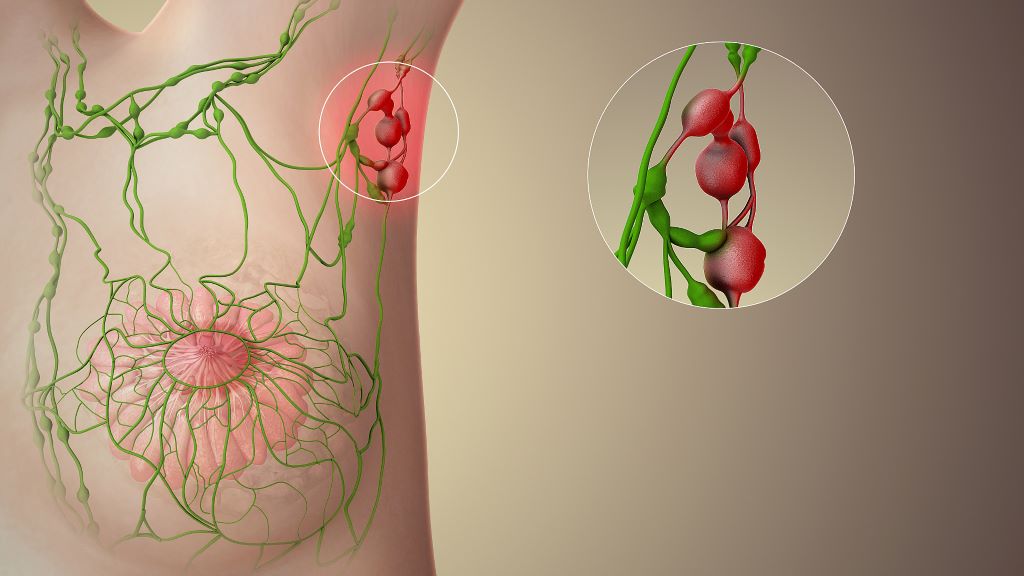
The human body has around 600 lymph nodes (LNs) scattered throughout it, small, bean-shaped organs that house various types of blood cells and filter lymph fluid which temporarily swell during infections with viruses or other pathogens. This LN expansion and subsequent contraction can also result from vaccines injected nearby, and in fact is thought to reflect the ongoing vaccine immune response. While researchers have studied the early expansion of LNs following vaccination, they have not investigated whether prolonged LN expansion could affect vaccine outcomes.

Now, for the first time, researchers from Harvard University and the company Genentech found a way to enhance and extend LN expansion, and study how this phenomenon affects both the immune system and efficacy of vaccinations against tumours.

Key to their approach was a biomaterial vaccine formulation that enabled greater and more persistent LN expansion than standard control vaccines. While the oversized LNs maintained a normal tissue organization, they displayed altered mechanical features and hosted higher numbers of various immune cell types that commonly are involved in immune responses against pathogens and cancers. Importantly, “jump-starting” lymph node expansion prior to administering a traditional vaccine against a melanoma-specific model antigen led to more effective and sustained anti-tumour responses in mice. The findings are published in Nature Biomedical Engineering.

“By enhancing the initial and sustained expansion of LNs with biomaterial scaffolds, non-invasively monitoring them individually over long time periods, and probing deeply into their tissue architecture and immune cell populations, we tightly correlate a persistent LN expansion with more robust immune and vaccination responses,” said Wyss Institute Founding Core Faculty member David Mooney, Ph.D., who led the study. “This opens a new front of investigation for immunologists, and could have far-reaching implications for future vaccine developments.” Mooney also is the Robert P. Pinkas Family Professor of Bioengineering at SEAS, and a co-principal investigator of the NIH-funded and Wyss-coordinated Immuno-Engineering to Improve Immunotherapy (i3) Center.

The research team had previously developed biomaterial vaccine formulations, but had not investigated how their vaccines and those developed by others could influence the response of LNs draining leaked tissue fluid at vaccine injection sites, and have an impact on the LNs tissue organisation, different cell types, and their gene expression, which could in turn affect vaccine efficacy. In their new study, they tested a previously developed vaccine formulation that is based on microscale mesoporous silica (MPS) rods that can be injected close to tumours and form a cell-permeable 3D scaffold structure under the skin. Engineered to release an immune cell-attracting cytokine (GM-CSF), and immune cell-activating adjuvant (CpG), and tumour-antigen molecules, MPS-vaccines are able to reprogram recruited so-called antigen-presenting cells that, upon migrating into nearby LNs, orchestrate complex tumour cell-killing immune responses. Their new study showed that there are more facets to that concept.

“As it turns out, the immune-boosting functions of basic MPS-vaccines actively change the state of LNs by persistently enlarging their whole organ structure, as well as changing their tissue mechanics and immune cell populations and functions,” said first-author Alexander Najibi, PhD, who performed his Ph.D. thesis with Mooney.

Probing LNs with ultra-sound and nano-devices

Using high-frequency ultrasound, the team traced individual LNs in MPS-vaccinated mice over 100 days. They identified an initial peak expansion period that lasted until day 20, in which LN volumes increased about 7-fold, significantly greater than in animals that received traditional vaccine formulations. Importantly, the LNs of MPS-vaccinated mice, while decreasing in volumes after this peak expansion, remained significantly more expanded than LNs from traditionally vaccinated mice throughout the 100-day time course.

When Najibi and the team investigated the mechanical responses of the LNs using a nanoindentation device, they found that LNs in MPS-vaccinated animals, although maintaining an overall normal structure, were less stiff and more viscous in certain locations. This was accompanied by a re-organisation of a protein that assembles and controls cells’ mechanically active cytoskeleton. Interestingly, Mooney’s group had shown in an earlier biomaterial study that changing mechanical features of immune cells’ environments, especially their viscoelasticity, affects immune cell development and functions. “It is very well-possible that in order to accommodate the significant growth induced by MPS-vaccines, LNs need to become softer and more viscous, and that this then further impacts immune cell recruitment, proliferation, and differentiation in a feed-forward process,” said Najibi.

From immune cell engagement to vaccine responses

Interestingly, upon MPS-vaccination, the numbers of “innate immune cells,” including monocytes, neutrophils, macrophages, and other cell types that build up the first wave of immune defences against pathogens and unwanted cells, peaked first in expanding LNs. Peaking with a delay were dendritic cells (DCs), which normally transfer information in the form of antigens from invading pathogens and cancer cells to “adaptive immune cells” that then launch subsequent waves of highly specific immune responses against the antigen-producing invaders. In fact, along with DCs, also T and B cell types of the adaptive immune system started to reach their highest numbers. “It was fascinating to see how the distinct changes in immune cell populations that we detected in expanding LNs in response to the MPS-vaccine over time re-enacted a typical immune response to infectious pathogens,” commented Najibi.

Innate immune cells and DCs are also known as “myeloid cells,” which are known to interact with LN tissue during early expansion. To further define the impact of myeloid cells on LN expansion, Mooney’s team collaborated with the group of Shannon Turley, PhD, the VP of Immunology and Regenerative Medicine at Genentech, and an expert in lymph node biology and tumour immunology. “The MPS-vaccine led to extraordinary structural and cellular changes within the lymph node that supported potent antigen-specific immunity,” said Turley.

Using single cell RNA sequencing on myeloid cells from LNs, the groups were able to reconstruct distinct changes in myeloid cell populations during LN expansion, and identified distinct DC populations in durably expanded LNs whose changed gene expression was associated with LN expansion. In addition, the collaborators found that the number of monocytes was increased 80-fold upon MPS-vaccination – the highest increase among all myeloid cell types – and pinpointed subpopulations of “inflammatory and antigen-presenting monocytes” as promising candidates for facilitating LN expansion. In fact, when they depleted specific subpopulations of these types of monocytes from circulating blood of mice after vaccination, the maintenance of LN expansion, and timing of the T cell response to vaccination, was altered.

Finally, the team explored whether LN expansion could enhance the effectiveness of vaccination. “Jump-starting” the immune system in LNs with an antigen-free MPS-vaccine and subsequently administering the antigen in a traditional vaccine format significantly improved anti-tumour immunity and prolonged the survival of melanoma-bearing mice, compared to the traditional vaccine alone. “The priming of lymph nodes for subsequent vaccinations using various formulations could be a low-hanging fruit for future vaccine developments,” said Mooney.

Source: Wyss Institute for Biologically Inspired Engineering at Harvard