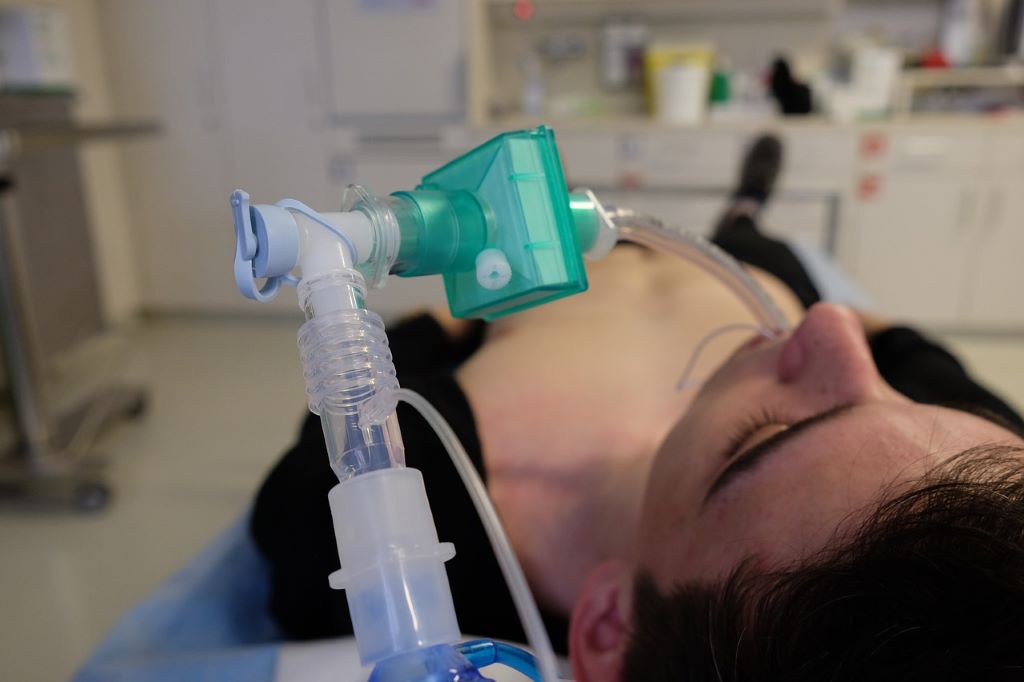
Each year in the US alone, approximately 750 000 patients are hospitalised for sepsis, of which approximately 27% die. In about 15% of cases, sepsis worsens into septic shock, characterised by dangerously low blood pressure and reduced blood flow to tissues. The risk of death from septic shock is even higher, between 30% and 40%.
The earlier patients with sepsis are treated, the better their prospects. Typically, they receive antibiotics, intravenous fluids, and vasopressors to raise blood pressure. But now, a large cohort study in Frontiers in Immunology has shown for the first time that supplementary treatment with statins could boost their chances of survival.
“Our large, matched cohort study found that treatment with statins was associated with a 39% lower death rate for critically ill patients with sepsis, when measured over 28 days after hospital admission,” said Dr Caifeng Li, the study’s corresponding author and an associate professor at Tianjin Medical University General Hospital in China.
Statins are best known as a protective treatment against cardiovascular disease, which function by lowering ‘bad’ LDL cholesterol and triglycerides, and raising ‘good’ HDL cholesterol. But they have been shown to bring a plethora of further benefits, which explains the burgeoning interest in their use as a supplementary therapy for inflammatory disorders, including sepsis.
Not just lowering cholesterol
“Statins have anti-inflammatory, immunomodulatory, antioxidative, and antithrombotic properties. They may help mitigate excessive inflammatory response, restore endothelial function, and show potential antimicrobial activities,” said Li.
The authors sourced their data from the public Medical Information Mart for Intensive Care-IV (MIMIC-IV) database, which holds the anonymised e-health records of 265 000 patients admitted to the emergency department and the intensive care unit of the Beth Israel Deaconess Medical Center of Boston between 2008 and 2019. Only adults with a diagnosis of sepsis hospitalised for longer than 24 hours were included here.
The authors compared outcomes between patients who received or didn’t receive any statins during their stay besides standard of care, regardless of the type of statin. Unlike in randomised clinical trials, the allocation of treatments is not determined by random in observational studies like the present cohort study. This means that it is in principle hard to rule out that an unknown underlying variable affected allocation, for example if physicians unconsciously or on purpose were prone to give statins to those patients most likely to benefit from them.
However, Li and colleagues used a technique called ‘propensity score matching’ to minimize the risk of such bias: they built a statistical model to determine a likelihood score that a given patient would receive statins, based on their medical records, and then found a matching patient with a similar score, but who didn’t receive statins. In the final sample, 6070 critical patients received statins while another 6070 did not.
Genetic ancestry is much more complicated than how people report their race and ethnicity. New research, using data from the National Institutes of Health’s (NIH) All of Us Research Program, finds that people who identify as being from the same race or ethnic group can have a wide range of genetic differences. The findings are reported June 5 in the American Journal of Human Genetics.
As doctors and researchers learn more about how genetic variants influence the incidence and course of human diseases, the study of genetic ancestry has become increasingly important. This research is driving the field of precision medicine, which aims to develop individualized healthcare.
People whose ancestors came from the same part of the world are likely to have inherited the same genetic variants, but self-identified race and ethnicity don’t tell the whole story about a person’s ancestors. NIH’s All of Us Research Program was created in part to address this puzzle and to learn more about how genetic ancestry influences human health.
In the current study, the investigators looked at the DNA of more than 230 000 people who have volunteered to share their health information for All of Us. They compared it to other large DNA projects from around the world using a technique called principal component analysis (PCA) to visualise population structure and help identify genetic similarity between individuals and groups of people. This analysis showed that people in the US have very mixed ancestry, and their DNA doesn’t always match the race or ethnicity they write on forms. Instead of falling into clear groups based on race or ethnicity, people’s genetic backgrounds show gradients of variation across different US regions and states.
This is especially significant for people who identify as being of Hispanic or Latino origin. These people have a wide-ranging blend of ancestries from European, Native American, and African groups. Importantly, genetic ancestry among these people varies across the US in part because of historic migration patterns. For example, Hispanics/Latinos in the Northeast are more likely to have Caribbean (and thus African) ancestry, and those in the Southwest are more likely to have Mexican and Central American (and thus Native American) ancestry.
One specific discovery was that ancestry was significantly associated with body mass index (BMI) and height, even after adjusting for socio-economic differences. For example, West and Central African ancestries were associated with higher BMI, whereas East Africa ancestry was associated with lower BMI. There were similar findings showing that people with ancestral origins from different parts of Europe have different body measurements including height, with northern European ancestry associated with greater height and southern European ancestry associated with shorter height. This suggests that subcontinental differences in ancestry can have opposite effects on biological traits and diseases.
This finding suggests that the subcontinental differences in ancestry between individuals can have opposite effects on biological traits, diseases, and health outcomes, emphasising the importance of not classifying individuals into broad ancestry groups such as African, European, or Asian. Doing this will help to make this research more accurate and will help to improve the field of precision medicine.
An experimental drug developed at Duke University School of Medicine could offer powerful pain relief without the dangerous side effects of opioids.
Called SBI-810, the drug is part of a new generation of compounds designed to target a receptor on the nerves and spinal cord. While opioids flood multiple cellular pathways indiscriminately, SBI-810 takes a more focused approach, activating only a specific pain-relief pathway that avoids the euphoric “high” linked to addiction.
In tests in mice, SBI-810 worked well on its own and, when used in combination, made opioids more effective at lower doses, according to the study published in Cell.
Even more encouraging: it prevented common side effects like constipation and buildup of tolerance, which often forces patients to need stronger and more frequent doses of opioids over time.
SBI-810 is in early development, but Duke researchers are aiming for human trials soon and have secured multiple patents for the discovery.
There’s an urgent need for non-opioid pain relievers. Researchers said the drug could be a safer option for treating both short-term and chronic pain for those recovering from surgery or living with diabetic nerve pain.
SBI-810 is designed to target the brain receptor neurotensin receptor 1. Using a method known as biased agonism, it switches on a specific signal – β-arrestin-2 – linked to pain relief, while avoiding other signals that can cause side effects or addiction.
“The receptor is expressed on sensory neurons and the brain and spinal cord,” Ji said. “It’s a promising target for treating acute and chronic pain.”
SBI-810 effectively relieved pain from surgical incisions, bone fractures, and nerve injuries better than some existing painkillers. When injected in mice, it reduced signs of spontaneous discomfort, such as guarding and facial grimacing.
Duke scientists compared SBI-810 to oliceridine, a newer type of opioid used in hospitals, and found SBI-810 worked better in some situations, with fewer signs of distress.
Unlike opioids like morphine, SBI-810 didn’t cause tolerance after repeated use. It also outperformed gabapentin, a common drug for nerve pain, and didn’t cause sedation or memory problems, which are often seen with gabapentin.
Researchers said the compound’s dual action – on both the peripheral and central nervous systems– could offer a new kind of balance in pain medicine: powerful enough to work, yet specific enough to avoid harm.
What happens when trust – the cornerstone of healthcare – is broken? In South Africa, the answer is increasingly found in litigation. As medical malpractice claims soar and public confidence in health systems teeters, the call for urgent reform is unmistakable. At the centre of this complex issue lies a simple truth: Risk is inevitable but unmanaged risk is unforgivable.
Leandren Naidoo, Manager of Business Risk Solutions at OLEA South Africa, says, “Medical malpractice is more than a legal matter, it’s a profound rupture in the sacred relationship between healthcare providers and patients. At its core, it is about harm – physical, psychological and often, emotional. But it is also about dignity. Neuroscientific studies show that psychological injury registers in the brain in much the same way as physical harm. Yet, while a physical injury may receive swift attention, a bruised sense of dignity can linger and fester indefinitely.
Leandren Naidoo, Manager of Business Risk Solutions, OLEA South Africa.
“The perceived violation of dignity can fuel resentment, prolong trauma and, ultimately, drive patients to seek justice in courtrooms rather than consulting rooms.”
What is driving the rise in malpractice claims?
Across the globe, medical malpractice claims are on the rise. In South Africa in 2023 a parliamentary report revealed that medico-legal claims, against the state, exceeded R78 billion, nearly tripling over the past decade. In high-risk disciplines like obstetrics, claims have risen by over 25% annually.
He says, “several forces are converging to create this perfect storm. Greater public awareness of patient rights, aggressive legal marketing and the adoption of ‘no win, no fee’ legal models have all made it easier to pursue claims.”
So, what does medical malpractice incorporate?
Errors and omissions, care related injuries, misdiagnosis, incorrect dispensing or prescription of medication, unnecessary surgery or treatment and medical equipment related injuries.
Court or conversation: What works best for resolving claims?
Naidoo says, “despite perceptions of rampant litigation, most malpractice cases never reach court. An estimated 95% of claims are resolved before trial, often on the proverbial courthouse steps. The reasons are manifold. Overloaded dockets, lengthy trial timelines (often five to seven years) and soaring legal costs.
“But there’s a deeper problem, courtrooms aren’t designed to resolve emotional trauma. Patients often seek validation more than victory,” he says, “They want to be heard, not just compensated.”
Why is risk management more urgent than ever?
In an environment where claims are increasing by 3 to 4% annually and legal defence costs are rising by 6 to 8%, risk management is no longer optional, it’s essential. It’s the only true defence healthcare providers have against both reputational damage and financial ruin.
What does effective risk management look like in practice?
Patient safety protocols: Clear procedures to minimise errors, from surgical checklists to medication audits.
Staff training: Empowering healthcare professionals with up-to-date clinical and legal knowledge.
Record-keeping: Robust documentation that supports clinical decisions and protects against unfounded claims.
Communication strategies: Cultivating a culture of transparency, apology and early intervention.
Insurance alignment: Ensuring cover matches exposure, taking into account both damages and escalating legal fees.
Practitioners and medical institutions need to assess their limit of indemnity carefully. “An obstetrician can pay up to R1.7 million annually in premiums. This isn’t just a cost, it’s a risk exposure that needs to be planned for.”
What are the highest-risk disciplines and the cost of getting it wrong?
While all medical professionals face some risk, certain specialties are far more vulnerable:
Obstetrics: Cerebral palsy claims can reach R48 million
Neurosurgery: Brain and spinal complications
Orthopaedics: Post-surgical disabilities
Emergency medicine: Delays or misdiagnosis
Average claim amounts range between R300 000 and R12 million. High-end cases, particularly involving children, can exceed R40 million. This is because claims, involving minors, extend the period of prescription until three years after they reach 18, significantly increasing potential compensation.
Can the right insurance really make a difference?
“Absolutely,” says Naidoo. “Medical malpractice indemnity insurance provides cover for the following: Arbitration costs, court judgement and awards made against the insure, expert legal fees and support, court costs, settlement costs and attorney’s (and mediation) fees.”
Insurance is not merely a financial product, it’s a strategic partnership. A good insurer doesn’t just pay claims, they help prevent them. At OLEA South Africa, for instance, brokers conduct detailed situational audits of healthcare institutions to assess operational risks.
“As brokers we advise which insurer will be the most effective for that particular institution or medical practitioner. It’s about education, not just insurance,” Naidoo explains. “We want to develop a system and environment where malpractice is unlikely. But, if it does happen, the tools must be available to resolve it constructively.”
Is the media making things worse?
Yes and no. On the one hand, media coverage of high-profile cases has increased accountability. On the other, it has inflated public expectations. Patients increasingly equate any adverse outcome with negligence, leading to an uptick in opportunistic claims.
Moreover, the rise of “ambulance chasing” has introduced a dangerous incentive structure. In 2024 alone, the SIU flagged over 2 800 suspicious malpractice cases, many driven by legal marketing, rather than genuine harm.
This places additional pressure on doctors, who may resort to defensive medicine, ordering unnecessary tests, referrals or procedures. Not to improve care but to avoid liability.
Most importantly, healthcare institutions must view risk management not simply as a compliance exercise but as a moral imperative.
And final words from OLEA South Africa
We value our healthcare practitioners immensely. To our doctors and nurses, you carry the weight of life and death every day. But you shouldn’t carry it alone. Equip yourselves with the tools, training and protection you need to do your job with confidence
To insurers and brokers: Be more than policy providers. Be educators, allies and defenders of dignity
To patients: Know your rights but also recognise your responsibilities. Healthcare is a partnership, not a transaction
And to policymakers: Prioritise patient safety, not just with funding but with forward-thinking reforms that streamline resolution, reduce conflict and restore trust
Because, at the heart of it all is one shared goal. Protecting people. And there’s no greater purpose in healthcare than that.
Every beep, tone and new sound you hear travels from the ear to registering in your brain. But what actually happens in your brain when you listen to a continuous stream of sounds? A new study from Aarhus University and University of Oxford published in Advanced Science reveals that the brain doesn’t simply register sound: it dynamically reshapes its organisation in real time, orchestrating a complex interplay of brainwaves in multiple networks.
The research, led by Dr Mattia Rosso and Associate Professor Leonardo Bonetti at the Center for Music in the Brain, Aarhus University, in collaboration with the University of Oxford, introduces a novel neuroimaging method called FREQ-NESS – Frequency-resolved Network Estimation via Source Separation. Using advanced algorithms, this method disentangles overlapping brain networks based on their dominant frequency. Once a network is identified by its unique frequency, the method can then trace how it propagates in space across the brain.
“We’re used to thinking of brainwaves like fixed stations – alpha, beta, gamma – and of brain anatomy as a set of distinct regions”, says Dr Rosso. “But what we see with FREQ-NESS is much richer. It is long known that brain activity is organised through activity in different frequencies, tuned both internally and to the environment. Starting from this fundamental principle, we’ve designed a method that finds how each frequency is expressed across the brain.”
Opens the door to precise brain mapping
The development of FREQ-NESS represents a major advance in how scientists can investigate the brain’s large-scale dynamics. Unlike traditional methods that rely on predefined frequency bands or regions of interest, the data-driven approach maps the whole brain’s internal organisation with high spectral and spatial precision. And that opens new possibilities for basic neuroscience, brain-computer interfaces, and clinical diagnostics.
This study adds to a growing body of research exploring how the brain’s rhythmic structure shapes everything from music cognition to general perception and attention, and altered states of consciousness.
“The brain doesn’t just react: it reconfigures. And now we can see it”, says Professor Leonardo Bonetti, co-author and neuroscientist at Center for Music in the Brain, Aarhus University, and at the Centre for Eudaimonia and Human Flourishing, University of Oxford. “This could change how we study brain responses to music and beyond, including consciousness, mind-wandering, and broader interactions with the external world.”
A large-scale research program is now underway to build on this methodology, supported by an international network of neuroscientists. Due to the high reliability across experimental conditions and across datasets – FREQ-NESS might also pave the way for individualised brain mapping, explains Professor Leonardo Bonetti.
The Cervical Cancer Screening and Prevention Clinic at Helen Joseph Hospital in Johannesburg was forced to shut down in mid-May after losing all its funding from the US President’s Emergency Plan for AIDS Relief (PEPFAR). Photos: Elna Schütz
Hundreds of cervical cancer patients will likely be referred to overburdened hospitals following the closure of the Cervical Cancer Screening and Prevention Clinic at Helen Joseph Hospital in Johannesburg.
Following over 20 years of operations, the clinic was forced to shut down in mid-May after losing all its funding from the US President’s Emergency Plan for AIDS Relief (PEPFAR). It relied on some financial reserves to taper its activities over several months. Most clinic staff have been let go.
The clinic served women who were referred from across Johannesburg and as far as Springs. A significant part of that group lives with HIV.
“Many of these women are from underserved communities with limited access to specialist care,” says Dr Mark Faesen, Specialist Gynaecologist with the Clinical HIV Research Unit (CHRU).
The clinic offered critical cervical cancer screening and follow-up services, including Pap smears and colposcopies – a cervical examination for abnormalities. The clinic was managing around 1,400 patients annually. “It served as a clinical and research hub, preventing many cancers,” Faesen says.
We spoke to Zinhle (name changed) who was screened at the clinic after feeling ill for a year and who sought help at four different hospitals.
“When I got [to this clinic], I was received with a warm welcome,” she says, emphasising that every step of the process was explained to her and she was made to feel comfortable. “Where else are we supposed to go?”
Zinhle says she is deeply upset that she can no longer be treated at the clinic if she needs it again.
Faesen says the clinic’s closure will put immense pressure on other public hospitals offering these services, like Rahima Moosa or Chris Hani Baragwanath. This is likely to lead to longer waiting times for screening, diagnosis and treatments. “Early detection is important,” Faesen says. “Without timely diagnosis, outcomes are far poorer.”
Lorraine Govender, the National Manager of Health Programmes at the Cancer Association of South Africa (CANSA) says they are deeply concerned by the closure, as it is a serious setback in the ongoing fight against the disease.
Cervical cancer is the second most common cancer in women in South Africa, and results in the most deaths. It is curable if diagnosed and treated early. A Human Papillomavirus (HPV) vaccination also reduces the risk of cervical cancer. While low screening rates and backlogs in treatment have been long-standing across the country, Johannesburg appears to be particularly burdened. The shutdown of this clinic adds to a larger shortage of screening and treatment in Gauteng.
The Department of Health has previously stated that while it has improved vaccination efforts against cervical cancer, “screening and treatment are lagging behind”. The national health policy calls for women aged 30 to 50 to be screened at least three times in their lives. Women living with HIV should be screened at least every three years.
Cervical cancer screening services are limited and overwhelmed at most public hospitals, Faesen says. “The funding cuts have a knock-on effect: increasing patient loads at the few remaining colposcopy clinics.”
Lorraine Govender, the National Manager of Health Programmes at the Cancer Association of South Africa (CANSA) says they are deeply concerned by the closure, as it is a serious setback in the ongoing fight against the disease.
“Cervical cancer is both preventable and treatable when detected early, making continued access to screening services vital … The closure of this Johannesburg clinic must be a call to action,” Govender says.
Faesen stresses the urgent need for increased funding for decentralised screening services to fill the gaps created by clinics like the one at Helen Joseph Hospital. “Equipping more public sector sites with colposcopy capability and training personnel is also essential.”
New research has found that those who consume a diverse range of foods rich in flavonoids, such as tea, berries, dark chocolate, and apples, could lower their risk of developing serious health conditions and have the potential to live longer.
The study was led by a team of researchers from Queen’s University Belfast, Edith Cowan University Perth (ECU), and the Medical University of Vienna and Universitat Wien.
The findings reveal that increasing the diversity of flavonoids within your diet could help prevent the development of health conditions such as type 2 diabetes, cardiovascular disease (CVD), cancer and neurological disease.
Flavonoids are found in plant foods like tea, blueberries, strawberries, oranges, apples, grapes, and even red wine and dark chocolate.
The study in Nature Food followed over 120 000 participants aged 40–70 for over a decade. It is the first study of its kind to suggest that there is a benefit to consuming a wide range of flavonoids beyond that of simply consuming a high quantity.
ECU Research Fellow, first author and co-lead of the study Dr Benjamin Parmenter, made the initial discovery that a flavonoid-diverse diet is good for health.
“Flavonoid intakes of around 500mg a day was associated with a 16% lower risk of all-cause mortality, as well as a ~10% lower risk of CVD, type 2 diabetes, and respiratory disease. That’s roughly the amount of flavonoids that you would consume in two cups of tea.”
Dr Parmenter added, however, that those who consumed the widest diversity of flavonoids, had an even lower risk of these diseases, even when consuming the same total amount. For example, instead of just drinking tea, it’s better to eat a range of flavonoid-rich foods to make up your intake, because different flavonoids come from different foods.
“We have known for some time that higher intakes of dietary flavonoids, powerful bioactives naturally present in many foods and drinks, can reduce the risk of developing heart disease, type 2 diabetes, and neurological conditions like Parkinson’s,” study co-lead Professor Aedín Cassidy from the Co-Centre for Sustainable Food Systems and Institute for Global Food Security at Queen’s said.
“We also know from lab data and clinical studies that different flavonoids work in different ways, some improve blood pressure, others help with cholesterol levels and decrease inflammation. This study is significant as the results indicate that consuming a higher quantity and wider diversity has the potential to lead to a greater reduction in ill health than just a single source.”
Professor Tilman Kuhn from the Medical University of Vienna, Universitat Wien and Queen’s University Belfast was also a co-lead author, noted that the importance of diversity of flavonoid intake has never been investigated until now, making this study very significant as the findings align with popular claims that eating colourful foods are invaluable to maintain good health.
“Eating fruits and vegetables in a variety of colours, including those rich in flavonoids, means you’re more likely to get the vitamins and nutrients you need to sustain a healthier lifestyle,” he said.
The first-ever dietary guidelines for flavonoids were released recently recommending increasing the consumption of flavonoids to maintain health.
“Our study provides inaugural evidence that we may also need to advise increasing diversity of intake of these compounds for optimal benefits,” Dr Parmenter said.
“The results provide a clear public health message, suggesting that simple and achievable dietary swaps, such as drinking more tea and eating more berries and apples for example, can help increase the variety and intake of flavonoid-rich foods, and potentially improve health in the long-term,” Professor Cassidy added.
A new way of thinking about Alzheimer’s disease has yielded a discovery that could be the key to stopping the cognitive decline seen in Alzheimer’s and other neurodegenerative diseases.
University of Virginia School of Medicine scientists have been investigating the possibility that Alzheimer’s is caused, at least in part, by the immune system’s wayward attempts to fix DNA damage in the brain. Their research reveals that an immune molecule called STING drives the formation of the harmful plaques and protein tangles thought responsible for Alzheimer’s. Blocking the molecule protected lab mice from mental decline, the researchers say.
An important player in the brain’s immune system, STING also may be a key contributor to Parkinson’s disease, amyotrophic lateral sclerosis (ALS or Lou Gehrig’s disease), dementia and other memory-robbing conditions. That means that developing treatments to control its activity could have far-reaching benefits for many patients facing now-devastating diagnoses.
“Our findings demonstrate that the DNA damage that naturally accumulates during aging triggers STING-mediated brain inflammation and neuronal damage in Alzheimer’s disease,” said researcher John Lukens, PhD, director of UVA’s Harrison Family Translational Research Center in Alzheimer’s and Neurodegenerative Diseases. “These results help to explain why aging is associated with increased Alzheimer’s risk and uncover a novel pathway to target in the treatment of neurodegenerative diseases.”
Alarming Trends in Alzheimer’s
Alzheimer’s is a growing problem, with researchers working frantically to find ways to better understand and treat the condition.
The causes of Alzheimer’s remain murky, but scientists are increasingly coming to appreciate the role of the immune system in the disease’s development. STING is part of that immune response; the molecule helps direct the clearance of viruses and stressed cells harboring DNA damage.
While STING is an important defender of the brain, it can also become hyperactive and cause harmful inflammation and tissue damage. That had Lukens and his team eager to determine what part it could be playing in Alzheimer’s. Blocking the molecule’s activity in lab mice, they found, helped prevent Alzheimer’s plaque formation, altered the activity of immune cells called microglia and redirected the workings of important genes, among other effects.
“We found that removing STING dampened microglial activation around amyloid plaques, protected nearby neurons from damage and improved memory function in Alzheimer’s model mice,” said researcher Jessica Thanos, part of UVA’s Department of Neuroscience and Center for Brain Immunology and Glia (BIG Center). “Together, these findings suggest that STING drives detrimental immune responses in the brain that exacerbate neuronal damage and contribute to cognitive decline in Alzheimer’s disease.”
Promising Treatment Target
While scientists have been investigating other molecules thought to be important in Alzheimer’s, STING makes for a particularly attractive target for developing new treatments, the UVA Health researchers say. That’s because blocking STING appears to slow both the buildup of amyloid plaques and the development of tau tangles, the two leading candidates for the cause of Alzheimer’s. Other molecules lack that robust involvement, and, further, could be targeted only at very specific – and very limited – stages in the disease’s progression.
“We are only beginning to understand the complex role of innate immune activation in the brain, and this is especially true in both normal and pathological aging,” Thanos said. “If we can pinpoint which cells and signals sustain that activation, we will be in a much better position to intervene effectively in disease.”
While Lukens’ pioneering research has opened new doors in the fight against Alzheimer’s, much more work will need to be done to translate the findings into treatments. For example, scientists will need to better understand STING’s roles in the body – such as in the immune system’s response to cancer – to ensure any new treatment doesn’t cause unwanted side effects.
But those are the types of big questions that Lukens and his collaborators at the Harrison Family Translational Research Center are eager to tackle as part of their efforts to fast-track new treatments and, eventually, they hope, cures.
“Our hope is that this work moves us close to finding safer and more effective ways to protect the aging brain, as there is an urgent need for treatments that can slow or prevent neuronal damage in Alzheimer’s,” Lukens said. “Shedding light on how STING contributes to that damage may help us target similar molecules and ultimately develop effective disease-modifying treatments.”
An animated jellyfish floats through water in the PainWaive game.
Image: PainWaive
The first trial of an interactive game that trains people to alter their brain waves has shown promise as a treatment for nerve pain – offering hope for a new generation of drug-free treatments.
You’re staring at a jellyfish drifting through inky black water on a screen. As your mind calms, the water turns turquoise. Nothing else seems to change, but the headset you’re wearing has picked up a subtle shift in your brainwaves and the game responds by altering the imagery. Now, for the first time, you can see your brain activity change. And by seeing it, you can practice making it happen again.
The game is part of PainWaive, a drug-free treatment for nerve pain developed by UNSW. Combining a game-like app and a brain-monitoring headset, PainWaive teaches users how to regulate the abnormal brain activity linked to chronic nerve pain, offering a potential in-home, non-invasive alternative to opioids.
The study compared hundreds of measures across participants’ pain and related issues like pain interference before, during and after four weeks of interactive game play. Their brain activity was tracked via EEG (electroencephalogram) headsets, with the app responding in real time to shifts in brainwave patterns.
Three out of the four participants showed significant reductions in pain, particularly nearing the end of the treatment. Overall, the pain relief achieved by the three was comparable to or greater than that offered by opioids.
“Restrictions in the study’s size, design and duration limit our ability to generalise the findings or rule out placebo effects,” Dr Hesam-Shariati says.
“But the results we’ve seen are exciting and give us confidence to move to the next stage and our larger trial.”
The PainWaive project builds on UNSW Professor Sylvia Gustin’s seminal research into changes in the brain’s thalamus – a central relay hub in the brain – associated with nerve (neuropathic) pain.
“The brainwaves of people with neuropathic pain show a distinct pattern: more slow theta waves, fewer alpha waves, and more fast, high beta waves,” Prof. Gustin says.
“We believe these changes interfere with how the thalamus talks to other parts of the brain, especially the sensory motor cortex, which registers pain.
“I wondered, can we develop a treatment that directly targets and normalises these abnormal waves?”
The challenge was taken up by an interdisciplinary team at UNSW Science and Neuroscience Research Australia (NeuRA), led by Prof. Gustin and Dr Hesam-Shariati, and resulted in PainWaive.
The four participants in its first clinical trial received a kit with a headset and a tablet preloaded with the game app, which includes directions for its use. They were also given tips for different mental strategies, like relaxing or focusing on happy memories, to help bring their brain activity into a more “normal” state.
The user data, meanwhile, was uploaded to the research team for remote monitoring.
“After just a couple of Zoom sessions, participants were able to run the treatment entirely on their own,” says Dr Hesam-Shariati.
“Participants felt empowered to manage their pain in their own environment. That’s a huge part of what makes this special.”
Initially, Dr Hesam-Shariati says, the team planned to use existing commercial EEG systems, but they were either too expensive or didn’t meet the quality needed to deliver the project. Instead, they developed their own.
“Everything except the open-source EEG board was built in-house,” says Dr Hesam-Shariati. “And soon, even that will be replaced by a custom-designed board.”
Thanks to 3D printing, Prof. Gustin says, the team has cut the cost of each headset to around $300 – a fraction of the $1000 to $20 000 price tags of existing systems.
The headset uses a saline-based wet electrode system to improve signal quality and targets the sensorimotor cortex.
“We’ve worked closely with patients to ensure the headset is lightweight, comfortable, and user-friendly,” says Prof. Gustin.
“Owning the technology offers us the potential to one day offer PainWaive as a truly affordable, accessible solution for at-home pain management, especially for those with limited access to traditional treatments.”
The team is currently focussed on a randomised controlled trial of the PainWaive technology, aiming to recruit 224 people with nerve pain following spinal cord injury.
It’s part of more than a dozen active collaborations between UNSW Science and the Centre for Pain IMPACT at NeuRA, all building on Prof. Gustin’s foundational research into the brain.
Among these is a clinical trial of an eHealth therapy, called Pain and Emotion Therapy, that was shown to reduce chronic pain by retraining the brain to process emotions more effectively.
Another major project, Project Avatar, is inspired by Prof Gustin’s discovery that half of people with complete spinal cord injuries still have touch signals reaching the brain – though the brain can’t identify them.
The trial uses immersive virtual reality and real-world touch stimulation to help the brain relearn how to feel.
“Many of our team are clinician-scientists, and we’re focused on developing practical treatments that can be integrated into the healthcare system,” says Prof Gustin.
“It’s incredibly inspiring to see results that help unlock the brain’s potential to heal itself and bring back hope to people living with pain.”
The researchers are now calling for participants to register their interest in two upcoming trials of the neuromodulation technology: The Spinal Pain Trial, investigating its potential to reduce chronic spinal pain, and the StoPain Trial, exploring its use in treating chronic neuropathic pain in people with a spinal cord injury.
Around the world and across cultures, singing to babies seems to come instinctively to caregivers. Now, new findings published in Child Development support that singing is an easy, safe, and free way to help improve the mental well-being of infants. Because improved mood in infancy is associated with a greater quality of life for both parents and babies, this in turn has benefits for the health of the entire family, the researchers say. The study also helps explain why musical behaviours may have evolved in parents.
“Singing is something that anyone can do, and most families are already doing,” says Eun Cho, DMA, postdoctoral researcher at the Yale Child Study Center, and co-first author of the study. “We show that this simple practice can lead to real health benefits for babies.”
“We don’t always need to be focusing on expensive, complicated interventions when there are others that are just as effective and easy to adopt,” adds Lidya Yurdum, a PhD student in psychology at the University of Amsterdam, affiliated with the Child Study Center, and co-first author.
Increased singing improves infants’ moods
The new study included 110 parents and their babies, most of whom were under the age of 4 months. The researchers randomly assigned the parents into two groups, encouraging one group to sing to their infants more frequently by teaching the parents new songs, providing karaoke-style instructional videos and infant-friendly songbooks, and sending weekly newsletters offering ideas for incorporating music into daily routines.
For four weeks, these parents received surveys on their smartphones at random times throughout the day. Parents answered questions related to infant mood, fussiness, time spent soothing, caregiver mood, and frequency of musical behavior. For instance, parents were asked to rate how positive or negative their baby’s mood was within the last two to three hours before receiving the survey. The 56 parents in the control group also received an identical intervention in the four weeks following the initial experiment.
The researchers found that parents were successfully able to increase the amount of time they spent singing to their babies. “When you ask parents to sing more and provide them with very basic tools to help them in that journey, it’s something that comes very naturally to them,” says Yurdum.
Not only did the parents sing more frequently, but they also chose to use music especially in one context in particular: calming their infants when they were fussy. “We didn’t say to parents, ‘We think you should sing to your baby when she’s fussy,’ but that’s what they did,” says Samuel Mehr, EdD, an adjunct associate professor at the Child Study Center, and director of The Music Lab. Mehr is also the study’s principal investigator. “Parents intuitively gravitate toward music as a tool for managing infants’ emotions, because they quickly learn how effective singing is at calming a fussy baby.”
Most surprisingly, the responses to the survey showed that increased singing led to a measurable improvement in infants’ moods overall, compared to those in the control group – in other words, parents who sang more rated their babies’ moods as significantly higher. Importantly, improved mood was found in general, not just as an immediate response to music.
While singing did not significantly impact caregivers’ moods in this study, Mehr believes that there could be follow-on effects on health in young families. “Every parent knows that the mood of an infant affects everyone around that infant,” says Mehr. “If improvements to infant mood persist over time, they may well generalize to other health outcomes.”
Follow-up study to further explore singing’s benefits
The team believes that the benefits of singing may be even stronger than the current study shows. “Even before our intervention, these participating families were particularly musical,” Yurdum explains. “Despite that, and despite only four weeks of the intervention, we saw benefits. That suggests that the strength of singing to your babies would likely be even stronger in a family that does not already rely on music as a way of soothing their infants.”
The Child Study Center researchers are currently enrolling parents and babies under 4 months old in a follow-up study, “Together We Grow,” which will investigate the impact of infant-directed singing over an eight-month period.
Although the researchers did not see an improvement in caregiver mood within four weeks, they are intrigued to see if singing can help alleviate stress or conditions such as postpartum depression in the long term. They are also interested in exploring whether singing might have benefits beyond mood in infants, such as improved sleep.
Previous work from The Music Lab has shown that infant-directed music is universal in humans, and that humans can even infer context of songs – such as whether it is for dancing or a lullaby – in foreign languages and from other cultures. For Mehr, the new findings make sense in light of these basic science results. “Our understanding of the evolutionary functions of music points to a role of music in communication,” says Mehr. “Parents send babies a clear signal in their lullabies: I’m close by, I hear you, I’m looking out for you – so things can’t be all that bad.”