Category: Vaccines

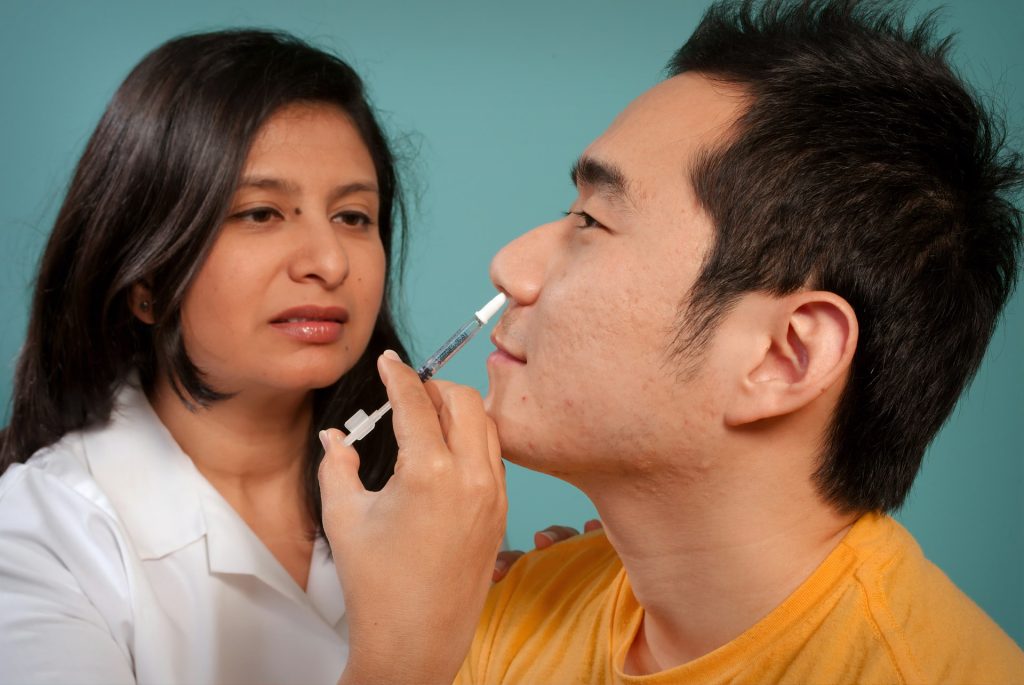
Nasal COVID Vaccines Will Greatly Reduce Transmission

Source: CDC on Unsplash

Though great progress has been made in developing intramuscular COVID vaccines, as yet nothing provides mucosal immunity in the nose, the first barrier against the virus encounters before it travels down to the lungs.

In terms of both immune cell deployment and immunoglobulin production, the mucosal immune system is by far the largest component of the entire immune system, having evolved to provide protection at the main sites of infectious threat: the mucosae.

In iScience, Navin Varadarajan, Professor of Chemical and Biomolecular Engineering, and colleagues, report the development of an intranasal subunit vaccine that provides durable local immunity against inhaled pathogens.

“Mucosal vaccination can stimulate both systemic and mucosal immunity and has the advantage of being a non-invasive procedure suitable for immunization of large populations,” explained Prof Varadarajan. “However, mucosal vaccination has been hampered by the lack of efficient delivery of the antigen and the need for appropriate adjuvants that can stimulate a robust immune response without toxicity.”

To get around this, Prof Varadarajan worked with Xinli Liu, associate professor of pharmaceutics, and an expert in nanoparticle delivery. Prof Liu’s team packaged the agonist of the stimulator of interferon genes (STING) inside liposomal particles to create an adjuvant called NanoSTING. 

“NanoSTING has a small particle size around 100 nanometres, which exhibits significantly different physical and chemical properties to the conventional adjuvant,” said Prof Liu.

“We used NanoSTING as the adjuvant for intranasal vaccination and single-cell RNA-sequencing to confirm the nasal-associated lymphoid tissue as an inductive site upon vaccination. Our results show that the candidate vaccine formulation is safe, produces rapid immune responses—within seven days—and elicits comprehensive immunity against SARS-CoV-2,” said Prof Varadarajan.

Intramuscular vaccines have a fundamental limitation in that they are not designed to elicit mucosal immunity. As shown in previous work with respiratory pathogens like influenza, sterilising immunity to virus reinfection requires adaptive immune responses in the respiratory system.

The nasal vaccine will also help the equitable global distribution of vaccines, according to the researchers. Many smaller countries have only vaccinated a small percentage of their population, and outbreaks continue. These outbreaks and viral spread are known to facilitate viral evolution, ultimately leading to decreased efficacy of all vaccines.

“Equitable distribution requires vaccines that are stable and that can be shipped easily. As we have shown, each of our components, the protein (lyophilised) and the adjuvant (NanoSTING) are stable for over 11 months and can be stored and shipped without the need for freezing,” said Prof Varadarajan.

Source: University of Houston

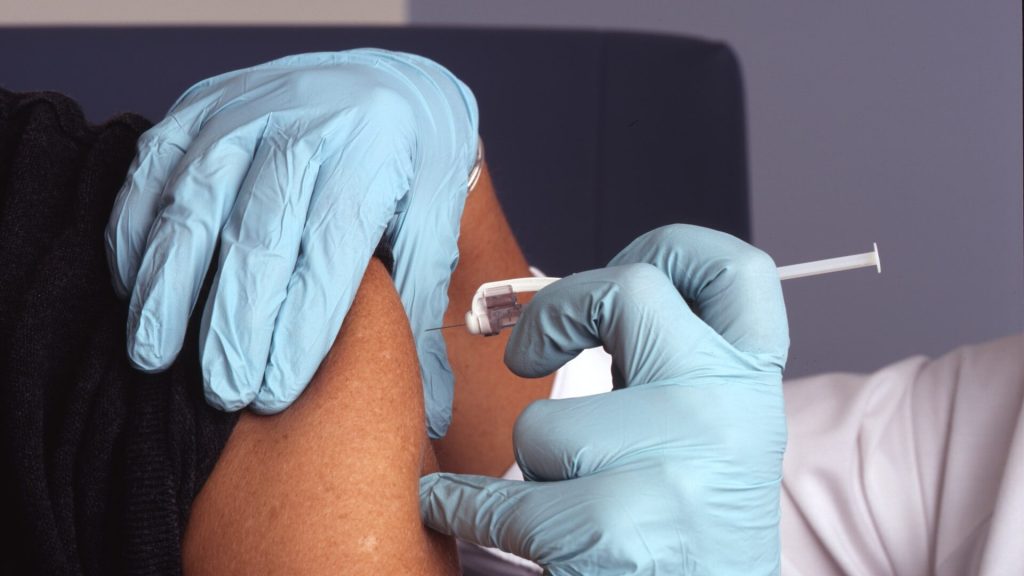
The Nagging Pain of Vaccination Shoulder Injuries

Image source: NCI on Unsplash

Shoulder injury related to vaccine administration (SIRVA) has been documented long before COVID, and most commonly reported after influenza vaccination. The cause is often due to poor administration. 

However, the medical community cautions that currently it’s more of a medicolegal determination rather than a distinct diagnosis. The condition is also plagued by the lack of a solid evidence base, and causality is difficult to pin down.

However, most physicians that MedPage Today interviewed put shoulder injury down to improper injection technique, and that these problems should be taken seriously and treated appropriately. One recent overview noted that SIRVA is a “rare yet increasingly recognised complication of immunisation.”

“We’re certainly not seeing a pandemic of SIRVA” from COVID vaccines, said Dr DJ Kennedy, chair of physical medicine & rehabilitation at Vanderbilt University Medical Center. “It’s really rare and the literature to date is mostly case reports. But I do think it’s possible, absolutely” for vaccine-related shoulder injury to occur.

Dr Laura Keeling, orthopedic surgeon at MedStar Georgetown University Hospital, told MedPage Today that part of the reason SIRVA remains in the medicolegal realm is that it’s “more of a constellation of symptoms and findings” as opposed to a specific diagnosis.

Symptoms can vary depending on where the stray shot landed, resulting in various manifestations such as bursitis, tendonitis, or adhesive capsulitis (aka ‘frozen shoulder’).

Generally, it’s characterised as a “constellation of shoulder pain and reduced range of motion that occurs within 48 hours of vaccination and does not resolve within 1 week,” according to a recent paper co-authored by Dr Keeling. It’s also different from typical post-injection soreness, as the pain is more severe and it can impact mobility and function.

Generally, treatments include anti-inflammatory drugs, corticosteroid injections, and physical therapy. Occasionally surgery is necessary to treat an underlying pathology such as an exacerbated rotator cuff injury. Patients with SIRVA often land in their GP’s office first, and then may be referred to a specialist such as a physiatrist or an orthopedic surgeon.

“It’s the patients who have persistent symptoms who are referred to orthopedic surgeons,” Dr Keeling said. “If physical therapy and injection don’t work, then primary care refers to us.”

Physical medicine & rehabilitation physicians, or physiatrists, also play a large role in treating SIRVA.

“We treat based on a full evaluation including history and physical findings, and imaging if needed,” Dr Kennedy said. “Then we develop a comprehensive rehabilitation plan … that usually involves doing range of motion and strengthening exercises on a daily basis.”

Scott Noren, DDS, an oral surgeon in Ithaca, New York, said after his second COVID shot in early February, he developed shoulder pain: “It went in pretty deep and pretty high,” he told MedPage Today.

An MRI revealed fluid collecting in his joint, as well as adhesive capsulitis, he said. Physical therapy helped improve his range of motion to an extent, but he has lingering pain. It’s difficult to take x-rays and do long procedures as an oral surgeon: “I have pretty good pain even with just normal function now,” he said.

Source: MedPage Today

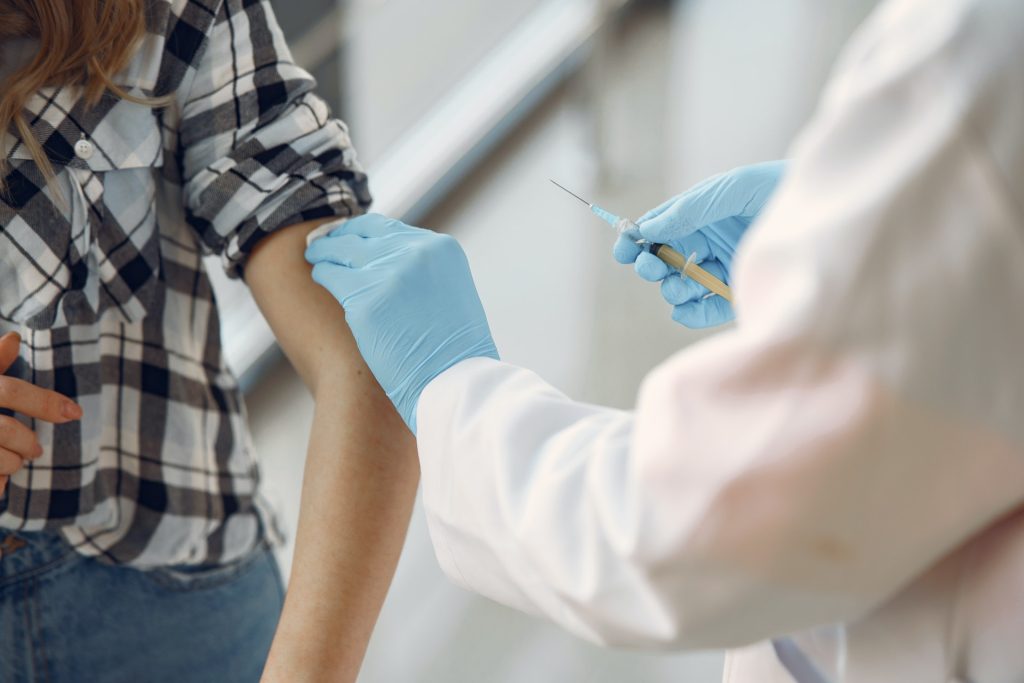
HPV Vaccine to Cause Drop in Oropharyngeal Cancers

Photo by Gustavo Fring at Pexels

Vaccinations against human papillomavirus (HPV), a major cause of oropharyngeal cancers, are expected to yield significant reductions in the rates of these cancers in the US after 2045, according to a new study.

The most common sexually transmitted infectious virus worldwide, HPV infection is often silent, and while most infections clear, some are chronic and can trigger cancers including mouth and throat (oropharyngeal), and cervical cancer as they disrupt DNA and inhibit tumour-suppressor proteins in infected cells. While there is no cure for existing HPV infections, vaccines can prevent new infections. The study appears online in JAMA Oncology.

“We estimate that most of the oropharyngeal cancers from 2018 to 2045 will occur among people who are 55 years and older and have not been vaccinated,” said study lead author Yuehan Zhang, a PhD candidate in the research group of Gypsyamber D’Souza, PhD, professor in the Department of Epidemiology at the Bloomberg School.

“HPV vaccination is going to work to prevent oropharyngeal cancers, but it will take time to see that impact, because these cancers mostly occur in middle age,” Prof D’Souza said.

Oropharyngeal cancer is the most common HPV-related cancer. Vaccination, though effective in prevention, has no effect against established HPV infections or against cells that have been transformed by HPV and are on their way to forming tumours, therefore recommended mainly for the young not yet exposed to sexually transmitted HPV. (People who were adults when the vaccine became available mostly did not receive it and remain at risk for these cancers)

In the new study, researchers at the Johns Hopkins Bloomberg School of Public Health analysed national databases on oropharyngeal cancer cases and HPV vaccinations, and projected the impact of HPV vaccination on the rates of these cancers in different age groups. They estimated that the oropharyngeal cancer rate would nearly halve between 2018 and 2045 among people ages 36–45. However, they also projected that the rate in the overall population would stay about the same from 2018-2045, due to still-rising rates of these cancers in older people, where most of these cancers occur.

The results suggest, though, that by 2045 HPV vaccination will have begun to make a significant impact. “Our projections suggest that by around 2033, nearly 100 cases of oropharyngeal cancer will be prevented each year, but by 2045 that figure will have increased by about ten times,” Zhang said.

Source: Johns Hopkins University Bloomberg School of Public Health

MMR and Tdap Vaccines May Confer Some COVID Protection

Source: Pixabay CC0

Mounting evidence shows that the Measles-Mumps-Rubella (MMR) and Tetanus-Diphtheria-Pertussis (Tdap) vaccines confer limited protection against COVID.

The MMR vaccine, given during early childhood, and Tdap vaccine, given every 10 years, elicit protective responses against the diseases they are designed for. It’s possible that they also elicit cross-reactive memory T cells that can respond to antigens that are present in other pathogens — including the viral antigens in SARS-CoV-2. The idea is that pre-existing memory T cells generated by prior MMR or Tdap vaccination and activated by SARS-CoV-2 infection give the immune system a head start in responding to SARS-CoV-2, lowering the risk of severe COVID.

To find out if the MMR and Tdap vaccines provide additional protection against COVID, researchers at Brigham and Women’s Hospital performed laboratory-based analyses with new techniques to detect and characterise T cell responses to antigens. They applied these techniques to measure T cell responses isolated from the blood of COVID convalescent patients and patients vaccinated against COVID to antigens from SARS-CoV-2 and the MMR and Tdap vaccines. They also leveraged a large, well-annotated cohort of COVID patients and found that prior MMR or Tdap vaccination was associated with decreased disease severity. Their results are published in Med.

“Our Cleveland Clinic colleagues observed an association where individuals with COVID who had either MMR or Tdap vaccines had a much lower frequency of going to the intensive care unit or dying,” said co-author Andrew Lichtman, MD, PhD, an immunologist and senior investigator in the Brigham’s Department of Pathology and professor of Pathology at Harvard Medical School. “Although previous smaller studies suggested a similar link, our in-depth epidemiological analyses, together with our basic research results, suggest that these commonly given vaccines may protect against severe disease.”

“During the COVID pandemic, we know that there was a marked decline in routine vaccinations for children and adolescents,” said corresponding author Tanya Mayadas, PhD, a senior scientist in the Brigham’s Department of Pathology and professor of Pathology at Harvard Medical School. “Our findings emphasise the importance of routine vaccination for children and adults. We know vaccines protect against devastating diseases, and we’re now seeing growing evidence that some of them provide a degree of protection against severe COVID disease.”

An unexpected observation jumpstarted the investigation. Prof Mayadas, her postdoctoral fellow Vijaya Mysore, PhD, and colleagues noted in lab experiments with COVID convalescent blood that whenever they observed a heightened T cell response to SARS-CoV-2 proteins, they also saw a heightened response to proteins from MMR and Tdap, which were controls. This was seen in both COVID convalescent and uninfected individuals vaccinated against SARS-CoV-2.

In a subsequent analysis, Prof Mayadas and colleagues teamed up with researchers at Cleveland Clinic to examine the epidemiological evidence. The Cleveland Clinic team performed a retrospective cohort study using data from more than 75 000 patients seen at the Cleveland Clinic Health System in Ohio or Florida who had tested positive for COVID between March 8, 2020, and March 31, 2021. A statistical analysis found that patients who had previously been vaccinated for MMR had a 38 percent decrease in hospitalisation and a 32 percent decrease in ICU admission/death. Patients previously vaccinated for Tdap had 23 percent and 20 percent decreased rates, for these outcomes, respectively.

“Beyond learning about the potential benefits of the MMR and Tdap vaccines in the context of COVID, this study provides a blueprint for accelerating research,” said co-author Lara Jehi, MD, MHCDS, Chief Research Information Officer of the Cleveland Clinic Health System. “Biomedical hypotheses generated in the laboratory can be explored through robust clinical and epidemiological research in well-curated, real-world data such as the Cleveland Clinic COVID Registry. Knowledge learned through this collaboration is much more than the sum of our individual parts.”

The authors note that epidemiological observations strengthen their lab findings, more work is needed to find a causal association between the MMR and Tdap vaccinations and severity of COVID disease.

“With regards to COVID vaccines, our findings predict that although MMR and Tdap are not a substitute for COVID vaccines they may afford greater and more durable protection, possibly against emerging spike variants than the COVID vaccine alone,” said Prof Mayadas. “And in areas where the COVID vaccines are not available, they could protect infected individuals from developing severe disease.”

Source: Brigham and Women’s Hospital

J&J HIV Vaccine Fails in Local Trials

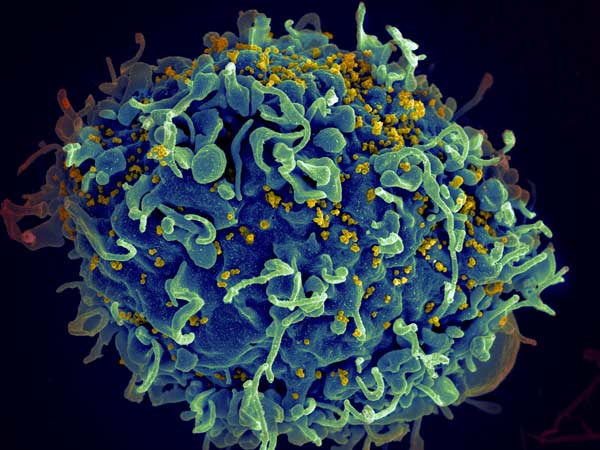
HIV invading a human cell
HIV invading a human cell: Credit NIH

Johnson & Johnson and its partners announced preliminary results showing their HIV vaccine trial failed to provide sufficient protection against HIV infection in a population of young women in sub-Saharan Africa.

The vaccine had a favourable safety profile with no serious adverse events.
The Phase 2b HIV vaccine clinical trial was known as the Imbokodo study (also known as HVTN 705/HPX2008), which will now be discontinued. Further analysis of the Imbokodo study is ongoing, and the study has provided enough data to progress with key immunological correlates research.

“The high incidence of HIV among young women in sub-Saharan Africa reminds us that, despite great progress made in treatment and prevention, HIV remains a major health challenge for the region,” said Professor Glenda Gray, President and Chief Executive Officer, South African Medical Research Council (SAMRC) and Imbokodo’s Protocol Chair. “This underscores the need to apply the knowledge that will be gained from this trial to continue to advance the pursuit of a global HIV vaccine.”A parallel, ongoing Phase 3 Mosaico study (HVTN 706/HPX3002) with men who have sex with men and transgender individuals in Europe and Americas will continue due to the different HIV strains that are circulating in the trial areas and the different HIV vaccine regimen.
The HIV regimen consisted of an adenovirus vector containing four mosaic immunogens (Ad26.Mos4.HIV) at four vaccination visits over one year. The Imbokodo regimen contains a soluble protein component (Clade C gp140, adjuvanted with aluminum phosphate) which is administered at vaccination visits three and four. The ongoing Phase 3 Mosaico study is testing a different investigational vaccine regimen that involves the administration of a mosaic-based mixture of soluble proteins (Clade C/Mosaic gp140) at vaccination visits three and four.

Imbokodo participants had four vaccination visits over one year, with the primary endpoint based on new HIV infections through month 24. These data found that 63 of 1109 placebo arm participants compared to 51 of 1079 vaccine arm participants. This analysis demonstrated a vaccine efficacy point estimate of 25.2% (95% confidence interval of -10.5% to 49.3%).

HIV is prevalent in Sub-Saharan Africa, where women and girls accounted for 63 percent of all new HIV infections in 2020. The study enrolled roughly 2600 young women across Malawi, Mozambique, South Africa, Zambia and Zimbabwe. Researchers ensured that any HIV-infected participants in Imbokodo were referred to high-quality HIV treatment and care services. 

Source: PR Newswire

The Complex Web of South African Vaccine Hesitancy

Photo by Mika Baumeister on Unsplash

A review of surveys towards COVID vaccines in South Africa has revealed that there are multiple factors at work, with an underlying scepticism towards vaccines in general that appears to be growing in the very face of the pandemic.

The findings, published in Expert Review of Vaccines, highlight the multi-faceted and unique aspects of vaccine hesitancy in South Africa, such as men being more likely to reject a vaccine.

Vaccine hesitancy is not new; two years before the emergency of COVID the World Health Organization identified it as a top ten threat to health, underscored by outbreaks of preventable diseases such as measles.

A previous review of 126 surveys in 2020 found a global decline of COVID vaccine acceptance from 70% in March to 50% by October. Vaccine hesitancy has been an obstacle in South Africa for a long time: it was a factor in various measles outbreaks from 2003 to 2011, and it became more apparent during the nation-wide school HPV vaccination programme begun in 2014.

The researchers searched for surveys on COVID vaccine hesitancy in South Africa up until 15 March 2021, with sample sizes ranging from 403 to 75 518.

Unlike elsewhere, men are more hesitant
In a survey by Ask Africa, men were more likely to distrust vaccines (39%) than women (26%). Of the women who would refuse, there was a higher percentage who would  However, women were more likely to take the vaccine even if they thought it was unsafe. The authors cautioned that this result should be interpreted with caution; however, Department of Health deputy director Dr Nicholas Crisp also recently pointed this out, suggesting that more recent survey data helped inform his opinion.
Curiously, this is in contrast to other COVID studies and other vaccine studies in general, which indicate that women are more hesitant than men when it comes to vaccines in general. 

Age, race, education, geographical location
Three of the studies found that age may be important, with older adults having less concerns and/or being more accepting of COVID vaccination. 

The COVID-19 Democracy survey found that people 55 or older were more likely to take the vaccine (74%) compared to those 18 to 24 years old (63%).
The same survey found that white adults were the least likely racial group to accept vaccination, with only 56% willing to be vaccinated compared to 69% of black African adults. Education was another factor, with just 59% of tertiary educated people willing to be vaccinated compared to 72% of this who did not complete high school.

Council for Medical Schemes (CMS) survey found that vaccine acceptance was higher (83%) in urban suburban settings compared to other settings (73% and 78%).

Doubts about safety significant
Three rounds of Ipsos survey data showed a huge drop in acceptance from 64% in July/August and 68% in October to 53% in December. Of those not accepting, concern about side effects as a reason rose from 30% in October to 65% in December.

The Ask Afrika survey indicated that stopping the roll-out of the AstraZeneca vaccine early this year reduced both levels of trust in vaccine safety and confidence in the process. 

Of particular concern were several surveys indicating South African antipathy to all vaccines; in the Ipsos surveys, about a quarter refusing COVID vaccines were also opposed to vaccines in general. Thus, this hesitancy to COVID vaccines, the authors suggest, is just the tip of the iceberg of South African vaccine hesitancy.  Indeed, the Africa CDC survey indicated that at least one in five South Africans were less likely to get vaccinated in general than before the pandemic.

More research and targeted messaging needed
Overall, the authors found about a third of the adult South African public is hesitant towards COVID vaccines. Age, race, education, geographic locations and possibly gender all influence the social nature of vaccine acceptance in South Africa.

The authors conclude that responding to vaccine hesitancy, including COVID vaccine hesitancy, requires a better understanding of the often complex and multi-layered issues influencing vaccination views and practices, and tailoring interventions accordingly. Individualistic, decontextualised, and ‘one-size-fits-all’ approaches are unlikely to have great success.

Source: Expert Review of Vaccines

The Promise of Plant-based Vaccines

Photo by Bill Oxford on Unsplash

Recent advances in the development and testing of plant-made vaccines has rekindled interest in plant-produced pharmaceuticals, including edible drugs, for human use. Technology and manufacturing advances could boost the uptake of such therapeutics, wrote Hugues Fausther-Bovendo and Gary Kobinger in an article published in Science

Currently, therapeutic proteins such as antibodies, hormones, cytokines, and proteins in vaccines are mostly produced in bacteria or eukaryotic systems, including chicken eggs and mammalian or insect cell cultures. In 1986, scientists proposed the use of plants for the production of these proteins in what is termed ‘molecular farming’. Such a production process can be less costly and produce fewer contaminants. 

Thus far, just one therapeutic protein derived from plants for human use has been approved (in 2012, for Gaucher disease). More recently in 2019, a plant-produced influenza virus vaccine completed phase III clinical trials with promising results, and phase III trials for a plant-made vaccine COVID vaccine started in early 2021. Plant-produced proteins have a number of advantages for vaccine development, according to Fausther-Bovendo and Kobinger, in particular the strong immune response the plant components of virus-like particles in vaccines can generate, which may reduce the need for adjuvants. 

Also interesting to consider are oral, plant-made therapeutics, said Fausther-Bovendo and Kobinger. Possibly needing minimal processing, they could avoid expensive, lengthy manufacturing. 

Edible vaccines – still predominantly in the preclinical stage of development – are also currently under development, the authors note. Compared to the proof-of-concept edible vaccines first tested decades ago, which generated weak immune responses, newly developed edible plant-made vaccines are now capable of provoking stronger immune responses, thanks to improved technology. 

Because doses for therapeutics are much higher than for vaccines, investment in manufacturing infrastructure must increase to achieve large-scale manufacturing of plant therapeutic products, Fausther-Bovendo and Kobinger said.

Source: EurekAlert!

Second J&J Dose Needed for Delta Variant

Photo by Ivan Diaz on Unsplash

Johnson & Johnson’s COVID vaccine is much less effective against the Delta and Lambda variants than against the original wild-type virus, according to a new study posted on the BioRxiv preprint server on Tuesday.

Though a cause for concern, the results come from in vitro tests, and may not reflect the real world vaccine performance. However, the authors said this adds to evidence that the 13 million people inoculated with the J&J vaccine may need a second dose, preferably an mRNA vaccine, the authors said.
The findings, which are still to be peer reviewed, are however consistent with observations that a single dose of the AstraZeneca vaccine, which is similar to the J&J one, shows only about 33 percent efficacy against developing symptoms with the Delta variant.

“The message that we wanted to give was not that people shouldn’t get the J&J vaccine, but we hope that in the future, it will be boosted with either another dose of  J&J or a boost with Pfizer or Moderna,” said study leader Nathaniel Landau, a virologist at NYU’s Grossman School of Medicine.

Other experts said the results are what they would have expected, because all of the vaccines seem to work better when given in two doses. “I have always thought, and often said, that the  J&J vaccine is a two-dose vaccine,” said John Moore, a virologist at Weill Cornell Medicine in New York.

Dr Moore pointed to several studies in monkeys and people that have shown greater efficacy with two doses of the J&J vaccine, compared with one dose. The new study was particularly credible, he said, because it was published by a team not linked to any vaccine manufacturer.

But the data from the new study “do not speak to the full nature of immune protection,” said Seema Kumar, a spokeswoman for J&J. “Studies sponsored by the company indicate that the vaccine “generated strong, persistent activity against the rapidly spreading Delta variant,” she said.

The Delta variant is the most transmissible of the SARS-CoV-2 variants, and has become dominant in South Africa. 

Several studies have suggested that the mRNA vaccines made by Pfizer-BioNTech and Moderna will maintain their efficacy against the coronavirus, including all variants identified so far. One recent study showed, for example, that the vaccines trigger a persistent immune reaction in the body that may protect against the coronavirus for years. The J&J vaccine is newer, and has had fewer studies.

The J&J vaccine has had reports of rare blood clots and extremely rare neurological disorders, as well as problems with contamination at a US manufacturing plant. This is still not as bad as the disastrous news that the AstraZeneca vaccine was virtually ineffective against the Beta variant which was then the dominant strain in South Africa.

Small studies by J&J affiliated researchers suggested that the vaccine was only slightly less effective against the Delta variant than against the wild-type virus, and that antibodies stimulated by the vaccine grew in strength over eight months.

Dr Dan Barouch, a virologist at Beth Israel Deaconess Medical Center in Boston said it was important to consider the vaccine’s strength over time.

“Fundamentally I don’t see that there’s any discordance,” he said. “The question is that of kinetics, it’s not just magnitude, because immune responses are not static over time.” The new study also did not consider other components of immune defence, he added.

Dr Landau and his colleagues had compared blood samples taken from 17 people who had two doses of an mRNA vaccine and 10 who had one J&J vaccine dose.

The  J&J vaccine started out with a lower efficacy than the mRNA vaccines and showed a bigger drop in efficacy against the Delta and Lambda variants. “The lower baseline means that what’s left to counter Delta is very weak,” Dr Moore said. “That is a substantial concern.”

Very few vaccines are given as a single dose, because the second dose is needed to amp up antibody levels, noted Akiko Iwasaki, an immunologist at Yale University. People who were inoculated with the J&J vaccine “are relying on that primary response to maintain high levels of antibodies, which is difficult, especially against the variants,” she said.

Boosting immunity with a second dose should raise the antibody levels high enough to counter the variants, she said.

Source: New York Times

Vaccination Setbacks and Medical Supply Shortages from Riots

Photo by Jilbert Ebrahimi on Unsplash

Speaking to Bheksisa, deputy director-general at the health department Dr Nicholas Crisp described the vaccination programme’s setbacks and medical supply shortages resulting from the recent violence and looting.

The vaccination programme has been set back due to damage at vaccination sites such as pharmacies, and others such as clinics being unable to operate except for some in KwaZulu Natal’s outer rural regions. The programme is unlikely to reach its 250 000 vaccinations per day, he said, rather, 200 000 is a more likely goal. Currently, “going flat out”, the programme is vaccinating 140 000 people per day elsewhere in the country.

All of the available vaccines will be used including those Johnson & Johnson vaccines left over from innoculating teachers and other critical workers.

Those receiving Pfizer vaccines needn’t be too concerned about missing their second dose appointment, as research shows that the immunity conferred is as strong or even stronger at 42 days as compared to the standard 21 days.

However, he said that “the biggest disaster with the looting of medicine isn’t vaccines; it’s the looting of chronic medicine. For close to half of patients in KwaZulu-Natal, it’s gone. So much of the insulin for diabetes patients, the morphine, the antiretroviral drugs for HIV patients, are gone.”

The other challenge, he said, is getting oxygen to COVID patients via blocked roads, and delivering food supplies to hospitals, warning that there are patients who are without food. 

Afrox has confirmed that its facilities in Durban have not been affected by rioting, and their deliveries of medical oxygen continue though often under police escort.

Source: Bheksisa

ImmunityBio COVID Booster Gets Go-ahead for South African Trials

Photo by Mufid Majnun on Unsplash

Immunotherapy company ImmunityBio has been authorised by the South Africa Health Products Regulatory Authority (SAHPRA) to proceed with the South Africa Sisonke T-Cell Universal Boost trial. 

The Phase 1/2/3 study, starting in the second third quarter of 2021, is designed to evaluate hAd5 Spike + Nucleocapsid (S+N) as a boost for South African healthcare workers previously vaccinated with an S (Spike)-only vaccine.

“With the virus continuing to spread, moving forward with this boost trial is crucial,” said Leonard Sender, MD, Chief Operating Officer of ImmunityBio. “We are encouraged by the preliminary safety findings in our ongoing Phase 1 studies in both the U.S. and South Africa. In addition, our U.S. data show that just a single prime subcutaneous vaccination with our COVID-19 vaccine candidate induces a 10-fold increase in T cell response—equivalent to T cell responses from patients previously infected with SARS-CoV-2. We have also shown that the T-cell responses are maintained against variants, which is critical to providing protection against this ever-changing virus.”

In the trial, the effect of combining vaccination by subcutaneous (SC) and sublingual (SL) routes will be assessed. This combination has the potential to deliver protection from the virus with a single injection followed by droplets placed under the tongue. Methods that do not require injection such as SL, intranasal, and oral capsule offer potential advantages depending on the participant’s needs or situation. Sublingual administration offers the most rapid absorption, while nasal spray or oral capsule delivery have the potential to provide mucosal immunity, which could reduce both the chance of infection and potential spread of the virus via the respiratory tract. The three non-injection formulations do not need a trained healthcare worker to administer them and are easier to transport and store. The SL and nasal routes of administration are also currently being tested in a separate Phase 1 trial in South Africa.

“The number of new cases in South Africa is frightening, particularly when you consider recent data suggesting currently available COVID-19 vaccines may not provide the immune memory needed to fend off infection from future variants. This highlights an urgent need for a boost dose that confers long-term protection by activating both antibodies and T cells, ” said Patrick Soon-Shiong, MD, Founder and Executive Chairman of ImmunityBio.

“Several peer-reviewed studies demonstrate that patients who have recovered from SARS-CoV in the 2003 outbreak possess long lasting memory T cells reactive to the nucleocapsid protein of SARS-CoV 17 years after infection. While antibodies block infection when present, T cells are vital for long-term immune memory. We are excited to begin this controlled, randomized trial of boosting a previously administered DNA-based viral vector vaccine with our own Ad5 dual-antigen S plus N vaccine to see if it can augment protection in participants who have received the S-based vaccine alone,” added Dr Soon-Shiong.

Source: BusinessWire