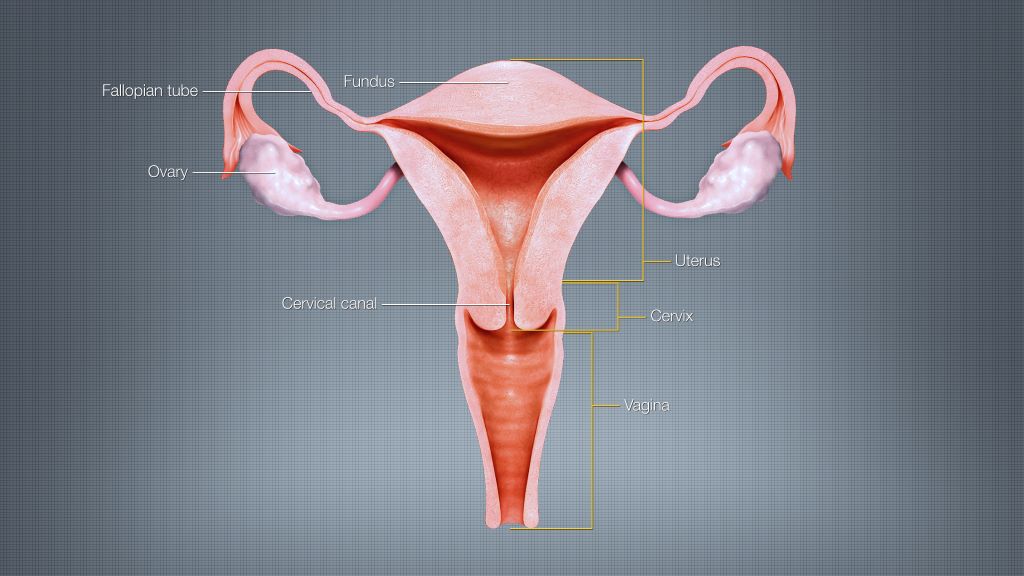
Category: Obstetrics & Gynaecology

Metformin for Gestational Diabetes may Negatively Impact Offspring

Photo by SHVETS production

With the rise in gestational diabetes and metabolic disorders during pregnancy, metformin is also being prescribed more frequently. Although it is known that the oral antidiabetic agent can cross the placental barrier, the impacts on the brain development of the child are largely unknown. Now, researchers have been able to demonstrate in a mouse model that although metformin has positive effects in pregnant animals, it does not in the offspring. The researchers, from German Institute of Human Nutrition Potsdam-Rehbrücke (DIfE), published their findings in Molecular Metabolism.

Around one in six pregnant women worldwide are affected by gestational diabetes. According to the Robert Koch Institute, 63 000 women in Germany were affected by the disease in 2021, and the trend is increasing. Excessively high blood sugar levels during pregnancy are associated with negative consequences for mother and child. It increases the risk of affected women developing type 2 diabetes later on and their children have a higher risk of developing metabolic disorders and being overweight.

Long-term effect of metformin on offspring is unclear

The placenta-crossing oral antidiabetic agent metformin has been gaining importance as an alternative to insulin administration when lifestyle changes fail to treat gestational diabetes. But there are currently only a few studies on the long-term effects of metformin on the health of offspring. It is known that metformin has an impact on the AMPK signaling pathway, which regulates the networking of nerve cells during brain development.

The interdisciplinary team of DIfE researchers led by Junior Research Group Leader Dr Rachel Lippert therefore grappled with two central questions:

Firstly, is metformin treatment only beneficial for the mother or also the child?

Secondly, does metformin treatment lead to long-term negative physiological changes in the offspring, especially in connection with the development of neuronal circuits in the hypothalamus, a critical region in the regulation of energy homeostasis?

Mouse models shed some light

To answer the key questions, the researchers used two mouse models with high-fat or control diets to represent the main causes of gestational diabetes, ie, severe obesity of the mother before pregnancy and excessive weight gain during pregnancy. The antidiabetic treatment of female mice and their offspring took place during the lactation period as this corresponds to the third trimester of a human pregnancy in terms of brain development.

The mice were treated with insulin, metformin, or a placebo, with dosage based on standard human treatments. The research team collected data on the body weight of the mice, analysed various metabolic parameters and hormones, and examined molecular signaling pathways in the hypothalamus.

Maternal metabolic state is crucial

“As a result of antidiabetic treatment in the early postnatal period, we were able to identify alterations in the weight gain and hormonal status of the offspring, which were critically dependent on the metabolic state of the mother,” explains Lippert. Furthermore, sex-specific changes in hypothalamic AMPK signalling in response to metformin exposure were also observed. Together with the metformin-induced shift in the examined hormone levels, the results indicate that the maternal metabolic state must be taken into account before starting the treatment of gestational diabetes.

Focusing on prevention

According to Rachel Lippert, treatment of gestational diabetes in future could entail developing a medication that is available for all and does not cross the placenta. “Given the increasing prevalence, education about gestational diabetes and preventive measures are of vital importance. If we can find a way to manage lifestyle and diet more proactively, we are in a better position to exploit the potential of gestational diabetes treatment,” says Lippert.

Source: Deutsches Zentrum fuer Diabetesforschung DZD

Artificial Intelligence Probes Link between Smoking in Pregnancy and Behavioural Disorders in Newborns

Source: Pixabay CC0

Although several studies have linked smoking during pregnancy with neurodevelopmental disorders, the results of behavioural experiments in mice prenatally exposed to nicotine have been inconsistent. In a recent study, scientists from Japan developed a deep learning-based framework to automatically observe and classify mice behaviour in such experiments, producing more accurate and unbiased results. In their results, published recently in Cells, they show that prenatal exposure to nicotine could increase the risk of autism spectrum- and attention deficit/hyperactivity disorders in newborns.

The fact that smoking is a risk factor for several diseases, including cancer, stroke, and diabetes, has been known for approximately half a century. However, over the past few decades, scientists have brought to light many of the detrimental effects of smoking during pregnancy, linking this habit to high infant mortality, failed delivery, and low body weight at birth. In addition, recent studies suggest that prenatal nicotine exposure (PNE) may be related to neurodevelopmental disorders, such as attention deficit/hyperactivity disorder (ADHD) and autism spectrum disorder (ASD).

For a long time now, scientists have used animal models (like rodents) to understand how PNE leads to neurodevelopmental disorders. By carefully analysing the behaviour of rodents, they can infer whether PNE is causing neurological changes and the brain regions affected by it; this can later be confirmed through histological analyses.

Unfortunately, thus far, studies on behavioural changes induced by PNE in mice have shown varied results, some of which are contradictory. Although there could be multiple reasons behind these discrepancies, human error and bias are prime suspects. In general, the assessment of complex animal behaviours, especially social interactions, relies on the efforts of human observers, which introduces a baseline level of subjectivity that is hard to dispel. But what if we can leverage artificial intelligence (AI) to produce more accurate and unbiased results from observations of PNE mice behaviour?

In this study , researchers from the Department of Molecular and Cellular Physiology at the Shinshu University School of Medicine, including graduate student Mengyun Zhou, Assistant Professor Takuma Mori, and Professor Katsuhiko Tabuchi, developed and trained a deep learning-based system to automatically analyse footage from behavioural experiments on mice. They used this tool to explore the behavioural changes induced by PNE in mice without observer biases, seeking to shed light on the link between nicotine and neurodevelopmental disorders.

The proposed AI-based framework relied on a combination of two well-established open-source toolkits, namely DeepLabCut and Simple Behavioral Analysis (SimBA). “AI tools can label the body parts of animals in a markerless video footage and precisely estimate their poses using supervised machine learning,” explains Prof Tabuchi. “Since animal behaviours are defined as a specific arrangement of body parts over a short period of time, deep-learning toolkits like SimBA can use the pose estimations obtained with DeepLabCut to classify different types of animal behaviours.”

After reaching an optimal training protocol for their framework using manually labelled data, the researchers conducted several experiments using PNE and control mice, looking for indicators of ADHD- and ASD-like behaviours. First, they carried out cliff avoidance reaction tests, which are used to test impulsivity. In these tests, they placed the subject mouse on top of a slightly elevated platform and took note, both manually and with the AI system, of how long the mouse waited before jumping down the platform. The test results suggested that PNE mice are more impulsive, a behavioural feature of ADHD in humans.

They also tested the working memory of mice using a Y-shaped maze and counted the number of times each mouse spontaneously switched from one arm of the maze to another. “We observed a decrease in the spontaneous alteration in PNE mice, suggesting that their working memory was altered, which is another behavioural feature of ADHD,” comments Mengyun Zhou. “These results suggest prenatal exposure to nicotine may cause ADHD in mice, which is consistent with clinical reports in humans.”

Finally, the researchers conducted open-field and social-interaction experiments, which represented the main challenge for their AI-based system. In these experiments, the researchers observed either one or two mice behaving freely in a large enclosure and looked for indicators of anxiety and social behaviours, such as grooming and following. Interestingly, PNE mice exhibited social behavioural deficits and increased anxiety which are features of ASD. Subsequent histological analysis of hippocampal brain tissue confirmed decreased neurogenesis, a hallmark of ASD. Thus, it appears that smoking may not only increase the risk of ADHD, but also ASD.

Worth noting, the results obtained using the AI-based system were highly reliable, as Prof Tabuchi highlights: “We validated the accuracy of our behavioural analysis framework by drawing a careful comparison between the results generated by the model and behaviour assessments made by multiple human annotators, which is considered the gold standard.” These analyses cement the potential of the proposed approach and showcase its capabilities for many types of behavioural studies.

With any luck, further efforts will pave the way to a solid understanding of mechanisms behind neurodevelopmental disorders like ASD and ADHD, ultimately leading to better diagnostic tools and therapeutic methods.

Source: Shinshu University

New Study Links Placental Oxygen Levels to Foetal Brain Development

Image by Scientific Animations CC4.0

A new study published in JAMA Network Open shows oxygenation levels in the placenta, formed during the last three months of foetal development, are an important predictor of cortical growth and is likely a predictor of childhood cognition and behaviour.

“Many factors can disrupt healthy brain development in utero, and this study demonstrates the placenta is a crucial mediator between maternal health and foetal brain health,” said Emma Duerden, Canada Research Chair in Neuroscience & Learning Disorders at Western University, Lawson Health Research Institute scientist and senior author of the study.

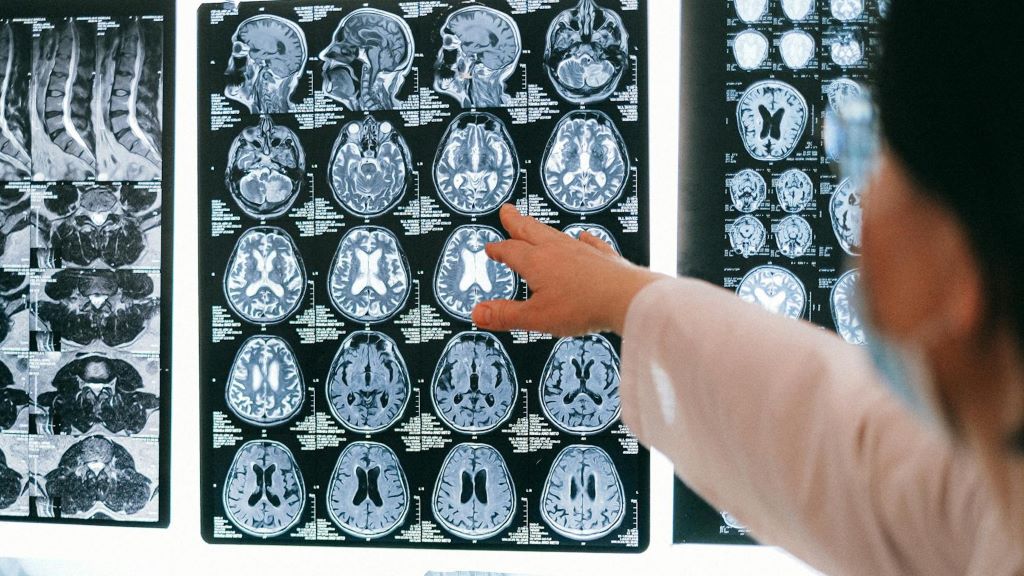
The connection between placental health and childhood cognition was demonstrated in previous research using ultrasound, but for this study, Duerden, research scientist Emily Nichols and an interdisciplinary team of Western and Lawson researchers used magnetic resonance imaging (MRI), a far superior and more holistic imaging technique. This novel approach to imaging placental growth allows researchers to study neurodevelopmental disorders very early on in life, which could lead to the development of therapies and treatments.

“While ultrasound provides some measure of placental function, it is imprecise and prone to error, so MRI is just a bit more specific and precise,” said Nichols, lead author of the study. “You wouldn’t use MRI necessarily to diagnose placental growth restriction, you would use ultrasound, but MRI gives us a much better way to understand the mechanisms of the placenta and how placental function is affecting the foetal brain.”

The study was led by Duerden and Nichols and co-authored by researchers from the Faculty of Education, Schulich School of Medicine & Dentistry, Western Engineering and Lawson Health Research Institute.

The placenta, an organ that develops in the uterus during pregnancy, is the main conduit for oxygenation and nutrients to a fetus, and a vital endocrine organ during pregnancy.

“Anything a foetus needs to grow and thrive is mostly delivered through the placenta so if there is anything wrong with the placenta, the foetus might not be receiving the nutrients or the levels of oxygenation it needs to thrive,” said Nichols.

Poor nutrition, smoking, cocaine use, chronic hypertension, anaemia, and diabetes may result in foetal growth restriction and may cause problems for the development of the placenta. Foetal growth restriction is relatively common and happens in about six per cent of all pregnancies and globally impacts 30 million pregnancies each year.

“There can be many issues related to the healthy development of the placenta,” said Duerden. “If it does not develop properly, the foetal brain may not get enough oxygen and nutrients, which may affect childhood cognition and behaviour.”

Impact, affect and change

The study revealed that a healthy placenta in the third trimester particularly impacts the cortex and the prefrontal cortex, regions of the child’s brain that are important for learning and memory.

“An unhealthy placenta can place babies at risk for later life learning difficulties, or even something more serious, like a neurodevelopmental disorder,” said Duerden. “This research can open a lot of doors as we still don’t really understand everything there is to know about the placenta. We are just scratching the surface.”

The study, funded by grants from Brain Canada, The Children’s Health Research Institute, Canadian Institutes of Health Research, BrainsCAN and the Molly Towell Perinatal Research Foundation, is also an important first step in biomarking the impact of oxygenation levels in the placenta and considering changes for expectant mothers to deal with less-than-ideal placental conditions.

While oxygenation in the placenta in the third trimester predicts foetal cortical growth (development of the outermost layer of the brain – the cerebral cortex), results of the study indicate it may not affect subcortical maturation, or the deep grey and white matter structures of the brain.

Subcortical structures in the brain, responsible for children’s temperament or motor functions such as the amygdala and basal ganglia, may be more vulnerable to factors affecting the placenta in the second trimester.

“We now have a better understanding of how the placenta affects the cortex. With this basic knowledge, we now have an idea of how these two things are related and we can identify or benchmark healthy levels that lead to brain cortical growth,” said Nichols. “The subcortical regions of the brain appear to be unaffected by placental growth, at least in the healthy samples from our study.”

Duerden, Nichols, and the team scanned pregnant women twice (during their third trimester) for the study at Western’s Translational Imaging Research Facility.

“This is one of the few datasets in the world where there are two scans collected in utero during the third trimester. There are not many groups in the world doing foetal MRI, so it is a super-rich data set that allows us to look at growth over time,” said Duerden. “Western is probably one of the few places where we can do the research because we have the expertise and the facilities to do it.”

Source: University of Western Ontario

Simple Cognitive-behavioural Intervention Reduces Postpartum Depression

Photo by Burst on Pexels

Results from a large clinical trial published in Nature Medicine show that an intervention for anxiety provided to pregnant women living in Pakistan significantly reduced the likelihood of the women developing moderate-to-severe anxiety, depression, or both six weeks after birth. The unique intervention was administered by non-specialised providers who had the equivalent of a bachelor’s degree in psychology – but no clinical experience. The results suggest this intervention could be an effective way to prevent the development of postpartum mental health challenges in women living in low-resource settings.

“In low resource settings, it can be challenging for women to access mental health care due to a global shortage of trained mental health specialists,” said Joshua A. Gordon, MD, PhD, Director of the National Institute of Mental Health, part of the National Institutes of Health.

“This study shows that non-specialists could help to fill this gap, providing care to more women during this critical period.”

Led by Pamela J. Surkan, PhD, ScD, of Johns Hopkins Bloomberg School of Public Health, Baltimore, the study was conducted in the Punjab Province of Pakistan between April 2019 and January 2022.

Pregnant women with symptoms of at least mild anxiety were randomly assigned to receive either routine pregnancy care or a cognitive behavioral therapy (CBT)-based intervention called Happy Mother-Healthy BabyThe researchers assessed the participants (380 women in the CBT group and 375 women in the routine care group) for anxiety and depression six weeks after the birth of their child.

The researchers found that 9% of women in the intervention group developed moderate-to-severe anxiety compared with 27% of women in the routine care group.

Additionally, 12% percent of women in the intervention group developed depression compared with 41% of women in the routine care group.

“Postpartum depression not only harms mothers, it is also associated with poorer physical growth and delayed cognitive development in their children,” said Dr Surkan.

“The link between maternal and child health highlights the critical importance of developing effective ways to address postpartum anxiety and depression.”

The Happy Mother-Healthy Baby intervention was created using input from pregnant women in a hospital in Rawalpindi, Pakistan.

Pregnant women took part in six intervention sessions where they learned to identify anxious thoughts and behaviors, such as thoughts about possible miscarriage, and to practice replacing them with helpful thoughts and behaviors.

The first five sessions were conducted in early to mid-pregnancy, and the sixth session occurred in the third trimester.

Prior research suggests that up to 30% of women in the Global South, which includes South America, Africa, and most of southern Asia, report experiencing anxiety during pregnancy.

Anxiety during pregnancy predicts the development of anxiety and depression after birth, making the prenatal period a prime target for intervention.

However, it can be challenging for women living in low-resource settings to access trained clinical care.

The findings from this study demonstrate that an intervention such as Happy Mother-Healthy Baby could be an effective way to help prevent the development of postpartum depression and anxiety in settings where specialist clinical care may be hard to access.

“In the future, we can build on these findings through implementation research. Having identified an intervention that works, the next step is to figure out the best ways to deliver effective treatment to the people who need it, bridging the gap between science and practice,” said Dr Surkan.

Source: NIH/National Institute of Mental Health

Excess Heat Linked to Preterm Delivery in Study of over a Million Births

Photo by Hush Naidoo on Unsplash

As global temperatures continue to rise, a new study of 1.2 million births in Sydney over two decades has shown a strong association between the risk of pre-term birth and exposure to extreme hot temperatures in the third trimester of pregnancy. The data suggested that this association with extreme temperature might be reduced by greenery.

The findings suggest health services should consider preparing for an increase in preterm births as our climate warms.

The Monash University-led study, published in JAMA Pediatrics, looked at the relationship between preterm birth, exposure to high temperatures as well as the mitigating factor of exposure to trees and overall greenness. Excess heat was defined as trimester temperatures higher than the 95th percentile of trimester distributions over the 20-year period.

The study, led by A/Prof Shanshan (Shandy) Li from the Monash School of Public Health and Preventive Medicine, looked at 1.2 million births – including 63 144 preterm births – occurring in Sydney, between 2000 and 2020, using the New South Wales Midwives Data Collection.

The research team cross-referenced this data with historical temperature data, as well as tree cover and overall greenness levels derived from satellite images.

The research concluded that exposure to both daytime and night-time extreme heat in the third trimester was strongly associated with increased preterm birth risks, unlike the same exposure in either the first or second trimesters.

This association existed for all levels of area-level greenness, although the strength of the association was slightly diminished for women living in areas with more trees and other greenery, raising the intriguing possibility that greenness might ameliorate some of the excess risk from extreme heat exposure in the third trimester that deserves further study.

First author A/Prof Li is an expert in environmental impacts on children’s health.

She says, “The presence of greenery, especially trees, has the potential to mitigate heat levels and lower the risks of preterm birth associated with heat. Greenery also has positive physical and mental health impacts beyond just pregnancy and birth outcomes. We should be integrating heat mitigation strategies such as increasing green spaces into urban planning, to improve public health.”

According to Professor Yuming Guo, senior author on the study, and also from Monash University, there has been increasing but still limited epidemiological evidence linking prenatal environmental temperatures with birth outcomes.

“Emerging evidence suggests that night-time air temperature, particularly extreme night-time heat, significantly impacts health, including sleep and rest. Sleep quality and duration affects various aspects of health, and disturbances in these factors may have consequences for pregnancy outcomes,” he said.

“High night-time temperatures can disrupt circadian rhythms and potentially influence blood pressure, which may be an issue for pregnant individuals. Given the projected increase in extreme temperatures as our planet warms, understanding its impacts on birth outcomes and developing strategies to mitigate the risks becomes crucial.”

Source: Monash University

Metabolic Diseases may be Driven by Gut Microbiome, Loss of Ovarian Hormones

Photo by Ravi Patel on Unsplash

The gut microbiome interacts with the loss of female sex hormones to exacerbate metabolic disease, including weight gain, fat in the liver and the expression of genes linked with inflammation, researchers report in the journal Gut Microbes.

The findings, using rodent models, may shed light on why women are at significantly greater risk of metabolic diseases such as obesity and Type 2 diabetes after menopause, when ovarian production of female sex hormones diminishes.

“Collectively, the findings demonstrate that removal of the ovaries and female hormones led to increased permeability and inflammation of the gut and metabolic organs, and the high-fat diet exacerbated these conditions,” said Kelly S. Swanson, the director of the Division of Nutritional Sciences and a professor in nutrition at the University of Illinois Urbana-Champaign who is a corresponding author of the paper. “The results indicated that the gut microbiome responds to changes in female hormones and worsens metabolic dysfunction.”

“This is the first time it has been shown that the response of microbiome to the loss of ovarian hormone production can increase metabolic dysfunction,” said first author Tzu-Wen L. Cross, a professor of nutrition science and the director of the Gnotobiotic Animal Facility at Purdue University. Cross was a doctoral student at the U. of I. when she began the research.

“The gut microbiome is sensitive to sex hormone changes and can further impact the risk of disease development.”

Cross said early microbiome research, beginning around 2005, looked at how the microbiome contributes to obesity development, but most of those studies focused on males.

“Metabolic dysfunction that is driven by the loss of ovarian-function in menopausal women – and how much the gut microbiome contributes to that – has not been studied. The aetiology is clearly very complex, but those gut-microbiome related factors are certainly components that we speculated play a role,” she said.

The scientists created diet-induced obesity in female mice and simulated the loss of female sex hormones by removing the ovaries in half of the population to examine any metabolic and inflammatory changes, including those to enzymes in the gut. The diets for both groups of mice were identical except for the proportion of fat, which constituted 60% or 10% of calories for those in the high-fat and low-fat groups, respectively.

In the second leg of the study, faecal samples were harvested from mice with or without ovaries and implanted in germ-free mice to study the impact on weight gain and metabolic and inflammatory activity in the gut, liver and fat tissue.

“The mice that were recipients of the gut microbiome of ovariectomized mice gained more weight and fat mass, and they had greater expression of genes in the liver associated with inflammation, obesity, Type 2 diabetes, fatty liver disease and atherosclerosis compared with those in the control group,” Swanson said.

Assessing the severity of fatty tissue and triglyceride concentrations in the liver, the scientists found that the triglyceride levels were significantly higher and fatty deposits in the liver and groin were greater in the mice that consumed the high-fat diet compared with all other treatment groups.

Those on the high-fat diet and those without ovaries had significantly larger fat cells, which are associated with cell death and the infiltration of macrophages. Along with elevated expression of the genes associated with inflammation and macrophage markers, these mice had lower expression of genes that are involved with glucose and lipid metabolism.

In the donor mice without ovaries that consumed the low-fat diet, the scientists found increased levels of beta-glucuronidase, an enzyme produced by the colon and some intestinal bacteria that breaks down and recycles steroidal metabolites such as oestrogen and various toxins, including carcinogens.

The scientists also examined the expression of genes coding for tight-junction proteins, which affect cell membranes’ permeability. They found that the mice without ovaries and those fed the high-fat diet had lower levels of these proteins in the liver and colon, which suggested their gut barriers were more permeable, compromised by either their diet or the absence of female hormones.

In the livers of the recipient mice that received transplants from donors without ovaries, the scientists found elevated expression levels of the gene for arginase-1, which plays a critical role in the elimination of nitrogenous waste. High levels of this protein have been associated with cardiovascular problems such as hypertension and atherosclerosis.

Source: University of Illinois at Urbana-Champaign, News Bureau

Antidepressants Impact Prefrontal Cortex Development

Photo by William Fortunato on Pexels

A new study published in Nature Communications suggests that use of antidepressants can impact early post-natal brain development, potentially contributing to the development of mental health disorders. The study, led by researchers at the University of Colorado Anschutz Medical Campus, focused on the effect of fluoxetine, commonly used in medications such as Prozac and Sarafem for treating depression and perinatal depression, on the developing prefrontal cortex of mice.

Since fluoxetine works by increasing the levels of serotonin in the brain, the researchers looked at the impact serotonin has on prefrontal cortex development.

“While it is known that serotonin plays a role in the brain development, the mechanisms responsible for this influence, specifically in the prefrontal cortex, have been unclear, ” said lead author Won Chan Oh, PhD, assistant professor in the Department of Pharmacology at CU Anschutz.

Changes in gestational and early postnatal serotonin levels can arise from many causes including maternal deprivation or abuse, diets high or low in tryptophan, or the use of medications such as selective serotonin reuptake inhibitors (SSRIs) that can readily cross the placenta or be passed to offspring through breast feeding. Disbalances of 5-HT during brain development are associated with increased risk of neurodevelopmental disorders such as autism spectrum disorder and long-lasting behavioural deficits, but the underlying mechanisms remain elusive.

Oh and his student, Roberto Ogelman, a neuroscience PhD candidate, found serotonin directly influences nascent and immature excitatory synaptic connections in the prefrontal cortex, which if disrupted or dysregulated during early development can contribute to various mental health disorders.

“Our research uncovers the specific processes at the synaptic level that explain how serotonin contributes to the development of this important brain region during early-life fluoxetine exposure,” adds Oh. “We are the first to provide experimental evidence of the direct impact of serotonin on the developing prefrontal cortex in mice.”

To study the effect, the researchers looked at the impact of deficiency and surplus of serotonin on brain development in mice. They discovered that serotonin is not just involved in overall brain function but also has a specific role in influencing how individual connections between neurons change and adapt, contributing to the brain’s ability to learn and adjust.

“Understanding this correlation has the potential to help with early intervention and the development of new therapeutics for neurodevelopmental disorders involving serotonin dysregulation,” said Oh.

The researchers plan to continue studying the impact of fluoxetine, next examining its impact on a developing brain later in life.

Source: Colorado University Anschutz Medical Campus

New Findings on Cardiovascular Risk, Menopause and Migraines Ease Concerns

Photo by Karolina Grabowska on Pexels

Research suggesting a link between migraines and menopause symptoms and cardiovascular disease has gotten a lot of attention. But a pair of new studies in the journal Menopause suggest that most women experiencing these symptoms can rest easier, especially if they don’t have both migraines and long-term hot flashes and night sweats.

Instead, they should focus on tackling the other factors that can raise their cardiovascular risk by getting more sleep, exercise and healthy foods, quitting tobacco, and minding their blood pressure, blood sugar, cholesterol and weight.

For women who have experienced both migraines and hot flashes or night sweats over many years, one of the new studies does suggest an extra level of cardiovascular risk.

That makes heart disease and stroke prevention even more important in this group, says study leader Catherine Kim, MD, MPH, of the University of Michigan.

And for women currently in their 20s and 30s who experience migraines, the new research suggests that they might be heading for a higher risk of long-term menopause-related symptoms when they get older.

Long-term study yields important insights

Kim and her colleagues at Michigan Medicine, U-M’s academic medical centre, published the new pair of studies based on an in-depth analysis of data from a long-term study of more than 1900 women who volunteered to have regular physical exams and blood tests, and to take yearly health surveys, when they were in their late teens to early 30s.

Those women, now in their 50s and 60s, have provided researchers with a priceless view of what factors shape health in the years leading up to menopause and beyond, through their continued participation in the CARDIA study.

“The anxiety and dread that women with migraines and menopausal symptoms feel about cardiovascular risk is real – but these findings suggest that focusing on prevention, and correcting unhealthy habits and risk factors, could help most women,” said Kim, who is an associate professor of internal medicine at U-M and a primary care physician.

“For the subgroup with both migraines and early persistent hot flashes and night sweats, and for those currently experiencing migraines in their early adulthood, these findings point to an added need to control risks, and address symptoms early,” she adds.

Just over 30% of the middle-aged women in the study reported they had persistent hot flashes and night sweats, which together are called vasomotor symptoms or VMS because they relate to changes in the diameter of blood vessels.

Of them, 23% had reported also having migraines. This was the only group for whom Kim and her colleagues found extra risk of stroke, heart attack or other cardiovascular events that couldn’t be explained by other risk factors that have long been known to be linked to cardiovascular problems.

In addition to those with persistent vasomotor symptoms starting in their 40s or before, 43% of the women in the study had minimal levels of such symptoms in their 50s, and 27% experienced an increase in VMS over time into their 50s and early 60s.

The latter two groups had no excess cardiovascular risk once their other risk factors were taken into account, whether or not they had migraines.

Use of hormone-based birth control and estrogen to address medical issues did not affect this risk.

Controlling destiny

In the study of data from the same women in their earlier stages of life, the researchers found that the biggest factors in predicting which ones would go on to have persistent hot flashes and night sweats were having migraines, having depression, and smoking cigarettes, as well as being Black or having less than a high school education.

“These two studies, taken together, underscore that not all women have the same experiences as they grow older, and that many can control the risk factors that might raise their chances of heart disease and stroke later in life,” said Kim.

“In other words, women can do a lot to control their destiny when it comes to both menopause symptoms and cardiovascular diseases.”

She notes that the American Heart Association calls these risk factors the “Essential 8” and offers guides for what women, men and even children and teens can do to address them.

Evolving knowledge and treatment

The long-term study that the two new findings come from was specifically designed to look at cardiovascular risks when it launched in the mid-1980s. CARDIA stands for Coronary Artery Risk Development in Young Adults.

Back in the 80s, knowledge about the biology of blood vessels, down to the cellular and molecular level, was nowhere near where it is today. Both vasomotor symptoms in menopause and migraines have to do with blood vessel contraction and dilation.

But decades of research has shown the microscopic impacts on blood vessels of years of smoking, poor sleep, poor eating habits and lack of activity, as well as a person’s genetic inheritance, life experiences and hormonal history.

Newer injectable migraine medications called calcitonin gene-related peptide (CGRP) antagonists have reached the market in recent years. Using monoclonal antibodies, they target a key receptor on the surface of blood vessel cells to prevent migraines and cluster headaches. But they are expensive and not covered by insurance for all people with migraines.

While the new study is based on data from years before these medications became available, Kim said she recommends them to her patients with persistent migraines, as well as working with them to understand what triggers their migraines and how to use other medications including pain relievers and antiseizure medications to prevent them.

She also notes that the paper on future risk of persistent hot flashes and night sweats echoes the recent trend of using antidepressant medications to try to ease these menopause effects.

Kim also says that evidence has grown about the importance of healthy sleep habits for reducing hot flashes, as well the short-term use of oestradiol-based hormone therapy patches, which have not been shown to have a link to cardiovascular risk. And, she notes that research has not shown any over-the-counter supplement or herbal remedy to be effective, and that these are far less regulated than medications.

Source: Michigan Medicine – University of Michigan

Polycystic Ovary Syndrome Tied to Cognitive Problems

Photo by Sora Shimazaki on Pexels

Those with polycystic ovary syndrome (PCOS) may be more likely to have memory and thinking problems in middle age, according to a study involving over 900 women, 66 of whom had PCOS. The study, published in Neurology, followed the women for 30 years.

PCOS is a hormonal disorder that is defined by irregular menstruation and elevated levels of androgen. Other symptoms may include excess hair growth, acne, infertility and poor metabolic health.

“Polycystic ovary syndrome is a common reproductive disorder that impacts up to 10% of women,” said study author Heather G. Huddleston, MD, of the University of California, San Francisco.

“While it has been linked to metabolic diseases like obesity and diabetes that can lead to heart problems, less is known about how this condition affects brain health. Our results suggest that people with this condition have lower memory and thinking skills and subtle brain changes at midlife. This could impact a person on many levels, including quality of life, career success and financial security.”

The study involved 907 female participants who were 18 to 30 years old at the start of the study.

They were followed for 30 years, at which time they completed tests to measure memory, verbal abilities, processing speed and attention. At the time of testing, 66 participants had polycystic ovary syndrome.

In a test measuring attention, participants looked at a list of words in different colours and were asked to state the colour of the ink rather than read the actual word. For example, the word “blue” could be displayed in red, so the correct response would be red.

Researchers found for this test, people with PCOS had an average score that was approximately 11% lower compared to people without the condition.

After adjusting for age, race and education, researchers found that people with polycystic ovary syndrome had lower scores on three of the five tests that were given, specifically in areas of memory, attention and verbal abilities, when compared to those without this condition.

At years 25 and 30 of the study, a smaller group of 291 participants had brain scans.

Of those, 25 had PCOS. With the scans, researchers looked at the integrity of the white matter pathways in the brain by looking at movement of water molecules in the brain tissue.

Researchers found that people with PCOS had lower white matter integrity, which may indicate early evidence of brain aging.

“Additional research is needed to confirm these findings and to determine how this change occurs, including looking at changes that people can make to reduce their chances of thinking and memory problems,” Huddleston said.

“Making changes like incorporating more cardiovascular exercise and improving mental health may serve to also improve brain aging for this population.”

A limitation of the study was that PCOS diagnosis was not made by a doctor but was based on androgen levels and self-reported symptoms, so participants may not have remembered all the information accurately.

The study was funded by the University of California, San Francisco.

Source: American Academy of Neurology 

New Study Sheds Light on Placenta Accreta Spectrum Disorder

Photo by Jonathan Borba on Unsplash

A new UCLA-led study published in American Journal of Obstetrics & Gynecology may change the way clinicians and scientists understand, diagnose and treat placenta accreta spectrum disorder, a serious condition in which the placenta fails to separate from the uterus at birth. Researchers previously believed that certain overly invasive placental cells, called trophoblasts, were responsible for keeping the connection intact.

But this new research, which identifies genetic and cellular changes within single cells where the placenta and uterus join, shifts the focus to how the structural support of tissues, and the blood vessels of the uterus, can cause a “loss of normal boundary limits” between the placenta and the uterus.

“We utilized two new techniques in single-cell analysis to create an atlas of cells involved in placenta accreta to better understand this increasingly prevalent disorder that can have devastating implications for maternal and neonatal health,” said Dr Yalda Afshar, a maternal-foetal medicine specialist and researcher at the David Geffen School of Medicine at UCLA, and the first and corresponding author.

“This work revealed a subset of genes differentially expressed in placenta accreta spectrum disorder, which provides the basis for the ‘permissive environment’ for the placenta to attach to the uterine lining,” said Dr Deborah Krakow, a maternal-foetal medicine specialist and researcher, chair of the Department of Obstetrics and Gynecology at the David Geffen School of Medicine at UCLA, and the paper’s senior author.

The research showed that the decidua, the layer of the uterine lining that forms during pregnancy, and blood vessels, are sending different signals to the placenta when a pregnant person has placenta accreta.

In placenta accreta, the placenta is stuck on too tight, which becomes the reason for many of the maternal complications of placenta accreta.

“Our goal was to characterize the intimate relationship between the maternal and fetal tissue at the site of accreta or malfunction,” Afshar said.

“The genes and signaling pathways we identified go beyond providing a better understanding of the mechanism of the disease; they may be used as targets to help us refine diagnostic tests, track disease progression over time, and discover new, more effective therapies.”

The incidence of placenta accreta spectrum (PAS) disorders has increased dramatically in recent decades, the cause of which is not certain, though cesarean deliveries, is one of several risk factors.

Today, incidence is estimated at 1 in 272 births in the U.S., up from 1 in about 30 000 pregnancies in the 1960s, researchers say.

For this study, the research team performed multiple placental biopsies on 12 placentas, six with PAS disorder and six controls, conducting single-cell RNA analysis on 31 406 individual cells.

The researchers also applied spatial transcriptomics to 36 regions of interest: 12 in PAS-adherent, 12 in PAS-nonadherent, and 12 in controls.

Spatial transcriptomics allow researchers to precisely measure and map the gene activity within a single tissue sample.

“At the end of the day, understanding the biology of pregnancy and pregnancy-related diseases, like accreta, is inspired by only one thing – finding ways to improve the care we can provide to pregnant people and their families,” said Afshar, a physician-scientist who manages the care of many patients with placenta accreta spectrum disorders at UCLA Health.

Source: University of California – Los Angeles Health Sciences