Category: Diet and Nutrition

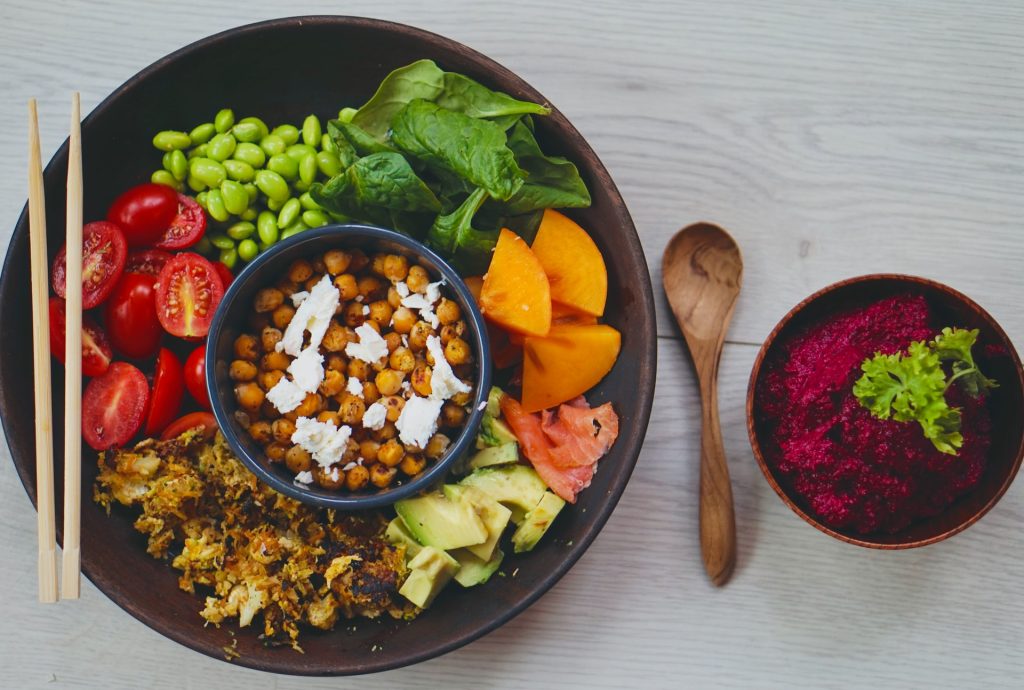
A Daily Cup of Leafy Vegetables Can Slash Heart Disease Risk

Eating just one cup of nitrate-rich vegetables each day can significantly reduce the risk of heart disease by up to 26%, according to research from New Edith Cowan University (ECU).

The study sought to find out whether people eating a diet with higher quantities of nitrate-rich vegetables, such as leafy greens and beetroot, had lowered blood pressure, and it also examined whether these same people were less likely to have a heart disease diagnosis in later years.

Cardiovascular diseases are a leading cause of deaths around the world, attributed to some 13 million deaths in 2010 and making up one in every four deaths.

The study examined the diets of over 50 000 people in Denmark, who took part in the Danish Diet, Cancer, and Health Study over a 23-year period. People who consumed the greatest amounts of nitrate-rich vegetables had about a 2.5 mmHg lower systolic blood pressure, and their risk of heart disease was 12 to 26% lower.

The results were published in the European Journal of Epidemiology. It is a collaboration between Edith Cowan University, the Danish Cancer Society and The University of Western Australia.  

Lead researcher Dr Catherine Bondonno from ECU’s Institute for Nutrition Research said that it was a priority to identify diets that prevent heart disease.

“Our results have shown that by simply eating one cup of raw (or half a cup of cooked) nitrate-rich vegetables each day, people may be able to significantly reduce their risk of cardiovascular disease,” Dr Bondonno said.

“The greatest reduction in risk was for peripheral artery disease (26 percent), a type of heart disease characterized by the narrowing of blood vessels of the legs, however we also found people had a lower risk of heart attacks, strokes and heart failure.”

The study found that only one cup of nitrate-rich vegetables was needed for optimum results, and it didn’t seem that there were any more benefits from eating more.

“People don’t need to be taking supplements to boost their nitrate levels because the study showed that one cup of leafy green vegetables each day is enough to reap the benefits for heart disease,” Dr Bondonno said. “We did not see further benefits in people who ate higher levels of nitrate rich vegetables.”

Dr Bondonno added that some shortcuts such as adding a cup of spinach when making a banana or berry smoothie could be an easy way to include more daily leafy greens.

“Blending leafy greens is fine, but don’t juice them. Juicing vegetables removes the pulp and fiber,” Dr Bondonno said.

The research adds to a growing body of evidence linking vegetables generally and leafy greens specifically with improved cardiovascular health and muscle strength.

Source: Medical Xpress

Journal information: Catherine P. Bondonno et al, Vegetable nitrate intake, blood pressure and incident cardiovascular disease: Danish Diet, Cancer, and Health Study, European Journal of Epidemiology (2021). DOI: 10.1007/s10654-021-00747-3

Too Much Salt can Disrupt the Immune System

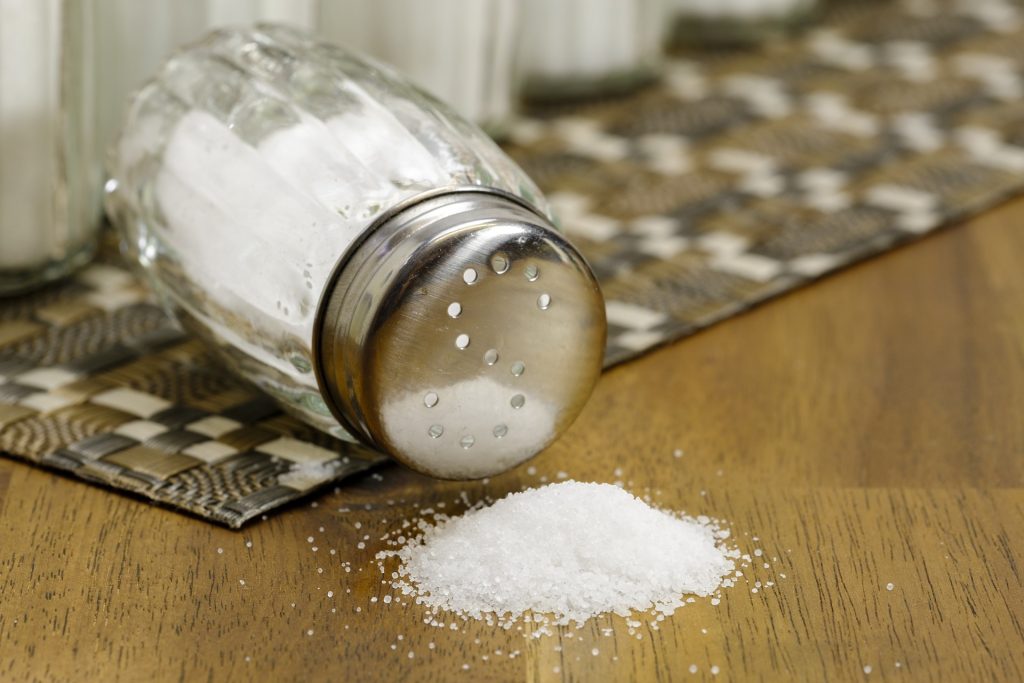
Salt shaker spilling table salt. Image by Bruno /Germany from Pixabay

Researchers have found that, besides raising blood pressure, too much salt can disrupt the immune system by affecting their energy balance in immune calls and weakening them.

Back in 2015, the researchers had found that raised sodium concentrations in the blood affect both the activation and the function of patrolling monocytes — the precursors to macrophages.

“But we didn’t know exactly what was happening in the cells,” said Dr Sabrina Geisberger of the Berlin Institute for Medical Systems Biology (BIMSB) at the Max Delbrück Center for Molecular Medicine in the Helmholtz Association (MDC). She is lead author of the study of an international research team led by MDC scientists together with colleagues from University of Regensburg and from Flanders Institute for Biotechnology (VIB) /Hasselt University in Belgium.

The researchers began in the lab by measuring the metabolism immune cells exposed to high salt concentrations.

Changes appeared after just three hours. “It disrupts the respiratory chain, causing the cells to produce less ATP and consume less oxygen,” explained Prof Geisberger. ATP (adenosine triphosphate) powers all cells, providing energy for the ‘chemical work’—synthesising proteins and other molecules—needed for muscle power and metabolic regulation. ATP is produced in the mitochondria, the cell’s ‘power plant,’ using a complex series of biochemical reactions known as the respiratory chain. “Salt very specifically inhibits complex II in the respiratory chain.”

Consequences include the monocytes maturing differently due to a lack of energy. “The phagocytes, whose task is to identify and eliminate pathogens in the body, were able to fight off infections more effectively. But this could also promote inflammation, which might increase cardiovascular risk,” explained Professor Dominik Müller of the Experimental and Clinical Research Center (ECRC). Salt was shown to affect the functioning of human phagocytes in the same way.

Researchers at the ECRC then conducted a study in which healthy male participants six grammes of salt in tablet form to their usual diet every day for 14 days. In another clinical study, the researchers investigated a familiar scenario: eating a pizza from an Italian restaurant. After analysing the monocytes in the participants’ blood, they saw that the mitochondrial  dampening effect doesn’t just happen after an extended time with high salt intake—it also happens after a single pizza. The pizza experiment showed that the effect was fairly short. After eight hours, the effect was barely measurable.

“That’s a good thing. If it had been a prolonged disturbance, we’d be worried about the cells not getting enough energy for a long time,” commented Prof Müller. Mitochondrial activity is therefore not permanently stalled. However, the risk remains if a person eats very salty foods throughout the day. The pizza, incidentally, contained ten grammes of salt. Nutrition experts recommend that adults limit their daily intake to five or six grammes at most. The calculation includes the salt that is hidden in processed foods.

“The fundamental finding of our study is that a molecule as small as the sodium ion can be extremely efficient at inhibiting an enzyme that plays a crucial role in the respiratory chain,” said biochemist and metabolomics expert Dr Stefan Kempa of BIMSB. “When these ions flood into the mitochondria—and they do this under a variety of physiological conditions—they regulate the central part of the electron transport chain.” It therefore seems to be a fundamental regulatory mechanism in cells.

The next step is determining whether salt influences this mechanism in other cell types. Prof Kleinewietfeld believes that this is extremely likely because mitochondria aren’t just present in immune cells; they exist in every cell of the body, save for red blood cells.

Though the way in which different cell types regulate sodium influx into the mitochondria is still not properly understood, the study confirms that overconsumption of salt is unhealthy. “Of course the first thing you think of is the cardiovascular risk. But multiple studies have shown that salt can affect immune cells in a variety of ways. If such an important cellular mechanism is disrupted for a long period, it could have a negative impact—and could potentially drive inflammatory diseases of the blood vessels or joints, or autoimmune diseases,” said Professor Markus Kleinewietfeld of Hasselt University and VIB.

Source: Medical Xpress

More information: Sabrina Geisberger et al, Salt Transiently Inhibits Mitochondrial Energetics in Mononuclear Phagocytes, Circulation (2021). DOI: 10.1161/CIRCULATIONAHA.120.052788

Common Probiotic Altered to Grow in Dairy Products

A glass of milk. Source: Pixabay via Pexels

Researchers at the University of Helsinki have created a strain of the Lacticaseibacillus rhamnosus GG probiotic that can reproduce in dairy products.

Lacticaseibacillus rhamnosus GG, or LGG, is the most studied probiotic bacterium in the world. However, it cannot utilise lactose found in milk or break down the milk protein casein. This makes the bacterium grow poorly in milk and is the reason why it must be added separately to probiotic dairy products.

While attempts have been made to get L. rhamnosus GG to thrive in milk through genetic engineering, strict restrictions have prevented the use of such modified bacteria in human food.

Thanks to a recent breakthrough made at the University of Helsinki, Finland, with researchers from the National Institute for Biotechnology and Genetic Engineering, Pakistan, features have now been successfully added to the LGG probiotic without gene editing, making it able to grow in milk.

The method instead took advantage of conjugation, a DNA exchange technique used in certain bacterial groups to transfer their traits to other bacteria. A bacterium produces a copy of its plasmid, a ring-shaped piece of DNA, and then transfers it to an adjacent bacterium. The spread of plasmids, which carry traits useful for bacteria, can be rapid among bacterial communities – and can also further the spread of problematic traits such as antibiotic resistance.

A specific Lactococcus lactis bacterial strain grown in the same place provided the lactose and casein-utilising plasmid to the Lacticaseibacillus rhamnosus GG.

“The new LGG strain is not genetically modified, which makes it possible to consume it and any products containing it without any permit procedures,” explained project leader Per Sari, Professor of Microbiology at the University of Helsinki.

The new strain can be used as a starting point in the development of new dairy products where the probiotic concentration increases already in the production stage. In other words, the probiotic need not be separately added to the final product. Furthermore, lactose- and casein-hydrolysing bacteria added to milk could help produce products suitable for people with dairy allergies.

This new LGG strain could also be better suited to growing in the infant gut, where it can utilise the casein and lactose in breastmilk to grow, thereby producing more protective lactic acid than the original strain.

“Lactic acid lowers the pH of the surface of the intestine, reducing the viability of many gram-negative pathogenic bacteria, such as E. coli, Salmonella and Shigella, which threaten the health of infants. Moreover, in larger numbers the new LGG strain can potentially be more effective at protecting infants than the old strain. After all, LGG has previously been shown to alleviate infantile atopic dermatitis and boost the recovery of the gut microbiota after antibiotic therapies.”

The researchers are in discussions about further applications of their research.

Source: News-Medical-Net

Journal information: Hussain, N., et al. (2021) Generation of Lactose- and Protease-Positive Probiotic Lacticaseibacillus rhamnosus GG by Conjugation with Lactococcus lactis NCDO 712. Applied and Environmental Microbiology. doi.org/10.1128/AEM.02957-20.

Junk Food Impacts Bone Growth in Kids

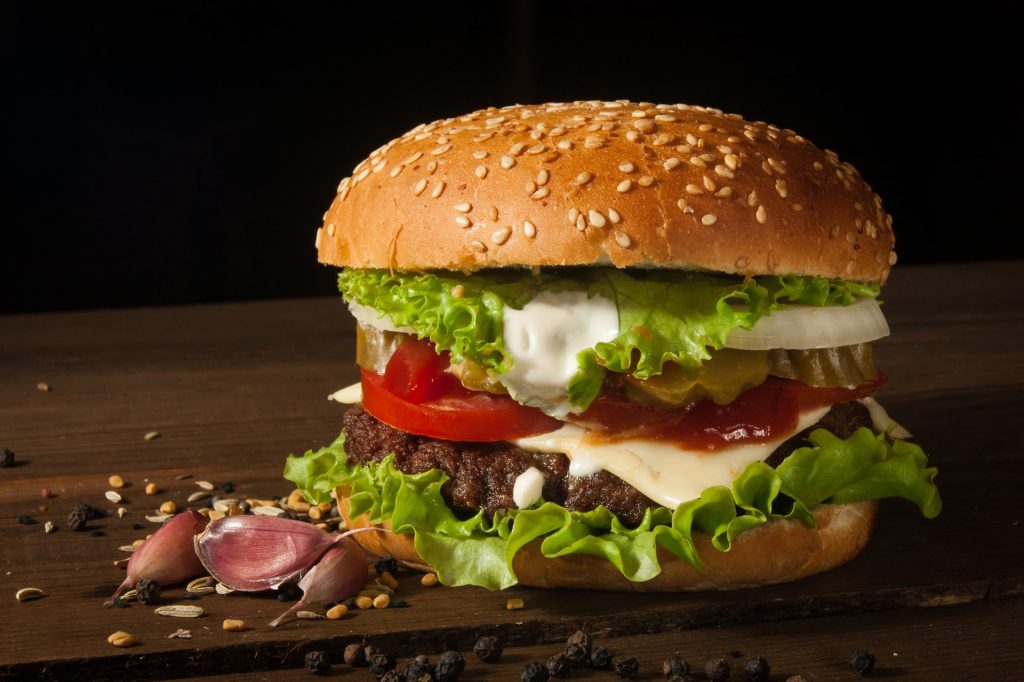
Burger and chips. Photo by Jonathan Borba on Unsplash

A new study has found that ultra-processed foods (aka junk food) impacts bone quality, showing how damaging these can be especially in younger children.

The Hebrew University study provides the first comprehensive analysis showing the manner in which such foods impact skeletal development.  

Junk foods go through many processing stages, and contain non-dietary ingredients. They are easily accessible, can be eaten without preparation and fairly cheap, and their increasing presence in diets is contributing to worldwide obesity with its associated metabolic impacts.

Children tend to like junk food. As much as 70% percent of their caloric consumption are estimated to come from ultra-processed foods. While numerous studies have reflected on the overall negative impact of junk food, few have focused on its direct developmental effects on children, particularly young children.

Studying lab rodents with skeletons in post embryonic growth stages, they found that those exposed to ultra-processed foods suffered from stunted growth and compromised bone strength. With histological examination, high levels of cartilage were found in the epiphyseal plates at the end of bones. The RNA genetic profiles of cartilage cells exposed to ultra-processed food also showed signs of impaired boned development.

In order to understand how eating habits might impact bone development, the researchers replicated this kind of food intake for the rodents. “We divided the rodents’ weekly nutritional intake—30% came from a ‘controlled’ diet, 70% from ultra-processed foods,” said Monsonego-Ornan. They found that the rodents experienced bone density moderate damage though there were fewer signs of cartilage buildup in their growth plates. “Our conclusion was that even in reduced amounts, the ultra-processed foods can have a definite negative impact on skeletal growth.”

Children and adolescents eat junk foods in great quantities, with half of American minors eating junk food daily. Monsonego-Ornan added. “When Carlos Monteiro, one of the world’s leading experts on nutrition, said that there is no such thing as a healthy ultra-processed food, he was clearly right. Even if we reduce fats, carbs nitrates and other known harmful substances, these foods still possess their damaging attributes. Every part of the body is prone to this damage and certainly those systems that remain in the critical stages of development.”

Source: Medical Xpress

Journal information: Janna Zaretsky et al. Ultra-processed food targets bone quality via endochondral ossification, Bone Research (2021). DOI: 10.1038/s41413-020-00127-9

Low Fat Diets Reduce Testosterone

A new study has found that low fat diets decrease men’s testosterone levels by 10-15%, with important considerations for health.

Optimal testosterone levels are a crucial part of men’s health, with higher risks of heart disease, diabetes, and Alzheimer’s disease resulting from low levels of the hormone. Healthy testosterone levels are also key for men’s athletic performance, mental health, and sexual health. Clinically low testosterone rates are referred to as hypogonadism.

Men’s testosterone levels have been falling since the 1970s but low risk dietary strategies could be a useful treatment for low testosterone.

In a systematic review and meta-analysis, the researchers analysed the results of six well-controlled studies with a total of 206 participants. Men were first put on a high fat diet (40% fat), and then switched to a low fat diet (20% fat), with testosterone levels decreasing by 10-15% on average. Particularly bad were vegetarian low fat diets causing decreases in testosterone up to 26%.

Previous studies conducted in humans and mice found that high intakes of monounsaturated fats found in olive oil, avocados, and nuts may boost testosterone production. However, omega 6 polyunsaturated fats predominantly found in vegetable oils, may in fact damage the cells’ ability to produce testosterone. This is because highly unsaturated fats such as polyunsaturated fats are more prone to oxidation, causing damage to the cells.

“Low testosterone levels are linked to a higher risk of heart disease, diabetes, and Alzheimer’s disease.”

More research needs to be done in this area, said the researchers.

“Ideally, we would like to see a few more studies to confirm our results. However, these studies may never come, normally researchers want to find new results, not replicate old ones. In the meantime, men with low testosterone would be wise to avoid low fat diets.” said lead researcher Joseph Whittaker.

A controversial topic in nutritional science, dietary fibre has proponents of various diets often in stark disagreement over low fat versus low carbohydrates. Low fat diets have benefits such as reduced cholesterol levels, which should be weighed up against the potential downsides, such as decreased testosterone levels.

Traditionally, dietary guidelines have focused on limiting fat intake, with the current UK and US guidelines limiting fat intake to less than 35% of total calories. However, as more research on the benefits of high fat, low carbohydrate diets is done, this traditional view is coming under increasing scrutiny. Recent research has shown that high fat diets can decrease triglycerides, decrease blood pressure, increase HDL cholesterol (aka ‘good cholesterol’), and now it was found that it can increase testosterone levels.

Source: News-Medical.Net

Journal information: Whittaker, J & Wu, K (2021) Low-fat diets and testosterone in men: Systematic review and meta-analysis of intervention studies. The Journal of Steroid Biochemistry and Molecular Biology. doi.org/10.1016/j.jsbmb.2021.105878.

An Eye for Wine: Alcohol May Prevent Cataracts

Two people clinking wine glasses together. Photo by Jep Gambardella from Pexels

A study from the UK has shown that people who drink up to 14 units of alcohol a week have a reduced risk of developing cataracts, with red wine having an even more pronounced effect.

Drinking less than 14 units of alcohol (or about six pints of beer, or six glasses of wine) is in line with the British Chief Medical Officer’s low risk drinking guidelines.

Cataracts are a major cause of impaired eyesight and blindness, mainly in older people. Cataract removal is simple, and is the most common surgery carried out by the UK’s National Health Service. The NHS considers drinking to be a risk factor for cataracts.

Researchers from Moorfields eye hospital in London and University College London’s institute of ophthalmology studied the medical and lifestyle history of nearly half a million participants in either the UK Biobank or Epic-Norfolk longitudinal health studies.

The results showed that people who drank within the 14 units a week guideline were less likely to have cataract surgery. Wine drinkers were even less likely to have it, compared to those who consumed beer or spirits. In the Epic-Norfolk study, drinking wine at least five times a week meant a 23% reduced chance of cataract removal than non-drinkers, while those in the UK Biobank study were 14% less likely.

“Cataract development may be due to gradual damage from oxidative stress during ageing. The fact that our findings were particularly evident in wine drinkers may suggest a protective role of polyphenol antioxidants, which are especially abundant in red wine,” said first author Dr Sharon Chua.

Research leader Dr Anthony Khawaja added: “We observed a dose-response with our findings – in other words, there was evidence for reducing chance of requiring future cataract surgery with progressively higher alcohol intake, but only up to moderate levels within current guidelines.”

The authors emphasised that there was still not a causal link between alcohol consumption and reduced cataract surgeries despite the association.

Dr Sadie Boniface, research head at the Institute of Alcohol Studies thinktank, cast doubt on the findings. She said that longitudinal studies such as UK Biobank may not accurately represent health across the nation because many volunteers were often in good health.

“Comparing the health of moderate drinkers with that of non-drinkers also carries problems. Non-drinkers are a diverse group, including people who have stopped drinking because of health problems. This means moderate drinking can artificially look like it carries health benefits, because the moderate drinkers are compared to people on average in poor health,” said Dr Boniface.

“The bigger effect seen among wine drinkers may be because of other characteristics of this group to do with their cataract risk which weren’t accounted for. If the amount of alcohol or number of units somebody drinks was having a direct effect, you’d expect this to be similar regardless of drink type.”

Source: The Guardian

Sugar Tax Lacks Teeth in Spanish Study

A study on the impact of a tax on fizzy drinks and other products with a high sugar content showed that there was little modification of consumer purchasing and consumption habits.

A sugar-sweetened beverage (SSB) tax was introduced in the Spanish region of Catalonia in May 2017.

“In response to rising levels of obesity and the serious and significant negative effects this is having for individuals, their families and wider healthcare systems, over the past five years there has been growing interest in the potential effectiveness of sugar taxes,” said lead researcher Dr Eleonora Fichera at the Department of Economics, University of Bath.

To find out how the sugar tax affected purchasing habits, the researchers used customer store card data from a chain of Spanish supermarkets.

The SSB tax resulted in an increase in the price of a one litre bottle of Fanta, Sprite or Seven Up! from €1.02 to €1.18. The tax also spurred reformulation, whereby drinks producers have created and marketed new products with greatly reduced overall sugar content (such as Coke Zero).

The overall impact was tiny, however – a mere 2.2% reduction in average calories per consumer.

“By analysing the effect of a tiered tax system for sugar-sweetened beverages in Catalonia and by comparing its impact with the rest of Spain (where a tax was not introduced) our results provide important evidence to policymakers keen to explore the potential effectiveness of this approach.

“And whilst our results demonstrate some impact in shifting behaviors towards products lower in sugar, this effect is modest at best. If these taxes are to be more effective, they need to be more visible at the checkout so that consumers become increasingly aware of the added cost of their high-sugar choices. This requires that the tax is more specific too, ensuring producers are forced to pass the tax through to consumers. Although more than 20% of the Catalan tax was passed through to consumers, not all of it was, making the tax less impactful,” concluded Dr Fichera. 

Source: News-Medical.Net

Journal information: Fichera, E., et al. (2021) How do consumers respond to “sin taxes”? New evidence from a tax on sugary drinks. Social Science & Medicine. doi.org/10.1016/j.socscimed.2021.113799.

Researchers Lower Salt in Parmigiano Reggiano But Keep Flavour

Aged cheeses like Parmigiano Reggiano are prized for their strong, sharp flavours, but their production process creates a high salt content. Now, researchers have come up with a new process that reduces the salt content, a boon for people who have to manage their salt content, such as those with hypertension.

In the production process, aged cheeses are either coated in wax or submerged in brine for a number of weeks to create a rind. Parmigiano Reggiano is produced only in certain Italian provinces, and is subject to strict regulations. Made from skimmed cow’s milk, it is aged for at least one year and is lactose free. The flavours come from conversion of milk compounds during the ripening process, in which salt plays a role by hardening the cheese and regulating microbe and enzyme activity. Parmigiano Reggiano has a sodium content of 650mg per 100g. Reducing sodium in the diet reduces hypertension and also cardiovascular disease mortality and morbidity.

A key chemical process is lipolysis, where triglycerides from milk break down into free fatty acids and diacylglycerides. Free fatty acids add to the taste of the cheese and also serve as precursors to other flavour molecules. Lipolysis also takes place in the body when adipose triglycerides are broken down for energy.

To see if salt content could be reduced without compromising flavour, the researchers submerged wheels of the cheese in brine for 18 days or a shorter 12 day period before a 15 month ripening period. Salt content was 9% lower in the cheese brined for a shorter time. The researchers were surprised to find no difference in the moisture level, cholesterol, and total fat in the two sets of cheeses.

No major variations in compounds involved in the flavour profile were seen, as most of the free fatty acids overlapped in concentration ranges.

Yet in the cheeses with the shorter brining time, overall, the total free fatty acids and the total diacylglycerides concentration ranges were 260% and 100% higher, respectively, than the traditionally brined version. It is possible that the lower salt to moisture ratio made more water available for lipolysis reactions and more rapid enzymatic triglycerides breakdown. The cheese still needs to be assessed for texture.

Source: News-Medical.Net

High GI Carbohydrates Raise CVD Risk Across Countries

A multinational study has shown that high consumption of high glycaemic index foods increases the risk of cardiovascular disease (CVD) events such as stroke or heart disease, regardless of pre-existing CVD.

The study examined low-, middle- and high-income countries, beginning in 2006, with a median follow-up of 9.5 years. Data was used from nearly 120 000 participants.

The glycaemic index was first introduced in the 1970s to compare the rise of blood glucose from a given carbohydrate food in a patient in comparison to their blood glucose curve from the same patient ingesting glucose. This ranges from 20 for fructose to 100 for barley. In comparison to individuals eating low glycaemic index foods, those eating high glycaemic index foods had a greater risk of CVD events (51%) if there was pre-existing CVD, and even without CVD (21%). 

The highest glycaemic index foods were eaten in China, followed by Africa and Southeast Asia. The highest glycaemic loads were seen in Southeast Asia, followed by Africa and China. Glycaemic load is a better measure of a food’s effect on blood sugar taking into account how quickly it enters the bloodstream and how much glucose can be delivered.

There was less of an effect seen with glycaemic load only those with preexisting CVD showed an association between high glycaemic load diets and patient outcomes.

The participants were given a questionnaire, breaking foods down into seven categories based on glycaemic load and frequency, with a number of options each.

The broad geographic and economic scope of this study enabled the investigation of glycaemic index and load across a wide range of diets that would not be possible if it were restricted to sampling only Western-style diets.

“As expected, a higher glycaemic index was associated with an increased risk of adverse effects among the participants with a higher BMI, as reported previously,” the researchers wrote. “Although the glycaemic index of foods is independent of glucose-tolerance status, the overall postprandial glycaemic response to diet increases as the BMI increases.”

The authors acknowledge that economic development may have altered the mix of diets sampled over time, leading to an overestimation of glycaemic foods in China, for example. The findings nonetheless have important implications for primary and secondary prevention of CVD.

Source: MedPage Today

Journal information: Jenkins DJA, et al “Glycemic index, glycemic load, and cardiovascular disease and mortality” N Engl J Med 2021; DOI: 10.1056/NEJMoa2007123.

Health Experts Call for a Sugar Tax Increase to 20%

In advance of Finance Minister Tito Mboweni’s annual budget presentation on 24 February, health specialists have been calling for an increase in the health promotion levy from 11% to 20%. 

The health promotion levy (or ‘sugar tax’) was put into effect in April 2018, and imposes an 11% tax on sugar sweetened beverages. Specialists called for an increase in this tax on Tuesday at a webinar rub by the Healthy Living Alliance (Heala), saying that this was a prudent time to do it because the health sector is currently battling the COVID pandemic.

Most people hospitalised with COVID in SA have comorbidities such as diabetes and hypertension, said Karen Hofman, director of the Wits Centre for Health Economics and Decision Science (Priceless SA). Sugar, especially in liquid form, is a risk factor for obesity, diabetes, hypertension, cardiovascular disease, a number of common cancers and dental decay. She added that had those comorbidities had been prevented, the country could have been in a much better position.

Hofman said that people think they have “control over what [they] are eating and drinking”, but in fact don’t, having been heavily influenced by their environment from an early age. For the tax to have any effect, it should be increased to 20%, based on the World Health Organization and other health experts’ recommendations.

Heala head, Lawrence Mbalati, said the sugar tax had created R5.4-billion for the government within its first two years. This would have been enough to finance South Africa’s downpayment for COVID vaccines from the Covax facility almost 20 times over, in spite of its minimal contribution to the overall budget. 

A doubling of the sugar tax would net an additional R2 billion to help fight COVID, Mbalati said.

“This is a watershed moment for the country,” Mbalati continued. “Government revenues are under immense pressure and funding the fight against Covid-19, including vaccines, remains critical.”

Hofman said that research in other countries with a sugar tax had shown a fall in volume of taxable beverages by 51%, and a 29% reduction in sugar intake.

“SA must address commercially driven epidemics with taxes, mandatory food labelling and mandatory comprehensive marketing bans,” Hofman said.

Source: Mail & Guardian