Category: Neurology

Dopamine has an Unexpected Role in Memory Devaluation

Photo by Fakurian Design on Unsplash

New research out of Michigan State University expands on current understanding of the brain chemical dopamine, finding that it plays a role in reducing the value of memories associated with rewards. The study, published in Communications Biology, opens new avenues for understanding dopamine’s role in the brain.

The research team discovered that dopamine is involved in reshaping memories of past rewarding events – an unexpected function that challenges established theories of dopamine function.

“We discovered that dopamine plays a role in modifying how a reward-related memory is perceived over time,” said Alexander Johnson, associate professor in MSU’s Department of Psychology and lead researcher of the study.

In the study, mice were presented with an auditory cue that had previously been associated with a sweet-tasting food. This led to a retrieval of the memory associated with consuming the food. At this time, mice were made to feel temporarily unwell, similar to how you feel if you’ve eaten something that has upset your stomach.

When the mice had fully recovered, they displayed behaviour as if the sweet-tasting food had made them unwell. This occurred despite the fact that when mice were made to feel unwell, they had only retrieved the memory of the food, not the food itself. This initial finding suggests that devaluing the memory of food is sufficient to disrupt future eating of that food.

The research team next turned their attention to the brain mechanisms that could be controlling this phenomenon. Using an approach by which they could label and reactivate brain cells that were engaged when the food memory was retrieved, the researchers identified that cells producing the chemical dopamine appeared to play a particularly important role. This was confirmed through actions that manipulated and recorded dopamine neuron activity during the exercise.

“Our findings were surprising based on our prior understanding of dopamine’s function. We typically don’t tend to think of dopamine being involved in the level of detailed informational and memory processing that our study showed,” Johnson explained. “It’s a violation of what we expected, revealing that dopamine’s role is more complex than previously thought.”

The team also used computational modelling and were able to capture how dopamine signals would go about playing this role in reshaping reward memories.

“Understanding dopamine’s broader functions in the brain could provide new insights into how we approach conditions like addiction, depression and other neuropsychiatric disorders,” said Johnson. “Since dopamine is implicated in so many aspects of brain function, these insights have wide-ranging implications. In the future, we may be able to use these approaches to reduce the value of problematic memories and, as such, diminish their capacity to control unwanted behaviours.”

Source: Michigan State University

What Drives Mood Swings in Bipolar Disorder? Study Points to a Second Brain Clock

A brain rhythm working in tandem with the body’s natural sleep-wake cycle may explain why bipolar patients alternate between mania and depression, according to new research.

The McGill University-led study published in Science Advances marks a breakthrough in understanding what drives shifts between the two states, something that, according to lead author Kai-Florian Storch, is considered the “holy grail” of bipolar-disorder research.

“Our model offers the first universal mechanism for mood switching or cycling, which operates analogously to the sun and the moon driving spring tides at specific, recurring times,” said Storch, an Associate Professor in McGill’s Department of Psychiatry and a researcher at the Douglas Research Centre.

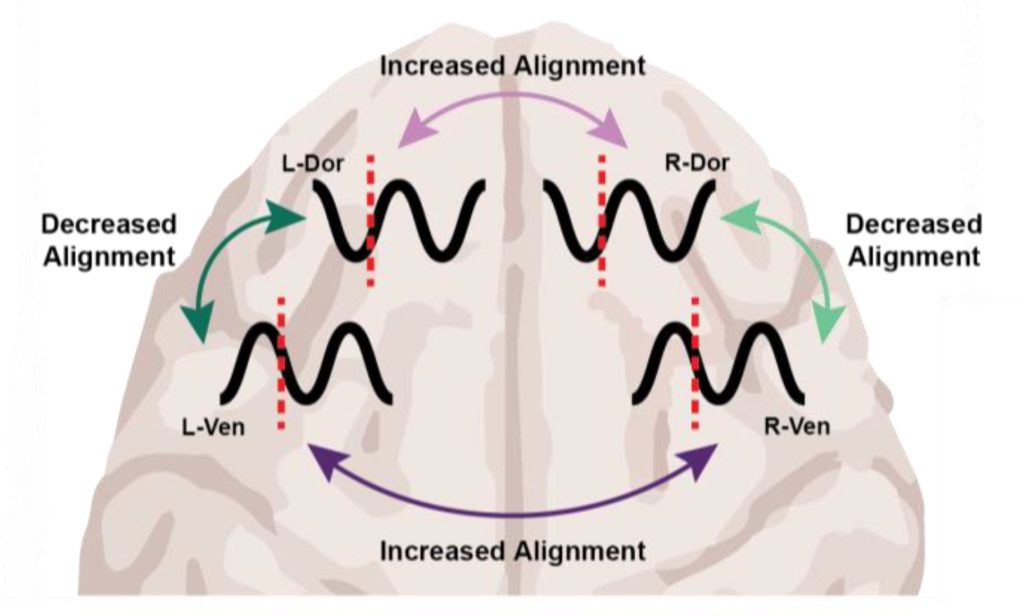
The findings suggest that regularly occurring mood switches in bipolar disorder patients are controlled by two “clocks”: the biological 24-hour clock, and a second clock that is driven by dopamine-producing neurons that typically influence alertness. A manic or depressed state may arise depending on how these two clocks, which run at different speeds, align at a given time.

Notably, the authors say this second dopamine-based clock probably stays dormant in healthy people.

To carry out their study, the scientists activated the second clock in mice to create behavioral rhythms similar to the mood swinging in bipolar disorder. When they disrupted dopamine-producing neurons in the brain’s reward centre, these rhythms ceased, highlighting dopamine as a key factor in the mood swings of bipolar disorder.

Hope for new treatments: Silencing the clock

Current treatments for bipolar disorder focus on stabilizing moods but often don’t address the root causes of mood swings, the researchers said.

“Our discovery of a dopamine-based arousal rhythm generator provides a novel and distinct target for treatment, which should aim at correcting or silencing this clock to reduce the frequency and intensity of mood episodes,” said Storch.

What remains unknown is the exact molecular workings of the dopamine clock, as well as the genetic and environmental factors that may activate it in humans. The research team’s next step will be to focus on these molecular “gears” and investigate these potential triggers.

Source: McGill University

New AI Tool for TBI Investigations in Forensics and Law Enforcement

Photo by Tom Jur on Unsplash

A study led by University of Oxford researchers has developed an advanced physics-based AI-driven tool to aid traumatic brain injury (TBI) investigations in forensics and law enforcement. The findings have been published in Communications Engineering.

TBI is a critical public health issue, with severe and long-term neurological consequences. In forensic investigations, determining whether an impact could have caused a reported injury is crucial for legal proceedings, yet there is currently no standardised, quantifiable approach to do this. The new study demonstrates how machine learning tools informed by mechanistic simulations could provide evidence-based injury predictions. This would help police and forensic teams accurately predict TBI outcomes based on documented assault scenarios.

The study’s AI framework, trained on real, anonymised police reports and forensic data, achieved remarkable prediction accuracy for TBI-related injuries:

  • 94% accuracy for skull fractures
  • 79% accuracy for loss of consciousness
  • 79% accuracy for intracranial haemorrhage

In each case, the model showed high specificity and high sensitivity (a low rate of false positive and false negative results).

This research represents a significant step forward in forensic biomechanics. By leveraging AI and physics-based simulations, we can provide law enforcement with an unprecedented tool to assess TBIs objectively.

The framework uses a general computational mechanistic model of the head and neck, designed to simulate how different types of impacts—such as punches, slaps, or strikes against a flat surface—affect various regions. This provides a basic prediction of whether an impact is likely to cause tissue deformation or stress. However, it does not predict on its own any risk of injury. This is done by an upper AI layer which incorporates this information with any additional relevant metadata, such as the victim’s age and height, before providing a prediction for a given injury.

Lead researcher Antoine Jérusalem, Professor of Mechanical Engineering in the Department of Engineering Science, University of Oxford

The researchers trained the overall framework on 53 anonymised real police reports of assault cases. Each report included information about a range of factors which could affect the blow’s severity (e.g., age, sex, body build of the victim/offender). This resulted in a model capable of integrating mechanical biophysical data with forensic details to predict the likelihood of different injuries occurring.

When the researchers assessed which factors had the most influence on the predictive value for each type of injury, the results were remarkably consistent with medical findings. For instance, when predicting the likelihood of skull fracture, the most important factor was the highest amount of stress experienced by the scalp and skull during an impact. Similarly, the strongest predictor of loss of consciousness was the stress metrics for the brainstem.

Understanding brain injuries using innovative technology to support a police investigation, previously reliant on limited information, will greatly enhance the interpretation required from a medical perspective to support prosecutions.

Ms Sonya Baylis, Senior Manager at the National Crime Agency

The research team insists that the model is not intended to replace the involvement of human forensic and clinical experts in investigating assault cases. Rather, the intention is to provide an objective estimate of the probability that a documented assault was the true cause of a reported injury. The model could also be used as a tool to identify high-risk situations, improve risk assessments, and develop preventive strategies to reduce the occurrence and severity of head injuries.

Lead researcher Antoine Jérusalem, Professor of Mechanical Engineering in the Department of Engineering Science at the University of Oxford said: ‘Our framework will never be able to identify without doubt the culprit who caused an injury. All it can do is tell you whether the information provided to it is correlated with a certain outcome. Since the quality of the output depends on the quality of the information fed into the model, having detailed witness statements is still crucial.’

Dr Michael Jones, Researcher at Cardiff University, and Forensics Consultant, said: ‘An “Achilles heel” of forensic medicine is the assessment of whether a witnessed or inferred mechanism of injury, often the force, matches the observed injuries. With the application of machine learning, each additional case contributes to the overall understanding of the association between the mechanism of cause, primary injury, pathophysiology and outcome.’

The study ‘A mechanics-informed machine learning framework for traumatic brain injury prediction in police and forensic investigations’ has been published in Communications Engineering. It was conducted by an interdisciplinary team of engineers, forensic specialists, and medical professionals from the University of Oxford, Thames Valley Police, the National Crime Agency, Cardiff University, Lurtis Ltd., the John Radcliffe Hospital and other partner institutions.

Source: University of Oxford

High Temperatures Could Impact the Brain Function of Young Children

Photo by frank mckenna on Unsplash

Exposure to high ambient temperatures is associated with lower connectivity in three brain networks in preadolescents, suggesting that heat may impact brain function. This is the conclusion of a study led by the Barcelona Institute for Global Health (ISGlobal). The results have been published in the Journal of the American Academy of Child & Adolescent Psychiatry

The study involved 2229 children aged 9 to 12 from the “Generation R” cohort in Rotterdam, Netherlands. Functional connectivity data from brain networks, i.e., how different regions of the brain communicate and collaborate, were assessed using resting-state magnetic resonance imaging, when the children were not performing any active tasks. Daily mean temperature estimates were obtained from the UrbClim urban climate model, developed by the Flemish Institute for Technological Research. Temperature values were calculated for the period from 2013 to 2015, assigning daily averages to each participant based on their home address.

Higher ambient temperatures during the week preceding the MRI assessment were associated with lower functional connectivity within the medial parietal, salience, and hippocampal networks, which are essential for proper brain functioning. This implies that brain areas may work less synchronously, affecting processes such as attention, memory, and decision-making. The medial parietal network is related to introspection and self-perception; the salience network detects environmental stimuli and prioritises what deserves our attention; and the hippocampal network is critical for memory and learning.

The research shows that the association between high temperatures and lower functional connectivity was strongest on the day before the brain scan and progressively decreased on subsequent days. In contrast, low average daily temperatures were not associated with functional connectivity.

“We hypothesise that dehydration could explain our findings, as children are particularly vulnerable to fluid loss when exposed to heat, which can affect the functional connectivity of brain networks,” says study lead author Laura Granés, researcher at IDIBELL and ISGlobal.

“In the current climate emergency, public health policies aimed at protecting children and adolescents from high temperatures could help mitigate potential effects on brain function,” says Mònica Guxens, ICREA researcher at ISGlobal and senior author of the study.

Implications for mental health

Although brain function alterations have been suggested as a possible mechanism linking temperature and mental health, no study to date has examined the effects of ambient temperature on functional brain networks. In another recent study, the same research team found that exposure to cold and heat can affect psychiatric symptoms such as anxiety, depression and attention problems. In addition, other studies have linked lower connectivity within the brain’s salience network to suicidal ideation and self-harming behaviours in adolescents with depression, as well as to anxiety disorders.

“Given the role of the salience network in suicidal ideation, our findings raise a new hypothesis: high temperatures could decrease the functional connectivity of this network, indirectly contributing to a higher risk of suicide in individuals with pre-existing mental health conditions,” explains Carles Soriano-Mas, researcher at IDIBELL and the University of Barcelona and one of the study’s authors. “While we do not propose that these connectivity changes, triggered by heat exposure, directly induce suicidal behaviours, they could act as a trigger in vulnerable individuals,” adds the researcher. 

Source: Barcelona Institute for Global Health (ISGlobal)

Memory is Impaired in Aged Rats After 3 Days of High-fat Diet

Some fast food offerings, such as cheeseburgers, contain more than 60% of calories from fat. Photo by Jonathan Borba

Just a few days of eating a diet high in saturated fat could be enough to cause memory problems and related brain inflammation in older adults, a new study in rats suggests. 

In the study, published in Immunity & Aging, researchers fed separate groups of young and old rats the high-fat diet for three days or for three months to compare how quickly changes happen in the brain versus the rest of the body when eating an unhealthy diet. 

As expected based on previous diabetes and obesity research, eating fatty foods for three months led to metabolic problems, gut inflammation and dramatic shifts in gut bacteria in all rats compared to those that ate normal chow, while just three days of high fat caused no major metabolic or gut changes.

When it came to changes in the brain, however, researchers found that only older rats – whether they were on the high-fat diet for three months or only three days – performed poorly on memory tests and showed negative inflammatory changes in the brain. 

The results dispel the idea that diet-related inflammation in the aging brain is driven by obesity, said senior study author Ruth Barrientos, an investigator in the Institute for Behavioral Medicine Research at The Ohio State University. Most research on the effects of fatty and processed foods on the brain has focused on obesity, yet the impact of unhealthy eating, independent of obesity, remains largely unexplored. 

“Unhealthy diets and obesity are linked, but they are not inseparable. We’re really looking for the effects of the diet directly on the brain. And we showed that within three days, long before obesity sets in, tremendous neuroinflammatory shifts are occurring,” said Barrientos, also an associate professor of psychiatry and behavioural health and neuroscience in Ohio State’s College of Medicine.  

“Changes in the body in all animals are happening more slowly and aren’t actually necessary to cause the memory impairments and changes in the brain. We never would have known that brain inflammation is the primary cause of high-fat diet-induced memory impairments without comparing the two timelines.” 

Years of research in Barrientos’ lab has suggested that aging brings on long-term “priming” of the brain’s inflammatory profile coupled with a loss of brain-cell reserve to bounce back, and that an unhealthy diet can make matters worse for the brain in older adults. 

Fat constitutes 60% of calories in the high-fat diet used in the study, which could equate to a range of common fast-food options: For example, nutrition data shows that fat makes up about 60% of calories in a McDonald’s double smoky BLT quarter pounder with cheese or a Burger King double whopper with cheese

After the animals were on high-fat diets for three days or three months, researchers ran tests assessing two types of memory problems common in older people with dementia that are based in separate regions of the brain: contextual memory mediated by the hippocampus (the primary memory center of the brain), and cued-fear memory that originates in the amygdala (the fear and danger center of the brain). 

Compared to control animals eating chow and young rats on the high-fat diet, aged rats showed behaviors indicating both types of memory were impaired after only three days of fatty food – and the behaviors persisted as they continued on the high-fat diet for three months. 

Researchers also saw changes in levels of a range of proteins called cytokines in the brains of aged rats after three days of fatty food, which signaled a dysregulated inflammatory response. Three months after being on the high-fat diet, some of the cytokine levels had shifted but remained dysregulated, and the cognitive problems persisted in behavior tests. 

“A departure from baseline inflammatory markers is a negative response and has been shown to impair learning and memory functions,” Barrientos said. 

Compared to rats eating normal chow, young and old animals gained more weight and showed signs of metabolic dysfunction – poor insulin and blood sugar control, inflammatory proteins in fat (adipose) tissue, and gut microbiome alterations – after three months on the high-fat diet. Young rats’ memory and behavior and brain tissue remained unaffected by the fatty food. 

“These diets lead to obesity-related changes in both young and old animals, yet young animals appear more resilient to the high-fat diet’s effects on memory. We think it is likely due to their ability to activate compensatory anti-inflammatory responses, which the aged animals lack,” Barrientos said. 

“Also, with glucose, insulin and adipose inflammation all increased in both young and old animals, there’s no way to distinguish what is causing memory impairment in only old animals if you look only at what’s happening in the body. It’s what is happening in the brain that’s important for the memory response.” 

Source: Ohio State University

Leakiness of First Blood–brain Barrier Layer Results in Cognitive Deficits

a, Diagram of the BBB and brain endothelial glycocalyx layer. b, TEM of cortical capillaries with lanthanum nitrate staining from young (3-month-old) and aged (21-month-old) mice. Scale bars, 1 µm. Source: Shi et al., Nature, 2025.

A study published in Nature reveals how a key component of the blood–brain barrier (BBB), the endothelial glycocalyx layer, becomes dysregulated in ageing, causing the BBB to become compromised. The researchers also investigated the possibility of to restore this layer’s integrity, reducing neuroinflammation and restoring cognitive function.

The BBB is a highly specialised safeguard keeping the brain separate from harmful factors, such as toxins and also albumin, IgG and fibrinogen (and, unfortunately, many medications which could otherwise treat brain disease). The leakage of such blood-derived molecules into the brain has been shown to trigger neuroinflammatory changes and create a neurotoxic brain environment. The part of the BBB directly in contact with the blood is the endothelial glycocalyx layer, a carbohydrate-rich meshwork mostly composed of proteoglycans, glycoproteins and glycolipids that coats the BBB lumen. Yet the endothelial glycocalyx’s composition and role is poorly understood despite it being the first layer of interface between the blood and brain.

The researchers found that the brain endothelial glycocalyx is highly dysregulated during ageing and neurodegenerative disease. Two mucin-type O-glycan biosynthetic enzymes, C1GALT1 and B3GNT3 were also found to be downregulated mouse models of ageing and in the brains of Alzheimer’s and Huntington’s disease patients. To test these, the researchers used adeno-associated viruses (AAV) in young mice to turn down the expression of C1GALT1 and B3GNT3. These mice showed signs of BBB leakage and in severe cases, brain haemorrhaging occurred in mice.

In samples from the brains of Alzheimer’s patients, the researchers also observed reduced C1GALT1 in microvessels.

To test if it was possible to restore the BBB’s ability to protect the brain against harmful blood-borne molecules, they administered AAVs in aged mice to restore levels of B3GNT3 and C1GALT1.

Assessing cognitive function, they found that aged mice treated with B3GNT3 via an AAV displayed improvements in spatial working memory in a maze test and hippocampal-dependent learning and memory in a fear conditioning test. Aged mice treated with C1GALT1 did not improve in the maze test, and no significant difference was observed in cued freezing in the fear conditioning among the three aged groups.

Although the study shows that increasing C1GALT1 and B3GNT3 reduces BBB permeability and improves brain health, the precise mechanisms that underlie these beneficial effects remain unclear. The researchers believe that by limiting the nonspecific uptake of blood-derived molecules, the brain can be protected. But C1GALT1 and B3GNT3 are also likely to influence a wide range of proteins and glycan structures and in order to further understand brain ageing and rejuvenation it is therefore crucial to understand the molecular pathways affected by them.

The authors concluded: “Cumulatively, our findings provide a detailed compositional and structural mapping of the ageing brain endothelial glycocalyx layer and reveal important consequences of ageing- and disease-associated glycocalyx dysregulation on BBB integrity and brain health.”

Drug More than Doubles Survival Time for Glioblastoma Patients

MRI scan showing brain cancer. Credit: Michelle Monje, MD, PhD, Stanford University

A drug developed at The University of Texas Health Science Center at San Antonio (UT Health San Antonio) has been shown to extend survival for patients with glioblastoma, the most common primary brain tumour in adults.

Results of a trial led by the university and reported in Nature Communications revealed that a unique investigational drug formulation called Rhenium Obisbemeda (186RNL) more than doubled median survival and progression-free time, compared with standard median survival and progression rates, and with no dose-limiting toxic effects.

“As a disease with a pattern of recurrence, resistance to chemotherapies and difficulty to treat, glioblastoma has needed durable treatments that can directly target the tumour while sparing healthy tissue,” said lead author Andrew J. Brenner, MD, PhD, professor and chair of neuro-oncology research with Mays Cancer Center at UT Health San Antonio. “This trial provides hope, with a second trial under way and planned for completion by the end of this year.”

Brenner said that the median overall survival time for patients with glioblastoma after standard treatment fails with surgery, radiation and chemotherapy is only about 8 months. More than 90% of patients have a recurrence of the disease at its original location.

Rhenium Obisbemeda enables very high levels of a specific activity of rhenium-186 (186Re), a beta-emitting radioisotope, to be delivered by tiny liposomes, referring to artificial vesicles or sacs having at least one lipid bilayer. The researchers used a custom molecule known as BMEDA to chelate or attach 186Re and transport it into the interior of a liposome where it is irreversibly trapped.

In this trial, known as the phase 1 ReSPECT-GBM trial, scientists set out to determine the maximum tolerated dose of the drug, as well as safety, overall response rate, disease progression-free survival and overall survival.

After failing one to three therapies, 21 patients who were enrolled in the study between March 5, 2015, and April 22, 2021, were treated with the drug administered directly to the tumours using neuronavigation and convection catheters.

The researchers observed a significant improvement in survival compared with historical controls, especially in patients with the highest absorbed doses, with a median survival and progression-free time of 17 months and 6 months, respectively, for doses greater than 100Gy.

Importantly, they did not observe any dose-limiting toxic effects, with most adverse effects deemed unrelated to the study treatment.

“The combination of a novel nanoliposome radiotherapeutic delivered by convection-enhanced delivery, facilitated by neuronavigational tools, catheter design and imaging solutions, can successfully and safely provide high absorbed radiation doses to tumours with minimal toxicity and potential survival benefit,” Brenner concluded.

Source: University of Texas Health Science Center at San Antonio

Over-the-counter Pain Relievers Linked to Improved Recovery from Concussion

Credit: Pixabay CC0

People who take over-the-counter pain relievers after a concussion may recover faster than those who do not take pain relievers, according to a preliminary study that will be presented at the American Academy of Neurology’s 77th Annual Meeting taking place April 5–9, 2025.

The study does not prove that pain relievers improve recovery after concussion; it only shows an association.

“These results are exciting as there are limited treatment options for concussion, and over-the-counter pain relievers are readily available and inexpensive,” said study author Kyle Arnold, MD, of the University of Washington in Seattle and a member of the American Academy of Neurology.

“If these results can be confirmed by a controlled study, they could guide us to possible treatment options for people after a concussion.”

The cohort study was conducted by the NCAA and US Department of Defense CARE Consortium and looked at NCAA athletes and military cadets who had concussions. A total of 813 people took over-the-counter pain relievers such as acetaminophen or ibuprofen and other non-steroidal anti-inflammatory drugs after their concussion and 848 people did not take any pain relievers.

Researchers looked at the amount of time it took the athletes to be cleared to return to activities with no restrictions at both 50% recovery and 90% recovery, meaning when 50% of the athletes in the study recovered and then later when 90% recovered.

People who took the pain relievers were 20% more likely to have a faster time before they were cleared to return to activities with no restrictions than those who did not take pain relievers. Those who took the medications were cleared at 50% recovery an average of two days faster, and at 90% recovery an average of seven days faster than those who took no medication.

People who took pain relievers were also about 15% more likely to return to having no symptoms more quickly than those who did not take pain relievers. At 50% recovery, those taking the medications had no symptoms one day sooner than those not taking the medications. At 90% recovery, they had no symptoms three days sooner.

Those who took pain relievers also had lower scores on tests of how severe their symptoms were overall and how severe their headaches were. The researchers also found that the earlier people took the pain relievers after the injury, the faster they recovered. For instance, at 50% recovery, those who started using pain relievers on the first day of their injury returned to play and had resolution of symptoms approximately eight days faster than those who started taking them after five or more days.

There was no difference between the type of pain reliever taken and how quickly people recovered.

“Early medication use appeared to be linked to shorter recovery times, but these findings require further validation through controlled trials,” Arnold said. “In the meantime, these preliminary results may help inform potential treatment options for people recovering from concussions, but additional studies are needed to provide more definitive recommendations.”

Source: American Academy of Neurology

Promising Findings in Testing Nasal Spray for TBI Treatment

Source: CC0

A new study led by researchers at Mass General Brigham suggests a nasal spray developed to target neuroinflammation could one day be an effective treatment for traumatic brain injury (TBI). By studying the effects of the nasal anti-CD3 in a mouse model of TBI, researchers found the spray could reduce damage to the central nervous system and behavioural deficits, suggesting a potential therapeutic approach for TBI and other acute forms of brain injury. The results are published in Nature Neuroscience.

“Traumatic brain injury is a leading cause of death and disability – including cognitive decline – and chronic inflammation is one of the key reasons,” said lead author Saef Izzy, MD, FNCS, FAAN, a neurologist and head of the Immunology of Brain Injury Program at Brigham and Women’s Hospital, a founding member of the Mass General Brigham healthcare system. “Currently, there is no treatment to prevent the long-term effects of traumatic brain injury.”

The study examines the monoclonal antibody Foralumab, made by Tiziana, which has been tested in clinical trials for patients with multiple sclerosisAlzheimer’s disease, and other conditions.

“This opens up a whole new area of research and treatment in traumatic brain injury, something that’s almost impossible to treat,” said senior author Howard Weiner, MD, co-director of the Ann Romney Center for Neurologic Diseases at Brigham and Women’s Hospital. “It also means this could work in intracerebral hemorrhage and other stroke patients with brain injury.”

Multiple experiments were done in mouse models with moderate-to-severe traumatic brain injury to explore the communication between regulatory cells induced by the nasal treatment and the microglial immune cells in the brain. Over time, researchers were able to identify how they modulate immune response.

“Modulating the neuroinflammatory response correlated with improved neurological outcomes, including less anxiety, cognitive decline, and improved motor skills,” Izzy said.

In addition to assessing the effects of the treatment, the research team was able to learn about immune response over time and compare the immune responses and effects of TBI in the mice.

The next step in the research is to translate the findings from preclinical models to human patients.

“Our patients with traumatic brain injury still don’t have an effective therapeutic to improve their outcomes, so this is a very promising and exciting time to move forward with something that’s backed up with solid science and get it to patients’ bedsides,” said Izzy.

Once in the clinical setting, Weiner said the hope is this treatment could be used on a variety of traumatic brain injury patients, including football players with repetitive concussions. 

“We envision giving a nasal spray right there on the sidelines,” said Weiner. “It isn’t something we can do yet, but we see the potential.”

Source: Mass General Brigham

Scientists Crack the Puzzle of How Retinoic Acid Works Against Neuroblastoma

Photo by Anna Shvets

Neuroblastoma is a solid tumour that occurs in children. When high-risk, the disease has a poor prognosis. Decades ago, adding the drug retinoic acid to neuroblastoma treatment increased survival by 10–15%. However, this effect was only evident in post-chemotherapy consolidation after bulky primary tumours had largely been eliminated. Why retinoic acid is effective in this setting but not against primary tumours, has been speculated about for nearly 50 years. 

St. Jude Children’s Research Hospital scientists resolved the mystery in a new study, showing retinoic acid uses a novel mechanism to kill metastasised neuroblastoma. The drug “hijacks” a normal developmental pathway to trigger cancer cell death. The findings, which have implications for future combination therapy approaches, appears in Nature Communications

“We’ve come up with an explanation for a decades-long contradiction about why retinoic acid works in post-chemotherapy consolidation but has little impact on primary neuroblastoma tumours,” said senior co-corresponding author Paul Geeleher, PhD. “Retinoic acid’s activity heavily depends on the cellular microenvironment.” 

The cellular microenvironment is the soup of chemicals, proteins and other signals that surround a cell, and which is unique to that part of the body. For example, the bone marrow microenvironment contains signals to grow blood cells and restructure bone. Metastasised neuroblastoma cells often migrate to bone marrow, where the bone morphogenetic protein (BMP) pathway signalling is highly active. The researchers showed that BMP signaling makes neuroblastoma cells much more vulnerable to retinoic acid. 

“Unexpectedly, we found that cells expressing genes from the BMP signaling pathway were very sensitive to retinoic acid,” said co-first and co-corresponding author Min Pan, PhD, St. Jude Department of Computational Biology. “However, since the bone marrow microenvironment causes neuroblastoma cells there to have higher BMP activity, it neatly explained why retinoic acid is very effective at treating those cells during consolidation therapy, but not the primary tumours during up-front treatment.” 

Hijacking development to drive metastatic neuroblastoma cell death 

Using gene editing technology, the scientists uncovered the relationship between BMP signaling and retinoic acid. They assembled a group of neuroblastoma cell lines susceptible to retinoic acid, then cut out genes to find which were responsible for the drug’s activity. Genes in the BMP pathway had the largest effect while providing a plausible explanation for retinoic acid’s varying outcomes in patients.

“We found that, in neuroblastoma, BMP signaling works with retinoic acid signaling in the same way as during development,” said co-first author Yinwen Zhang, PhD, who characterised how transcription factors, the proteins that bind DNA to regulate gene expression, led to different results in highly retinoic acid-sensitive or insensitive neuroblastoma cells. “If there are a lot of BMP-signaling pathway transcription factors already on DNA, then retinoic acid signaling combines with it to promote downstream cell death–related gene expression. This occurs both in normal embryonic development and neuroblastoma cells in certain microenvironments.” 

“We are the first to uncover such an example of ‘hijacking’ a normal embryonic developmental process preserved in cancer that we can exploit therapeutically,” Geeleher said. “Now, we can look for similar processes in other diseases to design less toxic and more effective treatment strategies.” 

Source: St. Jude Children’s Research Hospital