A class of drugs for diabetes may be associated with a lower risk of dementia and Parkinson’s disease, according to a study published in Neurology®, the medical journal of the American Academy of Neurology. The study looked at sodium-glucose cotransporter-2 (SGLT2) inhibitors, which are also known as gliflozins. They lower blood sugar by causing the kidneys to remove sugar from the body through urine.
“We know that these neurodegenerative diseases like dementia and Parkinson’s disease are common and the number of cases is growing as the population ages, and people with diabetes are at increased risk of cognitive impairment, so it’s encouraging to see that this class of drugs may provide some protection against dementia and Parkinson’s disease,” said study author Minyoung Lee, MD, PhD, of Yonsei University College of Medicine in Seoul, South Korea.
The retrospective study looked at people with type 2 diabetes who started diabetes medication from 2014 to 2019 in South Korea. People taking SGLT2 inhibitors were matched with people taking other oral diabetes drugs, so the two groups had people with similar ages, other health conditions and complications from diabetes.
Then researchers followed the participants to see whether they developed dementia or Parkinson’s disease. Those taking the SGLT2 inhibitors were followed for an average of two years and those taking the other drugs were followed for an average of four years.
Among the 358 862 participants with an average age of 58, a total of 6837 people developed dementia or Parkinson’s disease during the study. For Alzheimer’s disease, the incidence rate for people taking SGLT2 inhibitors was 39.7 cases per 10 000 person-years, compared to 63.7 cases for those taking other diabetes drugs. Person-years represent both the number of people in the study and the amount of time each person spends in the study.
For vascular dementia, which is dementia caused by vascular disease, the incidence rate for people taking the SGLT2 drugs was 10.6 cases per 10 000, compared to 18.7 for those taking the other drugs. For Parkinson’s disease, the incidence rate for those taking the SGLT2 drugs was 9.3 cases per 10 000, compared to 13.7 for those taking the other drugs.
After researchers adjusted for other factors that could affect the risk of dementia or Parkinson’s disease, such as complications from diabetes and medications, they found that SGLT2 inhibitor use was associated with a 20% reduced risk of Alzheimer’s disease and a 20% reduced risk of Parkinson’s disease. Those taking the drugs had a 30% reduced risk of developing vascular dementia.
“The results are generally consistent even after adjusting for factors like blood pressure, glucose, cholesterol and kidney function,” Lee said. “More research is needed to validate the long-term validity of these findings.” Lee said that since participants were followed for less than five years at the most, it’s possible that some participants would later develop dementia or Parkinson’s disease.
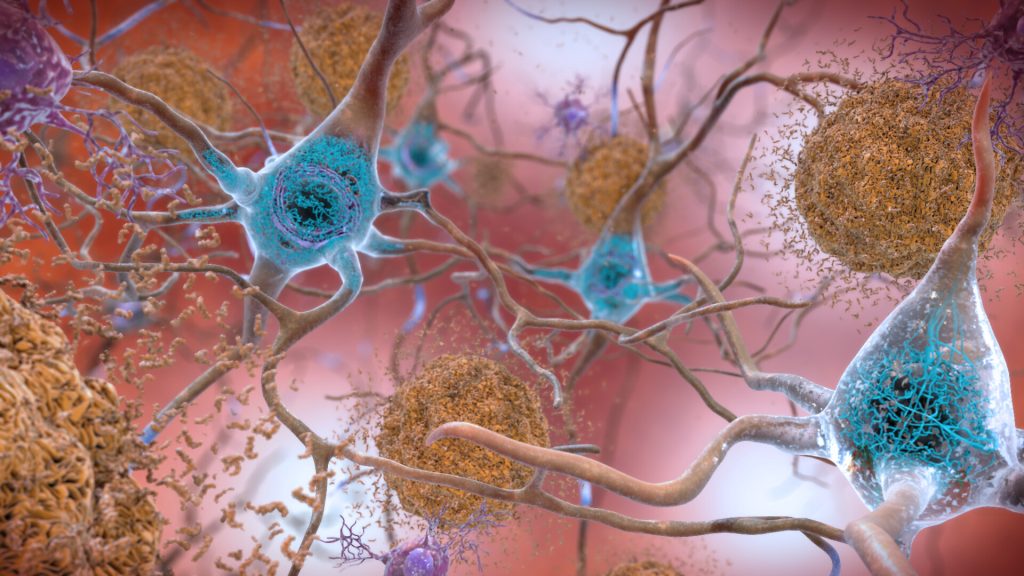
Neurons in the brain of an Alzheimer’s patient, with plaques caused by tau proteins. Credit: NIH
A new way to combat Alzheimer’s disease has been discovered by Takaomi Saido and his team at the RIKEN Center for Brain Science (CBS) in Japan. Using mouse models, the researchers found that treatment with dopamine could alleviate physical symptoms in the brain as well as improve memory. Published in Science Signaling, the study examines dopamine’s role in promoting the production of neprilysin, an enzyme that can break down the harmful plaques in the brain that are the hallmark of Alzheimer’s disease. If demonstrated in human clinical trials, it could lead to a fundamentally new way to treat the disease.
The formation of hardened plaques around neurons is one of the earliest signs of Alzheimer’s disease, often beginning decades before behavioural symptoms such as memory loss are detected. These plaques are formed from pieces of the peptide beta-amyloid that accumulate over time. In the new study, Saido’s team at RIKEN CBS focuses on the enzyme neprilysin because previous experiments showed that genetic manipulation that produces excess neprilysin in the brain (a process called upregulation) resulted in fewer beta-amyloid plaques and improved memory in mice.
Neprilysin by itself cannot be a medication as it cannot enter the brain from the blood stream, so the researchers screened molecules to determine which ones can naturally upregulate neprilysin in the correct parts of the brain. The team’s previous research led them to narrow down the search to hormones produced by the hypothalamus, and they discovered that applying dopamine to brain cells cultured in a dish yielded increased levels of neprilysin and reduced levels of free-floating beta-amyloid.
Now the serious experiments began. Using a DREADD system, they inserted tiny designer receptors into the dopamine producing neurons of the mouse ventral tegmental area. By adding a matching designer drug to the mice’s food, the researchers were able to continuously activate those neurons, and only those neurons, in the mouse brains. As in the dish, activation led to increased neprilysin and decreased levels of free-floating beta-amyloid, but only in the front part of the mouse brain. But could the treatment remove plaques? Yes. The researchers repeated the experiment using a special mouse model of Alzheimer’s disease in which the mice develop beta-amyloid plaques. Eight weeks of chronic treatment resulted in significantly fewer plaques in the prefrontal cortex of these mice.
The DREADD system is an incredible system for precise manipulation of specific neurons. But it is not very useful for human clinical settings. The final experiments tested the effects of L-DOPA treatment. L-DOPA is a dopamine precursor molecule often used to treat Parkinson’s disease because it can enter the brain from the blood, where it is then converted into dopamine. Treating the model mice with L-DOPA led to increased neprilysin and decreased beta-amyloid plaques in both frontal and posterior parts of the brain. Model mice treated with L-DOPA for three months also performed better on memory tests than untreated model mice.
Tests showed that neprilysin levels naturally decreased with age in normal mice, particularly in the frontal part of the brain, perhaps making it a good biomarker for preclinical or at-risk Alzheimer’s disease diagnoses. How dopamine causes neprilysin levels to increase remains unknown, and is the next research topic for Saido’s group.
“We have shown that L-DOPA treatment can help reduce harmful beta-amyloid plaques and improve memory function in a mouse model of Alzheimer’s disease,” explains Watamura Naoto, first author of the study. “But L-DOPA treatment is known to have serious side effects in patients with Parkinson’s disease. Therefore, our next step is to investigate how dopamine regulates neprilysin in the brain, which should yield a new preventive approach that can be initiated at the preclinical stage of Alzheimer’s disease.”
Neurons in the brain of an Alzheimer’s patient, with plaques caused by tau proteins. Credit: NIH
People with multiple sclerosis (MS) are far less likely than those without the condition to have the molecular hallmarks of Alzheimer’s disease, according to a paper published in the Annals of Neurology.
The study from Washington University School of Medicine in St. Louis, suggests a new direction for researching Alzheimer’s treatments, said Matthew Brier, MD PhD, an assistant professor of neurology and radiology and the study’s first author.
“Our findings imply that some component of the biology of multiple sclerosis, or the genetics of MS patients, is protective against Alzheimer’s disease,” Brier said. “If we could identify what aspect is protective and apply it in a controlled way, that could inform therapeutic strategies for Alzheimer’s disease.”
A collaboration between WashU Medicine experts in Alzheimer’s and MS, the study was prompted by a suspicion Brier’s mentor and collaborator Anne Cross, MD, had developed over decades of treating patients with MS, an immune-mediated disease that attacks the central nervous system. Although her patients were living long enough to be at risk of Alzheimer’s or had a family history of the neurodegenerative disease, they weren’t developing the disease.
“I noticed that I couldn’t find a single MS patient of mine who had typical Alzheimer’s disease,” said Cross, the Manny and Rosalyn Rosenthal and Dr. John Trotter MS Center Chair in Neuroimmunology. “If they had cognitive problems, I would send them to the memory and aging specialists here at the School of Medicine for an Alzheimer’s assessment, and those doctors would always come back and tell me, ‘No, this is not due to Alzheimer’s disease.’”
Cognitive impairment caused by MS can be confused with symptoms of Alzheimer’s disease; Alzheimer’s can be confirmed with blood and other biological tests.
To confirm Cross’ observation, the research team used a new, FDA-approved blood test that was developed by Washington University researchers. Known as PrecivityAD2, the blood test is highly effective at predicting the presence of amyloid plaques in the brain. Such plaques are an indicator of Alzheimer’s disease and previously only could be verified with brain scans or spinal taps.
Brier, Cross and their colleagues recruited 100 patients with MS to take the blood test, 11 of whom also underwent PET scans at the School of Medicine’s Mallinckrodt Institute of Radiology. Their results were compared with the results from a control group of 300 individuals who did not have MS but were similar to those with MS in age, genetic risk for Alzheimer, and cognitive decline.
“We found that 50% fewer MS patients had amyloid pathology compared to their matched peers based on this blood test,” Brier said. This finding supported Cross’ observation that Alzheimer’s appeared to be less likely to develop among those with MS. It is not clear how amyloid accumulation is linked to the cognitive impairment typical of Alzheimer’s, but the accumulation of plaques is generally understood to be the first event in the biological cascade that leads to cognitive decline.
The researchers also found that the more typical the patient’s MS history was, in terms of age of onset, severity and overall disease progression, the less likely they were to have amyloid plaque accumulation in that patient’s brain compared with those with atypical presentations of MS. This suggests there is something about the nature of MS itself that is protective against Alzheimer’s disease, which Brier and Cross are planning to investigate.
MS patients generally have multiple flare-ups of the illness over the course of their lifetimes. During these flare-ups, the immune system attacks the central nervous system, including within the brain. It’s possible that this immune activity also reduces amyloid plaques, the researchers said.
“Perhaps when the Alzheimer’s disease amyloid pathology was developing, the patients with MS had some degree of inflammation in their brains that was spurred by their immune responses,” Brier said. Referring to work by co-author David M. Holtzman, MD, Brier noted that activated microglia, which are part of the brain’s immune response in MS, have been shown to clear amyloid from the brain in animal models.
Brier and Cross have begun the next steps of this research, both to tease out the possible human genetics involved, as well as to test amyloid plaque development in animal models representing MS.
Researchers in Berlin and Düsseldorf have implicated a new gene in the progression of Huntington’s disease in a brain organoid model. The gene may contribute to brain abnormalities much earlier than previously thought. The study is out now in Nature Communications.
The researchers are the first to implicate the gene CHCHD2 in Huntington’s disease (HD) – an incurable genetic neurodegenerative disorder – and identified the gene as a potentially new therapeutic target. In a brain organoid model of the disease, the researchers found that mutations in the Huntington gene HTT also affect CHCHD2, which is involved in maintaining the normal function of mitochondria.
Six different labs at the Max Delbrück Center participated in the study, led by Dr Jakob Metzger of the “Quantitative Stem Cell Biology” lab at the and the “Stem Cell Metabolism” lab of Professor Alessandro Prigione at Heinrich Heine University Düsseldorf (HHU). Each lab contributed their unique expertise on Huntington’s disease, brain organoids, stem cell research and genome editing. “We were surprised to find that Huntington’s disease can impair early brain development through defects associated with mitochondrial dysfunction,” says Dr Pawel Lisowski, co-lead author in the Metzger lab at the Max Delbrück Center.
Moreover, “the organoid model suggests that HTT mutations damage brain development even before clinical symptoms appear, highlighting the importance of detecting the late-onset neurodegenerative disease early,” Selene Lickfett, co-lead author and a doctoral student in the Faculty of Mathematics and Natural Science in the lab of Prigione at HHU adds.
The unusual repetition of three letters
Huntington’s disease is caused when the nucleotides Cytosine, Adenine and Guanine are repeated an excessive number of times in the in the Huntington gene HTT. People with 35 or less repeats are generally not at risk of developing the disease, while carrying 36 or more repeats has been associated with disease. The greater the number of repeats, the earlier the disease symptoms are likely to appear, explains Metzger, a senior author of the study. The mutations cause nerve cells in the brain to progressively die. Those affected, steadily lose muscle control and develop psychiatric symptoms such as impulsiveness, delusions and hallucinations. Huntington’s disease affects approximately five to 10 in every 100 000 people worldwide. Existing therapies only treat the symptoms of the disease, they don’t slow its progression or cure it.
The challenge of HTT gene editing
To study how mutations in the HTT gene affect early brain development, Lisowski, first used variants of the Cas9 gene editing technology and manipulation of DNA repair pathways to modify healthy induced pluripotent stem cells such that they carry a large number of CAG repeats. This was technically challenging because gene editing tools are not efficient in gene regions that contain sequence repeats, such as the CAG repeats in HTT, says Lisowski.
The genetically modified stem cells were then grown into brain organoids – three-dimensional structures a few millimetres in size that resemble early-stage human brains. When the researchers analysed gene expression profiles of the organoids at different stages of development, they noticed that the CHCHD2 gene was consistently under expressed, which reduced metabolism of neuronal cells. CHCHD2 is involved in ensuring the health of mitochondria – the energy producing structures in cells. CHCHD2 has been implicated in Parkinson’s disease, but never before in Huntington’s.
They also found that when they restored the function of the CHCHD2 gene, they could reverse the effect on neuronal cells. “That was surprising,” says Selene Lickfett. “It suggests in principle that this gene could be a target for future therapies.”
Moreover, defects in neural progenitor cells and brain organoids occurred before potentially toxic aggregates of mutated Huntingtin protein had developed, adds Metzger, indicating that disease pathology in the brain may begin long before it is clinically evident.
“The prevalent view is that the disease progresses as a degeneration of mature neurons,” says Prigione. “But if changes in the brain already develop early in life, then therapeutic strategies may have to focus on much earlier time-points.”
Wide reaching implications
“Our genome editing strategies, in particular the removal of the CAG repeat region in the Huntington gene, showed great promise in reversing some of observed developmental defects. This suggests a potential gene therapy approach,” says Prigione. Another potential approach could be therapies to increase CHCHD2 gene expression, he adds.
The findings may also have broader applications for other neurodegenerative diseases, Prigione adds. “Early treatments that reverse the mitochondrial phenotypes shown here could be a promising avenue for counteracting age-related diseases like Huntington’s disease.”
Dementia with Lewy bodies is a type of dementia that is similar to both Alzheimer’s disease and Parkinson’s disease but studies on long-term treatments are lacking. A new study from Karolinska Institutet, published in Alzheimer’s & Dementia: The Journal of the Alzheimer’s Association, highlights the potential cognitive benefits of cholinesterase inhibitor treatment.
Lewy body disease, which includes dementia with Lewy bodies (DLB) and Parkinson’s disease with and without dementia, is the second most common neurodegenerative disorder, following Alzheimer’s disease.
DLB accounts for approximately 10–15% of dementia cases and is characterised by changes in sleep, behaviour, cognition, movement, and regulation of automatic bodily functions.
“There are currently no approved treatments for DLB, so doctors often use drugs for Alzheimer’s disease, such as cholinesterase inhibitors and memantine, for symptom relief,” says Hong Xu, assistant professor at the Department of Neurobiology, Care Sciences and Society, Karolinska Institutet and first author of the paper. “However, the effectiveness of these treatments remains uncertain due to inconsistent trial results and limited long-term data.”
In the current study, researchers have examined the long-term effects of cholinesterase inhibitors (ChEIs) and memantine compared with no treatment for up to ten years in 1,095 patients with DLB.
Slower cognitive decline
They found that ChEIs may slow down cognitive decline over five years compared to memantine or no treatment. ChEIs were also associated with a reduced risk of death in the first year after diagnosis.
Due to the study’s observational nature, no conclusions can be drawn about causality. The researchers did not have data on patient lifestyle habits, frailty, blood pressure, and Alzheimer’s disease co-pathology, which may have influenced the findings. Another limitation of the study is that it remains challenging to diagnose DLB accurately.
Two new studies from UC San Francisco are pointing the way toward round-the-clock personalised care for people with Parkinson’s disease through an implanted device that can treat movement problems during the day and insomnia at night.
The approach, called adaptive deep brain stimulation, or aDBS, uses methods derived from AI to monitor a patient’s brain activity for changes in symptoms.
When it spots them, it intervenes with precisely calibrated pulses of electricity. The therapy complements the medications that Parkinson’s patients take to manage their symptoms, giving less stimulation when the drug is active, to ward off excess movements, and more stimulation as the drug wears off, to prevent stiffness.
It is the first time a so-called “closed loop” brain implant technology has been shown to work in Parkinson’s patients as they go about their daily lives. The device picks up brain signals to create a continuous feedback mechanism that can curtail symptoms as they arise. Users can switch out of the adaptive mode or turn the treatment off entirely with a hand-held device.
For the first study, researchers conducted a clinical trial with four people to test how well the approach worked during the day, comparing it to an earlier brain implant DBS technology known as constant or cDBS.
To ensure the treatment provided the maximum relief to each participant, the researchers asked them to identify their most bothersome symptom. The new technology reduced them by 50%. Results appear August 19 in Nature Medicine.
“There’s been a great deal of interest in improving DBS therapy by making it adaptive and self-regulating, but it’s only been recently that the right tools and methods have been available to allow people to use this long-term in their homes,” said Starr, who was recruited by UCSF in 1998 to start its DBS program.
Earlier this year, UCSF researchers led by Simon Little, MBBS, PhD, demonstrated in Nature Communications that adaptive DBS has the potential to alleviate the insomnia that plagues many patients with Parkinson’s.
“The big shift we’ve made with adaptive DBS is that we’re able to detect, in real time, where a patient is on the symptom spectrum and match it with the exact amount of stimulation they need,” said Little, associate professor of neurology and a senior author of both studies. Both Little and Starr are members of the UCSF Weill Institute for Neurosciences.
Restoring movement
Parkinson’s disease affects about 10 million people around the world. It arises from the loss of dopamine-producing neurons in deep regions of the brain that are responsible for controlling movement. The lack of those cells can also cause non-motor symptoms, affecting mood, motivation and sleep.
Treatment usually begins with levodopa, a drug that replaces the dopamine these cells are no longer able to make. However, excess dopamine in the brain as the drug takes effect can cause uncontrolled movements, called dyskinesia. As the medication wears off, tremor and stiffness set in again.
Some patients then opt to have a standard cDBS device implanted, which provides a constant level of electrical stimulation. Constant DBS may reduce the amount of medication needed and partially reduce swings in symptoms. But the device also can over- or undercompensate, causing symptoms to veer from one extreme to the other during the day.
Closing the loop
To develop a DBS system that could adapt to a person’s changing dopamine levels, Starr and Little needed to make the DBS capable of recognising the brain signals that accompany different symptoms.
Previous research had identified patterns of brain activity related to those symptoms in the subthalamic nucleus, or STN, the deep brain region that coordinates movement. This is the same area that cDBS stimulates, and Starr suspected that stimulation would mute the signals they needed to pick up.
So, he found alternative signals elsewhere in the brain – the motor cortex – that wouldn’t be weakened by the DBS stimulation.
The next challenge was to work out how to develop a system that could use these dynamic signals to control DBS in an environment outside the lab.
Building on findings from adaptive DBS studies that he had run at Oxford University a decade earlier, Little worked with Starr and the team to develop an approach for detecting these highly variable signals across different medication and stimulation levels.
Over the course of many months, postdoctoral scholars Carina Oerhn, PhD, Lauren Hammer, PhD, and Stephanie Cernera, PhD, created a data analysis pipeline that could turn all of this into personalised algorithms to record, analyse and respond to the unique brain activity associated with each patient’s symptom state.
John Ngai, PhD, who directs the Brain Research Through Advancing Innovative Neurotechnologies® initiative (The BRAIN Initiative®) at the National Institutes of Health, said the study promises a marked improvement over current Parkinson’s treatment.
“This personalised, adaptive DBS embodies The BRAIN Initiative’s core mission to revolutionise our understanding of the human brain,” he said.
A better night’s sleep
Continuous DBS is aimed at mitigating daytime movement symptoms and doesn’t usually alleviate insomnia.
But in the last decade, there has been a growing recognition of the impact that insomnia, mood disorders and memory problems have on Parkinson’s patients.
To help fill that gap, Little conducted a separate trial that included four patients with Parkinson’s and one patient with dystonia, a related movement disorder. In their paper published in Nature Communications, first author Fahim Anjum, PhD, a postdoctoral scholar in the Department of Neurology at UCSF, demonstrated that the device could recognise brain activity associated with various states of sleep. He also showed it could recognise other patterns that indicate a person is likely to wake up in the middle of the night.
Little and Starr’s research teams, including their graduate student Clay Smyth, have started testing new algorithms to help people sleep. Their first sleep aDBS study was published last year in Brain Stimulation.
Scientists are now developing similar closed-loop DBS treatments for a range of neurological disorders.
“We see that it has a profound impact on patients, with potential not just in Parkinson’s but probably for psychiatric conditions like depression and obsessive-compulsive disorder as well,” Starr said. “We’re at the beginning of a new era of neurostimulation therapies.”
The risk was higher for men who were carriers of a gene linked to dementia
Photo by Mari Lezhava on Unsplash
A new study led by investigators from Brigham and Women’s Hospital found that an episode of shingles is associated with about a 20 percent higher long-term risk of subjective cognitive decline. The study’s findings provide additional support for getting the shingles vaccine to decrease risk of developing shingles, according to the researchers. Their results are published in Alzheimer’s Research & Therapy.
“Our findings show long-term implications of shingles and highlight the importance of public health efforts to prevent and promote uptake of the shingles vaccine,” said corresponding author Sharon Curhan, MD, of the Channing Division for Network Medicine at Brigham and Women’s Hospital. “Given the growing number of Americans at risk for this painful and often disabling disease and the availability of a very effective vaccine, shingles vaccination could provide a valuable opportunity to reduce the burden of shingles and possibly reduce the burden of subsequent cognitive decline.”
Shingles, medically known as “herpes zoster,” is a viral infection that often causes a painful rash. Shingles is caused by the varicella zoster virus (VZV), the same virus that causes chickenpox. After a person has chickenpox, the virus stays in their body for the rest of their life. Most of the time, our immune system keeps the virus at bay. Years and even decades later, the virus may reactivate as shingles.
Almost all individuals in the US age 50 years and older have been infected with VZV and are therefore at risk for shingles. There’s a growing body of evidence that herpes viruses, including VZV, can influence cognitive decline. Subjective cognitive decline is an individual’s self-perceived experience of worsening or more frequent confusion or memory loss. It is a form of cognitive impairment and is one of the earliest noticeable symptoms of Alzheimer’s disease and related dementias.
Previous studies of shingles and dementia have been conflicting. Some research indicates that shingles increases the risk of dementia, while others indicate there’s no association or a negative association. In recent studies, the shingles vaccine was associated with a reduced risk of dementia.
To learn more about the link between shingles and cognitive decline, Curhan and her team used data from three large, well-characterized studies of men and women over long periods: The Nurses’ Health Study, the Nurses’ Health Study 2, and the Health Professionals Follow-Up Study. The study included 149,327 participants who completed health status surveys every two years, including questions about shingles episodes and cognitive decline. They compared those who had shingles with those who didn’t.
Curhan designed the study with first author Tian-Shin Yeh, formerly of the Harvard TH Chan School of Public Health. The researchers found that a history of shingles was significantly and independently associated with a higher risk – approximately 20% higher – of subjective cognitive decline in both women and men. That risk was higher among men who were carriers of the gene APOE4, which is linked to cognitive impairment and dementia. That same association wasn’t present in the women.
Researchers don’t know the mechanisms that link the virus to cognitive health, but there are several possible ways it may contribute to cognitive decline. There is growing evidence linking VZV to vascular disease, called VZV vasculopathy, in which the virus causes damage to blood vessels in the brain or body. Curhan’s group previously found that shingles was associated with higher long-term risk of stroke or heart disease.
Other mechanisms that may explain how the virus may lead to cognitive decline include causing inflammation in the brain, directly damaging the nerve and brain cells, and the activation of other herpesviruses.
The limitations of this research include that it was an observational study, information was based on self-report, and included a mostly white, highly educated population. In future studies, the researchers hope to learn more about preventing shingles and its complications.
“We’re evaluating to see if we can identify risk factors that could be modified to help reduce people’s risk of developing shingles,” Curhan said. “We also want to study whether the shingles vaccine can help reduce the risk of adverse health outcomes from shingles, such as cardiovascular disease and cognitive decline.”
Parkinson’s disease is induced by neuronal damage due to excessive production of reactive oxygen species. Suppression of reactive oxygen species generation is essential because it is fatal to dopaminergic neurons that manage dopamine neurotransmitters. Currently, only symptomatic treatment is available, so the development of treatment regimens and prevention methods is necessary.
Fortunately, Associate Professor Akiko Kojima-Yuasa of Osaka Metropolitan University’s Graduate School of Human Life and Ecology led a research group that has verified the physiological effect of Ecklonia cava polyphenols, seaweed antioxidants, on the prevention of Parkinson’s disease.
In this study, published in the journal Nutrients, two types of motor function tests were conducted using Parkinson’s disease model mice that were orally fed the antioxidants daily for one week and then administered rotenone. Results showed that motor function, which was decreased by rotenone, was restored. There was also improvement in intestinal motor function and the colon mucosa structure, a special tissue that covers the colon.
Further, cellular experiments using Parkinson’s disease model cells verified the biochemical interaction of the preventive effect of Ecklonia cava. Validation results showed that the antioxidants activate the AMPK enzyme (adenosine monophosphate-activated protein kinase), an intracellular energy sensor, and inhibit the production of reactive oxygen species that cause neuronal cell death.
“This study suggests that Ecklonia cava antioxidants may reduce neuronal damage by AMPK activation and inhibiting intracellular reactive oxygen species production,” stated Professor Kojima-Yuasa. “It is hoped that Ecklonia cava will be an effective ingredient in the prevention of Parkinson’s disease.”
Targeting oligodendrocytes could help reduce amyloid beta production
Neurons in the brain of an Alzheimer’s patient, with plaques caused by tau proteins. Credit: NIH
Oligodendrocytes are an important source of amyloid beta (Aβ) and play a key role in promoting neuronal dysfunction in Alzheimer’s disease (AD), according to a study published July 23, 2024 in the open-access journal PLOS Biology by Rikesh Rajani and Marc Aurel Busche from the UK Dementia Research Institute at University College London, and colleagues.
AD is a devastating neurodegenerative disorder affecting millions of people worldwide. Accumulation of Aβ – peptides consisting of 36 to 43 amino acids – is an early critical hallmark of the disease. Recent clinical trials demonstrating a slowing of cognitive and functional decline in individuals with AD who are treated with anti-Aβ antibodies reinforce the important role of Aβ in the disease process. Despite the key cellular effects of Aβ and its essential role in AD, the traditional assumption that neurons are the primary source of toxic Aβ in the brain has remained untested.
In the study, Rajani and Busche showed that non-neuronal brain cells called oligodendrocytes produce Aβ. They further demonstrated that selectively suppressing Aβ production in oligodendrocytes in an AD mouse model is sufficient to rescue abnormal neuronal hyperactivity. The results provide evidence for a critical role of oligodendrocyte-derived Aβ for early neuronal dysfunction in AD. Collectively, the findings suggest that targeting oligodendrocyte Aβ production could be a promising therapeutic strategy for treating AD.
According to the authors, the functional rescue is remarkable given the relatively modest reduction in plaque load that results from blocking oligodendrocyte Aβ production, while blocking neuronal Aβ production leads to a near elimination of plaques – another hallmark of the disease. This small contribution of oligodendrocytes to plaque load could suggest that a main effect of oligodendrocyte-derived Aβ is to promote neuronal dysfunction.
Together with the data showing an increased number of Aβ-producing oligodendrocytes in deeper cortical layers of the brains of individuals with AD, these results indicate that oligodendrocyte-derived Aβ plays a pivotal role in the early impairment of neuronal circuits in AD, which has important implications for how the disease progresses and is treated. The increased number of oligodendrocytes in human AD brains also raises the intriguing possibility that these cells could potentially offset reduced Aβ production due to neuronal loss as the disease progresses.
The authors add, “Our study challenges the long-held belief that neurons are the exclusive source of amyloid beta in the brain, one of the key toxic proteins that builds up in Alzheimer’s Disease. In fact, we show that oligodendrocytes, the myelinating cells of the central nervous system, can also produce significant amounts of amyloid beta which impairs neuronal function, and suggests that targeting these cells may be a promising new strategy to treat Alzheimer’s Disease.”
Having more positive experiences in life is associated with lower odds of developing brain disorders like Alzheimer’s disease, slower cognitive decline with age, and even a longer life. But how feelings and experiences are translated into physical changes that protect or harm the brain is still unclear.
Now, a study from Columbia researchers suggests that the brain’s mitochondria may play a fundamental part. The new study shows that the molecular machinery used by mitochondria to transform energy is boosted in older adults who experienced less psychological stress during their lives compared with individuals who had more negative experiences.
“We’re showing that older individuals’ state of mind is linked to the biology of their brain mitochondria, which is the first time that subjective psychosocial experiences have been related to brain biology,” says Caroline Trumpff, assistant professor of medical psychology, who led the research with Martin Picard, associate professor of behavioural medicine at Columbia University Vagelos College of Physicians and Surgeons and in the Robert N. Butler Columbia Aging Center.
“We think that the mitochondria in the brain are like antennae, picking up molecular and hormonal signals and transmitting information to the cell nucleus, changing the life course of each cell,” says Picard. “And if mitochondria can change cell behaviour, they can change the biology of the brain, the mind, and the whole person.”
Study details
The new research used data collected by two extensive studies of nearly 450 older adults in the United States. Each study collected detailed psychosocial information from the participants for two decades during their lives. Study participants donated their brains after death for further analysis, which provided data on the state of the participants’ brain cells.
Trumpff created indices that converted patients’ reports of positive and negative psychosocial factors into a single score of overall psychosocial experience. She also scored each participant on seven domains that represent distinct genetic networks active in mitochondria.
“The use of multivariate mitotype indices is an important innovation because we could more easily interpret the biological state of the mitochondria with networks of related genes than an analysis of thousands of individual genes,” Picard says.
Study results
The results showed that one mitochondrial domain – which assessed the organelle’s energy transformation machinery – was associated with psychosocial scores.
“Greater well-being was linked to greater abundance of proteins in mitochondria needed to transform energy, whereas negative mood was linked to lower protein content,” Trumpff says. “This may be why chronic psychological stress and negative experiences are bad for the brain, because they damage or impair mitochondrial energy transformation in the dorsolateral prefrontal cortex, the part of the brain responsible for high-level cognitive tasks.”
The researchers also analysed mitochondria in specific cell types in the brain and found that the associations between mitochondria and psychosocial factors were driven not by the brain’s neurons, but its glia cells, which may be playing more than their traditionally assumed “supportive” roles.
“This piece of the study, made possible by our collaboration with the Columbia Center for Translational and Computational Neuroimmunology, is what I think makes it particularly significant,” Picard says. “To ask questions at this level of cellular resolution in the brain is unprecedented in the mitochondrial field.
“Neurons have been the focus of neuroscience, but we’re waking up to the fact that other cells in the brain may be driving disease.”
Do mitochondria change mood, or does mood change mitochondria?
Though the current study cannot determine if the participant’s psychosocial experiences altered their brain mitochondria or if innate or acquired mitochondrial states contributed to those experiences, other studies suggest that the relationship between mitochondria and mood works both ways.
In animal studies, the evidence is very strong, Picard says, that chronic stress affects mitochondrial energy transformation. And in people, a recent study conducted by Picard and collaborator Elissa Epel at UCSF found the first evidence that mood may affect mitochondria in humans: In that study, positive mood predicted greater mitochondrial energy production in the participants’ blood cells on subsequent days, but mitochondrial activity did not predict mood on subsequent days.
A growing body of work in animals and humans also indicates that mitochondria themselves can alter behaviour.
“It’s possible that these mechanisms reinforce one another,” Trumpff says. “Chronic stress could alter an individual’s mitochondrial biology in ways that subsequently affects their perception of social events, creating more stress. The emerging picture in the literature is that all these pathways are interactive.”
Next steps
Though the brain’s energy transformation machinery was greater in participants with higher psychosocial scores, the researchers do not yet know if that leads to greater energy transformation. Trumpff and Picard are currently doing those studies with hundreds of brains from the same cohorts of participants.
The team is also exploring a way to measure the brain’s mitochondrial health, which could be used in doctors’ offices in the future.
“Mitochondria are the source of health and life, but we don’t have ways to quantify health, only disease,” Picard says. “We need a science of health. We need tests that show how healthy and resilient someone is.
“This would be valuable clinically to monitor changes in health before the appearance of disease, and it could transform medical research by giving scientists something to target other than decades of accumulated protein deposits or other forms of long-term damage.”