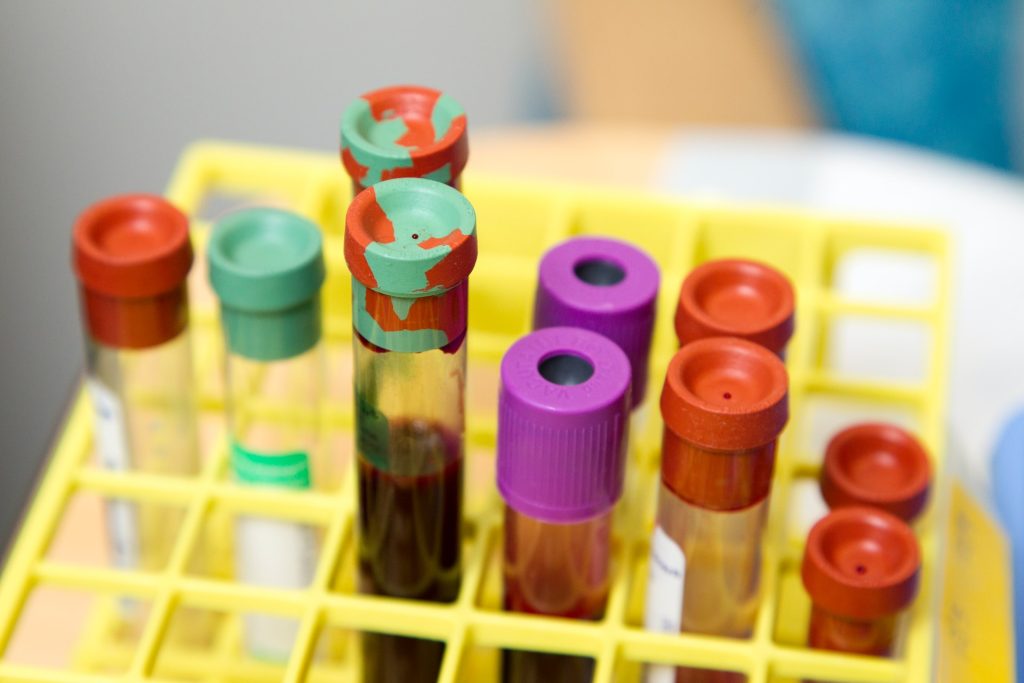
In osteoporosis, treatment would be most effective with early detection – something not yet possible with current X-ray based osteoporosis diagnostic tests, which lack the requisite sensitivity. Now, researchers reporting in ACS Central Science have developed a biosensor that could someday help identify those most at risk for osteoporosis using less than a drop of blood.
Early intervention is critical to reducing the morbidity and mortality associated with osteoporosis. The most common technique used to measure changes in bone mineral density (BMD) – dual-energy X-ray absorptiometry – is not sensitive enough to detect BMD loss until a significant amount of damage has already occurred. Several genomic studies, however, have reported genetic variations known as single nucleotide polymorphisms (SNPs) that are associated with increased risk for osteoporosis. Using this information, Ciara K. O’Sullivan and colleagues wanted to develop a portable electrochemical device that would allow them to quickly detect five of these SNPs in finger-prick blood samples in a step toward early diagnosis.
The device involves an electrode array to which DNA fragments for each SNP are attached. When lysed whole blood is applied to the array, any DNA matching the SNPs binds the sequences and is amplified with recombinase polymerase that incorporates ferrocene, a label that facilitates electrochemical detection. Using this platform, the researchers detected osteoporosis-associated SNPs in 15 human blood samples, confirming their results with other methods.
As the DNA does not have to be purified from the blood, the analysis can be performed quickly (about 15 minutes) and inexpensively (< $0.5 per SNP). Furthermore, because the equipment and reagents are readily accessible and portable, the researchers say that the device offers great potential for use at point-of-care settings, rather than being limited to a centralised laboratory. The technology is also versatile and can be readily adapted to detect other SNPs, as the researchers showed previously when identifying drug resistance in Tuberculosis mycobacterium from sputum and cardiomyopathy risk from blood. Although the device does not diagnose osteoporosis itself, it might help physicians identify people whom they should monitor more closely.
University of Virginia School of Medicine researchers have discovered a lipid biomarker to identify pregnant women at risk of preeclampsia, complications from which are the second-leading cause of maternal death around the world. Their findings are published in the Journal of Lipid Research.
The UVA scientists, led by Charles E. Chalfant, PhD, say that their finding opens the door to simple blood tests to screen patients. Further, the approach worked regardless of whether the women were on aspirin therapy, which is commonly prescribed to women thought to be at risk.
“Clinicians have been seeking simple tests to predict risk of preeclampsia before symptoms appear. Although alterations in some blood lipid levels have been known to occur in preeclampsia, they have not been endorsed as useful biomarkers. Our study presents the first comprehensive analysis of lipid species, yielding a distinctive profile associated with the development of preeclampsia,” said Chalfant. “The lipid ‘signature’ we described could significantly improve the ability to identify patients needing preventative treatment, like aspirin, or more careful monitoring for early signs of disease so that treatment could be initiated in a timely fashion.”
Preeclampsia affects up to 7% of all pregnancies. Symptoms typically appear after 20 weeks and include high blood pressure, kidney problems and abnormalties in blood clotting. The condition is associated with dangerous complications such as kidney and liver dysfunction and seizures, as well as a lifelong increased risk of heart disease for the mothers. An estimated 70 000 women around the world die from preeclampsia and its complications each year.
Doctors commonly recommend low-dose aspirin for at-risk women, but it works for only about half of patients, and it needs to be started within the first 16 weeks of pregnancy – well before symptoms appear. That makes it all the more important to identify women at risk early on, and to better understand preeclampsia in general.
Chalfant and his team wanted to find ‘biomarkers’ in the blood of pregnant women that could reveal their risk of developing preeclampsia. They examined blood plasma samples collected from 57 women in their first 24 weeks of pregnancy, then looked at whether the women went on to develop preeclampsia. The researchers found significant differences in ‘bioactive’ lipids in the blood of women who developed preeclampsia and those who did not.
This, the researchers say, should allow doctors to stratify women’s risk of developing preeclampsia by measuring lipid changes in their blood. The changes represent an important ‘lipid fingerprint’, the scientists say, that could be a useful tool for identifying, preventing and better treating preeclampsia.
“The application of our comprehensive lipid profiling method to routine obstetrical care could significantly reduce maternal and neonatal morbidity and mortality,” Chalfant said. “It represents an example of how personalised medicine could address a significant public health challenge.”
Biomedical engineers at Duke University have developed an entirely new approach to building point-of-care diagnostic devices that only use gravity to transport, mix and otherwise manipulate the liquid droplets involved. The demonstration, in the journal Device, requires only commercially available materials and very little power to read results, making it a potentially attractive option for applications in low-resource settings.
“The elegance in this approach is all in its simplicity – you can use whatever tools you happen to have to make it work,” said Hamed Vahabi, a former postdoctoral researcher at Duke. “You could theoretically even just use a handsaw and cut the channels needed for the test into a piece of wood.”
The study was conducted in the laboratory of Ashutosh Chilkoti, the Alan L. Kaganov Distinguished Professor of Biomedical Engineering at Duke.
There is no shortage of need for simple, easy-to-use, point-of-care devices. Many demonstrations and commercial devices seek to make diagnoses or measure important biomarkers using only a few drops of liquid with as little power and expertise required as possible. Their goal is to improve health care for the billions of people living in low-resource settings far from traditional hospitals and trained clinicians.
All of these tests have the same basic requirements; they must move, mix and measure small droplets containing biological samples and the active ingredients that make measuring specific biomarkers possible. More expensive examples use tiny electrical pumps to drive these reactions. Others use the physics of liquids within microchannels (microfluidics) that create a sort of suction effect.
This is the first demonstration that only uses gravity. Each approach offers uniquely useful abilities as well as drawbacks.
“Most microfluidic devices need more than just capillary forces to operate,” Chilkoti said. “This approach is much simpler and also allows very complex fluid paths to be deigned and operated, which is not easy or cheap to do with microfluidics.”
The new gravity-driven approach relies on a set of nine commercially available surface coatings that can tweak the wettability and slipperiness at any given point on the device. That is, they can adjust how much droplets flatten down into pancakes or remain spherical while making it easier or harder for them to slide down an incline.
Used together in clever combinations, these surface coatings can create all the microfluidic elements needed in a point-of-care test. For example, if a given location is extremely slippery and a droplet is placed at an intersection where one side pulls liquid flat and the other pushes it into a ball, it will act like a pump and accelerate the droplet toward the former.
“We came up with many different elements to control the motion, interaction, timing and sequence of multiple droplets in the device,” Vahabi said. “All of these phenomena are well-known in the field, but nobody thought of using them to control the motion of droplets in a systematic way before.”
By combining these elements, the researchers created a prototype test to measure the levels of lactate dehydrogenase (LDH) in a sample of human serum. They carved channels within the test platform to create specific pathways for droplets to travel, each coated with a substance that stops the droplets from sticking along their journey. They also primed specific locations with dried reagents needed for the test, which are soaked up by droplets of simple buffer solution as they travel through.
The whole maze-like test is then capped with a lid containing a couple of holes where the sample and buffer solution are dripped in. Once loaded, the test is placed inside a box-like device with a handle that turns the test 90° to allow gravity to do its work. This device is also equipped with a simple LED and light detector that can quickly and easily detect the amount of blue, red, or green in the test results. This means that the researchers can tag three different biomarkers with different colours for various tests to measure.
In the case of this prototype LDH test, the biomarker is tagged with a blue molecule. A simple microcontroller measures how deep of a blue hue the test results become and how quickly it changes colour, which indicates the amount and concentration of LDH in the sample, to generate results.
“We could eventually also use a smart phone down the line to measure results, but that’s not something we explored in this specific paper,” said Jason Liu, a PhD candidate in the Chilkoti lab.
The demonstration provides a new approach for consideration when engineering inexpensive, low-power, point-of-care diagnostic devices. While the group plans to continue developing their idea, they also hope others will take notice and work on similar tests.
“While a well-designed microfluidic system can be fully automated and easy-to-use by passive means, the timing of discrete steps is usually programmed into the design of the device itself, making modifications to protocol more difficult,” added David Kinnamon, a PhD candidate in the Chilkoti group. “In this work, the user retains more control of the timing of steps while only modestly sacrificing ease-of-operation. Again, this is an advantage for more complex protocols.”
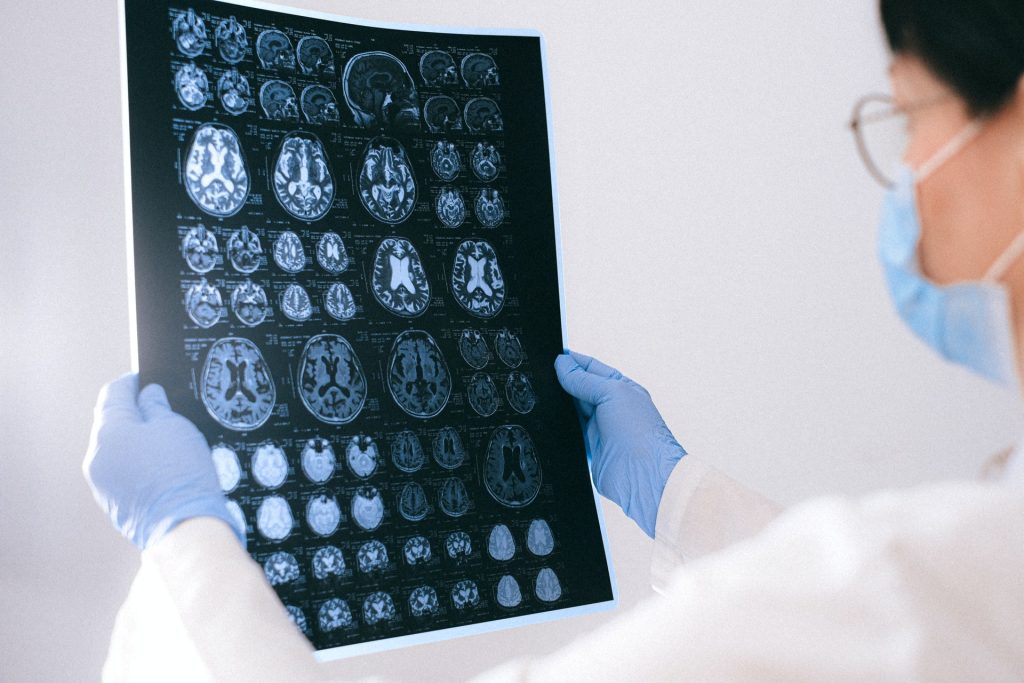
University of Turku researchers have discovered that gliomas contain increased amount of folate receptor expression relative to adjacent brain tissue. This discovery is a new and significant finding in the field, which could allow folate-based radiopharmaceuticals can be used in positron emission tomography (PET) imaging to detect folate receptors in gliomas.
This phenomenon, which is described in Frontiers in Immunology, has been observed in both experimental models and human tumour samples.
“Prior to this discovery, the presence of folate receptors and their increased presence in gliomas had not been recognised, and thus they have not yet been used for imaging nor treatment purposes,” summarises Doctoral Researcher Maxwell Miner from the Turku PET Centre at the University of Turku in Finland.
According to research group leader and InFLAMES PI Professor Anne Roivainen this presents an especially exciting target for potential future treatments.
“Our results show an average of 100-fold increase in folate-based radiopharmaceutical accumulation in glioma tissue versus that of adjacent healthy brain tissue,” says Professor Roivainen.
Urgent need for new chemotherapy treatments
Glioma brain tumours originate from the non-neuronal glial cells in the brain, which outnumber neurons in quantity. Gliomas comprise numerous subgroups, with even a high degree of morphological and receptor variability within a single cancerous lesion.
This exceptional cellular heterogeneity can make treatment difficult. There is an urgent need for new chemotherapy treatments particularly for the most malignant brain cancers as they often grow in an infiltrative web-like manner on their periphery making distinguishing the boundaries between glioma and non-glioma difficult. The researchers at the Turku PET Centre hope that this recent discovery will lead to further investigation into folate-targeted brain tumour detection and treatment.
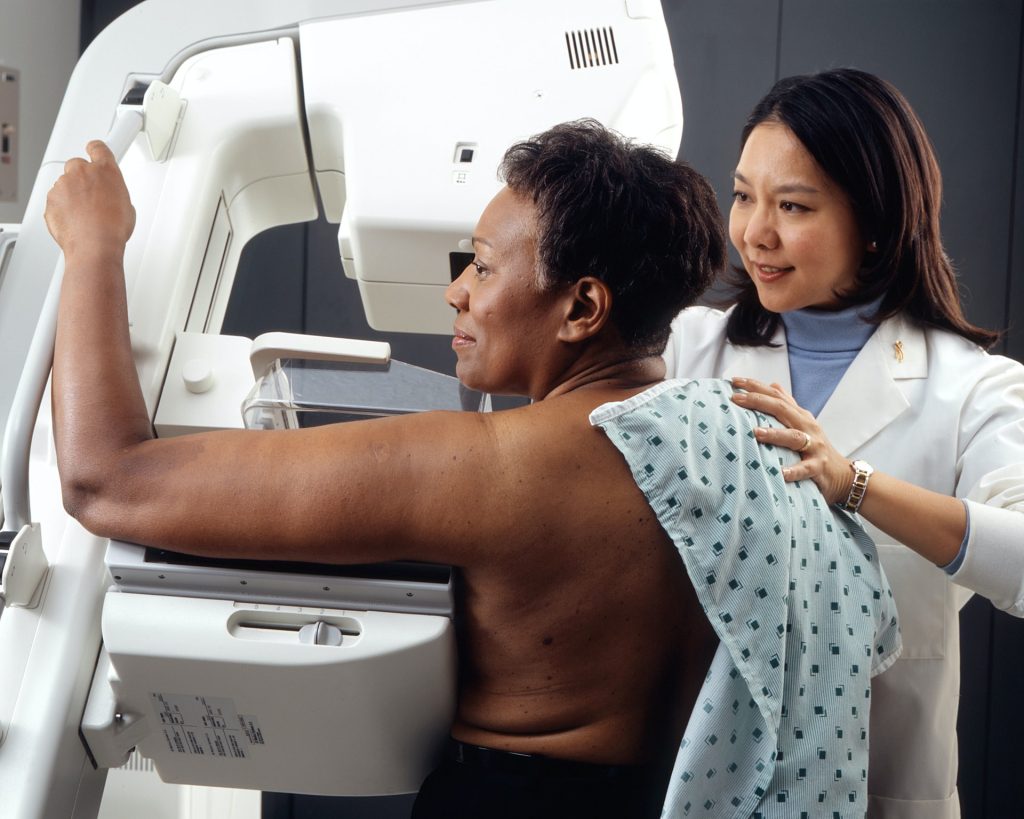
In a move bringing it closer in line with other organisations’ breast cancer screening guidelines, The United States Preventative Task Force (USPSTF) has released a draft statement recommending mammography every other year (biennially) from ages 40 to 74.
These recommendations are not applicable to women with a genetic marker or syndrome linked to increased breast cancer risk, a history of high-dose chest radiotherapy at a young age, or previous breast cancer or a high-risk breast lesion on previous biopsies.
According to the USPSTF, “new and more inclusive science about breast cancer in people younger than 50 has enabled us to expand our prior recommendation and encourage all women to get screened in their 40s. We have long known that screening for breast cancer saves lives, and the science now supports all women getting screened, every other year, starting at age 40.”
South African cancer screening guidelines typically closely follow American ones, according to an article by Lipschitz in the South African Journal of Radiology. Many countries had not recommended screening at the ages of 40–50 due to fears of overdiagnosis.
The UPSTF made particular attention the fact that black women are 40% more likely to die of breast cancer than white women, and have a high rate of aggressive cancers at young ages.
The recommendations are not without criticism. Biennial screenings are not seen as worth it by Desountis et al., as it leaving two years between tests leaves too much time for a tumour to grow.
Debra Monticciolo, MD, of Massachusetts General Hospital in Boston, and a member of the Society of Breast Imaging’s board of directors, told MedPage Today that she was “disappointed” with the decision to recommend biennial scans.
“Even if you look at their own data,” Monticciolo said, “annual screening results in more deaths averted, no matter what type of screening program you put in those models.”
Regarding the ongoing debated about continued screening in women ages 75 and older, and supplemental screening for those with dense breasts, the UPSTF found there was not enough evidence for a recommendation.
Medical centres could save energy and reduce expenses by turning off MRIs and putting them in the lowest power mode instead of idling them when not in use, according to a new Radiology study.
Health care is responsible for up to 4.4% of global carbon emissions, and imaging contributes an outsized share due to its energy-intensive devices, especially MRI. A 2020 study found that three CTs and four MRIs used the same amount of energy per year as a town of 852 people, for example.
Though turning a machine off is better than idling, a substantial amount of MRI energy consumption occurs in “off” mode, which still draws a constant level of power for cooling. To address this, a new “power save” mode was developed that saves even more energy than the “off” mode by cycling cooling components on and off.
UC San Francisco researchers sought to compare energy consumption in the “idle,” “off” and “power save” modes. The researchers found that turning off MRIs overnight for 12 hours reduced their energy use by 25–33%, and that enabling the additional “power save” mode while the machine was off lowered power use by an additional 22–28%. Switching from idle directly to “power save” decreases energy use by 46–51%.
While just one company currently offers the “power save” mode while machines are off, it’s a design strategy worth replicating, the study noted.
“The results of this study demonstrate the potential energy and cost savings any radiology practice can obtain by using these simple power-down methods,” said assistant professor Sean Woolen, MD, first author on the study. “Our goal was to find ways for radiology departments worldwide to reduce their collective environmental footprint.”
Imaging has become increasingly central to medical decision-making, so it’s imperative to evaluate the design and operations of these machines in order to decarbonise health care, added Woolen.
Health Care Industry Would Save Millions
The study was made possible thanks to an academic-industry partnership comprising UCSF, Siemens Healthineers, Siemens USA, and Siemens Smart Infrastructure. Siemens provided technology and funding to equip MRI machines with power meters and install power monitoring software, and UCSF performed data collection and analysis.
The researchers equipped four outpatient MRI scanners from three different vendors with power meters and examined data over 39 days. They calculated energy output, costs (assuming a mean cost of $0.14 per kilowatt hour), and carbon use.
On an annual basis, switching a scanner from “idle” mode to “off” mode for 12 hours saved 12.3 to 21 megawatt hours (MWh) of electricity, where a megawatt is equal to 1000 kilowatts of electricity used continuously for an hour. This translated to annual savings of $1717 to $2943, and 8.7 to 14.9tonnes of C02-equivalent (MTCO2eq), a metric used to compare emissions of greenhouse gases based on their potential to contribute to global warming.
Switching from off to “power save” mode reduced energy use by an additional 8.8 to 11.4MWh and saved $1226 to $1594 and 6.2 to 8.1 MTC02eq per year.
“Often when we talk about how to decarbonise, solutions seem out of reach, but this initiative is proof that innovators everywhere can have impact,” added Barbara Humpton, CEO of Siemens USA. “The technology to decarbonise is here and ours is hard at work, helping industries like health care uncover ways to be more efficient and take concrete action to meet their carbon-reduction targets.”
The potential impact of adopting this technique as an industry standard would not impact patient care and would be an effective strategy to reduce cost and carbon emissions in health care, added Woolen.
Researchers have developed a new ultrasound method that for the first time can measure the level of tension in human tissue – a key indicator of disease. The breakthrough, published in the journal Science Advances, could be used to build new ultrasound machines that are able to better discriminate between abnormal tissue, scarring, and cancer.
Images produced by the current techniques ultrasound used in healthcare aren’t usually enough to diagnose whether tissues are abnormal. To improve diagnosis, the researchers developed a way to measure forces such as tension by using an ultrasound machine. Tension is generated in all living tissue, so measuring it can indicate whether tissue is functioning properly or if it’s affected by disease.
The researchers harnessed a technique from a rail project at the University of Sheffield, which uses sound waves to measure tension along railway lines. The technique, used both for rail and medical ultrasound, relies on a simple principle: the greater the tension, the faster sound waves propagate. Using this principle, the researchers developed a method that sends two sound waves in different directions. The tension is then related to the speed of the waves by using mathematical theories developed by the researchers.
Previous ultrasound methods have struggled to show the difference between stiff tissue or tissue under tension. The developed technique is the first capable of measuring tension for any type of soft tissue, and without knowing anything about it. In this new paper, the researchers describe the new method and demonstrate how they used it to measure tension inside a muscle.
Study leader Dr Artur Gower, Lecturer in Dynamics at the University of Sheffield, said: “When you go to the hospital, a doctor might use an ultrasound device to create an image of an organ, such as your liver, or another part of your body, such as the gut, to help them explore what the cause of a problem might be. One of the limitations of ultrasounds used in healthcare now is that the image alone is not enough to diagnose whether any of your tissues are abnormal.
“What we’ve done in our research is develop a new way of using ultrasound to measure the level of tension in tissue. This level of detail can tell us whether tissues are abnormal or if they are affected by scarring or disease. This technique is the first time that ultrasound can be used to measure forces inside tissue, and it could now be used to build new ultrasound machines capable of diagnosing abnormal tissue and disease earlier.”
Although males and females are equally impacted by stroke, there are differences in recovery. Since oestrogen and progesterone have known neuroprotective effects, it is important to gauge their effects in stroke recovert. In a paper published in IBRO Neuroscience Reports, researchers have discovered differences between biomarkers such as glycogen levels in the brains of male and female mice.
“A stroke is caused by a loss of blood flow to brain cells. Without urgent intervention this may cause those cells to die because they constantly need energy and nutrients from the blood,” said Prof Nicole Sylvain, clinical research coordinator and lab manager at the University of Saskatchewan.
Sylvain and her colleagues are looking at treatments for post-stroke recovery that help supplement these energy losses. Using the Canadian Light Source (CLS) at the University of Saskatchewan (USask), the team was able to identify energy biomarkers in the brain, which could eventually inform clinicians about the effects of potential stroke treatments on brain recovery after a stroke.
The group’s recent study examined post-stroke differences between male and female mice, and found that female mice have higher amounts of glycogen in their brains. When the supply of glycogen is disrupted by stroke, the brain is severely impacted.
Most pre-clinical stroke research has been performed using male lab animals, with results usually generalised to both sexes. In clinical stoke cases, females have a higher incidence of ischaemic stroke and poorer outcomes, compared to males.
“We found that, for the most part, male data can be generalised for females, however, some of the metabolic markers we measured were actually different,” Sylvain said. “It’s really important to do the research on both sexes.”
It would be impossible for the team to detect the biomarkers without to the Mid-IR beamline.
“The only way to detect them in such an accurate way across the brain is with infrared imaging, so the CLS has been absolutely vital to our research.”
One early indicator of Parkinson’s disease (PD) is isolated REM-sleep behaviour disorder. Researchers have shown that a greater concentration of α-synuclein aggregates can be detected in the stool samples of patients. In the scientific journal npj Parkinson’s Disease, they now present a method for detecting these aggregates.
There are two forms of PD. In 70% of cases, it originates in the central nervous system. However, in around 30% of cases it originates in the nervous system of the intestine (“enteric nervous system”). The latter form is referred to as “body-first Parkinson’s disease” (for short: body-first PD) and the characteristic deposits of aggregates of the body’s own α-synuclein protein are formed in the neurons in the intestine.
A preliminary form of body-first PD is the so-called isolated REM-sleep behaviour disorder (for short: iBRD). It causes in part complex movements during REM-sleep insofar as the patient experiences vivid and disturbing dreams. These movements can endanger the sufferer themselves or others.
A research team headed by Professor Erdem Gültekin Tamgüney from the Institute of Physical Biology at HHU now reports that it is possible to detect an elevated level of α-synuclein aggregates in the stool samples of patients. To achieve this, the team used a new surface-based fluorescence intensity distribution analysis (sFIDA) to detect and quantify individual particles of α-synuclein aggregates.
Professor Tamgüney: “We are the first to prove the presence of α-synuclein aggregates in stool samples. Our results show a significantly higher level of α-synuclein aggregates in iRBD patients compared with healthy individuals or patients with Parkinson’s. These findings could lead to a non-invasive diagnostic tool for prodromal synucleinopathies — including Parkinson’s — which could in turn enable therapies to be initiated at an early stage before symptoms occur.” However, more research is required before the process can find its way into clinical practice, for example investigation into why the level is lower in Parkinson’s patients.
The study was conducted in a collaboration to establish a biobank with stool samples from patients and control subjects, and to develop the test procedure and conduct the tests on the samples, and to eventually commercialise the technique.
Background
In body-first PD, the deposits of fibrils of the body’s own α-synuclein protein, which are characteristic of Parkinson’s, are first formed in the neurons of the enteric nervous system, which serves the gastrointestinal tract. The aggregates then spread to the central nervous system in a way similar to prions, i.e. an existing aggregate combines individual α-synuclein proteins in its vicinity into further aggregates in a nucleation process; these aggregates then spread further through the body.
The influence of what happens in the gastrointestinal tract on the brain is referred to as the “gut-brain axis.” The gastrointestinal tract is exposed to the environment and it is possible that harmful substances such as chemicals, bacteria or viruses ingested directly with food or via interaction with the microbiome of the gastrointestinal tract may trigger the pathological formation of α-synuclein aggregates.
Commonly ordered tests can provide early warning of underlying disease, but could also create unnecessary risks of false positive results, provoking anxiety in the patient, wasted time and money and risks of invasive testing.
Therefore, to combat commonly ordered – but not always necessary – procedures and tests, the Society of General Internal Medicine (SGIM) on Tuesday released its revised list of recommendations on five primary care procedures and tests that patients and physicians should question.
For instance, the age-old idea of getting an annual physical exam with “routine blood tests” from a primary care doctor is a misconception because a person’s age and other risk factors should influence how frequently they should see their doctor, Linder said.
“We often have patients come in asking us to ‘check me for everything,’ but this is a potentially anxiety-provoking, dangerous thing for patients because the more testing we do, the more stuff we find, and the more we need to follow up,” said Linder, chief of the division of general internal medicine at Northwestern University Feinberg School of Medicine and a Northwestern Medicine physician. “In someone who is asymptomatic, an ‘abnormality’ is much more likely to be a false positive or of no clinical significance than for us to catch early disease.
“False positives can expose patients to all of the anxiety, costs, hassle and time commitment, and danger from sometimes invasive testing, with a very low likelihood that it is going to improve their health.”
This isn’t to say nobody should get a checkup every year. For instance, patients who have overdue preventive services, rarely see their primary care physician, have low self-rated health and/or are aged 65 or older should get an annual checkup, the scientists said.
The newly revised list is part of SGIM’s Choosing Wisely campaign, which is an initiative of the American Board of Internal Medicine Foundation. SGIM members originally selected the topics in 2013 and later updated the list in 2017.
The list generated controversy when it was first developed in 2013, recalls Linder.
“The list was widely misinterpreted as ‘specialty society says you don’t need to see your doctor,’ but that was not what it said,” Linder said.
Time and downstream financial costs also are issues of these commonly ordered but oftentimes unnecessary tests and procedures, Liss said.
“Patients and care teams often spend valuable time on low-value checkups that could have been devoted to high-need patients,” said Liss, research associate professor of general internal medicine at Feinberg. “There also is the overall increase in costs to the health system. And even if annual checkups are covered by most insurance, patients often have copays for services like blood draws and other diagnostic tests.”
The revised list was developed after months of careful consideration and review, using the most current evidence about management and treatment options. Linder and Liss served as ad hoc members of the SGIM’s Choosing Wisely Working Group.
Here are the five recommendations, based on a review of the most recent studies in the field:
Don’t recommend daily home glucose monitoring in patients with Type 2 diabetes mellitus not using insulin.
Don’t perform routine annual checkups unless patients are likely to benefit; the frequency of checkups should be based on individual risk factors and preferences. During checkups, don’t conduct comprehensive physical exams or routine lab testing.
Don’t perform routine pre-operative testing before low-risk surgical procedures.
Don’t recommend cancer screening in adults with life expectancy of less than 10 years.
Don’t place, or leave in place, peripherally inserted central catheters for patient or provider convenience.