Remaining passengers from the cruise ship MV Hondius, where an outbreak of hantavirus occurred, have now been evacuated after docking in Tenerife. So far, only three fatalities are reported, although the number of known infected cases has risen. Health organisations around the world are extending their support.
In a media briefing, Dr Tedros Adhanom Ghebreyesus, WHO Director-General said that eight cases have been reported so far, including three deaths. Five of the 8 cases have been confirmed as hantavirus.
According to the World Health Organization, the hantavirus in this case is the Andes virus, which is the only one capable of human transmission, albeit in an extremely limited fashion. Prolonged and close contact is required, as would happen on board a cruise ship.
Describing the situation, Dr Tedros said, “While this is a serious incident, WHO assesses the public health risk as low.” He noted that given the incubation period, “it’s possible that more cases may be reported.” Among medical support offerd, the WHO has distributed test kits from Argentina to five countries to support testing.
Prior to this incident, the most serious outbreak of Andes hantavirus was in Epuyén, Argentina, in late 2018 to early 2019 with 34 confirmed cases and 11 deaths (case fatality rate ~32%). Previously, very little was known about the Andes strain, explained Dr Gustavo Palacios, a microbiologist at Mount Sinai in New York, speaking to CNN.
“There is very limited experience handling this virus,” said Palacios, who had helped to trace how the virus spread. The study of the outbreak was published in 2020 in the New England Journal of Medicine.
“Probably we are having less than – I don’t know, I’m giving you a number, just for a ballpark number – 300 cases in history” of human to human transmission of Andes virus and about 3000 Andes cases overall, Palacios said.
Based on research into the Epuyén outbreak, Palacios said there seems to be only a roughly day-long window for transmission of the Andes virus of about a day, when patients first develop a fever.
Index case identified
The patients likely picked up the virus while they were on shore, before boarding the ship. The New York Post reports that Dutch ornithologist, Leo Schilperoord, was patient zero for the hantavirus outbreak. Along with his wife Maria Schilperoord, he visited a landfill outside of the city of Ushuaia to seek out a rare bird – birdwatchers frequent the landfill due to the number of birds flocking there. Argentinian authorities believe that it was there that he came in contact with long-tailed pygmy rats, inhaling particles of its faeces, which carries the Andes strain.
After boarding the ship with 112 others – including many other birdwatchers and scientists – he fell ill with diarrhoea and abdominal pain on April 6 and dying five days later. His wife was flying back with his body but collapsed when connecting in Johannesburg, and died in hospital the next day. Meanwhile, the UK man who was in intensive care in a Johannesburg hospital is now making a recovery.
An outbreak of hantavirus on a cruise ship has left three people dead, with another person in intensive care in Johannesburg, the BBC reports. The ship, MV Hondius, departed from Argentina and had completed its cruise in Cape Verde.
Department of Health spokesperson Foster Mohale told the BBC that there were 150 passengers of various nationalities aboard the vessel.
The three victims were all of Dutch nationality. The first, a 70-year old man, suddenly fell ill, developing fever, headache, abdominal pain and diarrhoea, Mohale reported. The man died at the UK island of St Helena. The second, the man’s 69-year old wife, was evacuated to a Johannesburg hospital but also died there. The body of the third victim is awaiting repatriation, along with a guest “closely associated” with them. A 69-year-old man from the UK remains severely ill in a Johannesburg hospital.
Two crewmembers are also understood to be seriously ill but medical authorities in Cape Verde have not given them authority to disembark.
Hantaviruses are a family of viruses spread mainly by rodents, and can cause serious illnesses and death. These viruses cause diseases like hantavirus pulmonary syndrome (HPS) and haemorrhagic fever with renal syndrome (HFRS). About half of patients will develop abdominal symptoms similar to the first passenger who dies.
Speaking to the BBC, microbiologist Siouxsie Wiles speculates on the possibility that additional cases will develop among the ship’s passengers and crew.
“With this incubation period are we going to see more people coming down with the disease in the next days and weeks?”
New studies reveal how Clostridioides difficile behaves inside the body
Clostridioides difficile. Credit: CDC
Bacterial infections caused by Clostridioides difficile are a serious and persistent problem for patients and hospitals alike. The bacterium can cause severe diarrhoea, life-threatening inflammation of the colon, and recurring illness that dramatically reduces quality of life – especially for older adults, who face the highest risk of complications and death.
C. diff remains difficult to control for a combination of factors. The bacterium survives many disinfectants, allowing it to easily spread in health care settings, where it is the most common cause of infectious diarrhoea. After entering the body through the mouth, the bacterium travels to the colon, where it colonises and starts releasing toxins that damage tissues. About one in nine patients treated for C. diff will develop another infection within weeks or months, often unpredictably, with the risk of a repeat infection increasing from there. And some strains of the bacterium have become resistant to the first-line antibiotics used to treat it.
Researchers at Tufts University School of Medicine are tackling these challenges by studying C. diff at multiple levels, from how individual bacterial cells behave inside the gut to the molecular switches that help them survive and spread. Together, these approaches are revealing hidden vulnerabilities that could lead to better ways to prevent new or recurrent infections, predict severe disease, or stop the bacterium before it causes harm.
Watching Infections Unfold, Cell by Cell
“C. diff is everywhere,” said Aimee Shen, an associate professor of molecular biology and microbiology at Tufts School of Medicine. “But infections can look very different from one patient to the next.”
Some people carry the bacterium without ever getting sick. Others develop severe, life-disrupting illness – typically after being treated for another illness with antibiotics that wipe out beneficial gut bacteria that may have otherwise warded off an infection.
“A bad C. diff infection is reportedly incredibly painful, like glass shards moving through your intestine,” said Shen. “And there’s some research that shows that C. diff toxins actually act on neurons in the gut.”
To better understand why the spectrum of disease severity varies so widely, Shen, Tufts’ School of Medicine professor Carol Kumamoto, and their collaborators developed a new imaging approach that lets them track what individual C. diff cells were doing inside the body. They applied fluorescent “reporters” – microscopic glowing tags that mark gene activity – to track which genes are turned on in individual C. diff cells in tissue samples from infected mice. This allowed them to see where the bacteria hide in the gut, which cells switched on toxin genes, and how activity differed from cell to cell during infection.
Their study, recently published in Nature Communications, showed that C. diff spread throughout the entire gut, including closer to the gut’s vulnerable lining than previously thought.
However, toxin production didn’t depend on the bacteria’s location and only some cells made toxins at any given time. Shen said this suggests that disease may be driven by a small, hard-to-detect subpopulation rather than simply how many bacteria are present.
The imaging study also revealed other unexpected findings, including that a strain of toxin-overproducing bacteria formed unusually long, filament-like shapes in the gut during the acute phase of infection. “These were not observed in later stages of an infection,” said Shen. “This suggests that bacteria producing the most destructive amounts of toxins may be particularly susceptible to certain stresses encountered during infection.”
By illuminating how infections unfold cell by cell in this way, the new imaging method may provide information that could someday help doctors predict which patients are likely to develop severe or recurrent disease. It also may help researchers develop new treatments that better target harmful subpopulations of C. diff bacteria while sparing beneficial gut microbes.
Finding a Potential Weak Spot
One reason C. diff spreads so effectively is its ability to form tough, dormant spores that act like microscopic seeds sealed in armour. Transmitted via trace amounts of faecal matter, these spores can survive for long periods, stubbornly resisting heat and many common disinfectants, including hand sanitisers. Once ingested, C. diff spores germinate – springing back to life and thus able to spawn toxins.
This is a pivotal moment scientists hope to block.
Shen’s lab has long studied how the bacterium recognises it has reached the right place to reawaken. Most spore-forming bacteria rely on the same standard molecular sensors, but C. diff uses a different system. Its spores respond to bile acids found in digestive fluids, along with other signals that together flip the bacterium’s switch from dormancy to active growth.
In a study recently published in PLOS Biology, Shen, Tufts’ School of Medicine professor Ekaterina Heldwein, and their collaborators identified a key part of that switch. They found that two proteins, CspC and CspA, lock together to form a signalling hub that helps spores interpret environmental cues. By mapping the structure of this protein pair and testing how it functions, the team showed the combined complex controls how sensitive spores are to germination signals.
“It’s like we’ve identified a central control panel for deciding when the spore comes back to life,” Shen says. “If we understand how that panel works, scientists someday may be able to design new drugs to keep it switched off.”
Searching for More Precise Targets
Together, the studies offer a clearer picture of both how C. diff causes disease and when it becomes dangerous.
Now, in addition to continuing their work on single-cell imaging and spore germination, Shen’s lab is working to uncover other hidden rules that govern C. diff’s behaviour. This includes how it reproduces using a division mechanism unlike those seen in other well-studied bacteria – the focus of a 2023 study published by Shen and collaborators in Nature Communications.
“The hope is the aspects that make C. diff unique – how it spreads, reproduces, and damages tissue – will allow researchers to design ways to target it much more specifically, while keeping the rest of the gut microbiome healthy and intact,” she said.
by Dr Taneshka Kruger, Project Manager: University of Pretoria Institute for Sustainable Malaria Control (UP ISMC) and Prof Tiaan de Jager, Director: UP ISMC
Eliminating malaria requires effort that goes far beyond our laboratories. It also happens in homes, villages and clinics, where gogos (grandmothers), mothers, young women and other citizen scientists play a vital role in prevention, early action and creating public awareness.
On 25 April, we commemorate World Malaria Day. This day is aimed at raising awareness about one of the world’s oldest and deadliest diseases, while also recognising the progress we’ve made in controlling and eliminating it. This year’s theme, ‘Driven to end malaria: Now we can. Now we must.”, is a reminder that success depends not only on medicine and science, but also on the people who protect families and strengthen communities every day.
Malaria remains a life-threatening disease transmitted by female Anopheles mosquitoes infected with the Plasmodium parasite. Globally, hundreds of millions of cases are reported each year, with the overwhelming burden falling on sub-Saharan Africa. The most vulnerable groups include pregnant women, children under five and older persons.
Why women and children face greater malaria risks
Pregnancy reduces a woman’s immunity to malaria, increasing the risk of infection and severe illness. Malaria during pregnancy can lead to maternal anaemia and serious complications such as miscarriage, premature birth, stillbirth and low birth weight. Low birth weight is one of the leading contributors to neonatal mortality and can affect a child’s long-term development.
Children under five continue to carry the heaviest malaria burden. In Africa, they account for roughly three-quarters of malaria-related deaths. Their immune systems are still developing, making prevention, early diagnosis and prompt treatment essential for survival.
The family members who spot danger first
In many rural communities, mothers – and especially grandmothers – are the backbone of family life. They shape household health practices, encourage clinic visits, and ensure children use preventative measures against malaria, such as sleeping under protective nets, where possible. Their lived experience gives them influence and trust, and when equipped with up-to-date malaria information they become powerful advocates for prevention. They are often the first to notice symptoms such as fever, fatigue or vomiting, and frequently help decide when and how medical care is sought.
Women also care for elderly family members, who may have weaker immune systems and be more vulnerable to complications from malaria. In areas where clinics are far away or transport is limited, their vigilance can be lifesaving.
Young women – whether students, entrepreneurs, community workers or volunteers – also play an increasingly important role in sharing reliable malaria information. They help bridge the gap between scientific knowledge and everyday community life, promoting practical actions such as:
Seeking early testing when symptoms such as fever appear
Reducing mosquito breeding sites through environmental management
Using preventative strategies to avoid mosquito bites
Consistent use of insecticide-treated bed nets where available
Attending antenatal clinics for intermittent preventive treatment in pregnancy (IPTp), in countries where these programmes are offered.
Through each of these actions and more, women’s leadership strengthens community resilience and promotes healthier futures.
Young women spreading life-saving knowledge
One of the most encouraging developments in rural malaria response is the rise of women citizen scientists. Through training programmes supported by research institutions, women from local communities are gaining skills to assist with field data collection and malaria surveillance.
In malaria research conducted by the University of Pretoria Institute for Sustainable Malaria Control in Limpopo’s Vhembe District, women citizen scientists have contributed by:
Engaging tribal authorities and communities about the purpose of the research and how communities can benefit
Collecting health data to assess the impact of malaria control methods on people and the environment
Collecting mosquito samples for vector surveillance and climate-related research
Gathering knowledge, attitude and practice data through surveys
Conducting interviews before and after interventions to assess effectiveness
Running focus groups to better understand community needs, behaviours and challenges.
By participating in field research, these women gain scientific skills while contributing directly to malaria control strategies. Their involvement helps ensure that research is done in local languages, reflects lived realities and leads to practical action communities can trust and use.
Just as importantly, this model expands women’s roles beyond traditional caregiving expectations. It positions them as knowledge holders, data contributors and active partners in scientific discovery. It also shows young girls in these communities that science is accessible, relevant and open to them.
From community member to citizen scientist
When mothers, gogos and young women understand the risks malaria poses – especially to pregnant women and children under five – they are better equipped to protect their families. When they are empowered as citizen scientists, they move from being passive recipients of health messaging to active drivers of change, contributing to local malaria elimination efforts. Their combined role as caregivers, educators and research partners strengthens both households and health systems.
On this World Malaria Day, we should recognise and honour the women who care for feverish children through the night, accompany pregnant daughters to clinics, share trusted advice with neighbours, and step into fields and villages as trained citizen scientists. By investing in women’s knowledge, leadership and participation at home, in communities and in science, we move closer to a future free from this preventable disease.
A new study from the University of Minnesota Medical School demonstrated that faecal microbiota transplantation (FMT) can rapidly reverse systemic inflammation and improve survival in patients with fulminant Clostridioides difficile (C. difficile) infection – a life-threatening condition characterised by a sepsis-like state. The findings were published in Clinical Gastroenterology and Hepatology.
C. difficile infection is the most common cause of healthcare-acquired diarrhoeal illnesses. Most of the mortality, estimated at 15 000 people annually in the United States alone, is associated with the severe and fulminant forms of the disease. C. difficile is listed as one of the most urgent infectious disease threats by the Centers for Disease Control and Prevention. The infection occurs in people with disrupted microbial communities in the gut, most commonly by antibiotic medications.
In this study, investigators implemented a standardised FMT protocol developed at the University of Minnesota specifically for critically ill patients who were deteriorating despite intensive antibiotic therapies and were often too unstable for surgery. Among 18 patients treated, FMT was associated with rapid declines in inflammatory markers and achieved a 78% 30-day survival.
“There is an important caveat to our findings – the window for the FMT intervention is very narrow because these patients are generally extremely sick,” said Alexander Khoruts, MD, professor at the University of Minnesota Medical School, director of the UMN Microbiota Therapeutics Program and a gastroenterologist with M Health Fairview. “Therefore, the FMT formulation needs to be easily accessible. We are in a unique position at the University because we have a facility in our institution where our FMT products are manufactured in accordance with pharmaceutical standards, and treatment units are always on hand in our cryobank.”
The University of Minnesota Microbiota Therapeutics program is the leading program in the world in developing microbiome-targeted therapies with live microbial communities. As a result of the team’s work, M Health Fairview recently implemented a dedicated system that alerts providers to hospitalized patients at risk of developing severe C. difficile infection so that they can get access to the optimal treatments earlier.
Importantly, the findings also suggest an entirely novel mechanism by which FMT can modulate systemic inflammation in severe C. difficile infection. This is a topic of ongoing research. The team is also currently working to make this FMT treatment option more widely available to patients across the United States.
At this point, Avian flu H5N1 is thought to have very limited ability to transmit between humans, but a recent case in Canada with an unknown source of transmission has piqued the curiosity and concern of scientists, including York University Professor Seyed Moghadas.
Did this lone case come about through transmission from an animal or another person, and if it was via human transmission, what methods will control its spread in the human population? Director of York’s Agent-Based Modelling Laboratory in the Centre of Excellence in AI for Public Health Advancement, Moghadas and a group of researchers used modelling to understand the best spread control measures should human-to-human transmission become possible.
“The idea was, let’s evaluate some of the interventions that we usually implement at the very earliest stage of a disease outbreak or emerging disease, which we know very little about,” he says.
For the research published in Nature Health, various scenarios from isolation to vaccination before or after a spillover event were modelled. It is one of only a few studies that have explicitly modelled outbreak dynamics following spillover into humans or the effectiveness of public health interventions in early and highly uncertain phases of virus development.
As a professor of computational epidemiology and vaccine science in York’s Faculty of Science, Moghadas and his colleagues were already collecting data on H5N1 cases in the United States when the Canadian case arose. Given the unknown nature of transmission, the team decided to pivot their work to look at what was happening in British Columbia (BC).
“The case in BC was of particular interest for us because no definitive source of exposure was identified, including no direct contact with infected animals or known high-risk settings such as poultry farms,” says Moghadas. “Because of that, it came to our attention that maybe there is some sort of transmission going on between humans.”
As far as health and science experts know, H5N1 can only be transmitted among poultry and dairy cattle on farms, as well as through wild birds, and from these animals to humans, but sustained human-to-human transmission has not been established. The person from BC, however, had no clearly identified exposure and even though human infection from animals is rare, avian influenza H5N1 is considered highly pathogenic and a potentially serious and evolving threat to global public health.
“This virus was first identified in 1997 in Southeast Asia. This kind of zoonotic virus essentially jumps from the bird or animal side to human side sometimes, mostly it circulates among wild birds,” says Moghadas. “There is no confirmation that human-to-human transmission happens as yet in North America.”
The virus has only been in North America since 2022, but surveillance monitoring for it began in 2003 and up until recently there have been close to 1000 cases reported globally in humans and just under 500 deaths, although the number of cases could be higher because not all cases are likely reported or symptomatic. The virus has not only expanded its geographical range, but also the animal species it can infect.
“Evolution of influenza viruses of any type is always a challenge for humans. The flu virus is one of the very rapid mutating pathogens,” he says. The concern is it will mutate to be able to transmit between humans. How viable is it? How easily can it spillover from animals to humans, and how long could the potential chain of transmission from human-to-human become? These are still open questions.
“Quantifying that risk was important for us because that could also give us direction in terms of how bad the disease could be and what strategies will work to contain it,” says Moghadas. “We have very few measures in place or a strategy to deal with it at this point, given that the transmission between humans is not established.”
As it is an avian flu virus, it will likely require two doses of a similar vaccine to what was used during the H1N1 pandemic to reduce the risk and severity which often triggers a higher viral load.
The researchers used Abbottsford, B.C. as the location as it is a highly dense poultry farming area. The starting point is after a spillover has happened. “If a human became infected, how do we block this single individual to trigger a large outbreak? Or if the infection is going on between humans, can we block these chains and to what degree we can block them?” asks Moghadas. “What is the effectiveness of either self-isolation of symptomatic cases or vaccination of farmers or vaccination of farmers and their household members?”
Even with mitigation measures, someone in the farmer’s family could potentially be infected by the farmer and then transmit it to someone in the community.
The team evaluated two different types of vaccination strategies. One was reactive, which means that you trigger a vaccination program after a case has been identified somewhere. The second strategy was pre-emptive – individuals, such as farmers, are vaccinated before any case is identified.
What they found is that reactive vaccination has very limited additional benefits outside of self-isolation, but pre-emptive vaccination adds substantial additional benefits on top of self-isolation.
Should the virus be confirmed to be capable of human-to-human transmission, Moghadas says they want to limit the chain of transmission and minimise the risk of evolution of the virus to become more adapted to human conditions. For now, he says, when cases are identified, the person should self isolate immediately. For the authorised vaccine, it should be meted out quickly to target populations, but that could take several weeks to have population level effectiveness.
“Timely action is a critical part of controlling the spread. Self-isolation of symptomatic cases has a significant effect, but that comes with the caveat that we don’t know if everybody who is infected will develop symptoms,” says Moghadas. “There could be potential asymptomatic cases we don’t identify and by the time we do identify them, they’ve been already infecting others in the chain of transmission. This case in B.C. was particularly concerning because they could not find the source of infection.”
The concern is not only that the virus might be able to jump from animals to humans, but also the potential for it to mutate during early human transmission chains making it more adaptable to infecting humans. This underscores the risk of local outbreaks with global implications, he says.
“My research is all about evidence generation for governments, health-care providers and policymakers in public health organisations. We are generating evidence that can be used to at the very least limit the potential for this virus to become another pandemic,” says Moghadas.
A new Cochrane review finds that chlorhexidine likely cuts umbilical cord infection rates by about 29% in low- and middle- income countries, and may reduce newborn deaths.
Umbilical cord care is a key part of newborn hygiene that helps prevent infection and promotes healthy healing. According to the World Health Organization (WHO), approximately 2.3 million newborn babies died in 2023, with the highest burden in low- and middle-income countries (LMICs).
Cord care practice varies widely around the world, shaped by local culture, healthcare infrastructure and available resources.
In settings with adequate obstetric care and low neonatal mortality, current WHO guidelines recommend dry cord care, involving keeping the stump clean and dry without antiseptics. In settings with higher neonatal mortality, the guidelines recommend daily application of 4% chlorhexidine for a week.
Antiseptic cord care offers protection
The researchers systematically reviewed 18 randomised controlled trials involving 143 150 newborns to evaluate whether applying antiseptics to the umbilical cord stump reduces infection, death, or delays cord separation compared to no treatment. The review covered antiseptics including 4.0% chlorhexidine (CHX), 70% alcohol, silver sulfadiazine, and povidone iodine.
The findings show that applying chlorhexidine to newborns’ umbilical cords likely reduces the number of infections from around 87 to 62 per 1000 newborns and the numbers of deaths may fall from around 18 to 15 per 1000 newborns in LMICs. Chlorhexidine likely also delays the time it takes for the cord stump to fall off by one to two days.
Only one study from a high-income country evaluated chlorhexidine. Evidence for preventing the bacterial infection omphalitis and its effect on cord separation was very uncertain, meaning conclusions cannot be drawn for these settings at this time.
“In many parts of the world, newborns are still born into environments where hygiene conditions are poor. Simple and accessible cord-care interventions can significantly reduce infections in these settings, which is critical given the large share of neonatal deaths linked to infection.”
– Dr Aamer Imdad, University of Iowa
Evidence for alcohol use in LMICs was very uncertain for both infection prevention and cord separation time. In high-income countries, moderate-certainty evidence suggests alcohol delays cord separation by approximately 1.6 days, but no studies reported on mortality or omphalitis in these settings.
Umbilical cord care should be contextualised to local settings
Dry cord care remains the recommended approach in countries with adequate obstetric care and low neonatal mortality. The authors explain that in many places, clean and dry cord care may be sufficient, while in others antiseptic approaches can reduce infection risk. The key is choosing interventions that match the realities families and health systems face.
“Our findings broadly support current World Health Organization guidance, but they also underline an important point: these interventions are not necessarily universal solutions. The benefits depend strongly on the context in which babies are born. What works best depends on local circumstances.”
– Professor Zulfiqar Ahmed Bhutta, Centre for Global Child Health in Canada and Aga Khan University in Pakistan
Many studies did not share individual patient data, which the authors say would have helped answer some remaining questions more clearly. Greater and timely data sharing could greatly strengthen transparency and in-depth scientific analysis for policy.
Finnish registry study finds that infections like cystitis and bacterial disease are linked to higher dementia risk independently of other coexisting conditions
Source: CC0
Severe infections increase the risk of dementia independently of other coexisting illnesses, according to a new study published March 24th in the open-access journal PLOS Medicine by Pyry Sipilä of the University of Helsinki, Finland, and colleagues.
Severe infections have been linked to an increased risk of dementia. However, it has been unclear whether this association is explained by other coexisting, non-infectious diseases that predispose people to both infections and dementia.
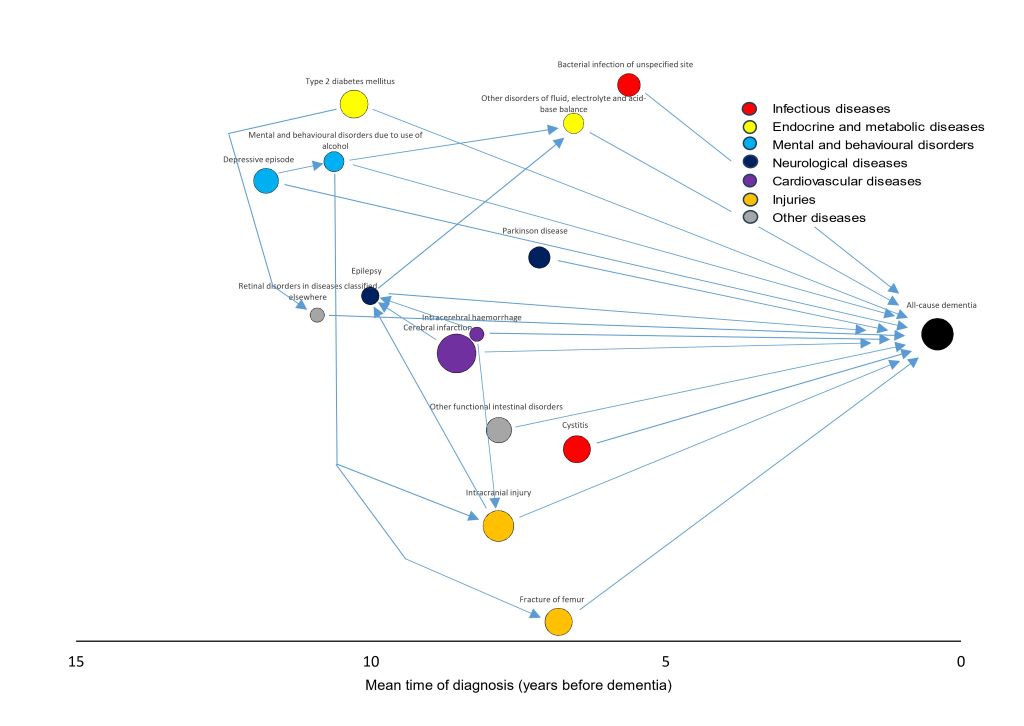
In the new study, researchers used nationwide Finnish health registry data covering more than 62 000 individuals aged 65 or older who were diagnosed with late-onset dementia between 2017 and 2020, along with more than 312 000 matched dementia-free controls. Taking a broad approach, they examined all hospital-treated diseases recorded during the previous twenty years, identifying 29 diseases that were robustly associated with increased dementia risk. Nearly half (47%) of dementia cases had at least one of the 29 identified diseases before their diagnosis.
Of those diseases, two were infections: cystitis (a urinary tract infection) and bacterial infection of an unspecified site. Among the non-infectious diseases, the strongest associations with dementia were seen for mental disorders due to brain damage or physical disease, Parkinson’s disease, and alcohol-related mental and behavioural disorders.
When the researchers then adjusted for all 27 non-infectious dementia-related diseases identified, the association between both infections and dementia remained largely intact. Less than one-seventh of the excess dementia risk among individuals with hospital-treated cystitis or bacterial infections was attributable to pre-existing conditions. The link between infections and dementia was even stronger for early-onset dementia (diagnosed before age 65), where five types of infection – including pneumonia and dental caries – were associated with elevated risk.
The study was limited by the lack of baseline cognitive assessments and clinical examination data before dementia diagnoses, as well as a lack of data on infection treatments.
“Overall, our findings support the possibility that severe infections increase dementia risk; however, intervention studies are required to establish whether preventing or effectively treating infections yields benefits for dementia prevention,” the authors say.
The authors add, “We found 27 diverse severe, hospital-treated diseases that were robustly associated with an increased risk of dementia. Two of these diseases were infections, namely urinary tract infections and unspecified bacterial infections.”
“In our study, dementia-related infections occurred on average 5 to 6 years before dementia diagnosis. Given that the development of dementia often takes years or even decades, these findings suggest that severe infections might accelerate underlying cognitive decline. However, as these findings were observational, we cannot exclude the possibility that some unmeasured confounding factors might also have affected our findings. Thus, we cannot prove cause and effect.”
“Ideally, intervention trials should examine whether better infection prevention helps reduce dementia occurrence or delay the onset of this disease.”
Doctors in the UK have identified promising evidence for the effectiveness of an early and rapid diagnostic test for sepsis.
Sepsis is a serious complication arising from infection, which can swiftly progress to life-threatening organ failure and is responsible for around 48 000 deaths annually in England. Recent findings, published today in The Lancet Respiratory Medicine, demonstrate that an accessible clinical decision-making tool significantly reduced mortality, with the greatest benefit seen among patients from the most deprived communities. However, the study also showed no difference in the speed of intravenous antibiotic initiation, despite initial expectations.
Diagnosing sepsis in emergency departments remains difficult, as many non-infectious illnesses can mimic its symptoms and there is currently no definitive diagnostic test. This uncertainty contributes to both over- and underdiagnosis. In both situations, delayed treatment can cost lives, while rapid antibiotics are required for those with confirmed sepsis some patients may be treated for sepsis unnecessarily, contributing to the urgent global issue of antimicrobial resistance (AMR). At the same time, misdiagnosis can lead to a failure to correctly identify and treat the actual underlying condition.
A procalcitonin‑guided algorithm is a clinical decision‑making tool that uses levels of the biomarker procalcitonin (PCT) to help guide antibiotic therapy in patients with suspected bacterial infections. However, it is not currently recommended for use in emergency settings because previous research has been inconsistent.
To address this gap, the research team conducted a large, controlled trial which randomised 7667 patients who presented to emergency departments with suspected sepsis. The study tested whether adding the rapid procalcitonin-guided algorithm testing to current clinical practice could help clinicians recognise sepsis more accurately, reduce unnecessary antibiotic prescribing, and maintain at least the same level of patient safety, measured by overall mortality.
The study shows:
There was a 17% relative reduction in mortality from 16.6% to 13.6% which means for every 1000 patient treated as suspected sepsis, 31 lives are potentially saved.
Patients from the most deprived areas experienced the greatest mortality benefit. Existing research explores inequality in sepsis outcomes, and this latest research may help to overcome identified systemic biases.
Importantly, the trial found that regardless of whether patients were treated with the procalcitonin‑guided algorithm or received standard care, there was no difference in how quickly intravenous antibiotics were started. Although the research team had anticipated that the algorithm might improve early antibiotic initiation, the trial showed it did not – a key finding, given this was one of the co‑primary outcomes.
Co-chief investigator, Dr Stacy Todd, Consultant in Infectious Diseases and General Medicine, NHS University Hospitals of Liverpool Group, said: “The evidence supports the value of early and rapid diagnostics and indicates a need for further biomarker and algorithm development. Uptake of procalcitonin-guided care into health systems will now depend on greater understanding of the mechanism of effect, further health economic evaluations, and robust implementation frameworks.”
The study reveals that the combination of antibiotics reduces mortality in patients with high-risk Staphylococcus aureus bacteriaemia by half, if applied in a personalised way
A study led by researchers from the Infectious Diseases Service of the Bellvitge University Hospital (HUB), the Bellvitge Biomedical Research Institute (IDIBELL) and the University of Barcelona (UB) shows for the first time that the combination of antibiotics can significantly improve the prognosis of patients with high-risk Staphylococcus aureus bacteriaemia, if it is applied selectively and in a personalised way.
The article has been published in the prestigious scientific journal The Lancet Regional Health – Europe and is the result of the collaboration of a dozen Spanish hospitals.
A reanalysis that redefines the strategy against bacteriaemia
Bacteraemia for S. aureus is a frequent and serious infection, with mortality reaching 30%. Its management requires prolonged intravenous antibiotherapy, the removal of possible infected devices and a thorough evaluation to rule out complications such as endocarditis or metastatic focus. In recent years, several clinical trials evaluating the combination of antibiotics had failed to demonstrate clear benefits in the global set of patients, a fact that the authors of the present study attributed to the lack of stratification according to risk.
For this reason, the study has carried out a reanalysis of the individualised data of two previously performed randomised clinical trials, differentiating patients according to their risk profile. This stratification was done through the FEN-AUREUS classification – a recently developed clinical tool that allows estimating the risk of mortality with information available during the first 24 hours of evolution – and the complication criteria of the Infectious Diseases Society of America (IDSA).
A personalised medicine according to individual risk
The re-evaluated trials include, on the one hand, a study with 155 patients from 18 Spanish hospitals that compared the use of daptomycin with the combination of daptomycin and phosphomycin; and, on the other, a study with 215 patients from 19 hospitals that compared cloxacillin in monotherapy with the combination of cloxacillin and phosphomycin. In both cases, the initial conclusions had shown no significant benefits of combined therapy in the overall set of patients, beyond a reduction in the duration of bacteraemia in patients treated with phosphomycin.
After the new risk group analysis, the work shows that low-risk and uncomplicated patients do not obtain significant benefits from combined therapy. On the other hand, high-risk patients showed remarkable therapeutic success at eight weeks (69.2% vs. 25.8%) and lower mortality at 60 days (23.1% vs. 45.2%).
According to first author Dr Francesc Escrihuela-Vidal, “the integration of risk and complications criteria can help identify patients who can really benefit from combined therapy.”.
In the same vein, co-author Dr Jordi Carratalà points out that “the results represent a real paradigm shift in the approach to this infection: we move from a uniform strategy for all patients to a precision medicine based on individual risk”. In addition, it highlights that this approach allows to avoid unnecessary intensive treatments in low-risk patients and will contribute to improving the design of future clinical trials.