Resistance to antimicrobial agents is rising among human infections with Escherichia coli bacteria that produce the Shiga toxin, according to a study analysing data from nearly 2000 infections in the United States between 2010 and 2021.
The increase in resistance points to a need for antibiotic stewardship in the food production chain as well as in human health, says study leader Csaba Varga, a professor of pathobiology at the University of Illinois Urbana-Champaign.
“Shiga toxin–producing E. coli is a type of foodborne bacteria that can cause anything from mild diarrhoea to very serious illness. About 100 000 people in the U.S. get sick from this strain each year, and some end up in the hospital,” Varga said. “The biggest concern is for children under five years of age, who are more likely to develop serious complications, such as kidney failure.”
Varga and graduate student Tarjani Bhatt used data reported by the U.S. Centers for Disease Control and Prevention, which collects the information through a national surveillance system. They focused on the E. coli strain O157, which produces the Shiga toxin responsible for the majority of severe illnesses. They looked at 1995 samples collected between 2010 and 2021 to see whether there was any change in antimicrobial resistance rates over time, and whether there were any patterns in age or geography.
“Most of the previous studies have looked at snapshots in time, not how resistance changes year by year. We didn’t have a clear picture of long-term trends, whether resistance was increasing, decreasing or staying the same,” Varga said. “Resistance doesn’t stay in one place; it moves through people, animals and the environment. Our study helps fill those gaps by looking at when, where and in whom resistance is emerging over time.”
The group found that, while overall resistance remains low, it has steadily increased over time – especially for the common antibiotics tetracycline and sulfisoxazole. They also found that resistance varied by geographical region and by age group, with younger adults in their 20s and 30s most likely to have infections resistant to some antibiotics.
The most mystifying aspect of the findings is that antibiotics are not typically recommended for Shiga-producing E. coli infections, Varga said. Though the treatment kills the bacteria, that action triggers the release of more Shiga toxin, making the illness more dangerous and increasing the risk for serious complications. Antibiotics are avoided unless the patient has another severe infection at the same time.
“Even though we don’t usually treat this infection with antibiotics, we’re still seeing resistance emerging and spreading, which tells us these bacteria are being exposed to antibiotics somewhere along the way,” Varga said.
The researchers propose a “One Health” approach to the issue, taking into account not only human health and antibiotic use, but animals and environment as well, particularly because the illness is foodborne.
“Better antibiotic stewardship in agriculture, along with food safety and environmental controls, will be key to slowing this trend. What happens on farms, in food production and in the environment can directly impact human health. Prevention has to happen from farm to fork,” Varga said.
The plan complements national response plans launched by the Governments of the Democratic Republic of the Congo and Uganda
The Africa Centres for Disease Control and Prevention (Africa CDC) (www.AfricaCDC.org) and the World Health Organization (WHO) today launched a joint continental preparedness and response plan on the ongoing Ebola outbreak caused by the Bundibugyo virus. The plan aims to raise US$ 518 million to support African countries together with partners to prepare for, rapidly detect and respond to the outbreak.
The six-month plan, covering June to November 2026, brings together governments, partners and communities under a unified ‘One Response’ approach to strengthen outbreak response measures, including emergency coordination, disease surveillance, laboratory testing, infection prevention and control, clinical care, community engagement, research, logistics and support for essential health services.
The plan complements national response plans launched by the Governments of the Democratic Republic of the Congo and Uganda.
“Ebola moves fast. Africa must move faster. This joint plan gives the continent a clear path to act with speed and unity: to save lives, support the affected countries and protect neighbouring communities, said Africa CDC Director-General Dr Jean Kaseya. “With Member States, WHO and partners, Africa CDC is turning commitment into action and resources into response for the communities at risk.”
WHO Director-General Dr Tedros Adhanom Ghebreyesus said: “The only way to beat this outbreak is through close partnership, working together under the leadership of the affected countries in one coordinated effort, guided by a simple principle: one plan, one budget, one team.”
He added: “Containing Ebola depends on political commitment, sustained financing, and the trust and engagement of communities. This plan places communities at the centre, because without their participation, contact tracing falters, safe care is delayed, and transmission continues.”
The plan also focuses on protecting vulnerable populations, strengthening cross-border collaboration, and supporting countries to respond quickly to new cases. At a time when there are no licensed vaccines or therapeutics specifically approved for the Bundibugyo species of Ebola, the plan aims to strengthen health systems to ensure resilience even as countries respond to acute health emergencies.
Implementation of preparedness and response activities is already underway across affected and at-risk countries. Furthermore, in 10 priority countries critical measures are being strengthened to enhance public health emergency preparedness and ensure early detection and swift response
.The plan emphasizes the need to maintain support for other ongoing health emergencies, including mpox, cholera and measles, to prevent disruptions to critical response efforts and safeguard progress towards stronger, more resilient health systems.
This coordinated effort comes as response operations accelerate in the Democratic Republic of the Congo, where authorities, with support from Africa CDC, WHO and partners, are ramping up efforts to curb the spread of the virus and end the outbreak.
Africa CDC and WHO urge Member States to strengthen screening and public health measures at points of entry and enhance cross-border coordination and solidarity to support a timely, effective and evidence-based response to the outbreak.
Through the joint preparedness and response plan, the continent is mobilising its collective expertise and resources to reinforce response measures, acting as one to control the outbreak and protect communities across the region. Its successful implementation will require strong political commitment, sustained investment and close collaboration among governments, health workers, communities and partners.
Drawing on lessons learned from previous Ebola outbreaks and recent public health emergencies, the plan also provides a pathway to broadly strengthen Africa’s capacity to prevent, detect and respond to future health threats while protecting lives and livelihoods.
Meningitis is rare in newborns but often life-threatening and can cause serious and lasting damage, including developmental problems. Now, researchers from ETH Zurich and the University of Basel have developed an approach that seeks to prevent transmission to newborns. The research is published in Nature Communications.
Although meningitis is thankfully rare in newborns as a whole, it is more common in premature babies, affecting one in every 500 such infants in industrialised economies and likely more in developing countries. One of the leading pathogens responsible for these meningitis cases is the K1 form of the E. coli bacterium. In the adult intestine: in one in three healthy adults, E. coli K1 is part of the intestinal flora. As a silent cohabitant, the bacterium causes no problems in this environment. It is kept in check by other bacteria and a functioning immune system.
However, if the pathogen is carried by an expectant mother, it can be transmitted to the child during birth and enter its intestine. In premature babies whose immune systems are still weak, the pathogen can enter the bloodstream and migrate to the brain, where it causes severe inflammation.
First weaken the pathogen, then fight it
Researchers led by Emma Slack, Professor of Mucosal Immunology at ETH Zurich, and Médéric Diard, Professor of Infection Biology at the Biozentrum of the University of Basel, want to stop transmission from happening in the first place. Their idea is to eliminate the pathogen in pregnant women who carry it in their intestine – but that’s easier said than done.
A year ago, the two researchers from Zurich and Basel had already jointly developed a concept for eradicating other pathogens living in the intestine (as ETH News reported). Back then, they used a combination therapy with two components: an oral vaccination that weakens the pathogenic bacterium, followed by a dose of harmless microbes that compete with the weakened pathogen for food, starve it out, and ultimately supersede it. In experiments on mice, the researchers demonstrated that this approach can eliminate certain salmonellas and E. coli strains in the intestine.
So tough that three components are needed
However, the K1 form of E. coli is a formidable opponent: unlike other E. coli bacteria, it is protected by a slippery outer layer. This prevents the antibodies generated by the oral vaccination from attacking the bacterium.
The team of researchers led by Slack and Diard therefore extended its previous two-pronged approach with a third component known as bacteriophages (or simply phages). These are viruses that specifically infect and kill bacteria.
However, the bacteria can make changes to themselves in order to evade the danger posed by these viruses. The phages attack the bacteria by docking to the protective layer, and the bacteria seek to prevent this by undergoing a sort of rapid evolution in which this layer is disposed of. Rapid in this case means that, since the bacteria are so numerous and multiply so quickly, they need fewer than 24 hours to adapt.
“This is essentially a resistance mechanism that the bacteria deploy against the phages,” says Slack. “We use this mechanism to our advantage: the antibodies formed by the oral vaccination are effective against K1 bacteria that no longer have their protective coating.”
Most young animals protected
The project involved searching for effective strains of phages. Scientists generally find phages in places that are home to lots of bacteria: nutrient-rich bodies of water, the intestinal flora or, very often, waste water and waste water treatment plants. When it comes to the phages used in this study, the researchers from the Biozentrum in Basel found what they were looking for in waste water samples from the treatment plant of the Lucerne conurbation. From such a sample, their lab work successfully isolated several phages that are particularly effective at attacking the bacterium E. coli K1.
In experiments with pregnant mice, which the researchers had previously infected with pathogenic E. coli K1, they were able to demonstrate the effectiveness of their triple-pronged treatment. The researchers first gave the mice phages that forced the bacteria to cast off their protective shell. Second, they administered an oral vaccination that produced antibodies in the intestine in order to weaken the bacteria. Third, they gave them a harmless probiotic bacterium that could compete against the weakened bacteria and occupy their ecological niche in the intestine.
In a control experiment in which the researchers did not treat the mothers, E. coli K1 was transmitted to 83% of young animals at birth. By contrast, the triple-pronged treatment significantly reduced the level of E. coli K1 in the mothers’ intestines, such that the pathogen was only transmitted to 23% of the young animals. The remaining offspring were protected.
Works even when antibiotics fail
The researchers are now keen to continue with their approach in order to develop a treatment for humans. In a world in which effective antibiotics are becoming increasingly scarce, we need new therapeutic approaches, says Slack. “Bacteria such as E. coli K1 are difficult to tackle. Our approach is potentially the only one that can be used to fight this pathogen and others without antibiotics.”
Not only can E. coli K1 cause cases of meningitis in newborns, which today must be treated with antibiotics in a race against time. It is also one of the most frequent causes of cystitis and pyelitis – infections that can also lead to serious cases of sepsis.
The ETH professor doesn’t perceive any major obstacles to developing an effective treatment for humans: “Oral vaccinations, probiotics and even phages are all already used in medicine,” she says. It will also be possible, she adds, to pack all three components into a single capsule that people can simply swallow.
Moreover, the scientists are planning projects in which they want to use the same approach to tackle bacteria other than E. coli K1, including multi-resistant pathogens, against which many antibiotics are no longer effective.
Hepatitis C virus. The hepatitis B virus has significant differences compared to the C virus, including differences in the protein envelope and DNA versus hep C’s RNA genome. Credit: Scientific Animations CC4.0
In an editorial published in the New England Journal of Medicine, University of Michigan Health hepatologist Anna S. Lok, MD, hails newly announced results of the B-Well clinical trials as “a major step toward a functional cure for hepatitis B virus infection.”
The results, published concurrently in NEJM, report that 20% and 19% of patients in two duplicate clinical trials achieved a functional cure for their chronic hepatitis B infections following 24 weeks of bepirovirsen (versus 0% of the placebo groups).
The lead and corresponding author of the trial results is Jinlin Hou, M.D., Chairman and Professor of the Hepatology Unit and Department of Infectious Diseases, Southern Medical University in Guangzhou, China.
The University of Michigan Health did not participate in these clinical trials.
The most common treatment for chronic hepatitis B infection, nucleoside or nucleotide analogue (NA) therapy, can successfully suppress hepatitis B virus replication – reducing the risk of cirrhosis and cancer – but is rarely curative, and most patients will relapse if treatment is discontinued before hepatitis B surface antigen loss.
In 2016, Lok led the first meeting among the US Food and Drug Administration, European Medicine Agency, American Association for the Study of Liver Diseases, European Association for the Study of the Liver, and experts in academia and industry to discuss definition and paths towards a cure for hepatitis B.
This group of experts recommended that functional cure of hepatitis B should be defined as undetectable hepatitis B surface antigen and hepatitis B virus DNA at least 24 weeks after completing a finite course of treatment. During the past 10 years, many clinical trials testing different combinations of antiviral and immunomodulatory agents have been evaluated but only one phase 3 trial has been completed so far.
In these latest phase 3 clinical trials, 24% of the patients taking bepirovirsen were able to discontinue NA therapy, compared to zero patients in the placebo groups, and none of the patients who discontinued NA therapy including a few who failed to achieve functional cure had clinical relapse.
Although these trials were conducted in highly selected patients and the results may not be generalizable to other patients with chronic hepatitis B — and side effects were more common among the patients who received bepirovirsen — they are encouraging and represent a major step towards a cure for hepatitis B. Lok hopes the results of these trials will encourage testing of other combinations that are safe and can lead to higher rates of functional cure in broader patient populations.
A renowned researcher into the natural history and treatment of hepatitis B, Lok co-authored every edition of the American Association for the Study of the Liver Diseases Guidelines on hepatitis B since 2001 and the first World Health Organization guideline on the condition in 2015.
Earlier this month, she was the senior author on a review of the current state of global hepatitis B virus prevention and treatment, published in JAMA.
As the news spread about the outbreak of Ebola in mid-May 2026, the World Health Organization (WHO) released a report about pandemics. The title was: A World on the Edge: Priorities for a Pandemic-Resilient Future.
The document was prepared by the WHO’s Global Preparedness Monitoring Board. It sets out why the world isn’t better prepared for pandemics a decade after Ebola exposed dangerous gaps. And six years after COVID-19 turned those gaps into a global catastrophe.
It adds that investment in pandemic preparedness has not kept pace with the rising risk of pandemics.
The Global Preparedness Monitoring Board is an independent monitoring and accountability body established in 2018 by the WHO and the World Bank. The aim was to strengthen preparedness for global health crises. It is composed of political leaders, agency principals and world-class experts. Its task is to provide assessments of global progress in building and sustaining the capacity to prevent, detect and respond to health emergencies.
The report was released during another Ebola epidemic. This time starting in the Democratic Republic of Congo. On 17 May the WHO declared the outbreak a public health emergency of international concern. This means that it is a risk to many countries through international spread and hence requires global coordinated efforts.
As a virologist and former global health administrator, I believe the monitoring board’s diagnosis and recommendations are vitally important for managing pandemics.
My first observation about the report is that its recommendations remain largely unimplemented by many countries. This is particularly true in Africa, where pandemics thrive and disease epidemics rage and ravage.
Africa needs to specially build trust in its own ability to prepare for and prevent disease outbreaks, and control them when they do occur.
To achieve this, and in line with the recommendations, Africa must sustain:
independent pandemic risk monitoring
health workforce capability and retention
equitable access to countermeasures such as vaccines
financing
political attention.
Independent pandemic risk monitoring
Using local resources and financing, African countries must own the solution to health through establishing data systems that uphold health sovereignty.
They must also ensure that data derived from surveillance, research and pathogen processing are securely managed and accountable to African institutions rather than foreign entities. Recent agreements with the US have brought this issue to the fore. Some were asking African countries to sign away their health data or prodigally release their precious pathogens in a barter exchange for donor funding.
But health data are an invaluable asset for public health, clinical management and research. They help countries identify diseases and develop vaccines and treatments.
What African countries should be doing instead is mobilising locally sourced counterpart funds. These should be used to create the local environment to support and enhance the capacity of indigenous scientists and researchers to develop innovations from national/natural pathogens for global benefits.
Two African health institutions should be at the centre of these endeavours: the WHO-Africa Region and the Africa Centers for Disease Control, an agency of the African Union. They must not compete, but collaborate and spearhead these efforts through centralised disease control and tracking scorecards.
Health workers
Fostering the well-being of health workforce results in growth, higher productivity, national pride and loyalty.
It also helps in long-term retention of health workers.
African countries need to prioritise capacity retention over capacity building. They must build and sustain a conducive work environment which involves physical workspace and psychological safety.
Availability of adequate resources is needed to function effectively and productively. This includes materials, laboratory facilities, supplies, reagents and consumables for a trained African health workforce and researchers.
Under such enabling conditions, the health workforce can focus on relevant and local health issues and find appropriate solutions to them.
Equitable access to countermeasures
Africa must not compromise on the ratification of international health pacts that guarantee fair technology transfer, intellectual property waivers, and robust regional manufacturing.
Countries must equally expand local production of laboratory diagnostic kits, vaccines and medical supplies as well as non-medical products. Such include gloves, personal protective equipment and masks.
This will reduce reliance on external donation and supply chains in and out of global crises.
Sustainable financing
The greater challenge for many African countries is the waste of available resources and spending on misplaced priorities.
To address this, governments must commit to sustained domestic investment in healthcare. At the same time they must use blended financing (involving both the public and private sectors) to close remaining gaps. Initiatives such as the African Epidemic Fund offer a practical model for building financial reserves for rapid, locally led responses. The fund, launched in 2025, is designed to mobilise funding to support preparedness and response efforts to combat public health threats on the continent. The African Epidemic Fund, though relatively new, must operate at the highest level of accountability. It must provide regular updates on contributions, projects supported and their impact on disease preparedness, prevention and control in Africa.
Sustained political attention
African leaders must keep pandemic preparedness high on the political agenda to ensure continuous resource allocation and accountability. The advocacy for preparedness must go beyond political campaign slogans. It must be driven by regional bodies like the African Union. Countries must then translate commitments into tangible national policies.
There can be no recess or holiday from pandemic preparedness.
African political leaders and elites, at the continental, national and sub-national levels, have crucial roles to play in achieving trusted community engagement and involvement for successful and reliable pandemic preparedness. Above all, there must be active community engagement and involvement.
In our research in the British Library’s medieval collections, we have identified a previously unnoticed document that provides fresh insights into the survivors of the outbreak of plague known as the Black Death (1346–53).
The document – a scrap of parchment inserted into an account of the Ramsey Abbey manor of Warboys in Huntingdonshire – records how much time peasants were absent from work when struck down by the plague. It also reveals the names of those who survived and how long their employers believed recovery could take.
In our recent paper with Barney Sloane we shed new light on a group of 22 tenants who probably contracted plague, languished on their sickbeds for several weeks, and then recovered.
As one of the deadliest pandemics in recorded history, it has been estimated that between a third and two-thirds of the population of medieval Europe died during the Black Death.
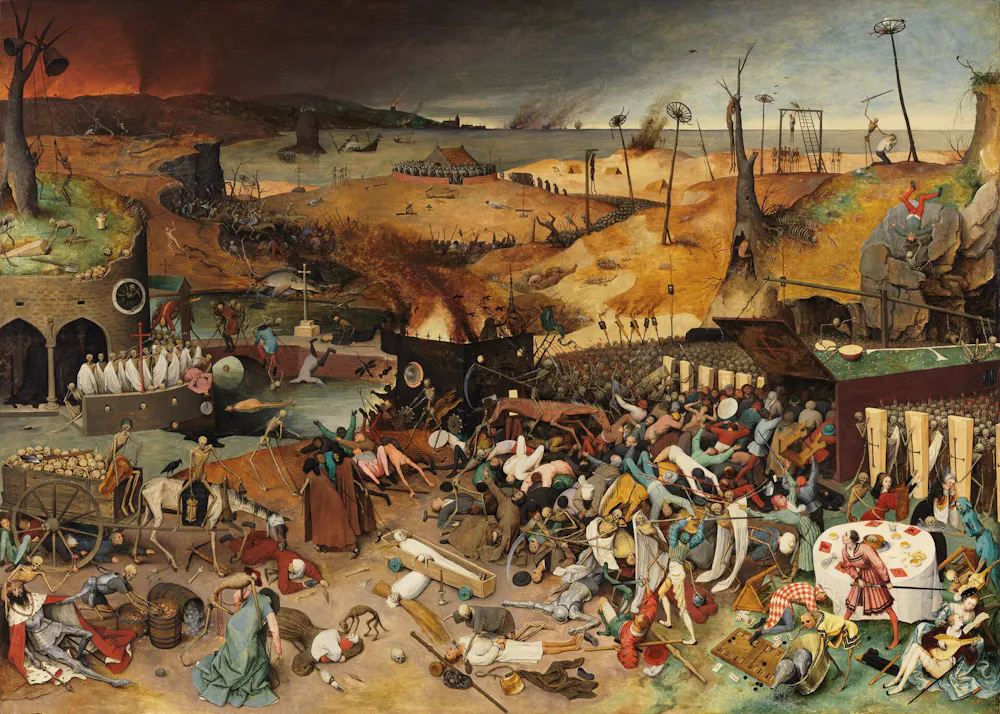
The Triumph of Death by Pieter Bruegel the Elder (1562) shows the social upheaval that followed the plague. Museo del Prado
Given the sheer scale, many historians have focused on discovering details about those who died. Yet this has left the histories of those who contracted plague and recovered largely untold.
Despite the deadliness of the disease, it was possible to recover from plague, and medieval chroniclers mention the possibility – however unlikely – of survival. For example, Geoffrey le Baker, a clerk of Swinbrook in Oxfordshire, wrote in the following decade that he thought recovery depended on people’s symptoms:
People who one day had been full of happiness, on the next were found dead. Some were tormented by boils which broke out suddenly in various parts of the body, and were so hard and dry that when they were lanced hardly any liquid flowed out. Many of these people escaped, by lancing the boils or by long suffering. Other victims had little black pustules scattered over the skin of the whole body. Of these people very few, indeed hardly any, recovered life and health.
But who recovered? Why did so many succumb to the disease when others survived? And just how long was this “long suffering”? Unfortunately, there is remarkably little documentary evidence because most medieval sources record information about mortality rather than ill health.
Unique list of plague survivors
A unique inclusion in the account of the manor of Warboys details a group of people who fell ill between the end of April and the start of August 1349. The monks of Ramsey Abbey wrote a list of their tenants who had fallen sufficiently sick that they could not work on the lord’s lands and detailed the length of time that they were absent.
People were clearly affected differently by their experience of plague.
The quickest recovery was that of Henry Broun who missed just a single week of work. By contrast, John Derworth and Agnes Mold had much more protracted illnesses and were both absent for nine weeks.
The average length of illness was between three and four weeks, with three-quarters of people returning to work in under a month. The speed of their recoveries is all the more surprising given that they were entitled to up to a year and a day of sick leave from work.
This list of survivors includes a preponderance of tenants who occupied larger holdings on the manor. It has long been debated by historians and archaeologists whether the plague killed indiscriminately, with no regard to status, sex or age, or whether the poor and elderly were more vulnerable.
The survival of so many wealthier tenants could indicate that their higher living standards enabled them to recover more readily than their poorer neighbours, perhaps because they were able to stave off secondary infections and complications. We should not read any significance into the fact that 19 out of the 22 people were men: this reflects the gender bias of manorial landholding rather than any sex-selectivity of plague.
Although 22 people may not seem like many, in a regular year during the 1340s, only two or three absences were recorded during the summer months. It, therefore, represents a tenfold increase in regular illnesses on the manor. Put another way, these sick tenants were absent for 91 weeks’ worth of labour services during just a 13-week period.
Our understanding of the impact of the Black Death has been influenced by the appalling scale of death. Yet it is only when we add those who fell ill and recovered back into the picture that we can truly understand the seismic shock the pandemic had on society. The dead, dying and sick must have considerably outnumbered the living in villages and cities across Europe.
The consequences of this can be seen in medieval accounts and chronicles, one of which records that “there was so great a shortage of servants and labourers that there was no one who knew what needed to be done”. As a result of this combination of high mortality, unprecedented illness and abysmal weather, the two harvests of 1349 and 1350 have been described as the worst experienced in medieval England, worse even than those that caused the great famine of 1315-17.
This archival discovery allows us to write the history of sickness and recovery back into the Black Death, demonstrating that recovery was possible even during one of the worst pandemics in recorded history.
This new evidence reveals the remarkable resilience of medieval peasants. Many of them lay languishing on their sickbeds, exhibiting buboes (the painful, swollen and inflamed lymph nodes on the groin and neck that were typical of the Black Death), vomiting blood and wracked by fevers and not only survived but returned to work in just a few short weeks.
Research published in The FEBS Journal may help overcome challenges to the treatment of malaria – a tropical disease caused by infection of red blood cells with Plasmodium parasites, which are transmitted through infected mosquito bites. The research is based on a strategy that targets an enzyme specific to the parasite, Falcipain-2 (FP2), which is essential for parasite survival and growth within the host.
FP2 allows the parasite to digest human haemoglobin so that it can replicate inside red blood cells, which leads to severe malaria symptoms, including red blood cell destruction. Although FP2 is parasite-specific, it is highly similar to a class of human enzymes called cathepsins. This study therefore sought to determine the detailed structural and functional characterizations of FP2 so that it could be targeting without harming cathepsins.
Previously, the researchers identified that polyethylene glycol (PEG) can form stable interactions with FP2. In this latest study, they focused on how different PEG molecules bind to FP2 and its target, haemoglobin. Their computational analyses identified a binding region, or pocket, of a particular PEG called PEG400 with FP2. This pocket exhibits minimal conservation in human cathepsins. PEG400 was capable of binding FP2 and affecting its digestion of haemoglobin.
“The findings pave the way for designing and incorporating new small molecule inhibitors of FP2 activity, suggesting opportunities for selective antimalarial therapies with a cumulative benefit of reducing off-target specificity,” said corresponding author Sampa Biswas, PhD, who conducted this work while at the Saha Institute of Nuclear Physics, in India, and is currently at InBOL (Indian Barcode of Life) Health Care.
Africa CDC and the WHO are working jointly to strengthen coordination by activating an Incident Management Support Team (IMST), building on the successful model used during the mpox and cholera responses
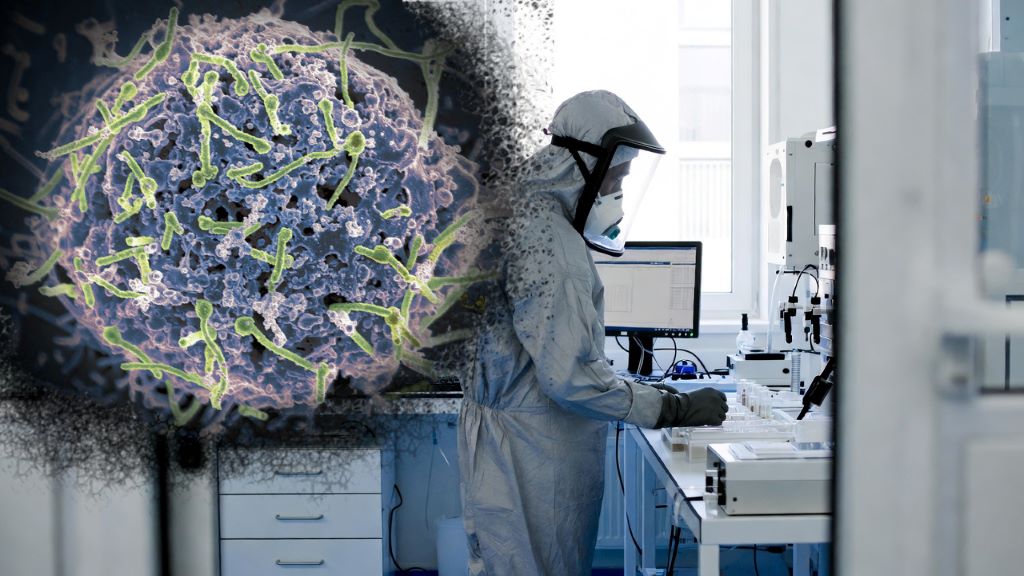
Ebola on a cell. Credit: NIH/NIAID
The Africa Centres for Disease Control and Prevention (Africa CDC), acting on the recommendations of its Emergency Consultative Group (ECG), has officially declared the ongoing Bundibugyo ebolavirus disease outbreak affecting the Democratic Republic of the Congo (DRC) and Uganda a Public Health Emergency of Continental Security (PHECS).
This declaration, under Article 3, Paragraph F of the Africa CDC Statute, empowers the organisation to lead and coordinate responses to significant public health emergencies across the continent. The statute mandates Africa CDC to “coordinate and support Member States in health emergency responses, particularly those declared a PHECS or Public Health Emergency of International Concern (PHEIC), as well as health promotion and disease prevention through health systems strengthening.”
The declaration follows extensive consultations at political, strategic and technical levels, including consultations with H.E. Mahmoud Ali Youssouf, the African Union Commission chairperson; H.E. Cyril Ramaphosa, President of South Africa and the African Union Champion for Pandemic Preparedness, Prevention and Response (PPPR); and consultations with Member States affected or at risk. This declaration was built on recommendations from the ECG, chaired by Professor Salim Abdool Karim, which reviewed the evolving epidemiological situation, regional risks, response capacities, and the implications of the confirmed Bundibugyo ebolavirus strain.
As of May 18, 2026, about 395 suspected cases and 106 associated deaths have been reported in the DRC (mainly in the Mongwalu, Rwampara, and Bunia Health Zones) and in Kampala, Uganda, where two cases and one death have been reported so far.
Africa CDC is deeply concerned about the high risk of regional spread due to intense cross-border population movement, mining-related mobility, insecurity in affected areas, weak infection prevention and control measures, community deaths occurring outside formal healthcare systems, and the proximity of affected areas to Rwanda and South Sudan.
H.E. Dr Jean Kaseya, Director General of Africa CDC, emphasised the urgency of coordinated continental action: “Today, we declare this PHECS to mobilise our institutions, our collective will, and our resources to act swiftly and decisively. The confirmation of the Bundibugyo ebolavirus in interconnected countries reminds us once again that Africa’s health security is indivisible. We must act early, act together, and act based on science.”
Dr Kaseya highlighted that the declaration would strengthen regional coordination, facilitate rapid mobilisation of financial and technical resources, reinforce surveillance and laboratory systems, support the deployment of emergency responders, and accelerate preparedness activities in neighbouring countries considered at heightened risk of transmission.
He further stressed the importance of an Africa-led and partner-supported response: “This outbreak is occurring in one of the most complex operational environments on the continent, marked by insecurity, population mobility, fragile health systems, and limited medical countermeasures for the Bundibugyo ebolavirus disease. We call upon our Member States and international partners to stand together with Africa CDC, the World Health Organization (WHO), UNICEF and the affected countries to prevent further spread and protect our populations.”
Africa CDC and the WHO are working jointly to strengthen coordination by activating an Incident Management Support Team (IMST), building on the successful model used during the mpox and cholera responses under the “4 Ones” principle: one team, one plan, one budget, and one monitoring framework.
Africa CDC has already deployed multidisciplinary experts, including specialists in epidemiology, infection prevention and control, laboratory systems, risk communication, logistics and emergency coordination, and has internally mobilised US$2 million to support the continental response.
The declaration also comes amid growing concerns about the limited availability of validated vaccines and therapeutics for the Bundibugyo ebolavirus disease. Africa CDC is therefore working closely with various partners to assess available medical countermeasures and accelerate operational research and evidence generation efforts to inform outbreak response strategies.
Professor Karim, chair of the ECG, noted: “The ECG carefully reviewed the epidemiological evidence, regional risk profile, and operational realities surrounding this outbreak. The interconnected nature of transmission between DRC and Uganda, combined with the challenges posed by insecurity and cross-border movement, requires urgent coordinated continental action.”
Ebola is a severe and often fatal illness transmitted through direct contact with bodily fluids of infected persons, contaminated materials, or deceased individuals infected with the virus. Early detection, rapid isolation and care, contact tracing, infection prevention and control, community engagement, and safe and dignified burials remain essential to interrupt transmission.
Africa CDC will continue to provide regular updates as additional epidemiological, laboratory, and sequencing information becomes available.
Hantaviruses are not new. They have circulated for decades in rodent populations, particularly in rats and mice. Humans can become infected if they are bitten or scratched by a rodent or by inhaling aerosolised particles. These are tiny bits of rodent urine, faeces or saliva floating through the air that are contaminated by the virus.
Infections between humans can be prevented by closely observing people who were exposed and isolating those who are sick. This limits the risk of further spread, as transmission generally requires close contact.
However, as an interdisciplinary group of scientists working on emerging infectious diseases, we argue that hantaviruses might pose a much bigger threat to African countries than currently known. We are concerned for three reasons.
Firstly, diagnostic testing capacity across much of the African continent remains limited. This is a real issue. In many rural settings, under-resourced diagnostic services may overlook sporadic cases. This may allow hantaviruses to spread without anyone noticing. Our medical expertise tells us that larger outbreaks are likely to be recognised eventually. But these delays in diagnosing the cases will slow down effective control measures.
Secondly, monitoring systems are lacking and likely to miss infections in wildlife and in human beings.
Thirdly, climate change and accelerating changes to the way land is used could increase the risk of spread of hantaviruses from animals to people. This is because global change may increase rodent populations and bring rats and mice into closer contact with humans.
For example, modelling studies in the Americas found broad zones with enzootic circulation (where an animal community always carries a certain disease). This is because many rodent species tend to live across a wide variety of environments where humans are also found. As human and rodent populations increase, the likelihood of encounters also increases. Some rodent species flourish in habitats shaped by humans or even in buildings. This poses a high risk for transmission of pathogens.
As a typical zoonosis (animal disease that spreads to humans), hantaviruses must be seen as a One Health issue. One Health is an approach that understands and takes into account the close connection between human, animal and ecosystem health. Hantaviruses cannot simply be seen as a clinical management or infection control issue.
It is really important that African governments set up better monitoring of wildlife so that they can detect when and where animal viruses like this are likely to spill over into the human population. This will help stop larger outbreaks of hantavirus, which can be deadly.
Weak surveillance may be allowing hantaviruses to spread unnoticed
In Africa, scientists have discovered several hantaviruses, including Sangassou virus in Guinea in small mammal species, such as rodents. More recently, hantaviruses were found in shrews and bats too – not just in rats and mice as previously thought.
The fact that hantaviruses may circulate in a much wider range of animals and environments than scientists originally realised makes their ecology and potential spillover risk into humans more complex.
One of the current problems facing Africa is that there hasn’t been enough research into the ecology of hantaviruses and which animals host them. There are very few genetic sequences available that would allow scientists to analyse interactions between viruses and hosts and the possible risk this poses to humans.
Combined with limited monitoring of the disease, Africa is experiencing a hantavirus surveillance gap. This gap needs to be closed because hantavirus infections and disease may be more widespread than many health systems assume.
Climate change and land use
Climate and land-use change influence rodent populations which host hantaviruses, and increase human-rodent contact. Hantavirus boomed in the US between 1993 and 1995 because El Niño brought very heavy rains and warmer winters, which led to a bumper crop in seeds that rodents eat. This improved nutrition led to a massive increase in rodent numbers. Outbreaks elsewhere have likewise been linked to weather phenomena.
More rodents means more of them seeking food and shelter in the vicinity of humans. More competition for resources leads to more aggressive behaviour between animals and biting transmits the virus. Because El Niño episodes are predicted to become more frequent and intense in future, hantaviruses are likely to affect African countries more and more.
In Africa, land-use change is likely to play an increasingly important role in hantavirus ecology and emergence, as was the case with Lassa fever (another virus spread by rodents) in Nigeria and Guinea. Deforestation, agricultural expansion, mining activities, road construction and urban growth are transforming natural habitats across many regions of the continent. These environmental changes can force populations of rodents, shrews and bats to move into farms, villages, peri-urban settings and water sources used by people.
When humans expand into previously undisturbed habitats in search of land, food, or economic opportunity, this also creates a new opportunity (known as an ecological interface) where hantaviruses and other zoonotic pathogens may circulate more easily between wildlife reservoirs and humans.
What needs to happen next
When people and wildlife come into close contact, viruses like Andes can jump from animals and begin transmitting between humans. Hantaviruses can cause severe human disease and this is likely far more widespread than currently recognised.
Fortunately, the risk of Andes hantavirus spreading beyond the cruise ship passengers and crew and their close contacts is small. But Sars coronavirus and monkeypox virus are recent examples that some zoonotic viruses have the potential to spread rapidly and widely among humans.
Virological and ecological studies of wildlife reservoirs and surveillance of possible hantavirus infection and disease in humans in endemic regions are needed. This requires specialised diagnostic tools combined with samples from rodents in areas where humans have disturbed their habitat and have since experienced unexplained febrile illness (acute high fevers).
Once there is firm evidence of human disease, scientists and medical professionals will be able to argue for the widespread use of diagnostic tests. The results of these tests will determine how much of a threat the virus poses to human health.
Genetic sequencing and data-sharing partnerships can then help connect animal, environmental and human signals into a clearer picture of risk.
The greatest gap currently may be the failure to identify where, how, and under which environmental conditions spillover events occur before outbreaks emerge.
Strengthening surveillance to identify high-risk interfaces, emerging transmission zones, and drivers of spillover is therefore essential to anticipate potentially pathogenic African hantaviruses before larger outbreaks occur.
“Hantavirus is a rare zoonotic virus, which means it’s carried by animals – in this case, rodents,” she explains. “Humans typically become infected when they breathe in particles from the urine, faeces or saliva of infected rodents.” Rare cases of human-to-human spread have been reported.
The virus isn’t new and does not spread in the same way as more familiar respiratory infections such as influenza or COVID-19. Most hantavirus infections occur after environmental exposure (in endemic regions), particularly in enclosed spaces where rodent droppings, urine or saliva have contaminated dust. Activities such as sweeping dry droppings in garages, sheds, storage rooms or other poorly ventilated areas may increase the risk of inhaling contaminated particles.
The current outbreak has drawn attention because it’s been confirmed as the Andes variant of hantavirus. The Andes virus is unusual because it is the only hantavirus variant documented to spread between people. However, Prof Ueckermann emphasises that this form of transmission remains rare and appears to require prolonged, close contact.
“To date, human-to-human spread of hantavirus is extremely rare, and has been described only with the Andes variant and with prolonged close contact, such as people sharing a household,” she says. “There is no evidence of community-wide spread of hantavirus of the kind seen with COVID-19.”
Previous cases of the Andes virus suggest that transmission is associated with close, sustained exposure rather than brief or casual contact. Reported situations include household exposure, being in contact with an intimate partner, caregiving activities or spending extended periods in enclosed spaces in close proximity to an infected person. This distinction is important in interpreting public concern about travel and shared public spaces.
“Based on what we currently know about the Andes virus, the risk to fellow passengers on a flight appears to be low,” Prof Ueckermann says. “Simply being on the same aircraft, walking past an infected person or sitting at a distance would be considered very low risk. Sitting next to a sick person on a long-haul flight may plausibly carry a low risk, while the highest risk would be repeated close contact, such as caring for someone, touching or sharing cups.”
Prof Ueckermann adds that the public health response to the recent outbreak has been appropriate and reassuring. This has included early sequencing of the virus to confirm that it is the Andes variant, monitoring of close contacts and a coordinated approach to managing those affected.
In South Africa, hantavirus is not considered a major public health concern. Confirmed human cases are extremely rare, and the current cases being managed in the country are linked to exposure outside South Africa, not local transmission. Prof Ueckermann stresses that South Africa is not experiencing a hantavirus outbreak.
Symptoms may initially resemble influenza and can include fever, body aches, headache and abdominal pain. In most cases, especially during winter in South Africa, such symptoms are far more likely to be caused by common seasonal infections. However, anyone with a known exposure to rodent-contaminated environments or having had close contact with a confirmed case should seek medical advice if symptoms develop. Urgent care is needed if symptoms progress to shortness of breath, tightness in the chest, rapid breathing, dizziness, confusion, bluish lips or sudden worsening after a flu-like illness.
Practical prevention remains important. People should avoid sweeping rodent droppings, and instead spray the droppings with disinfectant or diluted bleach, allow the area to soak, wipe it up with paper towels and wash their hands thoroughly afterwards. They should also ventilate enclosed spaces before cleaning, wear gloves and a mask. Food and waste should be stored securely, and rodent entry points should be sealed.
“Hantavirus is a rare but potentially serious rodent-borne infection, with very rare person-to-person spread,” Prof Ueckermann says. “The appropriate response is evidence-based awareness, sensible hygiene and rodent control – not panic.”











.jpg)

