Category: Implants and Prostheses

Carbon Fibre Electrodes Allow Unprecedented Neural Recording

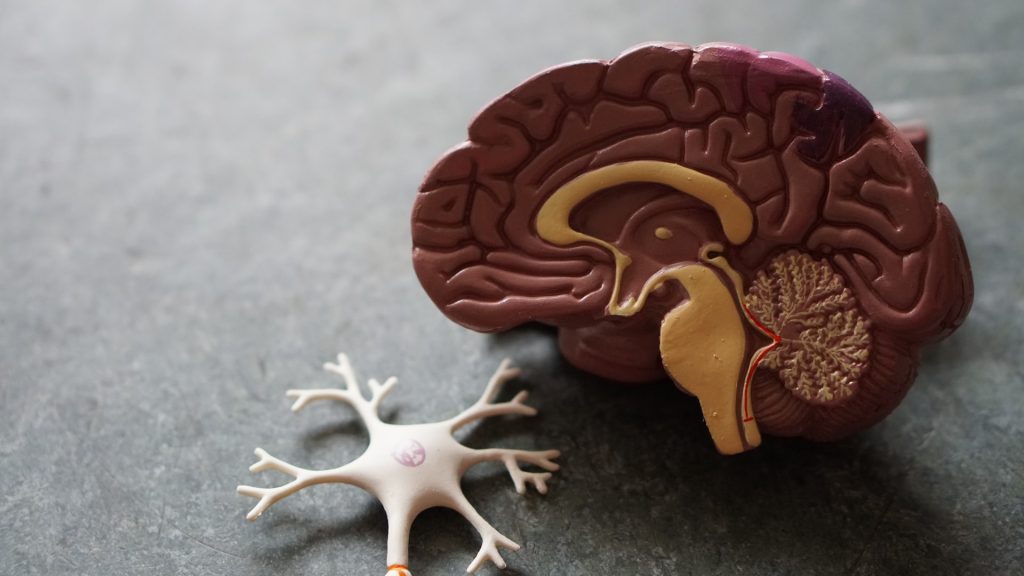
Image by Robina Weemeijer on Unsplash

A tiny, implantable carbon fibre electrode has the potential to provide a long-term brain-computer interface which can record electrical signals over lengthy periods of time.

The carbon fibre electrodes were developed at the University of Michigan and demonstrated in rats. The new research shows the promise of carbon fibre electrodes in recording electrical signals from the brain without damaging brain tissue. Directly implanting carbon fiber electrodes into the brain allows the capturing of bigger and more specific signals than current technologies.

This technology could lead to advances that could give amputees and those with spinal injuries control of advanced prosthetics, stimulate the sacral nerve to restore bladder control, stimulate the cervical vagus nerve to treat epilepsy and provide deep brain stimulation as a possible treatment for Parkinson’s.  

“There are interfaces out there that can be implanted directly into the brain but, for a variety of reasons, they only last from months to a few years,” said Elissa Welle, a recent PhD graduate from the U-M Department of Biomedical Engineering. “Any time you’re opening up the skull for a procedure involving the brain, it’s a big deal.”

Brain implants are typically made from silicon due to its ability to conduct electricity and its historic use in cleanroom technology. But silicon is not very biocompatible and leads to the formulation of scar tissue over long periods. Such electodes will eventually degrade and no longer capture brain signals, requiring removal.

Carbon fibres may be the answer to getting high-quality signals with an interface that lasts years, not months. And by laser cutting and sharpening carbon fibers into tiny, subcellular electrodes in the lab with the help of a small blowtorch, U-M engineers have harnessed the potential for excellent signal capture in a form the body is more likely to accept.

“After implantation, it sits inside the brain in a way that does not interfere with the surrounding blood vessels, because it’s smaller than those blood vessels,” Welle said. “They’ll move around and adjust to an object that small, rather than get torn as they would when encountering larger implants.”

Part of the electrode’s compatibility in brain tissue is down to smaller size, but its needle-like shape may also minimise compacting of any surrounding tissue. Larger carbon-based electrodes have been shown to actually encourage neural tissue to grow instead of degrading. The team is hopeful that similar potential for their carbon fibre electrodes will be revealed by further testing.

Carbon fibre electrodes in a previous study dramatically outperformed conventional silicon electrodes with 34% of electrodes recording a neuron signal compared to 3%. Laser cutting then improved this number to 71% at 9 weeks after implantation. Flame sharpening has now enabled these high performance probes to be implanted directly into the cerebral cortex, negating the need for a temporary insertion aid, or shuttle, as well as into the rat’s cervical vagus nerve.

It is relatively easy to insert electrodes into the brain. But the researchers have also taken on the more difficult task of inserting the sharpened carbon fibre electrodes into nerves, with micrometre diameters.

Those findings show that potential for these electrodes goes beyond prosthetic manipulation, according to Cindy Chestek, a U-M associate professor of biomedical engineering, and principal investigator of the The Cortical Neural Prosthetics Lab.

“Someone who is paralysed may have no control over things like their bladder, for example,” Prof Chestek said. “We may be able to utilise these smaller electrodes to stimulate and record signals from areas that can’t be reached by larger ones, maybe the neck or spinal cord, to help give patients some level of control.”

Source: University of Michigan

Innovative 3D Printing Makes Stronger and More Flexible Implants

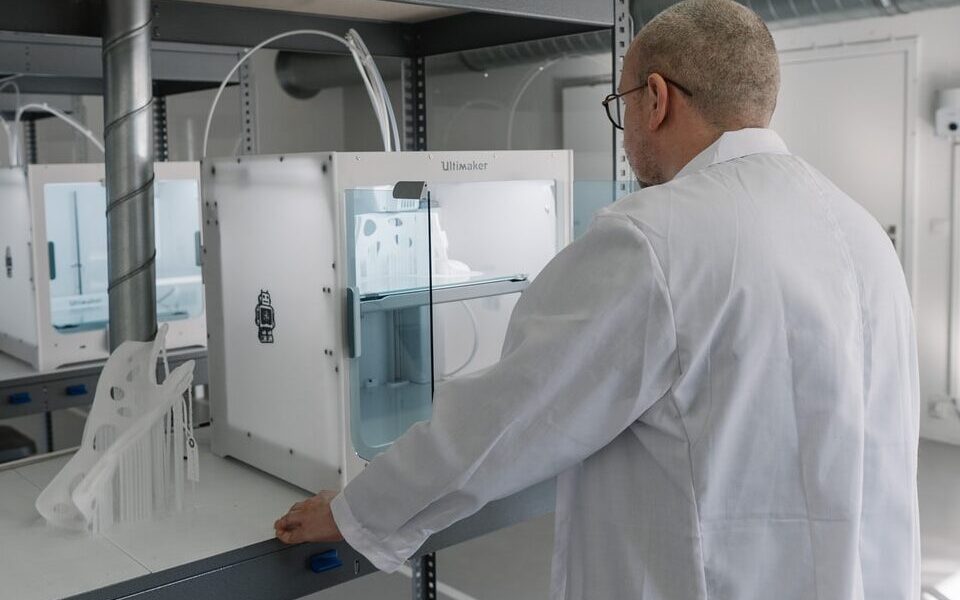
Photo by Tom Claes on Unsplash

A new 3D printing process developed by University of Nottingham researchers, allows customised production of artificial body parts and other medical devices with built-in functionality offering shape and durability, while also cutting bacterial infection risk.

“Most mass-produced medical devices fail to completely meet the unique and complex needs of their users,” explained lead researcher Dr Yinfeng He, Centre for Additive Manufacturing. “Similarly, single-material 3D printing methods have design limitations that cannot produce a bespoke device with multiple biological or mechanical functions.”

“But for the first time, using a computer-aided, multi-material 3D-print technique, we demonstrate it is possible to combine complex functions within one customised healthcare device to enhance patient wellbeing.”

The team’s hope is that their new design process can be applied to 3D-print any highly customised medical device.

For example, the method could be adapted to create a single-part prosthetic limb or joint with greater comfort and functionality; or printing customised pills containing multiple drugs – known as polypills – optimised to release their contents in a planned sequence.

What it can do

For this study, the researchers applied a computer algorithm to design and manufacture 3D-printed objects made up of two polymer materials with differing stiffness that also prevent bacterial biofilm build-up. Combining these two materials, they produced an implant with the required strength and flexibility.

Artificial finger joint replacements currently use both silicone and metal parts, offering the wearer a standardised level of dexterity but must be rigid enough to implant into bone. The team 3D-printed a finger joint as a demonstration, which offered these dual requirements in one device, while also being able to customise its size and strength to meet individual patient requirements. They can even make use of intrinsically bacteria-resistant and bio-functional multi-materials, combating infection without extra antibiotics.

A new high-resolution characterisation technique (3D orbitSIMS) was used to 3D-map the chemistry of the print structures and to test the bonding between them throughout the part. This showed that the two materials were intermingling at their interfaces; a sign of good bonding and therefore a stronger device.

The study was carried out by the Centre for Additive Manufacturing (CfAM) and funded by the Engineering and Physical Sciences Research Council. The complete findings are published in Advanced Science, in a paper entitled: ‘Exploiting generative design for 3D printing of bacterial biofilm resistant composite devices’.

Prior to making the technique commercialised, the researchers plan to try out more advanced materials with extra functionalities such as controlling immune responses and promoting stem cell attachment.

Source: University of Nottingham

Journal reference: He, Y., et al. (2021) Exploiting Generative Design for 3D Printing of Bacterial Biofilm Resistant Composite Devices. Advanced Science. doi.org/10.1002/advs.202100249.

Ventricular Assist Device Pulled from Market due to Failures

Photo from Olivier Collett on Unsplash

The HeartWare system, a left ventricular assist device (LVAD) for advanced heart failure patients, is being discontinued immediately, according to the Food and Drug Administration.

The manufacturer, Medtronic, is halting global distribution and sale of its HeartWare system in the wake of observational evidence of increased neurological adverse events and mortality for its LVAD compared with similar mechanical circulatory support (MCS) devices.

Last December, some HeartWare LVADs were recalled because of complaints that the pump may delay or fail to start. So far 100 of these complaints have been received, including 14 patient deaths and 13 cases where an explant was necessary, the FDA noted.

“We have been carefully monitoring the adverse events associated with this device and support its removal from the marketplace,” said Bram Zuckerman, MD, director of the Office of Cardiovascular Devices at the FDA’s Center for Devices and Radiological Health, in a statement.

Medtronic now advises physicians to immediately stop new implants of the HeartWare device, but does not recommend explants.

The company is working on a plan for ongoing support of the some 4000 patients around the world who currently have this LVAD. It received commercial approval for use in the US in November 2012.

The FDA named Abbott’s HeartMate 3 as one alternative LVAD for patients with end-stage heart failure. This device features a magnetic levitation system that keeps the rotor separate without mechanical contact.

“The FDA is working closely with both Medtronic and Abbott to ensure patient care is optimised during this transition period and that there is an adequate supply of devices available to provide this patient population with options for end-stage heart failure treatment,” said Dr Zuckerman.

In a separate press release, Abbott reassured the public that it has the ability to meet increased demand for MCS devices as a result of HeartWare withdrawal from clinical use.

Source: MedPage Today

Tiny Implant Shelters Diabetes-curing Cells

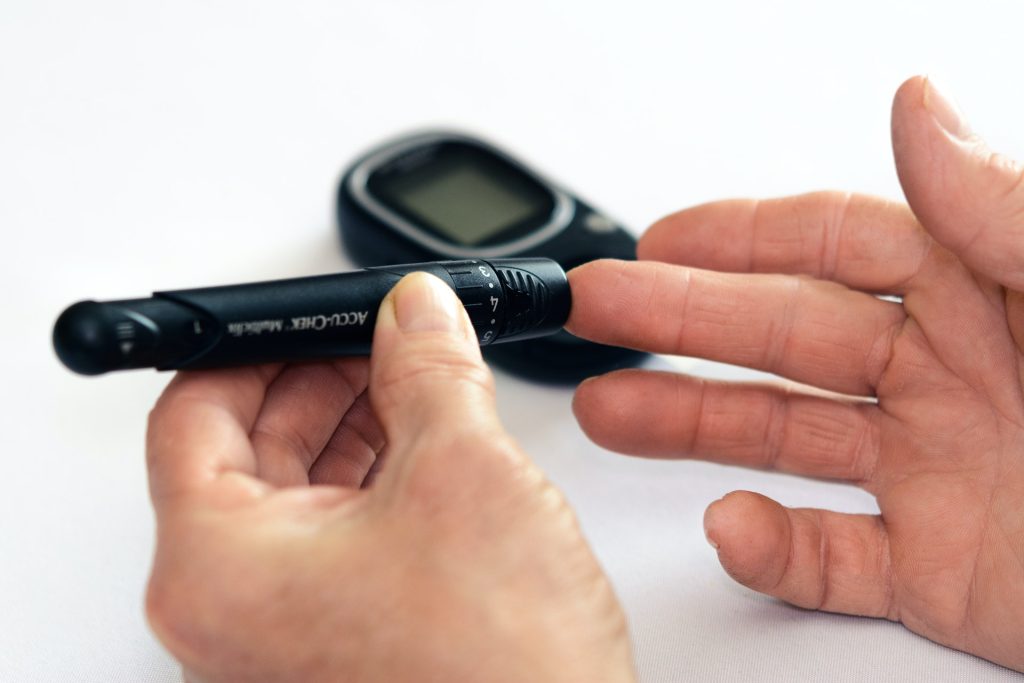
Photo by Photomix Company from Pexels

A team of researchers have developed a miniscule device that allows them to implant insulin-secreting cells into diabetic mice, which secrete insulin in response to blood sugar without being destroyed by the immune system.

The findings are published in the journal Science Translational Medicine.

“We can take a person’s skin or fat cells, make them into stem cells and then grow those stem cells into insulin-secreting cells,” said co-senior investigator Jeffrey R Millman, PhD, an associate professor of medicine at Washington University. “The problem is that in people with Type 1 diabetes, the immune system attacks those insulin-secreting cells and destroys them. To deliver those cells as a therapy, we need devices to house cells that secrete insulin in response to blood sugar, while also protecting those cells from the immune response.”

Prof Millman, also an associate professor of biomedical engineering, had previously developed and honed a method to make stem cells and then grow them into insulin-secreting beta cells. Prof Millman previously used those beta cells to reverse diabetes in mice, but it was not clear how the insulin-secreting cells might safely be implanted into people with diabetes.

Prof Millman explained why the new device’s structure was so important.

“The device, which is about the width of a few strands of hair, is micro-porous—with openings too small for other cells to squeeze into—so the insulin-secreting cells consequently can’t be destroyed by immune cells, which are larger than the openings,” he said. “One of challenges in this scenario is to protect the cells inside of the implant without starving them. They still need nutrients and oxygen from the blood to stay alive. With this device, we seem to have made something in what you might call a Goldilocks zone, where the cells could feel just right inside the device and remain healthy and functional, releasing insulin in response to blood sugar levels.”

Millman’s laboratory collaborated with researchers from the laboratory of Minglin Ma, PhD, an associate professor of biomedical engineering at Cornell and the study’s other co-senior investigator. Prof Ma has been working to develop biomaterials that can help implant beta cells safely into animals and, eventually, people with Type 1 diabetes.

In recent years a number of implants have been tried to varying degrees of success. For this study, the team led by Prof Ma developed a nanofibre-integrated cell encapsulation (NICE) device. They filled those implants with insulin-secreting beta cells grown from stem cells and then implanted the devices into the abdomens of diabetic mice.

“The combined structural, mechanical and chemical properties of the device we used kept other cells in the mice from completely isolating the implant and, essentially, choking it off and making it ineffective,” Prof Ma explained. “The implants floated freely inside the animals, and when we removed them after about six months, the insulin-secreting cells inside the implants still were functioning. And importantly, it is a very robust and safe device.”

The cells in the implants continued to secrete insulin and control blood sugar in the mice for up to 200 days — even without any immunosuppressive drugs being administered.
“We’d rather not have to suppress someone’s immune system with drugs, because that would make the patient vulnerable to infections,” Prof Millman said. “The device we used in these experiments protected the implanted cells from the mice’s immune systems, and we believe similar devices could work the same way in people with insulin-dependent diabetes.”

Profs Millman and Ma stress that a considerable amount of work is needed before the device can be trialled in a clinical setting.

Source: Washington University School of Medicine in St Louis

Journal information: X. Wang et al., “A nanofibrous encapsulation device for safe delivery of insulin-producing cells to treat type 1 diabetes,” Science Translational Medicine (2021)

Neural Control of Prosthetic Ankle Can Restore Agility

Female athlete with prosthetic leg relaxes on a sporting field. Photo by Anna Shvets from Pexels

A recent case study demonstrates that, with training, neural control of a prosthetic ankle with a powered joint can restore agility. 

Traditional prosthetic ankle joints result in slower walking and abnormal gaits due to the way they differ from normal human ankles in distributing walking loads. Autonomously controlled powered prosthetic ankles can restore additional function to users by providing the extra work involved in a natural walking gait. However, they are currently only designed to assist walking or standing, and not to tackle specialised tasks such as squatting.

“This case study shows that it is possible to use these neural control technologies, in which devices respond to electrical signals from a patient’s muscles, to help patients using robotic prosthetic ankles move more naturally and intuitively,” said corresponding author Helen Huang, Jackson Family Distinguished Professor in the Joint Department of Biomedical Engineering at NC State and UNC

“This work demonstrates that these technologies can give patients the ability to do more than we previously thought possible,” says Aaron Fleming, first author of the study and a Ph.D. candidate in the joint biomedical engineering department.

Most research on robotic prosthetic ankles has focused on autonomous control, meaning that the prosthesis handles the fine motions when the wearer decides to walk or stan.

Huang, Fleming and their collaborators sought to find out if amputees could be trained to use a neurally controlled prosthetic ankle to regain more control in the many common motions that people make with their ankles beyond simply walking.

Their powered prosthesis reads electrical signals from two residual calf muscles, which are responsible for controlling ankle motion, and converts the signals into commands for moving the prosthesis.

The researchers recruited a study participant with an amputation between the knee and the ankle, and fitted the powered prosthetic ankle on the participant and did an initial evaluation. Over two and a half weeks, the participant then had five, two-hour training sessions with a physical therapist. A second evaluation was conducted on training completion.

Having had the training, the participant was able to perform a variety of previously challenging tasks, such as going from sitting to standing without any external assistance or squatting to pick something up without compensating for the movement with other body parts. However the participant’s own stability, both self-reported and empirically measured in such tests as standing on foam, was dramatically improved.

“The concept of mimicking natural control of the ankle is very straightforward,” Huang said. “But implementation of this concept is more complicated. It requires training people to use residual muscles to drive new prosthetic technologies. The results in this case study were dramatic. This is just one study, but it shows us what is feasible.”

“There is also a profound emotional impact when people use powered prosthetic devices that are controlled by reading the electrical signals that their bodies are making,” Fleming said. “It is much more similar to the way people move intuitively, and that can make a big difference in how people respond to using a prosthesis at all.”

More participants are already undergoing the training, with the researchers expanding their testing to match. But before this technology is made more widely available, the researchers would like real-world testing, with the prosthesis being used in people’s daily routines.

“As with any prosthetic device for lower limbs, you have to make sure the device is consistent and reliable, so that it doesn’t fail when people are using it,” Huang said.

“Powered prostheses that exist now are very expensive and are not covered by insurance,” Fleming explained. “So there are issues related to access to these technologies. By attempting to restore normal control of these type of activities, this technology stands to really improve quality of life and community participation for individuals with amputation. This would make these expensive devices more likely to be covered by insurance in the future if it means improving the overall health of the individual.”

The researchers are currently working with a larger group of study participants to see how broadly applicable the findings may be.

Source: News-Medical.Net

Journal information: Fleming, A., et al. (2021) Direct continuous electromyographic control of a powered prosthetic ankle for improved postural control after guided physical training: A case study. Wearable Technologies. doi.org/10.1017/wtc.2021.2.

Lab-made Heart Valves That Can Grow With The Recipient

In a new study, lab-made heart valves were shown to grow along with their recipient when implanted into lambs for a year, making a new alternative possible for thousands of paediatric patients who need replacement heart valves. 

Researchers from the University of Minnesota Twin Cities’ College of Science and Engineering and the Medical School published the results in Science Translational Medicine. The production procedure for the valves has also been patented and licensed to the University of Minnesota startup company Vascudyne, Inc.

Compared to currently used animal-derived valves, these new valves also showed reduced calcification and improved blood flow when tested in the same growing lamb model. Current solutions for children involve prosthetic valves, but these calcify over time and cannot grow with the patient. This requires up to five open-heart surgeries to replace them as the children grow towards adulthood, involving considerable risk and expense, as well as demanding lifelong anticoagulation therapy.

“This is a huge step forward in paediatric heart research,” commented senior researcher Robert Tranquillo, a University of Minnesota professor in the Departments of Biomedical Engineering and the Department of Chemical Engineering and Materials Science. “This is the first demonstration that a valve implanted into a large animal model, in our case a lamb, can grow with the animal into adulthood. We have a way to go yet, but this puts us much farther down the path to future clinical trials in children. We are excited and optimistic about the possibility of this actually becoming a reality in years to come.”

Using a combination of tissue engineering and regenerative medicine, they were able to grow the heart valves. Implementing a tissue engineering technique they had previously developed, they grew tube-like structures out of skin cells. This involved combining the skin cells in fibrin, and providing nutrients in a bioreactor. After washing the skin cells out with detergent, the researchers were left with a collageneous matrix which would not provoke an immune response when implanted. They then sewed and trimmed three of these tubes together to make a 19mm diameter heart valve-like structure.

“After these initial steps, it looked like a heart valve, but the question then became if it could work like a heart valve and if it could grow,” Tranquillo said. “Our findings confirmed both.”

The valves grew from 19mm to 25mm over a year, and showed little of the calcification or clotting associated with prosthetic valves, while performing better than animal-derived valves.”We knew from previous studies that the engineered tubes have the capacity to regenerate and grow in a growing lamb model, but the biggest challenge was how to maintain leaflet function in a growing valved conduit that goes through 40 million cycles in a year,” said lead researcher Zeeshan Syedain, a University of Minnesota senior research associate in Tranquillo’s lab. “When we saw how well the valves functioned for an entire year from young lamb to adult sheep, it was very exciting.”

The next steps are to implant the valve into the right ventricle of the heart to see how it performs, and apply for FDA approval to proceed to human trials. 

Source: Medical Xpress

Journal information: Zeeshan H. Syedain et al, Pediatric tri-tube valved conduits made from fibroblast-produced extracellular matrix evaluated over 52 weeks in growing lambs, Science Translational Medicine (2021). DOI: 10.1126/scitranslmed.abb7225

New Type of Corneal Implant Fuses into the Eye

A new type of artificial cornea has been successfully implanted into an elderly patient, who demonstrated recovered sight the day after his surgery.

When the cornea is damaged by disease or injury, blindness can result, necessitating a cornea transplant. Artificial corneas are a much sought-after technology, as the normal treatment for a damaged cornea is to seek a transplanted replacement. However, for every 70 corneas sought, there is only a single donor cornea. CorNeat Vision is set to offer the first commercially available synthetic cornea implant, the KPro.

The new cornea has a clear centre section, surrounded by a white skirt consisting of electrospun nanofibres. Electrospun nanofibres have already found application in many medical applications, such as a new kind of translucent burn dressing. This skirt’s nanofibre material allows fibroblasts and collagen to infiltrate its structure, allowing full integration within a few weeks of surgery. This biomimetic technology results in faster healing times, the ability to use fully synthetic implants and is fully scalable as it does not rely on any harvested tissue.

The implantation procedure involves removing the epithelium covering the cornea, marking the location of where the artificial cornea implant should go, removing the cornea and then suturing its replacement into position.

Only a day after his surgery, the first recipient of this new artificial cornea was able to make out the faces of his relatives and read numbers off of a chart.

Source: Medical Xpress