Category: Immunology

Surprising Mechanism of Action Discovered for Stem Cell Drugs

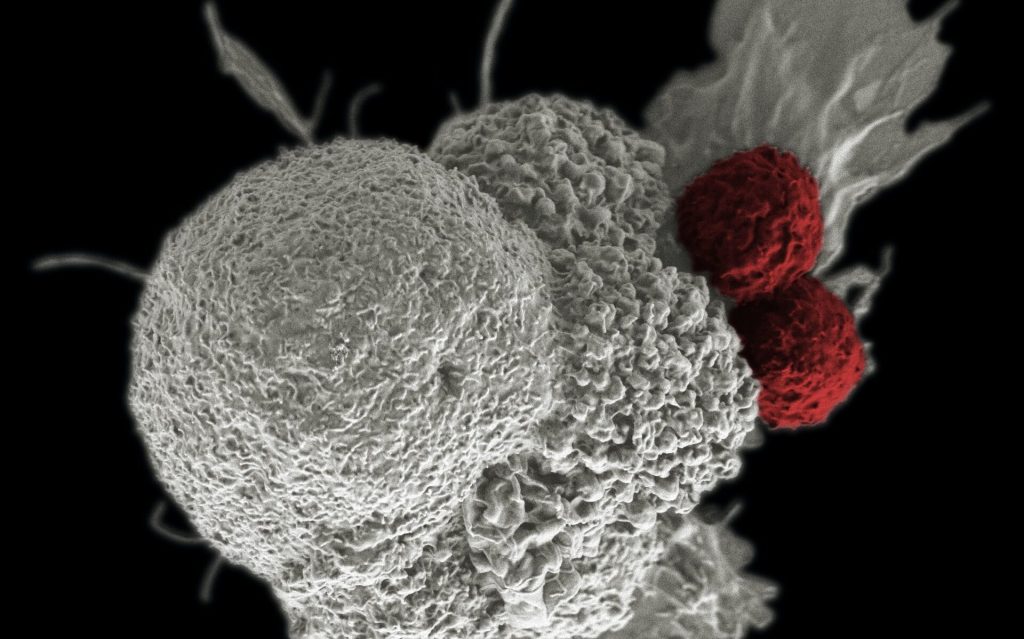
Two cytotoxic T cells (red) attacking an oral squamous cancer cell. Photo by National Cancer Institute on Unsplash

A new study revealed surprising insights into how specialised drugs that regenerate immune cells lost to chemotherapy actually work. 

In cancer patients following chemotherapy, there is a decrease in immune cells because chemotherapy also impacts the stem cells in bone marrow, which were meant to develop into new immune cells. This means that the immune system is then left short of immune cells to fight new infections.

Certain drugs exist, such as plerixafor, that can stimulate the release of stem cells from the bone marrow into the blood stream, so that they can be harvested and then reintroduced into the patients after treatment. These stem cells develop into new immune cells, bolstering the immune system. However, there was a lack of detailed knowledge of how these drugs actually worked.

Now, a study conducted in mice by researchers at the University of Copenhagen demonstrates how the medicine works at the cell level—and, surprisingly, how plerixafor, one of the two applied and tested drugs, is more effective than the other, despite the fact that the other drug, on paper, appears to be the most effective of the two. This discovery may not just help improve stem cell transplantation; it may also lead to improved drugs in the future.

“We have tested two drugs for stem cell transplantation which appear to have the same effect. What they do is block a receptor, causing the bone marrow to release stem cells into the blood. What the new study shows, though, is that they do not just block the receptor; one of the two drugs also affects other signaling pathways in the cell. And in short, that makes it more effective than the other of the two drugs,” explained PhD student Astrid Sissel Jørgensen from the Department of Biomedical Sciences at the University of Copenhagen.

“We used to believe that all we had to do was block the receptor, and that the two drugs had the same effect. It now appears that there is more to it,” she said.

The drugs tested by the researchers mobilise stem cells by acting as CXCR4 receptor antagonists. There are several drugs that target this receptor, including drugs inhibiting HIV replication.

“The drugs not only block the receptor’s normal signaling. One of the two drugs we have tested also affect some of the other cell pathways and even make the receptor withdraw into the cell and disappear from the surface,” explained corresponding author Professor Mette Rosenkilde. The study results revealed that one of the two drugs makes the bone marrow release more stem cells into the blood.

These findings on how the drugs affect cell pathways differently is also known as biased signalling. Mechanisms like these are what make the one drug more effective in practice than on paper, and they challenge the current view of these drugs.

“The results of our study directly influence our view of drugs used for stem cell transplantation. In the long term, though, it may also affect our view of future drugs, and how new drugs should be designed to have the best possible effect, both in connection with stem cell mobilisation, but also for treating HIV infections, where this particular receptor also plays a main role,” said Prof Rosenkilde.

Source: Medical Xpress

Journal information: Astrid S. Jørgensen et al, Biased action of the CXCR4-targeting drug plerixafor is essential for its superior hematopoietic stem cell mobilization, Communications Biology (2021). DOI: 10.1038/s42003-021-02070-9

Immune Cells Respond to Threats with Six ‘Words’

Scanning electron microscope of a dead yeast cell being engulfed by a macrophage. Credit: National Institute of Allergy and Infectious Diseases (NIAID)

A new study has identified six ‘words’ that certain immune cells use to turn on defence genes, an important step towards discovering how the immune system coordinates itself to handle threats.

In addition, they discovered that using two of these words incorrectly can activate the wrong genes, resulting in the autoimmune disease known as Sjögren’s syndrome.

“Cells have evolved an immune response code, or language,” said senior author Alexander Hoffmann, a professor at UCLA. “We have identified some words in that language, and we know these words are important because of what happens when they are misused. Now we need to understand the meaning of the words, and we are making rapid progress. It’s as exciting as when archeologists discovered the Rosetta stone and could begin to read Egyptian hieroglyphs.”

Listening in on macrophages

Immune cells constantly assess their external environment, and communicate with signalling codons (‘words’) to tell the nucleus which genes to turn on in response to invading pathogens. These codons consist of a sequence of actions by a DNA binding protein that produces a word, like typing letters in sequence on a keyboard.

The researchers focused on words used by macrophages, which clear up harmful substances, pathogens and dead cells. ‘Listening’ to macrophages in healthy mice, they identified six specific codon-words that correlated to immune threats. They repeated this with mice that contained a mutation akin to Sjögren’s syndrome in humans to see if this disease is caused by the defective use of these words.

“Indeed, we found defects in the use of two of these words,” Prof Hoffmann said. “It’s as if instead of saying, ‘Respond to attacker down the street,’ the cells are incorrectly saying, ‘Respond to attacker in the house.'”

According to the researchers, the findings suggest that Sjögren’s doesn’t result from chronic inflammation as it has been thought to, but rather from a codon-word confusion that leads the body to attack itself. New treatments could focus on correcting the miscommunication.

Cracking the code

According to Prof Hoffman, the reason immune cells can mount a specific response to each pathogen is due to ‘signalling pathways’. These link receptor molecules on the immune cells with different defence genes. The transcription factor NFκB is one such pathway, acting as a central regulator of immune cell responses to pathogen threats.

“The macrophage is capable of responding to different types of pathogens and mounting different kinds of defences. The defence units—army, navy, air force, special operations—are mediated by groups of genes,” he said. “For each immune threat, the right groups of genes must be mobilised. That requires precise and reliable communication with those units about the nature of the threat. NFκB dynamics provide the communication code. We identified the words in this code, but we don’t yet fully understand how each defense unit interprets the various combinations of the codon-words.”

Calling up the wrong units can not only be ineffective but destructive as in Sjögren’s.

To crack the language, researchers studied how 12 000 cells communicated in response to 27 immune threat conditions. Based on possible arrangements of NFκB dynamics, they drew up a list of over 900 possible ‘words’, resembling three-letter words.

Then, using a telecommunications industry algorithm developed in the 1940s, they monitored the rate at which each of the potential words came up when macrophages responded to threats. They discovered that six specific dynamical features, or ‘words,’ were most frequently correlated with that response.

This would be like listening to a conversation and finding that certain three-letter words tend to be used, such as “the,” “boy,” “toy,” and “get,” but not “biy” or “bey,” explained lead author Adewunmi Adelaja, who earned his PhD in Hoffmann’s laboratory and is now pursuing his MD at UCLA.

The researchers found that teaching a machine learning algorithm the six words, it was able to recognise the stimulus when simulated cells were ‘talking’. They then explored what would happen if the computer only had five words available. They found that the algorithm made more errors in recognising the stimulus, which led the team to conclude that all six words are required for reliable cellular communication.

The scientists also used calculus to study the biochemical molecular interactions inside the immune cells that produce the words.

Source: UCLA

Journal information: Adewunmi Adelaja et al. Six distinct NFκB signaling codons convey discrete information to distinguish stimuli and enable appropriate macrophage responses, Immunity (2021). DOI: 10.1016/j.immuni.2021.04.011

Sepsis Leaves a Dangerous Imprint in Immune System

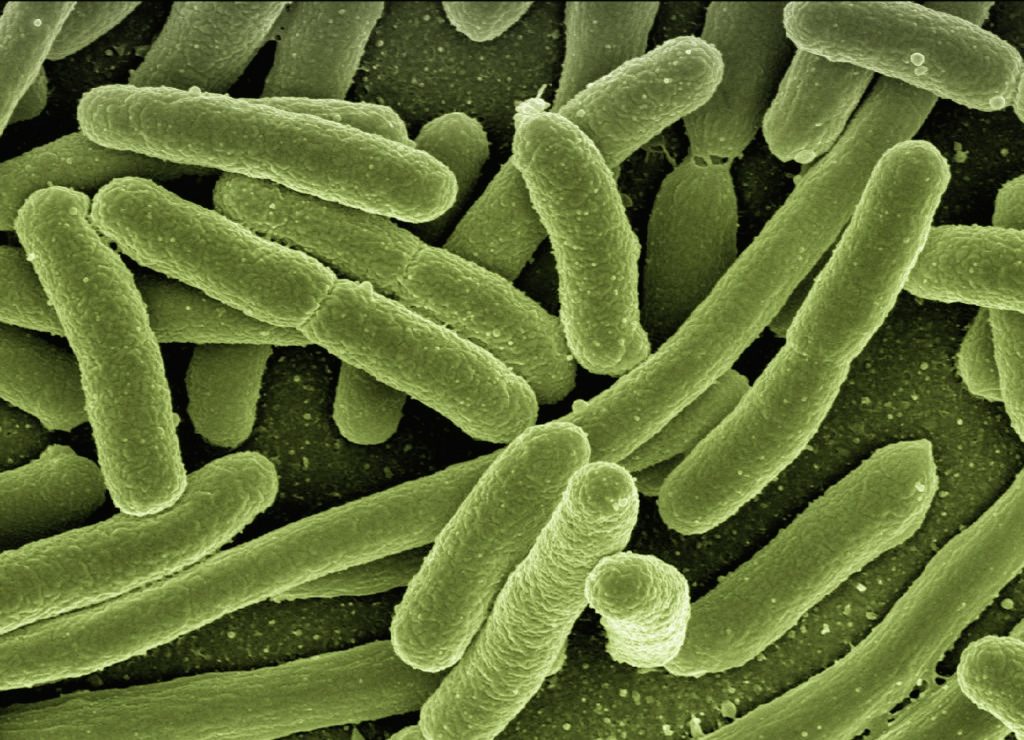
E. Coli bacteria. Image by Gerd Altmann from Pixabay

New research suggests that sepsis can cause alterations in the functioning of defence cells that persist even after the patient is discharged from hospital.

This cellular reprogramming creates a disorder the authors term ‘post-sepsis syndrome’, symptoms of which include frequent reinfections, cardiovascular alterations, cognitive disabilities, declining physical functions, and poor quality of life.This explains why so many patients who survive sepsis die sooner after hospital discharge than patients with other diseases or suffer from post-sepsis syndrome, immunosuppression and chronic inflammation.

The article reviews studies done to investigate cases of septic patients who died up to five years after hospital discharge.

Sepsis is one of the main causes of death in intensive care units, sepsis is a life-threatening systemic organ dysfunction triggered by the body’s dysregulated response to a pathogen, usually a bacterium or fungus. While fighting the pathogen, the defence system injures the body’s own tissues and organs.

If not caught and treated in time, the condition can lead to septic shock and multiple organ failure. Patients with severe COVID and other infectious diseases have an increased risk of developing and dying from sepsis.

Worldwide, new sepsis cases are estimated to reach some 49 million per year. Hospital mortality from septic shock exceeds 40% globally, up to 55% in Brazil, according to the Sepsis Prevalence Assessment Database (SPREAD) study, conducted with support from FAPESP.

“The massive infection and the accompanying intense immune response with a cytokine outpouring during sepsis may promote irreversible cell metabolic reprogramming. Cell reprogramming is unlikely to occur in leukocytes or bone marrow only. This might happen in several tissues and cells that prompt systemic organ dysfunctions […] Bacteria can transfer genetic material to host cell DNA as eukaryotic cells develop tools to protect themselves against the microorganism invasion. The latter may induce cell biology and metabolic reprogramming that remains even after the infection’s elimination,” the investigators wrote in the article.

According to Raquel Bragante Gritte, joint first author with Talita Souza-Siqueira, one of the hypotheses was that metabolic reprogramming begins in the bone marrow, whose cells acquire a pro-inflammatory profile.

“Our analysis of blood samples from patients even three years after ICU discharge showed that monocytes [a type of defense cell] were activated and ready for battle. They should have been neutral. Monocytes are normally activated only when they are ‘recruited’ to the tissue,” Gritte told Agência FAPESP. Both Gritte and Souza-Siqueira are researchers at Cruzeiro do Sul University (UNICSUL) in the state of São Paulo, Brazil.

The researchers conducted a follow-up study of 62 patients for three years after discharge from the ICU at USP’s University Hospital, analysing alterations in monocytes, neutrophils and lymphocytes, as well as microRNAs, in order to identify prognostic markers and factors associated with post-sepsis syndrome.

“Our hypothesis is that white blood cells conserve a memory of sepsis, which helps explain why patients remain sick after they leave hospital,” said co-author Rui Curi, Professor at UNICSUL, and Director of Butantan Institute.

The investigators suggest that sepsis may create a specific macrophage phenotype that stays active even after hospital discharge. “Cell metabolism reprogramming is also involved in the functions and even generation of the different lymphocyte subsets. Several stimuli and conditions change lymphocyte metabolism, including microenvironment nutrient availability,” they wrote.

The next stage of research will be bone marrow studies to understand how cells are reprogrammed by sepsis. “We think the key to this alteration is in bone marrow,” she said. “However, another possibility is that activation occurs in the blood. We’ll need to do more in-depth research to find answers.”

Source:
News-Medical.Net

Tropical Ginger Can Block Inflammation

A piece of ginger. Photo by Lawrence Aritao on Unsplash

New research has shown how compound found in the tropical ginger plant, 1′-acetoxychavicol acetate, or ACA, can have an anti-inflammatory effect.

Researchers found that ACA reduces mitochondrial damage by lowering levels of mitochondrial reactive oxygen species (ROS), blocking activation of a crucial protein complex known as the NLRP3 inflammasome. A number of inflammatory diseases, like inflammatory bowel disease, display improper and chronic activation of this complex.

It has been suggested by previous studies that the NLRP3 inflammasome plays a significant role in promoting inflammation by secreting a molecule called IL-1β. This molecule works as a messenger, sending various immune cells to the site of injury or infection. Further studies detailed how production of ROS can help to trigger the NLRP3 inflammasome. Because other groups showed that the ginger compound ACA can reduce ROS production in certain immune cells, the researchers wondered how this compound would affect the way NLRP3 inflammasome worked.

“Many disease pathogeneses involve dysregulation of the inflammasome,” commented Daisuke Ori, co-lead author on the study. “Blood cells from people suffering from rheumatoid arthritis or other autoimmune disorders frequently have increased levels of inflammasome-derived IL-1β. Therefore, targeting the NLRP3 inflammasome with a compound like ACA may be a promising therapeutic strategy.”

The researchers took immune cells from mouse bone marrow, and also used a mouse model of colitis. ACA was added to the growing cells and the compound was added to their mice’s food. The researchers then looked at the effects on ROS production, secretion of IL-1β, and other markers of inflammation.

“Cells treated with ACA had significantly reduced IL-1β production, as well as lower levels of ROS,” explained senior author Taro Kawai. “ACA could also inhibit NLRP3 inflammasome activation in the colitis mouse model.” These in vivo results are promising, as they suggest ACA has the potential to treat or prevent the development of inflammatory diseases. “Interestingly, we did not observe high levels of immune cell death when using ACA, which means that it may be relatively safe,” continued Ori.

The study provided novel evidence for a specific molecular mechanism governing the previously observed anti-inflammatory properties of ACA. The study also showed the potential of ACA for therapeutic use in diseases mediated by IL-1β molecules, or associated with cytokine storms, as seen in patients suffering from severe COVID.

Source: Medical Xpress

Journal information: Sophia P M Sok et al. 1′-acetoxychavicol acetate inhibits NLRP3-dependent inflammasome activation via mitochondrial ROS suppression, International Immunology (2021). DOI: 10.1093/intimm/dxab016

Too Much Salt can Disrupt the Immune System

Salt shaker spilling table salt. Image by Bruno /Germany from Pixabay

Researchers have found that, besides raising blood pressure, too much salt can disrupt the immune system by affecting their energy balance in immune calls and weakening them.

Back in 2015, the researchers had found that raised sodium concentrations in the blood affect both the activation and the function of patrolling monocytes — the precursors to macrophages.

“But we didn’t know exactly what was happening in the cells,” said Dr Sabrina Geisberger of the Berlin Institute for Medical Systems Biology (BIMSB) at the Max Delbrück Center for Molecular Medicine in the Helmholtz Association (MDC). She is lead author of the study of an international research team led by MDC scientists together with colleagues from University of Regensburg and from Flanders Institute for Biotechnology (VIB) /Hasselt University in Belgium.

The researchers began in the lab by measuring the metabolism immune cells exposed to high salt concentrations.

Changes appeared after just three hours. “It disrupts the respiratory chain, causing the cells to produce less ATP and consume less oxygen,” explained Prof Geisberger. ATP (adenosine triphosphate) powers all cells, providing energy for the ‘chemical work’—synthesising proteins and other molecules—needed for muscle power and metabolic regulation. ATP is produced in the mitochondria, the cell’s ‘power plant,’ using a complex series of biochemical reactions known as the respiratory chain. “Salt very specifically inhibits complex II in the respiratory chain.”

Consequences include the monocytes maturing differently due to a lack of energy. “The phagocytes, whose task is to identify and eliminate pathogens in the body, were able to fight off infections more effectively. But this could also promote inflammation, which might increase cardiovascular risk,” explained Professor Dominik Müller of the Experimental and Clinical Research Center (ECRC). Salt was shown to affect the functioning of human phagocytes in the same way.

Researchers at the ECRC then conducted a study in which healthy male participants six grammes of salt in tablet form to their usual diet every day for 14 days. In another clinical study, the researchers investigated a familiar scenario: eating a pizza from an Italian restaurant. After analysing the monocytes in the participants’ blood, they saw that the mitochondrial  dampening effect doesn’t just happen after an extended time with high salt intake—it also happens after a single pizza. The pizza experiment showed that the effect was fairly short. After eight hours, the effect was barely measurable.

“That’s a good thing. If it had been a prolonged disturbance, we’d be worried about the cells not getting enough energy for a long time,” commented Prof Müller. Mitochondrial activity is therefore not permanently stalled. However, the risk remains if a person eats very salty foods throughout the day. The pizza, incidentally, contained ten grammes of salt. Nutrition experts recommend that adults limit their daily intake to five or six grammes at most. The calculation includes the salt that is hidden in processed foods.

“The fundamental finding of our study is that a molecule as small as the sodium ion can be extremely efficient at inhibiting an enzyme that plays a crucial role in the respiratory chain,” said biochemist and metabolomics expert Dr Stefan Kempa of BIMSB. “When these ions flood into the mitochondria—and they do this under a variety of physiological conditions—they regulate the central part of the electron transport chain.” It therefore seems to be a fundamental regulatory mechanism in cells.

The next step is determining whether salt influences this mechanism in other cell types. Prof Kleinewietfeld believes that this is extremely likely because mitochondria aren’t just present in immune cells; they exist in every cell of the body, save for red blood cells.

Though the way in which different cell types regulate sodium influx into the mitochondria is still not properly understood, the study confirms that overconsumption of salt is unhealthy. “Of course the first thing you think of is the cardiovascular risk. But multiple studies have shown that salt can affect immune cells in a variety of ways. If such an important cellular mechanism is disrupted for a long period, it could have a negative impact—and could potentially drive inflammatory diseases of the blood vessels or joints, or autoimmune diseases,” said Professor Markus Kleinewietfeld of Hasselt University and VIB.

Source: Medical Xpress

More information: Sabrina Geisberger et al, Salt Transiently Inhibits Mitochondrial Energetics in Mononuclear Phagocytes, Circulation (2021). DOI: 10.1161/CIRCULATIONAHA.120.052788

New Treatment may Regenerate Liver Scarring

Japanese researchers have come up with a new approach that could revolutionise the treatment and prevention of liver disease damage and possibly regenerate liver scarring.

This novel strategy involves small extracellular vesicles (sEVs), which are lipid-enclosed particles that are naturally released from a cell. The ones used in this study derived from interferon-γ (IFN-γ) pre-conditioned MSCs (γ-sEVs).

Cirrhosis (scarring of the liver) and other chronic liver diseases result in up to 2 million deaths reported annually around the world, these in turn account for approximately 3.5% of annual deaths globally. As the only treatment for clinically advanced cirrhosis liver transplantation, targeted therapies for modulating fibrosis and aiding tissue regeneration.  The ability to control fibrosis–the growth of fibrous tissue in response to damage– is often lost in livers under advanced cirrhosis.  The research builds upon this.

One of the most popular approaches is cell therapy, where mesenchymal stromal cells (MSCs) and macrophages have shown the potential to reduce liver fibrosis. MSCs are able to transform into a number of different cells. They are cost-effective, being available not only from bone marrow, but also from medical waste such as umbilical cord tissue, adipose (fatty) tissue, and dental pulp.

Apart from the ease of availability, MSCs can also be lab-grown. MSCs don’t replace tissue but instead have been shown to be medical signaling cells that indirectly produce cytokines, chemokines, growth factors, and exosomes that are crucial for repairing and regenerating damaged tissue.

Previous research showed that MSCs have anti-inflammatory, anti-fibrotic, and anti-oxidative effects through these humoural factors. MSCs also have lower potential for provoking an immune response and therefore rejection, enabling their use in both within the same individual and another.

In a series of experimental mice studies, researchers pre-conditioned fat extracellular vesicles with interferon gamma (IFN-γ), an important immune system signaller. They showed that this increases the number of anti-inflammatory macrophages, which are the key players in tissue repair, reducing fibrosis and promoting tissue regeneration.

They reported that both MSCs derived from fatty tissue (AD-MSC-sEVs) and AD-MSC-γ-sEVs can boost macrophage motility and phagocytic activity. In addition, they also show that AD-MSC-γ- sEVs can effectively control inflammation and fibrosis in mice with cirrhosis.

They found thatAD-MSC-derived sEVs can affect the shape and function of macrophages, effectively recruiting them into damaged areas to initiate tissue repair.

In an interview, researcher Dr Atsunori Tsuchiya at Niigata University, explained that, “Both mesenchymal stromal cells and macrophages are reported to have therapeutic effects for liver cirrhosis, however relationship of both cells and mechanisms of action was not clear. We challenged this problem.”

He continued, “We found the important fact that extracellular vesicles from interferon-γ can induce the tissue repair macrophages, which can regress fibrosis and promote liver regeneration effectively.” 

Dr Suguru Takeuchi, another of the researchers at Niigata University, concurred: “In our previous study, we reported that intravenous administration of mesenchymal stromal cells migrated to the lung, can work as ‘conducting cells’ and affect to macrophages ‘working cells’ in the liver.

“In this study we first elucidated that extracellular vesicles from mesenchymal stromal cells are key molecules to affect the macrophages.”

This study, which complements macrophage therapy, holds potential as a strategy for treating liver diseases using small extracellular vesicles pre-conditioned with IFN-γ. However, further development is needed, as well as uncovering the mechanisms by which they increase Treg cell count.

“Our results showed that modified extracellular vesicles can become a new therapeutic strategy for liver cirrhosis,” said Professor Shuji Terai, Niigata University.

Source: News-Medical.Net

Journal information: Takeuchi, S., et al. (2021) Small extracellular vesicles derived from interferon-γ pre-conditioned mesenchymal stromal cells effectively treat liver fibrosis. npj Regenerative Medicine. oi.org/10.1038/s41536-021-00132-4.

Study Shows That Viral Infections Affect Immune System like Ageing


A study from the Buck Institute and Stanford University suggests that chronic viral infections leave an impact on the human immune system, similar to those seen during ageing.

Using systems immunology and artificial intelligence, researchers profiled and compared immune responses in a cohort of aging individuals, people with HIV on long-term antiretroviral therapy, and people infected with hepatitis C (HCV) before and after the virus was treated with sofosbuvir, a drug with a 97% cure rate. Shared immune system alterations include T cell memory inflation, upregulation of intracellular signaling pathways of inflammation, and diminished sensitivity to cytokines in lymphocytes and myeloid cells.

“Chronic inflammation stemming from immune system dysfunction is associated with many of the diseases of ageing,” said senior author David Furman, PhD, Buck Institute associate professor. “Whether chronic viral infection contributes to age-associated immune dysfunction is still an open question, but studies of this type provide a way to start getting answers. At this point it’s clear that both ageing and chronic viral infections leave profound and indelible marks on immunity.”

The body is normally able to clean out acute viral infections, such as the common cold. But some viruses besides just HIV and HCV can remain alive, setting up ‘host-parasite housekeeping’ in the body, without people’s awareness. Dr Furman said that, depending on geographic location, 70 to 90% of the population is infected with cytomegalovirus. In healthy people, this is harmless and problematic only for pregnant women or those with compromised immune systems. Various herpes viruses can also lead to chronic infections.

“Each of us has our own virome; it’s the collection of the viral infections you have during your lifespan,” Furman said. “You probably have been infected by 12 or 15, or even more viruses that you never knew you had. Fortunately technology now exists that allows us to profile these infections in the human population; it is helping us move these types of inquiries forward.” Dr He said this study is the first to fully incorporate the concept of systems immunology, holistically analysing the immune system with the same technological platforms across different cohorts of patients.

The study demonstrated that in patients with HIV, immune system dysregulations were evident despite having been on antiretrovirals for over ten years. However, clearing the HCV virus partially restored cellular sensitivity to interferon-a, which inhibits viral replication. “This plasticity means there is room for intervention in both chronic viral infections and in ageing,” said Dr Furman. “It’s just a matter of identifying and understanding the molecular pathways and networks involved.” The study also identified changes in STAT1, the primary transcription factor activated by interferons. STAT1 plays a major role in normal immune responses, particularly to viral, mycobacterial and fungal pathogens.

As for COVID, Dr Furman said that we are in the midst of an ongoing “living” experiment. Future studies are needed to determine whether the functional imprinting of the immune system is hardwired to only involve the chronic nature of specific infections, or whether short but vigorous ones such as COVID also leave a lasting mark on the immune system. “Has the immune system of those infected with the coronavirus taken a big hit? That’s a theory, but we don’t know what will happen,” says Furman, who is collaborating with Stanford University and the University of California, San Francisco on projects involving COVID-19 and immunity.

Source: Medical Xpress

Journal information: Cesar J. Lopez Angel et al., “Signatures of immune dysfunction in HIV and HCV infection share features with chronic inflammation in aging and persist after viral reduction or elimination,” PNAS (2021). www.pnas.org/cgi/doi/10.1073/pnas.2022928118

Insights into How CAR T Cancer Treatment Works

Researchers have uncovered why some patients respond strongly to chimeric antigen receptor T-cell therapy (CAR T), 

CAR T is a new development in cancer therapy, a treatment approved to treat many types of aggressive B cell leukaemias and lymphomas. Moffitt Cancer Center researchers use mathematical modeling to help explain why CAR T cells work in some patients and not in others, with the response instead tapering off and the disease continuing its progression.

CAR T is a type of personalised immunotherapy that uses a patient’s own T cells to target cancer cells. Many patients have strong responses to CAR T; however, some have only a short response and develop disease progression quickly. The procedure involves T cells from a patient being genetically modified to include a specific receptor targeting cancer cells. 

hemotherapy then lowers some of the patient’s existing normal immune cells to help deal with the influx of CAR T cells that are infused back into the patient, where they can get to work and attack the tumour.

“Treatment success critically depends on the ability of the CAR T cells to multiply in the patient, and this is directly dependent upon the effectiveness of lymphodepletion that reduces the normal T cells before CAR T infusion,” explained co-lead author Frederick Locke, MD, Vice Chair, Blood and Marrow Transplant and Cellular Immunotherapy Department, Moffitt.

In their model, the researchers discovered that tumour eradication is effectively random, but can happen with high probability. The researchers showed that differences in the timing and probability of cures are determined largely by variability among patient and disease factors. The model confirmed that cures tends to happen 20 to 80 days before the CAR T cells decline, while disease tends to progress over a wider time range between 200 to 500 days after treatment.

“Our model confirms the hypothesis that sufficient lymphodepletion is an important factor in determining durable response. Improving the adaptation of CAR T cells to expand more and survive longer in vivo could result in increased likelihood and duration of response,” explained lead author Philipp Altrock, PhD, and assistant member of the Integrated Mathematical Oncology Department at Moffitt.

Source: News-Medical.Net

Journal information: Kimmel, G.J., et al. (2021) The roles of T cell competition and stochastic extinction events in chimeric antigen receptor T cell therapy. Proceedings of the Royal Society B: Biological Sciences. doi.org/10.1098/rspb.2021.0229.

Newly Discovered ‘Goldilocks’ Protein Keeps the Immune System in Check

A newly discovered ‘Goldilocks’ protein may be responsible for helping keep the immune system from running amok, according to researchers at the Lunenfeld-Tanenbaum Research Institute (LTRI).

This protein, known as WAVE2, is expressed in all immune cells and plays a critical role in keeping the immune system in balance. To test its role, researchers knocked out the WAVE2 protein in a subset of immune cells in mice, leading to severe autoimmunity and inflammation, as well as an inability to mount an immune response to a viral infection.

Senior author Dr Kathy Siminovitch, said the team also found that in the absence of WAVE2, another protein, known as mTOR, became overly active, sending the immune system into overdrive and leading to immune cell exhaustion.

“Much like Goldilocks, a proper immune response requires such a delicate balance,” said Dr  Siminovitch. “You have to get it just right. By developing a mouse strain in which T cells, key players in immunity, lack WAVE2, we have shown that this protein is absolutely required for balanced immune responses.”

The question of how to keep the immune system in balance is of key importance in the pandemic, where many deaths occur due to cytokine storms as the immune system overreacts, especially in the elderly. 
As part of her work exploring the mechanisms balancing the immune system, Dr Siminovitch helped trace the complex molecular steps that turn a rare gene mutation into Wiskott-Aldrich syndrome, a potentially lethal disease which impairs the immune system of boys.

Future research would look at how the contribution of the WAVE2-mTOR pathway to specific autoimmune, inflammatory and other conditions, such as Alzheimer’s disease.

Source: News-Medical.Net

Journal information: Liu, M., et al. (2021) WAVE2 suppresses mTOR activation to maintain T cell homeostasis and prevent autoimmunity. Science. doi.org10.1126/science.aaz4544.

Common Preservative May Interfere with Immune Functions

A common preservative may hamper immune functions, along with other chemicals, warns the Environmental Working Group (EWG).

Using the Environmental Protection Agency’s Toxicity Forecaster, or ToxCast, the EWG assessed the potential human health impact of a number of chemicals including those commonly added to food and those that can be transferred to food from packaging.

Particularly concerning in the pandemic era, EWG’s analysis found that the preservative tertiary butylhydroquinone (TBHQ), has been found to harm the immune system both in both animal tests and in high-throughput in vitro toxicology testing.

“The pandemic has focused public and scientific attention on environmental factors that can impact the immune system,” said study lead author Olga Naidenko, PhD, and EWG Vice President for Science Investigations.”Before the pandemic, chemicals that may harm the immune system’s defense against infection or cancer did not receive sufficient attention from public health agencies. To protect public health, this must change.”

Using new non-animal test results from ToxCast, TBHQ was found to affect immune cell proteins at doses considered to cause harm. Previous studies have also found that TBHQ could influence flu vaccine effectiveness and may be associated with a rise in food allergies.

In the United States, the Food and Drug Administration often entrusts food companies to ensure that chemicals added to the foods they produce are safe. Additives such as TBHQ were approved decades ago, and the FDA does not consider new science.

Per- and polyfluoroalkyl substances (PFAS), which are used in food packaging, were found to be in many types of food packaging, and can migrate to food. Human epidemiological studies have found that PFAS is linked to reduced immune function and vaccine effectiveness. Recent research also links bloodstream PFAS levels to COVID severity. 

“Food manufacturers have no incentive to change their formulas,” explained Scott Faber, senior vice president for government affairs at EWG. “Too often, the FDA allows the food and chemical industry to determine which ingredients are safe for consumption. Our research shows how important it is that the FDA take a second look at these ingredients and test all food chemicals for safety.”

The EWG is calling on the FDA to close the food additive loophole, and to conduct immunotoxicity testing of chemicals in food and food packaging.

Source: News-Medical.Net

Journal information: Naidenko, O. V., et al. (2021) Investigating Molecular Mechanisms of Immunotoxicity and the Utility of ToxCast for Immunotoxicity Screening of Chemicals Added to Food. International Journal of Environmental Research and Public Health. doi.org/10.3390/ijerph18073332.