Category: Gastrointestinal

Inflammation Leaves a Long-lasting Impression on Intestinal Stem Cells

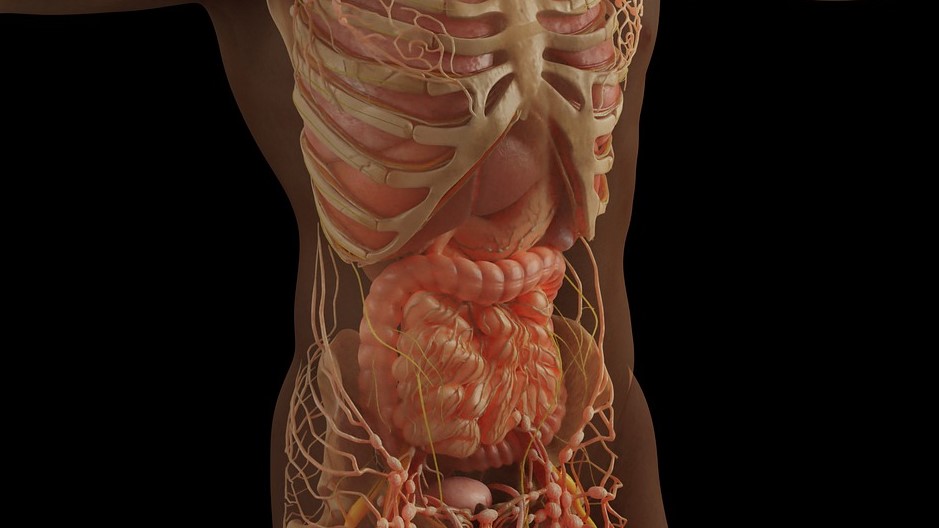
Irritable bowel syndrome. Credit: Scientific Animations CC4.0

Researchers at Baylor College of Medicine, the University of Michigan and collaborating institutions have discovered that inflammation in the gut leaves long-term marks on intestinal stem cells (ISCs) that reduce their ability to heal the intestine, even after inflammation has receded. This is important because it affects ISCs’ response to future challenges. The study appeared in Cell Stem Cell.

“We study graft-vs-host disease (GVHD), a major cause of mortality after bone marrow transplantation, a potentially curative therapy for many blood diseases. One of our goals is to better understand GVHD and identify strategies to control it,” said corresponding author Dr Pavan Reddy, professor and director of the Dan L Duncan Comprehensive Cancer Center at Baylor and previously at the University of Michigan.

“GVHD is an inflammatory reaction in which immune T cells from the bone marrow transplant donor attack the host gut cells, mainly ISCs,” said first author Dr Dongchang Zhao, in Reddy’s lab.

Although many ISCs perish during GVHD, survivors remain. However, it’s not known whether they are fully functional or can return to their full functionality after the resolution of GVHD, which has fundamental implications for host resilience and repair.

“In the current study, we investigated the consequences of inflammation on ISCs in well-defined clinically relevant models of GVHD,” Reddy said.

“Using cellular and animal models, we found that exposure to inflammation drove ISCs to change their metabolism in ways that resulted in the accumulation of succinate, a product of cellular processes, which in turn reprogramed the epigenome,” Zhao said.

The epigenome is a system of chemical marks on the DNA that regulates the genes expressed by the cell. Inflammation-led epigenome reprogramming changed the expression of genes involved in cell reproduction. Overall, reprogrammed ISCs were less able of regenerating, a first step toward healing the intestine.

“We then investigated whether ISCs would be able to recuperate their regenerative ability after inflammation had resolved,” Reddy said. “We found that ISCs had not overcome their initial exposure to inflammation. Despite mitigating GVHD inflammation for 28 days, ISCs retained a reduced regenerative capacity that led to poor recovery and increased mortality from challenges, such as non-lethal radiation exposure, in animal models. More research is on the way to design strategies to help ISCs ‘forget’ their encounter with inflammation and enhance their resilience against immune attacks.”

Source: Baylor College of Medicine

Recurrent Chlamydia Results from Bacteria Settling in the Intestine

Immunofluorescence staining of human gastric cells grown in a microplate and infected with Chlamydia trachomatis. Blue: cell nuclei, green: C. trachomatis, grey: actin. (Image: Pargev Hovhannisyan / Universität Würzburg)

A phenomenon is known from everyday clinical practice that can occur after successful antibiotic treatment: when people who have already been treated come to the doctor with a new chlamydia infection, they are often infected with exactly the same strains of bacteria as the previous infection.

“It is therefore reasonable to assume that the bacteria find a niche in the body where they are not yet vulnerable, that they form a permanent reservoir there and can become active again later,” says Professor Thomas Rudel, chlamydia expert and Head of the Chair of Microbiology at the Biocentre of Julius-Maximilians-Universität (JMU) Würzburg in Germany. This phenomenon is known as persistence. It is problematic because the chlamydia that persist in the body become increasingly resistant to antibiotics over time.

Intestinal Organoids Experimentally Infected with Chlamydia

Experiments on mouse models have shown that chlamydia can persist in the intestines of animals. In humans the bacteria also seem to make themselves at home there. This is reported by the research groups of Thomas Rudel and Sina Bartfeld in the journal PLOS Pathogens. Professor Bartfeld worked at JMU until 2021; she now heads the Department of Medical Biotechnology at Technische Universität Berlin.

The researchers identified the intestine as a niche with the help of artificial organs in miniature format, so-called organoids. These are structures produced in the laboratory from human intestinal cells that are very similar in structure and function to the model organ.

The teams from Würzburg and Berlin tried to infect the intestinal organoids with chlamydia. They discovered that the inner cell layer of the organoids is very resistant to the bacteria: the pathogens could only penetrate there if the cell epithelium was damaged. From the blood side, however, the chlamydia were able to infect very efficiently. “In this case, we repeatedly found the persistent forms of the bacteria, which can be clearly identified with their typical shape under the electron microscope,” says JMU researcher Pargev Hovhannisyan, first author of the publication.

Clinical Studies and Further Experiments Must Follow

Transferred to the human organism, this would mean that chlamydia infection with subsequent persistence can only occur with difficulty via the inner side of the intestine, but very easily via the blood. However, whether this actually happens in the human body has yet to be confirmed in clinical studies, says Thomas Rudel.

The next step for Thomas Rudel and Sina Bartfeld is to to find out whether the chlamydia select certain cell types for their persistence – no easy task, as the intestine consists of hundreds of different cell types. But perhaps it is also factors from the surrounding tissue that trigger persistence. These and other details are now to be investigated.

Source: University of Würzburg

Study Shows that Probiotics in Pregnancy Benefit Mothers and Offspring

Photo by SHVETS production: https://www.pexels.com/photo/focused-pregnant-black-woman-taking-vitamins-on-couch-6991899/

Giving probiotics to pregnant mice can enhance both the immune system and behaviour of the mothers and their offspring, according to a new study led by The Ohio State University Wexner Medical Center and College of Medicine.

“These results suggest that certain probiotics given to mothers during pregnancy can improve their offsprings’ behaviour and may affect the metabolism of common amino acids in our diets. Probiotics may also help counteract the negative effects of prenatal stress,” said study senior author Tamar Gur, MD, PhD, at OSU. 

Study findings are published online in the journal Brain, Behavior, and Immunity

Many studies have attested to the benefits of probiotics, which are considered safe to take during pregnancy. Researchers led by first author Jeffrey Galley, PhD found that a specific probiotic, Bifidobacterium dentium, may change how the body processes certain amino acids, such as tryptophan. During pregnancy, tryptophan helps control inflammation and brain development. 

“We have strong evidence this specific probiotic helped reduce stress-related problems in both mothers and their offspring, including helping the babies gain weight and improving their social behaviour,” said Gur, who also is an associate professor of psychiatry, neuroscience and obstetrics and gynaecology at Ohio State. 

Gur’s research team has studied how prenatal stress can lead to abnormal brain development and behavioural changes in offspring. So far, they’ve found that stress is linked to changes in brain inflammation and amino acid metabolism, as well as long-term reductions in social behaviour and abnormal microbiomes in offspring.

This study enhances their understanding of how gut microbes and probiotics can influence amino acid metabolism and help with behaviour and immune issues related to prenatal stress. The study also highlights the many benefits of this specific probiotic, even without the presence of stress.

“Now, we aim to understand the mechanisms behind these changes and explore ways to prevent or treat these effects,” Gur said. “Since prenatal stress is common in many pregnancies, we want to develop methods to reduce its negative effects.”

Source: Ohio State University Wexner Medical Center

Ketogenic Diet Reduces Friendly Gut Bacteria and Raises Cholesterol Levels

Photo by Jose Ignacio Pompe on Unsplash

A study from the University of Bath reveals that ketogenic low-carbohydrate diets can increase cholesterol levels and reduce beneficial gut bacteria, specifically Bifidobacterium.

Published in Cell Reports Medicine, the research from the Centre for Nutrition, Exercise, and Metabolism involved 53 healthy adults for up to 12 weeks. Participants followed either a moderate sugar diet (control), a low-sugar diet (less than 5% of calories from sugar), or a ketogenic (keto) low-carbohydrate diet (less than 8% of calories from carbohydrates).

Key findings include:

•Increased Cholesterol: The keto diet raised cholesterol levels, particularly in small and medium sized LDL particles. The diet increased apolipoprotein B (apoB), which causes plaque buildup in arteries. In contrast, the low-sugar diet significantly reduced cholesterol in LDL particles.

•Reduced Favourable Gut Bacteria: The keto diet altered gut microbiome composition, notably decreasing Bifidobacteria, beneficial bacteria often found in probiotics. This bacteria has wide ranging benefits: producing b vitamins, inhibiting pathogens and harmful bacteria and lowering cholesterol. Sugar restriction did not significantly impact the gut microbiome composition.

•Glucose Tolerance: The keto diet reduced glucose tolerance, meaning the adults’ bodies became less efficient at handling carbohydrates.

•Both Diets Resulted In Fat Loss: Keto Diet resulted in an average of 2.9kg fat mass loss per person, whilst the sugar restricted diet followed with an average 2.1kg fat mass loss per person at 12 weeks.

•Metabolism: Researchers also noticed that the keto diet caused significant changes in lipid metabolism and muscle energy use, shifting the body’s fuel preference from glucose to fats.

•Physical Activity Levels: Both sugar restriction and keto diets achieved fat loss without changing physical activity levels. Previous studies from the Centre for Nutrition, Exercise and Metabolism have shown that skipping breakfast or intermittent fasting cause reductions in physical activity.

Lead researcher Dr. Aaron Hengist highlighted the concerning cholesterol findings:

“Despite reducing fat mass, the ketogenic diet increased the levels of unfavourable fats in the blood of our participants, which, if sustained over years, could have long-term health implications such as increased risk of heart disease and stroke.”

Dr. Russell Davies, who led the microbiome research, explained the impact on gut health:

“Dietary fibre is essential for the survival of beneficial gut bacteria like Bifidobacteria. The ketogenic diet reduced fibre intake to around 15 grams per day, half the NHS recommended intake. This reduction in Bifidobacteria might contribute to significant long-term health consequences such as an increased risk of digestive disorders like irritable bowel disease, increased risk of intestinal infection and a weakened immune function.”

Professor Javier Gonzalez, who oversaw the research, commented on the glucose findings:

“The ketogenic diet reduced fasting glucose levels but also reduced the body’s ability to handle carbs from a meal. By measuring proteins in muscle samples taken from participants’ legs, we think this is probably an adaptive response to eating less carbohydrates day-to-day and reflects insulin resistance to storing carbs in muscle. This insulin resistance is not necessarily a bad thing if people are following a ketogenic diet, but if these changes persist when people switch back to a higher carbohydrate diet it could increase the risk of developing type 2 diabetes in the long-term”

In light of this new research, the academics conclude that if you’re considering a diet, a low sugar one will be better for most people. More work is needed to understand how individuals may benefit from each type of diet. The government recommends that free sugars (those added to food or drink or found naturally in honey, syrups, fruit juices and smoothies) should be restricted to less than 5% of total energy intake. Professor Dylan Thompson, who also oversaw the work, said:

“The ketogenic diet is effective for fat loss, but it comes with varied metabolic and microbiome effects that may not suit everyone. In contrast, sugar restriction supports government guidelines for reducing free sugar intake, promoting fat loss without apparent negative health impacts.”

Source: University of Bath

Specific Type of Dietary Fibre Could Stimulate GLP-1 Release

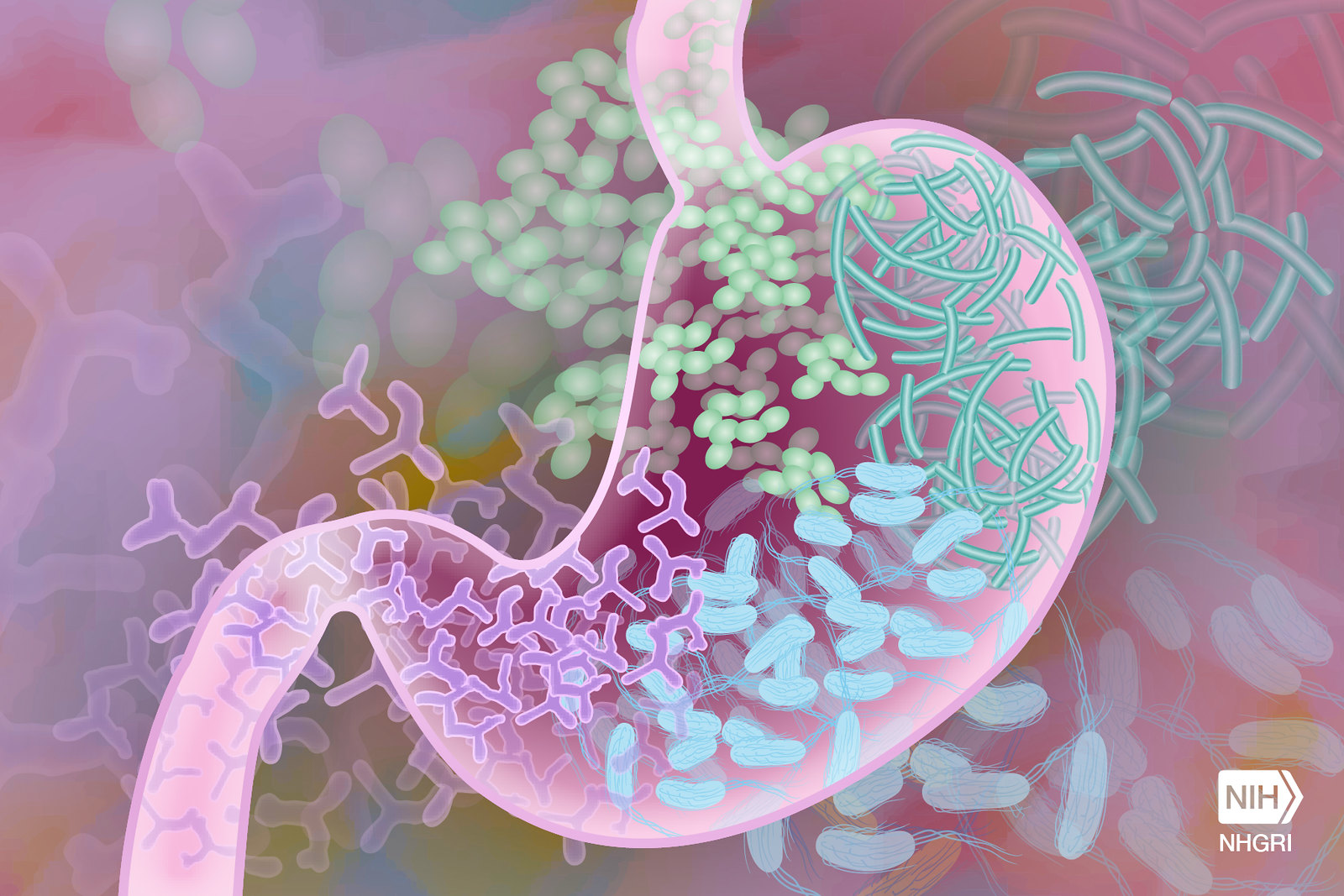
Gut Microbiome. Credit Darryl Leja National Human Genome Research Institute National Institutes Of Health

New research led by Frank Duca, associate professor at the University of Arizona, suggests that consuming foods rich in beta-glucan, a type of fibre found in oats and barley, can reduce body weight and obesity by stimulating the release of glucagon-like peptide-1 (GLP-1). The study, published in The Journal of Nutrition, analysed the impact of different fibres on gut microbiota.

“We know that fibre is important and beneficial; the problem is that there are so many different types of fibre,” Duca said. “We wanted to know what kind of fibre would be most beneficial for weight loss and improvements in glucose homeostasis so that we can inform the community, the consumer and then also inform the agricultural industry.”

Not all fibre is created equal

The researchers looked at the effect of five different plant-based fibres in rodent diets: pectin, beta-glucan, wheat dextrin, starch and cellulose. Only beta-glucan resulted in reduction of body weight and fat, as well as improvements in glucose homeostasis. Beta-glucan is a unique fibre that is found in many foods, including oats, barley, mushrooms and yeasts, and future studies will examine how different sources of beta-glucan could differ in their effectiveness.

Changes in metabolites – the molecules produced when gut bacteria interact with fibre – seemed to be responsible for the weight-loss effects,  particularly a specific metabolite called butyrate. Butyrate is a key fuel source for colon cells, promoting a healthy gut barrier to reduce systemic inflammation. Butyrate also induces the release of gut peptides, or messengers that regulate the functions of the gut, such GLP-1.

Drugs like semaglutide are synthetic versions of GLP-1, which stimulate insulin and can also help people feel full. One key difference of naturally occurring GLP-1 is its rapid degradation near the intestine, whereas semaglutide is made to last longer and target the brain.

“Part of the benefits of consuming dietary fibre is through the release of GLP-1 and other gut peptides that regulate appetite and body weight,” Duca said. “However, we don’t think that’s all of the effect. We think that there are other beneficial things that butyrate could be doing that are not gut peptide related, such as improving gut barrier health and targeting peripheral organs like the liver.”

Duca is researching other types of fibre that can be beneficial for weight reduction. In a previous study, the Duca Lab discovered that barley flour was the most effective in promoting weight loss compared to several other commercially available flours. Other studies involving oligofructose have also demonstrated beneficial effects. In the future, Duca hopes to collaborate with other researchers to develop enhanced fibres that can optimise the release of butyrate.

Source: University of Arizona

Targeting Inflammation may Not Help Reduce Liver Fibrosis in MAFLD

Source: CC0

Researchers at UCLA Health uncovered new information about the role inflammation plays in mitigating liver fibrosis, which is associated with metabolic-associated fatty liver disease (MAFLD).  While inflammation in the liver has long been considered a prerequisite to developing liver fibrosis, the scarring and thickening of tissue that can impair the liver’s ability to function, this new research, published in the Journal of Clinical Investigation, suggests that reducing inflammation may not influence the extent of fibrosis. 

“Liver fibrosis is the critical feature that creates chronic liver disease and liver cancer. If we can keep fibrosis in check then we can meaningfully impact liver disease,” said Tamer Sallam, MD, corresponding author of the study and vice chair and associate professor in the department of medicine at the David Geffen School of Medicine at UCLA. 

“For decades we have believed that targeting inflammation is one of the most important ways to reduce MAFLD. But this new research indicates that inflammation, while still important, may not be the main driver of fibrosis.”

The study looked specifically at a protein called lipopolysaccharide binding protein (LBP), which is involved in the body’s immune response, and how LBP functions in mice. Findings showed that mice without LBP in their liver cells had lower levels of liver inflammation and better liver function but no change in fibrosis. 

In addition to mouse models, the researchers also studied genetic analyses from large human datasets and human tissue samples from MAFLD patients at different stages in the disease, to examine the consequence of loss of LBP function. The evidence combined showed that the LBP does not alter scar tissue markers. 

Sallam indicated a need to further explore how LBP influences inflammation and whether other factors can offer a more potent reduction in inflammation and have an impact on reducing fibrosis. 

“Reducing scar burden is one of the holy grails in the treatment of advanced liver diseases,” Sallam said. “These results suggest that certain ways of targeting inflammation may not be a viable option and that more directed therapies against other pathways could help us better target fibrosis and improve outcomes for patients.”

Source: UCLA Health

Higher Rates of Cirrhosis in Transgender Individuals

Source: CC0

Cirrhosis is chronic, progressive end-stage liver disease that occurs when scar tissue prevents the liver from functioning normally. Studies have shown that two of the leading causes of cirrhosis – alcohol use disorder and viral hepatitis – occur more frequently in transgender individuals, but there has been little research examining if these risk factors translate into greater incidences of cirrhosis among transgender patients.  

A new study from Keck Medicine of USC published in The American Journal of Gastroenterology finds that transgender adults have double the prevalence of cirrhosis compared to cisgender adults (people whose gender identity matches the sex they were assigned at birth), suggesting a need for more supportive, preventive care. 

“Our study reveals that cirrhosis disproportionately affects transgender individuals and highlights a pressing health issue that needs addressing,” said Brian P. Lee, MD, MAS, a hepatologist and liver transplant specialist with Keck Medicine and principal investigator of the study. 

Lee and his colleagues launched the study to provide scientifically backed liver health guidance for physicians so they could offer transgender patients a higher level of care. 

Besides discovering that transgender cirrhosis rates are double that of the cisgender population, the study authors also learned that the majority of transgender adults with cirrhosis (60%) have a diagnosis of anxiety and/or depression, compared to 40% of the cisgender patients with cirrhosis.  

They also found that alcohol was the leading cause of cirrhosis in the transgender group, accounting for some 60% of cases while the percentage of cisgender adults with alcohol-associated cirrhosis was approximately 50%. 

In other findings, transgender patients with cirrhosis also tended to be younger (a larger portion were 44 or younger), had higher rates of viral hepatitis and were five times more likely to have HIV/AIDS than their cisgender counterparts.  

Possible reasons behind the disparity  

Lee hypothesises that the increased rates of depression and anxiety may be driving higher rates of alcohol use among transgender patients, which in turn, may result in greater cases of cirrhosis.  

The increased rate of HIV/AIDS among transgender patients may also be a factor in that both conditions are known to be associated with liver disease progression, according to Lee.  

Lack of access to quality health care could also play a role, hypothesises Jeffrey Kahn, MD, a hepatologist and liver transplant physician with Keck Medicine and co-author of the study.  

Similar outcomes

Researchers also studied the five-year outcomes among all transgender and cisgender patients with cirrhosis. Interestingly, despite the differences in the two groups, the number of possible negative outcomes of cirrhosis – liver failure, liver transplant and liver cancer, as well as death, by any cause – was the same.  

“This finding suggests that the transgender community is underserved in the initial stages of liver disease, but individuals are able to secure the care they need once cirrhosis is diagnosed,” said Kahn. “Early prevention is key because if liver disease is caught in time, there is less of a chance it will progress to cirrhosis.”  

To reach their conclusions, study authors culled data from a large national database, Optum, that contained medical claims for more than 60 million patients between 2007–2022. They first identified all transgender and cisgender adults (transgender patients accounted for 0.07%), and then compared the incidences of cirrhosis among each group as well as causes of the disease. Additionally, researchers tracked depression and anxiety in patients. 

Lee and Kahn hope the study will spur more research and motivate health care practitioners to provide transgender patients with extra support, including liver screenings and access to mental health resources. “This population requires specific attention from clinicians and researchers alike,” said Lee. 

Source: University of Southern California – Health Sciences

Three Subtypes of IBS are Characterised by Different Extra-intestinal Symptoms

Irritable bowel syndrome. Credit: Scientific Animations CC4.0

While irritable bowel syndrome (IBS) is commonly associated with symptoms outside the intestine, it was not known whether these symptoms differed according to the subtypes of the condition. A new study published in Neurogastroenterology and Motility investigated the prevalence, and found that the IBS-M (mixed bowel habits) subtype had the highest prevalence of most extra-intestinal symptoms symptoms.

The researchers carried out a descriptive cross-sectional study patients with IBS according to Rome IV criteria. They were classified according to subtypes: IBS-D (diarrhoea-predominant), IBS-C (constipation-predominant), and IBS-M (mixed bowel habits). Of the 4862 patients included; there were 608 IBS-D (12.5%), 1978 IBS-C (40.7%), and 2276 IBS-M (46.8%).

Participants completed a patient health questionnaire-9 (PHQ-9) score for depressive symptoms, with IBS-M the highest at 12.7 compared to 11.1 for IBS-D and 10.5 for IBS-C. They also completed an IBS-severity scoring system (IBS-SSS) questionnaire.

Overall, the study found the following results:

IBS-M:

  • Overweight
  • High IBS-SSS of 320
  • Depressive symptoms (80.0%)
  • Multiple extra-intestinal symptoms
  • Arthralgia (62.4%)
  • Chronic cervicalgia (81.0%)
  • Extremity numbness (64.5%)
  • Atopic dermatitis (28.2%)

IBS-C:

  • Lower body mass index
  • Low BS-SSS of 290

IBS-D:

  • Overweight (30.9%)
  • Higher food intolerance perception (9.5%)
  • History of cholecystectomy (17.8%)
  • Faecal incontinence (36.2%)

The authors concluded that, “The prevalence of most extra-intestinal symptoms is higher among patients with IBS-M. Further research is needed to better characterize IBS subtypes, which could potentially help refining tailored therapeutic strategies.”

Gut Bacteria in Parkinson’s Disease Produce Fewer B Vitamins

In Parkinson’s disease, a reduction in the gut bacteria of genes responsible for synthesising the essential B vitamins B2 and B7 was found. Credit: Reiko Matsushita

A study led by Nagoya University in Japan has revealed a link between gut microbiota and Parkinson’s disease (PD). The researchers found that the gut bacteria genes responsible for synthesising vitamins B2 and B7 were reduced. This gene reduction was also linked to low levels of agents that help maintain the integrity of the intestinal barrier, which when weakened causes the inflammation seen in PD. Their findings, published in npj Parkinson’s Disease, suggest that treatment with B vitamins to address these deficiencies can be used to treat PD. 

PD is characterized by a variety of physical symptoms that hinder daily activities and mobility, such as shaking, slow movement, stiffness, and balance problems. While the frequency of PD may vary between different populations, it is estimated to affect approximately 1-2% of individuals aged 55 years or older. 

Various physiological processes are heavily influenced by the microorganisms found in the gut, which are collectively known as gut microbiota. In ideal conditions, gut microbiota produce SCFAs and polyamines, which maintain the intestinal barrier that prevents toxins entering the bloodstream. Toxins in the blood can be carried to the brain where they cause inflammation and affect neurotransmission processes that are critical for maintaining mental health.

To better understand the relationship between the microbial characteristics of the gut in PD, Hiroshi Nishiwaki and Jun Ueyama from the Nagoya University Graduate School of Medicine conducted a metanalysis of stool samples from patients with PD from Japan, the United States, Germany, China, and Taiwan. They used shotgun sequencing, a technique that sequences all genetic material in a sample. This is an invaluable tool because it offers researchers a better understanding of the microbial community and genetic makeup of the sample.

They observed a decrease in the bacterial genes responsible for the synthesising of riboflavin (vitamin B2) and biotin (vitamin B7) in patients diagnosed with PD. Riboflavin and biotin, derived from both food and gut microbiota, have anti-inflammatory properties, which may counteract the neuroinflammation seen in diseases like PD. 

B vitamins play crucial roles in the metabolic processes that influence the production and functions of short-chain fatty acids (SCFAs) and polyamines, two agents that help maintain the integrity of the intestinal barrier, preventing toxins entering the bloodstream. An examination of fecal metabolites revealed decreases of both in patients with PD. 

The findings indicate a potential explanation for the progression of PD. “Deficiencies in polyamines and SCFAs could lead to thinning of the intestinal mucus layer, increasing intestinal permeability, both of which have been observed in PD,” Nishiwaki explained. “This higher permeability exposes nerves to toxins, contributing to abnormal aggregation of alpha-synuclein, activating the immune cells in the brain, and leading to long-term inflammation.” 

He added, “Supplementation therapy targeting riboflavin and biotin holds promise as a potential therapeutic avenue for alleviating PD symptoms and slowing disease progression.”

The results of the study highlight the importance of understanding the complex relationship among gut microbiota, metabolic pathways, and neurodegeneration. In the coming years, customised therapy could potentially be based on patients’ unique microbiome profiles. By altering bacterial levels in the microbiome, doctors can potentially delay the onset of symptoms associated with diseases like PD.

“We could perform gut microbiota analysis on patients or conduct faecal metabolite analysis,” Nishiwaki said. “Using these findings, we could identify individuals with specific deficiencies and administer oral riboflavin and biotin supplements to those with decreased levels, potentially creating an effective treatment.”

Source: Nagoya University

The study, “Meta-analysis of shotgun sequencing of gut microbiota in Parkinson’s disease,” was published in npj Parkinson’s Disease on May 21, 2024, at DOI:10.1038/s41531-024-00724-z.

New Study Reveals that Gut Microbes Have an Arsenal against Pathogens

Gut Microbiome. Credit Darryl Leja National Human Genome Research Institute National Institutes Of Health

A study conducted by researcher Juan Du’s research group at the Karolinska Institutet sheds light on the capabilities of our gut microbes and their metabolites. The findings reveal potent inhibitory effects on the growth of antibiotic-resistant bacteria and suggest interactions and signaling between gut microbes and pathogens.

The study, published in the journal Gut Microbes, focuses on identifying key microbes within the gut microbiome that inhibit the growth of pathogens, particularly antibiotic-resistant strains. 

Strains from Clostridium perfringens, Clostridium butyricum, and Enterobacter maltosivorans and their metabolites were found to directly inhibit the growth of pathogens, including multi-drug-resistant ones. The study also reveals novel dipeptide features, suggesting interactions and signaling between gut microbes and pathogens.

“Multidrug-resistant microorganisms pose a global threat, and understanding the role of gut microbiota is crucial. Metabolites derived from these microbial communities play a significant role in regulating biochemical processes in the human body. Despite this, only a limited number of gut microbes and their bioactive metabolites have been explored so far”, explains author Juan Du. She continues:

“We plan to expand our screening to include a broader collection of commensal bacteria from various body sites. We’ll conduct mechanism studies to understand how these compounds function on pathogens, especially antibiotic-resistant strains”, says Juan Du.

Source: Karolinska Instutet