Category: Ethics and Law

The Rise of Phony Stem Cell COVID Treatments

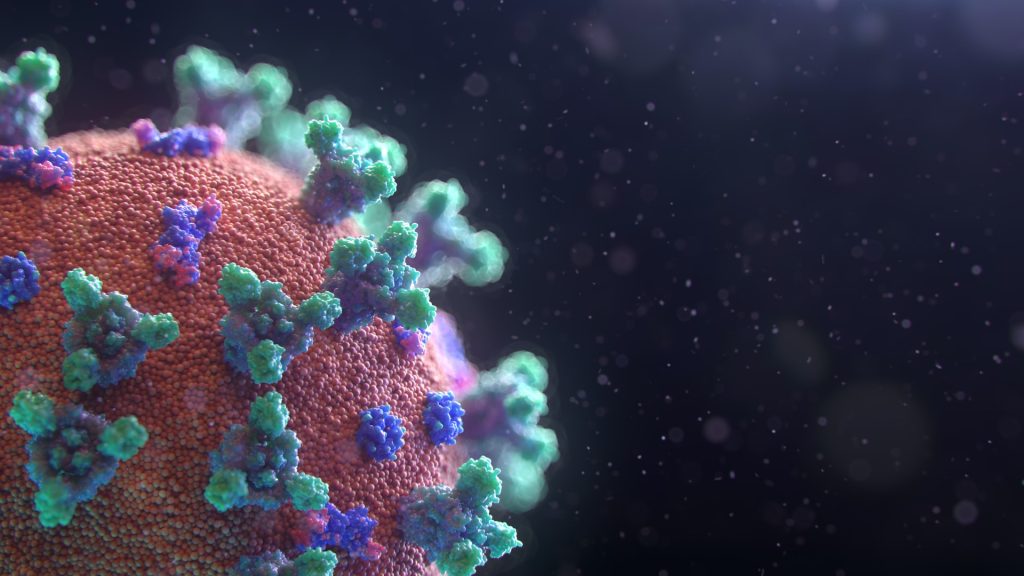
SARS-CoV-2 virus. Source: Fusion Medical Animation on Unsplash

The global race to develop new stem cell-based COVID treatments during the pandemic was filled with violations of government regulations, inflated medical claims and distorted public communication, according to an article appearing in Stem Cell Reports.

While stem cell therapy has treatment applications for a limited range of diseases and conditions, at present no clinically tested or government-approved cell therapies are available for the treatment or prevention of COVID or long COVID.

Despite this, some clinics have started offering unproven and unsafe “stem cell” therapies that promise to prevent COVID by strengthening the immune system or improving overall health, according to lead author Laertis Ikonomou, PhD, associate professor of oral biology in the University at Buffalo School of Dental Medicine.

The article explores the negative effects that misinformation about cell therapies has on public health, as well as the roles that researchers, science communicators and regulatory agencies should play in curbing the spread of inaccurate information and in promoting responsible, accurate communication of research findings.

“Efforts to rapidly develop therapeutic interventions should never occur at the expense of the ethical and scientific standards that are at the heart of responsible clinical research and innovation,” said Prof Ikonomou.

Other investigators include Megan Munsie, PhD, professor of ethics, education and policy in stem cell science at the University of Melbourne; and 

Many of the studies on possible stem cell-based COVID treatments are at an early stage of investigation and further evaluation on larger sample sizes is required, says Munsie. However, the findings from preliminary studies are frequently exaggerated through press releases, social media and uncritical news media reports.

“Given the urgency of the ongoing pandemic, even the smallest morsel of COVID science is often deemed newsworthy and rapidly enters a social media landscape where—regardless of its accuracy – it can be widely shared with a global audience,” said Aaron Levine, PhD, associate professor of public policy at Georgia Institute of Technology..

Clinics selling such treatments sometimes use these findings and news reports to exploit the fears of vulnerable patients by unethically advertising unproven stem cell treatments benefits of boosting the immune system, regenerating lung tissue and preventing transmission of COVID, said co-author Leigh Turner, PhD, professor of health, society and behaviour at the University of California, Irvine.

Reportedly some harm to patients resulted from unproven stem cell therapies, including blindness and death. Patients suffer financially as well, said Prof Ikonomou, as the products range in price from a few thousand to tens of thousands of dollars, and people are often encouraged to receive the expensive treatments every few months.

Patients who COVID may decline vaccines, stop wearing masks and stop other COVID safety measures, Prof Turner warned. They may also be less likely to participate in ethically conducted clinical trials.

“The premature commercialisation of cell-based therapeutics will inevitably harm the field of regenerative medicine, increase risks to patients and erode the public’s trust,” said Prof Ikonomou.

Despite warnings, many offending companies continue to make false claims. The authors recommend that regulatory agencies consider implementing stronger measures.

They also suggest that scientific and professional societies lobby regulatory agencies to increase enforcement of laws and regulations. The authors recommended that science communicators and journalists can combat misinformation by not engaging in hyperbolic coverage of research results and conveying study limitations.

Source: University at Buffalo

Health Dept Suspends DG Buthelezi over Digital Vibes Tender

Photo by Tingey Injury Law Firm on Unsplash

In the latest development of the R150 million Digital Vibes tender fallout, Health department director-general Dr Sandile Buthelezi has been placed on precautionary suspension 

On Sunday, health ministry spokesperson Foster Mohale  confirmed Buthelezi’s suspension following a Special Investigating Unit (SIU) report into the alleged tender fraud. Deputy DG Dr Nicolas Crisp will take over as acting DG until the completion of Buthelezi’s hearing process. Buthelezi had previously been on leave.

Mohale said that while the R150m Digital Vibes communications contract was already secured when Buthelezi assumed the DG role, it was his inaction in his role as heady of accounting authority regarding the contract that led to the suspension, said Mohale. 

The tender process was rife with irregularities, involving fictitious companies and doctoring scores of bidding companies.

“The procurement process was … a sham, designed and conducted to reach the predetermined result that Digital Vibes would be appointed,” lead investigator Rajendra Chunilall said in the SIU’s founding affidavit.

Former health director-general Precious Matsoso told the SIU that Tahera Mather, a friend of Dr Mkhize’s and a beneficial owner of Digital Vibes, began work at the department straight after Dr Mkhize’s appointment as minister. Matsotso had been pressured by Dr Mkhize to ensure that Mather was hired. Instead of a public tender for the National Health Insurance (NHI) communications contract as advised by the Treasury, it was issued as a closed tender to ten companies.

Two of these companies did not exist and six of which, including a computer equipment supplier and a graphic design company, did not respond as the tender was out of their scope, according to forensic accountant Hesti le Roux’s investigation.

Mather is also alleged to have created a fraudulent profile for Digital Vibes with the relevant skills and experience, including a fake team some of whom never worked for Digital Vibes and were not paid. 

Due to this rigging, only Digital Vibes and Brandswell responded; the latter had the upper hand as its R69m quote was far cheaper than Digital Vibes’ R141m,

However, the department then inexplicably issued a second RFP, amending the requirements.

Brandswell was “irregularly and irrationally” marked down by the department’s five-member tender evaluation committee (TEC), which included deputy director-general Anban Pillay and head of communications Popo Maja. This was despite Brandswell being a “long-standing and reputable communication solution service provider”, Le Roux said.

“Clearly, the recommendation by the TEC to award the contract to Digital Vibes was invalid in terms of the provisions [of] the constitution, because the procurement process was not fair, equitable, transparent, competitive and/or cost-effective. Therefore, the service level agreement that was concluded with Digital Vibes should be declared invalid,” Le Roux concluded.

Source: Times Live

Many Lung Cancer Patients Choose Euthanasia Without Exploring Treatment

Photo by Adam Birkett on Unsplash

A Canadian study of lung cancer patients who opted for “medical assistance in dying” often proceeded without consultation with their radiation oncologist or medical oncologist.

In a Canadian study of 45 individuals diagnosed with lung cancer who used medical assistance in dying (also known as physician-assisted suicide), about 20% did not have a radiation oncologist involved when making the decision and 22% did not have a consultation with a medical oncologist, said Sara Moore, MD, of Ottawa Hospital Research Institute of the University of Ottawa.

Since 2016, about 60% of those seeking to end their life through legal means introduced in Canada had been diagnosed with cancer, Dr Moore explained in a presentation at the virtual World Conference on Lung Cancer.

Driven by loss of autonomy, control and dignity
The designated discussant, Monica Malec, MD, a geriatric and palliative care physician at the University of Chicago, said this was the first study to evaluate medical assistance in dying in patients with lung cancer, oncologists’ involvement, and treatment history.

“The demand for medical assistance in dying is increasing and is becoming more readily available to patients,” Dr Malec said. “Patients are seeking this option despite the availability of more effective and more tolerable treatment options. Existing literature suggests that loss of autonomy, control, and dignity are the primary drivers for seeking medical assistance in dying rather than uncontrolled symptoms, and the decision to pursue medical assistance in dying may occur pre-illness.”

Moore noted that while lung cancer accounts for 20%-25% of all cancer deaths overall, in the current study 17.5% of the patients had lung cancer diagnoses. “Lung cancer comprises slightly fewer medical assistance in dying cases than expected compared to lung cancer death rates,” she said.

Improved treatments disregarded
“Biomarker-driven targeted therapy and immunotherapy offer effective and tolerable new treatments, but a subset of patients undergo medical assistance in dying without accessing — or, in some cases, without being assessed for — these treatment options,” Dr Moore continued. “Most patients were assessed by an oncology specialist, though less than half received systemic therapy.”

“Given the growing number of efficacious and well-tolerated treatment options in lung cancer, consultation with an oncologist may be reasonable to consider for all patients with lung cancer who request medical assistance in dying,” she said.

The researchers screened data from the Ottawa region, and identified 256 patients with a cancer diagnosis who had used medical assistance in dying. Of these, 45 patients had a lung cancer diagnosis.About 85% had a history of tobacco smoking, and 36% were current smokers at the time they sought medical assistance in dying, Moore reported. Thirteen of these patients had no biopsy confirmation of their disease, but almost all (91%) opting for medical assistance in dying were diagnosed with metastatic disease. Average age was 72 years, and 64% (29 of 45 patients) were women, even though men are more often diagnosed with lung cancer, Dr Moore noted. 
Limitations included being limited to only a single region, and a lack of information on patients’ decision-making process.

Source: MedPage Today

Fraud Trial of Theranos Boss Begins

Photo by Tingey Injury Law Firm on Unsplash

On Wednesday, the trial of Elizabeth Holmes, founder of medical technology company Theranos, began. Prosecutors alleged she “lied and cheated” for money and fame.

Ms Holmes faces 12 fraud charges over her role at the failed company which was once worth $9bn, facing up to 20 years in prison if found guilty.

She is accused of deceiving patients and investors about the company’s testing technology, which was claimed to diagnose basic illnesses from a few drops of blood. Her defence team argues that she was naive and her company simply failed.

“Failure is not a crime. Trying your hardest and coming up short is not a crime,” said defence lawyer Lance Wade in his opening statement on Wednesday.

Former Theranos executive Ramesh “Sunny” Balwani faces the same charges next year. He was romantically involved with Ms Holmes.

Ms Holmes, who founded Theranos in 2003 aged 19, was dubbed the world’s youngest self-made female billionaire and hailed as the “next Steve Jobs”.

In 2015 and 2016, investigations by the Wall Street Journal revealed Theranos’ blood-testing devices did not work and the company was doing most of its testing on commercially available machines made by other manufacturers. She initially denied these reports.

Prosecutor Robert Leach alleges that, after running out of funds, Ms Holmes and Mr Balwani turned to fraud in 2009, lying about the tests and exaggerating the firm’s performance. Mr Leach said this included falsely claiming the tests were vetted by Pfizer and being used by the US military.

The case will probably take months and Ms Holmes will likely take the stand — a necessary gamble in the face of overwhelming evidence that the technology did not work.

Ms Holmes “dazzled” Walgreens into using the company’s services, and the company brought her fame.

“She had become, as she sought, one of the most celebrated CEOs in Silicon Valley and the world. But under the facade of Theranos’ success there were significant problems brewing.”

 The defence’s Mr Wade said Ms Holmes “naively underestimated” the business challenges but did not attempt to defraud investors. Ms Holmes has also alleged years of emotional and psychological abuse by Mr Balwani, who has denied the allegations. She is likely to testify as to how this affected her.

Source: BBC News

Pharmaceutical Companies Score Weak on Data Transparency

Source: Carlos Muza from Unsplash

Clinical trial data helps in deciding prescriptions and is good for science, but a new study revealed that not many pharmaceutical companies are completely transparent with the development data for their products. The study also found that large companies are much more transparent than smaller ones.

The study, co-authored by Yale researchers and published in The BMJ Open, assessed the data-sharing practices of 42 pharmaceutical companies for clinical trials of 40 novel drugs and 22 biologics which received US Food and Drug Administration approval in 2016 and 2017. They were evaluated with the Good Pharma Scorecard, which consists of transparency measures and a ranking system.

The researchers found that only seven of the 42 companies (17%) entirely met the tool’s standards for transparency and sharing data, with smaller companies being particularly opaque.

“The non-large pharmaceutical companies are dragging down the sector, often failing to meet federal reporting requirements, much less voluntary standards,” said study co-author Jennifer Miller, assistant professor at Yale School of Medicine, founder of Bioethics International.

“The lack of transparency is a problem because access to robust clinical-trial data supports patient care and good science,” she added. “Full transparency allows scientists to learn from previous work and prevents people from being exposed to unnecessary experiments.”

From the late 1990s, requirements for pharmaceutical companies to register and report results from clinical trials have been increasing. However, not all companies fully comply with the rules and industry guidelines vary.
In a smaller 2019 study using the transparency scorecard, 25% of companies fully met the standards, which include registering clinical trials, sharing data and study protocol publicly, and annually reporting requests for data. When given a 30-day window to improve, 33% met the standard.

For the latest study, the researchers also included biologics and smaller companies. While 17% of companies had perfect scores, 58% of the companies assessed had publicly available results for all patient trials, 42% complied with federal reporting laws, and 26% met the scorecard’s data-sharing measure.

Non-large companies were less responsive than large companies when offered the 30-day window to fix errors and improve data-sharing practices. Four companies used the window to improve data-sharing procedures

“It’s not surprising that non-large companies lag behind large as they may have fewer resources and smaller staffs with less compliance experience,” Miller said. “Our findings suggest that large companies may benefit from reviewing the transparency procedures of smaller companies before partnerships, mergers, and acquisitions so they don’t inherit any deficiencies.”

The researchers did notice improvements among large companies between the 2019 study and the latest one. For example, the median data-sharing score for large companies increased from 80% for drugs approved in 2015 to 100% for products approved in 2017.

Source: Yale University

Journal information:  Clinical trial transparency and data sharing among biopharmaceutical companies and the role of company size, location and product type: a cross-sectional descriptive analysis, BMJ Open (2021). DOI: 10.5061/dryad.r2280gbdb

Large Ivermectin Study Retracted Due to Data Problems Ethical Concerns

Photo by Markus Winkler on Unsplash

MedPage Today reports that a large ivermectin study has been retracted over concerns of plagiarism and serious problems with their raw data.

Michele Avissar-Whiting, PhD, editor-in-chief of the preprint server Research Square, wrote in a July 14 statement that the study was retracted “because we were presented with evidence of both plagiarism and anomalies in the dataset associated with the study, neither of which could reasonably be addressed by the author issuing a revised version of the paper.”

Dr Avissar-Whiting noted that the concerns were first raised by Jack Lawrence, a British medical student, according to The Guardian.

“Based on what Jack found, we have reason to believe the preprint’s conclusions are compromised, so the withdrawal was done to stop its propagation as sound science,” she said. “This is the strategy employed by a number of preprint servers, per best practice guidance.”

The 400-patient Egyptian trial, from Ahmed Elgazzar, MD, of Benha University, and colleagues, had been included in two recent meta-analyses (Bryant et al. and Hill et al.) which drew significant attention for their positive results — especially the much-anticipated Hill review. Two ivermectin proponent groups, the Front Line COVID-19 Critical Care Alliance (FLCCC) and the British Ivermectin Recommendation Development Group (BIRD), released a statement saying that removing the Algazzar data from the two studies did not change their overall positive result.

In an email to MedPage Today, lead author Andrew Hill, PhD, of the University of Liverpool in England, said  that his team will be “re-running our analysis with the Elgazzar trial removed.”

Dr Hill added that the analysis would also be updated with a recent 500-patient randomised controlled trial from Argentina, which found no effect for ivermectin in terms of preventing hospitalisation in patients with COVID. The study also fiend that patients receiving ivermectin required invasive ventilation sooner than those on placebo.

“In our published paper, we emphasised the preliminary nature of our results and the need to continue more definitive studies,” Hill wrote in his email.

The Elgazzar study’s main findings have already been cited by other publications: Hospitalised patients with COVID who were treated with ivermectin were 90% less likely to die than those who didn’t receive the drug. 

Lawrence had taken on an assignment for medical school which had prompted a deeper look at the paper, coming across plagiarism with entire paragraphs copied from other sources.

Additionally, the raw data, which can be purchased online, contradicted the study in several instances. Gideon Meyerowitz-Katz, an epidemiologist from the University of Wollongong in Australia, highlighted some of those discrepancies in a Medium post.

“For example, the study reports getting ethical approval and beginning on the 8th of June, 2020, but in the data file uploaded by the authors onto the website of the preprint fully 1/3 of the people who died from COVID were already dead when the researchers started to recruit their patients,” Meyerowitz-Katz wrote.

“Moreover, about 25% of the entire group of patients who were recruited for this supposedly prospective randomised trial appear to have been hospitalised before the study even started, which is either a mind-boggling breach of ethics or a very bad sign of potential fraud,” he continued.
Other phase III randomised clinical trials continue to investigate ivermectin for COVID such as the PRINCIPLE trial which seeks 1500 participants for its ivermectin arm.

Source: MedPage Today

Why the ‘Lab Leak’ Scenario Was Shouted Down

SARS-CoV-2 virus. Source: Fusion Medical Animation on Unsplash

For most of 2020, the notion that SARS-CoV-2 may have originated in a lab in Wuhan, China, was regarded as a debunked conspiracy theory, only embraced by some conservative media supportive of President Donald Trump. But in early 2021 that all changed, and today most outlets across the political spectrum agree that the ‘lab leak’ scenario deserves serious investigation.

An investigation by The BMJ uncovered a concerted campaign by researchers with funding on pandemic-potential virus research to label ‘lab leak’ scenarios as a conspiracy, effectively stifling journalism and investigation into the topic for over a year. One of the leaders of this was Peter Daszak, president of EcoHealth Alliance, a non-profit organisation which received millions in grants for pandemic preparedness research. EcoHealth Alliance subsequently subcontracted work out to the Wuhan laboratories.

Almost from the outset of the pandemic, a February 2020 statement in the Lancet coauthored by Daszak effectively ended the debate. “We stand together to strongly condemn conspiracy theories suggesting that covid-19 does not have a natural origin.” 

“It’s become a label you pin on something you don’t agree with,” said Nicholas Wade, a science writer who has worked at NatureScience, and the New York Times. “It’s ridiculous, because the lab escape scenario invokes an accident, which is the opposite of a conspiracy.” 

But hostility to the scenario continued to grow. Filippa Lentzos, codirector of the Centre for Science and Security Studies at King’s College, London, told the Wall Street Journal, “Some of the scientists in this area very quickly closed ranks.” She added, “There were people that did not talk about this, because they feared for their careers. They feared for their grants.”

Daszak wrote an essay for the Guardian in June 2020 attacking the former head of MI6 for saying that the pandemic could have “started as an accident,” and continued to receive support from coauthors of the letter. 
But Daszak’s role in drawing up the statement in the Lancet was revealed in November 2020 in emails obtained through freedom of information requests.

“Please note that this statement will not have EcoHealth Alliance logo on it and will not be identifiable as coming from any one organization or person,” wrote Daszak in a February email, while sending around a draft of the statement for signatories. He also considered omitting his name from the statement to reduce potential negative exposure. A number of the 27 co-signatories omitted reporting their ties to EcoHealth Alliance.

Richard Ebright, professor of molecular biology at Rutgers University in New Jersey and a biosafety expert, considered scientific journal to be complicit in helping to clamp down on talk of a lab leak. “That means NatureScience, and the Lancet,” he said. Along with dozens of other academics, he has been pushing back against the conspiracy theory labelling of the lab leak scenario.

“It’s very clear at this time that the term ‘conspiracy theory’ is a useful term for defaming an idea you disagree with,” said Ebright, referring to journalists and scientists making use of the term to attack others. “They have been successful until recently in selling that narrative to many in the media.”

Daszak enjoyed more support after then-President Trump cancelled EcoHealth Alliance’s National Institutes of Health funding, and the lab leak scenario remained buried for most of the year. It only resurfaced when a January 2021 New York magazine published an article detailing a possible lab leak scenario, in the face of stiff criticism. The tide began to turn when the World Health Organization investigation (which included Daszak) produced a report which attracted criticism for effectively ruling out the lab leak scenario in the face of almost a complete lack of evidence, such only being allowed a few hours’ worth of supervised access to the Wuhan labs. When Donald Trump lost the Presidential office, the criticism suddenly lost its greatest means for shutting down challenges — its mere association with its most widely-known and disliked proponent. 

Citing an intelligence report, the Wall Street Journal, recently reported that three Wuhan Institute of Virology researchers were admitted to hospital in November 2019. When President Joe Biden ordered an investigation into the scenario, it marked a slow turn-around in media coverage. Many outlets started backtracking their previously publicised viewpoints or adding qualifying statements, justifying them as simply a matter of tracking a “scientific consensus” which, they say, has now changed. Vox posted an erratum noting, “Since this piece was originally published in March 2020, scientific consensus has shifted.”

In recent weeks, a number of high profile scientists who once denigrated the idea that the virus could have come from a lab have made small steps into demanding an open investigation of the pandemic’s origin.

In a recent interview, NIH director Francis Collins said, “The Chinese government should be on notice that we have to have answers to questions that have not been answered about those people who got sick in November who worked in the lab and about those lab notebooks that have not been examined.” He added, “If they really want to be exonerated from this claim of culpability, then they have got to be transparent.”

It is worth noting that searches with phrases like “conspiracy theory”, “lab leak” and “Wuhan” do not turn up any relevant hits on The BMJ website, other than articles published this year which discuss the lab leak scenario seriously and credibly, or an article which discusses the more outlandish viral disinformation typical of the COVID pandemic typically seen in social media. Nor are there any articles with “Daszak” as an author.

Source: The BMJ

Tobacco Industry Linked to Disproven COVID ‘Protective Effect’ of Nicotine

Photo by Sara Kurfeß on Unsplash

An investigation by The BMJ uncovered undisclosed financial links between certain authors and the tobacco and e-cigarette industry in a number of COVID research papers, which had suggested that smokers were less likely to develop COVID. 

In April 2020, two French studies (in preprint and not yet peer reviewed) suggested that nicotine might have a protective effect against COVID, which was coined the ‘nicotine hypothesis’.

The studies were reported on widely by the media, causing fears that it could undermine decades of tobacco control. What should have been an opportunity for promoting cessation of this practice which every year kills five million people around the world.

Since then, the ‘nicotine hypothesis’ has been soundly disproved, with several studies showing that, to the contrary, smoking is associated with an increased chance of COVID related death.

Journalists Stéphane Horel and Ties Keyze investigated the circumstances of these reports. They pointed out that one of the study authors, Professor Jean-Pierre Changeux, has a history of receiving funding from the Council for Tobacco Research, whose purpose was to fund research that would cast doubt on the dangers of smoking and focus on the positive effects of nicotine.

From 1995 to 1998, documents from the tobacco industry show that Changeux’s laboratory received $220,000 (£155,000; €180,000) from the Council for Tobacco Research.

When approached by The BMJ, Changeux assured them that he has not received any funding linked “directly or indirectly with the tobacco industry” since the 1990s.

In late April 2020, Greek researcher Konstantinos Farsalinos was the first to publish the ‘nicotine hypothesis’ formally in a journal, in an editorial in Toxicology Reports.

That journal’s editor in chief, Aristidis Tsatsakis was a co-author, as was A Wallace Hayes, who in 2013 had been a member of Philip Morris International’s scientific advisory board, and had served as a paid consultant to the tobacco company.

Another co-author is Konstantinos Poulas, head of the Molecular Biology and Immunology Laboratory at the University of Patras, where Farsalinos is affiliated.

The laboratory has been receiving funding from Nobacco, the market leader in Greek e-cigarettes and the exclusive distributor of British American Tobacco’s nicotine delivery systems since 2018. However, in their published scientific articles, neither Farsalinos nor Poulas had ever declared this Nobacco funding.

Yet the journalists showed that two grants were attributed in 2018 by the Foundation for a Smoke Free World—a non-profit established by tobacco company Philip Morris International in 2017—to ‘Patras Science Park’.

The grants, which according to tax documents came close to €83 000, went to NOSMOKE, a university start-up incubator headed by Poulas, which markets an ‘organic’ vaping product.

Last month, the European Respiratory Journal retracted a paper with Poulas and Farsalinos as co-authors, after two other authors failed to disclose conflicts of interest.

The retracted article had found that “current smoking was not associated with adverse outcome” in patients admitted to hospital with COVID, and it claimed that smokers had a significantly lower risk of acquiring the virus.

The foundation has invested heavily in the COVID/nicotine hypothesis, said Horel and Keyzer.

In June 2020 it set aside €900 000 for research “to better understand the associations between smoking and/or nicotine use, and COVID-19 infection and outcome.”

Its request stated that the pandemic offered “both an opportunity and a challenge for individuals to quit smoking or transition to reduced risk nicotine products.”

They concluded that, in 2021, “amid a global lung disease pandemic, tobacco industry figures are increasingly pushing the narrative of nicotine as the solution to an addiction that they themselves created, with the aim of persuading policy makers to give them ample room to market their “smoke-free” products. This makes studies on the hypothetical virtues of nicotine most welcome indeed.”

Source: Medical Xpress

Article information: Covid 19: How harm reduction advocates and the tobacco industry capitalised on the pandemic to promote nicotine, The BMJ, DOI: 10.1136/bmj.n1303 , www.bmj.com/content/373/bmj.n1303

US Supreme Court Snubs Johnson & Johnson Talc Lawsuit Appeal

Photo by Bill Oxford on Unsplash

On Tuesday, the US Supreme Court declined to hear Johnson & Johnson’s appeal challenging a $2.12 billion ruling in favour of 20 women who developed ovarian cancer which they alleged was linked to the company’s talcum powder. 

The company was appealing a 2018 court ruling in favor of 22 women who alleged asbestos-contaminated talcum powder was linked to their cases of ovarian cancer. The women had said the company did not provide adequate warning of the risks associated with using their products. The initial settlement amount had initially been over $4 billion before being cut down.

The judge in that case ruled Johnson & Johnson had “misrepresented the safety of these products for decades” and the evidence shown at the trial demonstrated “particularly reprehensible conduct on the part of Defendants.”
Johnsons & Johnson has dominated the talcum powder market for over a century.
While there is no established link between talcum powder exposure and cancer, but talcum powder is often mined close to asbestos, a known carcinogen for which there is no safe level of exposure, and which can have a long latency period between exposure and cancer development.
Some studies have shown an increase in lung cancer risk for miners working underground when exposed to raw talc, which can be contaminated with asbestos, while others have found no effect. Use of talcum powder in the genital or perineal area is thought to contribute to ovarian cancer risk, but results are also mixed.
Companies have been directed not to use asbestos in cosmetic products since the 1970s, according to the American Cancer Society. According to the National Cancer Institute, “the weight of evidence does not support an association between perineal talc exposure and an increased risk of ovarian cancer.”


A 2018 investigation by Reuters uncovered documents showing that Johnson & Johnson was not only aware of the asbestos contamination problem, the company covered it up. It even tried to influence US regulatory policy over asbestos in cosmetic products. Lawyers representing the company have argued in court that the tests were unreliable, although recent independent lab tests of samples obtained from various time periods detected asbestos contamination.

In response to queries from Reuters, Johnson & Johnson’s outside litigation counsel Peter Bicks wrote: “The scientific consensus is that the talc used in talc-based body powders does not cause cancer, regardless of what is in that talc. This is true even if – and it does not – Johnson & Johnson’s cosmetic talc had ever contained minute, undetectable amounts of asbestos.”

Source: Forbes

Human-monkey Chimeric Embryos Set off Ethics Debate

Blastocyst. Source: Wikimedia Commons.

A study published in the journal Cell has announced the creation of human-monkey chimeric embryos, igniting renewed debate over ethics.

The embryos are known as chimeras, organisms whose cells come from two or more “individuals”, and in this case, different species: a long-tailed macaque and a human. The research confirmed that the cells can survive and multiply.

Natural human chimeras do exist, and can involve humans cells from two embryos in the same womb fusing to produce a single individual, or a combination of maternal and foetal cells, or monozygotic twins sharing blood cells from a shared placenta.

Previously, researchers had produced pig or sheep embryos that contained human cells, in an effort to one day develop a way to grow human organs for transplant inside the animals.

The researchers, led by Prof Juan Carlos Izpisua Belmonte from the Salk Institute in the US, said that the results shed new light on the communications pathways between cells of different species. This could help with future efforts to engineer chimeras using more distantly related species.

“These results may help to better understand early human development and primate evolution and develop effective strategies to improve human chimerism in evolutionarily distant species,” the authors wrote.

In 2019, the Spanish newspaper El País reported on rumours that a team of researchers led by Belmonte had created monkey-human chimeras.

Specific human foetal cells called fibroblasts were reprogrammed to become stem cells, and were then introduced into 132 embryos of long-tailed macaques, six days after fertilisation.

“Twenty-five human cells were injected and on average we observed around 4% of human cells in the monkey epiblast,” said Dr Jun Wu, a co-author of the research, and now at the University of Texas Southwestern Medical Center.

The embryos were grown in petri dishes and were terminated 19 days after the stem cells were injected. The human cells were engineered with a fluorescent protein to enable identification.

The researchers reported that 132 embryos contained human cells on day seven after fertilisation. However, the proportion containing human cells fell over time.

“We demonstrated that the human stem cells survived and generated additional cells, as would happen normally as primate embryos develop and form the layers of cells that eventually lead to all of an animal’s organs,” Belmonte said.

The researchers also found differences in intercellular interactions between human and monkey cells within chimeric embryos, compared to the normal monkey embryos.

The researchers hoped the research would help develop “transplantable human tissues and organs in pigs to help overcome the shortages of donor organs worldwide”, said Wu.

Prof Robin Lovell-Badge, a developmental biologist from the Francis Crick Institute in London, said at the time of the El País report he was not concerned about the ethics of the experiment, noting the team had only produced a ball of cells. But he noted conundrums could arise in the future should the embryos be allowed to develop further.

While not the first attempt at making human-monkey chimeras – another group reported such experiments last year – the new study has reignited such concerns. Prof Julian Savulescu, the director of the Oxford Uehiro Centre for Practical Ethics and co-director of the Wellcome Centre for Ethics and Humanities at the University of Oxford, said the research had raised all sorts of ethical concerns.

“These embryos were destroyed at 20 days of development but it is only a matter of time before human-nonhuman chimeras are successfully developed, perhaps as a source of organs for humans,” he said, and added that a key ethical concern was the moral status of such organisms.

“Before any experiments are performed on live-born chimeras, or their organs extracted, it is essential that their mental capacities and lives are properly assessed. What looks like a nonhuman animal may mentally be close to a human,” he said. “We will need new ways to understand animals, their mental lives and relationships before they are used for human benefit.”

Others were less concerned, and rather pointed out that all the study found was that the creation of such chimera was simply ineffective.

Dr Alfonso Martinez Arias, an affiliated lecturer in the department of genetics at the University of Cambridge, said: “I do not think that the conclusions are backed up by solid data. The results, in so far as they can be interpreted, show that these chimeras do not work and that all experimental animals are very sick.

“Importantly, there are many systems based on human embryonic stem cells to study human development that are ethically acceptable and in the end, we shall use this rather than chimeras of the kind suggested here.”

Source: The Guardian