Category: Environmental Effects

Measuring Heart Rate from Facial Colour Changes

Photo by Cottonbro on Pexels

Scientists have for a long time tried to develop contactless heart rate monitoring, such as using cameras to measure subtle colour changes in the face from blood flow, but have been hampered by noise artefacts. Now, Japanese researchers have developed a way to pick up a clean signal by taking advantage of the pulse’s characteristic rhythm.

In the past decade or so, researchers tried to develop contactless heart rate (HR) measuring which avoids the discomfort and dermatitis risk of physical contact. An example is cameras that focus on the blood volume pulse (BVP), that causes slight temporal changes in facial skin colour captured in videos and which can be used for HR estimation. However, due to the small magnitude of these colour changes, the accuracy of HR estimation is adversely affected by facial movements, ambient lighting variations, and noise.

To address these challenges, a team of researchers from Japan have now developed a novel method that leverages the temporal characteristics of the blood pulse. Importantly, it builds on the ability of the pulse to exhibit quasi-periodic behaviour, which distinguishes it from noise artefacts. The study was led by Dr Yoshihiro Maeda, Junior Associate Professor, from the Department of Electrical Engineering at the Tokyo University of Science and is published in the journal IEEE Access.

The proposed method uses dynamic mode decomposition (DMD), a technique that analyses spatio-temporal structures in multi-dimensional time-series signals. It also employs adaptive selection of the optimal spatio-temporal structure based on medical knowledge of HR frequencies. “Our method, unlike previous applications of DMD, effectively models and extracts the BVP signal by incorporating physics-informed DMD in a time-delay coordinate system, taking into account the nonlinearity and quasi-periodicity of the BVP dynamics,” explains PhD student Kosuke Kurihara.

The proposed method relies solely on tracking time-series data from videos of a person’s face, eliminating the need for any attached detectors on the person’s body. In this method, the video time-series of the face, monitoring continuous changes, are converted into RGB time-series signals, which helps in extracting information of blood volume changes occurring beneath the skin. After effectively dealing with noise or misinformation that might creep into the data, the observed RGB signals are then converted to pulse wave information data.

Using the DMD method in a time-delayed coordinate system with conservative dynamics modeling, pulse waves containing major and accurate information can be extracted to estimate HR.

To demonstrate the efficacy of this method, the researchers used 67 facial videos from three publicly available datasets. The results of this method were then compared with other non-contact HR estimation methods. Interestingly, the proposed method adaptively selects the dynamic mode that contains the most pulse wave components, based on the knowledge of the typical range of pulse wave components. As a result, the method showed a 36.5% improvement in estimation accuracy compared to conventional methods, especially in scenes with ambient light fluctuations.

“This achievement is expected to play a significant role as a fundamental technology for vital monitoring systems in the medical and fitness fields. The breakthrough contactless method holds great potential for non-contact heart rate estimation in various applications, such as remote health monitoring and physiological assessments,” concludes Dr Maeda. Further research will be needed to explore techniques that incorporate multispectral information, which can contribute to reducing noise and improving the accuracy of the method.

Source: Tokyo University of Science

Opinion: Safer Sanitation Solutions – The Quest to Eradicate Pit Latrines in South Africa 

Robert Erasmus

By Robert Erasmus, Managing Director at Sanitech 

In South Africa, the use of pit latrines remains a prevalent human rights issue, infringing on every person’s right to life, dignity, and health, as well as their right to access water and adequate basic sanitation. Despite their unavoidable application in certain contexts, pit latrines pose numerous risks to life, health, and safety, particularly in schools and areas lacking proper sanitation infrastructure such as informal settlements, prompting efforts to eliminate their presence in the country.

As far back as 2019, the Department of Water and Sanitation (DWS) launched a campaign called Khusela, which means “to eradicate” in isiZulu, to abolish pit latrines by 2030. Given the extensive challenges related to sanitation infrastructure, eradicating pit latrines is going to take time, particularly in rural areas. Nonetheless, this human rights issue must be squarely addressed and that functional, sustainable alternatives to open pit latrines are given the proper prioritisation.  

Pit latrines: the shocking numbers  

From a sanitation perspective, there are 380 schools in South Africa with no running water. 3392 schools still use pit latrines, which affects 34 489 teachers and 1 042 698 learners. While it is difficult to ascertain exact population figures, it is estimated that there are still four million pit latrines in use by communities throughout the country, of which only two million are Ventilated Improved Pit (VIP) latrines, while the remainder are ordinary pits with, or without covers. VIP latrines are a type of pit latrine that has a ventilation pipe that allows air to circulate through the pit, which helps to reduce odours and the breeding of flies. These latrines are also typically constructed with a more substantial exterior structure than ordinary pit latrines.  

Endangering communities 

The use of pit latrines can be perilous, posing a safety risk, particularly for young children, females, and vulnerable individuals. Without proper maintenance or safety precautions, accidents such as falls, injuries, and even drownings occur. Pit latrines contribute to the spread of disease, posing a major health hazard to users and nearby residents, as inadequate waste management and poor sanitation practices contaminate the groundwater and soil, as well as nearby water sources which lead to the transmission of waterborne diseases like cholera, diarrhoea, and dysentery. Pit latrines often lack essential sanitation facilities, such as handwashing stations or proper waste disposal systems, which results in unhygienic environments, poor personal hygiene practices, and an elevated risk of infections and diseases.  

For affected communities, the lack of access to clean water and proper sanitation has a significant impact on health and well-being. The lack of access to safe and hygienic sanitation facilities can lead to health problems, which can make it difficult for people to work and earn a living. The correlation between adequate sanitation and poverty is a complex issue, with several contributing factors. As such, it is important to address these factors to improve sanitation and ultimately reduce poverty. 

Challenging to service 

Pit latrines are used primarily in areas that do not have access to water. These gradually fill up over time, primarily with solid waste as most liquid waste evaporates or is absorbed into the soil. Originally estimated to last seven to ten years, these latrines often require maintenance in just two to three years due to the significant amount of additional waste they receive. Decisions must then be made to either close the latrine and dig a new hole or seek servicing, a challenging task that involves treating the solid waste to create a more liquid environment before using a honey sucker or vacuum tanker to extract and dispose of the waste in a treatment plant. The remote locations of many facilities add to the complexity of the process. 

Seeking practical solutions and facing reality  

This highlights the urgent need for practical solutions when addressing the challenges posed by pit latrines. To illustrate the practicalities, consider the sheer number of pit latrines – four million, with two million being VIPs and two million standards. Replacing all of these with waterborne sanitation is simply unfeasible in the short term, as this would require an additional one billion litres of water daily for flushing alone. This is currently an insurmountable obstacle in terms of water supply and treatment, considering the condition of existing waste treatment plants. The South African private sector has sought to find the most practical and effective way to address the critical issues of safety, environmental impact, and serviceability of these facilities. To make a tangible difference, it is necessary first to acknowledge that an immediate conversion to waterborne solutions is not practical, in the short and medium term.  

Attainable, cost-effective alternatives 

A safer alternative to pit latrines has been developed and tested extensively and is ready for implementation in communities. It is a cost-effective, dry sanitation unit that addresses health and safety shortfalls, installation difficulties and servicing problems with pit latrines while ensuring that environmental and underground water contamination cannot occur. The main structure consists of concrete and the door is made of injection moulding plastic, with a ventilation pipe to limit odours. The waste containment unit has a 1500-litre bladder with a 3–5-year guaranteed life cycle, which can be removed without disabling the unit. The units are mobile, and no pit must be dug, which reduces installation costs and limits the abandonment of land. The unit itself is shaped in an ellipse to maximise space utilisation and waste containment, using a rotating bowl to dispose of waste, which prevents contact with faecal matter. The unit is sealed to prevent insects from entering or exiting the system and uses environmentally friendly products to treat waste, all of which address environmental concerns.  

A cleaner, safer future 

The need to eliminate pit latrines in South Africa is clear, given the multitude of risks they pose to the health, safety, and environment of communities. While an immediate conversion to waterborne sanitation may not be practical due to water supply and treatment limitations, the development of safer alternatives, such as the dry sanitation unit, offers promising possibilities. By prioritising the implementation of such practical and effective solutions, South Africa can significantly enhance the well-being and quality of life of its communities, making strides towards a future where pit latrines are replaced with safe, sustainable, and healthier sanitation options for all citizens. 

Study Tries Roasting out The Toxicants in Coffee

Photo by Mike Kenneally on Unsplash

Coffee is one of the world’s most popular beverages, but it also has potential health concerns, one of which is the production of foodborne toxicants such as acrylamide and furan during roasting process. A study published in Beverage Plant Research investigated ways to mitigate both contaminants in coffee by changing roasting parameters, including special procedures.

A study analysed a Vietnam Robusta grade 2 and a Brazil Arabica (unwashed) coffee with different roasting profiles (tangential, drum and hot air roasting) and roast degrees (light, medium and dark roast). Researchers accurately measured the acrylamide and furan derivative content in the samples by GC-MS. They found that acrylamide contents were highest in light roasts, and the content of furan and methylfurans were low in light roasts for both the Robusta and Arabica samples.

In addition, the study also explored the impact of special roasts, such as double roast or roasting with a sudden temperature change on acrylamide and furan content. The results showed that special roasts had no significant effect on the two contaminants. To sum up, these findings suggest that the coffee type and roasting process significantly influence the levels of these toxicants. Simultaneous mitigation of the effects of acrylamide and furan/methylfuran by changing the roasting parameters is not possible.

In conclusion, the research results show that both the type of coffee and its roasting profile have a substantial impact on the levels of acrylamide and furan, highlighting the possibility of regulating these toxicants through controlled roasting processes. However, simultaneous mitigation of these toxicants seems to be impossible. This study holds significant implications for the future of coffee production, potentially paving the way for safer and healthier consumption practices.

Source: EurekAlert!

Surgeons Find Microplastics in Heart Tissue During Surgery

Photo by Piron Guillaume on Unspalsh

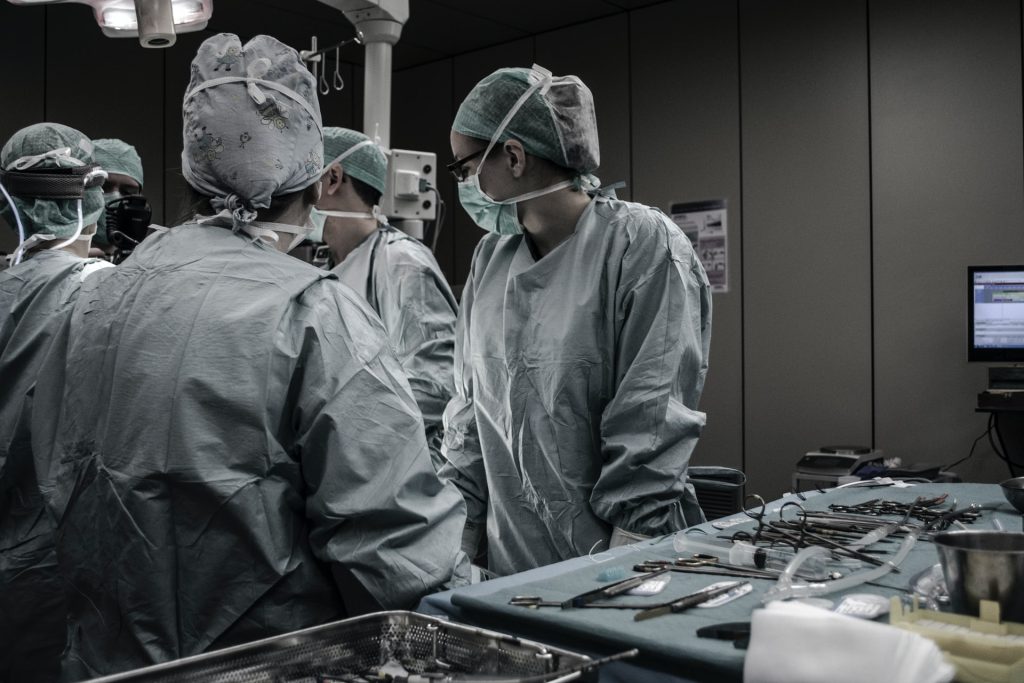
Microplastics seem ubiquitous in today’s environment, being found everywhere from rivers to inside the stomach. Now, in a pilot study of patients who underwent heart surgery, researchers in ACS’ Environmental Science & Technology report that they have found microplastics in many heart tissues. They also report evidence suggesting that microplastics were unexpectedly introduced during the procedures.

Microplastics are plastic fragments less than 5mm wide, or about the size of a pencil eraser. Research has shown that they can enter the human body through the mouth, nose and other body cavities with connections to the outside world. Yet many organs and tissues are fully enclosed inside a person’s body, and scientists lack information on their potential exposure to, and effects from, microplastics. So, Kun Hua, Xiubin Yang and colleagues wanted to investigate whether these particles have entered people’s cardiovascular systems through indirect and direct exposures.

In a pilot experiment, the researchers collected heart tissue samples from 15 people during cardiac surgeries, as well as pre- and post-operation blood specimens from half of the participants. Then the team analysed the samples with laser direct infrared imaging and identified 20 to 500 micrometre-wide particles made from eight types of plastic, including polyethylene terephthalate, polyvinyl chloride and poly(methyl methacrylate). This technique detected tens to thousands of individual microplastic pieces in most tissue samples, though the amounts and materials varied between participants. The blood samples also all contained plastic particles, but after surgery their average size decreased, and the particles came from a wider range of plastics.

Although the study had a small number of participants, the researchers say they have provided preliminary evidence that various microplastics can accumulate and persist in the heart and its innermost tissues. They add that the findings show how invasive medical procedures are an overlooked route of microplastics exposure, providing direct access to the bloodstream and internal tissues. More studies are needed to fully understand the effects of microplastics on a person’s cardiovascular system and their prognosis after heart surgery, the researchers conclude.

Source: American Chemical Society

Cadmium Detected in Urine of Women with Endometriosis

Phot by Sora Shimazaki on Pexels

Women with a history of endometriosis had higher concentrations of cadmium in their urine compared to those without that diagnosis, according to a study with a large representative study that suggests the toxic metal, which is also an endocrine disruptor, could be linked to the development of endometriosis. The researchers, from Michigan State University, published these findings in the journal Human Reproduction.

Affecting one in 10 reproductive-age women, endometriosis is when tissue that looks like the lining of the uterus, appears outside of it. Those with endometriosis can experience chronic, painful and debilitating symptoms, which can interfere with all aspects of life, including daily activity, work productivity, school performance and personal relationships.

“Despite the adverse impact of endometriosis on quality of life, it remains an understudied condition,” said Kristen Upson, assistant professor in the Department of Epidemiology and Biostatistics at the MSU College of Human Medicine and senior author of the study.

“By looking at environmental risk factors such as metal cadmium, we are moving the needle closer to understanding risk factors for this condition,” added the study’s first author, Mandy Hall, a data analyst in the MSU Department of Epidemiology and Biostatistics.

Cadmium is a toxic metal and a “metalloestrogen,” meaning it can act like oestrogen. In the US, people are commonly exposed to cadmium by breathing in cigarette smoke and eating contaminated food like spinach and lettuce.

While this is not the first study exploring a potential link between cadmium and endometriosis, the researchers said it’s the largest study to look at cadmium measured in urine, which reflects long-term exposure between 10 and 30 years.

For their study, researchers used data from NHANES, a national US population study between 1999 and 2006. Out of the survey’s more than 41 000 participants, the researchers limited their study population to those 20 to 54 years of age with information on endometriosis diagnosis.

The researchers then analysed the data, dividing the cadmium levels into four classes, or quartiles, with the first quartile being the lowest exposure and the fourth being the largest exposure.

They found that participants in the second and third quartiles were twice as likely to have been diagnosed with endometriosis than those in the first quartile. The data also suggests a 60% increased prevalence of endometriosis based on urinary cadmium concentrations in the fourth quartile.

“The findings are interesting given that cadmium can act like the hormone estrogen, and this hormone is central to the development of endometriosis,” Hall said.

The researchers say further studies are needed to confirm their findings. Upson said this work is part of her larger research looking at everyday factors that may increase toxic metal exposure in women as well as the impact of toxic metals on gynaecologic health. Hall plans to incorporate environmental factors in their ongoing research on endometriosis and other gynaecologic conditions.

Source: Michigan State University

Microwaving Plastic Baby Food Container Releases Billions of Plastic Nanoparticles

Photo by Burst on Pexels

Experiments have shown that microwaving plastic baby food containers available on the shelves of US stores can release huge numbers of micrometre or smaller-sized plastic particles – in some cases, more than 2 billion nanoplastics and 4 million microplastics for every square centimetre of container.

Though the health effects of consuming micro- and nanoplastics remain unclear, the University of Nebraska-Lincoln researchers further found that three-quarters of cultured embryonic kidney cells had died after two days of being introduced to those same particles. A 2022 report from the World Health Organization recommended limiting exposure to such particles.

“It is really important to know how many micro- and nanoplastics we are taking in,” said Kazi Albab Hussain, the study’s lead author and a doctoral student in civil and environmental engineering at the University of Nebraska-Lincoln. “When we eat specific foods, we are generally informed or have an idea about their caloric content, sugar levels, other nutrients. I believe it’s equally important that we are aware of the number of plastic particles present in our food.

“Just as we understand the impact of calories and nutrients on our health, knowing the extent of plastic particle ingestion is crucial in understanding the potential harm they may cause. Many studies, including ours, are demonstrating that the toxicity of micro- and nanoplastics is highly linked to the level of exposure.”

The team embarked on its study in 2021, the same year that Hussain became a father. While prior research had investigated the release of plastic particles from baby bottles, the team realised that no studies had examined the sorts of plastic containers and pouches that Hussain found himself shopping for, and that millions of other parents regularly do, too.

Hussain and his colleagues decided to conduct experiments with two baby food containers made from polypropylene and a reusable pouch made of polyethylene, both FDA-approved plastics. In one experiment, the researchers filled the containers with either deionised water or 3% acetic acid (the latter intended to simulate dairy products, fruits, vegetables and other relatively acidic consumables) then heated them at full power for three minutes in a 1000-watt microwave. Afterward, they analysed the liquids for evidence of micro- and nanoplastics: the micro- being particles at least a micrometre in diameter, the nano- any particles smaller.

The actual number of each particle released by the microwaving depended on multiple factors, including the plastic container and the liquid within it. But based on a model that factored in particle release, body weight, and per-capita ingestion of various food and drink, the team estimated that infants drinking products with microwaved water and toddlers consuming microwaved dairy products are taking in the greatest relative concentrations of plastic. Experiments designed to simulate the refrigeration and room-temperature storage of food or drink over a six-month span also suggested that both could lead to the release of micro- and nanoplastics.

“For my baby, I was unable to completely avoid the use of plastic,” Hussain said. “But I was able to avoid those (scenarios) which were causing more of the release of micro- and nanoplastics. People also deserve to know those, and they should choose wisely.”

With the help of Svetlana Romanova from the University of Nebraska Medical Center, the team then cultured and exposed embryonic kidney cells to the actual plastic particles released from the containers – a first, as far as Hussain can tell. Rather than introduce just the number of particles released by one container, the researchers instead exposed the cells to particle concentrations that infants and toddlers might accumulate over days or from multiple sources.

After two days, just 23% of kidney cells exposed to the highest concentrations had managed to survive – a much higher mortality rate than that observed in earlier studies of micro- and nanoplastic toxicity. The team suspects that kidney cells might be more susceptible to the particles than are other cell types examined in prior research. But those earlier studies also tended to examine the effects of larger polypropylene particles, some of them potentially too large to penetrate cells. If so, the Hussain-led study could prove especially sobering: Regardless of its experimental conditions, the Husker team found that polypropylene containers and polyethylene pouches generally release about 1000 times more nanoplastics than microplastics.

The question of cell infiltration is just one among many that will require answers, Hussain said, before determining the true risks of consuming micro- and nanoplastics. But to the extent that they do pose a health threat – and that plastics remain a go-to for baby food storage – parents would have a vested interest in seeing that the companies manufacturing plastic containers seek out viable alternatives, he said.

“We need to find the polymers which release fewer (particles),” Hussain said. “Probably, researchers will be able to develop plastics that do not release any micro- or nanoplastics – or, if they do, the release would be negligible.

“I am hopeful that a day will come when these products display labels that read ‘microplastics-free’ or ‘nanoplastics-free.'”

Source: University of Nebraska-Lincoln

Ticks’ Trick: Using Static Electricity as a Grappling Hook

Photo by Pixabay

Ticks can be attracted across air gaps several times larger than themselves by the naturally accumulated static electricity of their hosts, researchers at the University of Bristol have discovered. This makes it much easier to finding hosts to parasitise because ticks cannot jumping, making this is the only mechanism by which they would be able to latch onto hosts that are beyond the reach of their tiny legs.

The findings, published today in Current Biology, are the first known example of static electricity being implicated in the attachment of an animal to another animal.

Lead author Sam England from Bristol’s School of Biological Sciences explained: “We knew that many animals, including humans, can accumulate quite significant electrostatic charges.

“We see this when we get a static shock after bouncing on a trampoline, or when rubbing a balloon on our hair, for example. But this electrostatic charging also happens to animals in nature when they rub against objects in their environment like grass, sand, or other animals. These charges are surprisingly high, and can be equivalent to hundreds if not thousands of volts — more than you get out of your plug sockets at home! Importantly, static charges exert forces on other static charges, either attractive or repulsive depending whether they are positive or negative.

“We wondered whether the static charges that mammals, birds, and reptiles naturally accumulate could be high enough that parasitic ticks could be lifted through the air by electrostatic attraction onto these animals, therefore improving their efficiency at finding hosts to feed on.”

The team initially tested the idea by bringing statically charged rabbit fur and other materials close to ticks and observing whether they were attracted to them.

They witnessed the ticks being readily pulled through the air across air gaps of several millimetres or centimetres (the equivalent of humans jumping up several flights of stairs) by these charged surfaces, and so investigated further.

Sam continued: “First, we used previous measurements of the typical charge carried by animals to mathematically predict the strength of the electric field that is generated between a charged animal and the grass that ticks like to sit on and wait for hosts to pass by.

“Then, we placed ticks underneath an electrode, with an air gap in between, and increased the charge on the electrode until the ticks were attracted onto the electrode. By doing this we were able to determine the minimum electric field strength at which the ticks could be attracted. This minimum electric field was within the order of magnitude predicted by the mathematical calculations of the electric field between a charged animal and grass, therefore it is likely that ticks in nature are attracted onto their hosts by static electricity.”

There are several wider implications and potential applications to these findings. Firstly, the phenomenon likely applies to many other parasitic species that want to make contact and attach to their hosts, such as mites, fleas, or lice, and so it could be a universal mechanism for animals to make contact with and attach onto each other.

Beyond the purely scientific implications, the discovery opens the door for new technologies to be developed to minimise tick bites in humans, pets, and farm animals, such as developing anti-static sprays.

Sam concluded: “We have now discovered that ticks can be lifted across air gaps several times larger than themselves by the static electricity that other animals naturally build up. This makes it easier for them to find and attach onto animals that they want to latch onto and feed from. Until now, we had no idea that an animal could benefit from static electricity in this way, and it really opens up one’s imagination as to how many invisible forces like this could be helping animals and plants live their lives.”

Now the team plan to investigate whether the ticks are capable of sensing the approaching electrostatic charge of their prospective hosts.

Source: University of Bristol

Endocrine-disrupting Chemicals may Raise Risk of Cognitive Disorders in Future Generations

Adverse cognitive effects linked to polychlorinated biphenyls (PCBs) exposure, a type of endocrine-disrupting chemical (EDC), have the potential to be passed down through generations, according to an animal study being presented Thursday at ENDO 2023, the Endocrine Society’s annual meeting in Chicago, USA.

PCBs can mimic the effect of oestrogen on the body, contributing to a variety of neuroendocrine, metabolic and reproductive problems.

“Endocrine-disrupting chemicals present in our food, air, water and personal products may cause cognitive-behavioural disorders like attention-deficit/hyperactivity disorder or overeating in future generations,” said Emily N. Hilz, PhD, a postdoctoral fellow at the University of Texas at Austin.

To explore this further, Hilz and colleagues administered a common PCB mixture called Aroclor 1221 to pregnant female rats. The adults (n=40), their offspring (n=80), and their future grandchildren (n=80) were all tested on behavioural tasks to assess pleasure-seeking, ability to pay attention, and cognitive flexibility.

“The grandchildren of rats exposed to EDCs while pregnant performed significantly worse on these tasks, showing impaired cognitive function and increased pleasure-seeking,” Hilz said. “This suggests EDCs program potential cognitive disorders or behavioural problems that only emerge in later generations.”

Grandchildren of rats that were exposed to the PCB mixture were more interested in eating for pleasure, according to the results of the sucrose preference test. While all of the tested animals preferred the sucrose solution to water, the grandchildren of mothers exposed to the PCB mixture consumed more of the sucrose solution.

The same rats had an impaired ability to switch between tasks or learn new rules. However, only the male grandchildren were more likely to become fixated with a visual cue, which is common in disorders such as ADHD.

The PCB mixture impaired different aspects of cognitive behavior between male and female rats, depending on the life stage when they were exposed. It’s not yet clear which biological systems might be driving this.

“Our findings suggest regulating EDCs in industrial and consumer products could reduce the prevalence of certain cognitive or behavioural disorders in the future,” Hilz said.

Source: The Endocrine Society

Plants can Remove Carcinogenic Compounds from the Air

Photo by Annie Spratt on Unsplash

Those pot plants in GPs’ waiting room may have an additional health benefit in addition to sprucing the place up. A ground-breaking study has revealed that plants can efficiently remove toxic gasoline fumes, including cancer causing compounds such as benzene, from indoor air.

The study was led by University of Technology Sydney (UTS) bioremediation researcher Associate Professor Fraser Torpy, in partnership with leading Australian plantscaping solutions company Ambius.

The researchers found that the Ambius small green wall, containing a mix of indoor plants, was highly effective at removing harmful, cancer-causing pollutants, with 97 per cent of the most toxic compounds removed from the surrounding air in just eight hours.

Poor indoor air quality is responsible for 6.7 million premature deaths globally, according to the World Health Organisation. Most people spend 90% of their time indoors at home, school or the workplace, so adopting new strategies to improve air quality is critical.

Ambius General Manager Johan Hodgson said the research presented new evidence into the critical role played by indoor plants and green walls in cleaning the air we breathe quickly and sustainably.

“We know that indoor air quality is often significantly more polluted than outdoor air, which in turn impacts mental and physical health. But the great news is this study has shown that something as simple as having plants indoors can make a huge difference,” Mr Hodgson said.

Previous studies on indoor plants have shown they can remove a broad range of indoor air contaminants, however this is the first study into the ability of plants to clean up gasoline vapors, which are one of the largest sources of toxic compounds in buildings worldwide.

Offices and residential apartment buildings often connect directly to parking garages, either by doors or elevator shafts, making it difficult to avoid harmful gasoline-related compounds seeping into work and residential areas. Many buildings are also exposed to gasoline fumes from nearby roads and highways.

Breathing gasoline fumes can lead to lung irritation, headaches and nausea, and has been linked to an increased risk of cancer, asthma and other chronic diseases from longer term exposure, contributing to decreased life expectancy.

Associate Professor Torpy said the study results, based on measurements from a sealed chamber, had far exceeded their expectations when it came to removing gasoline pollutants from the air.

“This is the first time plants have been tested for their ability to remove gasoline-related compounds, and the results are astounding.

“Not only can plants remove the majority of pollutants from the air in a matter of hours, they remove the most harmful gasoline-related pollutants from the air most efficiently, for example, known carcinogen benzene is digested at a faster rate than less harmful substances, like alcohols.

“We also found that the more concentrated the toxins in the air, the faster and more effective the plants became at removing the toxins, showing that plants adapt to the conditions they’re growing in,” Associate Professor Torpy said.

Mr Hodgson said the findings confirmed feedback they’d received after installing plants in hundreds of office buildings across the nation.

“At Ambius, we see over and over again the effects plants have in improving health, wellbeing, productivity and office attendance for the thousands of businesses we work with. This new research proves that plants should not just be seen as ‘nice to have’, but rather a crucial part of every workplace wellness plan.

“The bottom line is that the best, most cost effective and most sustainable way to combat harmful indoor air contaminants in your workplace and home is to introduce plants,” Mr Hodgson said.

Source: University of Technology Sydney

Ultra-protective Sunscreens May One Day be Based on Our Own Melanin

Photo by Rfstudio on Pexels

Our body’s own melanin has long held potential as an inspiration for ultra-protective sunscreens, but has been too unstable to properly study. In Nature Chemistry, researchers report a major advance in understanding the fundamental structure of melanin and one of its subunits that turns light into heat, protecting the body from sun damage.

Melanin is the body’s natural pigment that is its first and best natural defence against the damaging effect of ultraviolet radiation. Cosmetics companies have long tried to harness the protective powers of natural and synthetic melanin for use in chemical sunscreens and other personal care products. For example, melanin could, in theory, be used to produce a radiation barrier that augments skin care products by matching a more diverse range of natural skin tones. But melanin is so notoriously unstable and difficult to study that, thus far, scientists have not been able to see what it looks like at the molecular level, resulting in a slow, trial-and-error approach to its potential use in personal care products.

“As we gain a better understanding of the structure of melanin, we should be able to predictably make alternatives that perform better than what is currently available,” said Jean-Philip Lumb, one of the lead authors of the paper. The study found that the melanin component converted light into heat from all wavelengths, spanning the ultraviolet to the infrared, offering a broad spectrum of protection. The molecule was also remarkably small, which the researchers say has practical benefits because the number of atoms needed to provide this level of sun protection is fewer than anything reported up to now. “We’ve taken a major step forward in understanding a new mechanism for how melanin can serve as a sunscreen,” Lumb said.

Source: McGill University