Category: Environmental Effects

US to Trial Anti-radiation Pills That Could Protect Against Fallout from ‘Dirty Bombs’

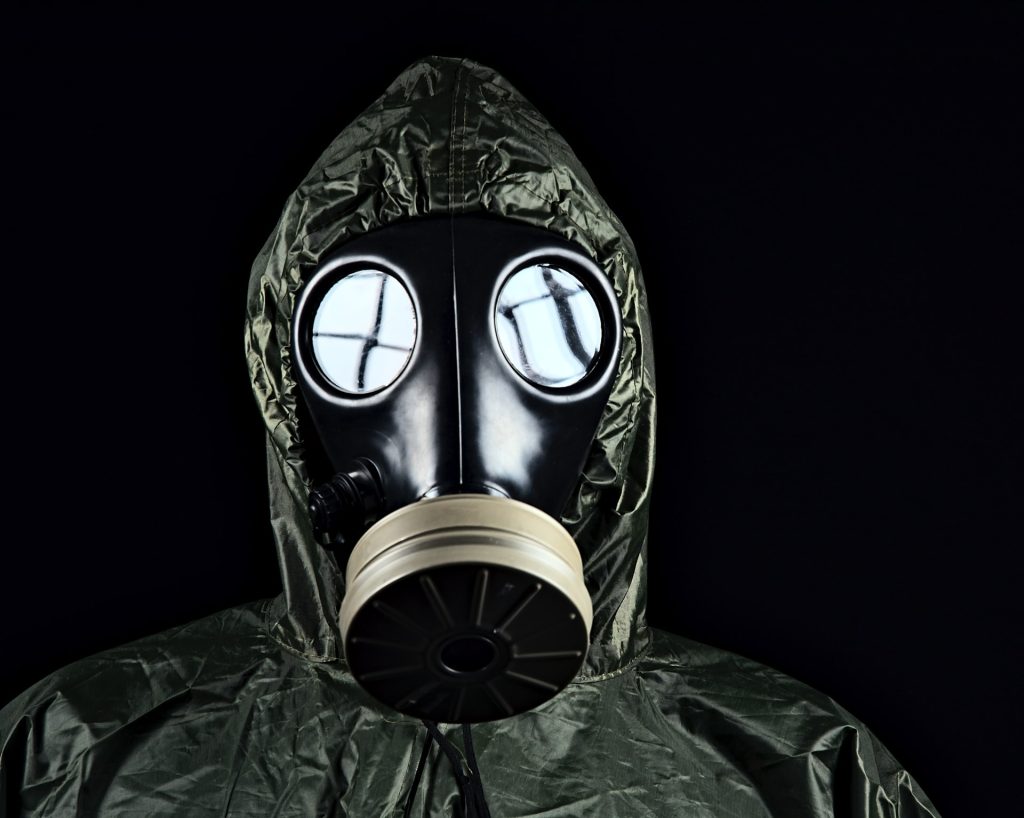
The US National Institutes of Health is funding a new clinical trial of an oral anti-radiation treatment. So-called dirty bombs are nuclear weapons that release a cloud of radioactive isotopes, and are thought to be an attractive option for terrorists because they are far easier to build than true nuclear explosives.

In such a situation, as well as a nuclear accident, the danger is not so much from direct radiation in the form of X-rays, gamma rays and alpha and beta particles, but from radioactive materials which are absorbed into the body via contaminated air, food or water. Certain radioisotopes from radioactive fallout are readily absorbed by the body, and cause damage to DNA and cellular structures. Current treatment contain chemicals that bind to these radioisotopes, preventing them from being taken up by the body and instead rapidly excreted.

The Food and Drug Administration has approved two products for removing internal radioactive contamination. These drugs, both based on diethylenetriamine pentaacetate (DTPA), are administered intravenously by a healthcare provider and can remove three radioactive elements: plutonium, americium, and curium. 

In contrast, HOPO 14-1 is an oral capsule, which would be easier than an intravenous drug to stockpile and to deploy and administer during an emergency. Preclinical research has shown that HOPO 14-1 can effectively remove many radioactive contaminants, including uranium and neptunium in addition to plutonium, americium and curium. These studies also have found that HOPO 14-1 is up to 100 times more effective than DTPA at binding and removing these radioactive elements.

The trial will seek 42 healthy volunteers aged 18 to 65, who will of course not be exposed to radioactive fallout. They will be assigned into seven groups of six. Each participant in the first group will receive a 100-milligram (mg) dose of HOPO 14-1. The subsequent groups will receive increasingly higher doses of the study drug up to 7500 mg in the final group, if lower doses are deemed safe. Participants will undergo intensive safety monitoring and will be followed for 14 days to measure the absorption, distribution and elimination of the study drug. Results are expected in 2024.

Source: National Institutes of Health

Strong Link Between Polycyclic Aromatic Hydrocarbons and Rheumatoid Arthritis Risk

Photo by Kouji Tsuru on Pexels

Exposure to polycyclic aromatic hydrocarbons (PAH), formed from burning various substances such as coal, wood or tobacco, or from grilled meat, is strongly linked to a person’s risk of developing rheumatoid arthritis, suggests research published in the open access journal BMJ Open.

These chemicals also seem to account for most of smoking’s impact on risk of the disease, the findings indicate. Growing evidence links several environmental toxicants with various long term conditions. But few studies have looked at their association with inflammatory conditions, such as rheumatoid arthritis, which is thought to arise from an interplay between genes, sex, and age, and environmental factors, including smoking, nutrition, and lifestyle.

To try and shed some light on the potential role of environmental exposure on rheumatoid arthritis risk, the researchers drew on responses to the nationally representative US National Health and Nutrition Examination Survey (NHANES) between 2007 and 2016.

NHANES evaluates a wide variety of toxicants, including PAH; chemicals used in the manufacture of plastics and various consumer products (PHTHTEs); and volatile organic compounds (VOCs), derived from paints, cleaning agents, and pesticides, among other things; along with data related to health, nutrition, behaviours and the environment.

The study included 21 987 adults, 1418 of whom had rheumatoid arthritis and 20 569 of whom didn’t. Blood and urine samples were taken to measure the total amount of PAH (7090 participants), PHTHTEs (7024), and VOCs (7129) in the body.

The odds of rheumatoid arthritis were highest among those in the top 25% of bodily PAH levels, irrespective of whether or not they were former or current smokers.

After accounting for potentially influential factors, including dietary fibre intake, physical activity, smoking, household income, educational attainment, age, sex, and weight (BMI), only one PAH, 1-hydroxynaphthalene, was strongly associated with higher odds (80%) of the disease.

PHTHTE and VOC metabolites weren’t associated with heightened risk after accounting for potentially influential factors.

Somewhat surprisingly, however, smoking wasn’t associated with heightened rheumatoid arthritis risk either, after accounting for PAH levels in the body. 

And further analysis to separate out the influences of PAH and smoking showed that bodily PAH level accounted for 90% of the total effect of smoking on rheumatoid arthritis risk.

This is an observational study, and as such, can’t determine cause. And the researchers acknowledge various limitations to their findings, including that measurements of environmental toxicants in fat (adipose) tissue weren’t available.

Nor did they measure heavy metal levels which have previously been linked to rheumatoid arthritis risk. Cigarettes are a major source of the heavy metal cadmium.

But they write: “To our knowledge, this is the first study to demonstrate that PAH not only underlie the majority of the relationship between smoking and [rheumatoid arthritis], but also independently contribute to [it]. 

“This is important as PAH are ubiquitous in the environment, derived from various sources, and are mechanistically linked by the aryl hydrocarbon receptor to the underlying pathophysiology of [rheumatoid arthritis].”

They add: “While PAH levels tend to be higher in adults who smoke…other sources of PAH exposure include indoor environments, motor vehicle exhaust, natural gas, smoke from wood or coal burning fires, fumes from asphalt roads, and consuming grilled or charred foods.

“This is pertinent as households of lower socioeconomic status generally experience poorer indoor air quality and may reside in urban areas next to major roadways or in high traffic areas.” These people may therefore be particularly vulnerable, they suggest.

Source: The BMJ

People Near Airports Likely to Suffer from Shorter Sleep

Photo by Daniel Eledut on Unsplash

A new study published in the journal Environmental Health Perspectives has found that people who were exposed to even moderate levels of aircraft noise were less likely to receive the minimum recommended amount of sleep each night, and this risk increased among people living near a major cargo airport, or near a large water body, and among people with no hearing loss.

A new analysis by Boston University School of Public Health (BUSPH) and Oregon State University has found that exposure to even moderate levels of airplane noise may disrupt sleep, building upon a growing body of research on the adverse health effects of environmental noise.

The study found that people who were exposed to airplane noise at levels as low as 45dB were more likely to sleep less than 7 hours per night. For comparison, the sound of a whisper is 30dB, a library setting is 40dB, and a typical conversation at home is 50dB.

Sleep is essential to overall health and well-being, including daily physical and mental functioning, and a lack of adequate sleep can lead to increased risks of cardiovascular disease, depression, diabetes, cancer, and numerous other health conditions. Health experts state that most adults need seven to nine hours of sleep each night for healthy functioning.

This study is the first large-scale analysis of aircraft noise and sleep duration that accounts for the disruptive effects of multiple environmental exposures in communities, such as greenery and light at night (LAN).

Despite how common exposure to noise from aircraft is for many people, little is known about the health effects of aircraft noise, particularly in the U.S., according to study lead author Matthew Bozigar, assistant professor of epidemiology at OSU, and study senior author Junenette Peters, associate professor of environmental health at BUSPH.

“This study helps us understand the potential health pathways by which aircraft noise may act, such as through disrupted sleep,” Peters says.

For the study, Dr. Peters, Dr. Bozigar and colleagues from BUSPH, Brigham and Women’s Hospital, Harvard Medical School, and Harvard T.H. Chan School of Public Health examined airplane noise exposure and self-reported sleep disturbance among more than 35 000 participants living around 90 of the major US airports. The participants were selected from the Nurses’ Health Study (NHS), an ongoing, prospective study of US female nurses who have completed biennial questionnaires since 1976.

The team examined aircraft noise levels every five years from 1995 to 2015, focusing on two measurements: a nighttime estimate (Lnight) that captures airplane noise occurring when people sleep, and a day-night estimate (DNL) that captures the average noise level over a 24-hour period and applies a 10 dB adjustment for aircraft noise occurring at night, when background noise is low. The DNL is also the primary metric that the FAA uses for aircraft noise policies, and the threshold for significant noise impacts is above DNL 65 dB. The team linked these measures at multiple thresholds with the nurses’ geocoded residential addresses.

After accounting for a range of factors, including demographics, health behaviors, comorbidities, and environmental exposures such as greenery and light at night (LAN), the results showed that the odds of sleeping less than seven hours rose as airplane noise exposure increased.

Short sleep duration was also more likely among nurses who lived on the West Coast, near a major cargo airport or a large body of water, as well as among nurses who reported no hearing loss.

“We found surprisingly strong relationships for particular subgroups that we are still trying to understand,” Bozigar says. “For instance, there was a relatively strong signal between aircraft noise and both dimensions of disrupted sleep, short sleep duration and poor sleep quality, near major cargo airports. There is likely more going on to this story, as cargo operations tend to use larger, older, heavily laden, and therefore noisier aircraft that often fly through the nighttime hours. And the quantity of cargo shipped by air has been steadily increasing over the last couple of decades, possibly linked to more e-commerce. If the trends continue, it could mean more aircraft noise impacts to more groups of people.”

While the results suggested a clear link between airplane noise and sleep duration, the researchers observed no consistent association between aircraft noise and quality of sleep.

Source: Boston University School of Public Health

Thesis Finds ‘Forever Chemicals’ don’t Increase Cardiovascular Disease Risk

Photo by Kouji Tsuru on Unsplash

A new thesis by Karolinska Institutet student Tessa Schillemans has found that exposure persistent environmental pollutants did not increase biomarkers of cardiovascular disease risk – rather, exposure reduced them, raising further questions on their complex interactions with the environment and within the human body.

What is the thesis about?
The thesis is about a group of environmental pollutants called per- and polyfluoroalkyl substances (PFAS), also called “forever-chemicals”. Since we all are exposed and their chemical structure resembles that of fatty acids, we wanted to investigate whether exposure to PFAS associated with increased risk of cardiovascular disease. Additionally, we also explored if we could gain insight in potential underlying molecular pathways by linking PFAS exposure to biological molecules in the blood.

Can you tell us about some interesting results?
We found no evidence that PFAS was linked to increased risk of cardiovascular disease in the general population. If anything, rather the opposite – which also deserves careful consideration. We did observe associations with higher cholesterol, lower triglycerides and with lipid metabolism intermediates, which all point towards potential perturbations in lipid metabolism. 

What further research is needed in the area?
It is essential to fully understand any adverse consequences that PFAS may have, since they are omnipresent and persistent. Thus, epidemiological studies involving other outcomes and vulnerable subgroups (such as pregnant women and children) should also be performed, as disturbances in lipid metabolism could impact other physiological processes. For a deeper mechanistic understanding, integration of data from different biological systems (genome, epigenome, transcriptome, proteome, metabolome) in human and experimental settings would be optimal. Additionally, since humans are exposed to many different chemicals simultaneously and these could interact with each other, there is a need for studies that investigate multiple exposures at the same time (exposome studies).

Source: Karolinska Institutet

Traffic Noise may Increase the Risk of Tinnitus

Photo by Dylan Hendricks on Unsplash

There is a correlation between traffic noise and risk of developing tinnitus, researchers have found. They point to a vicious cycle involving stress reactions and sleep disturbance as a potential cause. Living near a busy road, it may increase stress levels and affect sleep – and during times of stress and poor sleep, people may be at a higher risk of developing tinnitus.

Published in Environmental Health Perspectives, a new study with data from 3.5 million Danes has revealed that the more traffic noise Danish residents are exposed to in their homes, the more they are at risk of developing tinnitus.

Tinnitus is most clearly manifested by annoying whistling tones in the ears, which are disturbing for many.

Risk increases with noise levels

It is the first time that researchers have found a link between residential traffic noise exposure and hearing-related outcomes.

“In our data, we have found more than 40 000 cases of tinnitus and can see that for every ten decibels more noise in people’s home, the risk of developing tinnitus increases by six percent,” says Manuella Lech Cantuaria, PhD, Assistant Professor at the Mærsk Mc-Kinney-Møller Institute.

She and her colleague Jesper Hvass Schmidt, Associate Professor at the Department of Clinical Research and Chief Physician at Odense University Hospital (OUH) are concerned about the many health problems that traffic noise seems to cause. In 2021, they found a correlation between traffic noise and dementia.

“There is a need for more focus on the importance of traffic noise for health. It is alarming that noise seems to increase the risk of tinnitus, cardiovascular diseases and dementia, among other diseases,” says Jesper Hvass Schmidt.

Tip of the iceberg

Only the worst cases of tinnitus are referred from their own doctor or an otorhinolaryngologist. The high number of reported cases of tinnitus are probably only the tip of the iceberg, he believes.

“In general, about ten percent of the population experience tinnitus from time to time. It is associated with stress and poor sleep, which can be worsened by traffic noise, and here we have a potential cycle.”

More studies are needed so that researchers can be sure that traffic noise causes tinnitus, and how this happens.

“But we know that traffic noise can make us stressed and affect our sleep. And that tinnitus can get worse when we live under stressful situations and we do not sleep well,” Jesper Hvass Schmidt says.

Nighttime noise is worse

The researchers believe that noise at nighttime can be even worse for health. It affects our sleep, which is so important for restoring both our physical and mental health. “Therefore, it is worth considering whether you can do something to improve your sleep if you live next to a busy road,” Manuella Lech Cantuaria says.

What to do

In the study, higher associations were found when noise was measured at the quiet side of their houses, that is, the side facing away from the road. This is where most people would place their bedroom whenever possible, therefore researchers believe this is a better indicator of noise during sleep.

“There are different things one can do to reduce noise in their homes, for example by sleeping in a room that does not face the road or by installing soundproof windows,” says Manuella Lech Cantuaria.

But not everyone has those options, so she says that traffic noise should be considered a health risk to be taken into account in urban planning and political decision-making.

Electric cars will not make cities quieter

The Danish guidance level for harmful traffic noise is 58 decibels. It is a myth that replacing fuel cars by electric cars can significantly reduce traffic noise exposure at people’s houses. The noise comes mainly from the contact between the tires and the road.

Source: University of Southern Denmark Faculty of Health Sciences

A New Mosquito Repellent Alternative to DEET

Mosquito, a malaria parasite vector
Photo by Егор Камелев on Unsplash

The chemical DEET has proven effective at keeping disease-carrying mosquitoes at bay, but the repellent is smelly and its protection is short-lived. Now, researchers report in the Journal of Agricultural and Food Chemistry that they have designed safe alternatives with some advantages over DEET, including a nice smell and much longer protection.

DEET disrupts a mosquito’s ability to locate humans. Until recently, it was considered the gold standard among topical repellents, but some find its strong odor offensive. It has to be reapplied frequently, and at high concentrations, it can damage synthetic fabrics and plastics. Another popular repellent known as picaridin is now regarded as a better alternative, since its protective effect lasts longer, and it doesn’t have an odor or damage items. However, like DEET, it has to be reapplied after swimming or sweating.

So, Francesca Dani and colleagues wanted to look for alternatives to these established products. In prior work, the team used as starting materials two plant-based natural repellents that offered only short-term protection from mosquitoes. The researchers converted these terpenoids into cyclic acetals and hydroxyacetals, thereby extending their protective timespan beyond that of DEET. But the researchers wanted to improve on these initial products.

In the current work, the team synthesised additional cyclic hydroxyacetals from inexpensive, commercially available carbonyls. The new cyclic compounds had pleasant, much fainter odors and were easier to dissolve in water, meaning they can be formulated without high concentrations of alcohol. Some were as effective as DEET and picaridin at repelling Asian tiger mosquitoes, which have spread widely in the U.S. and carry diseases, including encephalitis, dengue and dog heartworm. And like picaridin, they provided human volunteers more than 95% protection from bites for at least eight hours, while DEET’s protection rapidly declined below that level after just two hours.

Toxicity of some of the most active new compounds was comparable to or lower than the traditional repellents. Two hydroxyacetals were also less likely to cause immune reactions or to penetrate cell layers than picaridin. The researchers conclude that their compounds represent a new class of promising mosquito repellents that can compete favorably with DEET and picaridin in terms of efficacy and safety.

Source: American Chemical Society

Can Fungi Transform Plastic Waste into Drug Components?

Photo by Louise Reed on Unsplash

Research on fungi has helped transform tough-to-recycle plastic waste from the Pacific Ocean into key components for making pharmaceuticals, using a genetically altered version of an everyday soil fungus, Aspergillus nidulans. The researchers described their chemical-biological approach in Angewandte Chemie, a journal of the German Chemical Society.

“What we’ve done in this paper is to first digest polyethylenes using oxygen and some metal catalysts – things that are not particularly harmful or expensive – and this breaks the plastics into diacids,” said co-author Berl Oakley, professor at the University of Kansas.

Next, long chains of carbon atoms resulting from the decomposed plastics were fed to genetically modified Aspergillus fungi. The fungi, as designed, metabolised them into an array of pharmacologically active compounds, including commercially viable yields of asperbenzaldehyde, citreoviridin and mutilin.

Unlike previous approaches, Oakley said the fungi digested the plastic products quickly, like “fast food.”

“The thing that’s different about this approach is it’s two things – it’s chemical, and it’s fungal,” he said. “But it’s also relatively fast. With a lot of these attempts, the fungus can digest the material, but it takes months because the plastics are so hard to break down. But this breaks the plastics down fast. Within a week you can have the final product.”

The KU researcher added the new approach was “bizarrely” efficient.

“Of the mass of diacids that goes into the culture, 42% comes back as the final compound,” he said. “If our technique was a car, it would be doing 200 miles per hour, getting 60 miles per gallon, and would run on reclaimed cooking oil.”

Previously, Oakley has worked with corresponding author Clay Wang of the University of Southern California to produce about a hundred secondary metabolites of fungi for a variety of purposes.

“It turns out that fungi make a lot of chemical compounds, and they are useful to the fungus in that they inhibit the growth of other organisms – penicillin is the canonical example,” Oakley said. “These compounds aren’t required for the growth of the organism, but they help either protect it from, or compete with, other organisms.”

Oakley’s lab at KU has honed gene-targeting procedures to change the expression of genes in Aspergillus nidulans and other fungi, producing new compounds.

The researchers focused on developing secondary metabolites to digest polyethylene plastics because those plastics are so hard to recycle. For this project, they harvested polyethylenes from the Pacific Ocean that had collected in Catalina Harbor on Santa Catalina Island, California.

“There’ve been a lot of attempts to recycle plastic, and some of it is recycled,” Oakley said. “A lot of it is basically melted and spun into fabric and goes into various other plastic things. Polyethylenes are not recycled so much, even though they’re a major plastic.”

The KU investigator said the long-term goal of the research is to develop procedures to break down all plastics into products that can be used as food by fungi, eliminating the need to sort them during recycling.

“I think everybody knows that plastics are a problem,” Oakley said. “They’re accumulating in our environment. There’s a big area in the North Pacific where they tend to accumulate. But also you see plastic bags blowing around – they’re in the rivers and stuck in the trees. The squirrels around my house have even learned to line their nest with plastic bags. One thing that’s needed is to somehow get rid of the plastic economically, and if one can make something useful from it at a reasonable price, then that makes it more economically viable.”

Source: University of Kansas

Antibiotics Residues in Water Threaten Human Health

Photo by Nathan Dumlao on Unsplash

In Asia, researchers found that antibiotic residues in wastewater and wastewater treatment plants risk contributing to antibiotic resistance, and the drinking water may pose a threat to human health. Published in The Lancet Planetary Health, their comprehensive analysis also determined the relative contribution of various sources of antibiotic contamination in waterways, such as hospitals, municipals, livestock, and pharmaceutical manufacturing.

“Our results can help decision-makers to target risk reduction measures against environmental residues of priority antibiotics and in high-risk sites, to protect human health and the environment,” says first author Nada Hanna, researcher at the Department of Global Public Health at Karolinska Institutet. “Allocating these resources efficiently is especially vital for resource-poor countries that produce large amounts of antibiotics.”

Antibiotics can enter the environment during their production, consumption and disposal. Antibiotic residues in the environment, such as in wastewater and drinking water, can contribute to the emergence and spread of resistance.

Major antibiotics producers and users

The researchers looked for levels of antibiotic residues that are likely to contribute to antibiotic resistance from different aquatic sources in the Western Pacific Region (WPR) and the South-East Asia Region (SEAR), regions as defined by the World Health Organization. China and India, among the world’s largest producers and consumers of antibiotics, fall within these regions.

To find the data, researchers made a systematic review of the literature published between 2006 and 2019, including 218 relevant reports from the WPR and 22 from the SEAR. They also employed a method called Probabilistic Environmental Hazard Assessment to determine where the concentration of antibiotics is high enough to likely contribute to antibiotic resistance.

Ninety-two antibiotics were detected in the WPR, and forty five in the SEAR. Antibiotic concentrations exceeding the level considered safe for resistance development (Predicted No Effect Concentrations, PNECs) were observed in wastewater, influents and effluents of wastewater treatment plants and in receiving aquatic environments. Wastewater and influent of wastewater treatment plants had the highest risks. The relative impact of various contributors, such as hospital, municipal, livestock, and pharmaceutical manufacturing was also determined.

Potential threat to human health

In receiving aquatic environments, the highest likelihood of levels exceeding the threshold considered safe for resistance development was observed for the antibiotic ciprofloxacin in drinking water in China and the WPR.

“Antibiotic residues in wastewater and wastewater treatment plants may serve as hot spots for the development of antibiotic resistance in these regions and pose a potential threat to human health through exposure to different sources of water, including drinking water,” says Nada Hanna.

Limitations to be considered when interpreting the results are the lack of data on the environmental occurrence of antibiotics from many of the countries in the regions and the fact that only studies written in English were included.

Source: Karolinska Institutet

Occupational Dust and Fumes Exposure may Raise Rheumatoid Arthritis Risk

Source: Paul Wong on Unsplash

Breathing in common workplace dust and fumes may increase the risk of developing severe rheumatoid arthritis, especially in combination with smoking and genetic susceptibility to the disease, suggests a new study published in The Annals of the Rheumatic Diseases.

Rheumatoid arthritis (RA) is a chronic autoimmune joint disorder affecting up to 1% of the population. The presence of so-called anti-citrullinated protein antibodies (ACPA) denotes a worse prognosis with higher rates of erosive joint damage.

Cigarette smoking is already known as a risk factor for developing RA, but the impact of breathing in workplace dust and fumes, such as vapours, gases, and solvents, remains unclear.

Increased risk of ACPA-positive rheumatoid arthritis

Researchers at Karolinska Institutet drew on data from the Swedish case-control study EIRA (Epidemiological Investigation of RA), comprising 4033 people diagnosed with RA between 1996 and 2017 and 6485 randomly selected healthy controls matched for age and sex. Personal job histories were used to estimate the exposure to 32 inhalable workplace agents. Each participant was assigned a genetic risk score based on their genetic susceptibility to developing RA.

Individuals who had been exposed to any of the occupational agents had a 25 per cent higher risk of developing ACPA-positive RA, and the risk increased with a longer duration of exposure or with more types of exposed agents. 17 out of 32 agents, including quartz, asbestos, diesel fumes, gasoline fumes, carbon monoxide, and fungicides, were strongly associated with an increased risk of developing ACPA-positive RA, but only a few agents were associated with ACPA-negative RA.

Interaction with smoking and risk genes

Individuals who were exposed to smoking as well as inhalable workplace agents, in combination with having a high genetic risk score, had an 18 times higher risk of developing ACPA-positive RA compared with those who were not exposed to any of these three factors.

“Occupational inhalable agents could act as important environmental triggers in RA development and interact with smoking and RA risk genes,” says Karolinska Institutet professor and corresponding author Lars Klareskog. “Preventive strategies aimed at reducing occupational hazards and smoking are warranted for reduction of the burden of RA, especially for those who are genetically vulnerable.”

Because it is an observational study, it cannot establish any causal relationships.

Source: Karolinska Institutet

Cardiovascular Risk from Extreme Hot and Cold Days

Source: Pixabay CC0

Extremely hot and cold temperatures both increased the risk of death among people with cardiovascular diseases, such as ischaemic heart disease, stroke, heart failure and arrhythmia, according to new research published today in journal Circulation.

Among the cardiovascular diseases examined in this study, heart failure was linked to the highest excess deaths from extreme hot and cold temperatures.

“The decline in cardiovascular death rates since the 1960s is a huge public health success story as cardiologists identified and addressed individual risk factors such as tobacco, physical inactivity, Type 2 diabetes, high blood pressure and others. The current challenge now is the environment and what climate change might hold for us,” said Barrak Alahmad, MD, MPH, PhD, research fellow at Harvard University and Kuwait University.

Researchers analysed health data for more than 32 million cardiovascular deaths that occurred in 567 cities in 27 countries on 5 continents between 1979 and 2019.

Climate change is associated with substantial swings in extreme hot and cold temperatures, so the researchers examined both in the current study. For this analysis, researchers compared cardiovascular deaths on the hottest and the coldest 2.5% of days for each city with cardiovascular deaths on the days that had optimal temperature (the temperature associated with the least rates of deaths) in the same city.

For every 1000 cardiovascular deaths, the researchers found that:

  • Extreme hot days accounted for 2.2 additional deaths.
  • Extreme cold days accounted for 9.1 additional deaths.
  • Of the types of heart diseases, the greatest number of additional deaths was found for people with heart failure (2.6 additional deaths on extreme hot days and 12.8 on extreme cold days).

“One in every 100 cardiovascular deaths may be attributed to extreme temperature days, and temperature effects were more pronounced when looking at heart failure deaths,” said Haitham Khraishah, MD, co-author of the study. “While we do not know the reason, this may be explained by the progressive nature of heart failure as a disease, rendering patients susceptible to temperature effects. This is an important finding since one out of four people with heart failure are readmitted to the hospital within 30 days of discharge, and only 20% of patients with heart failure survive 10 years after diagnosis.”

Researchers suggest targeted warning systems and advice for vulnerable people may be needed to prevent cardiovascular deaths during temperature extremes.

“We need to be on top of emerging environmental exposures. I call upon the professional cardiology organisations to commission guidelines and scientific statements on the intersection of extreme temperatures and cardiovascular health. In such statements, we may provide more direction to health care professionals, as well as identify clinical data gaps and future priorities for research,” Alahmad said.

The underrepresentation of data from South Asia, the Middle East and Africa limits the ability to apply these findings to make global estimates about the impact of extreme temperatures on cardiovascular deaths.

Source: American Heart Association