Category: Diseases, Syndromes and Conditions

New Viruses that could Cause Epidemics on the Horizon
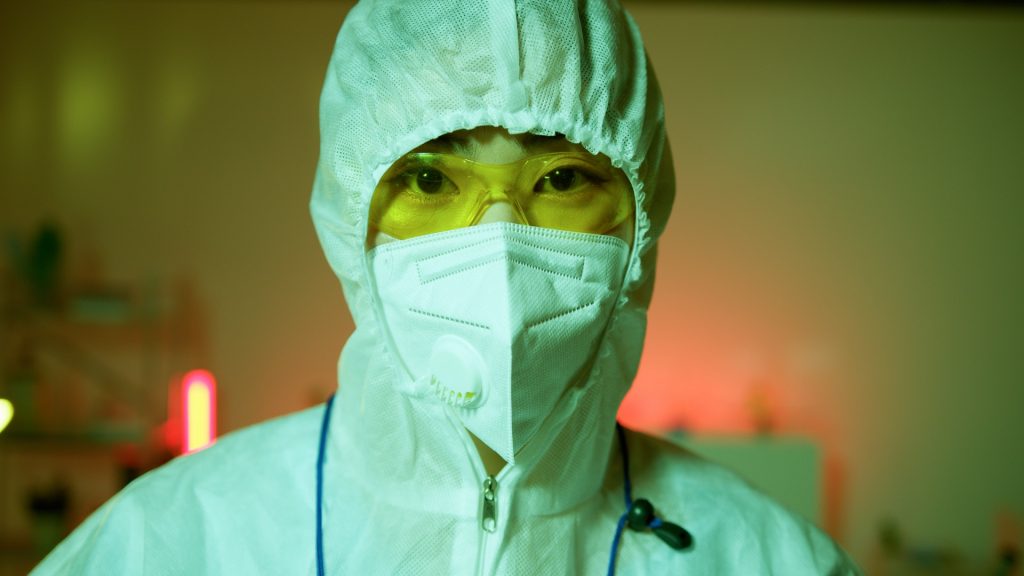
Photo by Artem Podrez on Pexels

There are viruses out there that nobody has on their radar, but they suddenly appear and, like SARS-CoV-2, can trigger major epidemics. They only have a slight genetic difference from before, the exchange of genetic material between different virus species can lead to the sudden emergence of threatening pathogens with significantly altered characteristics. This is suggested by current genetic analyses carried out by an international team of researchers. Virologists from the German Cancer Research Center (DKFZ) were in charge of the large-scale study which appears in PLOS Pathogens.

“Using a new computer-assisted analysis method, we discovered 40 previously unknown nidoviruses in various vertebrates from fish to rodents, including 13 coronaviruses,” reports DKFZ group leader Stefan Seitz. With the help of high-performance computers, the research team, which also includes Chris Lauber’s working group from the Helmholtz Center for Infection Research in Hanover, has sifted through almost 300 000 data sets. According to virologist Seitz, the fact that we can now analyse such huge amounts of data in one go opens up completely new perspectives.

Virus research is still in its relative infancy. Only a fraction of all viruses occurring in nature are known, especially those that cause diseases in humans, domestic animals and crops. The new method therefore promises a quantum leap in knowledge with regard to the natural virus reservoir. Stefan Seitz and his colleagues sent genetic data from vertebrates stored in scientific databases through their high-performance computers with new questions. They searched for virus-infected animals in order to obtain and study viral genetic material on a large scale. The main focus was on so-called nidoviruses, which include the coronavirus family.

Nidoviruses, whose genetic material consists of RNA (ribonucleic acid), are widespread in vertebrates. This species-rich group of viruses has some common characteristics that distinguish them from all other RNA viruses and document their relationship. Otherwise, however, nidoviruses are very different from each other, i.e. in terms of the size of their genome.

One discovery is particularly interesting with regard to the emergence of new viruses: In host animals that are simultaneously infected with different viruses, a recombination of viral genes can occur during virus replication. “Apparently, the nidoviruses we discovered in fish frequently exchange genetic material between different virus species, even across family boundaries,” says Stefan Seitz. And when distant relatives “crossbreed,” this can lead to the emergence of viruses with completely new properties. According to Seitz, such evolutionary leaps can affect the aggressiveness and dangerousness of the viruses, but also their attachment to certain host animals.

“A genetic exchange, as we have found in fish viruses, will probably also occur in mammalian viruses,” explains Stefan Seitz. Bats, which — like shrews — are often infected with a large number of different viruses, are considered a true melting pot. The SARS-CoV-2 coronavirus probably also developed in bats and jumped from there to humans.

After gene exchange between nidoviruses, the spike protein with which the viruses dock onto their host cells often changes. Chris Lauber, first author of the study, was able to show this by means of family tree analyses. Modifying this anchor molecule can significantly change the properties of the viruses to their advantage – by increasing their infectiousness or enabling them to switch hosts. A change of host, especially from animals to humans, can greatly facilitate the spread of the virus, as the corona pandemic has emphatically demonstrated. Viral “game changers” can suddenly appear at any time, becoming a massive threat and – if push comes to shove – triggering a pandemic. The starting point can be a single double-infected host animal.

The new high-performance computer process could help to prevent the spread of new viruses. It enables a systematic search for virus variants that are potentially dangerous for humans, explains Stefan Seitz. And the DKFZ researcher sees another important possible application with regard to his special field of research, virus-associated carcinogenesis: “I could imagine that we could use the new High Performance Computing (HPC) to systematically examine cancer patients or immunocompromised people for viruses. We know that cancer can be triggered by viruses, the best-known example being human papillomaviruses. But we are probably only seeing the tip of the iceberg so far. The HPC method offers the opportunity to track down viruses that, previously undetected, nestle in the human organism and increase the risk of malignant tumours.”

Source: German Cancer Research Center (Deutsches Krebsforschungszentrum, DKFZ)

Researchers Chance Upon an Active Agent against Hepatitis E

Photo by Louis Reed on Unsplash

At present, there is no specific active substance against hepatitis E. As the disease kills 70 000 people every year, researchers are actively searching for one. Researchers in Germany may have found what they’re looking for. The team showed that the compound K11777 prevents host cells from helping the virus out of its shell by cleaving the viral capsid, rendering it incapable of infecting cells.

“The compound is already being tested in clinical trials against other viruses such as Sars-Cov-2,” says lead author Mara Klöhn. “There’s still a lot of work to be done to find out whether it can be used as an active substance against hepatitis E, but it’s a first step.”

The team from the Department of Molecular and Medical Virology at Ruhr University Bochum, published their findings in the journal Hepatology.

In order to infect an organ, viruses need the help of the host cells.

“An effective approach is therefore to identify targets in the host that can be manipulated by drugs so that they no longer perform this helper function,” explains Mara Klöhn.

The researchers became aware of the compound K11777 in a roundabout way: during a control study conducted as part of cell culture studies on the hepatitis C virus with a known active ingredient, they discovered that this active ingredient was also effective against hepatitis E. “However, the drug wasn’t using the same pathway as with the hepatitis C virus, because the hepatitis E virus doesn’t have the target structure that this active substance attacks,” explains Mara Klöhn. This suggested that the drug may have an effect on host cells instead.

The research team narrowed down the possible target structures and turned their attention to cathepsins, which can process proteins, i.e. cleave them.

K11777 inhibits many cathepsin types, ie blocks their function. In vitro tests with human liver cells showed that the compound actually prevents infection with hepatitis E viruses.

“In follow-up experiments, we proved our hypothesis that the compound prevents cathepsin L from cleaving and opening up the viral capsid,” says Mara Klöhn. “This means that the virus can no longer infect host cells.”

Hepatitis E

The hepatitis E virus (HEV) is the main cause of acute viral hepatitis. Approximately 70 000 people die from the disease every year. After the first documented epidemic outbreak between 1955 and 1956, more than 50 years passed before researchers began to address the issue in depth. Acute infections usually clear up spontaneously in patients with an intact immune system. In patients with a reduced or suppressed immune system, such as organ transplant recipients or people infected with HIV, HEV can become chronic. HEV also poses a serious threat to pregnant women. There aren’t any vaccines nor specific active substances against the virus.

Source: Ruhr-University Bochum

Microneedle Patch Could Take the Pain out of Alopecia Treatments

Photo by Towfiqu barbhuiya

Researchers at MIT, Brigham and Women’s Hospital, and Harvard Medical School have developed a potential new treatment for alopecia areata, an autoimmune disorder that causes hair loss and affects people of all ages, including children.

For most patients with this type of hair loss, there is no effective treatment. The team developed a microneedle patch that can be painlessly applied to the scalp and releases drugs that help to rebalance the immune response at the site, halting the autoimmune attack.

In mice, this treatment allowed hair to regrow in mice and dramatically reduced inflammation at the treatment site, while avoiding systemic immune effects elsewhere in the body. This strategy could also be adapted to treat other autoimmune skin diseases such as vitiligo, atopic dermatitis, and psoriasis, the researchers say.

“This innovative approach marks a paradigm shift. Rather than suppressing the immune system, we’re now focusing on regulating it precisely at the site of antigen encounter to generate immune tolerance,” says Natalie Artzi, a principal research scientist in MIT’s Institute for Medical Engineering and Science, an associate professor of medicine at Harvard Medical School and Brigham and Women’s Hospital, and an associate faculty member at the Wyss Institute of Harvard University.

Artzi and Jamil R. Azzi, an associate professor of medicine at Harvard Medical School and Brigham and Women’s Hospital, are the senior authors of the new study, which appears in the journal Advanced Materials. Nour Younis, a Brigham and Women’s postdoc, and Nuria Puigmal, a Brigham and Women’s postdoc and former MIT research affiliate, are the lead authors of the paper.

The researchers are now working on launching a company to further develop the technology, led by Puigmal, who was recently awarded a Harvard Business School Blavatnik Fellowship.

Targeted delivery

Alopecia areata occurs when the body’s own T cells attack hair follicles, leading the hair to fall out. The only treatment available to most patients – injections of immunosuppressant steroids into the scalp – is painful and patients often can’t tolerate it.

Some patients with alopecia areata and other autoimmune skin diseases can also be treated with immunosuppressant drugs that are given orally, but these drugs lead to widespread suppression of the immune system, which can have adverse side effects.

“This approach silences the entire immune system, offering relief from inflammation symptoms but leading to frequent recurrences. Moreover, it increases susceptibility to infections, cardiovascular diseases, and cancer,” Artzi says.

A few years ago, at a working group meeting in Washington, Artzi happened to be seated next to Azzi (the seating was alphabetical), an immunologist and transplant physican who was seeking new ways to deliver drugs directly to the skin to treat skin-related diseases.

Their conversation led to a new collaboration, and the two labs joined forces to work on a microneedle patch to deliver drugs to the skin. In 2021, they reported that such a patch can be used to prevent rejection following skin transplant. In the new study, they began applying this approach to autoimmune skin disorders.

“The skin is the only organ in our body that we can see and touch, and yet when it comes to drug delivery to the skin, we revert to systemic administration. We saw great potential in utilising the microneedle patch to reprogram the immune system locally,” Azzi says.

The microneedle patches used in this study are made from hyaluronic acid crosslinked with polyethylene glycol (PEG), both of which are biocompatible and commonly used in medical applications. With this delivery method, drugs can pass through the tough outer layer of the epidermis, which can’t be penetrated by creams applied to the skin.

“This polymer formulation allows us to create highly durable needles capable of effectively penetrating the skin. Additionally, it gives us the flexibility to incorporate any desired drug,” Artzi says. For this study, the researchers loaded the patches with a combination of the cytokines IL-2 and CCL-22. Together, these immune molecules help to recruit T reg cells, which proliferate and help to tamp down inflammation. These cells also help the immune system learn to recognise that hair follicles are not foreign antigens, so that it will stop attacking them.

Hair regrowth

The researchers found that mice treated with this patch every other day for three weeks had many more T reg cells present at the site, along with a reduction in inflammation. Hair was able to regrow at those sites, and this growth was maintained for several weeks after the treatment ended. In these mice, there were no changes in the levels of T reg cells in the spleen or lymph nodes, suggesting that the treatment affected only the site where the patch was applied.

In another set of experiments, the researchers grafted human skin onto mice with a humanised immune system. In these mice, the microneedle treatment also induced proliferation of T reg cells and a reduction in inflammation.

The researchers designed the microneedle patches so that after releasing their drug payload, they can also collect samples that could be used to monitor the progress of the treatment. Hyaluronic acid causes the needles to swell about tenfold after entering the skin, which allows them to absorb interstitial fluid containing biomolecules and immune cells from the skin.

Following patch removal, researchers can analyse samples to measure levels of T reg cells and inflammation markers. This could prove valuable for monitoring future patients who may undergo this treatment.

The researchers now plan to further develop this approach for treating alopecia, and to expand into other autoimmune skin diseases.

Source: Massachusetts Institute of Technology

Syphilis Rates are Spiking around the World

Colourised electron micrograph of Treponema pallidum, the bacteria that cause syphilis. Several spiral-shaped bacteria have been highlighted in gold. Credit: NIAID

By Biénne Huisman for Spotlight

Scientists worldwide are sounding the alarm at the return of syphilis, describing the comeback of the easily preventable infection as a huge public health failing – as an effective vaccine remains elusive.

Syphilis, one of the oldest known diseases, is making a resurgence worldwide. Top global scientists described this as a public health crisis and failure, given that the sexually transmitted infection (STI) – which can have dire and fatal consequences especially for newborn babies – is curable with early treatment.

The return of syphilis was under discussion at the 2024 Conference on Retroviruses and Opportunistic Infections (CROI) where scientists, clinicians, and public health advocates gathered in Denver in March.

Addressing delegates in the Colorado Convention Centre, Professor Khalil Ghanem of Johns Hopkins University School of Medicine in Baltimore, noted a paucity of data – while syphilis continues to increase with “clinicians caring for patients with complex clinical presentations”. Ghanem was pointing out that there is little systematic information on how to manage cases of advanced syphilis, like neurosyphilis (syphilis in the central nervous system) and ocular syphilis (syphilis in the eyes).

Among some medical practitioners, syphilis is known as “the great imitator” due to its variable clinical manifestations that can mimic other diseases. In its severe forms, it can cause chronic multiple organ damage in adults. The infection can also be passed on from a mother to her baby during pregnancy resulting in congenital syphilis, causing premature birth, miscarriage, stillbirth, and birth defects. In most cases, however, the bacterial infection is transmitted sexually. Transmission can be prevented through the correct use of condoms.

According to the World Health Organization (WHO’s) latest available figures for congenital syphilis – dated 2016 – globally there were an estimated 661 000 congenital syphilis cases that year; including 143 000 stillbirths, 61 000 neonatal deaths (a newborn baby dying within seven days) and 109 000 surviving infants with a clinical diagnosis. Spotlight recently reported on a rise in sexually transmitted infections in Gauteng and in 2021 published an in-depth article on congenital syphilis in South Africa.

‘A failure of the healthcare system’

Epidemiologist Alex de Voux, from the University of Cape Town, moderated a session on syphilis at CROI. Speaking to Spotlight between sessions, an impassioned De Voux said the return of syphilis is “a failure of healthcare systems (in South Africa and abroad)  – because we have the tools, we know how to test for it, and we know how to treat it”.

She added: “The most extreme outcomes of congenital syphilis are stillbirths and neonatal deaths. We don’t even really understand the extent of longer term outcomes: neurological complications, skeletal deformations, impaired mental health development… And all these significant complications arise from an easily preventable infection. Remember, we use penicillin, which has been around for ages. The treatment hasn’t changed in all this time.”

Figures presented at CROI include from the Centers for Disease Control and Prevention in the United States, reporting a 76% increase in syphilis cases between 2013 and 2017. The WHO estimates that 7.1 million people between 15 and 49 years old were infected with syphilis in 2020. (See a WHO fact sheet on syphilis here.)

In 2018, at least 33 927 cases of syphilis were reported in 29 European Union member states, as recorded by the European Surveillance System (TESSy), at a rate of seven cases per 100 000 population. The reported syphilis rates were nine times higher in men than in women; showing a peak onset age of 25 to 45 years, in men.

Syphilis and HIV

One study presented at the conference surveyed 20 000 MSM (men who have sex with men) across ten cities in India, noting dramatic increases in syphilis in every city. It found syphilis was most prevalent in older MSM, pointing to a need for STI control efforts in this population. “Among people living with HIV, syphilis infection was associated with elevated (HIV) viral loads, raising concerns for transmission of HIV,” the study authors wrote.

Another study conducted in Cologne in Germany investigated 60 patients co-infected with syphilis and acute HIV. The study cites “rising co-infection rates and the unique interaction between these two sexually transmitted infections. Syphilis enhances HIV transmission and acquisition, while HIV accelerates the progression of syphilis…”

An ancient condition, the oldest artistic representation of syphilis is considered to be on a Peruvian jug dating back to the 16th century, depicting a mother suffering from syphilis holding a child. Famous people who had syphilis include Oscar Wild and Friedrich Nietzsche. [Read about the history of syphilis here]. Infections dropped sharply with the availability of penicillin in the 1940s.

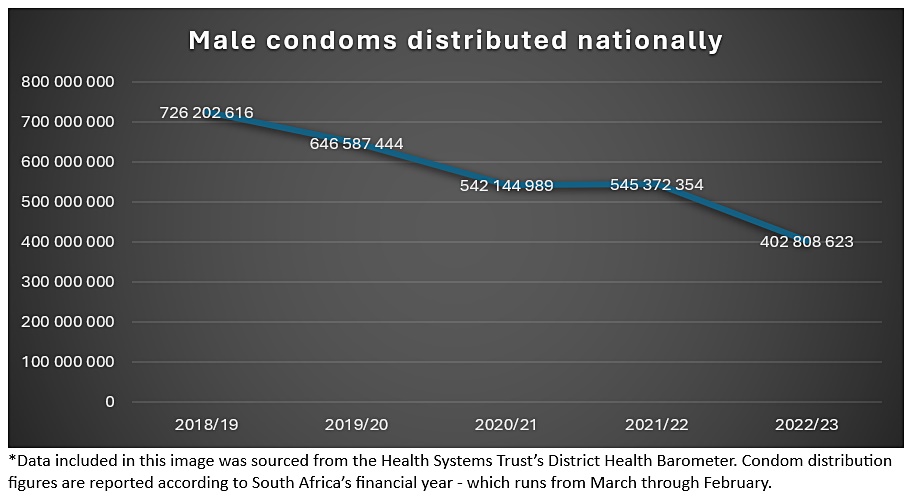
However, over the past two decades scientists have reported an alarming spike in cases. This has been attributed by some to a drop in condom use. The reasons for a decrease in condom use is not clearly understood – one possible factor is a false sense of security given lower HIV transmission rates, effective HIV treatment, and the availability of HIV transmission prevention in the form of  pre-exposure prophylaxis (PrEP). PrEP contains a combination of two antiretroviral medicines which are highly effective at preventing HIV infection when taken as prescribed by someone not living with HIV, while not offering protection against other STIs like syphilis. Access to condoms may also be a factor. As Spotlight recently reported, the number of condoms distributed by the South African government has decreased dramatically over the last five years.

Sex partners

One study presented at CROI found: “The risk factors associated with acquired syphilis are sexual behaviour, serosorting (a strategy that involves selecting sexual partners of the same HIV status) among people living with HIV, multiple sexual partners, the use of PrEP to compensate for HIV risk behaviour, and social networking sites or mobile device apps to find sex partners.”

At the syphilis session at CROI, Dr Angélica Espinosa Miranda, STI unit coordinator at the Brazilian Ministry of Health, presented a talk titled “The Burgeoning Epidemic of Congenital Syphilis”. She emphasised “the underdiagnosis of syphilis in pregnancy, especially in regions with limited healthcare access”.

Miranda’s statement resonates with De Voux’s research in South Africa, which found congenital syphilis cases to be gravely underreported in the country. Congenital syphilis is a notifiable condition in South Africa, meaning that if a doctor delivers a baby believed to be infected they are required by law to report it to the National Institute For Communicable Diseases.  De Voux’s study relays how reported congenital syphilis cases in South Africa’s healthcare system between January 2020 and June 2022 – 36 cases for every 100 000 live births – were at least half the figure estimated by WHO scientists – thus bolstering the hypothesis that there is a high number of undiagnosed syphilis in South Africa.

Penicillin treatment

In her talk, Miranda added that ensuring that infected pregnant women receive timely and appropriate penicillin treatment is critical to preventing congenital syphilis. “Penicillin is the only effective treatment during pregnancy,” she said. “However challenges remain, such as limited healthcare access and penicillin shortages in some countries.”

When penicillin cannot be used (due to unavailability in a country or allergy in a patient) the WHO’s STI guidelines suggest using doxycycline 100mg twice daily orally for 30 days.

Penicillin shortages are a problem worldwide, and in South Africa too. “South Africa has also been affected by shortages of penicillin,” says De Voux. “In fact, often they will make sure that they keep stocks and prioritise pregnant women. So that means that sometimes other people who are infected with syphilis will get treated with something that’s much more burdensome. Instead of having penicillin injections, they will take oral tablets – doxycycline – which has these gastrointestinal side effects, so an upset stomach. You have to try minimise the side effects with f ood.”

Miranda stressed the need to invest in developing new strategies – antibiotics apart from penicillin – to treat syphilis. Meanwhile, epidemiologists agree that a vaccine for syphilis is important but that this scientific solution remains elusive.

Republished from Spotlight under a Creative Commons licence.

Source: Spotlight

Scientists Reveal how Drug Locks Hepatitis D Virus out of Liver Cells

Colourised transmission electron micrograph of hepatitis B virus particles (colourised red and yellow). Credit: NIAID and CDC (Transmission electron micrograph image courtesy of CDC; colourisation by NIAID).

Over 12 million people worldwide suffer from a chronic infection with the hepatitis D virus. This most severe viral liver disease is associated with a high risk of dying from liver cirrhosis and liver cancer. It is caused by the hepatitis D virus (HDV), which uses the surface proteins of the hepatitis B virus (HBV) as a vehicle to specifically enter liver cells via a protein in the cell membrane – the bile salt transporter protein NTCP. This cell entry can be prevented by the active agent bulevirtide.

An international research team has now succeeded in deciphering the molecular structure of bulevirtide in complex with the HBV/HDV receptor NTCP at the molecular level. The research results published in the journal Nature Communications pave the way for more targeted and effective treatments for millions of people chronically infected with HBV/HDV.

The entry inhibitor bulevirtide is the first and currently only approved drug (under the drug name Hepcludex) for the treatment of chronic infections with the hepatitis D virus. The active agent effectively inhibits the replication of hepatitis D viruses and leads to a significant improvement in liver function. But the exact mechanism by which bulevirtide interacts with the virus entry receptor on the surface of the liver cells – the bile salt transporter protein NTCP (sodium taurocholate cotransporting polypeptide) – and thereby inhibits the entry of the viruses into the cells was previously unknown.

In order to understand the molecular interaction of bulevirtide and NTCP at the molecular level, the researchers first generated an antibody fragment that specifically recognises the NTCP-bulevirtide complex and makes it accessible for analysis when bound to nanoparticles. This complex was then analysed using cryo-electron microscopy, which allowed to visualise structural details with atomic resolution. The research results represent a milestone in understanding both the interaction of HBV and HDV with their cellular entry receptor NTCP and the mechanism of cell receptor blockade by bulevirtide.

How bulevirtide blocks the cell entry receptor NTCP

The analysis showed that bulevirtide forms three functional domains in the interaction with the HBV/HDV receptor NTCP: a myristoyl group that interacts with the cell membrane on the outside of the cell; an essential core sequence (‘plug’) that fits precisely into the bile salt transport tunnel of the NTCP like the bit of a key into a lock; and an amino acid chain that stretches across the extracellular surface of the receptor, enclosing it like a brace.

“The formation of a ‘plug’ in the transport tunnel and the associated inactivation of the bile salt transporter is so far unique among all known virus-receptor complexes. This structure explains why the physiological function of the NTCP is inhibited when patients are treated with bulevirtide,” says Prof Stephan Urban, DZIF Professor of Translational Virology and Deputy Coordinator of the DZIF research area Hepatitis, in whose laboratory at Heidelberg University the active agent bulevirtide was developed.

“Thanks to the structural details of the interaction with bulevirtide, we have also gained insights that enable the development of smaller active agents – so-called peptidomimetics – with improved pharmacological properties. Our structural analysis also lays the foundation for the development of drugs that are not only based on peptides and possibly enable oral administration,” adds the co-author of the study, Prof Joachim Geyer from the Institute of Pharmacology and Toxicology at Justus Liebig University Giessen.

Evolutionary adaptation of hepatitis B viruses to host species

The structural analysis also helped to decode an important factor in the species specificity of hepatitis B and D viruses. According to the findings of the analysis, the amino acid at position 158 of the NTCP amino acid chain plays an essential role in virus-receptor interaction. A change in the amino acid at this position prevents the binding of HBV/HDV. This explains why certain Old World monkeys, such as macaques, cannot be infected by HBV/HDV.

“Our findings enable a deeper understanding of the evolutionary adaptation of human and animal hepatitis B viruses to their hosts and also provide an important molecular basis for the development of new and targeted drugs,” adds co-author Prof Dieter Glebe, DZIF scientist at the Institute of Medical Virology at Justus Liebig University Giessen.

“Thanks to the structural details of the interaction with bulevirtide, we have also gained insights that enable the development of smaller active agents — so-called peptidomimetics — with improved pharmacological properties. Our structural analysis also lays the foundation for the development of drugs that are not only based on peptides and possibly enable oral administration,” adds the co-author of the study, Prof Joachim Geyer from the Institute of Pharmacology and Toxicology at Justus Liebig University Giessen.

Evolutionary adaptation of hepatitis B viruses to host species

The structural analysis also helped to decode an important factor in the species specificity of hepatitis B and D viruses. According to the findings of the analysis, the amino acid at position 158 of the NTCP amino acid chain plays an essential role in virus-receptor interaction. A change in the amino acid at this position prevents the binding of HBV/HDV. This explains why certain Old World monkeys, such as macaques, cannot be infected by HBV/HDV.

“Our findings enable a deeper understanding of the evolutionary adaptation of human and animal hepatitis B viruses to their hosts and also provide an important molecular basis for the development of new and targeted drugs,” adds co-author Prof Dieter Glebe, DZIF scientist at the Institute of Medical Virology at Justus Liebig University Giessen.

Source: German Center for Infection Research

International Pompe Day

Early diagnosis is key to transformative treatment in Pompe disease

Photo by National Cancer Institute on Unsplash

15 April is recognised as International Pompe Day, a time dedicated to increasing awareness about Pompe Disease – a rare, inherited disorder that leads to progressive muscle and heart weakness. The day emphasises global awareness with the message: “Together We Are Strong.”

Pompe Disease is a condition resulting from mutations in a gene responsible for producing acid alpha-glucosidase (GAA), the enzyme necessary for breaking down glycogen, a sugar the body uses for energy.1 These mutations lead to a reduced or absent production of this enzyme, causing an accumulation of glycogen that damages muscles and the heart. The impact of the disease, including its severity and the age when symptoms appear, depends on how much the enzyme’s activity is reduced.1

Pompe Disease is classified into two types2: the infantile form, characterised by severe GAA deficiency and symptoms appearing in the first months of life1, and the late-onset form, where symptoms may start in childhood or adulthood, usually without affecting the heart.1

Early diagnosis is vital for managing Pompe Disease effectively and improving outcomes.2 Kelly du Plessis, CEO and Founder of Rare Diseases South Africa (RDSA), says: “The rise in adult diagnoses stresses the importance of recognising symptoms such as difficulty walking, frequent chest infections, fatigue, muscle weakness, and frequent falls. Symptoms in infants include feeding problems, poor weight gain, breathing difficulties, muscle weakness, an enlarged heart, floppiness, and delayed milestones.”1

Obtaining a Pompe Disease diagnosis can be challenging. Du Plessis’ own path to finding a diagnosis for her son confirms the difficulties of identifying Pompe Disease. “The journey to a diagnosis is fraught with complexity because of the many ways in which the disease presents. I urge parents to trust their intuition and seek medical counsel without delay, as early intervention is critical.”

Although there is no cure for the disease, Enzyme Replacement Therapy (ERT), available since 2006, supplies the body with a version of the GAA enzyme that people with Pompe Disease lack, and has significantly improved outcomes for patients.3

Monique Nel, Medical Advisor for Rare Diseases at Sanofi South Africa, emphasises the importance of early screening and treatment to prevent or minimise complications. “Access to ERT in South Africa has been life-changing for patients, offering improved energy levels and quality of life,” says Nel. “Starting ERT before the onset of symptoms can prevent or slow the progression of the disease. This means patients may experience fewer complications and a slower decline in their condition over time.”

Some of the key benefits of ERT include:

Improvement in muscle function: ERT helps to break down glycogen, preventing its harmful accumulation in muscle cells. Patients often experience improvements in muscle strength and function2, which can enhance mobility and daily living activities.

Enhanced respiratory function: Many individuals with Pompe Disease suffer from respiratory complications due to muscle weakness. ERT can lead to improved respiratory function2, reducing the need for ventilatory support and decreasing the frequency of respiratory infections.

Cardiac benefits: In the infantile form of Pompe Disease, heart enlargement and dysfunction are significant concerns. ERT has been shown to improve heart function2, which can be life-saving for infants affected by the disease.

“By addressing some of the primary symptoms of Pompe Disease, ERT can significantly improve the quality of life for patients,” says Nel. “This includes increased energy levels, reduced fatigue, and the ability to participate more fully in social, educational, and professional activities.”

“We also encourage healthcare professionals to consider Pompe Disease when evaluating patients with muscle weakness, respiratory issues, or unexplained cardiac symptoms, to ensure early diagnosis. Early diagnosis facilitates timely intervention and treatment, optimising patient outcomes and quality of life.”

For more information, visit: www.rarediseases.co.za

References:

1. National Institute of Neurological Disorders and Stroke. Pompe disease. N.d. Available at: https://www.ninds.nih.gov/health-information/disorders/pompe-disease#, accessed 9 April 2024.
2. Bhengu, L, et al. Diagnosis and management of Pompe disease. South African Medical Journal, 2014; 104(4):273-274.
3. Ficicioglu, C, et al. Newborn screening for Pompe disease: Pennsylvania experience. International Journal of Neonatal Screening, 2020; 6: 89.

Rise in Global Fungal Drug-resistant Infections

In a recent study published in Pathogens and Immunity, researchers issue a call to action over how rising antifungal resistance is worsening the problem of invasive fungal infections.

Fungal infections have become more than just Epidemiological data published in Microbial Cell indicates that a rise in severe fungal infections has resulted in over 150 million cases annually and almost 1.7 million fatalities globally.

Skin contact with microorganisms found in soil or on hard surfaces, such as common shower facilities, or exposure to infected pets, can result in fungal infections known as dermatomycoses. Rashes, itching, burning and skin irritation are among the symptoms of fungal infection.

Thomas McCormick and Mahmoud Ghannoum, professors of dermatology at the Case Western Reserve University School of Medicine and affiliated with University Hospitals Cleveland Medical Center, explained extent of the problem. “This is not just an issue that affects individual patients,” McCormick said.

“The World Health Organization has recognised it as a widespread threat that has the potential to impact entire healthcare systems if left unchecked.”

Based on their findings, the researchers issued precautions and a “call to action” for the medical community to help protect people from multidrug-resistant fungi, starting with awareness and education.

“Healthcare providers must prioritise the use of diagnostic tests when faced with an unknown fungal infection,” Ghannoum said.

“Early detection can make all the difference in improving patient outcomes.”

Patients treated with medications to protect the immune system after cancer and transplant procedures are more vulnerable to fungal infections – making them especially more vulnerable to infections from drug-resistant fungi, the researchers said.

The emergence of multidrug-resistant fungal species, such as Candida auris and Trichophyton indotineae, is especially troubling and requires urgent attention, they reported.

In a study recently published in Emerging Infectious Diseases, Ghannoum’s research team and the Centers for Disease Control and Prevention (CDC), detailed a case that demonstrated Trichophyton indotineae, in addition to becoming drug-resistant, was also sexually transmissible.

To address the growing health concern, McCormick and Ghannoum suggest several measures:

  • Increased awareness and education: Raising awareness in the general healthcare setting to obtain a more accurate understanding of the rise of antifungal-resistant infections.
  • Diagnostic Testing: Routine use of diagnostic tests can guide appropriate treatment strategies.
  • Antifungal Susceptibility Testing (AST): Improving insurance reimbursement rates for AST and increasing the number of qualified laboratories with the capacity to perform these tests.
  • Call to Action: Addressing the emerging challenge of antifungal resistance involves concerted efforts from healthcare professionals, researchers, policymakers and the pharmaceutical industry to develop and implement strategies for managing and preventing antifungal resistance.

“The ultimate goal of these measures,” Ghannoum said, “is to improve the quality of patient care by ensuring effective treatment and preventing further escalation of the problem.”

Source: Case Western Reserve University

Scientists Find Weak Points on Epstein-Barr Virus

Photo by National Cancer Institute on Unsplash

Studies of interactions between two lab-generated monoclonal antibodies (mAbs) and an essential Epstein-Barr virus (EBV) protein have uncovered targets that could be exploited in designing treatments and vaccines for this extremely common virus. Study findings were published in the journal Immunity.

Approximately 95% of the world’s population is infected with EBV, which remains in the body permanently, typically in B lymphocytes, which are antibody-producing immune system cells, and cells lining the throat and pharynx.

EBV can sometimes lead to B-cell cancers, including Burkitt, Hodgkin and non-Hodgkin lymphomas, or to gastric or nasopharyngeal cancers.

Recently, EBV infection was shown to significantly raise the risk of developing multiple sclerosis.

There is no vaccine to prevent EBV infection nor a specific treatment.

In this study, investigators examined a viral protein called gp42, which the virus must use to infect B cells. The research was led by Jeffrey I. Cohen, M.D., and colleagues from the National Institute of Allergy and Infectious Diseases (NIAID), part of the National Institutes of Health.

Theoretically, a vaccine or antibody-based treatment capable of blocking gp42’s ability to bind to or fuse with B cells would prevent EBV infection and, thus, the virus’s ability to persist in those cells.

The team generated two gp42-specific mAbs, A10 and 4C12, and used X-ray crystallography to visualize how they interacted with gp42.

The crystal structures revealed that the two mAbs interacted with distinct, non-overlapping sites on gp42.

Monoclonal antibody A10 blocked the site on gp42 required for receptor binding, while 4C12 interfered with a different site that is involved in membrane fusion.

Next, the scientists tested A10, 4C12 and several other mAbs in mice for their ability to prevent EBV infection and EBV lymphomas.

The mAb A10 provided nearly complete protection against EBV infection and none of the mice developed lymphoproliferative disease or lymphoma.

In contrast, nearly all the mice treated with other mAbs became infected and some developed lymphoproliferative disease or lymphoma.

If future studies show mAb A10 to be safe and effective in humans, it could have clinical applications, particularly in people who have not been infected with EBV; those with immunodeficiency conditions, including severe combined immunodeficiency; or people receiving transplants.

People with such conditions are at risk of developing severe or fatal cases of EBV disease during their initial encounter with the virus.

The investigational monoclonal antibody could potentially be used prophylactically to prevent or better control EBV infections in such cases, the investigators note.

Additionally, the study team suggests that identification of the vulnerable sites on gp42 also paves the way to designing future vaccines that could elicit antibodies against one or both of the newly described sites.

Source: NIH/National Institute of Allergy and Infectious Diseases

More Stem Cell Donors Needed to Increase the Aplastic Anaemia Survival Rate

Photo by National Cancer Institute on Unsplash

Despite being one of the rarest blood disorders, Aplastic Anaemia is one of the deadliest, with about 70% of patients having a life expectancy of only one year if untreated.

Among the treatment options available, stem cell transplants offer hope, boasting a 96% survival rate that increases to 100% in children and adults under 40. Unfortunately, however, there are only 76 019 donors on the South African registry, meaning that the chances of Aplastic Anaemia patients finding a suitable match are slim.

“The chances are even slimmer for Black Aplastic Anaemia patients as only 33% of the registry is comprised of Black donors,” says Palesa Mokomele, Head of Community Engagement and Communications at DKMS Africa, who explains that a patient’s best chance of a match comes from within their own ethnic group.

Currently, the non-profit organisation is trying to find matching donors for at least seven South African Aplastic Anaemia patients between the ages of seven and 36. Some of these patients, like 21-year-old Kholiwe, have been on the waiting list since as far back as 2020.

During her matric year, she started experiencing symptoms and after being rushed to the hospital following a fainting spell, received the shocking diagnosis. Compounding the situation for the aspiring drama student was the withdrawal of support from her family, leaving her all alone to cope emotionally and financially with the disease. As she waits for a matching donor to be found, Kholiwe now has the challenge of finding permanent employment while simultaneously undergoing medical treatments to keep her alive. Despite these hardships, she remains hopeful about finding a matching stem cell donor. “Kholiwe’s future, and those of other Aplastic Anaemia patients, depends on this,” says Mokomele.

Explaining what Aplastic Anaemia is, she shares that, based on information gathered by DKMS Africa in conjunction with BLOODSA, the condition occurs when our bone marrow stops making enough blood cells. “This can lead to anaemia, a weak immune system, and an increased risk of bleeding and bruising.”

As for the cause of Aplastic Anaemia, Mokomele points out that this is due to bone marrow damage. “While some people are born with compromised bone marrow, others develop this as a consequence of pregnancy, genetic disorders, certain medicines or chemicals, an overactive immune system or viral infections such as HIV and Hepatitis.”

In light of Aplastic Anaemia Awareness Day on 4 March, she encourages all South Africans to familiarise themselves with the symptoms. “These include tiredness; feeling weak; pale skin and tongue; bruising and bleeding easily; rapid heartbeat; trouble breathing; frequent infections; headaches and dizziness.”

Similarly, 10-year-old Mesuli’s experience highlights the challenges faced by Aplastic Anaemia patients and their families. His journey began with drastic weight loss and constant fatigue. The once energetic and always bubbly little boy grew weak and started having severe nose bleeds. That’s when his aunt Nonhle, who is caring for him following the passing of his mother, consulted a doctor. With his illness forcing him to leave school, Mesuli’s new reality consists of going to the hospital every Wednesday for a blood transfusion.

“It hurts to see him in pain because it hurts me too. All I want is for him to grow and live out his dreams. I am begging each South African to think of Mesuli, spread the word and get your family and friends registered to help save the life of my boy. His life hangs in the hands of a perfect stranger,” pleads Nonhle.

Mesuli hopes to one day become a doctor and save lives, the same way he hopes his life will be saved.

“Bearing Aplastic Anaemia Awareness Day in mind, we encourage South Africans to pay close attention to their health and that of their loved ones, especially as the rarity of the disease does not diminish its severity. But, more importantly, we need those who are healthy to register as stem cell donors and save the lives of patients with this deadly disease,” concludes Mokomele.

Register today at https://www.dkms-africa.org/register-now

For more information, contact DKMS Africa on 0800 12 10 82.

Promoting Access and Equity for People Affected by Rare Diseases

Photo by Cottonbro on Pexels

The Third Biennial Rare Diseases Conference, Rare X 2024, took place at the Indaba Hotel in Johannesburg from 14 to 17 February, bringing together patients, healthcare professionals, and stakeholders in the rare disease community in a collaborative space to engage on rare diseases and their treatments. As a hub for South African, African, and international participants, the conference provided a platform for the exchange of ideas, offering academic and scientific insights while emphasising the importance of patient, caregiver, and support group experiences.

“The scarcity of genetic specialists, high costs, and limited access to advanced treatments make it challenging to manage rare diseases and congenital disorders in South Africa and on the continent,” said Kelly du Plessis, CEO & Founder of patient support group, Rare Diseases South Africa. “Rare X plays a pivotal role in advocating for the 4.1 million South Africans affected by these conditions, so that they can experience greater recognition, support, improved health services and better overall quality of life.”

Addressing the critical need for medical education programs in low- and middle-income countries,  Prof Christian Hendriksz, extra ordinary Professor of Paediatrics and Child Health at the Steve Biko Academic Unit, University of Pretoria, and extra ordinary Professor of Human Metabolomics,  North-West University, Potchefstroom, spoke about the significant step forward in healthcare equity and the provision of patient support in Africa.

Prof Hendriksz and his team have taken an inclusive and collaborative approach to addressing rare diseases on the continent. Meeting on virtual platforms, he has brought together people from 19 African countries, including clinicians, laboratory staff, and patient organisations. They found that there’s a noticeable lack of understanding about rare diseases among African political leaders, along with many misconceptions. A common belief is that rare diseases either don’t exist or are less important compared to major health issues like TB and HIV. This mindset hinders progress because without proper diagnosis, patients cannot be identified and treated. To change these views, there’s a need for education and awareness campaigns, along with the adoption of strategies that focus on the patients’ needs.

One of the major challenges Prof Hendriksz highlighted is the logistics of sample transportation and the urgent need for diagnostic services that are practical and sustainable. Through specialised training sessions at North-West University and the creation of a comprehensive network, significant advancements are being made in disease awareness, patient support, and diagnostic capabilities.

Looking ahead, Prof Hendriksz aims to enhance diagnostic and support pathways further, prioritising the development of local capacities.

Head Of Research at the Board of Healthcare Funders (BHF), Charlton Murove, explained that the BHF aims to ensure affordable access to healthcare services for all citizens. This is part of a broader initiative to improve the overall health system by establishing key relationships with various stakeholders and focusing on medical screenings and solutions for high-risk populations. The challenge lies in the complexity of conditions and the high costs associated with treatments, particularly for rare diseases. The BHF is exploring innovative solutions to mitigate these challenges, such as the creation of a pooled funding mechanism to smooth out the financial impact of high-cost treatments across participants. This approach aims to enhance efficiency, maintain funds within medical schemes, and ensure equitable access to necessary treatments.

According to Murove, the proposed system would allow for collective bargaining, potentially leading to negotiated price reductions and improved access to care. However, implementing such a system requires navigating legal, financial, and regulatory frameworks and a more cooperative attitude among medical schemes and stakeholders would be needed. The ultimate goal is to ease the financial burden on schemes and patients alike, ensuring sustainable access to critical treatments while promoting fairness and transparency in healthcare funding.

Meliska Volschenk, Head of Payer Solutions and National Accounts at global pharmaceutical company, Sanofi, and a participant in the Rare Diseases Access Initiative (RDAI) which aims to enhance equitable access to care for patients with rare diseases in South Africa, spoke of the need for collaboration across the healthcare spectrum to address the unique challenges faced by rare disease patients, such as life-threatening conditions, the need for specialised care, and often the lack of curative treatments.

“Recognising the significant impact of rare diseases on individuals, families, and the healthcare system, there is an urgent need for a national policy to ensure a coordinated approach to rare diseases,” said Volschenk. “South Africa, like many countries, lacks a comprehensive strategy to address these challenges effectively.”

To tackle the issues head-on, Volschenk said the Rare Disease Initiative (RDAI) has outlined six strategic priorities within a proposed national framework and strategy for rare diseases. These priorities include ensuring early and accurate diagnosis, improving access to treatments, enhancing data collection, providing coordinated care, improving access to services, and boosting collaborative research.

“The RDAI is working to improve healthcare for rare disease patients in South Africa by gradually introducing changes and involving different groups, including health organisations and government departments, in their efforts,” said Volschenk. “We are organising meetings and discussions with these groups to come up with practical changes and new policies aimed at better support and care for patients with rare diseases. This shows RDAI’s dedication to making the healthcare system fairer and more effective for people with rare conditions, ensuring they get the help and treatment they need.”

Overcoming the hurdles of rare disease care requires a united front, comprising healthcare professionals, policymakers, patient advocacy groups, and the pharmaceutical industry, said Prudence Selani, Head of Communications at Sanofi South Africa. The call to action is clear: to embrace a multifaceted approach that includes enhancing medical education, establishing a national policy for rare diseases, and developing a healthcare ecosystem that prioritises patient-centred strategies, affordability, and access to cutting-edge treatments. “That is how we can best contribute to a sustainable and equitable healthcare system for one of the most vulnerable patient groups,” said Selani.