Antisense oligonucleotides (ASOs), are molecules that can be used to control protein levels in cells. Researchers detail in Nature how they leveraged ASO technology to develop the first FDA-approved treatment for spinal muscular atrophy called Spinraza®. The drug has helped over 11 000 patients make more of a protein that certain neurons in the spine need.
Cold Spring Harbor Laboratory Professor Adrian Krainer, who developed the drug, has been searching for more ways ASOs can help treat other disorders. He has identified cystic fibrosis (CF), where patients produce insufficient amount of the protein CFTR. His team discovered how to use ASOs to make more of an imperfect but still functional version of CFTR. This could lead to a new treatment approach that may help alleviate CF symptoms.
The imperfect CFTR protein results from a gene mutation. The faulty instructions to produce the protein are eliminated and the protein isn’t made, since in general, imperfect proteins may be disruptive. Prof Krainer’s ASOs trick cells into following the faulty instructions and making the imperfect CFTR protein. His team found that, in this case of CF, having an imperfect version of the protein is better than having none at all. Their method improved the function of lung cells, suggesting the ASO strategy could improve symptoms in CF patients with this mutation.
The team’s discovery spotlights a new way ASOs can be used to treat disease. The study was led by Young Jin Kim, a former MD-PhD student in the Krainer laboratory. Prof Krainer hopes to continue expanding the potential of ASO technology in therapeutics. He thinks in the future ASOs may increasingly become a way to tailor therapies specific to an individual’s unique genetic mutations. “If more of this type of drug, ASOs, are approved,” Prof Krainer said, “I wouldn’t be surprised if in the not-so-distant future ASOs become a routine way to make personalised medicines.”
In a clinical trial, two new antibody treatments for Crohn’s disease were approximately similar in effectiveness, according to findings published in The Lancet.
This allows clinicians and patients to make treatment choices based on tolerance, according to Stephen Hanauer, MD, the Clifford Joseph Barborka Professor and a co-author of the study.
“The safety and efficacy of two agents with different mechanisms of action appears to be quite comparable over one year,” said Prof Hanauer.
Crohn’s disease (CD) is a chronic, progressive inflammatory bowel disease, causing abdominal pain, weight loss and fatigue. Treatment has usually focused on alleviating symptoms to achieve clinical remission using corticosteroids or immunomodulators, but more effective treatment is still needed, according to Prof Hanauer.
‘While there are numerous therapies and mechanisms of action for drugs approved for moderate-severe Crohn’s disease there has been a therapeutic ceiling as far as outcomes are concerned, with usually less than 50% of patients in long-term remission,” Prof Hanauer explained.
Recently, several biologic agents have been approved for use. Adalimumab is a monoclonal antibody that reduces inflammatory cytokines by inhibiting tumor necrosis factor alpha. Ustekinumab is another monoclonal antibody, though the drug targets a different set of proteins: interleukin (IL) 12 and IL-23.
Researchers recruited with Crohn’s disease, randomising 191 to receive ustekinumab and 195 to adalimumab. Patients reaching clinical remission were similar between both groups: 65% of 191 patients in the ustekinumab group versus 61% of 195 in the adalimumab group. There were no deaths through one year of study, though slightly more patients in the ustekinumab group discontinued study treatment. Disease severity measures decreased similarly over the study.
Both treatment regimens resulted in clinical remission with similar toxicity profiles.
“There are numerous options for patients with moderate-severe disease. However, the key is to treat patients with an effective regimen and treat to targets as early in the course as possible since we do not have any drugs that impact on fibrosis once it occurs,” Prof Hanauer said.
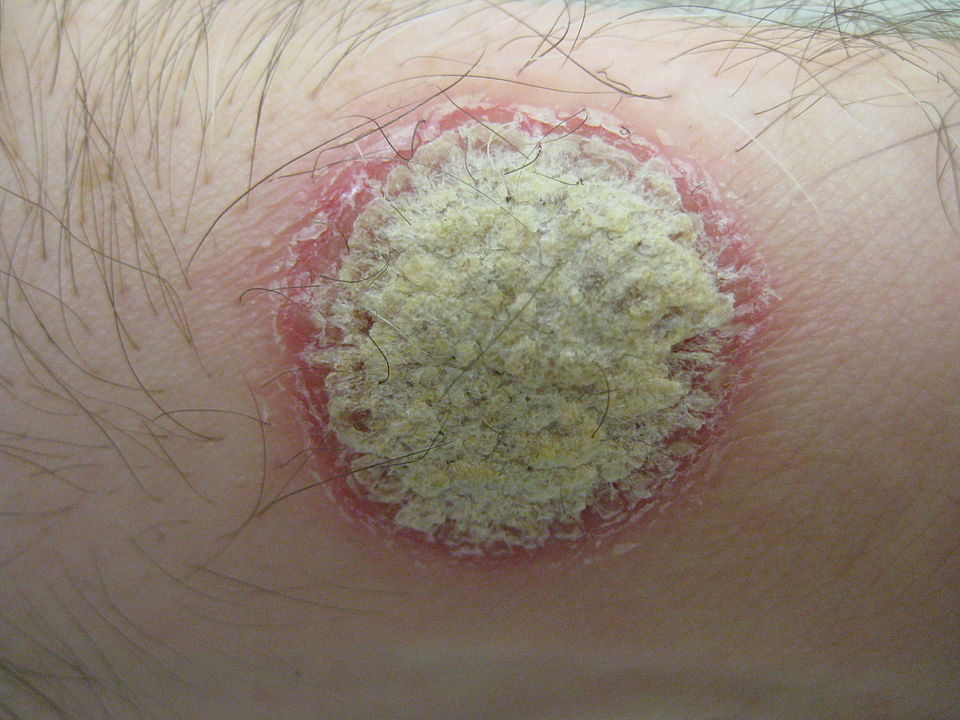
About a third of people with psoriasis develop inflammation in their joints (psoriatic arthritis) as a result of the chronic skin condition. Research published in Annals of the Rheumatic Diseases has now discovered a key starting point for inhibiting inflammation in both psoriasis and psoriatic arthritis. These findings may lead to major new developments for treatment, diagnostic and prevention strategies.
The study conducted by the research group led by Erwin Wagner at the Medical University of Vienna focused on the S100A9 gene. The team has discovered that the severity of psoriasis (Ps) and psoriatic arthritis (PsA) can be reduced by inhibiting S100A9 systemically throughout the whole body rather than locally on the skin.
With this finding, the researchers are laying the foundation for a paradigm shift in the treatment of Ps and PsA: “Our study is an important step towards the development of targeted therapeutic options in the form of drugs that act systemically rather than locally on the skin,” affirms Erwin Wagner. New diagnostic and prevention strategies can also build on the study.
Psoriasis, typically an adult-onset disease, have triggers such as stress and UV radiation. There can also be a genetic predisposition to developing Ps. S100A9 activation in skin and immune cells has been identified as a risk factor for the development of Ps and/or PsA.
Previous work by Erwin Wagner’s team showed that the symptoms of psoriasis disappear when the S100A9 gene is deactivated in all of the body’s cells. Their recent preclinical experiments highlighted the particular influence that those skin and immune cells in which S100A9 is produced have on disease severity. “We now know that the inflammatory responses in psoriasis and psoriatic arthritis are enhanced when S100A9 is only inhibited in skin cells,” Erwin Wagner explained. Therefore drugs inhibiting S100A9 would have to be administered systemically in the form of tablets or drips
In 2016, Spinraza® became the by the first FDA-approved treatment for spinal muscular atrophy (SMA). This neurodegenerative disease is the leading genetic cause of infant death. The drug was conceived and developed by Cold Spring Harbor Laboratory (CSHL) Professor Adrian Krainer and collaborators. But Prof Krainer’s lab continued to try and improve Spinraza® could be improved, in collaboration with Alberto Kornblihtt at Universidad de Buenos Aires. They discovered pairing Spinraza® with a second FDA-approved drug called valproic acid (VPA) could be a new way to boost its therapeutic effects, without increasing toxic side effects.
Prof Krainer explained: “Sometimes you don’t want to use a ton of a drug. If you have a condition that allows you to use less drug, then you may have fewer toxicities. So the idea is to combine these two drugs to get maximal effects.”
In SMA, the body produces insufficient amounts of a protein called SMN. Spinraza® is a type of molecule called an antisense oligonucleotide (ASO) that helps cells make more SMN protein from a gene called SMN2. Roadblocks were discovered on the SMN2 gene when using Spinraza®, slowing down the cellular machine producing SMN protein. The drug VPA helps remove these roadblocks, allowing Spinraza® to further increase the SMN protein output. When mice with SMA were treated with both VPA and a Spinraza®-like ASO used for research, the mice survived longer, with improved muscle function.
To date, more than 11 000 SMA patients have been treated with Spinraza® in more than 50 countries. Prof Krainer’s latest research shows that there’s always room for improvement. He hopes the team’s findings will help optimize the efficacy of Spinraza® treatments, and hopes their work will help the development of treatments for other neurodegenerative diseases.
Healthcare workers are among the 20% of the world’s population who do shift work. Shift workers’ differing sleep-wake cycle is a risk factor for numerous health disorders, including diabetes, heart attacks, cancer and strokes.
Now, new research published in Neurobiology of Sleep and Circadian Rhythms shows the adverse effects of shift work can be long-lasting, even after returning to a normal schedule.
“Shift work, especially rotating shift work, confuses our body clocks and that has important ramifications in terms of our health and well-being and connection to human disease,” said Professor David Earnest at the Texas A&M University College of Medicine. “When our internal body clocks are synchronized properly, they coordinate all our biological processes to occur at the right time of day or night. When our body clocks are misaligned, whether through shift work or other disruptions, that provides for changes in physiology, biochemical processes and various behaviours.”
A previous study done by Earnest and colleagues found that animal models on rotating shift work schedules had more severe stroke outcomes, than those on regular 24-hour cycles of day and night. Males were distinguished by worse outcomes in which mortality rates were much higher.
This new study took a different approach. Rather than examining immediate effects of shift work on strokes, the researchers returned all subjects to regular 24-hour cycles and waited until their midlife equivalent – when humans are most likely to experience a stroke – to evaluate stroke severity and outcomes.
“What was already born out in epidemiological studies is that most people only experience shift work for five to eight years and then presumably go back to normal work schedules,” Prof Earnest said. “We wanted to determine, is that enough to erase any problems that these circadian rhythm disruptions have, or do these effects carry over even after returning to normal work schedules?”
They found that the health impacts of shift work do, indeed, persist over time. The sleep-wake cycles of subjects on shift work schedules never truly returned to normal, even after subsequent exposure to a regular schedule. Compared to controls maintained on a regular day-night cycle throughout the study, they displayed persistent alterations of their sleep-wake rhythms, with periods of abnormal activity when sleep would have normally occurred. When they suffered strokes, their outcomes were again much worse than the control group, except females had more severe functional deficits and higher mortality than the males.
“The data from this study take on added health-related significance, especially in females, because stroke is a risk factor for dementia and disproportionately affects older women,” said Professor Farida Sohrabji.
The researchers also observed increased levels of inflammatory mediators from the gut in subjects exposed to a shift work schedule. “We now think that part of the underlying mechanism for what we’re seeing in terms of circadian rhythm disruption causing more severe strokes may involve altered interactions between the brain and gut,” Prof Earnest said.
The results of this study could eventually lead to the development of interventions that block adverse effects of disrupted circadian rhythms. In the meantime, shift workers can improve care of their internal body clocks by trying to maintain a regular schedule as much as possible and avoiding a high-fat diets, which can cause inflammation and also alter the timing of circadian rhythms.
This research has clear implications for shift workers, but it could extend to many other people who keep schedules that differ greatly from day to day. Modern work has also extended the work day thanks to email and the internt.
“Because of the computer age, many more of us are no longer working from nine to five. We take our work home and sometimes work late at night,” Prof Earnest said. “Even those of us who do work regular schedules have a tendency to stay up late on the weekends, producing what is known as ‘social jet lag,’ which similarly unwinds our body clocks so they no longer keep accurate time. All this can lead to the same effects on human health as shift work.”
A team of researchers have identified a molecular mechanism by which stress affects a neuropsychiatric form of lupus, revealing a potential target for the treatment of the disease. Their findings were published in Annals of the Rheumatic Diseases.
Neuropsychiatric systemic lupus erythromatosus (NPSLE), which affects the central nervous system is one of the most severe forms of lupus, for which there is currently no cure. NPSLE is the least understood yet maybe the most prevalent manifestation of lupus, comprising 14%–80% or more of adult SLE cases and 22%–95% of paediatric cases. It can occur independently of active systemic disease and without serologic activity and is associated with increased morbidity and mortality
The research team, led by Professor Masaaki Murakami at Hokkaido University, focused on a specific type of NPSLE called Neuropsychiatric lupus with diffuse neuropsychological manifestations (dNPSLE). There are believed to be a number of causes for dNPSLE, but little is known about its pathogenesis. The researchers were primarily interested in the effects of stress, as chronic stress is linked to the development of many autoimmune diseases.
The researchers conducted experiments on mice models that exhibit SLE-like symptoms to identify the underlying mechanisms dNPSLE. After subjecting a set of these mice to sleep deprivation stress, they observed that the medial prefrontal cortex (mPFC) of the brain was abnormally activated.
In the mPFC, at least 509 genes’ expressions were significantly affected by sleep deprivation. In particular, there was an upregulation of gene that is required for two interleukins, IL12 and IL23. They further showed that upregulating these two interleukins caused activation of the microglial cells of the mPFC. Blocking IL12 and IL23 pathways in these sleep-deprived mice models inhibited the stress-induced neuropsychiatric symptoms.
Most importantly, they showed that there were elevated levels of IL12 and IL23 in the cerebrospinal fluid of human patients with dNPSLE, which could constitute a diagnostic marker. They also showed that the mPFC in dNPSLE patients is atrophied; together, these observations indicate that the mouse model findings may be applicable to humans.
Summing up, Prof Murakami said: “In revealing the effect of the stress-induced effects on the expression of IL12 and IL23 in dNPSLE, we have identified them as not only a diagnostic marker but also a novel therapeutic target for this disease.”
A painful inflammatory form of arthritis, gout is characterised by urate crystals accumulating in joints, soft tissue and bones. To decrease blood urate levels in patients and reduce flareups, the standard treatment is xanthine oxidase inhibitors such as febuxostat. But new research published in Arthritis & Rheumatology has found a possible better option in the form of low doses of benzbromarone, a less commonly used drug.
Biochemically, gout is characterised by extracellular fluid urate saturation, which is reflected by hyperuricaemia in the blood, with plasma or serum urate concentrations in excess of 6.8 mg/dL; this is the approximate limit of urate solubility.
Benzbromarone is a uricosuric drug that has been used in the treatment of gout over the last 30 years. It reduces the urate reabsorption, diminishing serum urate levels and therefore preventing gout flares.
In this prospective single-centre, open-labelled trial, 196 men with gout and low urinary excretion of uric acid were randomised to receiving either low-dose benzbromarone (LDBen) or low-dose febuxostat (LDFeb) for 12 weeks.
More participants in the LDBen group achieved the blood urate target of < 6 mg/dL than those in the LDFeb group (61% versus 32%). There was little difference in side effects between the groups.
The authors concluded that, “The results suggest that low dosing of benzbromarone may warrant stronger consideration as a safe and effective therapy to achieve serum urate target in gout.”
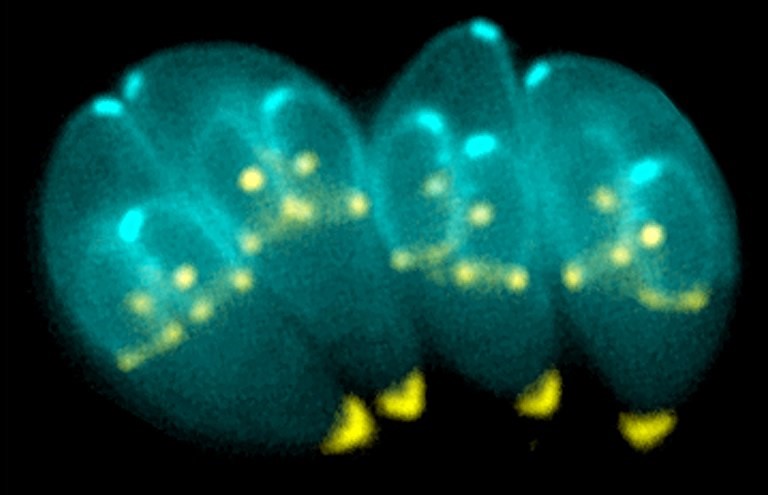
Findings from a new University of Kentucky College of Medicine study published in the Journal of Biological Chemistry could lead to a new treatment for Toxoplasma gondii, the parasite that causes toxoplasmosis.
An estimated 40 million people in the US carry the parasite T. gondii, according to the Centers for Disease Control and Prevention, but most are asymptomatic because the immune system usually keeps the parasite from causing illness. However, for women newly infected during pregnancy and anyone with a compromised immune system, toxoplasmosis can cause severe illness or even death.
In individuals with severe toxoplasmosis, cyst version of the parasite may be present within brain and muscle tissue. These cysts are responsible for causing serious disease, especially in people who are immunocompromised. While there are FDA-approved drugs to treat the symptoms of toxoplasmosis, no current therapeutics target the cyst form of the parasite.
The labs of Matthew Gentry, PhD, and Craig Vander Kooi, PhD, at UKCM and Zhong-Yin Zhang, PhD, at the Purdue Institute for Drug Discovery, collaborated to develop a drug that targets the cyst form of the parasite.
In previous research, Dr Gentry identified an enzyme in T. gondii called TgLaforin, which he hypothesised was critical in allowing the parasite to access energy from a carbohydrate storage molecule. The team developed a new drug that inhibits TgLaforin with the goal of preventing enzymes from accessing and providing energy to the parasite.
The new discovery was made possible thanks to the multidisciplinary collaboration of experts from the four labs, said Dr Gentry.
Robert Murphy, PhD, a member of the Gentry and Sinai labs, conducted initial experiments that characterised TgLaforin and provided a baseline for understanding the enzyme’s function.
Tiantian Chen, a graduate student in Vander Kooi’s lab, generated models of TgLaforin using a new program called AlphaFold2, an AI algorithm that provides valuable insights into research. Chen generated models that provided a picture of the enzyme that demonstrated TgLaforin was a unique and possible drug target.
Jianping Lin, PhD, a postdoc in Dr Zhang’s lab, then used information generated by Dr Murphy and Chen in combination with novel techniques in chemistry to generate the first version of a future anti-Toxoplasma drug.
“I was excited to find that the drug was effective against TgLaforin in test tubes and that it prevented TgLaforin from performing its normal activity against a variety of substrates, including carbohydrates,” said Dr Murphy.
The labs will next test the drug on parasites, and try to increase its potency and selectivity and adapt its chemical properties to allow for animal studies.
“This study is a great example of what Provost DiPaola consistently promotes regarding transdisciplinary research,” Dr Gentry said. “This work was a true team effort and it is very exciting to see where we take it next.”
A microscopic view of salivary gland acinar epithelial cells (pink) infected with rotavirus (green), a type of enteric virus, in a mouse. Credit: Nihal Altan-Bonnet (NIH/NHLBI)
Enteric viruses can grow in the salivary glands of mice and spread through their saliva, scientists at the National Institutes of Health have discovered. Enteric viruses transmission through saliva suggests that coughing, talking, sneezing, sharing food and utensils, and even kissing all have the potential for spreading the viruses.
The findings, which appear in the journal Nature, could lead to better ways to prevent, diagnose, and treat diseases caused by these viruses, potentially saving lives.
Enteric viruses, such as noroviruses and rotaviruses, have long been known to spread by eating food or drinking liquids contaminated with faecal matter containing these viruses. Enteric viruses were thought to bypass the salivary gland and target the intestines, exiting later through faeces. Though another route of transmission was suspected, this theory remained largely untested until now.
Now researchers will need to confirm that salivary transmission of enteric viruses is possible in humans. If they find that it is, the researchers said, they may also discover that this route of transmission is even more common than the conventional route. A finding such as that could help explain, they said, why the high number of enteric virus infections each year worldwide fails to adequately account for faecal contamination as the sole transmission route.
“This is completely new territory because these viruses were thought to only grow in the intestines,” said senior author Nihal Altan-Bonnet, PhD. “Salivary transmission of enteric viruses is another layer of transmission we didn’t know about. It is an entirely new way of thinking about how these viruses can transmit, how they can be diagnosed, and, most importantly, how their spread might be mitigated.”
Dr Altan-Bonnet, who has studied enteric viruses for years, said the discovery was completely serendipitous. Her team had been conducting experiments with enteric viruses in infant mice, which are the animal models of choice for studying these infections because their immature digestive and immune systems make them susceptible to infections.
For the current study, the researchers fed a group of newborn mice that were less than 10 days old with either norovirus or rotavirus. The mouse pups were then returned to cages and allowed to suckle their mothers, who were initially virus-free. After just a day, one of Dr Altan-Bonnet’s team members, NHLBI researcher and study co-author Sourish Ghosh, PhD, noticed something unusual. The mouse pups showed a surge in IgA antibodies – important disease-fighting components – in their guts. This was surprising considering that the immune systems of the mouse pups were immature and not expected to make their own antibodies at this stage.
Ghosh also noticed other unusual things: The viruses were replicating in the mothers’ milk duct cells at high levels. When Dr Ghosh collected milk from the breasts of the mouse mothers, he found that the timing and levels of the IgA surge in the mothers’ milk mirrored the timing and levels of the IgA surge in the guts of their pups. It seemed the infection in the mothers’ breasts had boosted the production of virus-fighting IgA antibodies in their breast milk, which ultimately helped clear the infection in their pups, the researchers said.
Eager to know how the viruses got into the mothers’ breast tissue in the first place, the researchers conducted additional experiments and found that the mouse pups had not transmitted the viruses to their mothers through the conventional route – by leaving contaminated faeces in a shared living space for their mothers to ingest. That’s when the researchers decided to see whether the viruses in the mothers’ breast tissue might have come from the saliva of the infected pups and somehow spread during breastfeeding.
To test the theory, Dr Ghosh collected saliva samples and salivary glands from the mouse pups and found that the salivary glands were replicating these viruses at very high levels and shedding the viruses into the saliva in large amounts. Additional experiments quickly confirmed the salivary theory: suckling had caused both mother-to-pup and pup-to-mother viral transmission.
A new study published in eLife has found that a highly antibiotic-resistant strain of methicillin resistant Staphylococcus aureus (MRSA) has emerged in livestock in the last 50 years, likely a result of widespread antibiotic use in pig farming.
The strain, CC398, has become the dominant type of MRSA in European livestock in the past fifty years. It is also a growing cause of human MRSA infections.
The study found that CC398 has maintained its antibiotic resistance over decades in pigs and other livestock. And it is capable of rapidly adapting to human hosts while maintaining this antibiotic resistance. Increasing numbers of humans have been infected with the strain.
“Historically high levels of antibiotic use may have led to the evolution of this highly antibiotic resistant strain of MRSA on pig farms,” said Dr Gemma Murray, a lead author of the study.
She added: “We found that the antibiotic resistance in this livestock-associated MRSA is extremely stable – it has persisted over several decades, and also as the bacteria has spread across different livestock species.”
Antibiotic use in European livestock is much lower than it has been in the past. But despite policy changes reducing antibiotic use on pig farms, this strain of MRSA in pigs is unlikely to be impacted because it is so stable.
CC398 is found in a range of livestock but mostly in pigs. Its rise has been particularly evident in Danish pig farms where the proportion of MRSA-positive herds has increased from less than 5% in 2008 to 90% in 2018. MRSA doesn’t cause disease in pigs.
“Understanding the emergence and success of CC398 in European livestock – and its capacity to infect humans – is vitally important in managing the risk it poses to public health,” said Dr Lucy Weinert in the University of Cambridge’s Department of Veterinary Medicine, senior author of the paper.
The success of CC398 in livestock and its ability to infect humans is linked to three mobile genetic elements in the MRSA genome. These are chunks of genetic material that give the MRSA certain characteristics, including its resistance to antibiotics and its ability to evade the human immune system.
The researchers reconstructed the evolutionary history of two particular mobile genetic elements called Tn916 and SCCmec that confer antibiotic resistancein MRSA, and found they have persisted in a stable way in CC398 in pigs over decades. They also persist when CC398 jumps to humans — carrying with them high levels of resistance to antibiotics commonly used in farming.
In contrast, a third mobile genetic element called ?Sa3, which enables the CC398 strain of MRSA to evade the human immune system, was found to have frequently disappeared and reappeared over time, in both human-associated and livestock-associated CC398. This suggests that CC398 can rapidly adapt to human hosts.
“Cases of livestock-associated MRSA in humans are still only a small fraction of all MRSA cases in human populations, but the fact that they’re increasing is a worrying sign,” said Weinert.
Intensification of farming, combined with high levels of antibiotic use in livestock, has led to particular concerns about livestock as reservoirs of antibiotic-resistant human infections.
Zinc oxide has been used for many years on pig farms to prevent diarrhoea in piglets. Due to concerns about its environmental impact and its potential promotion of antibiotic resistance in livestock, the European Union will ban its use from this month. But the authors say this ban may not help reduce the prevalence of CC398 because the genes conferring antibiotic resistance are not always linked to the genes that confer resistance to zinc treatment.